Why Every Scrap Shows on a Fifteen-Pound Cavalier
It’s a tale as old as time for Cavalier King Charles Spaniel owners: you swear your sweet, fourteen or fifteen-pound Cavalier barely eats anything, yet the pounds seem to creep on with alarming ease. It’s incredibly frustrating to feel like every tiny scrap, every forgotten treat, lands directly on their waistline, making it incredibly challenging to keep them at a healthy weight. This guide will delve into the precise reasons why these small, lovable dogs are so prone to weight gain, exploring their unique metabolism, the surprising calorie count of everyday extras, and actionable strategies to keep your Cavalier healthy and trim.
The Tiny Calorie Budget of a Fifteen-Pound Cavalier
When you look at your Cavalier, perhaps curled up on your lap, they don't seem like they need much fuel. And you'd be right! What feels like a small portion to us can be a substantial meal to a dog weighing around fifteen pounds. Their small size means their daily caloric needs are surprisingly low, and any deviation from that precise requirement can quickly lead to weight gain. It's not about them being "lazy" or "greedy," it's simply a matter of scale and canine physiology.
Understanding Basal Metabolic Rate and Activity Levels
Every living creature has a basal metabolic rate (BMR), which is the number of calories burned simply to maintain basic bodily functions like breathing, circulation, and digestion, even at rest. For a fifteen-pound Cavalier, this BMR is already quite low compared to, say, a seventy-pound Labrador. On top of that, while Cavaliers are active and enjoy walks, they aren't typically high-energy dogs running marathons. Many are quite content with a couple of moderate walks a day and plenty of indoor lounging. This lower activity level means their "calories out" side of the equation is often less than a more athletic breed.
Think about it this way: if a human needs around 2000 calories a day, an extra 100 calories from a cookie is a mere 5% increase. For a fifteen-pound Cavalier who might only need 300-400 calories in total each day (depending on age, activity, and individual metabolism), that same 100-calorie cookie is a whopping 25-33% increase! It's easy to see how quickly even small additions can throw their delicate energy balance completely off. They aren't just scaled-down versions of larger dogs; their metabolic efficiency for maintaining their small bodies is incredibly fine-tuned, making any excess instantly noticeable.
How Body Size Influences Weight Gain
The mechanics of weight gain are simple: consume more calories than you burn, and the excess is stored as fat. For a larger dog, a few extra kibbles or a small human treat might be easily absorbed into their overall larger calorie allowance or burned off with their more extensive exercise. For a Cavalier, whose ideal weight might be between 13 and 18 pounds, even half a pound extra can represent a significant percentage of their total body weight, impacting their mobility and overall health.
Imagine if you gained 5% of your body weight. For a 150-pound person, that's 7.5 pounds. For a 15-pound Cavalier, 5% is only 0.75 pounds. Yet, that three-quarters of a pound can be the difference between a sleek, healthy weight and a slightly chunky one. This small margin of error means that consistency in their diet is paramount. Every decision about what goes into their bowl or mouth has a magnified effect. We explored this in more detail in Why a Cavalier Gains Weight So Easily, but the bottom line is, their compact size is both their charm and their challenge when it comes to weight management.
The Sneaky Culprits: How Seemingly Harmless Scraps Add Up
We all love to treat our dogs. It’s a natural human instinct to share our food and show affection through tasty tidbits. But for a Cavalier, those "harmless" little scraps and extra treats can quickly become the primary drivers of weight gain. It's not usually about malicious overfeeding; it's often an accumulation of small, seemingly insignificant extras that the owner might not even register as part of the dog's daily intake.
Common Household Scraps and Their Hidden Calories
Let's be honest, who hasn't slipped their sweet-faced Cavalier a piece of cheese, a bite of toast, or a tiny bit of chicken from dinner? These gestures of love, however, are calorie bombs for a small dog. A single cube of cheddar cheese, for example, can contain around 50-70 calories. A small bite of plain chicken breast might be 20-30 calories. A teaspoon of peanut butter (a common treat for disguising pills) can be upwards of 90-100 calories!
It's easy to forget these things when we think about their "diet." We focus on the measured kibble in their bowl, but these additions often fly under the radar. Before you know it, your Cavalier has consumed an extra 100-200 calories a day without touching their actual meal. This table illustrates how quickly some common scraps can add up for a Cavalier.
| Item (Typical Size) | Estimated Calories (kcal) | Percentage of 350-kcal Daily Allowance (approx.) |
|---|---|---|
| 1 tablespoon peanut butter | 90 – 100 | 25-29% |
| 1 oz cheddar cheese cube | 110 | 31% |
| 1 slice cooked bacon | 45 | 13% |
| 1 tablespoon plain yogurt | 10 – 15 | 3-4% |
| 1 small bite of chicken | 20 – 30 | 6-9% |
| 1 plain cracker | 15 | 4% |
As you can see, just a couple of these innocent-seeming treats can easily push your Cavalier over their daily caloric needs. Many of these human foods are also high in fat, which means even more concentrated calories in a small package.
The Problem with Unmeasured Treats and Chews
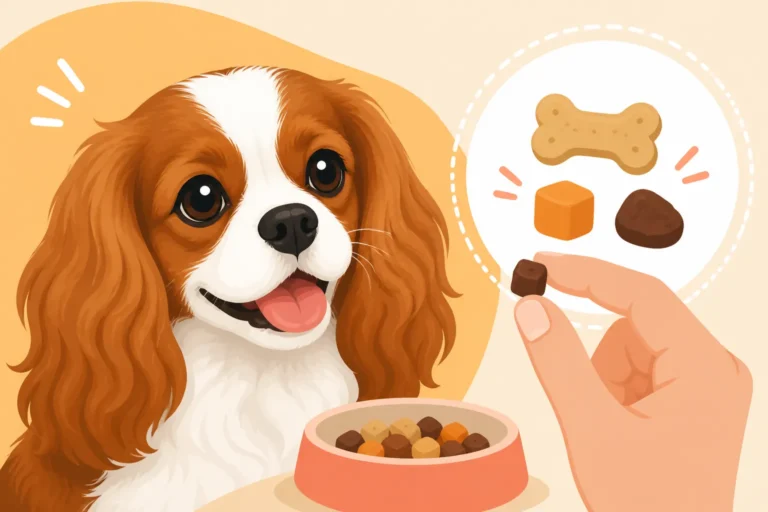
Beyond table scraps, many owners are generous with dog treats, especially during training or just because their Cavalier looks adorable. Those little biscuits or chewy sticks can pack a surprising caloric punch. A single commercial dog biscuit might be 20-50 calories, and if you're giving several throughout the day, that adds up fast. Dental chews, while good for teeth, are often quite calorie-dense too. It's crucial to read the labels on all treats and factor them into your Cavalier’s daily intake. If a treat is 50 calories, that's almost 15% of a 350-calorie daily budget gone in a few seconds!
It’s not just about solid food either. Liquid calories can also be a hidden trap. A lick of an ice cream cone, a taste of milk, or even certain supplements can contribute. Many owners use puzzle toys or Kongs stuffed with high-calorie treats like peanut butter or cream cheese. While these are excellent for mental enrichment, the calories must be accounted for. When you’re looking for options, many online retailers like Chewy provide detailed nutritional information for dog treats, making it easier to make informed, lower-calorie choices.
Real-World Impact: What Extra Weight Means for a Cavalier's Health
It might seem charming to have a slightly plump Cavalier, a little extra fluff to cuddle. However, for a breed already predisposed to several significant health issues, carrying even a small amount of excess weight can exacerbate existing conditions or hasten their onset. This isn't just about aesthetics; it's about safeguarding their health and quality of life for as long as possible.
Worsening Mitral Valve Disease (MVD)
Cavaliers are famously prone to Mitral Valve Disease (MVD), a progressive heart condition that affects a significant percentage of the breed. Mitral Valve Disease in the Cavalier King Charles Spaniel is a serious topic for any Cavalier owner. When a Cavalier carries extra weight, their heart has to work harder to pump blood throughout their body. This additional strain puts more stress on an already compromised heart, potentially accelerating the progression of MVD. The heart has to push blood through more tissue, and fat tissue, while not metabolically inert, still requires blood supply.
An overweight Cavalier with MVD might show signs of heart failure, such as coughing, tiring easily, or difficulty breathing, sooner than a trim dog. Coughing at Night in a Cavalier can be a worrying sign of fluid build-up, and extra weight can worsen this. Managing their weight is one of the most proactive things you can do to support their heart health, alongside regular veterinary check-ups and following a cardiologist's advice. Whether Diet Slows a Cavalier's Heart Disease is a common question, and while diet alone won't cure MVD, managing weight is a key part of overall cardiac management.
Increased Strain on Joints and Mobility Issues
Cavaliers, like many small breeds, can be susceptible to orthopedic issues such as patellar luxation (slipping kneecaps) and hip dysplasia. Even a few extra pounds dramatically increase the load on these delicate joints. Imagine carrying a small backpack everywhere you go – it might not seem like much, but over time, it puts immense strain on your knees and hips. For a Cavalier, that "backpack" is their own excess body fat.
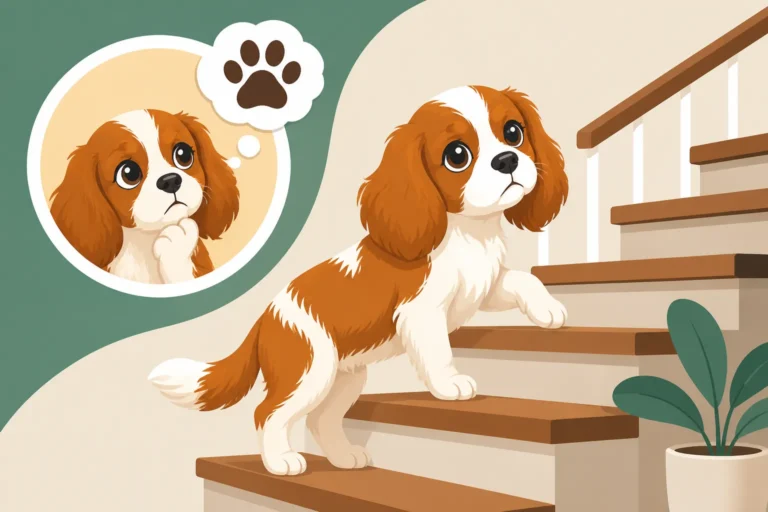
Overweight Cavaliers often struggle with mobility. They might be less willing to jump on furniture, climb stairs, or play as vigorously. This reduced activity can then create a vicious cycle, leading to further weight gain. Furthermore, the inflammation associated with excess fat can worsen arthritis, making their existing joint issues even more painful. Ensuring your Cavalier stays at a healthy weight can significantly reduce the wear and tear on their joints, helping them remain active and comfortable well into their senior years. We explore joint problems in more detail in Cavalier Knees, Hips and Joint Problems.
Other Health Complications
Beyond heart and joint issues, excess weight in Cavaliers can lead to a host of other health problems. They can be more prone to respiratory issues, especially since some Cavaliers already have slightly compromised airways due to their brachycephalic tendencies (though less severe than some other flat-faced breeds). Fat around the chest and neck can make breathing more labored, especially in warmer weather or during exercise.
Overweight dogs are also at a higher risk for conditions like diabetes, pancreatitis (especially if the weight gain comes from a diet high in fatty human scraps), and certain types of cancer. It can also make routine medical procedures, such as anesthesia for dental cleanings, more risky. Anesthesia Risk in a Cavalier With a Murmur is already a concern, and obesity only compounds that risk. The quality of their daily life is also impacted; they might be less playful, more lethargic, and less able to enjoy walks or social interactions. Keeping them lean isn't just about extending their lifespan, but enriching it.
Strategies for Success: Keeping Your Cavalier Trim Without Starvation
It might feel like an uphill battle, but successfully managing your Cavalier's weight is entirely achievable with consistency, awareness, and a few smart strategies. It doesn't mean depriving your beloved companion; it means feeding them appropriately for their size and needs.
Precise Portion Control and Calorie Awareness
The single most impactful change you can make is to become extremely precise with your Cavalier's food intake. This means measuring their kibble with an actual measuring cup or, even better, a kitchen scale, rather than just "eyeballing" it. A small difference in kibble volume can easily be 20-30 calories, and that adds up daily.
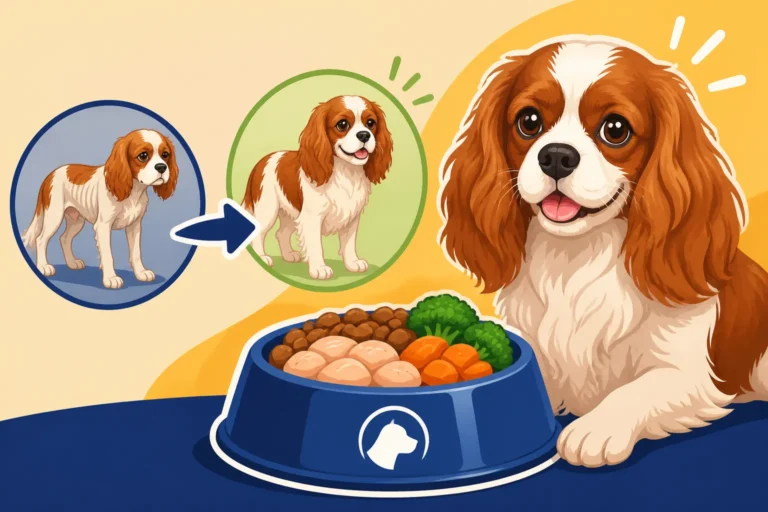
Most high-quality dog foods will have feeding guidelines on the bag, usually based on weight. Start at the lower end of the recommended range for a fifteen-pound dog and monitor their weight over a few weeks. Remember, these are guidelines, and your dog's individual metabolism may mean they need slightly less. If your vet has indicated your Cavalier needs to lose weight, they might suggest a specific caloric target. You can then work backward to determine how much of their regular food, or a specially formulated low-calorie diet, to feed.
When it comes to treats, remember the "10% rule": treats should make up no more than 10% of your dog's daily caloric intake. This forces you to be mindful of their calorie density. For a 350-calorie daily budget, that’s only 35 calories from treats! Look for truly low-calorie options like small pieces of plain cooked carrot, green beans, or blueberries. Many reputable brands offer specific "low-calorie" or "weight-management" treats. Brands like Chewy and Amazon carry a wide selection of these, and if you’re considering fresh food, services like Ollie can portion meals precisely to your dog's caloric needs.
Smart Exercise and Mental Stimulation
While diet is paramount for weight loss, appropriate exercise plays a crucial role in maintaining a healthy weight and building lean muscle mass. Cavaliers aren't extreme athletes, but they do enjoy and benefit from regular, moderate activity. Two 20-30 minute walks a day are generally a good baseline. These walks don't have to be power hikes; a leisurely sniff-and-stroll pace is perfectly fine and provides mental enrichment too.
Consider incorporating short play sessions into their day, such as gentle games of fetch indoors or in a secure yard. For mental stimulation, which can also burn energy, try puzzle toys that dispense kibble or treats, encouraging them to "work" for their food. Agility or scent work, modified for their size and potential joint concerns, can also be fantastic outlets for both physical and mental energy. Scent Work as a Low-Impact Cavalier Sport is a great option. If your Cavalier already has a heart murmur, always discuss appropriate exercise levels with your veterinarian or cardiologist. Whether Exercise Is Safe for a Cavalier With MVD is an important conversation to have with your vet.
Regular Vet Check-ups and Monitoring
Consistent veterinary oversight is non-negotiable for a Cavalier. During annual check-ups, your vet will weigh your dog and assess their body condition score. This objective measurement helps determine if your Cavalier is at an ideal weight, too thin, or overweight. They can feel for your Cavalier's ribs (which should be easily palpable under a thin layer of fat), check for a discernible waist, and evaluate their muscle mass. Feeling a Cavalier's Ribs Under Feathering can sometimes be tricky due to their lovely long coat, but it's a key indicator.
Your vet can also help you develop a weight management plan tailored to your individual Cavalier, taking into account their age, any existing health conditions (like MVD or joint issues), and activity level. They can recommend specific low-calorie prescription diets if needed, which are often formulated to help dogs feel full with fewer calories. Don't hesitate to ask for guidance; your vet is your best partner in keeping your Cavalier healthy and at their optimal weight.
Disclaimer
This article is for general informational purposes only and does not constitute professional advice. Laws, prices and regulations vary by location and change over time. Consult a qualified professional for guidance on your specific situation.