Scent Work as a Low-Impact Cavalier Sport
It’s a common dilemma for Cavalier King Charles Spaniel owners: you want to give your sweet, affectionate companion an enriching activity, but many dog sports feel too physically demanding for their delicate joints or tiny hearts. You might worry about the impact on their knees or the strain on their breathing, especially as they get older or if they already have a heart murmur. This guide is dedicated to exploring scent work, a truly low-impact sport that taps into your Cavalier's natural abilities, offering immense mental stimulation without the physical stress.
Tapping into the Cavalier's Hidden Hunting Instincts
You know your Cavalier loves to sniff. Every walk becomes a meandering adventure where their nose leads the way, often dragging you along to investigate that fascinating patch of grass or mysterious post. This isn't just a quirk; it's a deep-seated instinct. Despite their reputation as lap warmers and regal companions, Cavaliers are, at their core, spaniels. That means they carry generations of selective breeding for hunting and flushing game, even if they've traded pheasant fields for plush sofas.
The Spaniel Beneath the Sofa Cushion
It’s easy to forget that beneath all that silky fur and gentle demeanor, a Cavalier still has the heart and nose of a working dog. Their ancestors, the various "Comforter Spaniels" and earlier forms of the King Charles Spaniel, were valued for their ability to warm laps, yes, but also for their keen sense of smell. They weren't necessarily retrieving game like a Labrador, but they were certainly using their noses to explore their environment and sometimes even to locate small prey or flush birds. This heritage is why scent work is such a natural fit. You might wonder, Whether a Cavalier Was Ever Bred to Work? In a way, their very essence is tied to being observant and using their senses, especially smell.
Think about it: when you're out on a walk, your Cavalier isn't just looking around; they're constantly sampling the world through their nose. They're gathering information, identifying who else has passed by, what they ate, and where they went. It's their primary way of understanding the world. By engaging them in scent work, you're not teaching them something new so much as you're giving them a purpose for a behavior they already instinctively love to do. It’s a wonderful way to honor The Spaniel Instincts Left in a Cavalier without putting any physical strain on them.
Why Low-Impact Activities are Perfect for Cavaliers
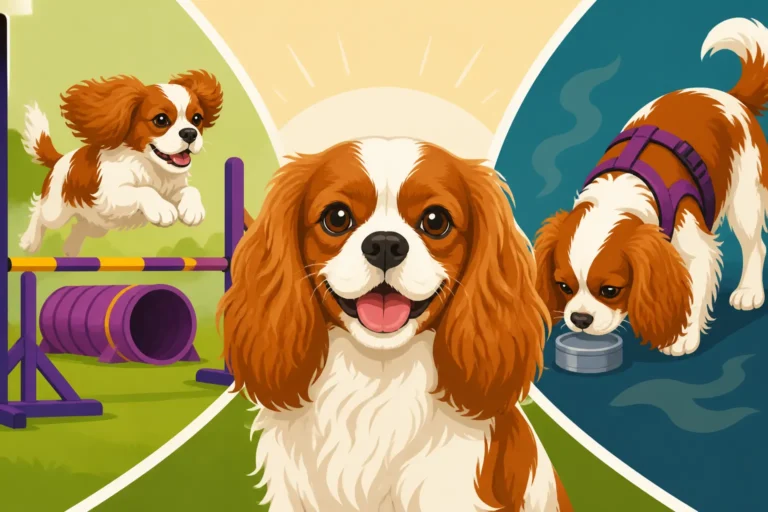
When we talk about Cavalier health, certain concerns often come to mind: Mitral Valve Disease in the Cavalier King Charles Spaniel, Syringomyelia and Chiari Malformation in Cavaliers, and joint issues like Cavalier Knees, Hips and Joint Problems. These common breed predispositions mean that high-impact activities, extensive jumping, or prolonged, strenuous exercise can be risky. Agility, while fun for many dogs, might be too much for a Cavalier, especially one that's already shown signs of joint discomfort or a heart murmur.
Scent work, on the other hand, is almost entirely mental. It requires focus, problem-solving, and the use of their most powerful sense, but it doesn't demand speed, strength, or endurance. A Cavalier with a heart murmur can participate, an older Cavalier with a bit of arthritis can engage, and even a younger pup still developing their joints can enjoy it without concern. It's an activity that truly caters to the Cavalier's physical limitations while maximizing their mental engagement. This is particularly important if you have a Cavalier who A Cavalier That Tires on Short Walks or can't manage long periods of physical exertion.
Getting Started: The Simple Joy of Nose Games at Home
One of the most beautiful things about scent work is how accessible it is. You don't need fancy equipment, a specialized field, or even a lot of space. You can start right in your living room, using everyday items and things you already have in your pantry. The key is to make it fun, positive, and build on success. This isn't about perfection; it's about engagement and enjoyment for your dog.
Essential Gear for Your First Scent Work Adventure
You really don't need much to get started, which is fantastic for budgeting and convenience. Here's a basic rundown of what will come in handy:
- High-Value Treats: This is arguably the most important "tool" you'll have. You need tiny, soft, super-smelly treats that your Cavalier absolutely adores. Think small pieces of cooked chicken, cheese, or specialized training treats. The smellier, the better, as it will help them associate the "target" scent with a fantastic reward. You'll want to find Treats a Cavalier Will Trade Anything For to keep their motivation sky-high.
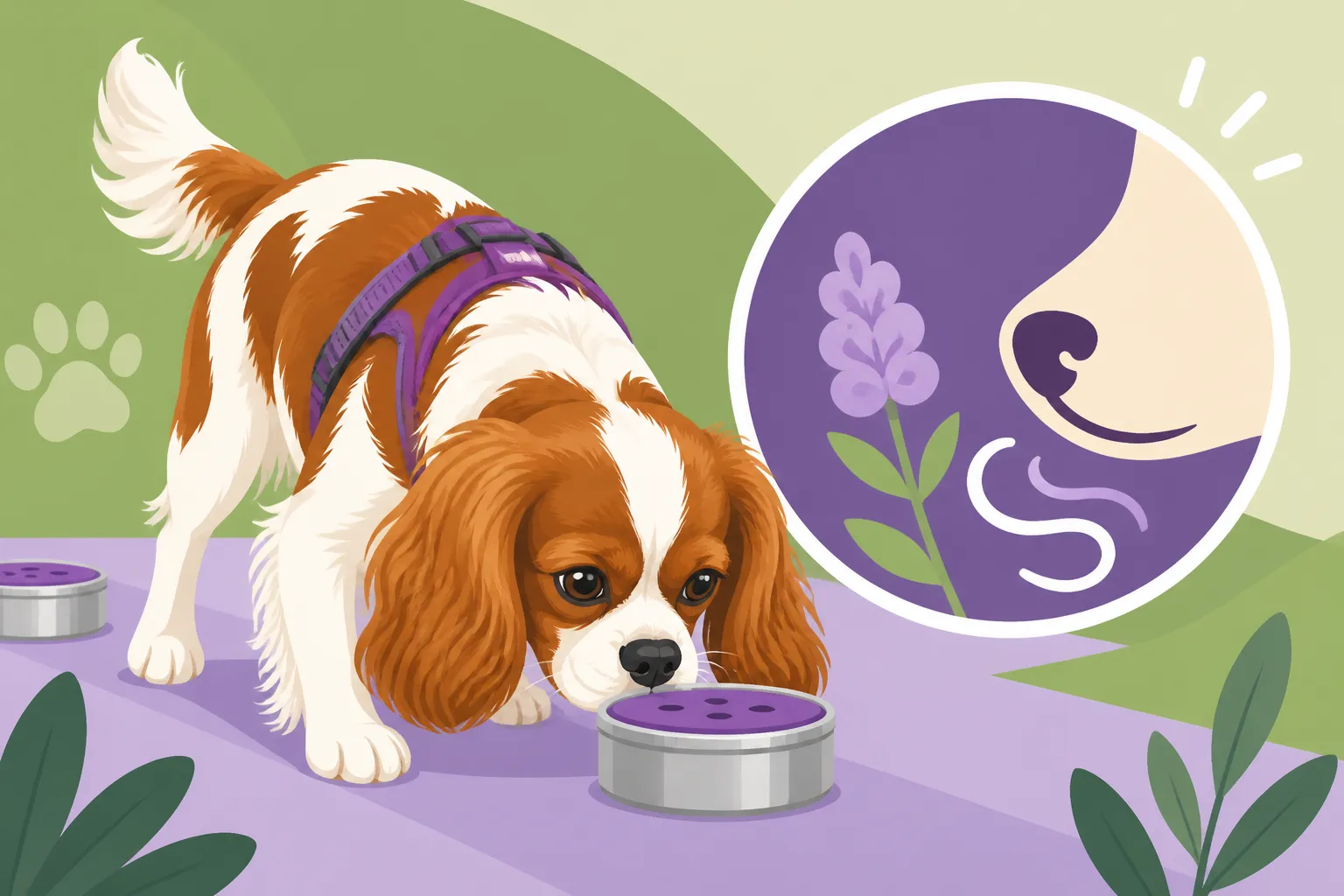
- Target Scent: For beginners, you don't even need official essential oils. You can start with something easily accessible and highly aromatic. A tea bag (like chamomile or peppermint), a specific spice (like cloves or anise), or even a cotton swab with a tiny dab of vanilla extract can work. The goal is just to have a distinct smell for your dog to learn to find. As you progress, you might move to the essential oils used in competitive scent work (birch, anise, clove, cypress), which you can often find on platforms like Amazon.
- Hides/Containers: Start with simple, easy-to-access containers. Small cardboard boxes, plastic cups, or even just a hand towel draped over the treat work perfectly. As your Cavalier gets better, you can use more challenging "hides" like tin cans, small drawers, or even a piece of PVC pipe.
- A Quiet Space: Especially at first, choose an area with minimal distractions. Your living room or a quiet hallway is ideal. This helps your Cavalier focus purely on the scent task.
Here’s a simple table to organize your initial setup:
| Item | Description | Why It's Important | Where to Find It (Examples) |
|---|---|---|---|
| High-Value Treats | Tiny, soft, very smelly, and highly palatable food rewards. | Motivates your Cavalier and reinforces successful "finds." | Pet stores, grocery stores, homemade |
| Target Scent | A distinctive, safe smell (e.g., tea bag, spice, essential oil on a swab). | The specific odor your Cavalier learns to locate. | Kitchen pantry, craft store, Amazon |
| Hides/Containers | Small boxes, cups, towels, or other objects to conceal the scent source. | Provides varying levels of challenge for hiding the target scent. | Recycling bin, kitchen, Amazon |
| Leash/Collar | A comfortable, non-restrictive collar or harness and a lightweight leash. | Helps guide and manage your Cavalier, especially when starting out. | Pet stores, online retailers |
Your First "Find It" Game
The beauty of scent work is that it builds on a dog's natural curiosity. Here's how to introduce the game in a way that sets your Cavalier up for success, focusing on Reward-Based Training With a Cavalier:
- Scent and Treat Association: Start by letting your Cavalier sniff the target scent (e.g., a tea bag). Immediately after they sniff it, give them a super high-value treat. Repeat this a few times: scent, then treat. You're teaching them that this specific smell predicts something wonderful.
- The Easy Hide: Place the target scent (perhaps inside a small, open box or cup) and a generous amount of treats right next to it, in plain sight. Let your Cavalier see you do it. Say "Find it!" or "Search!" and encourage them to go to the box. When they sniff the scent and eat the treats, praise them enthusiastically!
- Gradual Concealment: Over several short sessions (think five-minute bursts – Five-Minute Training Sessions With a Cavalier are perfect for Cavaliers!), start making the "hide" slightly more challenging.
- First, put the treats under the box with the scent, so they have to nudge it.
- Then, place the scent and treats in a box, but put it just out of immediate sight, maybe behind a chair leg, or under a light cloth.
- Slowly, increase the distance and the difficulty of the hide. Always ensure they succeed. If they struggle, make it easier again. The goal is to build their confidence and drive.
- Introducing "Blanks": Once your Cavalier is consistently finding the scent in various easy hides, introduce "blank" containers – boxes with no scent or treats. This teaches them that they are specifically looking for the scent, not just any box. When they find the correct box, lavish them with praise and treats. Ignore the blank boxes.
- Adding Search Areas: Begin to create small search areas. You might set up three or four boxes, with only one containing the target scent and treats. Let them sniff around and indicate the correct one. You can get creative with household items, using laundry baskets, throw pillows, or even just different corners of a room.
Remember to keep sessions short, positive, and end on a high note. If your Cavalier seems frustrated or bored, it's time to take a break or make the game easier. Positive reinforcement, like the kind taught through programs such as BAXTER & Bella, is absolutely key here, ensuring your Cavalier associates the activity with joy and success.
Beyond the Game: The Profound Benefits of Scent Work
While the immediate joy your Cavalier gets from "finding" a hidden treat is reward enough, the benefits of engaging in scent work extend far beyond a simple game. This activity provides profound mental stimulation and emotional support, making it an invaluable part of your Cavalier's routine.
Mental Stimulation and Cognitive Engagement
Our Cavaliers are smart, even if they often play the role of adorable, slightly goofy companions. Their brains thrive on challenges. Scent work is a fantastic mental workout, forcing them to concentrate, problem-solve, and use their most powerful sense in a structured way. Imagine their brains as little detectives, sifting through a myriad of smells to isolate the one they're looking for. This intense focus can be incredibly tiring for them, in a good way.
A mentally stimulated Cavalier is often a happier, more content Cavalier. It can help with boredom-related behaviors, reduce excess energy (even if it's mental energy!), and keep their minds sharp as they age. For a breed that loves to be close to their people, it's also an activity you do together, strengthening your bond and communication. It's a wonderful way of helping your Cavalier to Getting a Cavalier to Switch Off Indoors after an exciting day, by channeling their energy into a calming, focused activity.
Building Confidence and Reducing Anxiety
Scent work is an incredible confidence builder, especially for timid or anxious Cavaliers. When a dog successfully completes a search, they get that burst of positive reinforcement (treats, praise!) that tells them they did something right. This repeated success, where they are the ones discovering the answer, can significantly boost their self-esteem. They learn that they are capable, intelligent, and can achieve things independently.
For a Cavalier that might be prone to Living With a Cavalier That Panics When Alone or A Timid Cavalier That Hides From Visitors, the self-reliance and focus gained from scent work can be very beneficial. It gives them an outlet that is entirely their own, where they are in control of the "hunt." It allows them to develop Building Confidence in a Cavalier From a Breeding Kennel by providing a safe, predictable, and rewarding challenge. This newfound confidence can sometimes translate into other areas of their lives, making them generally more resilient and less prone to nervousness.
Enhancing Your Bond and Communication
Training, in any form, strengthens the bond between you and your Cavalier. Scent work is particularly effective because it requires you to observe your dog closely, learning their subtle cues, their body language, and how they communicate that they've found the scent. You become their partner in crime, their cheerleader, and their trusted guide.
You'll start to notice the slight shift in their breathing, the subtle flick of an ear, or the way their tail might wag differently when they're on a hot trail. Teaching a Cavalier to Watch You on Walks is important for safety, but in scent work, you're learning to watch them with equal intensity. This mutual understanding and teamwork deepen your relationship, fostering a sense of trust and partnership that goes beyond everyday cuddles. It’s a language you develop together, one sniff at a time.
Overcoming Challenges and Keeping it Fun
Even though scent work is generally low-stress, there can still be little bumps in the road. Cavaliers, with their unique personalities and sometimes short attention spans (especially if a squirrel is outside!), might present their own set of challenges. But with a little patience and creativity, you can navigate these and keep the fun alive.
When Your Cavalier Gets Distracted (or Just Wants to Cuddle)
Cavaliers are famously affectionate, and sometimes their desire to be near you can override their "work ethic." You might find your Cavalier abandoning the search to demand a belly rub or simply trying to charm you into just giving them the treat.
- Keep it Business-Like (at first): While you want to be positive, try to keep your energy focused on the search. Avoid excessive petting or cuddling during the search. Once they find the scent and get the reward, then you can lavish them with affection.
- Location, Location, Location: If they're constantly looking at you, try moving the hide further away from you, so they have to engage with the environment more. You can also try searching in a slightly different room or area where the distraction of you is less immediate.
- The Power of the Treat: Ensure your treats are truly irresistible. If the reward isn't exciting enough, their motivation might wane. Experiment with different high-value treats to see what makes their eyes light up the most. You want to make sure the "find" is the absolute best thing ever.
- Short Sessions: Cavaliers often have a "sprint" rather than "marathon" mentality for focused work. If you're noticing their attention flagging, it's better to end the session early on a successful find than to push them to frustration. Remember, Five-Minute Training Sessions With a Cavalier are often far more effective than trying to do twenty minutes.
The Problem of "Mugging" the Hide
Some enthusiastic Cavaliers might try to "mug" the hide – pushing it around, knocking it over, or trying to tear into it to get to the treats. This is usually a sign of excitement and a lack of understanding of the "protocol."
- Reward for Indication, Not Destruction: The goal is for them to indicate the scent, not to destroy the hide. As soon as your Cavalier shows any sign of interest in the correct hide (a nose nudge, a prolonged sniff, a paw hover), mark that moment with your verbal cue ("Yes!" or "Good!") and immediately reward them away from the hide. Then, you can reveal the treats in the hide. This teaches them that the reward comes for identifying, not for tearing apart.
- Use Sturdier Hides: If they're constantly knocking over light cups, switch to heavier boxes or even small metal containers. This makes it harder for them to move and encourages a more subtle indication.
- Practice with an Empty Hide First: Sometimes, practicing with an empty hide and rewarding them for just sniffing it calmly can help them learn restraint before you add the irresistible scent and treats.
Keeping It Fresh: Varying the Game
To prevent boredom and keep your Cavalier engaged, it's important to vary the type of searches and the environment.
- Change the Scents: While you might start with one "target" scent, eventually introduce new ones. This keeps their nose active and prevents them from becoming reliant on just one specific smell.
- Vary the Search Area: Once they're proficient indoors, consider moving to a different room, then a hallway, and eventually a secure outdoor space (like a fenced yard) where there are more natural scents to filter through.
- Increase Complexity: Start with tabletop searches, then move to floor searches, then wall searches (placing the hide at different heights). You can also hide the scent in more challenging spots – under a rug, inside a boot, tucked into a plant pot. Resources from places like Amazon (for different types of hide containers) or online training platforms like BAXTER & Bella often offer ideas for increasing complexity.
- Incorporate Movement: Instead of just static hides, you can have your Cavalier follow a scent trail. Drag the scented object along the ground for a short distance before hiding it, and let them follow the trail. This combines their natural tracking instinct with the search game.
Scent work truly offers endless possibilities, making it a sustainable and incredibly rewarding activity for you and your beloved Cavalier. It’s an investment in their mental well-being and a testament to their hidden talents.
Disclaimer
This article is for general informational purposes only and does not constitute professional advice. Laws, prices and regulations vary by location and change over time. Consult a qualified professional for guidance on your specific situation.