Getting a Cavalier to Switch Off Indoors
It can be incredibly frustrating when your sweet Cavalier seems to have an endless supply of energy indoors, constantly pacing, nudging for attention, or barking at every little sound. Instead of enjoying a peaceful nap by your feet, they seem to be perpetually "on," making it hard for both of you to truly relax. This comprehensive guide will walk you through understanding why your Cavalier struggles to switch off and provide actionable strategies to help them become the calm, settled companion you know they can be.
Understanding Why Your Cavalier Stays "On" Indoors
Cavaliers are renowned for their loving, gentle nature, and their desire to be close to their human companions. However, that very connection can sometimes translate into a dog who struggles to self-regulate their energy and settle down, especially within the home. It’s not that they're trying to be difficult; often, it comes from a place of instinct and learned behavior.
The Spaniel Instinct to Be Engaged
Think about the Cavalier King Charles Spaniel's heritage. While they've been bred primarily as companion dogs for centuries, they still carry the echoes of their spaniel ancestors. Spaniels were historically bred to be attentive, responsive, and always ready for interaction, whether it was flushing game or simply being a comforting presence on a noble's lap. This deep-seated desire to be involved and aware of their surroundings means their default setting isn't necessarily "nap time." They're often scanning the room, waiting for an invitation to play, a sign of movement, or simply observing your every move. This constant state of readiness can prevent them from truly unwinding.
It's easy to forget that even a lapdog has a purpose-bred history. For a Cavalier, their purpose became companionship, which means being engaged with you. If you're constantly moving, talking, or even just looking at them, they might interpret that as a cue to stay alert and ready for whatever comes next. It's a sweet trait that makes them such wonderful companions, but it can be exhausting if they never learn to truly power down.
Lack of an "Off-Switch" Cue
Unlike a light switch that we can flip to turn off a lamp, dogs don't come pre-programmed with an "off-switch" for their internal energy. They don't inherently know when it's time to be calm and quiet unless we teach them. Many owners, without realizing it, inadvertently reward "on" behavior. For example, if your Cavalier nudges you with their nose for attention, and you respond by petting them or talking to them, you're reinforcing that nudging gets results. Similarly, if they bark for play and you immediately engage, you're teaching them that being vocal and demanding is the way to initiate fun.
The key here is understanding that settling is a skill, not just a natural state. Just as you'd teach a puppy to sit or stay, you need to actively teach your Cavalier that there are times for quiet relaxation, and that this calm behavior also earns rewards. Without this clear communication and consistent reinforcement, they'll continue to do what has worked for them in the past – staying engaged and seeking interaction to fulfill their needs. This is where deliberate training comes into play, helping them understand what "settle" really means in your home.
Overstimulation and Under-Stimulation
It might sound contradictory, but both too much and too little stimulation can contribute to a Cavalier's inability to switch off.
Overstimulation: Imagine a bustling household with kids running around, the TV blaring, people constantly coming and going, and a lot of unpredictable noise. For a sensitive Cavalier, this can be incredibly overwhelming. They might feel the need to be constantly vigilant, reacting to every sound and movement. This heightened state of arousal makes it nearly impossible for them to relax. They might start pacing, panting, or even engage in destructive chewing as a way to cope with the sensory overload. It's like trying to fall asleep in a busy train station – your body might be tired, but your mind is too alert to rest.
Under-stimulation: On the other hand, if your Cavalier isn't getting enough mental or physical exercise, they'll have a buildup of pent-up energy that needs an outlet. This isn't necessarily about running miles every day, but about providing appropriate engagement for their breed. A Cavalier who is bored might resort to "demand behaviors" – persistent barking, nudging, bringing you toys repeatedly, or even destructive behaviors – to try and get your attention or find something to do. They haven't had their innate needs met, so they're creating their own "fun," which often involves staying very much "on" and seeking interaction. Finding the right balance is crucial; enough activity to satisfy their instincts, but not so much that they're constantly wired.
Creating a Calming Indoor Environment
The environment itself plays a huge role in whether your Cavalier can truly relax. Just like humans, dogs respond to their surroundings. By thoughtfully setting up your home, you can create a sanctuary that encourages calm behavior rather than constant vigilance.
Designating a "Relaxation Zone"
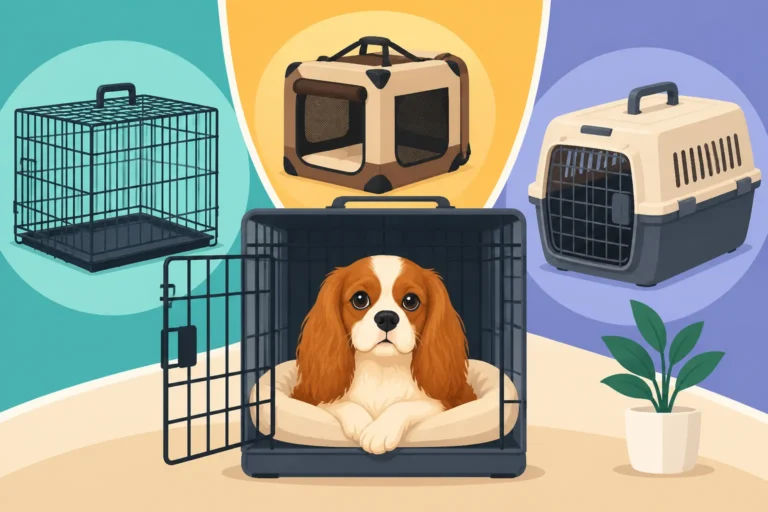
Every Cavalier needs a designated safe and quiet space where they can retreat and truly relax without interruption. This isn't a punishment spot; it's their personal den. This could be a comfortable crate, an elevated dog bed in a low-traffic corner, or a mat by your desk. The key is that it's consistently their spot, and everyone in the household understands it's a place for quiet time. When your Cavalier is in their relaxation zone, they should be left undisturbed. This teaches them that this specific area is a sanctuary, a place where they don't need to be "on."
To help them associate this space with calm, provide high-value, long-lasting chews or puzzle toys only when they are in this area. This creates a positive association with settling in their spot. Imagine your Cavalier enjoying a favorite chew from Amazon, like a KONG filled with peanut butter, while nestled in their bed. Over time, simply being in their relaxation zone will start to cue their brain to unwind. This is especially helpful if you find your Cavalier is constantly following you from room to room. Having their own designated space helps them feel secure even if you move.
Minimizing Household Chaos
A busy, noisy household can keep a Cavalier in a perpetual state of alertness. While you can't always control every sound or movement, you can take steps to minimize unnecessary chaos, especially during times when you want your Cavalier to settle. This might mean adjusting the volume of the television, encouraging quieter play from children when your Cavalier is trying to rest, or simply being mindful of sudden, loud movements.
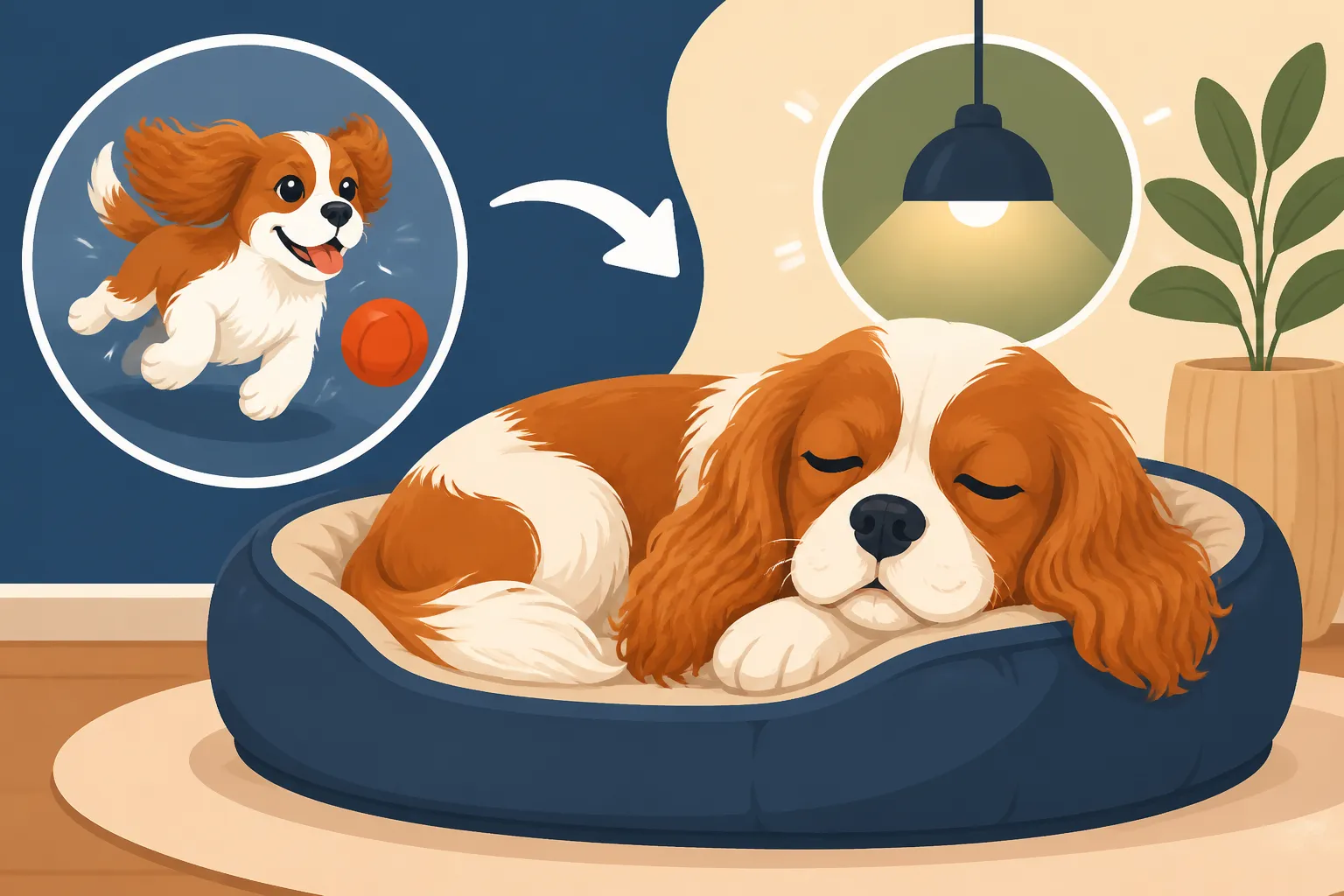
Consider creating a routine around quiet times. For instance, after their evening walk and dinner, dim the lights, play some soft music, and encourage everyone to engage in calmer activities. This signals to your Cavalier that the day's high-energy activities are winding down. If your Cavalier tends to bark at every delivery or person walking past, consider using frosted window film or closing curtains during certain hours to reduce visual triggers. The less they feel the need to "supervise" the house, the more they can relax. Remember, a calm environment supports a calm dog.
Incorporating Calming Scents and Sounds
Believe it or not, certain scents and sounds can have a profound calming effect on dogs. This is often used in veterinary offices and shelters to reduce stress, and you can apply similar principles at home.
Scent: Lavender is a popular choice for its soothing properties. You can use dog-safe lavender sprays on their bedding (ensure it's designed for pets and non-toxic) or diffuse calming essential oils (again, ensuring they are pet-safe and used in a well-ventilated area, never directly on or near the dog's face). Some companies even make calming pheromone diffusers that mimic the natural appeasing pheromones a mother dog produces, which can help create a sense of security and reduce anxiety.
Sound: Just as soft music can help humans unwind, it can do the same for your Cavalier. Classical music, reggae, or specially designed "dog-calming" music (often available on streaming services) can mask sudden household noises and create a consistent, soothing auditory backdrop. White noise machines can also be effective, especially if your Cavalier is reactive to outdoor sounds. The goal is to create a consistent, predictable sensory experience that promotes relaxation, rather than a constantly shifting one that keeps them on edge.
Structured Activities to Burn Energy and Engage the Mind
While we want our Cavaliers to switch off indoors, it's crucial to ensure they're getting enough appropriate stimulation first. A tired Cavalier, both physically and mentally, is much more likely to settle down and relax. This isn't about running them ragged, but about strategic engagement.
The Right Amount of Physical Exercise
Cavaliers aren't marathon runners, but they do need regular, moderate exercise to stay healthy and happy. Two good walks a day, combined with some playtime, is often sufficient. The key is quality over quantity. Instead of just a quick trot around the block, try to make walks interesting. Let them sniff and explore. Sniffing is incredibly mentally stimulating for dogs and helps them process their environment.
However, be mindful of over-exercising, especially if your Cavalier has underlying health concerns. An overtired dog can sometimes become more restless and prone to zoomies or nipping, rather than calmer. A good gauge is that after a walk, they should be pleasantly tired, not panting excessively or collapsing in a heap. For Cavaliers prone to Coughing at Night in a Cavalier or those with known heart conditions, shorter, more frequent walks might be better than one long, strenuous outing. Pay attention to their signals – a dog who pulls relentlessly on the leash or seems to be constantly searching for action on a walk might need a bit more physical activity to burn off steam.
Mental Stimulation Through Enrichment Toys
Physical exercise alone often isn't enough for an intelligent breed like the Cavalier. They need mental challenges to feel truly satisfied. This is where enrichment toys shine. These are toys that make your dog "work" for a reward, engaging their problem-solving skills and tiring out their brain.
- Puzzle Toys: These require your Cavalier to figure out how to get treats from compartments. They come in various difficulty levels, from simple sniff-and-find toys to more complex multi-step puzzles. Start with easier ones and gradually increase the challenge.
- Lick Mats: Smear wet food, peanut butter (xylitol-free!), or yogurt on a textured silicone mat. The repetitive licking action is incredibly soothing and can occupy your Cavalier for a good amount of time, promoting relaxation.
- Long-lasting Chews: A durable chew that your Cavalier can safely gnaw on for an extended period can be a fantastic way to engage them. Look for appropriate sizes and materials for small breeds. Always supervise chewing sessions, especially with new chews.
Introducing these types of activities can provide a healthy outlet for their energy, helping them feel more content and ready to settle afterwards. Even 15-20 minutes of dedicated mental work can be as tiring as a long walk. You can find a huge variety of these toys on platforms like Amazon, making it easy to experiment and see what your Cavalier loves most.
Short, Focused Training Sessions
Training isn't just about obedience; it's a fantastic way to engage your Cavalier's mind and build your bond. Even short, five-minute training bursts a few times a day can make a big difference. This provides mental engagement without over-exciting them.
Focus on positive reinforcement techniques. Reward-Based Training With a Cavalier is incredibly effective for this sensitive breed. Teach them new tricks, practice existing commands like "sit," "stay," or "down," or even work on more advanced concepts like "touch" or "spin." The mental effort involved in learning and responding to cues helps to tire them out in a healthy way.
For instance, you could do a short session where you practice "sit" and "stay" before a meal, or teach them to go to their mat on command. The sense of accomplishment they feel, combined with the positive interaction with you, contributes to a more settled and satisfied dog. Just remember to keep these sessions short, fun, and end on a positive note before your Cavalier loses interest or gets too revved up.
Teaching the "Settle" Command and Rewarding Calmness
This is where proactive training comes in. We can't just expect our Cavaliers to magically know when it's time to chill out. We need to actively teach them this valuable skill, just like any other command.
Introducing the Concept of "Settle" or "Place"
Teaching your Cavalier a specific "settle" or "place" command is incredibly powerful. This cue tells them it's time to lie down, relax, and stay in a designated spot.
Here’s a basic way to start:
- Choose their spot: Select their designated relaxation zone (bed, mat, crate).
- Lure them: With a tasty treat, lure your Cavalier onto their mat. As soon as all four paws are on, say "Place" or "Settle" in a calm voice and reward them.
- Encourage lying down: Once they are on the mat, continue to lure them into a down position with your treat. Say "Settle" again, reward.
- Extend duration: Once they are lying down, start giving treats periodically (every few seconds at first, then longer intervals) while they are still in the down position on the mat. This teaches them that staying calm and still in their spot earns rewards.
- Release: After a short duration, give a release cue like "Okay!" and let them off the mat.
The goal is to build up the duration they can stay settled. At first, it might only be a few seconds. Gradually increase the time, always rewarding for quiet stillness. This also helps with issues like A Cavalier That Cries in Another Room, as they learn to be content in their designated space, even if you're not right beside them. Online training platforms, like those offered by BAXTER & Bella, often have excellent step-by-step guides for teaching "place" or "settle" commands.
Capturing Calmness When It Happens Naturally
This is one of the most effective and often overlooked techniques. Instead of waiting for your Cavalier to be "on" and then trying to calm them, actively look for moments when they are being calm, quiet, and settled on their own, and reward those moments.
Did your Cavalier just lie down quietly by your feet? Drop a small, high-value treat near them. Are they chewing on a toy calmly in their bed? Walk by and casually drop a treat. The trick is to reward them for being calm without making a big fuss that might excite them. A gentle "Good settle" or "Good quiet" followed by a treat is perfect. This teaches them that calm behavior is noticed and valued.
Many owners accidentally do the opposite: they ignore their dog when they're calm but immediately engage when the dog demands attention. This inadvertently teaches the dog that being "on" gets results. By capturing calmness, you're shifting that dynamic and rewarding the exact behavior you want to see more of. This also helps build their understanding that Treats a Cavalier Will Trade Anything For can be earned by simply being a good, settled companion.
Using a Mat or Bed as a Place of Calm
As mentioned when creating a relaxation zone, a specific mat or bed can become a powerful cue for calm. This isn't just about giving them a bed, but teaching them that this specific item means relaxation.
Carry their mat to different rooms. If you're working at your desk, put the mat nearby. Ask them to "Settle" on it. If you're watching TV, put the mat next to the sofa. The mat becomes a portable relaxation zone. This is particularly useful if your Cavalier tends to follow you Why a Cavalier Follows You Room to Room. Instead of being a shadow, they learn they can still be near you, but in their designated calm space.
Over time, you'll find that simply laying down the mat cues them to lie on it and relax. This consistency helps them understand expectations in various situations. Ensure the mat is comfortable and inviting, not just any old rag on the floor. A plush bed that offers support can make all the difference for a dog that needs to feel safe and cozy to truly unwind.
Managing Demand Behaviors and Over-Arousal
Even with a dedicated training plan, Cavaliers can sometimes revert to old habits, especially if they're over-tired or haven't learned other ways to communicate. Learning to manage these moments is key to maintaining a calm household.
Ignoring Attention-Seeking Actions
This can be incredibly difficult, but it's vital. If your Cavalier is constantly nudging, pawing, barking, or whining for attention, and you respond by looking at them, talking to them, or petting them, you are reinforcing that behavior. They've learned that these actions are effective ways to get what they want.
The strategy here is to completely ignore attention-seeking behaviors. Turn your back, avoid eye contact, and remain silent. The moment they stop the demanding behavior – even if it's just for a second of quiet – that's when you can calmly reward them. You might turn to them, offer a gentle pet, or toss a treat to their bed. This teaches them that quiet, calm behavior earns attention, not demanding noise.
It's important to differentiate between genuine needs (like needing to go outside) and attention-seeking. If you suspect they need something, calmly address it without rewarding the demand behavior. For example, if they whine at the door, wait for a moment of quiet, then calmly open the door. This can feel counterintuitive at first, and it often gets worse before it gets better (the "extinction burst"), but with consistency, your Cavalier will learn.
Preventing Over-Tiredness and Zoomies
Sometimes, a Cavalier who can't switch off isn't under-exercised, but actually over-tired. Just like a toddler who gets wired and cranky when they've missed their nap, an overtired dog can become hyperactive, nippy, or unable to settle. They might get a sudden burst of frantic energy, often called "zoomies," where they race around the house seemingly without purpose.
To prevent this, ensure your Cavalier has adequate downtime and scheduled rest. This is where the designated relaxation zone becomes crucial. After a walk or a play session, gently guide them to their bed and encourage them to settle. If you notice signs of over-tiredness – excessive panting, frantic pacing, or increased excitability – it's often a cue that they need to be prompted to rest, rather than offered more stimulation.
A consistent routine helps immensely. Knowing when to expect walks, meals, and quiet time helps their internal clock regulate. For older Cavaliers or those with medical conditions, careful monitoring of activity levels is especially important. For example, a Cavalier with Mitral Valve Disease in the Cavalier King Charles Spaniel may tire more easily, and pushing them too hard could lead to exhaustion rather than calm.
Recognizing and Addressing Underlying Issues
Sometimes, a Cavalier's inability to switch off isn't just a behavioral issue; it can be a sign of something deeper. Persistent restlessness, pacing, an inability to get comfortable, or sudden changes in behavior might indicate an underlying medical condition or anxiety.
Pain or Discomfort: A dog in pain might struggle to find a comfortable position, leading to constant shifting, pacing, or an inability to settle. Conditions common in Cavaliers, such as Syringomyelia and Chiari Malformation in Cavaliers or even Loose Kneecaps in a Thirteen-Pound Cavalier, can cause chronic discomfort. If your Cavalier suddenly seems unable to rest, yelps when picked up (A Cavalier That Yelps When Picked Up), or is unusually restless, a vet visit is essential to rule out medical causes.
Anxiety: Separation anxiety, generalized anxiety, or noise phobias can manifest as an inability to settle. A Cavalier who is anxious might pant, pace, whine, or try to constantly seek reassurance from you. While this guide focuses on teaching calm, if you suspect deep-seated anxiety, consulting with a veterinary behaviorist or a certified professional dog trainer experienced in anxiety can provide tailored strategies, which might include behavior modification, environmental management, and sometimes even medication.
It's crucial to be observant and differentiate between a dog that needs to learn to settle and a dog that can't settle due to internal distress. When in doubt, always consult your veterinarian.
Consistency, Patience, and Realistic Expectations
Helping your Cavalier learn to switch off indoors is a journey, not a sprint. It requires dedication, consistency, and a healthy dose of patience. You're essentially reshaping their habits and teaching them a new skill, which takes time for both of you to master.
The Importance of a Consistent Routine
Dogs thrive on predictability, and Cavaliers are no exception. A consistent daily routine provides a framework that helps them understand when to be active and when to settle. When their schedule for meals, walks, playtime, and rest is generally the same each day, they learn what to expect. This reduces uncertainty, which can be a source of anxiety and restlessness for some dogs.
Think about how you structure your own day: you have work hours, meal times, and dedicated relaxation periods. Your Cavalier benefits from a similar structure. For example, if they know that after their morning walk and breakfast, there's usually a quiet period where you're working or relaxing, they're more likely to settle down. Conversely, an unpredictable schedule can keep them on edge, always wondering what's next and feeling the need to stay "on." Establishing a clear routine, even on weekends, will greatly aid their ability to relax. This is also why having a predictable "departure routine" can help if your Cavalier struggles with Hours a Cavalier Can Cope With Alone.
Celebrating Small Wins and Avoiding Frustration
You won't transform your constantly "on" Cavalier into a zen master overnight. There will be days when they seem to regress, or when a sudden noise sets them off. It's vital to manage your own expectations and celebrate every small step forward.
Did they stay on their mat for an extra minute today? That's a win! Did they settle down faster after a walk than usual? Celebrate it! Acknowledging these small successes, both for yourself and by rewarding your dog, keeps you motivated and reinforces the desired behavior. Avoid getting frustrated or angry; yelling at your Cavalier will only increase their stress and make them less likely to relax. Remember, they aren't being stubborn; they're learning. Your calm and consistent approach is key to their success. It's a testament to your bond and patience, helping them understand that quiet moments are cherished.
When to Seek Professional Guidance
While many owners can make significant progress with the techniques outlined here, there are times when professional guidance is invaluable. Don't hesitate to reach out if:
- You're seeing no improvement: Despite consistent effort, your Cavalier's restlessness or demand behaviors aren't decreasing.
- Behaviors are escalating: The issues are getting worse, or new, more challenging behaviors are emerging.
- Suspected anxiety or aggression: If you suspect your Cavalier's inability to settle is rooted in severe anxiety, phobias, or if they're showing any signs of aggression when prevented from demanding attention, a professional is crucial.
- Complex health concerns: If your Cavalier has medical conditions that complicate training or make traditional exercise difficult, a professional can offer tailored solutions.
Look for a certified professional dog trainer (CPDT-KA) or a veterinary behaviorist (DACVB). These professionals have the expertise to assess your specific situation, identify underlying causes, and develop a personalized training plan. They can help you implement strategies effectively and provide support when you encounter challenges, ensuring both you and your Cavalier get the best possible outcome.
| Strategy Category | Example Techniques | Recommended Tools/Approach | Benefits for Cavalier |
|---|---|---|---|
| Environmental Setup | Designate a "relaxation zone" | A comfortable dog bed or crate in a quiet corner, away from high-traffic areas. Consistent placement. | Provides security, predictability, promotes rest. |
| Minimize household noise/activity | Lower TV volume, use frosted window film, establish quiet hours. Calming music or white noise. | Reduces sensory overload, less need for vigilance. | |
| Use calming scents/sounds | Pet-safe lavender spray, pheromone diffuser, classical or dog-calming music. | Activates relaxation responses, masks startling noises. | |
| Physical & Mental Engagement | Appropriate physical exercise | Two moderate walks daily, allowing sniffing. Avoid over-exertion. | Burns excess energy, satisfies natural urges. |
| Mental enrichment toys | Puzzle feeders, lick mats, durable chews. Brands like KONG (available on Amazon) are great for stuffing with treats. | Engages brain, provides healthy outlet for chewing, promotes self-soothing. | |
| Short, focused training sessions | 5-10 minute positive reinforcement sessions teaching new tricks or practicing commands. Online programs like BAXTER & Bella can provide structure. | Mental fatigue, strengthens bond, builds confidence. | |
| Behavioral Training | Teach "Settle" or "Place" command | Lure onto mat, reward for lying down, gradually increase duration. Release cue. | Direct cue for relaxation, teaches impulse control. |
| Capture and reward calmness | Quietly drop treats when dog is naturally resting. Avoid overt excitement. | Reinforces desired behavior, teaches that calm earns rewards. | |
| Ignore attention-seeking behaviors | Turn back, avoid eye contact, wait for a moment of quiet before engaging. | Teaches that demanding behavior is ineffective, calm behavior is rewarded. | |
| Management | Prevent over-tiredness | Scheduled rest periods, recognize signs of fatigue (frantic energy). | Reduces irritability and hyperactivity, allows for proper rest. |
| Rule out underlying issues | Vet check for pain or medical conditions; consult behaviorist for severe anxiety. | Addresses root causes of restlessness, ensures overall well-being. |
Disclaimer
This article is for general informational purposes only and does not constitute professional advice. Laws, prices and regulations vary by location and change over time. Consult a qualified professional for guidance on your specific situation.