Whether a Nervous Cavalier Can Be Built Up
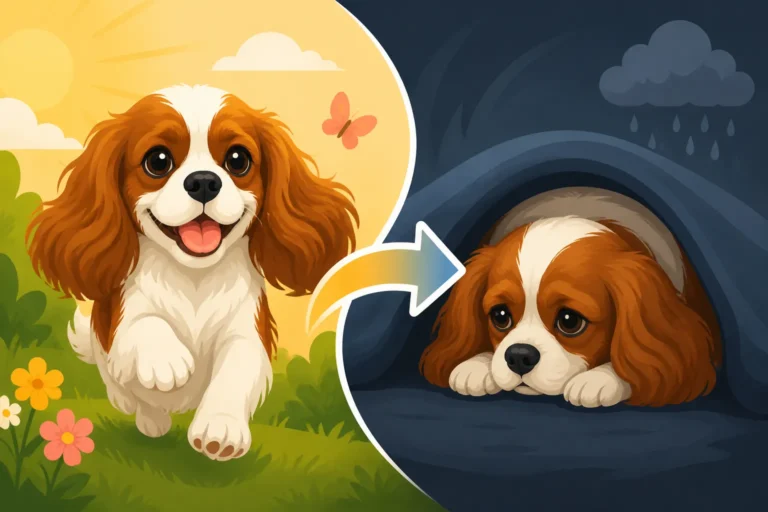
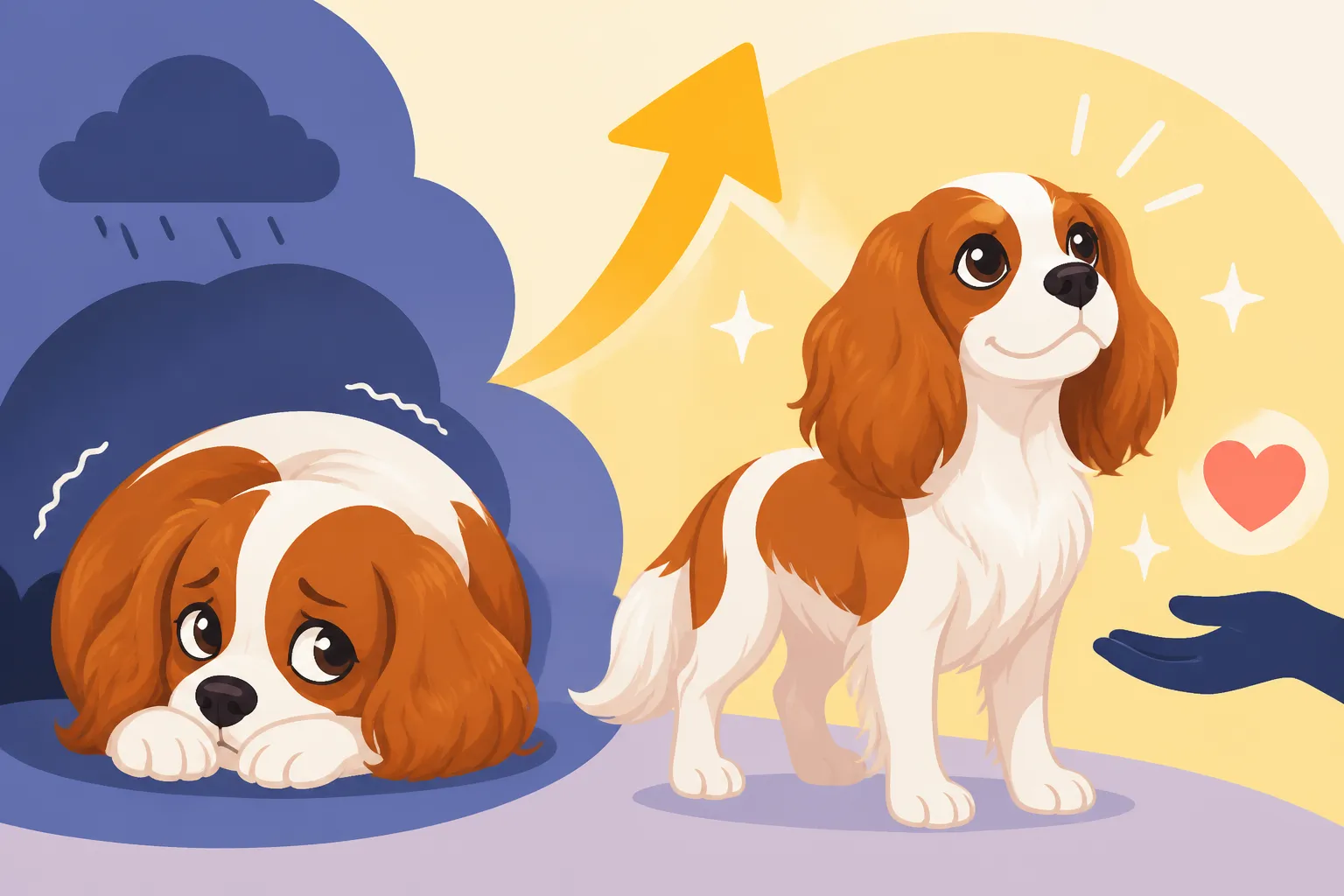
It's heartbreaking to see your sweet Cavalier King Charles Spaniel, a breed known for its sunny disposition, shrink away from new people, tremble at strange noises, or simply seem overwhelmed by the world. Many owners wonder if their nervous little friend is destined to be anxious forever, or if there's truly a way to help them blossom. This guide will delve into understanding and transforming a nervous Cavalier, offering actionable steps to build their confidence and help them feel safer in their own skin.
Understanding Cavalier Nervousness: What It Looks Like and Why It Happens
When your Cavalier is nervous, it’s not just being "naughty" or "stubborn." It’s a genuine internal struggle, and recognizing the signs is the first step toward helping them. Cavaliers, despite their generally outgoing nature, can develop anxiety for a variety of reasons, and it's our job as their guardians to be detectives and compassionate guides.
The Subtle and Obvious Signs of a Nervous Cavalier
Nervousness in dogs, especially small breeds like Cavaliers, can manifest in many ways, from obvious trembling to subtle avoidance. It's crucial to learn to read your dog's body language. A Cavalier might display classic signs like tucking their tail tightly between their legs, flattening their ears against their head, or panting excessively even when not hot. You might also notice them yawning repeatedly, lip licking, or turning their head away when approached by strangers or other dogs.
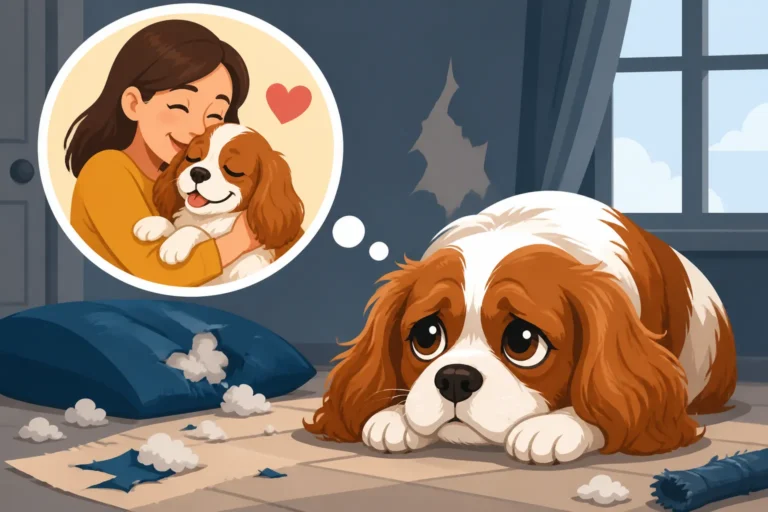
Beyond these, a nervous Cavalier might try to make themselves smaller by crouching or hiding behind your legs. If guests come over, they might disappear under the sofa or bolt to another room, refusing to come out until the perceived threat (the visitors) has left. Some nervous Cavaliers might vocalize excessively, barking or whining as a way to express their discomfort, or freeze in place, unable to move forward on a walk if something startles them. They might even refuse to eat treats or take food in new or stressful environments, a clear indicator that their stress levels are too high for them to focus on anything else. It's a distressing sight, making you wish you could simply explain to them that everything is okay.
Common Causes of Anxiety in Our Beloved Cavaliers
Several factors can contribute to a Cavalier developing nervous tendencies. One of the most significant is a lack of early, positive socialization. A puppy's critical socialization window is typically between 3 and 16 weeks of age. If they weren't exposed to a wide variety of sights, sounds, smells, people, and other dogs in a positive way during this time, they might grow up to be fearful of new experiences. This is why breeders who focus on early enrichment are so important. If your Cavalier came from a less-than-ideal start, perhaps a puppy mill or a situation where they were kept isolated, they might have missed out on crucial developmental experiences. For insights on nurturing a young pup, check out Socializing a Cavalier Puppy Gently.
Genetics also play a role. Just like humans, some dogs are simply predisposed to be more anxious, and this can be passed down through breeding lines. If one or both parents were timid, there's a higher chance their offspring might inherit that trait. Past negative experiences are another huge contributor. A single traumatic event, like being startled by a loud noise, having a bad interaction with another dog, or even harsh training methods, can leave a lasting impact. Sometimes, underlying health issues can cause behavioral changes that present as nervousness. Pain, for instance, can make a dog withdraw or become irritable. Conditions like syringomyelia, which causes neck and head pain, or even chronic ear infections, could make a Cavalier more sensitive to touch or sound, leading them to act defensively or fearfully. If your Cavalier suddenly seems more withdrawn or prone to yelping, it's always worth asking your vet if there's a physical cause, as described in A Cavalier That Yelps When Touched on the Neck or Whether Syringomyelia Changes a Cavalier's Temperament.
Distinguishing Nervousness from Simple Shyness
It's important to differentiate between a shy Cavalier and a truly nervous or anxious one. Shyness is often a milder form of apprehension; a shy dog might take a bit longer to warm up to new people or situations but will eventually relax and engage positively once they feel safe. They might watch from a distance, but won't typically hide or show intense fear signals. A shy dog's comfort zone can often be expanded relatively easily with consistent, positive exposure.
True nervousness or anxiety, however, involves a deeper level of distress. This Cavalier isn't just taking their time; they're actively trying to escape, displaying clear signs of fear, and might even be prone to panic attacks in certain situations. Their fear response is often disproportionate to the actual threat. While shyness can be gently nudged into confidence, true anxiety often requires more structured intervention, patience, and sometimes, professional help to manage effectively. The goal for both is the same: to help them feel secure, but the path might be different.
Strategies for Building Your Cavalier's Confidence
Building confidence in a nervous Cavalier isn't a quick fix; it's a journey of small, consistent steps, but it's incredibly rewarding. You'll need to become their advocate, their safe haven, and their most patient teacher.
Creating a Safe and Predictable Environment
One of the most powerful tools you have is creating an environment where your Cavalier feels utterly safe and secure. This starts with routine. Dogs thrive on predictability. Knowing when they'll eat, go out, and have playtime helps reduce uncertainty, which is a major trigger for anxiety. Stick to a consistent daily schedule as much as possible.
Beyond routine, ensure your Cavalier has a designated "safe space" within your home. This could be a crate, a cozy dog bed in a quiet corner, or even a soft blanket under a table. This is their sanctuary, a place where they can retreat when feeling overwhelmed and know they won't be bothered. Teach children and guests to respect this space. Make it inviting with soft bedding, a favorite toy, and perhaps a long-lasting chew. Many Cavaliers do well with crate training, as it provides a den-like retreat. For tips on setting up such a space, consider Choosing a Crate a Cavalier Will Rest In. Reducing sudden changes in their environment, like moving furniture frequently or introducing many new pets or people at once, can also help them feel more grounded.
Gradual Exposure and Positive Reinforcement: The Gentle Way Forward
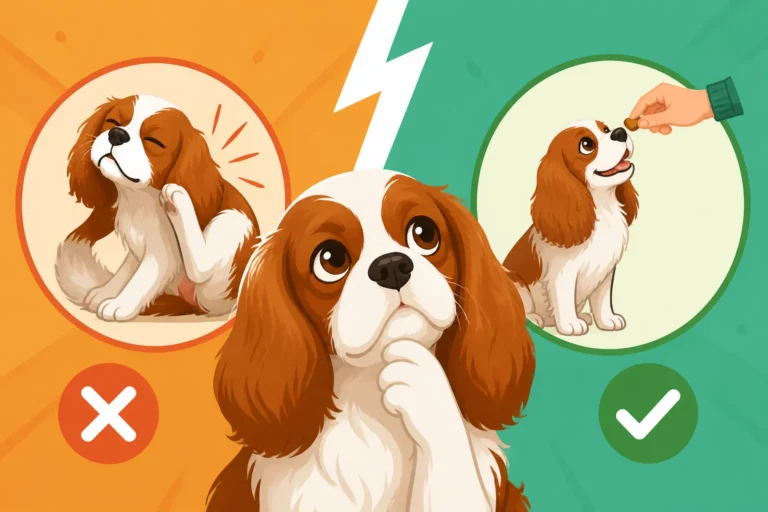
Force-free, positive reinforcement training is the only way to go with a nervous Cavalier. Never punish or scold them for showing fear; this will only make them more afraid of you and the situation. Instead, you'll use a process called desensitization and counter-conditioning.
- Desensitization means gradually exposing your Cavalier to the thing they fear, but at such a low intensity that they don't react fearfully. For example, if they're afraid of strangers, start by having a friendly stranger stand far away, just barely visible, while your Cavalier is calm.
- Counter-conditioning involves changing your dog's emotional response to that scary thing. Every time your Cavalier sees the scary thing (at a low intensity!), immediately give them a high-value treat. The goal is for them to associate the scary thing with something good.
Let's say your Cavalier is nervous about car rides. Start by simply sitting in the stationary car with them, giving treats. Then, turn on the engine, treats. Then, move a few feet, treats. Slowly build up the duration and distance. If at any point your Cavalier shows signs of fear (tail tuck, panting, trying to escape), you've gone too fast. Go back a step. The key is to keep them under their fear threshold. You want to create positive associations, not overwhelm them. High-value treats are essential here – think cooked chicken, cheese, or specialized training treats you might find on Amazon.
Engaging in Confidence-Building Activities
Confidence isn't just about overcoming fear; it's about giving your Cavalier opportunities to succeed and feel good about themselves. Structured playtime and training can be incredibly beneficial.
- Scent Work: Cavaliers are spaniels, and they love to use their noses! Scent work is a fantastic, low-impact activity that builds confidence because it allows them to solve problems independently. Start by hiding treats around the house and encouraging them to find them. As they get better, make it more challenging. This activity doesn't require direct interaction with scary things and gives them a sense of accomplishment. You can learn more about how beneficial this can be in Scent Work as a Low-Impact Cavalier Sport.
- Puzzle Toys: These toys dispense treats as your dog manipulates them. They're excellent for mental stimulation and build problem-solving skills, which in turn boosts confidence. Again, your Cavalier is achieving something on their own. You can find a wide variety of engaging puzzle toys on Amazon.
- Trick Training: Teaching fun tricks like "shake a paw," "spin," or "bow" is a wonderful way to bond and build confidence. Keep sessions short, positive, and full of rewards. It teaches them that interacting with you is fun and predictable. Online training platforms, like those offered by BAXTER & Bella, can provide structured lessons and support for teaching new skills and building a positive relationship.
- Structured Walks: Instead of just wandering aimlessly, incorporate short training bursts into your walks. Practice "sit," "stay," and "watch me." This gives them a job and helps them focus on you, rather than scanning the environment for perceived threats. Always use a comfortable harness instead of a collar to avoid pressure on their neck, especially if they are prone to neck pain.
Understanding and Responding to Your Cavalier's Body Language
Your own demeanor plays a huge role. Dogs are incredibly attuned to our emotions. If you are tense or anxious, your Cavalier will pick up on it. Try to remain calm and collected, even if you’re internally frustrated. Speak in a soft, reassuring tone.
Never force your Cavalier into a situation they're clearly uncomfortable with. If they try to retreat, let them. Respect their boundaries. Scooping up a terrified dog to "comfort" them can actually make the fear worse, as it prevents them from coping on their own terms. Instead, create distance from the scary thing, let them calm down, and then offer gentle praise and treats. Teaching your Cavalier a "settle" or "lie on mat" cue can be helpful for them to have a designated calm spot, as explored in Teaching a Cavalier to Lie on a Mat Nearby.
When Professional Help is Needed for a Nervous Cavalier
Sometimes, despite our best efforts, a Cavalier's nervousness goes beyond what we can manage alone. It's not a sign of failure, but rather an indicator that specialized expertise is required.
Recognizing When You've Reached Your Limit
There are clear signs that your Cavalier's anxiety might be too severe for you to handle with at-home training alone. If their fear is leading to:
- Aggression: Snapping, growling, or biting due to fear, especially if it's escalating.
- Self-harm: Licking or chewing themselves compulsively, causing skin irritation or sores.
- Constant Distress: Your Cavalier seems perpetually on edge, unable to relax even at home.
- Inability to Cope: They can't function normally in daily life (e.g., refusing to go outside, unable to be left alone without extreme panic, as detailed in Medication for Cavalier Separation Anxiety).
- Sudden Changes: A previously confident dog suddenly becomes fearful, which could indicate a medical issue.
These are all strong signals that it's time to bring in the pros. Trying to push through these issues without expert guidance can inadvertently make the problem worse.
Consulting Your Veterinarian First
Always, always start with a visit to your trusted veterinarian. Behavior changes, especially the onset of fear or anxiety, can often be linked to underlying medical conditions. Pain is a huge one; a dog in chronic pain might lash out or become withdrawn because they're simply trying to protect themselves. Thyroid imbalances, neurological issues like Whether Syringomyelia Changes a Cavalier's Temperament, or even vision or hearing loss can all affect a dog's confidence and behavior. Your vet can perform a thorough physical exam, recommend blood tests, or suggest imaging (like X-rays or even an MRI if neurological issues are suspected) to rule out any physical causes. Addressing a medical problem could significantly alleviate the behavioral symptoms.
Working with a Certified Professional
Once medical causes have been ruled out, or if your vet suggests it, seeking help from a qualified dog behavior professional is the next crucial step. But here’s the caveat: anyone can call themselves a "dog trainer" or "behaviorist," so it’s essential to choose wisely. Look for certifications and qualifications.
- Certified Professional Dog Trainer (CPDT-KA): These trainers specialize in humane, force-free training methods and can help you implement behavior modification plans.
- Certified Behavior Consultant Canine (CBCC-KA): These individuals have more advanced knowledge in behavior modification and can handle more complex cases.
- Veterinary Behaviorist (Dip ACVB): These are veterinarians who have gone through extensive additional training and certification in animal behavior. They are qualified to diagnose behavioral disorders and prescribe medication if necessary, working hand-in-hand with behavior modification plans. They are often the best choice for severe anxiety or fear-based aggression.
A good professional will use positive reinforcement, avoid punishment, and create a tailored plan for your Cavalier. They will teach you how to understand and help your dog, focusing on building trust and positive associations. They often begin with a comprehensive assessment to understand the specific triggers and history of your Cavalier's nervousness, giving you a roadmap forward.
Medication as a Supportive Tool
For some Cavaliers with severe anxiety, medication prescribed by a veterinary behaviorist or your primary vet can be a game-changer. It's not a "happy pill" or a magic cure, but it can help manage the intense physiological symptoms of anxiety, like panic and heightened arousal. By lowering their overall anxiety levels, medication can open up a crucial window of opportunity for behavior modification and training to be more effective.
Think of it this way: if your Cavalier is constantly at a 9 or 10 on the anxiety scale, they can't learn. If medication brings them down to a 5 or 6, they might be able to process new information and respond to training. Medication is always used in conjunction with a behavior modification plan, never as a standalone solution. Discuss all options with your vet, including potential calming supplements like those mentioned in Calming Supplements for an Anxious Cavalier.
Living with a Confident Cavalier: Ongoing Support and Advocacy
Building confidence is an ongoing process, not a destination. Your Cavalier may always have a natural inclination towards caution, but with consistent support, they can lead a happy, fulfilling life.
Continued Management and Support
Once your Cavalier starts showing improvements, it's vital to continue with the strategies that are working. Anxiety is often managed rather than completely cured, and consistency is your best friend. This means maintaining routines, continuing with positive reinforcement training, and being mindful of situations that might trigger a regression.
Regular check-ins with your chosen professional, if you're working with one, can also be beneficial to tweak the plan as your Cavalier progresses. Remember that setbacks can happen – a sudden loud noise, an unexpected encounter – but they don't erase all your hard work. They're just opportunities to practice your coping strategies and reinforce positive associations. Celebrate every small victory, like a calm greeting with a new person or a moment of relaxation in a previously stressful environment.
Becoming Your Cavalier's Advocate
As the guardian of a sensitive Cavalier, you become their chief advocate. This means protecting them from situations that are too much for them and setting clear boundaries with others. It's okay to politely decline an interaction with a well-meaning stranger if your dog is clearly uncomfortable. It's okay to leave a dog park if it's too chaotic. It's okay to ask visitors to ignore your dog until your dog approaches them.
Educate friends and family about your Cavalier's needs. Explain that forcing interaction or sudden movements can be detrimental. Help them understand your dog’s subtle body language. This advocacy is not about spoiling your dog; it's about providing the environment and support they need to feel safe and, over time, more confident. Perhaps you might even consider specific harnesses that provide comfort and security on walks, which you can often find readily on Amazon, to prevent any additional stress from pulling or discomfort.
Celebrating Small Victories and Embracing Their Unique Personality
Every step forward, no matter how tiny, is a huge win for a nervous Cavalier. Did they sniff a new object without retreating? Did they stay in the room when a new sound occurred? Did they approach a new person on their own terms, even for a moment? Celebrate these moments! Shower them with praise and treats. These positive experiences build momentum and reinforce that the world isn't always a scary place.
Your Cavalier might never be the life of every party, and that’s perfectly fine. Embrace their unique personality. They might prefer quieter environments, or bond more deeply with a select few people. The goal isn't to change who they are, but to help them navigate the world with greater ease and less fear, allowing their naturally sweet and affectionate Cavalier spirit to shine through more often. A Timid Cavalier That Hides From Visitors delves further into this common challenge. With patience, understanding, and the right support, even the most nervous Cavalier can be built up to enjoy a richer, more confident life by your side.
| Behavior Sign | What It Looks Like | Interpretation (Nervous) | Confidence-Building Strategy |
|---|---|---|---|
| Tail Position | Tucked tightly under body | Fear, anxiety, submission | Positive reinforcement for relaxed tail, safe retreat space |
| Ear Position | Flattened back against head | Fear, appeasement, apprehension | Pair scary things with high-value treats (counter-conditioning) |
| Body Posture | Crouched low, stiff, trying to hide, trembling | Intense fear, overwhelming stress | Create predictable routine, gradual exposure, professional help |
| Eye Contact | Avoiding eye contact, "whale eye" (white of eye shows) | Discomfort, stress, trying to de-escalate | Never force eye contact, reward calm gaze in quiet moments |
| Vocalization | Excessive barking, whining, growling | Warning, plea for distance, overwhelm | Identify triggers, manage environment, teach alternative behaviors |
| Engagement | Refuses treats, avoids interaction, freezes | Too stressed to engage or learn | Reduce intensity of trigger, ensure safety, lower expectations |
| Relaxation | Restless, pacing, inability to settle | Chronic anxiety, hypervigilance | Promote safe spaces, calming activities (sniffing), consistent routine |
Disclaimer
This article is for general informational purposes only and does not constitute professional advice. Laws, prices and regulations vary by location and change over time. Consult a qualified professional for guidance on your specific situation.