Whether Training Fixes a Cavalier’s Scratching
It’s incredibly disheartening and often downright frustrating to watch your beloved Cavalier King Charles Spaniel constantly scratching, biting, or rubbing themselves, feeling helpless as they seem utterly miserable. Many owners wonder if this incessant itching is simply a bad habit or a behavioral quirk that can be trained away. This comprehensive guide will explore the multifaceted reasons behind a Cavalier's scratching, clarify when training might offer some relief, and, crucially, emphasize why a veterinary diagnosis is almost always the first and most important step.
Understanding Why Your Cavalier Scratches
When your Cavalier is scratching, it's a natural instinct, but it's rarely "just a behavior" in the sense that they're doing it for no reason or to annoy you. Think about it from their perspective: if you had an itch that wouldn't go away, you'd scratch it, wouldn't you? For Cavaliers, with their sensitive skin and predispositions to certain health conditions, scratching is almost always a symptom of an underlying physical issue, or sometimes a neurological one. Dismissing it as merely a training problem can unfortunately delay vital medical intervention.
It’s easy to assume your pup is just being dramatic, but a persistent scratch often points to something much deeper. Many Cavalier owners find themselves constantly saying "stop that!" only to see their dog resume moments later, not out of defiance, but genuine discomfort. This isn't a case of your dog needing to learn "leave it" or "settle." It's their primary way of communicating that something is bothering them, and it’s up to us to be detectives and figure out what that "something" is.
Common Physical Causes of Itching in Cavaliers
Cavaliers, like many breeds, are prone to various physical irritants that manifest as scratching. These can range from easily treatable issues to chronic conditions requiring ongoing management. It's important to understand these common culprits, as they highlight why a trip to the vet, not a training session, is the appropriate first response.
One of the most frequent offenders is allergies. Cavaliers can suffer from environmental allergies (atopy) triggered by pollen, dust mites, or molds, much like humans get hay fever. These allergies often cause itchy skin, especially on the paws, belly, and ears. Food allergies are another possibility, although less common, which can lead to skin irritation, ear infections, or gastrointestinal upset. Differentiating between these types of allergies usually requires careful dietary trials or specific diagnostic tests, not just trying to train the itch away.
Parasites are another big one that no amount of training will fix. Fleas, even a single one, can cause intense itching, especially in dogs with flea allergy dermatitis. Mites, such as sarcoptic mange mites or demodex mites, can also cause severe skin irritation, hair loss, and relentless scratching. Regular parasite prevention is key, but if an infestation is suspected, medical treatment is absolutely necessary. Even something as simple as dry skin, exacerbated by harsh shampoos or dry indoor air, can lead to mild but persistent itching, prompting your Cavalier to scratch.
Lastly, recurrent ear infections are a huge problem for Cavaliers due to their beautiful, long drop ears which trap moisture and warmth, creating a perfect breeding ground for yeast and bacteria. Cavalier Ear Infections and Why They Recur is a common frustration. An itchy ear often leads to scratching at the ear, head shaking, and pawing at the face. Sometimes the irritation can spread to the face or neck area as they try to relieve the discomfort. This isn't a behavioral issue; it's a direct response to pain and irritation that needs proper medical diagnosis and treatment from your veterinarian.
Neurological Scratching, an SM Symptom
Beyond the more typical physical causes, Cavaliers have a unique and heartbreaking predisposition to a neurological condition called Syringomyelia (SM), often linked to Chiari-like malformation (CM). This condition can cause a phenomenon known as "phantom scratching" or "air scratching," where the dog scratches intensely at their neck or shoulder area without actually making contact with their skin. It’s one of the most concerning reasons a Cavalier might be scratching, and it’s absolutely not something training can fix.
Syringomyelia occurs when a Cavalier's skull is too small for its brain, leading to pressure that obstructs the flow of cerebrospinal fluid. This fluid then builds up in the spinal cord, forming fluid-filled cavities called syrinxes. These syrinxes can cause severe nerve pain, sensitivity to touch, and an array of neurological symptoms, including the characteristic phantom scratching. The scratching isn't due to an itch on the skin, but rather a direct result of nerve damage and pain signals being misinterpreted by the brain. It's often worse when the dog is excited, on a leash, or when their neck is touched.
Recognizing Air Scratching as a Cavalier's First Warning Sign is crucial for Cavalier owners. If you see your Cavalier scratching at the air, often favoring one side, and this scratching doesn't seem to make actual contact or relieve any visible itch, it should be an immediate red flag. This symptom is a strong indicator that neurological pain is present and warrants an urgent consultation with a veterinary neurologist. No amount of obedience training or distraction will alleviate this kind of discomfort, as the root cause is deep within their nervous system.
Understanding Syringomyelia and Chiari Malformation in Cavaliers is paramount for any owner of this breed. The discomfort from SM is profound, and while sometimes confused with an ear infection, a careful observer can often tell the difference by the "air" nature of the scratch. Treatment for SM typically involves medication to manage pain and reduce fluid pressure, and in some cases, surgery. Training cannot address the underlying neurological issue; it can only help manage the dog's comfort and routine around the condition, making vet intervention the only true solution.
When Training Can Play a Role in Managing Scratching
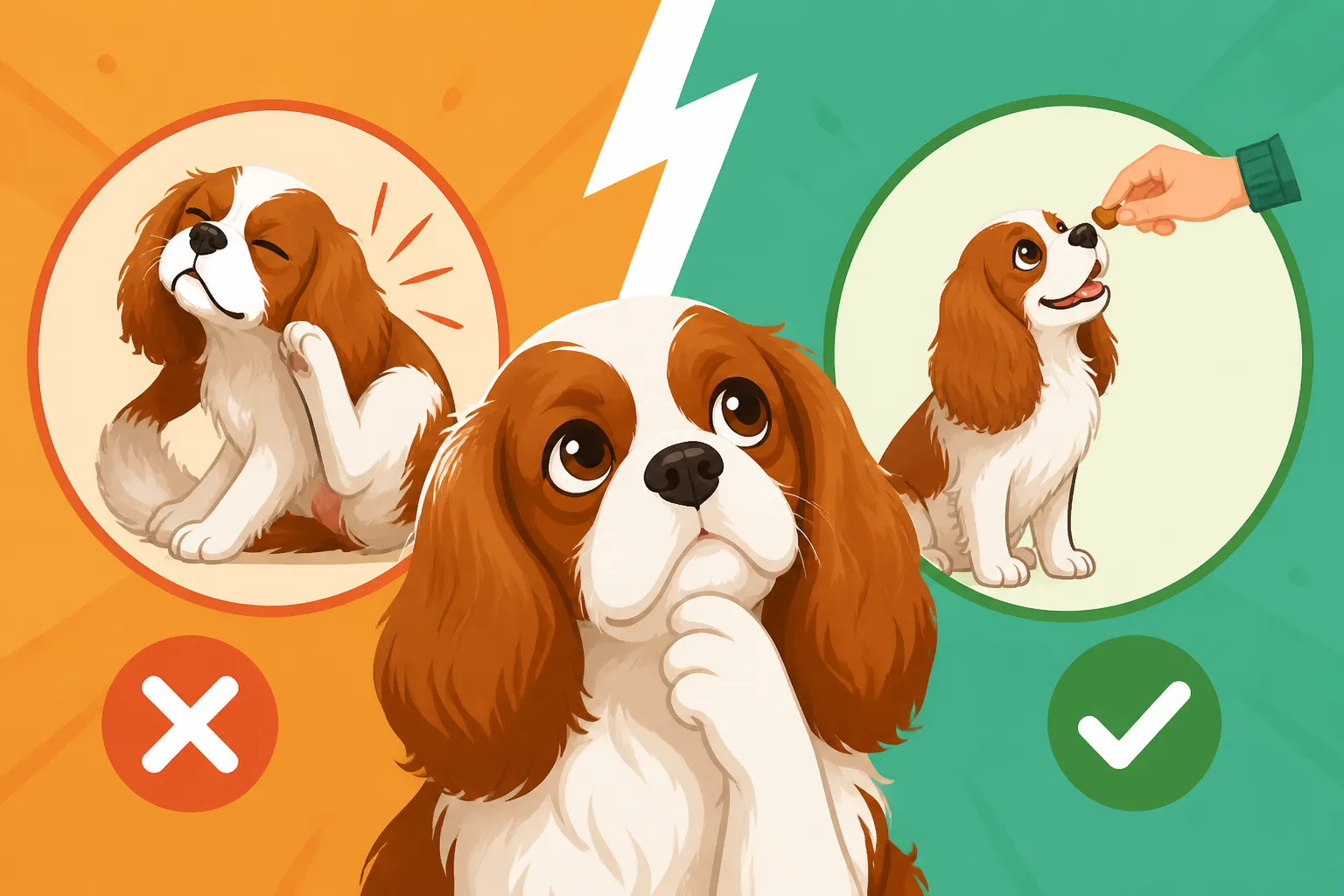
While direct 'training' cannot fix the underlying medical reason for scratching, it's not entirely useless in the overall management strategy. Once a medical diagnosis has been made and appropriate treatment initiated, training can become a valuable tool. Its role shifts from "fixing the itch" to "managing the behavior that stems from the itch" or, more importantly, "helping your dog cooperate with treatment." This distinction is incredibly important for owners to grasp, as it reframes expectations and emphasizes collaboration with veterinary professionals.
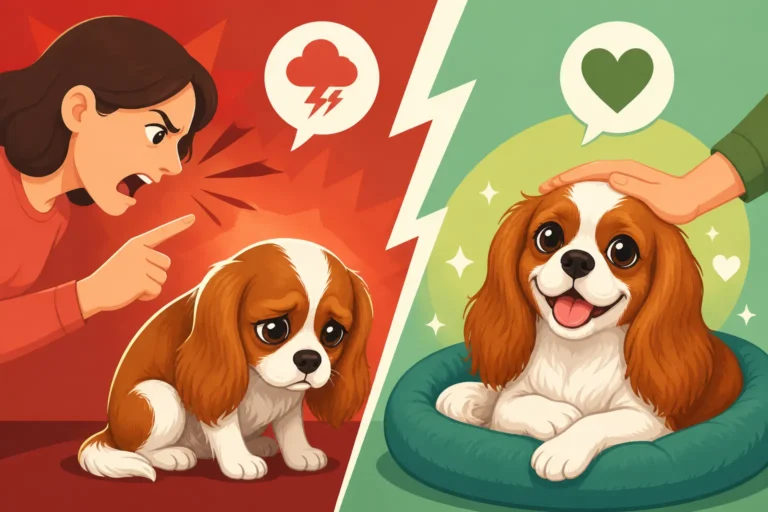
Think of it this way: if a child has a broken arm, you don't "train" them not to feel pain. You get them medical care. However, you might train them to sit still while the cast is applied or to not pick at the cast as it heals. The same principle applies here. If your Cavalier is scratching due to allergies, training won't cure the allergies, but it can help manage secondary issues or make treatment easier. It’s about building a better partnership with your dog through positive reinforcement, especially when they're feeling vulnerable or uncomfortable.
Redirecting Compulsive or Anxiety-Related Scratching
In some rare instances, after all medical causes have been thoroughly ruled out, scratching can indeed develop into a compulsive behavior, or it can be exacerbated by anxiety. Cavaliers are sensitive souls, and prolonged discomfort can lead to learned behaviors, even if the initial itch has been somewhat managed. This is where behavior modification, a form of training, might offer some relief.
For example, if a Cavalier has suffered from chronic skin issues for a long time, the act of scratching might become a habit, or a coping mechanism for stress, even when the immediate physical trigger is less intense. In such cases, redirecting the behavior can be helpful. This involves identifying triggers for the compulsive scratching (e.g., moments of boredom, stress, or when ignored) and teaching your dog an incompatible, positive behavior to do instead. For instance, if they tend to scratch when you stop petting them, you might teach them to lie on a mat and chew a safe toy instead. You can find many enrichment toys on Amazon that can help redirect this energy.
Working with a certified professional dog trainer or a veterinary behaviorist can be invaluable here. They can help you identify subtle cues and patterns in your Cavalier's behavior and develop a tailored plan using positive reinforcement techniques. This isn't about punishment; it's about rewarding calm, non-scratching behavior and providing appropriate outlets for their energy and anxiety. If the scratching is truly rooted in stress or separation anxiety, specific training protocols like those offered by online platforms such as BAXTER & Bella can help address the underlying anxiety, which in turn might reduce the compulsive scratching.
Managing the Impact of Persistent Itching
Beyond directly redirecting the scratching, training plays a crucial role in managing the impact of persistent itching and facilitating necessary medical care. An itchy dog might become protective of sore areas, resist examinations, or struggle with wearing protective cones or bandages. Training can make these experiences much less stressful for both you and your Cavalier.
Think about the importance of cooperative care. If your Cavalier needs daily ear cleaning due to Recurrent Ear Infections in a Cavalier, training them to calmly accept handling of their ears can turn a wrestling match into a peaceful routine. You can use positive reinforcement to slowly desensitize them to having their ears touched, inspected, and eventually cleaned with ear drops. This cooperative attitude, built through gentle training, is far more effective than forcing them into uncomfortable situations, which only increases their anxiety and resistance.
Similarly, if your Cavalier has developed hot spots from excessive licking and scratching, and needs to wear an Elizabethan collar or a recovery suit, training can help them adjust. Rewarding them for calmly wearing the collar, even for short periods, can prevent them from panicking or trying to tear it off. This isn't fixing the itch, but it's enabling the medical treatment to work and preventing further self-trauma, ultimately helping your Cavalier heal and feel better faster.
The Critical Role of Veterinary Intervention
Let's be absolutely clear: for persistent or severe scratching, veterinary intervention is not just important, it is critical. Training cannot replace a medical diagnosis or treatment for conditions like allergies, parasites, infections, or neurological pain. Any owner who attempts to "train away" scratching without first consulting a veterinarian risks prolonging their dog's suffering and allowing an underlying condition to worsen. Your vet is your first and most important partner in solving the mystery of your Cavalier's itch.
It can be tempting to try home remedies or behavioral solutions when you're feeling desperate, but please resist this urge. Cavaliers are predisposed to complex health issues, and their symptoms often overlap. What looks like a simple itch could be a symptom of Syringomyelia Against Ear Pain in a Cavalier, for example, and only a professional can discern the difference through proper diagnostic tools. A veterinarian can provide an accurate diagnosis, guide you through appropriate treatment options, and ensure your Cavalier receives the care they truly need.
Diagnosing the Root Cause
The diagnostic process is fundamental to effectively treating your Cavalier's scratching. Your veterinarian will start with a thorough physical examination, looking closely at your dog's skin, coat, and ears. They'll ask you a lot of questions about when the scratching started, what makes it worse or better, and what other symptoms you might have noticed. This detective work is vital.
Diagnostic tests might include skin scrapes to look for mites, fungal cultures to check for ringworm, or cytology (examining cells under a microscope) from itchy skin lesions or ear canals to identify yeast or bacterial infections. Blood tests might also be performed to check for underlying systemic illnesses that could manifest as skin problems. If allergies are suspected, your vet might suggest a food trial with a novel protein or hydrolyzed diet, or refer you for allergy testing, which can involve blood tests or intradermal skin tests.
For more complex cases, especially if neurological signs like phantom scratching are present, your vet might recommend a referral to a veterinary dermatologist or neurologist. A neurologist might suggest imaging like an MRI to definitively diagnose Syringomyelia and Chiari Malformation in Cavaliers. These specialized diagnostics are crucial for uncovering the true cause of the scratching and cannot be skipped if you want to genuinely help your Cavalier.
Medical Treatments Beyond Training
Once a diagnosis is made, your veterinarian will outline a treatment plan. This plan will vary greatly depending on the cause of the scratching, but it almost always involves medical interventions that training cannot replicate. These treatments are designed to directly address the underlying problem, providing genuine relief to your Cavalier.
For allergies, treatment might involve antihistamines, steroids, or newer targeted medications designed to block the itch pathway. Special shampoos can soothe irritated skin, and topical medications can address localized infections. If a food allergy is diagnosed, a strict prescription diet is essential. For parasites, specific medications will be prescribed to eliminate them. Bacterial or yeast infections, particularly in the ears, will require oral antibiotics or antifungals, along with medicated ear cleaners and drops. Ear Cleaner Worth Using on a Cavalier often contains ingredients to specifically target these pathogens.
In cases of Syringomyelia, the focus shifts to pain management and reducing fluid buildup. This can involve medications like Gabapentin for nerve pain, or diuretics to help reduce fluid pressure. Pain Relief for a Cavalier With Syringomyelia is an ongoing process, and while managing their environment to avoid triggers can help, it's the medication that truly alleviates their suffering. These medical solutions are the primary pathway to relief and underscore why addressing the physical cause is paramount, rather than attempting a behavioral fix.
Practical Steps for Cavalier Owners
Living with a Cavalier who scratches incessantly can be tough, both for them and for you. But there are practical steps you can take as an owner to help your veterinarian diagnose the issue and ensure your beloved companion gets the most effective relief possible. These steps focus on observation, environmental management, and consistent care, all of which contribute to your Cavalier's overall well-being.
Remember, you are your Cavalier's best advocate. Being proactive and observant can make a huge difference in how quickly and effectively their scratching issue is resolved. It's a team effort between you, your dog, and your vet. And while training doesn't fix the itch, good foundational training for handling and cooperative care will make vet visits and treatments much smoother.
Observing and Documenting Your Cavalier's Scratching
Before you even step into the vet's office, you can gather crucial information that will aid in diagnosis. Keeping a detailed log or journal of your Cavalier's scratching can provide invaluable clues. Start by noting exactly when the scratching occurs – is it worse at night? After walks? After eating? Are there specific times of day or activities that seem to trigger it?
Next, observe where your Cavalier is scratching. Is it localized to one ear, their belly, their paws, or all over? Do they rub their face on furniture or carpet? Are they biting or licking any particular spots? What does the skin look like in those areas – red, inflamed, bumpy, flaky, or with hair loss? Taking photos or short videos of the scratching and any visible skin irritation can also be incredibly helpful for your vet to see exactly what you're describing.
Also, track any other symptoms you've noticed. Are they shaking their head? Is there a strange smell coming from their ears or skin? Are they lethargic or exhibiting any other behavioral changes, such as A Cavalier That Yelps When Picked Up? These details paint a fuller picture for your vet and can help them narrow down the possible causes much more quickly and accurately. This kind of diligent observation and documentation is a key part of solving the puzzle.
Creating a Comfortable Environment
While awaiting a diagnosis or managing a chronic condition, you can take steps to make your Cavalier's environment as comfortable as possible to minimize irritation. This involves careful grooming, managing allergens, and ensuring a generally soothing atmosphere.
Regular grooming is essential for Cavaliers, especially their long, silky coats and feathered ears. Brushing a Cavalier's Feathering Three Times a Week can help remove environmental allergens, loose hair, and potential irritants from their coat. Keep an eye out for mats, especially behind the ears and in the armpits, as these can pull on the skin and cause discomfort. Your vet or groomer can advise on What a Cavalier Groomer Should and Should Not Cut to ensure their coat remains healthy without causing new problems. Ensuring proper Cavalier Ear Care Under a Heavy Drop Ear is also crucial to prevent moisture buildup that leads to infections, which in turn leads to scratching.
Consider allergen reduction in your home. Regular vacuuming, washing bedding frequently, and using air purifiers can help if environmental allergies are suspected. If your Cavalier loves to play outdoors, wiping down their paws and belly with a damp cloth after coming inside can remove pollen and other outdoor irritants. Using a snood, which can be found easily on Amazon, during meal times can keep their long ears out of food and water, reducing the chance of moisture-related ear problems. While these steps won't cure the underlying issue, they can certainly reduce the severity of the itching and improve your Cavalier's day-to-day comfort.
Disclaimer
This article is for general informational purposes only and does not constitute professional advice. Laws, prices and regulations vary by location and change over time. Consult a qualified professional for guidance on your specific situation.