Leash Manners for a Cavalier That Pulls
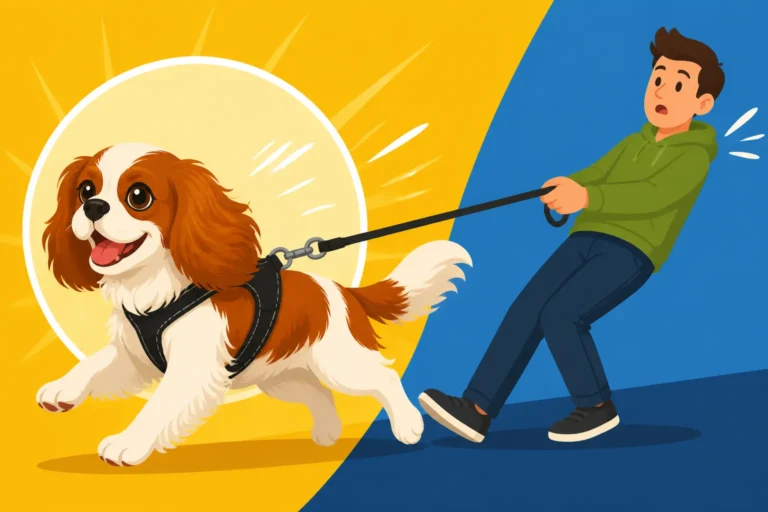
It's a common misconception that because Cavaliers are relatively small, they won't pull on the leash with any real force. Oh, how wrong that assumption can be! Many Cavalier owners find themselves genuinely pulled along by their enthusiastic furry friends, making walks less enjoyable and sometimes even a bit dangerous for both dog and owner. This guide will walk you through understanding why your sweet Cavalier might be pulling and provide actionable, gentle strategies to teach them polite leash manners, transforming your walks into peaceful strolls.
Understanding Why Your Cavalier Pulls on Leash
Before we can tackle the pulling, it helps to understand what's motivating your Cavalier. They aren't trying to be defiant or disobedient; usually, their pulling comes from a place of excitement, curiosity, or simply not understanding what you want them to do. It’s important to approach this with empathy rather than frustration.
The World is Full of Exciting Things
Imagine seeing the world through your Cavalier's nose – every blade of grass tells a story, every distant sound is an intriguing mystery, and every person or dog is a potential new friend. Cavaliers, with their delightful curiosity and friendly nature, are often simply overwhelmed by the sheer joy and sensory input of an outdoor walk. They want to get to that interesting smell, greet that person, or investigate that rustling bush, and the leash becomes an annoying barrier. Their enthusiasm often overrides any prior training, especially when they are younger or haven't had consistent practice in distracting environments.
This eagerness to explore and connect can be a wonderful trait, but it needs to be channeled correctly. Many Cavaliers have a surprising amount of drive when it comes to following a scent trail, a remnant of their spaniel ancestry. If they catch a whiff of something particularly enticing – perhaps a squirrel or another dog's scent – they can suddenly surge forward, pulling with surprising strength for their size. This is particularly true if they haven't learned impulse control, where the immediate reward of investigating outweighs the learned behavior of walking politely beside you.
Lack of Clear Communication and Consistency
Often, pulling is an unintentional habit that we, as owners, have inadvertently reinforced. If your Cavalier pulls and eventually gets to sniff the interesting lamp post, or gets to greet the passing stranger, they've just learned that pulling works. Even if it takes a moment, their persistence pays off. This forms a strong association in their minds: "If I pull hard enough, I get what I want!" It's not malicious, it's just efficient from their perspective.
Another factor is a lack of consistent communication from our end. Dogs thrive on clear, predictable signals. If one family member lets the Cavalier pull, while another tries to enforce loose-leash walking, the dog receives mixed messages. They don't understand the rules because the rules keep changing. Similarly, if you only start training when the pulling becomes unbearable, it's harder to undo a deeply ingrained habit. Establishing clear boundaries and expectations from the very first walk, or as soon as you notice the pulling start, is crucial. This often means being more proactive in your training approach.
Building the Foundation for Loose-Leash Walking
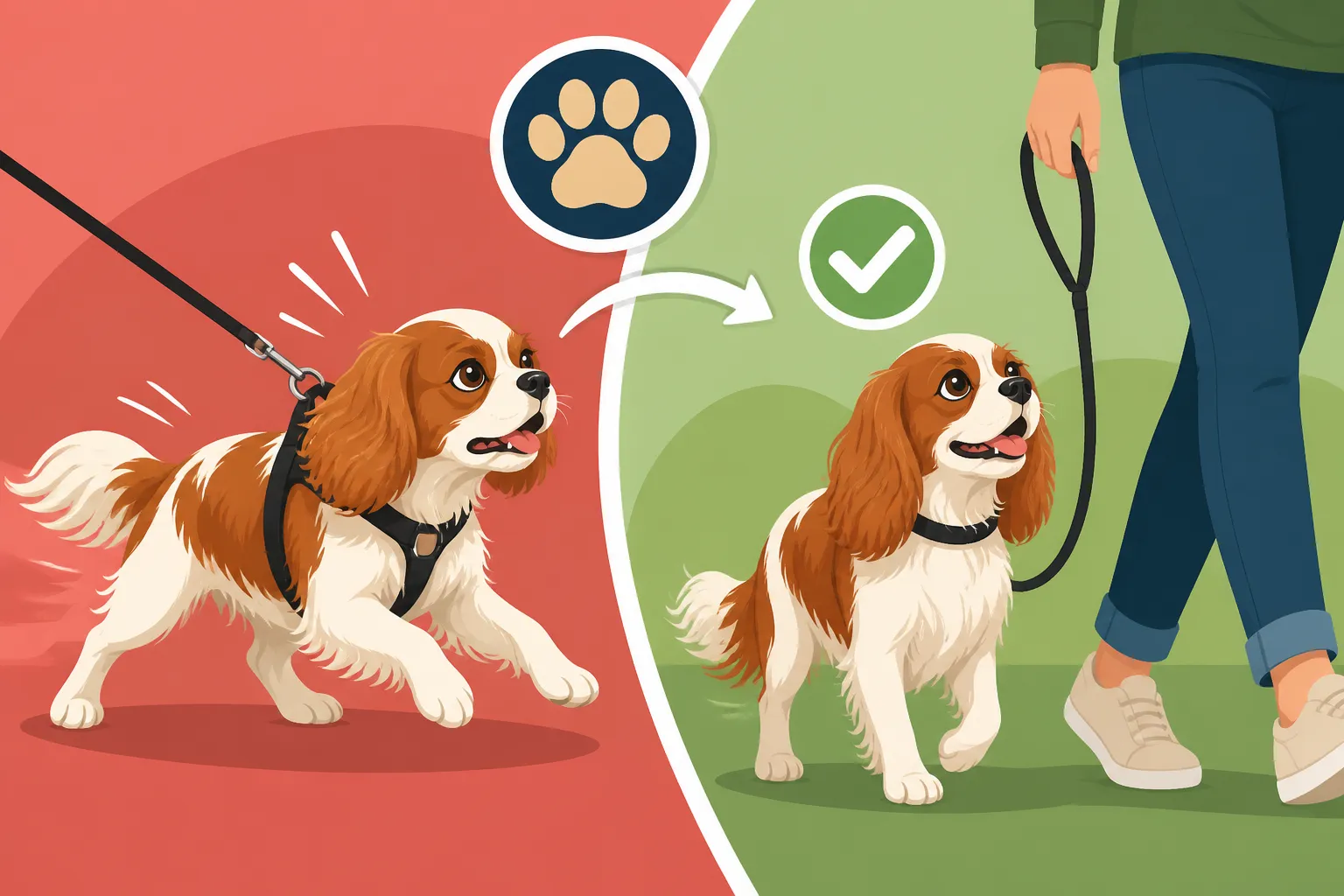
Teaching loose-leash manners is less about "stopping" pulling and more about "teaching" your Cavalier what you do want them to do. It's a process built on positive reinforcement, patience, and consistency.
Positive Reinforcement and Rewards
Your Cavalier responds beautifully to positive reinforcement. When they are walking nicely beside you, with a loose leash, that's the moment to reward them! Use high-value treats – something truly irresistible like tiny pieces of cheese, cooked chicken, or hot dogs. The key is to reward frequently in the beginning, especially when they are in the correct position. Don't wait for them to walk perfectly for five minutes; reward every few steps they take with a loose leash. This builds a strong association: walking nicely equals delicious rewards. Many successful trainers, including those from programs like BAXTER & Bella, emphasize the power of timely, high-value rewards in creating desired behaviors.
Timing is everything. The reward needs to happen within a second or two of the desired behavior. If you wait too long, your Cavalier might not connect the treat with the loose leash, but with whatever they were doing right before they received the treat. You can also incorporate verbal praise like "Good walk!" or "Yes!" in a cheerful tone. The goal is to make walking beside you the most rewarding activity on the walk, even more rewarding than those enticing smells or greetings. Start practicing in a low-distraction environment, like your backyard, before moving to busier areas.
The "Stop and Go" or "Be a Tree" Method
This is a classic and highly effective technique for teaching loose-leash walking. Here’s how it works:
- Start walking with your Cavalier.
- The instant you feel tension on the leash (before they even get a full pull going), stop moving. Become a "tree." Do not say anything, do not yank the leash, just stop.
- Wait. Your Cavalier might pull harder for a moment, look back at you, or sit down. As soon as the leash goes slack (even if it's just for a second), start walking again.
- Reward them immediately with a treat and praise as you start moving forward.
Repeat this process relentlessly. It teaches your Cavalier that pulling stops forward momentum, while a loose leash starts it again. They quickly learn that the path to continued sniffing and exploring is a loose leash. It requires immense patience on your part, as some walks might involve a lot of stopping and starting, but it truly pays off. Remember, the leash going slack is the critical cue for you to start moving again. You'll likely find that Five-Minute Training Sessions With a Cavalier are often more effective than trying to force a long, frustrating walk.
Changing Direction
Another great technique is simply changing direction the moment your Cavalier starts to pull. If they forge ahead to the left, you abruptly turn and go right. If they pull forward, you turn around and walk the other way. This isn't a jerk; it's a calm, consistent change of direction. Again, the moment the leash goes slack as they adjust to your new direction, mark it with praise and a treat. This teaches them to pay attention to you and to keep the leash loose, because they don't know which way you'll go next. It helps them understand that you are the leader of the walk, not them. This kind of unpredictability, in a good way, keeps them focused on maintaining a loose leash rather than just forging ahead.
Choosing the Right Gear to Help
The right equipment can make a significant difference in your success, especially with a Cavalier. While no piece of gear is a magic bullet, some tools are much more helpful than others.
Harnesses vs. Collars
For Cavaliers, a harness is generally recommended over a collar for walking, especially if they are prone to pulling. A flat collar puts pressure directly on their delicate neck and trachea. Given that Cavaliers can be prone to conditions like Syringomyelia and Chiari Malformation in Cavaliers, which can cause neck pain, or even Cavalier Tracheal Collapse, avoiding neck pressure is paramount.
There are a few types of harnesses:
- Back-Clip Harnesses: These are common and comfortable, with the leash attachment point on the dog's back. However, for a strong puller, they can actually encourage pulling by allowing the dog to lean into the harness and use their full body weight. They don't offer much leverage to redirect.
- Front-Clip Harnesses (No-Pull Harnesses): These harnesses have the leash attachment on the dog's chest. When your Cavalier pulls, the leash redirects their body to the side, making it uncomfortable and ineffective for them to continue pulling forward. Many owners find these a game-changer for Cavaliers who pull. Brands like Easy Walk or Freedom Harness are popular choices and can often be found on Amazon.
- Head Halters: While very effective at controlling the head, and thus the body, some Cavaliers find these uncomfortable or aversive. They require careful introduction and conditioning with positive reinforcement to avoid creating a negative association with walks. It’s often a last resort if other harness types don't work, and typically you'd want to consult a professional trainer for guidance on fitting and introducing one safely.
It's worth exploring Harnesses Suited to a Cavalier's Neck to ensure you pick one that fits correctly and is comfortable for your dog, especially given their specific anatomical considerations.
Leash Length and Material
A standard 4-6 foot leash is ideal for teaching loose-leash walking. This length gives your Cavalier enough room to explore a bit while still allowing you to maintain control and provide timely corrections. Avoid retractable leashes when working on leash manners. Retractable leashes teach dogs that pulling always gets them more slack, which directly counteracts loose-leash training. They also offer less control in emergency situations and can be dangerous for both dog and owner.
For material, a nylon or leather leash is durable and comfortable to hold. Consider a leash with a comfortable handle, especially if your Cavalier is a strong puller, to prevent hand strain. Some trainers also recommend a slightly wider leash for a better grip.
Troubleshooting Common Leash-Pulling Challenges
Even with the best intentions and gear, you might encounter bumps in the road. Leash manners aren't typically learned overnight, especially if you're working with an adult Cavalier who has years of pulling experience.
Distractions on Walks
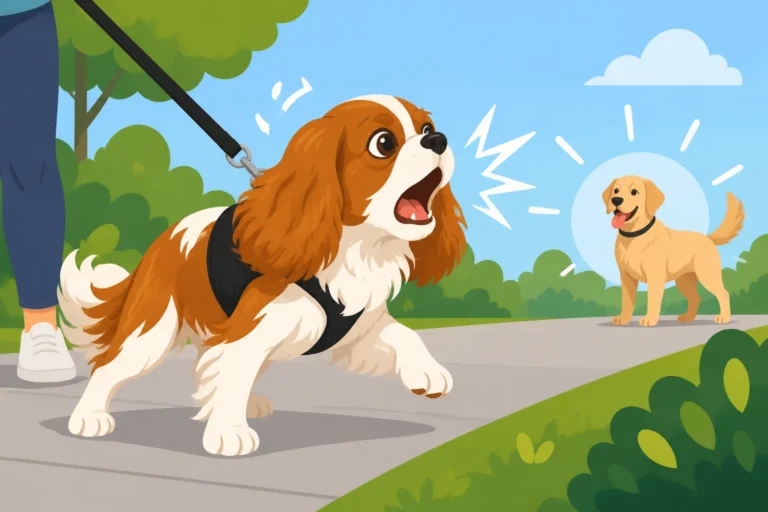
Cavaliers are easily distracted by the rich sensory environment of the outdoors. That squirrel darting up a tree, the scent of another dog, or a friendly person wanting to say hello can easily derail your efforts. This is where patience and persistence truly come in.
When facing distractions:
- Anticipate: Try to spot potential distractions before your Cavalier does. If you see another dog approaching, get their attention before they notice the other dog.
- High-Value Rewards: Use your absolute highest-value treats around distractions. You want your Cavalier to associate looking at you around a distraction with something incredibly delicious. For instance, if another dog passes by, ask for a "watch me" command and reward heavily when they comply.
- Distance is Your Friend: If your Cavalier is really struggling, increase the distance between them and the distraction. Start training at a distance where they can still notice the distraction but are not over the threshold of excitement. Gradually decrease the distance as they improve.
Remember, practice in varied environments. Start in quiet areas, then slowly introduce more distractions. Consistency is key, especially when dealing with the kind of intense focus a Cavalier can have on a new smell or a moving object, as discussed in The Bird Chase a Cavalier Cannot Resist.
Regression and Inconsistency
It’s normal for a Cavalier to have good days and bad days with leash manners. Don't get discouraged if they suddenly start pulling again after a period of good behavior. Regression can happen due to:
- New or Increased Distractions: A particularly exciting new scent or a busy environment can be too much for their current skill level.
- Lack of Practice: If you've been a bit lax with training for a while, they might revert to old habits.
- Adolescence: If your Cavalier is in The Cavalier Adolescent Months, you might see a temporary increase in challenging behaviors, including pulling, as they test boundaries.
- Pain or Discomfort: Occasionally, a sudden change in behavior like increased pulling or resistance to the leash could indicate an underlying physical issue. If it's a new or sudden behavior, a vet check-up might be warranted to rule out any pain or discomfort, especially in their neck or joints.
When regression occurs, go back to basics. Revisit the "stop and go" method in a less distracting environment. Increase your reward rate for good behavior. The goal isn't perfection, but consistent improvement over time. It’s also helpful to remember that every walk is a training opportunity, even if it's just a short potty break.
Training an Older Cavalier Who Pulls
If you've adopted an older Cavalier who already has a history of pulling, don't despair! It might take more time and patience, but older dogs absolutely can learn new tricks and manners. The principles remain the same: positive reinforcement, consistency, and the right tools. They might have more ingrained habits, so you'll need to be extra diligent.
Start with very short, focused training sessions. An older Cavalier might not have the stamina or attention span for long walks dedicated to training. Focus on 5-10 minute sessions a few times a day. Be extra patient and celebrate every small success. You might find that for an older dog, the "stop and go" method works particularly well, as it's clear and immediately impacts their desire for forward movement. Consider consulting a professional trainer if you're struggling, as they can offer personalized advice and support for What an Adult Cavalier Has to Unlearn. Remember, building new habits takes time, but it’s a wonderful gift you can give your older companion.
| Harness Type | Attachment Point | Pros for Pullers | Cons | Best Suited For |
|---|---|---|---|---|
| Back-Clip | On the back | Comfortable, easy to put on | Can encourage pulling, less control over strong pullers | Cavaliers who don't pull much, or for short, controlled walks |
| Front-Clip | On the chest | Redirects pulling, gives more control, reduces neck strain | Can get tangled in front legs if not fitted correctly | Cavaliers who pull consistently or are enthusiastic on walks |
| Head Halter | Around the muzzle | Excellent control over the head, thus the body | Some dogs dislike the muzzle pressure, requires careful introduction | Strong pullers when other methods fail, with trainer guidance |
Ultimately, teaching your Cavalier polite leash manners is an investment in your relationship and their well-being. It allows for more enjoyable adventures together and keeps them safer. With consistency, positive reinforcement, and a little patience, you'll soon be enjoying those dream loose-leash walks you've always wanted.
Disclaimer
This article is for general informational purposes only and does not constitute professional advice. Laws, prices and regulations vary by location and change over time. Consult a qualified professional for guidance on your specific situation.