The Cavalier Adolescent Months
Watching your adorable Cavalier King Charles Spaniel puppy transform into a lanky, opinionated teenager can be a real head-scratcher. One day they're a perfect angel, the next they're ignoring every command, chewing everything in sight, and suddenly wary of things they used to love. This guide will help you understand and navigate the often-frustrating, yet completely normal, adolescent months of your Cavalier, offering strategies to keep you both sane and bonded through this challenging phase.
Understanding the Cavalier Adolescent Phase
Just like human teenagers, adolescent Cavaliers go through a period of immense physical and mental development. It's a time of testing boundaries, surges of independence, and sometimes, a frustrating forgetfulness of all the good manners you thought you'd instilled. Understanding this developmental stage is key to navigating it successfully.
The Shifting Timeline of Cavalier Puberty
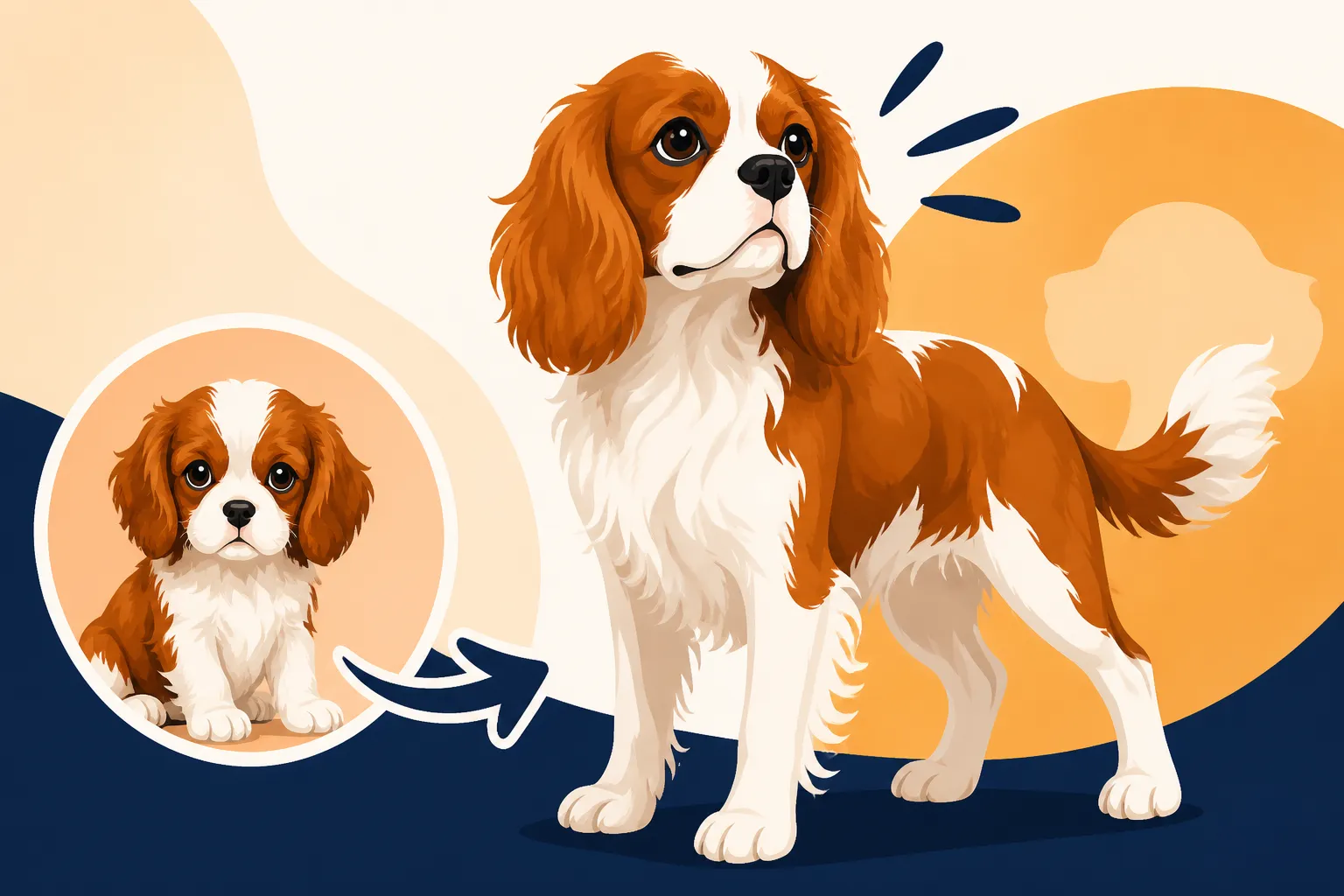
For most Cavaliers, adolescence kicks in around six months of age and can last well into their second year, sometimes even up to 24 months. Smaller breeds often mature a little faster than giant breeds, but the intensity of the "teenager phase" can vary widely from one individual to the next. You might notice subtle changes at first, like a sudden increase in energy or a bit more defiance on walks, escalating to full-blown "selective hearing" as they hit their peak adolescent stride. This isn't just a phase of physical growth; it's a period of significant neurological development where their brains are literally rewiring, learning to process the world in a more adult way, and figuring out their place within your family.
During these months, their hormones are surging. For females, this means their first heat cycle, typically between six and twelve months. For males, testosterone levels are on the rise, leading to more scent marking, increased interest in female dogs, and a greater drive to explore. These biological shifts play a huge role in the behavioral changes you're observing. It's easy to get frustrated when your once-obedient pup seems to forget basic commands or pushes boundaries, but remembering that their body and brain are undergoing massive changes can help you approach them with more patience. Think of it less as willful disobedience and more as a temporary period of developmental chaos.
Why They Seem to Forget Everything They Learned
One of the most common and exasperating experiences during Cavalier adolescence is the feeling that your dog has completely forgotten their early training. You spent weeks, maybe months, diligently teaching them "sit," "stay," and a reliable recall, only for them to suddenly act as if they've never heard these words before. This isn't necessarily a sign of poor training or a bad memory; it's a normal part of canine development. As their world expands and their hormones surge, they become much more easily distracted by external stimuli. The enticing smell of a squirrel, the distant bark of another dog, or a new person walking by can suddenly override all previous learning.
What was once a clear command in a quiet living room now has to compete with a million new, exciting, and sometimes scary, sensations outdoors. This "regression" often coincides with a strong drive for independence. They are learning to navigate the world on their own terms, and testing boundaries is how they figure out what those terms are. They might try to take charge on walks, pull on the leash, or Why a Cavalier Stops Listening Outdoors becomes a familiar struggle. It's crucial during this time to revisit and reinforce basic commands in increasingly distracting environments. Don't assume they're doing it to spite you; they are genuinely struggling with impulse control and a shifting perception of their environment.
Common Behavioral Shifts in Adolescent Cavaliers
The adolescent period brings with it a whole host of new (or rediscovered) behaviors that can baffle and challenge even the most experienced Cavalier owner. From chewing sprees to sudden bursts of stubbornness, it's a rollercoaster ride of development.
The Resurgence of Chewing and Mouthing
Just when you thought you were past the puppy chewing phase, your adolescent Cavalier might surprise you with a renewed interest in exploring the world with their mouth. This isn't usually due to teething (though some might still be settling adult teeth), but rather a way to relieve stress, boredom, or simply to investigate new textures. Suddenly, furniture legs, shoes left within reach, or even your hands during play can become targets. This can be incredibly frustrating, especially if they’ve been good about only chewing their toys for months.
It's a strong indicator that their needs for mental and physical stimulation might not be fully met. A bored Cavalier is a destructive Cavalier, and an adolescent with excess energy or mental under-stimulation will often turn to chewing. Provide appropriate, durable chew toys. Consider puzzle toys that dispense treats, which engage their brains and make them work for their reward. Rotate toys to keep things interesting. If they start mouthing you, redirect them immediately to a suitable chew toy. Consistent management, supervision, and plenty of appropriate outlets are your best defense against unwanted chewing.
Testing Boundaries and Selective Hearing
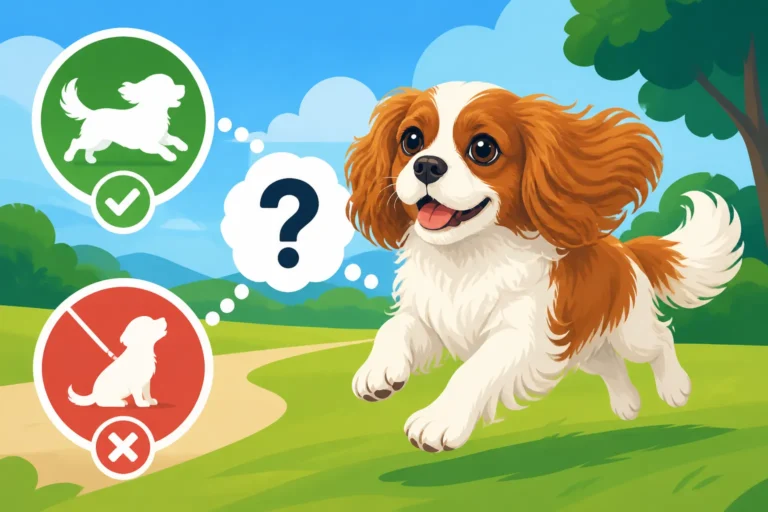
"Selective hearing" is practically the anthem of the adolescent Cavalier. One moment they're right by your side, the next they're pretending they don't know you when you call their name at the park. This isn't personal; it's their developing independence shining through. They're testing the limits of your rules and seeing what they can get away with. Commands they once followed perfectly might now be met with a blank stare, a slow saunter in the opposite direction, or simply ignored altogether. This can be especially frustrating when it comes to Cavalier Recall and Its Limits in an open space.
During this phase, consistency is paramount. Every time a boundary is tested, and you don't follow through, you're inadvertently teaching them that the rule is flexible. It’s vital to be clear, calm, and consistent with your expectations. Don't ask for a command unless you're prepared to enforce it gently. For instance, if you call them and they don't come, calmly go and get them, bringing them back to where you called them from, and then reward them. You might also notice them pushing other boundaries, like trying to sneak onto the sofa when they know they shouldn't, or getting grabby with food. Patience and gentle, firm redirection are your most valuable tools here.
Developing New Fears and Sensitivities
While many puppies go through distinct "fear periods," adolescence can bring a resurgence of caution or even new fears. Your Cavalier, who once greeted everyone with a wagging tail, might suddenly become shy around strangers, or bark at objects they previously ignored, like a trash can on the street or a particular type of umbrella. They might even become more sensitive to loud noises or new environments. This is often because their brains are maturing, and they are beginning to process stimuli in a more complex way. What was once just "a thing" now has potential implications.
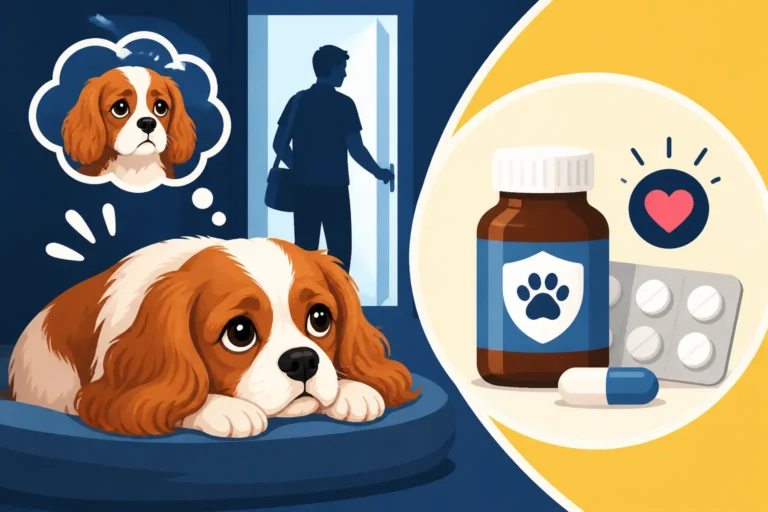
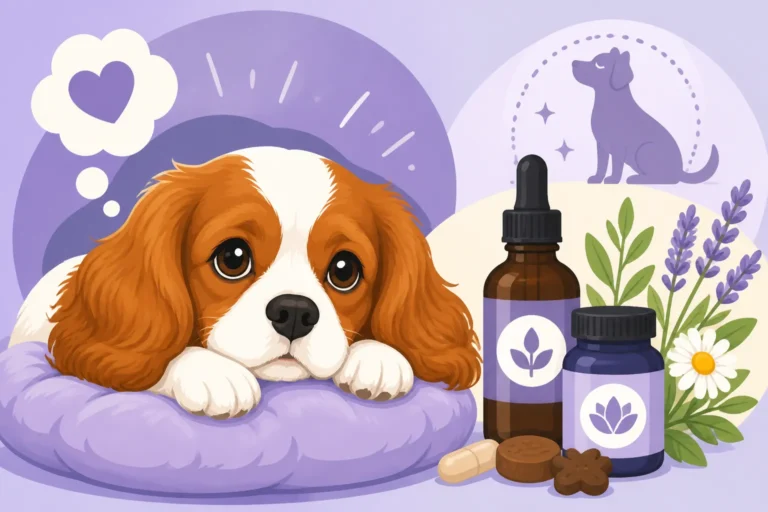
This isn't a sign that your dog is broken or that you did something wrong. It’s a natural part of their emotional development as they learn to differentiate between genuinely threatening situations and harmless ones. During this time, it's crucial to continue positive, gentle exposure to new sights, sounds, and people, without forcing interaction. Avoid coddling them or inadvertently reinforcing fear by excessively comforting them when they are exhibiting fearful behavior. Instead, remain calm and reassuring, creating positive associations with whatever they seem to be wary of. If they are showing signs of anxiety, like a refusal of food until you return, you might explore options like Calming Supplements for an Anxious Cavalier after consulting with your vet.
Reworking Training Strategies for the Teen Cavalier
The training methods that worked flawlessly for your sweet puppy might feel like they’re hitting a wall with your adolescent Cavalier. It’s not that training stops; it just evolves. You’ll need to adapt your approach to match their developing minds and increased distractions.
Reinforcing Basic Commands Amidst Distraction
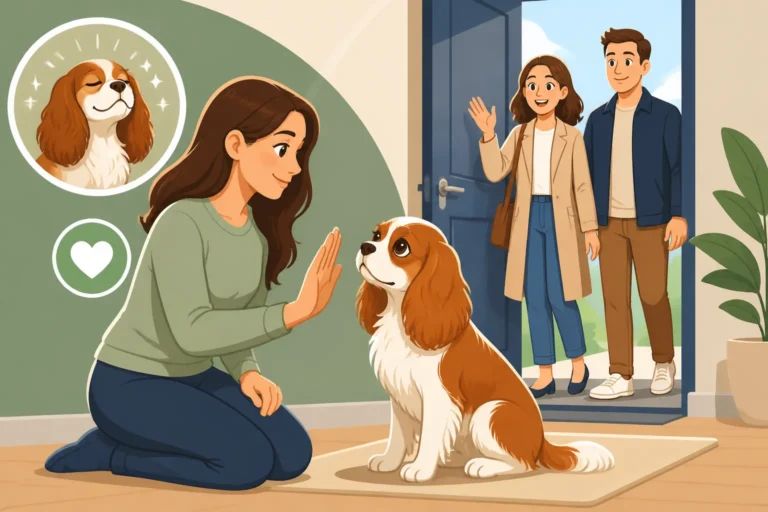
Remember all those foundational commands you worked so hard on in puppyhood? Now is the time to really put them to the test. Your adolescent Cavalier needs to learn that "sit" means "sit" whether you're in the quiet living room or at a bustling park with children playing and other dogs passing by. This is where proofing commands comes in. Start by practicing in slightly more distracting environments than your home, gradually increasing the level of distraction. Keep sessions short, fun, and highly rewarding. Use high-value treats that your Cavalier absolutely loves, something they'd almost 'trade anything for.'
You'll essentially be re-teaching familiar commands in new contexts. Don't be discouraged if they seem to have forgotten everything. Go back to basics in these new environments, rewarding every small success. If you're struggling, consider an online training program like BAXTER & Bella, which offers structured support for every stage, including adolescence, helping you introduce commands in a systematic way. Consistency is your superpower here. Every time they respond correctly in a distracting environment, you're building a stronger foundation for their adult behavior.
Mastering Leash Manners and Impulse Control
Adolescence often brings a newfound strength and a desire to lead on walks. What might have been mild leash pulling as a puppy can now feel like an unmanageable tug-of-war. This is a common frustration, especially with a Cavalier's inherent curiosity and scent-driven nature. Leash Manners for a Cavalier That Pulls becomes a daily challenge. Start by practicing in low-distraction areas and gradually work up to busier environments. Techniques like stopping every time they pull, and only moving forward when the leash is slack, can be very effective, though it requires immense patience from you.
Beyond just pulling, impulse control is a huge part of adolescent training. Can your Cavalier wait patiently at a doorway? Can they resist chasing a squirrel immediately? Can they leave a dropped treat on command? These skills are crucial for their safety and your peace of mind. Games like "leave it" and "wait" are excellent for building impulse control. You can find many interactive toys on Amazon that challenge their minds and encourage problem-solving, which in turn helps with impulse control. These are not just fun; they're essential mental workouts. A long line can also be an invaluable tool for practicing recall in a safe, open space, giving them a sense of freedom while maintaining your control.
Continuing Socialization Through the Tricky Teens
Many people assume socialization ends after puppyhood, but continuing positive social experiences through adolescence is vital. This is the period where early experiences are solidified, and new fears can emerge. A lack of ongoing, positive exposure can lead to reactivity or fear later in life. However, adolescent socialization often looks different from puppy playdates. It's less about chaotic free-for-alls and more about controlled, positive encounters.
Focus on quality over quantity. Arrange playdates with calm, well-mannered adult dogs who can model appropriate behavior. Visit dog-friendly places where your Cavalier can observe the world calmly from a distance, rather than being overwhelmed. Enroll in an intermediate or advanced obedience class where they can learn to focus around other dogs and people. This helps reinforce that other dogs and people are generally good, while also practicing their manners in a structured environment. Remember, you want your Cavalier to be comfortable and confident, not necessarily to greet every single dog they see.
Hormones and Health During Cavalier Adolescence
Beyond the behavioral quirks, adolescence brings important decisions and considerations regarding your Cavalier's physical health, particularly concerning hormones and nutrition.
The Spay/Neuter Decision and Its Timing
For many Cavalier owners, adolescence is when the decision about spaying or neutering becomes pressing. There's a lot of debate around the ideal timing for these procedures, with some advocating for waiting until a dog is fully mature to allow hormones to contribute to physical development, and others preferring to spay/neuter earlier to avoid unwanted pregnancies or certain behavioral issues. For female Cavaliers, spaying before their first heat cycle can significantly reduce the risk of mammary tumors, but waiting until after one or two heats might benefit their skeletal and joint development. For males, neutering can reduce roaming, marking, and some forms of aggression, but waiting for maturity may also be considered for joint health.
It's a complex decision with pros and cons, and it's something you should discuss thoroughly with your veterinarian. They can provide guidance based on your individual Cavalier's health, temperament, and your lifestyle. Factors like Whether Neutering Changes a Cavalier's Behavior can be a significant consideration for many owners. Regardless of timing, ensure your Cavalier is in good health before any surgery, and discuss anesthesia protocols, especially if they have developed a heart murmur by this age.
Managing an Unaltered Adolescent Cavalier
If you choose to delay spaying or neutering, or if your Cavalier is a breeding dog, managing an unaltered adolescent comes with its own set of responsibilities. For females, this means navigating heat cycles, which typically occur every six to eight months. You'll need to be vigilant about preventing unwanted pregnancies, which includes strictly supervising outdoor time, walking on a leash at all times, and understanding that even a brief moment unsupervised can lead to a litter of puppies. "Doggie diapers" can help manage the mess indoors, available through retailers like Amazon, but they offer no protection against mating.
For unaltered male Cavaliers, their hormonal drives mean a heightened interest in scent marking and seeking out female dogs in heat. They might become more prone to roaming, even if they've never done so before. This can make recall challenging and off-leash exercise risky. Owners often find themselves needing to be extra diligent with fencing and supervision. Consistent training and impulse control exercises become even more critical to manage these natural drives. Understanding these instincts helps you manage their environment and behavior safely.
Nutritional Needs for Growing (and Active) Teens
As your Cavalier transitions from puppy to adolescent, their nutritional needs can shift. While they're still growing, their rapid growth spurt might be slowing down, but their activity levels can be soaring. This means their caloric intake needs careful management. It's easy for an adolescent Cavalier to become overweight if their food isn't adjusted to their activity level and metabolism. Keeping them at a healthy weight is crucial, especially for a breed prone to heart issues later in life.
Work with your vet to determine the appropriate food type and portion sizes for your specific dog. High-quality dog food designed for active adolescents or small breeds is generally recommended. Avoid free-feeding, and instead, measure out their meals accurately. Monitoring their weight and body condition regularly is important. You should be able to feel their ribs easily without seeing them protruding. If you’re questioning What a Cavalier Eats in a Month or struggling with weight management, your vet can provide tailored advice. Remember, good nutrition now lays the groundwork for a healthy adult life.
Supporting Your Adolescent Cavalier Emotionally and Physically
The adolescent months can feel like a marathon of challenges, but with the right approach, you can foster a well-adjusted, confident adult Cavalier. It's about meeting their changing needs with understanding and consistency.
Providing Appropriate Mental and Physical Outlets
An adolescent Cavalier, despite their small size, needs plenty of appropriate outlets for their energy, both physical and mental. Simply letting them run in the yard isn't always enough; they need structured exercise and engaging mental tasks. Regular walks, perhaps a bit longer than their puppy strolls, are essential. Consider incorporating brisk walks or even short, safe off-leash (in a secure area) play sessions if their recall is solid. Remember, they are still a spaniel at heart, so a good sniffy walk is incredibly enriching.
Mental stimulation is just as, if not more, important. Brain games, puzzle toys, and short, engaging training sessions can tire them out more effectively than physical exercise alone. Hide-and-seek with treats, teaching new tricks, or even structured chew sessions with appropriate toys can prevent boredom-induced destructive behaviors. Enrichment is key to keeping their busy adolescent minds engaged and preventing them from making their own, less desirable, entertainment. There are many creative enrichment toys and ideas readily available on platforms like Amazon that can help keep your Cavalier engaged.
The Power of Patience and Unwavering Consistency
If there's one thing you need in abundance during the Cavalier adolescent months, it's patience. There will be days when you feel like you've made no progress, when they regress, or when their stubbornness feels insurmountable. It's vital to remember that this phase is temporary and a normal part of their development. Frustration is natural, but try not to let it dictate your interactions. Cavaliers are sensitive souls, and harshness can damage your bond and make them shut down.
Consistency in your routine, rules, and expectations is equally critical. If one family member allows a behavior while another prohibits it, your clever Cavalier will quickly learn who to "test." Ensure everyone in the household is on the same page regarding training, boundaries, and communication. This united front provides clarity and security for your dog, helping them understand what's expected of them during a time of great internal change. If you feel your Cavalier is becoming overly clingy or prone to separation anxiety, revisiting concepts like Building a Cavalier's Tolerance for Being Left and establishing clear departure routines can be helpful.
Knowing When to Call in Professional Support
While many adolescent challenges are normal and manageable with patience and consistency, there are times when seeking professional help is the wisest course of action. If your Cavalier develops severe anxiety, aggression, destructive behaviors that seem out of control, or new fears that significantly impact their quality of life, it's time to consult with a certified professional dog trainer or a veterinary behaviorist. These experts can help diagnose underlying issues and develop a tailored plan to address specific problems.
For instance, if you're battling persistent Trainer Rates for Cavalier Separation Anxiety, or if your Cavalier is showing signs of aggression, a professional can offer invaluable insights and practical strategies. They can observe your Cavalier's behavior in context and provide guidance that might be difficult to figure out on your own. Don't view seeking help as a failure; view it as a proactive step to ensure your Cavalier grows into a well-adjusted, happy adult. Early intervention can prevent minor issues from becoming deeply ingrained problems, preserving your bond and making life more enjoyable for everyone.
| Behavior Trait | Puppy (2-6 Months) | Adolescent (6-18 Months) | Adult (18+ Months) |
|---|---|---|---|
| Energy Levels | High, short bursts, frequent naps | High, sustained energy, requires more structured activity | Moderate, consistent, settles well indoors |
| Attention Span | Short, easily distracted, eager to please | Variable, selective hearing, easily distracted by environment | Better focus, responds reliably with practice |
| Chewing | Primarily teething, exploring objects | Resurgence due to boredom, stress, or investigation | Less common, usually directed at appropriate toys |
| Socialization | Critical period for new experiences, curious | Continuing exposure to solidify confidence, may develop new fears | Generally confident, stable reactions |
| Training | Rapid learning, eager to comply with positive reinforcement | Testing boundaries, regression common, requires consistency and proofing | Commands reliable, refined skills, eager to learn more complex tasks |
| Independence | Highly dependent, follows closely | Increased independence, may roam further or ignore calls | Balanced, enjoys companionship but also independent activities |
| Hormonal Influence | Minimal | Significant (heat cycles, increased testosterone) | Stable (if unaltered) or absent (if spayed/neutered) |
Disclaimer
This article is for general informational purposes only and does not constitute professional advice. Laws, prices and regulations vary by location and change over time. Consult a qualified professional for guidance on your specific situation.