Calming Supplements for an Anxious Cavalier
Watching your beloved Cavalier King Charles Spaniel pace nervously, hide under the furniture, or howl when you leave the house can be heartbreaking. Their sweet, sensitive nature makes them particularly prone to anxiety, and it's natural to want to do everything you can to help them feel more at ease. This guide explores calming supplements as one tool in your anxiety-management toolkit, explaining what they are, how they might work, and how to use them effectively alongside other strategies.
Understanding Anxiety in Cavaliers
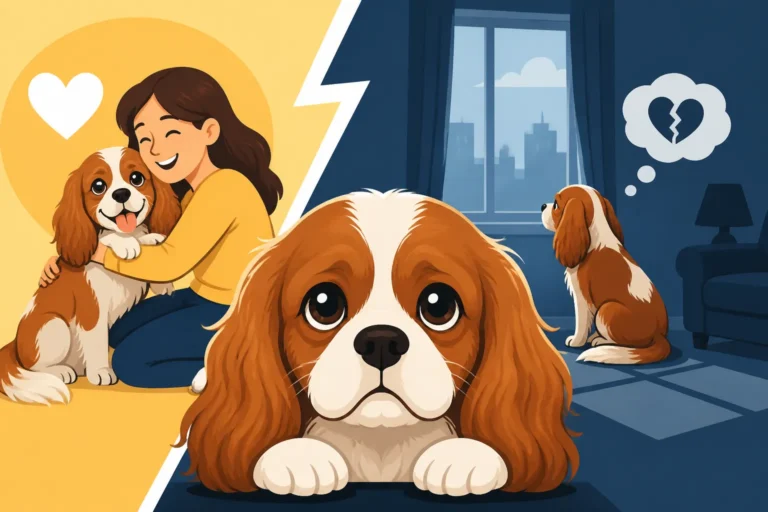
Cavalier King Charles Spaniels are renowned for their affectionate, devoted personalities. They thrive on companionship, often earning them the nickname "Velcro dogs" because they stick so closely to their people. While this trait is part of their charm, it also means they can be particularly susceptible to anxiety, especially separation anxiety. It's not just about them being spoiled; it's a fundamental part of their genetic makeup and breed temperament to be close to their human families.
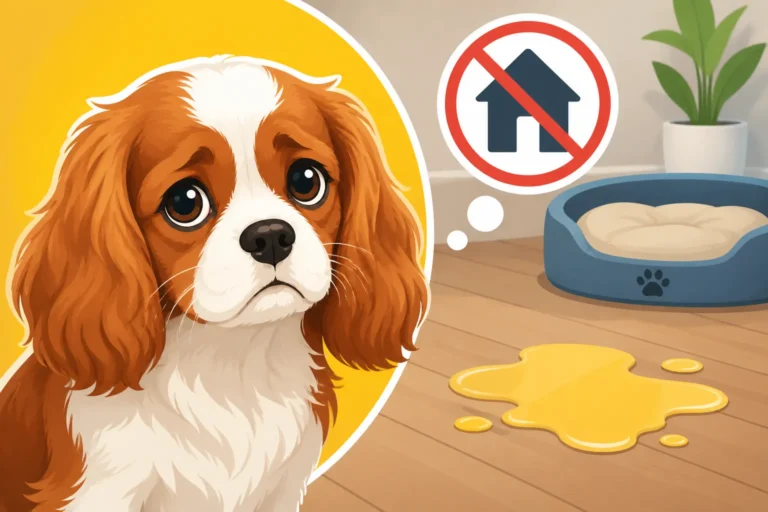
Imagine leaving for work, and your Cavalier immediately senses your impending departure. Their heart rate might quicken, their breathing becomes shallow, and a wave of panic sets in. They might whine, bark incessantly, or even become destructive, tearing up cushions or scratching at doors. This isn't naughtiness; it's a genuine distress signal. Beyond separation woes, some Cavaliers experience generalized anxiety, reacting fearfully to loud noises like thunderstorms or fireworks, new people, or unfamiliar environments. Others might have subtle signs, such as excessive licking, panting when not hot, or restlessness even when tired. It can be incredibly frustrating for owners who feel helpless, and it's crucial to remember that these behaviors stem from fear and discomfort, not defiance. You might notice your Cavalier is always seeking your proximity, following you from room to room, even to the bathroom, which can be a clear sign of their need for constant reassurance. For a deeper dive into this clinging behavior, read Why a Cavalier Follows You Room to Room.
The key is to observe their specific triggers and the ways they manifest their unease. Is it only when you prepare to leave? Do they react to specific sounds? Do they get overwhelmed in busy places? Understanding these nuances helps tailor a comprehensive plan, which often includes more than just supplements. If you're seeing signs like a Cavalier that howls the moment you leave or one that chews doorframes when alone, these are clear indicators that their anxiety is manifesting physically. This kind of distress means they are truly suffering, not just being "naughty."
Common Types of Calming Supplements for Cavaliers
When you start looking into calming supplements, the sheer volume of options can feel overwhelming. It's like walking into a health food store for the first time – so many bottles, so many claims! For Cavaliers, we're generally looking at natural compounds that aim to support neurological function, reduce stress responses, or promote a sense of calm without heavy sedation. It's not about knocking them out; it's about taking the edge off their anxiety so they can better cope with their environment and respond to training.
Here are some of the most commonly suggested categories and what they aim to do:
- L-Theanine: This is an amino acid found naturally in green tea leaves. It's thought to promote relaxation without causing drowsiness. For an anxious Cavalier, L-Theanine might help them feel less wired and more composed when faced with stressful situations. It's often found in chewable forms and can be a good starting point for milder anxiety or as a complementary aid.
- L-Tryptophan: Another amino acid, L-Tryptophan is a precursor to serotonin, a neurotransmitter associated with feelings of well-being and happiness. By increasing serotonin levels, the idea is to help stabilize mood and reduce anxious behaviors. This can be particularly useful for Cavaliers with more generalized anxiety or those who struggle with settling down.
- Probiotics and Prebiotics: You might be surprised to see gut health mentioned in relation to anxiety, but there's a strong and growing understanding of the "gut-brain axis." A healthy gut microbiome can influence brain chemistry and mood. Certain strains of probiotics (beneficial bacteria) can help support this connection, potentially leading to a calmer demeanor. Looking for supplements that combine these can offer a two-pronged approach.
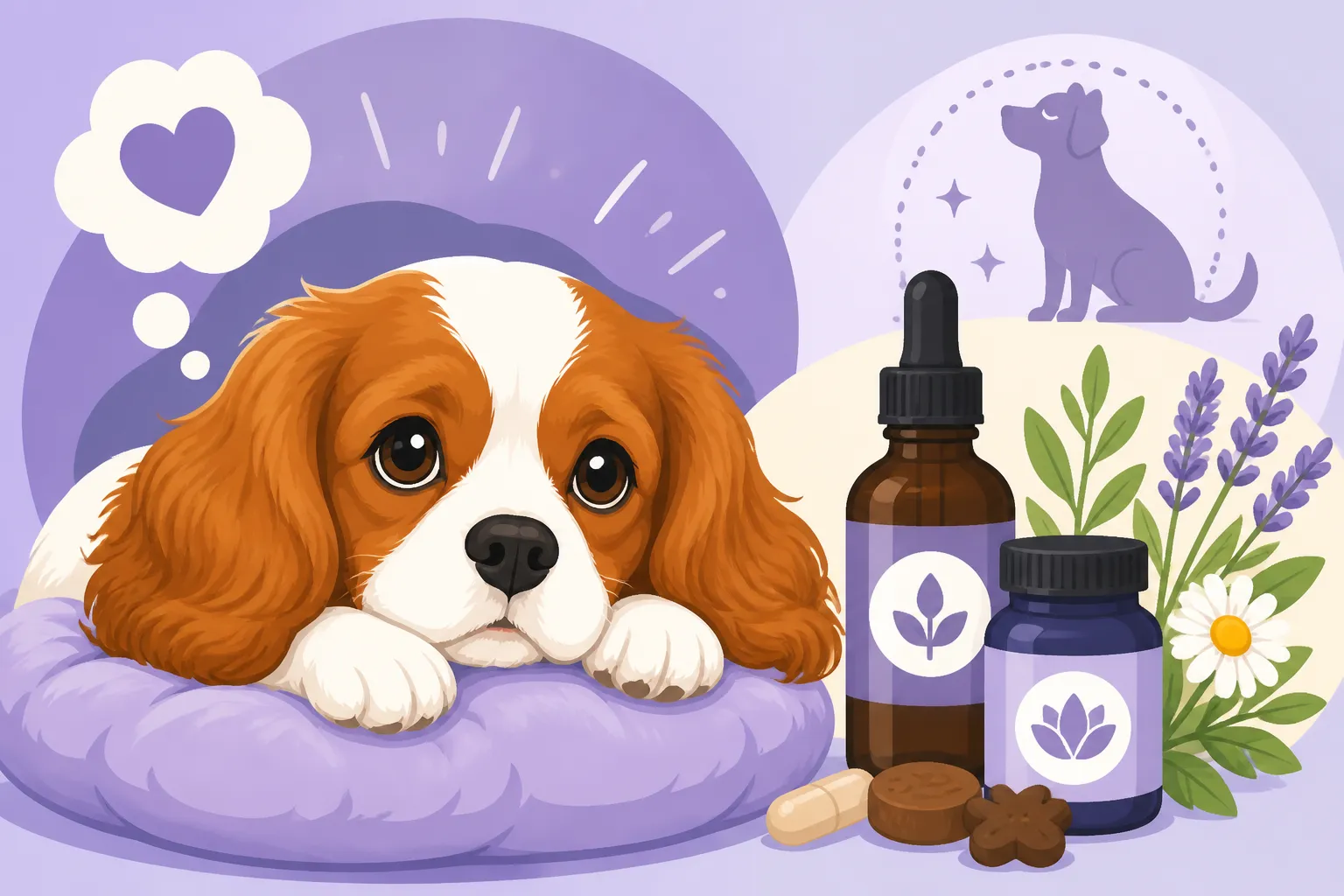
- Herbal Extracts (Chamomile, Valerian Root, Passionflower): These botanicals have long been used in human herbal medicine for their calming properties. Chamomile is often thought of for its gentle relaxation, while valerian root can have a more sedative effect, though typically mild in appropriate doses. Passionflower is another herb that may help with nervousness. When considering these, pay close attention to the specific blend and concentrations in pet products, as natural doesn't always mean harmless, and proper dosing is crucial.
- Alpha-Casozepine: This is a bioactive peptide derived from milk protein, often marketed under brand names that emphasize "calm" or "zen." It's believed to have anxiolytic (anxiety-reducing) properties by interacting with GABA receptors in the brain, similar to how some anti-anxiety medications work, but in a much milder, natural way. It can be a good option for a Cavalier experiencing stress due to changes in routine or environment.
It’s always, always, always essential to consult your veterinarian before introducing any new supplement to your Cavalier’s diet. They can help you understand potential interactions with existing medications, guide you on appropriate dosages for your specific dog, and rule out any underlying medical conditions that might be contributing to the anxiety. Sometimes, what looks like anxiety might be pain, and a medical assessment is the first step. For example, a Cavalier that yelps when picked up might have neck pain rather than separation anxiety.
Here's a quick overview of some common ingredients and their purported benefits:
| Ingredient | Primary Mechanism/Benefit | Considerations |
|---|---|---|
| L-Theanine | Promotes relaxation without drowsiness; reduces stress response | Generally well-tolerated; often found in chews |
| L-Tryptophan | Precursor to serotonin; supports mood stability | Needs time to build up in system; usually given daily |
| Alpha-Casozepine | Mimics calming effects of milk protein on brain receptors | Available in specific veterinary formulas; often quite effective for stress-related anxiety |
| Chamomile | Mild calming effect; aids sleep | Best for mild anxiety; check for purity and concentration in pet products |
| Valerian Root | Can have a more pronounced sedative effect | Use with caution; some dogs react strongly; consult vet for dosage |
| Probiotics | Supports gut-brain axis; improves mood and stress resilience | Look for specific strains shown to benefit anxiety; takes time for gut flora to shift |
Choosing and Administering Supplements Effectively
Once you've discussed options with your vet, the next step is choosing a quality product and figuring out how to give it to your Cavalier. This isn't always as straightforward as it sounds, especially with a picky eater or a dog that's already stressed.
Finding Reputable Brands and Quality Products
The supplement market isn't as heavily regulated as prescription medications, which means there's a wide range in quality and efficacy. When you're looking for calming supplements, here's what to keep in mind:
- Veterinary Brands: Many reputable pet food and supplement companies produce products specifically formulated and tested for pets, often found through your vet or specialized pet supply stores. These brands often invest in research and quality control.
- Third-Party Testing: Look for indications that the product has undergone third-party testing. This means an independent lab has verified the ingredients, potency, and purity of what's inside the bottle. It adds an extra layer of assurance.
- Clear Labeling: The label should clearly list all active ingredients, their concentrations, and suggested dosages. If it's vague or uses proprietary blends without specifying amounts, proceed with caution.
- Reviews and Recommendations: While not a substitute for veterinary advice, reading reviews can offer insights into how other owners found the product. Websites like
Amazonoften have thousands of reviews on popular calming chews and powders, giving you a sense of general satisfaction and potential side effects, but remember every dog is different.
Administering Supplements Consistently
Consistency is truly key when it comes to supplements. Unlike a quick-acting pain reliever, most calming supplements work best when given regularly, allowing the active ingredients to build up in your Cavalier's system and exert their full effect over time.
- Timing: Some supplements are best given in the morning, others in the evening, and some a specific time before a known stressful event (like an hour before a car ride if that's a trigger). Follow the product's instructions and your vet's advice.
- Method of Delivery:
- Chews: These are often the easiest, as many Cavaliers will gobble them down like treats. If your Cavalier is particularly food-motivated, this can be a blessing.
- Liquids/Powders: These can be mixed into wet food, a little yogurt, or a favorite treat. This is useful for Cavaliers who are suspicious of new things or who need a very precise dose. Just be sure they consume the entire portion to get the full dose.
- Pill Form: If your Cavalier takes pills easily, some supplements come in capsules. If not, you might need pill pockets or other creative methods to get them down.
- Patience: Don't expect an overnight miracle. It can take several days to a few weeks to see noticeable changes in your Cavalier's anxiety levels. Stick with the chosen supplement for at least a month (unless your vet advises otherwise due to adverse reactions) before deciding if it's working. Keep a journal of their behavior to track subtle improvements that might otherwise go unnoticed. Perhaps they still whine when you leave, but the destruction has stopped, or their recovery time after a loud noise is much shorter. These are victories!
Integrating Supplements with Training and Lifestyle Changes
It's vital to approach calming supplements not as a standalone solution, but as part of a holistic strategy. Think of them as supportive aids that can help your Cavalier be more receptive to training and cope better with their environment. If you rely solely on a supplement without addressing the root causes or triggers of their anxiety, you're likely to see limited, if any, lasting improvement.
Behavior Modification and Training
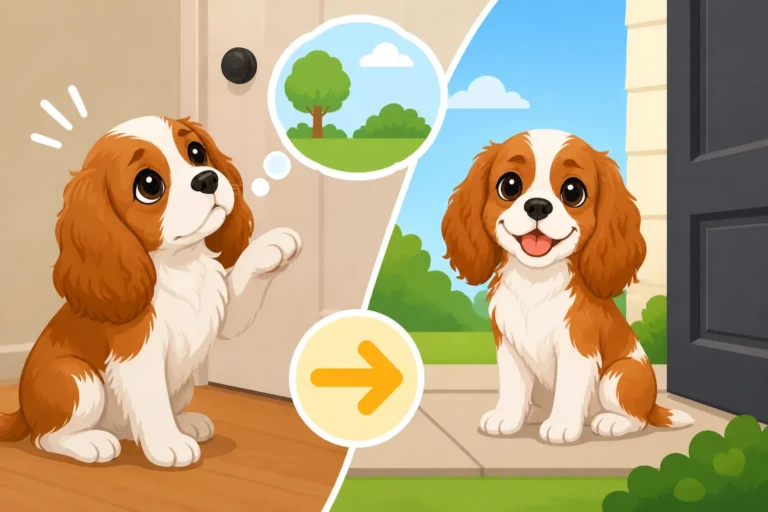
Supplements can help take the edge off, making your Cavalier calmer and more able to learn new coping mechanisms. This is where positive reinforcement training really shines. For example, if your Cavalier suffers from separation anxiety, a supplement might reduce their initial panic, allowing them to participate more successfully in gradual desensitization exercises. Instead of immediately howling, they might just pace, which gives you a starting point for teaching them to relax when alone.
Consider enrolling in online training programs or working with a certified professional dog trainer who specializes in anxiety. Resources like BAXTER & Bella offer online puppy and dog training programs that emphasize positive reinforcement. Their structured approach can provide you with the tools to implement effective training strategies alongside any supplements, focusing on building confidence and independence. For example, Building a Cavalier's Tolerance for Being Left delves into specific steps you can take. If your Cavalier displays extreme anxiety when left alone, filming them when you're out can give you crucial insights into their distress levels, helping you to gauge the effectiveness of both supplements and training interventions. Understanding departure routines that calm a Cavalier can also be a game-changer.
- Gradual Desensitization: Slowly expose your Cavalier to their triggers in a controlled, non-threatening way. For separation anxiety, this might mean starting with very short absences and gradually increasing the time.
- Counter-Conditioning: Change your Cavalier's emotional response to a trigger. If they're afraid of thunderstorms, pair the sound of rain with high-value treats and praise.
- Enrichment: Provide plenty of mental and physical exercise appropriate for a Cavalier. Puzzle toys, snuffle mats, and engaging playtime can help tire them out and give them a productive outlet for their energy, reducing anxiety-driven behaviors.
- Safe Spaces: Create a comfortable, secure "den" for your Cavalier, like a crate with soft bedding, where they can retreat when feeling overwhelmed. This should be a positive space, never used for punishment.
Lifestyle and Environmental Adjustments
Sometimes, simple changes to your Cavalier's daily life can make a big difference, especially when combined with supplements.
- Consistent Routine: Cavaliers thrive on predictability. A consistent daily schedule for meals, walks, and playtime can provide a sense of security.
- Noise Reduction: If your Cavalier is sound-sensitive, creating a quieter environment during peak trigger times can help. White noise machines, classical music, or even leaving the TV on a low volume can mask jarring outdoor sounds. Many owners find that Whether Leaving the Radio On Helps a Cavalier is a valid question with some positive results.
- Appropriate Exercise: While not a high-energy breed, Cavaliers still need regular, gentle exercise to burn off steam and stay healthy. Short, enjoyable walks can prevent pent-up energy from contributing to anxiety. However, be mindful of their limitations, especially as they age or if they have conditions like Mitral Valve Disease in the Cavalier King Charles Spaniel.
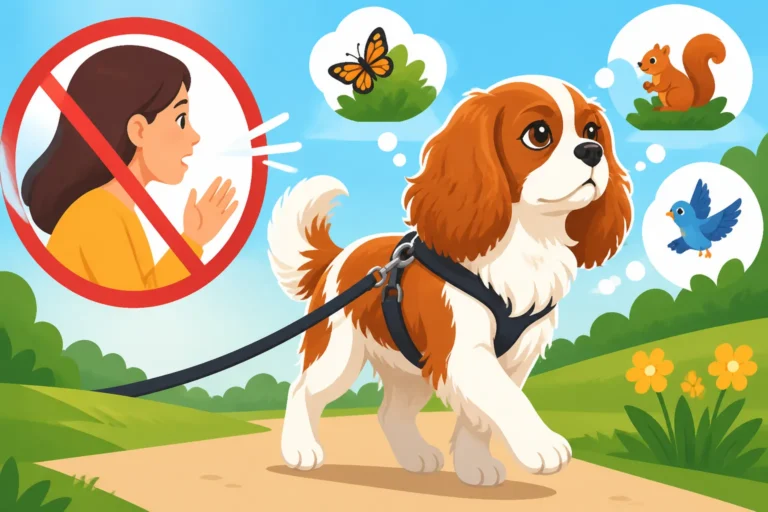
- Avoid Harsh Corrections: Cavaliers are incredibly sensitive. Yelling, punishment, or harsh training methods will only exacerbate their anxiety and damage your bond. Always use positive reinforcement. Remember, Why Shouting Sets a Cavalier Back Weeks is a real phenomenon with these gentle souls.
Ongoing Veterinary Partnership
Your vet remains your primary partner in managing your Cavalier's anxiety. They can help monitor the effectiveness of supplements, adjust dosages, and suggest other interventions if needed.
- Regular Check-ups: Ensure there are no underlying health issues masquerading as anxiety. A Cavalier showing sudden behavioral changes should always have a full veterinary workup.
- Medication Consideration: For severe anxiety that doesn't respond adequately to supplements and behavioral strategies, your vet might discuss prescription anti-anxiety medications. These are not a failure, but another tool to improve your Cavalier's quality of life. For more information, you might explore Medication for Cavalier Separation Anxiety.
- Referral to a Behaviorist: For complex cases, your vet might recommend a referral to a veterinary behaviorist. These specialists have advanced training in both veterinary medicine and animal behavior and can offer comprehensive diagnostic and treatment plans, often integrating supplements, medication, and advanced behavioral modification techniques.
Ultimately, helping an anxious Cavalier is a journey that requires patience, observation, and a multi-faceted approach. Calming supplements can be a valuable part of that journey, offering gentle support to help your sweet companion feel more secure and comfortable in their world.
Disclaimer
This article is for general informational purposes only and does not constitute professional advice. Laws, prices and regulations vary by location and change over time. Consult a qualified professional for guidance on your specific situation.