How Fast a Cavalier Puppy Learns to Ask Outside
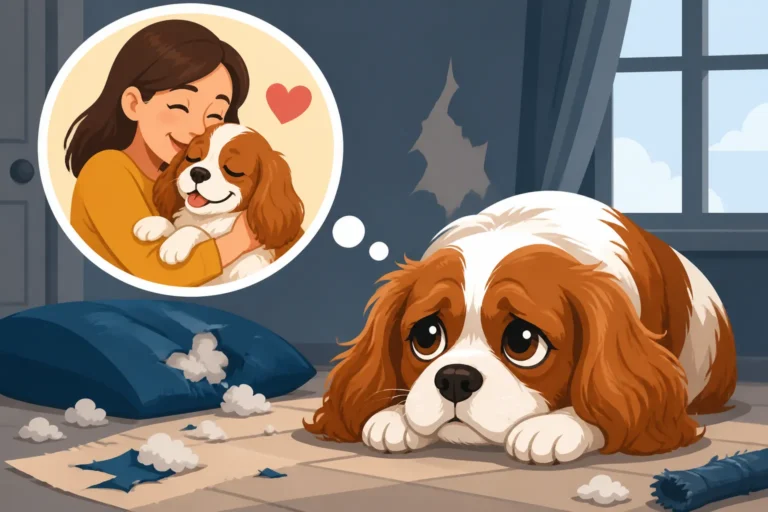
Bringing home a Cavalier puppy is an absolute joy, but let's be real, the first few weeks can feel like a constant battle against tiny puddles and unexpected surprises on your favorite rug. You’re left wondering, "How fast can my sweet, fuzzy Cavalier puppy actually learn to tell me when they need to go outside?" This guide will walk you through realistic expectations and proven strategies to help your Cavalier puppy master asking to go outside as quickly and smoothly as possible, minimizing frustration for everyone.
Understanding Your Cavalier Puppy's Biological Rhythms and Signals
When you first bring your Cavalier puppy home, it's crucial to understand that they aren't trying to be difficult. Their tiny bladders and undeveloped bowel control mean they genuinely can't hold it for very long. This isn't about intelligence; it's pure biology! Expecting a very young puppy to signal perfectly from day one is simply unrealistic.
The Developmental Timeline of a Young Puppy's Bladder Control
Imagine holding a teacup when you really need a bucket. That's essentially what your Cavalier puppy is dealing with. A young puppy, especially one under 12-16 weeks old, has very little physiological control over their bladder and bowels. They operate on a frequent schedule: needing to relieve themselves right after waking up, within 15-20 minutes of eating or drinking, and after a burst of play. This means that you, the human, are initially responsible for anticipating their needs and getting them outside proactively.
At 8 weeks old, a Cavalier puppy might only be able to hold it for an hour or two at best during the day. As they mature, this duration gradually increases. By 4-6 months, many can hold it for 3-4 hours, and by 6-8 months, some might manage 6-8 hours, especially overnight. This development is not a straight line, and every puppy is an individual, but understanding this general timeline helps set realistic expectations for Night Waking in a Cavalier Puppy and daytime outings.
Decoding Your Cavalier's "I Need to Go" Signals
Your Cavalier puppy might not ring a bell or tap you on the shoulder right away, but they will give you signals. The trick is learning to read them. Common signs a puppy needs to go out include:
- Sudden sniffing around: This is often the most obvious sign. They'll drop their nose to the ground and start investigating corners or areas where they've previously had accidents.
- Circling: A small, anxious circle or two can indicate they're trying to find the perfect spot.
- Restlessness or pacing: If they were just playing happily and suddenly become restless, it could be a sign.
- Moving towards the door: Some puppies quickly associate the door with going outside and will start heading that way.
- Whining or pawing: This is a more advanced signal, often learned after a few weeks of consistent training.
- Suddenly stopping play: If your puppy suddenly disengages from play and seems preoccupied, watch them closely!
The key is to intervene before an accident happens. If you see any of these signs, don't wait. Immediately scoop them up (if small enough) or lead them outside to their designated potty spot. The more times you successfully interrupt an impending accident and redirect them, the faster they'll learn.
Key Factors That Speed Up (or Slow Down) Potty Training
While every Cavalier puppy is unique, several factors significantly impact how quickly they learn to ask to go outside. Understanding these can help you optimize your approach and avoid common setbacks.
The Power of Consistency: Everyone on Board
This is arguably the single most important factor. If everyone in the household isn't following the exact same rules, routine, and reward system, your puppy will get confused, and training will take much longer. Imagine if one family member takes the puppy out every hour, and another waits until an accident happens. Or if one uses a potty bell and another just opens the door.
Consistency means:
- Same potty spot: Always take your Cavalier to the same spot in the yard. The familiar scents encourage them to go.
- Same command: Use a consistent, short phrase like "go potty" or "outside now."
- Same reward: High-value treats and enthusiastic praise every single time they go outside.
- Same schedule: Everyone knows when the puppy needs to go out (first thing in the morning, after meals, after naps, before bed, etc.).
- Same process for accidents: No scolding, just clean up thoroughly.
Even a single slip-up from one family member can set back days of progress. This is where online resources or structured programs like those from BAXTER & Bella can be incredibly helpful, as they often provide clear, step-by-step guidance that everyone can follow.
Your Cavalier Puppy's Early Experiences
A Cavalier puppy's prior environment can influence their initial house-training speed. Puppies from reputable breeders who have started basic potty training (e.g., teaching them to go on specific surfaces or in designated areas) often have a head start. They might have learned to associate certain smells or textures with elimination.
Conversely, puppies from less-than-ideal situations, such as puppy mills or pet stores, may have lived in their own waste. This can make house training significantly more challenging, as they haven't learned to keep their living space clean. These puppies may need extra patience, a very strict routine, and potentially professional guidance. Rescued older Cavaliers might also come with a history that requires specific approaches, especially if they have A Cavalier Marking Indoors After a Move or have lived outdoors.
Choosing the Right Potty-Training Method
There isn't one "right" way to potty train, but some methods align better with a Cavalier's personality and natural instincts, potentially accelerating the process.
| Method | Description | Pros | Cons | Speed Impact |
|---|---|---|---|---|
| Scheduled Potty Breaks | Taking the puppy out at regular, predictable intervals (e.g., every hour). | Highly consistent, builds routine quickly. Easy for everyone. | Requires constant vigilance from owner. Accidents if missed. | Moderate-Fast |
| Potty Bells | Hanging bells on the door; puppy nudges or paws them to signal. | Teaches puppy to communicate directly. Clear signal. | Puppy might ring for attention/play. Can take time to teach. | Moderate-Fast |
| Crate Training | Using a crate as a safe den; puppies naturally avoid soiling their sleeping area. | Leverages natural instinct, prevents accidents overnight/unsupervised. | Requires proper crate size, never used for punishment. | Fast |
| Puppy Pads | Designating an indoor spot with absorbent pads. | Convenient for apartments, bad weather, or tiny puppies. | Can confuse puppy about indoor vs. outdoor potty. May prolong training. | Slow-Moderate |
Many owners find a combination of methods most effective. For instance, using scheduled breaks and crate training can be a powerful duo, helping your Cavalier develop bladder control and a routine. You can find potty bells and enzymatic cleaners easily on Amazon to support your chosen method.
Practical Strategies to Accelerate Your Cavalier's Learning
Now that we understand the foundations, let's dive into actionable steps to help your Cavalier puppy learn to ask outside faster.
Establishing a Predictable Routine Is Non-Negotiable
Puppies thrive on routine. A predictable schedule helps them anticipate when they'll go outside, reducing anxiety and making it easier for them to learn. Here's a sample routine you can adapt for your Cavalier puppy:
- First thing in the morning: Immediately outside.
- After every meal/drink: Within 5-15 minutes.
- After every nap: Immediately outside.
- After every play session: Immediately outside.
- Before bed: One last trip outside.
- Hourly check-ins: In between these scheduled times, take your puppy out at least once an hour, or every 30-45 minutes for very young puppies.
When you take your puppy out, go to the same designated spot, use your potty command, and wait patiently. Don't play or get distracted; make it strictly business. If they don't go within 5 minutes, bring them back in and try again in 10-15 minutes, supervising them closely during that time. For a deeper dive, check out Cavalier Puppy Toilet Training Indoors.
Reinforce Success Enthusiastically and Immediately
This is where the magic happens! Every single time your Cavalier puppy potties outside, make it a huge celebration.
- High-value treats: Have small, delicious treats ready in your pocket or a treat pouch by the door. As soon as they finish, pop a treat in their mouth.
- Enthusiastic praise: Use a happy, high-pitched voice: "Good potty! Yes! What a good boy/girl!"
- Quick return indoors: Unless it's designated play time, bring them back inside immediately after they go. This teaches them that "potty time" is for business, not extended play, and that their reward is to come back to the warmth and comfort of home.
The timing of the reward is critical. If you wait until you're back inside, the puppy won't connect the treat to the act of eliminating outside. Make it immediate, every single time. This positive reinforcement makes going outside the most rewarding thing they can do.
Choosing and Implementing an "Asking" Method
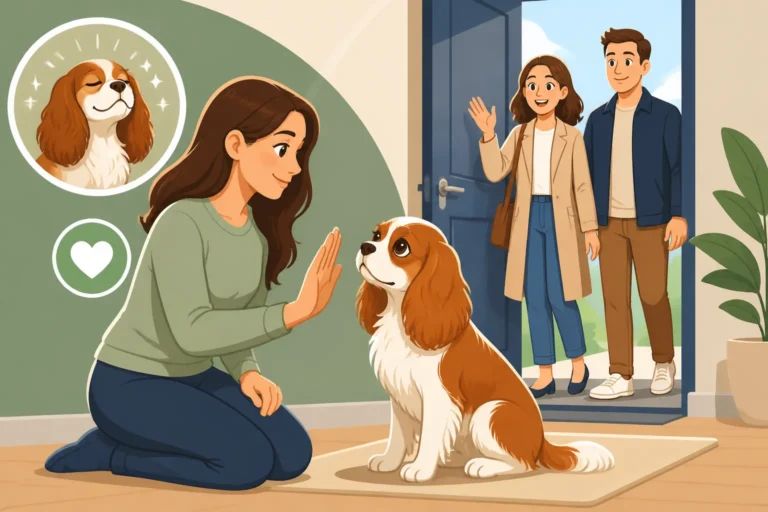
Beyond just taking them out, you want your Cavalier to ask to go out.
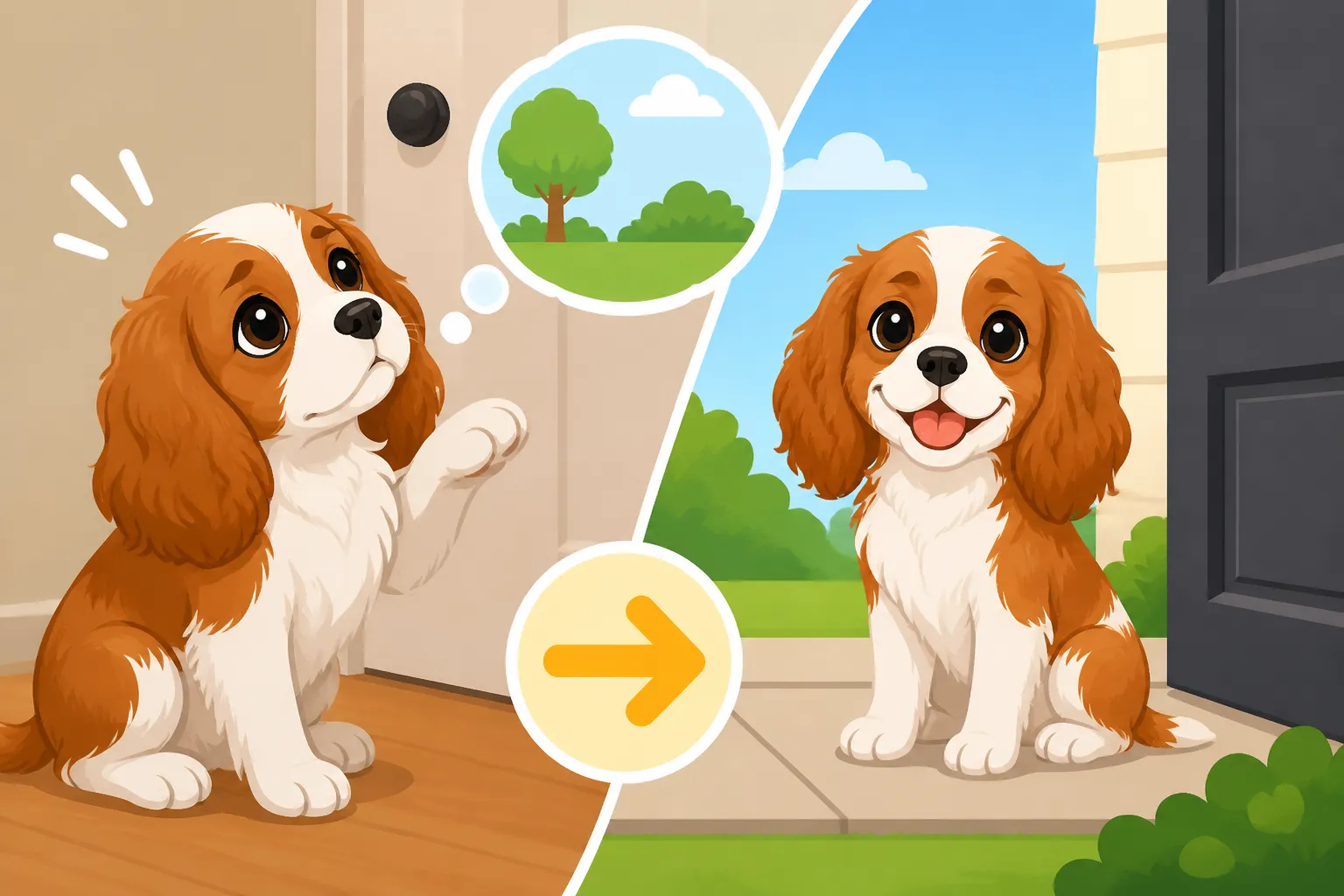
- Potty Bells: Hang a set of bells on the doorknob leading outside. Every time you take your puppy out, gently guide their paw to touch the bells or jingle them yourself as you open the door. Over time, your puppy will associate the sound with going outside. Eventually, they'll paw at the bells themselves. When they do, open the door immediately and reward them if they go potty. You can find various styles of potty bells on Amazon.
- Verbal Cue: Some people prefer to teach a specific verbal cue, like "outside?" or "potty?". Use this word consistently every time you head to the door. Eventually, your puppy might respond to this cue or even offer it themselves with a whine or a look at the door.
- Body Language Reinforcement: Continuously reinforce their natural signals. If you see them sniffing, quickly say "Outside?" and take them out. This helps them understand that their pre-potty actions lead to the desired outcome (going outside).
Be patient with whichever method you choose. It takes repetition for them to connect the dots.
Leveraging Crate Training for Bladder Control
Crate training is an invaluable tool for house training, particularly for a Cavalier. Cavaliers, like most dogs, have a natural instinct to keep their sleeping area clean. A properly sized crate (just large enough for them to stand up, turn around, and lie down comfortably) will encourage them to hold their bladder and bowels.
- Never use the crate as punishment: This will make your puppy associate it with negativity, defeating its purpose as a safe den.
- Supervise outside the crate: When your puppy is out of the crate, they should be either actively playing, eating, training, or tethered to you. This "umbilical cord" method prevents them from wandering off to have a secret accident.
- Scheduled breaks from the crate: Take your puppy straight from the crate outside, reward them for going, and then allow some supervised playtime before returning to the crate if needed.
A crate helps your Cavalier build bladder control muscles and teaches them that there's a specific place to relieve themselves. For more guidance on finding the right one, consider Choosing a Crate a Cavalier Will Rest In.
Thoroughly Cleaning Up Any Accidents
Accidents will happen, especially in the early days. It's not a failure; it's a learning opportunity (for both of you!). The crucial part is how you clean them up.
- Never scold or punish: Yelling at your puppy or rubbing their nose in an accident will only make them afraid of you, or teach them to hide their accidents, making future house training even harder. You want them to trust you to take them outside.
- Use enzymatic cleaners: Dogs are attracted to the scent of their previous accidents. Regular household cleaners might remove the stain for you, but they often don't eliminate the odor entirely for your dog's sensitive nose. Enzymatic cleaners break down the odor-causing molecules, preventing your Cavalier from being drawn back to the same spot. You can find excellent enzymatic cleaners on Amazon.
Troubleshooting Common Potty Training Challenges
Even with the best intentions, you might hit a few bumps in the road. Here are some common challenges and how to address them.
What to Do When Your Cavalier Has a "Setback"
You thought you were making progress, and suddenly, your Cavalier is having accidents indoors again! This regression can be disheartening, but it's common.
- Rule out medical issues: A sudden increase in accidents, especially if your Cavalier was previously doing well, warrants a vet visit. Urinary tract infections (UTIs) or other health problems can cause a loss of bladder control. Conditions like Toilet Accidents in an Elderly Cavalier can signify medical changes.
- Re-evaluate your routine: Have you become too lax? Are you waiting too long between potty breaks? Go back to basics: strict supervision, more frequent outings, and enthusiastic rewards.
- Increased stress or change: Moving to a new home, a new person or pet joining the household, or even a change in your work schedule can cause stress and lead to accidents. Re-establish routine and comfort during these times.
- Adolescence: Much like human teenagers, adolescent puppies (typically 6-12 months) can test boundaries and seemingly "forget" their training. Be patient and consistent, just like you were in the beginning.
The Problem of Too Much Freedom Too Soon
One of the biggest mistakes new Cavalier owners make is giving their puppy too much freedom too quickly. A puppy needs to earn the privilege of unsupervised access to your home.
- Containment is key: When you can't actively supervise your puppy, they should be in their crate, a puppy-proofed pen, or tethered to you. This prevents them from wandering off to a quiet corner for an accident.
- Short, supervised freedom: Start with 5-10 minutes of supervised freedom. If they do well, gradually increase the time. If they have an accident, you've given them too much freedom too soon.
- Designated "safe zones": Initially, you might restrict your Cavalier to one or two rooms where it's easier to supervise and where accidents are less damaging. This also prevents them from developing "hidden accident" spots.
When Your Cavalier Seems Afraid of Going Outside
Sometimes, a puppy might be reluctant to potty outside. This can happen if they had a negative experience (like being startled by a loud noise) or if the weather is unpleasant.
- Make outside positive: Even if it's raining, make potty time a quick, positive experience. Use an umbrella for yourself and a rain slicker for your Cavalier if they tolerate it.
- Praise for being outside: Even if they don't potty, praise them for just being out there.
- Observe their behavior: Are they pulling away from a specific area? Are they showing fear towards something in the environment? Address the underlying fear if possible.
Potty training your Cavalier puppy is a journey of patience, consistency, and positive reinforcement. There will be good days and challenging days, but by understanding their needs, establishing a clear routine, and rewarding successes, you'll soon have a house-trained companion who knows exactly how to ask to go outside. Many people find general puppy training courses, like those offered by BAXTER & Bella, provide comprehensive support, covering not just potty training but also essential skills like Five-Minute Training Sessions With a Cavalier and overall temperament development, which can contribute to faster learning across the board. Remember, your Cavalier wants to please you, and with your guidance, they'll get there!
Disclaimer
This article is for general informational purposes only and does not constitute professional advice. Laws, prices and regulations vary by location and change over time. Consult a qualified professional for guidance on your specific situation.