What a Cavalier Does When Left Too Long
It's incredibly frustrating and heartbreaking to come home to a chaotic scene: chewed furniture, a puddle on the floor, or the sound of your beloved Cavalier King Charles Spaniel still howling long after you've been gone. This guide will delve into the specific behaviors Cavaliers often exhibit when left alone for too long, help you understand the root causes, and provide actionable strategies to support your sensitive companion.
The Inherent Clinginess of a Cavalier King Charles Spaniel
Cavaliers are, by their very nature, companion dogs. They were bred for centuries to be lap warmers, confidantes, and constant shadows to royalty and noble families. This deep-seated need for companionship means that being left alone, especially for extended periods, can trigger a range of distress signals. Their entire purpose is to be with you, and when that connection is broken, even temporarily, it can feel like the end of their world.
Understanding the "Velcro Dog" Nature
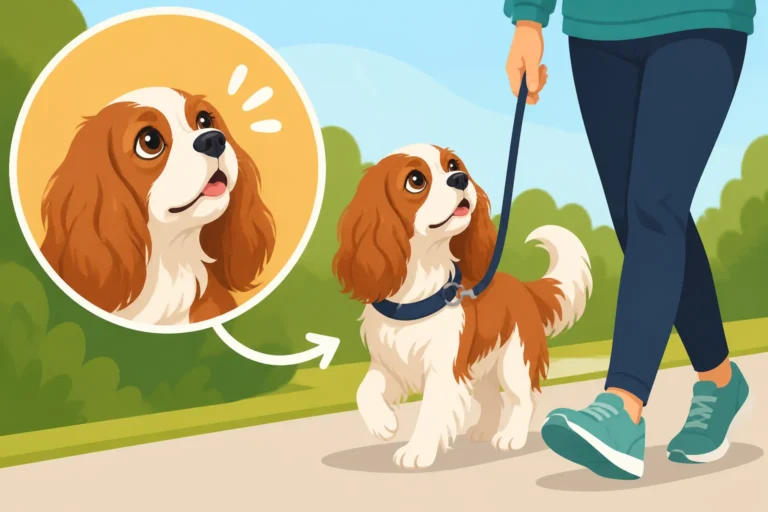
If you own a Cavalier, you already know the term "Velcro dog" perfectly describes them. They follow you from room to room, are happy just to be in the same space, and often prefer to nap touching you rather than alone. This isn't just a cute quirk; it's a fundamental aspect of their temperament. Their dependency on human presence is a hallmark of the breed, a trait that makes them wonderful companions but also highly susceptible to loneliness or anxiety when their human is absent. You'll often find them curled up in your laundry basket if you're out, seeking comfort in your scent.
This profound attachment means their emotional well-being is intrinsically tied to your presence. When you leave, it's not simply a quiet moment for them; it can be a jarring, confusing, and even terrifying experience. They don't understand that you're just running errands or going to work; in their mind, their primary source of comfort and security has vanished. This deep bond, while cherished, also means we as owners have a responsibility to teach them coping mechanisms for solitude. If you've ever wondered Why a Cavalier Follows You Room to Room, it all ties back to this inherent need for connection.
How Their Breeding History Shapes Their Need for Company
The Cavalier's lineage traces back to the toy spaniels favored by European aristocracy, particularly King Charles II, who rarely went anywhere without his beloved dogs. These dogs weren't working dogs in the traditional sense; they weren't herding sheep or retrieving game. Their "job" was companionship, to be warmed on laps, carried in carriages, and sleep in their owners' beds. This selective breeding over hundreds of years has hardwired them for constant human interaction.
Unlike many breeds that might have a degree of independence stemming from their original purpose, the Cavalier's entire genetic makeup is geared towards partnership. They thrive on attention, affection, and proximity. When this historical context is understood, it becomes clear that expecting a Cavalier to be perfectly content with long stretches of solitude goes against generations of careful breeding. This is a breed that truly lives for its people, making alone time a significant challenge that often needs proactive management.
The Sensitivity That Makes Alone Time Difficult
Cavaliers are known for their gentle and sensitive dispositions. They are highly attuned to their owners' moods and can pick up on even subtle changes in routine or environment. This emotional intelligence, while endearing, also means they can be more susceptible to stress and anxiety. Loud noises, sudden movements, or even a change in your daily schedule can be more impactful for a sensitive Cavalier than for a more stoic breed.
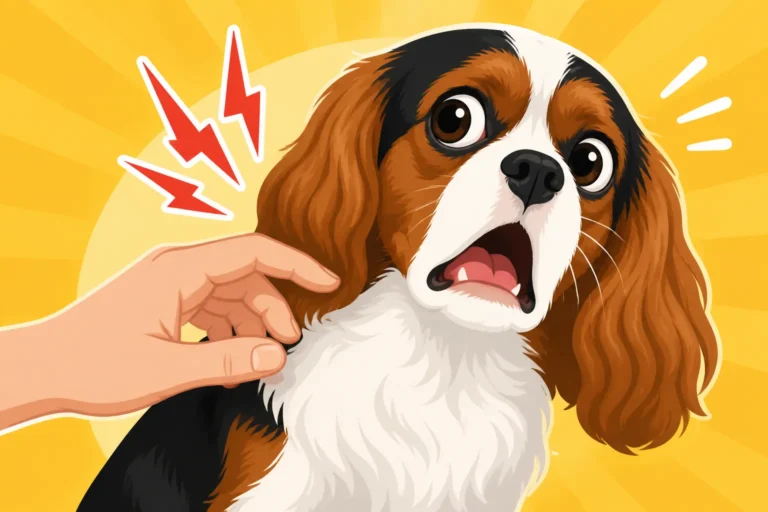
When you combine this innate sensitivity with their strong attachment, being left alone can quickly escalate into a full-blown stress response. They might not just be "bored"; they could genuinely be feeling abandoned, anxious, or even panicking. This sensitivity also means that harsh corrections for behaviors stemming from anxiety can be deeply damaging, making understanding and empathy crucial to helping them cope. Instead, positive, reward-based training methods are far more effective for this gentle breed. We discuss this further in Training a Cavalier With Praise Rather Than Pressure.
Observable Signs Your Cavalier Has Been Left Too Long
When a Cavalier is left alone for longer than they can comfortably manage, they'll often communicate their distress in ways that can be both frustrating and concerning for owners. These behaviors aren't typically acts of defiance but rather manifestations of stress, boredom, or outright panic. Understanding these signs is the first step toward finding appropriate solutions.
Destructive Habits and Anxious Chewing
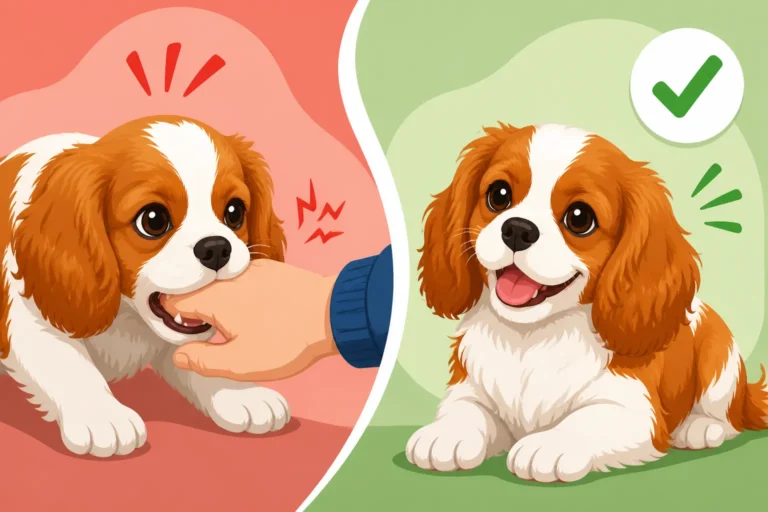
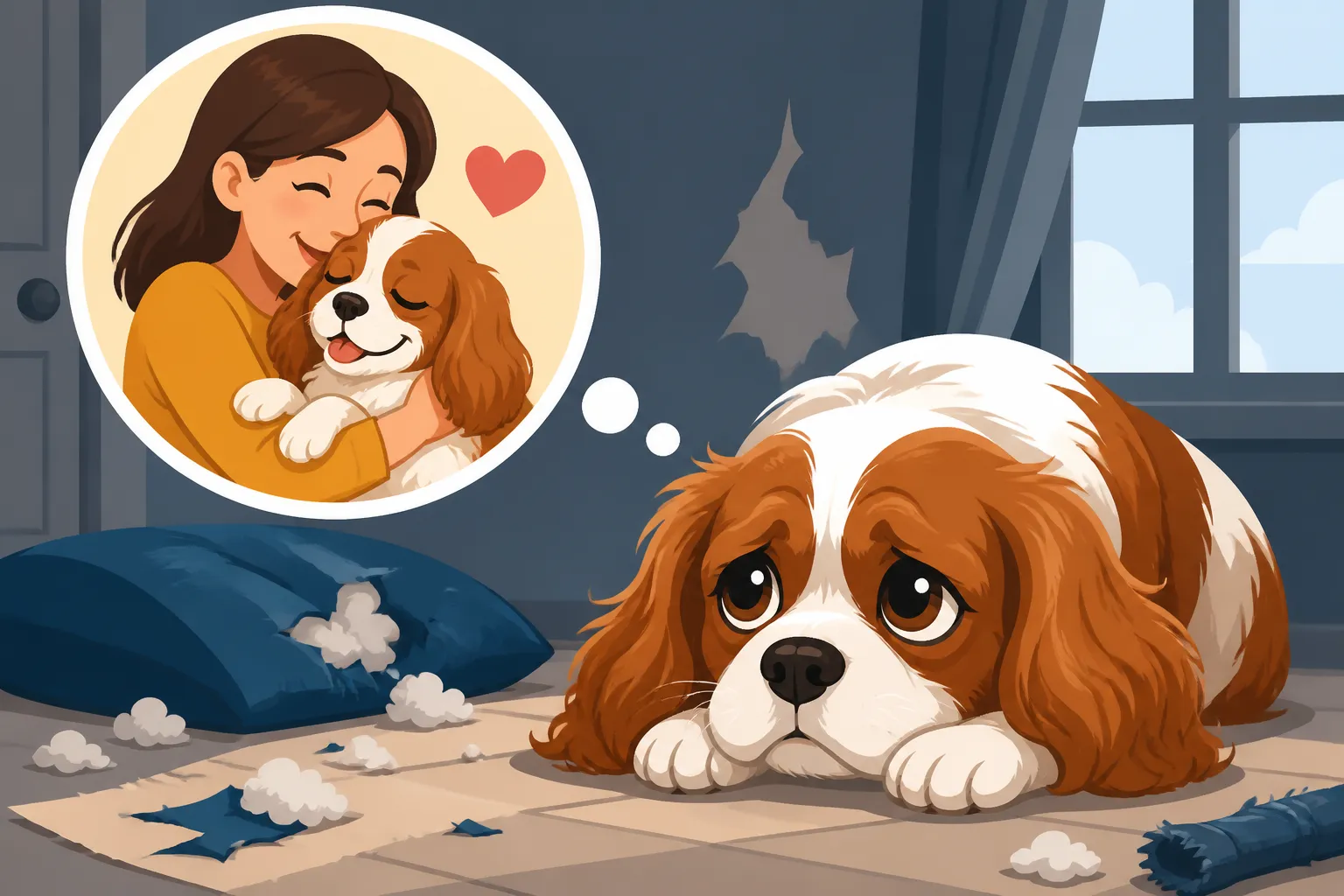
One of the most common and often expensive signs that your Cavalier is struggling with alone time is destructive behavior. This can manifest as chewed furniture legs, torn up carpets, scratched doors or doorframes, or even shredded bedding. For a Cavalier, chewing is often a self-soothing mechanism, a way to release pent-up anxiety and energy. It's not about malice; it's about coping.
Imagine a Cavalier left alone in a quiet house for hours. The silence, the lack of stimulation, and the absence of their human can create immense internal pressure. Chewing provides a physical outlet for that stress, and unfortunately, whatever is readily available often becomes the target. Sometimes the destruction is focused specifically around exit points like doors or windows, indicating a frantic attempt to get to you. This kind of focused destruction is a significant red flag for separation distress, not just simple puppy antics.
The Symphony of Distress: Barking, Howling, and Whining
Another unmistakable sign is vocalization. A Cavalier left too long might bark incessantly, howl mournfully, or whine persistently. This isn't just "attention-seeking"; it's a genuine plea for company, a way for them to express their discomfort and loneliness. For neighbors, this can be incredibly disruptive, leading to complaints and adding another layer of stress for you as an owner.
The sound a distressed Cavalier makes often has a distinct quality – it's not the happy "I hear a squirrel" bark, but rather a more frantic, sustained, or sorrowful vocalization. Filming your Cavalier when you're out, even for short periods, can provide invaluable insight into the type and duration of their vocalizations. You might be surprised to hear A Cavalier That Howls the Moment You Leave or A Cavalier That Cries in Another Room, even if they seem fine when you first depart. These sounds are a clear indicator that their emotional cup is empty.
Accidents Indoors: More Than Just a Potty Problem
If your house-trained Cavalier is suddenly having accidents inside when you're gone, it's crucial to consider their emotional state rather than immediately assuming a lapse in training or a medical issue (though always rule out medical issues first with a vet visit). Inappropriate urination or defecation, especially when it only happens during periods of solitude, can be a symptom of extreme anxiety.
When a dog is in a state of high stress, their bodily functions can be affected. They might lose control, or the act of eliminating indoors could be another self-soothing behavior, however counterintuitive it seems to us. It's often not a purposeful act of "getting back at you" but rather an involuntary response to overwhelming fear or distress. This is particularly heartbreaking because it often leads to frustration from owners, which further exacerbates the dog's anxiety.
Self-Injurious Behaviors and Obsessive Licking
In more severe cases of separation anxiety, a Cavalier might resort to self-injurious behaviors. This can include excessive licking or chewing of their paws, legs, or other body parts, sometimes to the point of causing raw spots, hot spots, or infections. This obsessive grooming can be a way to self-soothe in the absence of human comfort.
While less common, some Cavaliers might even attempt to escape by chewing or clawing at crates, kennels, or doors, potentially causing damage to their teeth, nails, or paws. These behaviors are clear indicators of severe psychological distress and should prompt immediate intervention. It’s a sign that their coping mechanisms are completely overwhelmed, and they are desperate for relief from their anxiety.
Differentiating Between Boredom and True Separation Anxiety
Understanding the difference between a Cavalier that's simply bored and one experiencing genuine separation anxiety is paramount. While both can lead to unwanted behaviors, the underlying motivation and the required solutions are distinct. Misdiagnosing the problem can lead to ineffective training, increased frustration, and potentially worsening your dog's distress.
The Subtle Clues That Point to Anxiety
True separation anxiety in Cavaliers is typically characterized by behaviors that begin before you even leave, intensify during your absence, and often involve a strong emotional component.
- Pre-Departure Anxiety: Your Cavalier might become clingy, start pacing, panting, or trembling as soon as they pick up on your "leaving cues" – grabbing your keys, putting on your coat, or even just walking towards the door. This is a common sign of Signs a Cavalier Is Distressed When Alone.
- Intense Distress: The behaviors (barking, chewing, accidents) are not just casual; they are often frantic, continuous, and severe. They might not stop until you return.
- Focus on Exit Points: Destruction is often concentrated around doors, windows, or crates, suggesting an attempt to escape and reunite with you.
- Absence of Other Issues: The behaviors typically only occur when the dog is completely alone, not when another family member or even another pet (though sometimes Whether Another Dog Fills the Gap for a Cavalier is debated) is present.
- Over-the-Top Greetings: Upon your return, the greeting might be overly enthusiastic, almost frantic, as if they haven't seen you in years, even if you were only gone for an hour.
When Simple Boredom Leads to Mischief
Boredom, on the other hand, usually presents differently. A bored Cavalier might be looking for something to do, but without the intense emotional distress.
- Lack of Pre-Departure Cues: A bored dog usually isn't anxious before you leave; they might just seem a little unenthused as you walk out.
- Random Destructive Chewing: Their chewing might be less frantic and less focused on escape routes. They might just chew on inappropriate items because they're easily accessible and provide some mental stimulation.
- Intermittent Behavior: Vocalizations or destructive acts might be sporadic rather than continuous. They might bark for a bit, then settle, then bark again, without the constant, high-level distress.
- Seeking Stimulation: They might engage in activities simply because they have nothing better to do. This could be rooting through the trash, counter-surfing, or exploring forbidden areas.
- Less Intense Greetings: While happy to see you, their greeting might be less frantic and more relaxed than a dog suffering from severe anxiety.
Why the Distinction Matters for Effective Solutions
The reason this distinction is critical is because the solutions differ significantly. For boredom, more exercise before you leave, engaging puzzle toys (like those found on Amazon), and mental enrichment can often solve the problem. You might introduce something like a snuffle mat or a KONG filled with peanut butter to keep them busy.
For separation anxiety, these enrichment tools are often insufficient. The core issue is emotional distress, not just a lack of things to do. Addressing separation anxiety requires a more comprehensive approach, often involving gradual desensitization, counter-conditioning, and potentially even medication in severe cases. Simply adding more toys won't fix a panic attack. A dog with true separation anxiety needs support that goes beyond mere distraction.
Proactive Strategies to Prepare Your Cavalier for Alone Time
Preventing significant alone time distress is always easier than treating an established problem. Even if your Cavalier is a puppy, or if they currently tolerate solitude well, implementing proactive strategies can build a strong foundation for their emotional resilience. Consistency and patience are your best friends here.
Gradual Desensitization: Building Tolerance Minute by Minute
The cornerstone of teaching a Cavalier to be comfortable alone is gradual desensitization. This means slowly increasing the amount of time they spend by themselves, starting with incredibly short durations. It's about teaching them that your departures are temporary and always followed by your return, reducing the panic response.
Start with tiny steps. Practice "fake" departures: pick up your keys, walk to the door, open it, then close it and immediately come back inside. Don't make a big fuss. Repeat this several times a day. Then, gradually extend the time you're "gone" to a few seconds, then a minute, then five minutes. The key is to return before your Cavalier shows any signs of distress. If they start to whine, you've gone too far, too fast. Reel it back to a duration where they remain calm. This process can take weeks or even months, but it's vital for a sensitive breed like the Cavalier. Remember, Building From Thirty Seconds With a Cavalier is a valid and important step.
Creating a Safe and Enriching "Alone Zone"
Your Cavalier needs a comfortable, secure, and positive space where they feel safe when you're not home. This might be a crate, a playpen, or a specific room. The "alone zone" should be associated with positive experiences, not punishment.
- Comfort: Provide a soft bed, a familiar blanket with your scent, and fresh water.
- Safety: Ensure the space is puppy-proofed, removing anything they could chew or get into that might harm them.
- Enrichment: Leave them with appropriate, safe chew toys and puzzle feeders. A long-lasting chew or a KONG stuffed with frozen peanut butter can keep them occupied for a while. Consider items available on Amazon designed for strong chewers.
- Visual and Auditory Comfort: Some owners find that leaving the TV or radio on a calm channel can help muffle outside noises and provide a sense of presence. Check out Whether Leaving the Radio On Helps a Cavalier for more tips.
This space should be their sanctuary, not a place they dread. Practice having them spend time in their alone zone while you're home, offering treats and praise, so they associate it with calm and reward.
The Power of Pre-Departure and Arrival Routines
Cavaliers thrive on routine and predictability. Establishing consistent pre-departure and arrival routines can significantly reduce anxiety.
- Calm Departures: Avoid making a big, emotional farewell. A long, drawn-out goodbye can heighten your Cavalier's anxiety. Instead, be calm and low-key. Give them their special "alone time" toy or treat a few minutes before you leave, then quietly walk out. This teaches them that your departure isn't a dramatic event. Departure Routines That Calm a Cavalier can make a huge difference.
- Calm Arrivals: Similarly, resist the urge for an overly excited greeting when you first return. Wait until your Cavalier is calm before acknowledging them. This reinforces that calm behavior is rewarded. Don't immediately rush to them if they're still barking or jumping. Wait for a moment of quiet, then offer a calm pet or soft praise. This helps prevent them from associating your return with a frantic, attention-demanding display.
Consistency in these routines helps your Cavalier understand what to expect, reducing the uncertainty that often fuels anxiety.
Tools and Techniques for Managing and Reducing Distress
Even with proactive measures, some Cavaliers might still struggle with being left alone. Fortunately, there are many tools and techniques that can help manage and reduce their distress, moving beyond simple desensitization to provide more comprehensive support.
Smart Toys and Engaging Activities for Solo Play
Mental stimulation is just as important as physical exercise for a Cavalier. When left alone, smart toys can provide a much-needed distraction and outlet for their natural curiosity.
- Puzzle Feeders: These toys require your Cavalier to work to get their food or treats out. They engage their brain and can keep them occupied for extended periods. Think about types that require rolling, pushing, or manipulating parts.
- Long-Lasting Chews: Safe, appropriate chews that take a significant amount of time to consume can be a godsend. Always ensure the chew is size-appropriate for your Cavalier and doesn't pose a choking hazard. You can find a variety of durable chew toys and puzzle feeders on Amazon.
- Scent Games: Hide treats around their alone zone before you leave. This engages their powerful sense of smell and makes their environment more stimulating. Even simple snuffle mats can turn mealtime into a fun hunting game.
- Interactive Toys: Some toys are designed to move or dispense treats intermittently, offering surprise and keeping interest levels high throughout your absence.
The goal is to provide activities that are mentally engaging and satisfying, turning solo time into something positive rather than a void of boredom or anxiety.
Calming Aids and Environmental Adjustments
Beyond toys, several calming aids and environmental adjustments can help reduce a Cavalier's anxiety when alone. These are often used in conjunction with training, not as standalone solutions.
- Pheromone Diffusers and Sprays: Products that release synthetic canine appeasing pheromones (similar to those a mother dog releases to comfort her puppies) can help create a calmer environment. Plug-in diffusers can be placed in their alone zone.
- Calming Chews or Supplements: For some Cavaliers, veterinarian-approved calming chews or supplements containing ingredients like L-theanine or tryptophan can help take the edge off their anxiety. Always consult your vet before introducing any supplements.
- Thundershirts or Anxiety Wraps: These snug-fitting garments apply gentle, constant pressure, similar to swaddling a baby. Many dogs find this comforting and secure.
- White Noise Machines: A white noise machine can block out jarring outdoor sounds that might startle or stress your Cavalier, creating a more peaceful environment.
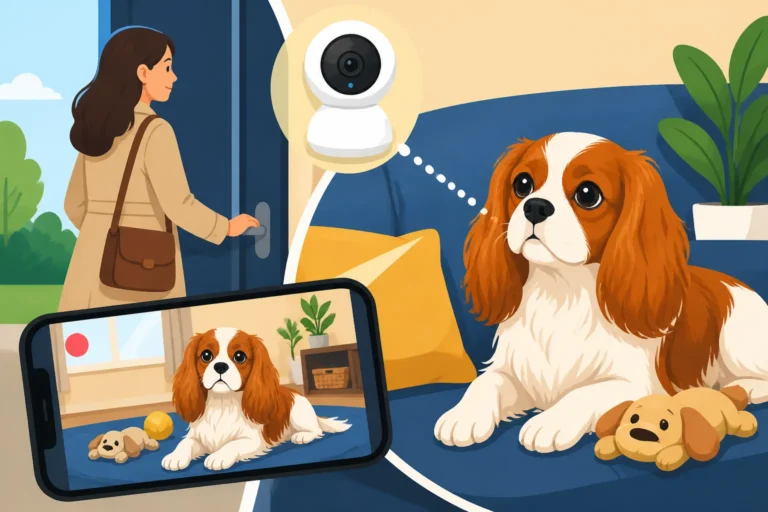
- Security Cameras: Setting up a pet camera allows you to monitor your Cavalier's behavior in real-time, helping you understand their triggers and gauge the effectiveness of your interventions. This also allows you to intervene remotely if some cameras offer two-way audio.
Remember, these are aids to support training, not substitutes for addressing the root cause of anxiety. They can help create a more receptive state for learning.
Online Training and Professional Guidance
Sometimes, even with all the best intentions, managing alone time issues can feel overwhelming. This is when leaning on expert resources can be incredibly beneficial.
- Online Training Programs: Many online platforms offer structured courses specifically designed to address separation anxiety. These can provide step-by-step guidance, video demonstrations, and community support. Brands like BAXTER & Bella offer comprehensive online training programs that can be tailored to various behavioral challenges, including separation distress. These often provide valuable insights and a structured approach to desensitization.
- Virtual Consultations: If in-person help isn't feasible or available, some certified professional dog trainers and behaviorists offer virtual consultations. They can observe your Cavalier's behavior (often via video recordings you provide) and create a customized training plan.
- Support Groups: Connecting with other Cavalier owners who understand the unique challenges of the breed can provide emotional support and practical tips. Shared experiences can make you feel less alone in the journey.
Utilizing these resources can provide the expertise and encouragement needed to navigate the complexities of your Cavalier's alone time struggles effectively.
When to Seek Expert Intervention for Your Cavalier's Alone Time Issues
While many mild cases of alone time distress can be managed with consistent home training and enrichment, there are definitely times when professional intervention becomes essential. Ignoring severe symptoms can lead to worsening anxiety and even physical harm to your Cavalier. Knowing when to call in the cavalry is key.
Recognizing the Severity of Symptoms
If your Cavalier is exhibiting severe or escalating symptoms, it’s a clear sign that you need professional help. These might include:
- Self-Mutilation: If your Cavalier is chewing or licking themselves raw, pulling out fur, or attempting to escape their confinement with such force that they injure themselves (broken nails, bloody gums, cuts).
- Extreme Vocalizations: Constant, unrelenting barking, howling, or whining that continues for hours on end, without any breaks, despite your best efforts at desensitization. This is much more intense than A Cavalier That Howls the Moment You Leave for a few minutes.
- Significant Property Damage: Widespread destruction of furniture, floors, or doors, indicating a frantic, prolonged state of panic rather than targeted mischief.
- Loss of Appetite/Weight Loss: If your Cavalier refuses to eat or drink when left alone, or you notice unexplained weight loss, it could be a sign of chronic stress.
- Complete Inability to Cope: If even the shortest absences (e.g., just stepping out to get the mail) trigger a full-blown panic attack, their anxiety is at a level that requires professional guidance.
These severe signs go beyond typical "bad behavior" and indicate a genuine welfare issue for your dog.
Consulting Your Veterinarian for Health-Related Factors
Before delving deep into behavior modification, always start with a visit to your veterinarian. It’s crucial to rule out any underlying medical conditions that might be contributing to or mimicking alone time distress.
- Pain or Discomfort: A dog experiencing pain, perhaps from Loose Kneecaps in a Thirteen-Pound Cavalier or early arthritis, might become more anxious when left alone because they can't comfortably settle or distract themselves.
- Hormonal Imbalances: Certain medical conditions can affect a dog's mood and anxiety levels.
- Urinary Tract Infections or Gastrointestinal Issues: Accidents indoors could be a sign of a UTI or other health problem rather than anxiety. Even in older Cavaliers, Toilet Accidents in an Elderly Cavalier could point to medical issues.
- Cognitive Dysfunction: In older Cavaliers, cognitive decline can sometimes manifest as increased anxiety or disorientation when alone. What Changes in a Cavalier After Eight can be significant, and this includes mental changes.
Your vet can perform a thorough examination, run diagnostic tests if necessary, and recommend appropriate treatment for any health issues. They can also discuss whether certain anti-anxiety medications might be appropriate as a temporary aid while you work on behavior modification with a trainer.
Partnering with a Certified Professional Dog Trainer or Behaviorist
Once medical issues are ruled out, working with a certified professional dog trainer or a veterinary behaviorist is the most effective next step for severe alone time issues.
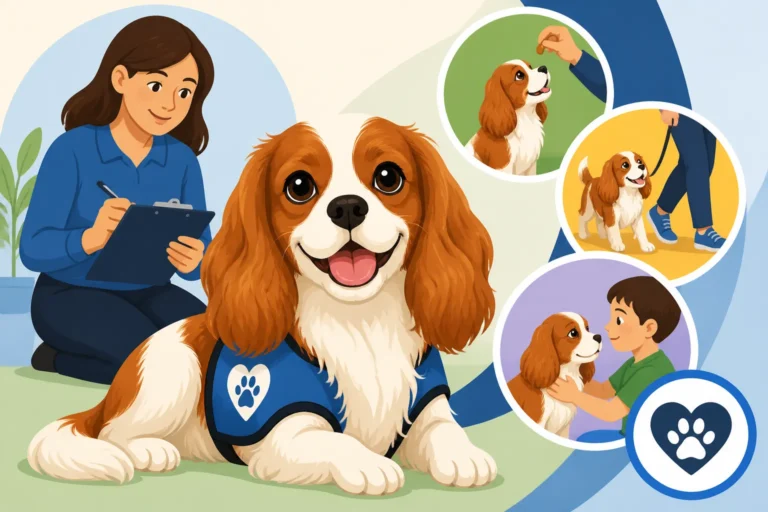
- Certified Professional Dog Trainers (CPDT-KA or KPA-CTP): These trainers specialize in positive reinforcement methods and can help you implement a structured desensitization and counter-conditioning program. They can guide you through the process, adjust the plan as needed, and teach you how to read your Cavalier's body language more effectively.
- Veterinary Behaviorists (DACVB): For the most severe or complex cases, especially those that might require medication in conjunction with behavior modification, a veterinary behaviorist is the ideal choice. These are veterinarians with advanced training in animal behavior, allowing them to diagnose and treat behavioral disorders with a holistic approach, including medication management.
A professional will create a tailored plan that considers your Cavalier's unique temperament, the severity of their anxiety, and your specific living situation. They can help you implement strategies for Building a Cavalier's Tolerance for Being Left safely and effectively, providing the best chance for your sensitive Cavalier to learn to cope calmly with your absence.
Disclaimer
This article is for general informational purposes only and does not constitute professional advice. Laws, prices and regulations vary by location and change over time. Consult a qualified professional for guidance on your specific situation.