Whether Cavalier Puppy Biting Stops on Its Own
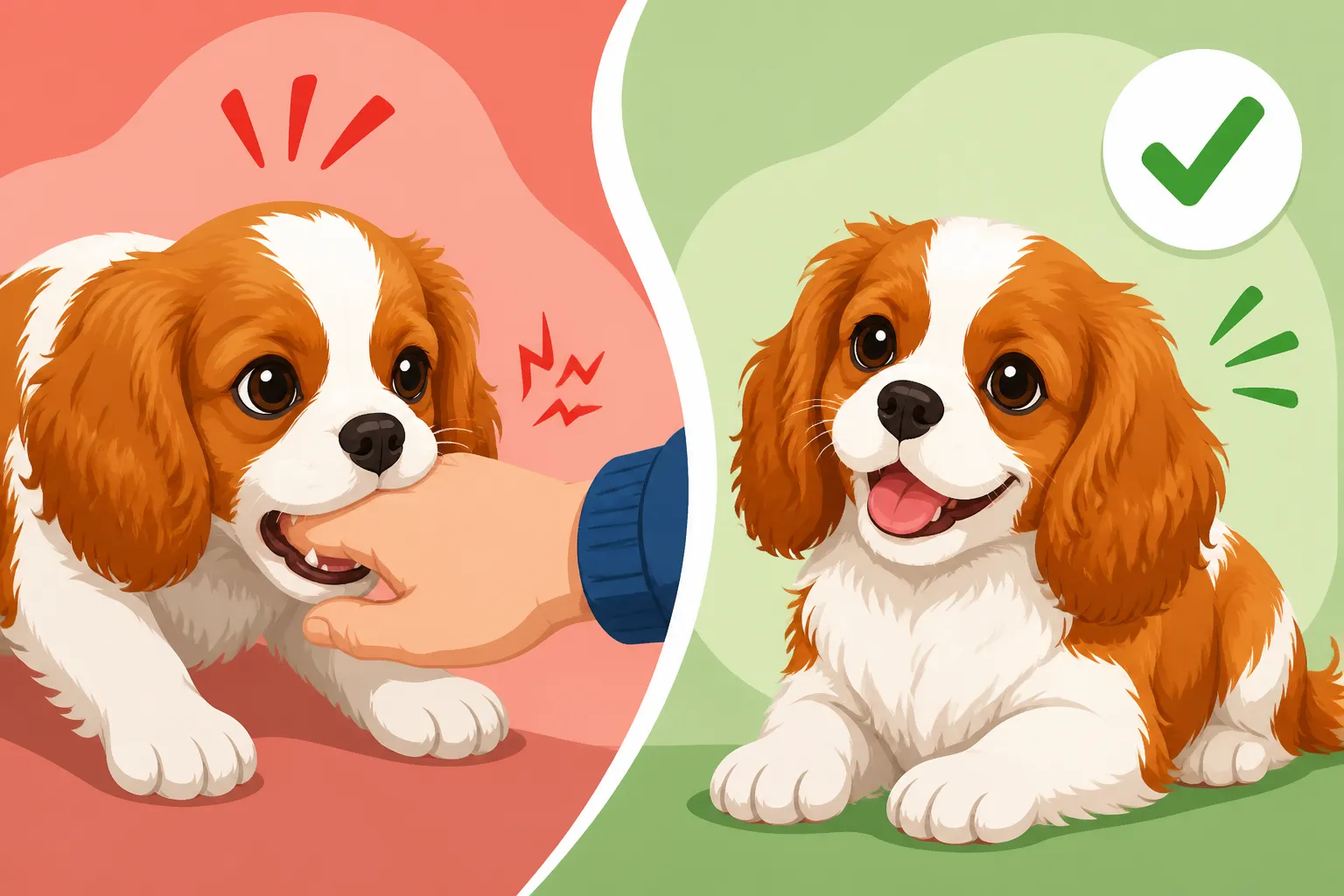
Few things are as adorable as a Cavalier puppy – until those tiny, needle-sharp teeth make contact with your skin. Many new Cavalier owners, myself included, have stood there with bleeding fingers, wondering if this enthusiastic nipping is normal and, more importantly, if their sweet little companion will ever grow out of it. This guide is dedicated to answering that common frustration, exploring why Cavalier puppies bite, and offering realistic, empathetic strategies to gently teach them appropriate mouth manners.
The Reality of Cavalier Puppy Nipping: More Than Just "Puppy Kisses"
When you bring home a fluffy Cavalier puppy, you're welcoming a bundle of joy, curiosity, and boundless energy. It's also likely you're welcoming a tiny shark with an insatiable need to put everything in its mouth, including you. It's important to understand that this behavior isn't malicious; it's a completely normal part of puppy development.
Why They Do It: Exploration, Teething, and Play
Imagine being a tiny creature experiencing the world for the very first time. You don't have hands to grab things, so what do you use? Your mouth! Puppies use their mouths as their primary tool for exploration, much like human babies. They mouth objects, people, and other animals to learn about textures, temperatures, and boundaries. It's how they gather information about their environment.
Beyond simple exploration, Cavalier puppies, like all puppies, go through a significant teething phase. Those little milk teeth erupt, then fall out, making way for adult teeth. This process can be uncomfortable, even painful, for them. Chewing and nipping provide relief from the aching gums, similar to how a toddler might chew on a teething toy. You'll often find them trying to gnaw on anything they can get their jaws around, from furniture legs to your fingers. This is especially true given that Cavalier puppy teeth crowded in a short jaw can sometimes exacerbate their discomfort, leading to more insistent chewing.
Play biting is another huge component. When puppies interact with their littermates, they mouth and nip each other. This rough-and-tumble play is essential for them to learn what's called "bite inhibition." They discover how hard is too hard by the yelps and reactions of their siblings. If a bite is too painful, the other puppy will disengage, giving immediate feedback. When a puppy comes to live with humans, we become their new playmates, and it's our job to continue this crucial lesson in a way they understand.
The "Ouch!" Factor: Those Tiny, Sharp Teeth
Let's be honest, those needle-sharp puppy teeth hurt! A Cavalier puppy might be small, but their undeveloped jaws, combined with those incredibly sharp little teeth, can inflict surprisingly painful nips. It’s easy to get discouraged when your sweet, cuddly puppy suddenly latches onto your hand during a petting session. This isn't a sign of aggression; it's often just over-excitement, playfulness, or an attempt to communicate something, like "I want to play more!" or "My gums hurt!" The key is to respond consistently and calmly, redirecting that natural instinct into acceptable behaviors.
Why "Waiting It Out" Isn't a Strategy for Cavalier Puppies
It’s tempting to believe that your Cavalier puppy will just "grow out of" their nipping phase. After all, they’re so small, and it’s just puppy behavior, right? While some of the intensity might naturally wane as they get older, the fundamental skill of bite inhibition is taught, not simply outgrown. Relying on your Cavalier to stop biting on their own is a risky approach that can lead to bigger problems down the line.
Understanding Bite Inhibition: It's Learned, Not Automatic
Bite inhibition is the ability of a dog to control the force of its bite. A dog with good bite inhibition can apply pressure without causing injury. Think of it as knowing how to play gently. This is one of the most vital lessons a puppy learns, first from its mother and littermates, and then from its human family. Without this learned control, an adult dog, even a gentle Cavalier, could accidentally cause serious harm if they were to mouth someone too hard, even in play or by accident.
The problem with assuming they'll "grow out of it" is that you're missing a critical window to instill this life-saving skill. If a puppy doesn't learn appropriate bite pressure by the time its adult teeth come in (around 4-6 months), it becomes much harder to teach. They've already established patterns of interaction that involve biting, and those adult teeth are much larger and stronger, posing a greater risk.
The Risks of Not Teaching: Adult Dogs with Poor Bite Manners
Imagine your Cavalier, now a lovely adult dog, still nipping with the same force as when they were a puppy. This might not sound too bad with a small breed, but any dog, regardless of size, needs to understand bite inhibition. An adult dog that hasn't learned to control its bite pressure can unintentionally injure family members, friends, or even strangers during enthusiastic greetings or play. This is particularly concerning if you have children or elderly family members in the home who are more vulnerable to accidental nips.
Furthermore, a dog that hasn't learned bite inhibition might also use its mouth more readily in situations where it feels uncomfortable or startled. While Cavaliers are generally known for their sweet and tolerant temperaments, any dog can react poorly if not properly socialized and trained. Allowing persistent hard biting, even during play, sends the wrong message and can potentially lay the groundwork for a dog that defaults to using its mouth without proper control.
Your Cavalier's Gentle Nature Won't Override This Need
It's true that Cavaliers are celebrated for their affectionate, gentle, and eager-to-please dispositions. They are wonderful family dogs, known for being tolerant and calm. However, relying solely on breed temperament to curb a natural puppy behavior is a common misconception. While their inherent sweetness might make them less likely to bite with aggressive intent, it doesn't automatically equip them with bite inhibition.
Every puppy, regardless of breed, needs guidance on appropriate mouth use. Even the most docile Cavalier puppy will still experience teething pain and the instinct to explore with its mouth. Your consistent, patient training is what channels these instincts into acceptable, safe behaviors, ensuring that their gentle nature shines through in all their interactions. Just as you wouldn't expect a puppy to automatically know Teaching a Cavalier Puppy Where to Toilet, you shouldn't expect them to automatically know how to stop biting.
Hands-On Methods to Gently Teach Your Cavalier Bite Inhibition
Since we've established that Cavalier puppy biting won't simply disappear on its own, it's time to dive into effective, gentle strategies to teach your furry friend appropriate mouth manners. Consistency is truly the golden rule here; everyone in the household needs to be on the same page.
The "Yelp" and Withdraw Method
This is a classic technique that mimics how puppies learn from their littermates. When your Cavalier puppy bites you too hard during play or interaction, let out a high-pitched yelp – an "ouch!" or "yip!" – in a tone similar to what another puppy would make.
Here's how to do it effectively:
- Exaggerate the "Ouch!": Make it sound genuinely painful, even if the bite wasn't that bad. The goal is to startle and communicate.
- Withdraw Immediately: As soon as you yelp, remove your hand or body part from their mouth. Don't engage further. Stand up, turn your back, or even leave the room for 10-20 seconds. This is often called "reverse time-out."
- Ignore Them Briefly: During this short time-out, give your puppy absolutely no attention. No eye contact, no talking, no petting. This teaches them that hard biting makes the fun stop.
- Re-engage Calmly: After the brief time-out, you can return and calmly re-engage with your puppy. If they bite hard again, repeat the process.
The magic of this method is the consistency. Your puppy quickly learns that "gentle mouth = continued play" and "hard bite = play stops." It's essential that everyone interacting with the puppy follows this rule. If some family members allow harder bites, the lesson becomes confusing and ineffective. Over time, you can gradually reduce the "pain threshold," yelping for softer and softer bites, until your puppy learns to mouth gently or not at all.
Redirection with Appropriate Chew Toys
One of the most effective ways to manage puppy biting is to provide plenty of appropriate alternatives for chewing. Remember, chewing is a natural, necessary behavior for puppies, especially during teething. Your job is to guide them towards what they should be chewing, not to stop them from chewing entirely.
Invest in a variety of chew toys with different textures and hardness. Some excellent options include:
- Rubber chew toys: Durable and satisfying for chewing. Many can be stuffed with treats or peanut butter for extended engagement.
- Rope toys: Good for tug games (but teach them "drop it"!).
- Dental chews: These can help with teething discomfort and dental health.
- Puzzle toys: These make them work for a treat, engaging their minds as well as their mouths.
Whenever your Cavalier puppy starts to mouth or nip at you, immediately offer a suitable chew toy. Gently place the toy in their mouth as you say "chew toy" or "take this." Praise them enthusiastically when they take the toy and chew on it instead of you. You might find a good selection of durable puppy chew toys if you search on Amazon for "Cavalier puppy chew toys." Having a stash of toys readily available can make redirection much easier.
Managing Over-Stimulation and Teaching "Settle"
Cavalier puppies, despite their sweet demeanor, can get over-stimulated quickly, especially during play. When they get too excited, their nipping can become more frantic and harder to control. Recognizing the signs of over-stimulation (zoomies, frantic biting, ignoring cues) is key.
When you notice your puppy getting over-the-top, it’s time to calmly redirect or initiate a "settle" command. This isn't about punishment, but about helping them regulate their emotions.
- Short Breaks: Step away from play for a moment. This brief pause can reset their energy.
- Crate Time: If they can't calm down, a short, positive time-out in their crate with a chew toy can help them decompress. Ensure their crate is a positive, safe space where they can relax. Consider cues from Choosing a Crate a Cavalier Will Rest In.
- "Settle" Command: Teach your Cavalier to lie down and relax on a mat or bed. Reward calm behavior with gentle praise or a chew. This teaches them an "off switch." Start practicing this in quiet environments and gradually introduce distractions.
Short, Positive Training Sessions for Impulse Control
Basic obedience training plays a huge role in teaching impulse control, which in turn reduces unwanted biting. Commands like "sit," "stay," "leave it," and "down" require your puppy to think before acting, strengthening their ability to control impulses.
Cavaliers are intelligent and eager to please, making them generally receptive to positive reinforcement training. Keep training sessions short, fun, and frequent – just Five-Minute Training Sessions With a Cavalier a few times a day can make a big difference. Use high-value treats and enthusiastic praise. Online programs, like those offered by BAXTER & Bella, can provide structured lessons on these foundational commands, helping you build a well-mannered pup. The principles of Reward-Based Training With a Cavalier are particularly effective with this breed.
The Importance of Consistent Handling and Boundaries
Your Cavalier puppy needs to learn that human hands are for petting and love, not for chewing. This means setting clear boundaries from day one.
- Hands Are Not Toys: Never use your hands to wrestle or roughhouse with your puppy. Always use a toy as a barrier between your hands and their mouth.
- Gentle Handling: Practice Handling Exercises for a Cavalier Puppy regularly. Gently touch their ears, paws, and muzzle. If they nip, use the "yelp and withdraw" method immediately. This also helps prepare them for vet visits and grooming.
- Be a Calm Leader: Your calm and consistent demeanor will help your puppy feel secure and understand expectations. Avoid harsh corrections or punishment, which can create fear or aggression and are counterproductive for a sensitive breed like the Cavalier.
Setting Your Cavalier Up for Success: Tools and Mindset
Beyond direct training, creating the right environment and having the right mindset can significantly reduce puppy biting and foster a well-adjusted Cavalier.
Creating a "Puppy-Proof" and Enriching Environment
A bored puppy is a destructive puppy, and often, a nippy puppy. Ensure your home is "puppy-proofed," meaning anything you don't want them to chew or put in their mouth is out of reach. This removes temptation and sets them up for success.
Equally important is providing an enriching environment. This means offering:
- Plenty of Chew Toys: As mentioned, a variety of safe, durable chew toys is essential. Rotate them to keep things interesting.
- Interactive Toys: Puzzle feeders and treat-dispensing toys engage their minds and satisfy their chewing instincts in a productive way.
- Safe Exploration: Allow them supervised exploration in different areas of your home and yard. Ensure their initial experiences with new sights and smells are positive. This ties into Socializing a Cavalier Puppy Gently.
Choosing the Right Chew Toys and Enrichment
Not all chew toys are created equal. For a Cavalier puppy, look for toys that are:
- Appropriately Sized: Too small, and it's a choking hazard; too large, and it's difficult for them to manage.
- Durable: Cavalier puppies, while small, can be persistent chewers. Avoid toys that break apart easily.
- Safe Materials: Ensure toys are made from non-toxic materials. You might want to explore options on Amazon, reading reviews to gauge durability and safety for puppies. Look for specific recommendations for small breeds or puppies.
A table outlining different types of chew toys and their benefits can be helpful:
| Toy Type | Benefits | Considerations |
|---|---|---|
| Rubber Toys | Durable, great for teething, often stuffable with treats | Ensure size is appropriate; check for toxic materials |
| Rope Toys | Good for tug-of-war (with rules), cleans teeth | Can fray; supervise to prevent ingestion of strands |
| Nylon Chews | Very durable, long-lasting | Can be too hard for young puppies; supervise for wear |
| Puzzle Toys | Mental stimulation, slows eating, satisfies chewing | Can be expensive; choose easy-to-clean designs |
| Dental Chews | Helps with plaque, freshens breath | High calorie; choose appropriate size and hardness |
The Power of Routine and Positive Reinforcement
Puppies thrive on routine. A predictable schedule for feeding, potty breaks, play, training, and rest helps reduce anxiety and makes them feel secure. When a puppy is well-rested and has had its needs met, it's less likely to resort to frantic nipping out of frustration or over-tiredness.
Positive reinforcement is the bedrock of good puppy training. This means rewarding behaviors you want to see (like chewing a toy or sitting calmly) and ignoring or redirecting behaviors you don't (like biting hands). Your Cavalier will quickly learn what earns them praise, treats, and attention. This approach builds trust and a strong bond, making your puppy eager to please. Remember to consider What a Cavalier Puppy Needs at Each Age when planning their routine.
When to Consult a Professional
While most puppy nipping is normal and can be managed with consistent training, there are times when professional help is warranted.
Persistent Hard Biting: If, despite consistent efforts with the techniques above, your Cavalier puppy continues to bite with significant force, breaking skin frequently, or not responding to your cues, it's time to seek help. This means bites that draw blood consistently or are delivered with noticeable intensity, rather than just playful nips.
Aggressive Tendencies: Differentiate between play biting and actual aggression. Signs of aggression in a puppy, even a small one, include:
- Growling, snarling, or snapping with intent to harm (not just a play growl).
- Lashing out or biting when startled, even after repeated positive handling.
- Resource guarding (aggressively protecting food, toys, or a resting spot).
- Persistent refusal to let go of an object without becoming aggressive.
If you observe any of these behaviors, consult a certified professional dog trainer or a veterinary behaviorist immediately. They can help identify the root cause of the behavior and develop a tailored modification plan. Sometimes, what seems like aggression can be pain, so if your Cavalier puppy yelps when picked up or shows unusual sensitivity, a vet check-up is always a good first step.
Addressing Common Biting Scenarios with Your Cavalier Puppy
Puppy biting manifests in various ways. Let's tackle some common scenarios you might encounter with your Cavalier and how to apply our strategies.
Nipping During Play
This is perhaps the most frequent biting scenario. Your Cavalier puppy gets super excited during a game of tug or chase and starts nipping at your hands, clothes, or even your hair.
Action Plan:
- Introduce a Toy Barrier: Always have a toy ready. If your puppy starts to nip your hands during play, immediately insert a toy for them to grab instead.
- Sudden Stop & Yelp: If the nipping continues or gets too hard, yelp loudly ("Ouch!") and stop playing immediately. Stand up and turn away for 10-20 seconds. Return to play only when they are calm.
- Shorten Play Sessions: Keep play sessions brief, especially if your puppy tends to get over-stimulated quickly. End on a high note before they get too mouthy.
- Enforce "Drop It": Teach a reliable "drop it" command early on. This is crucial for safe tug games and for preventing resource guarding.
Biting During Petting or Handling
It's natural to want to shower your Cavalier puppy with cuddles and affection. However, sometimes petting can trigger nipping, especially around the face, ears, or when reaching for their collar. This can be due to over-excitement, discomfort, or simply not being used to the sensation.
Action Plan:
- Start Slow and Gentle: Begin with very short petting sessions in calm moments. Use soft, slow strokes.
- Observe Their Reaction: Pay attention to your puppy's body language. If they stiffen, lean away, or their tail tucks, they might be uncomfortable. Back off and try again later or in a different spot.
- Positive Association: Pair petting with treats. Gently pet them for a few seconds, then give a tiny, delicious treat. This helps them associate handling with good things. Reading a Cavalier Puppy's Health Certificates might be a good time to get them used to being handled, by checking all areas of their body.
- "Yelp and Withdraw": If a bite occurs during petting, use the yelp and withdraw method. This teaches them that biting stops the good attention.
- Focus on Desensitization: For sensitive areas like paws or ears, touch briefly, reward, and slowly increase duration and intensity over days or weeks. This is vital for future grooming and vet visits.
Biting Ankles or Clothes
Many puppies go through a phase of "land shark" behavior, launching themselves at moving feet, ankles, and pant legs. This is often driven by their prey drive and play instincts.
Action Plan:
- Frozen Chew Toys: Have a frozen KONG or a sturdy chew toy ready. When they go for your ankles, immediately redirect with the toy.
- Change Direction: If they're fixated on your feet, stop moving or change direction. Make yourself less of a moving target.
- Wear Protective Clothing: For a short period, wear thick socks, boots, or long pants to minimize the impact of bites. This saves your skin and helps you remain calm.
- "Leave It" Command: Practice "leave it" with various tempting items on the floor, working your way up to moving feet. This builds crucial impulse control.
- Gate or Pen Management: Use puppy gates or a playpen to create a physical barrier between you and your puppy when you can't actively supervise. This prevents the behavior from being practiced.
Biting When Excited
When your Cavalier puppy gets incredibly excited – perhaps when you come home, or during a particularly fun game – they might lose control and become mouthy.
Action Plan:
- Manage Greetings: Teach your puppy to greet you calmly. When you arrive home, ignore them until they settle, then reward calm behavior with attention. If they jump and nip, turn your back.
- "Sit to Say Please": Teach them to sit for anything they want – attention, food, going outside. This gives them an alternative, polite behavior to offer when excited.
- Calming Activities: Redirect excess energy into calming activities, like a puzzle toy, a short training session, or a gentle sniff walk.
- Avoid Heightening Excitement: While fun, avoid games that overly stimulate your puppy, especially just before bedtime or when you need them to be calm.
Remember, every puppy is an individual, and what works best for one Cavalier might need slight adjustments for another. The key is patience, consistency, and a commitment to positive reinforcement. By gently guiding your Cavalier puppy, you're not only curbing an annoying behavior but also building a foundation of trust and good manners that will last a lifetime.
Disclaimer
This article is for general informational purposes only and does not constitute professional advice. Laws, prices and regulations vary by location and change over time. Consult a qualified professional for guidance on your specific situation.