A Cavalier That Jumps at Visitors
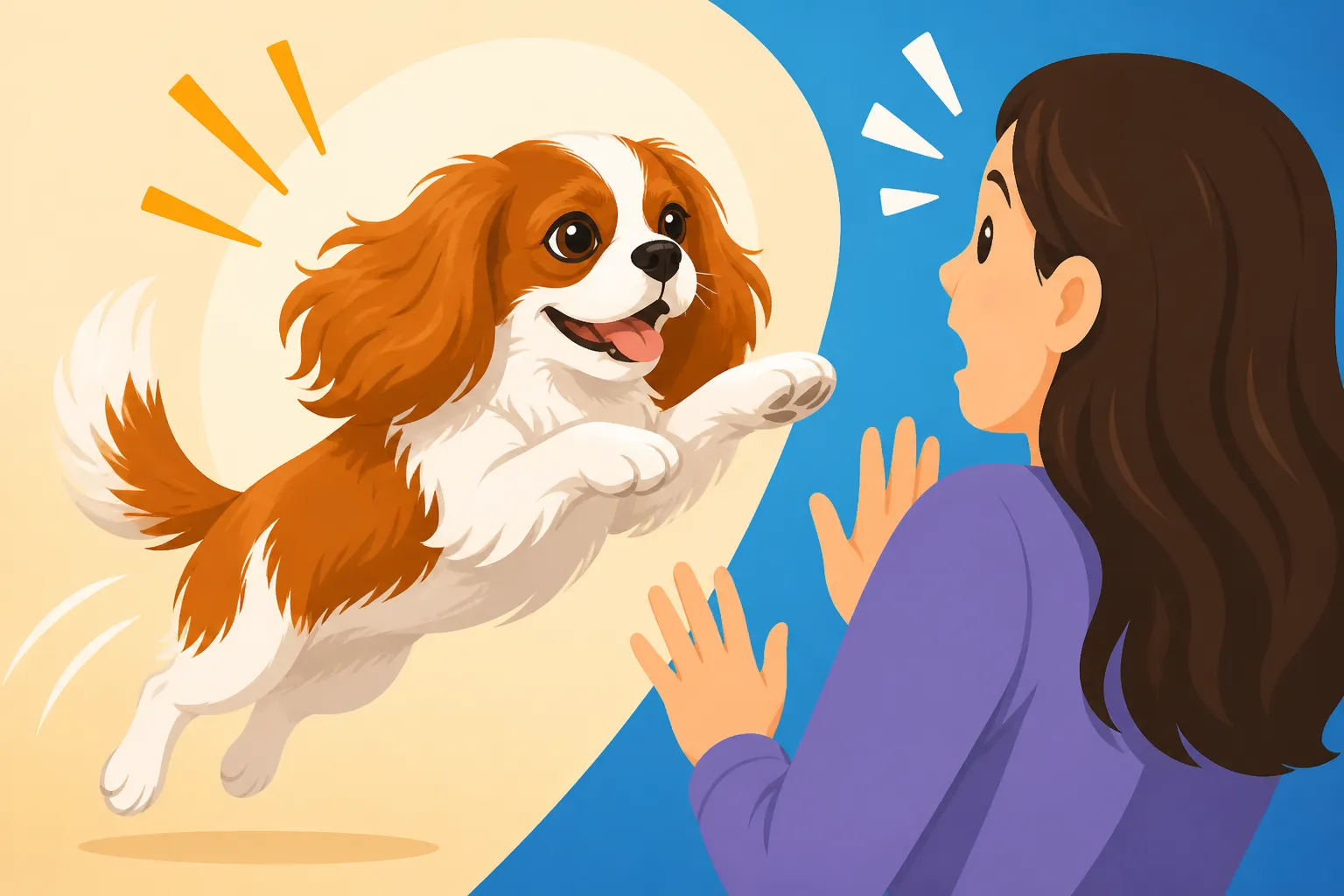
Oh, the sheer joy (and sometimes utter chaos!) of a Cavalier King Charles Spaniel greeting visitors! We all know that moment. The doorbell rings, and suddenly your sweet, calm companion transforms into a furry, four-legged rocket, launching themselves at anyone daring to cross your threshold. It’s an adorable display of enthusiasm, but let’s be honest, it can be embarrassing, dangerous for elderly guests or small children, and just plain frustrating. This guide is here to help you understand why your beloved Cavalier jumps at visitors and, more importantly, equip you with the practical strategies to gently curb this over-the-top greeting, fostering calmer, more polite welcomes instead.
Understanding Why Your Cavalier Jumps at Visitors
It’s easy to feel like your Cavalier is deliberately trying to be naughty when they launch themselves at visitors, but that's rarely the case. Their intentions are usually pure, even if the execution is a bit much. Understanding the root causes of this behavior is the first step toward changing it.
The Cavalier's Enthusiastic Greeting Nature
Cavaliers are, by their very nature, incredibly affectionate and people-oriented dogs. They were bred for centuries to be companions, lap warmers, and loyal friends. This deep-seated desire to connect with humans means that new people often represent a fresh source of attention, affection, and excitement. When a visitor arrives, your Cavalier’s natural exuberance kicks into overdrive. They might be thinking, "Oh my goodness, a new person! They're here to see me! I must get as close as possible, as fast as possible, to show them how happy I am!"
This isn't just about being friendly; it's about their heritage. Cavaliers have a strong drive to be with their people, and that extends to any person who enters their perceived "pack" territory, even temporarily. They want to be involved, to say hello, and to express their joy. Unfortunately, for a small dog like a Cavalier, "getting close" often means jumping up to reach eye level or simply to be noticed above the noise and activity. It’s their way of initiating interaction, and in their world, any interaction is good interaction. You might have noticed that your Cavalier follows you room to room, and this same desire to be near you extends to guests.
Accidental Reinforcement: How We Teach Them to Jump
Here’s the tricky part: we often, without even realizing it, teach our Cavaliers that jumping is an effective way to get what they want. Think about it. When your Cavalier jumps, what typically happens? People react. They might push the dog away, say "no," make eye contact, or even just laugh nervously. To a Cavalier, any attention, even negative attention, is still a form of reinforcement. If pushing them off leads to human hands on them, or a voice talking to them, they’ve succeeded in getting a response.
This can be incredibly confusing for a dog. One day, Aunt Mildred pushes them away, and the next, your friend from college, who thinks it's cute, bends down and showers them with praise while they're still jumping. This inconsistency is a huge hurdle. Even a quick glance or a soft "down" can inadvertently tell your dog, "Aha! Jumping works! I got them to look at me/talk to me/touch me!" It reinforces the idea that jumping is the key to unlocking human interaction. Many a Cavalier has learned to associate the sound of the doorbell with this exciting, rewarding game.
Lack of Clear Boundaries and Training
Beyond accidental reinforcement, sometimes the issue stems from a lack of clear, consistent boundaries. If your Cavalier hasn't been explicitly taught an alternative, polite greeting behavior, they'll simply resort to what comes naturally: that boisterous jump. They aren't born knowing that "four on the floor" is preferred. It's our job to gently guide them. If there's no consequence for jumping (meaning, it doesn't lead to the attention they crave), and a clear reward for an alternative (like sitting calmly), the jumping behavior will persist.
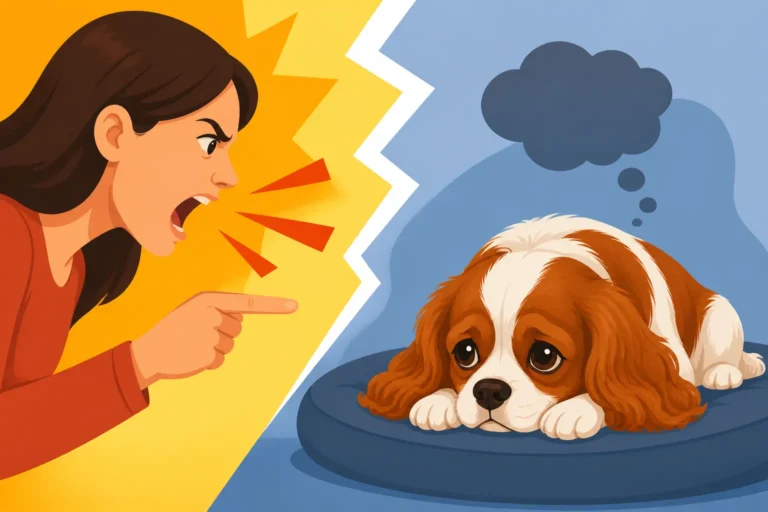
Furthermore, if training isn't consistent across all family members and visitors, your Cavalier will struggle to understand what's expected of them. Imagine trying to learn a new rule when half the people tell you one thing and the other half tell you the opposite! This confusion makes it much harder for your Cavalier to generalize the desired behavior. It’s also crucial to remember that Cavaliers are sensitive souls. Why Shouting Sets a Cavalier Back Weeks is a valuable read because harsh corrections can easily make them anxious or shut down, rather than truly learning. Positive, reward-based training is always the way to go with this breed.
Practical Strategies to Manage Jumping Behavior
Now that we understand why your Cavalier might be jumping, let's talk about how we can gently, effectively, and consistently teach them a more polite way to greet guests. It’s all about management, teaching, and getting everyone on board.
Proactive Management: Setting the Scene for Success
One of the most effective ways to curb jumping is to prevent it from happening in the first place, especially during the initial stages of training. This is where proactive management comes in. Before a guest even knocks, you can set up an environment where jumping isn't an option or is significantly less likely.
Consider using a sturdy baby gate to keep your Cavalier in a separate, comfortable area of the house when visitors first arrive. A secure pen, or even a crate your Cavalier loves, can also be a fantastic tool. If you use a crate, make sure it's a place they see as a safe den, not a punishment. For advice on setting this up, you might find Choosing a Crate a Cavalier Will Rest In helpful. Once the initial excitement of the guest's arrival has settled, you can slowly introduce your Cavalier, on a leash, for a calm greeting. This allows you to control the interaction and reward them for polite behavior.
Another simple yet highly effective management tool is a leash. Even if your Cavalier is typically well-behaved indoors, having them on a leash when guests enter gives you immediate control. You can gently guide them into a sit or prevent them from launching. Attach the leash to your belt or a piece of furniture (only if you can supervise closely and ensure it’s safe) for a "hands-free" option, allowing you to manage the door while still having your Cavalier tethered nearby. This prevents the opportunity for them to practice the jumping behavior, which is crucial for breaking the habit.
Teaching an Alternative, Desirable Behavior
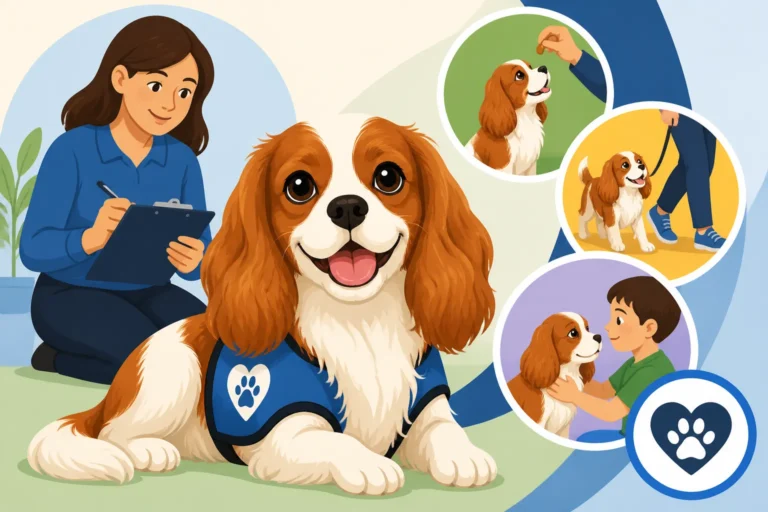
Instead of just telling your Cavalier "no" for jumping, we need to teach them what to do instead. The most common and polite alternative is to sit calmly with "four on the floor." This requires consistent, positive reinforcement training. Start practicing "sit" in a quiet environment, rewarding immediately with a high-value treat the moment their rear touches the ground. Once they reliably sit on cue, start practicing with distractions.
Here's a step-by-step approach:
- Practice "Sit" Religiously: Get your Cavalier to sit on command in various locations, with varying levels of distraction. Make it fun! Use Reward-Based Training With a Cavalier principles.
- Introduce a "Guest" (Family Member): Have a family member pretend to be a guest. As they approach, ask your Cavalier to sit. If they remain seated, the "guest" can calmly offer a treat or gentle praise. If they jump, the "guest" immediately turns their back and ignores them.
- The "If You Jump, I Leave" Game: This is powerful. If your Cavalier jumps, the person (whether you or a "guest") immediately turns their back, crosses their arms, and gives no eye contact or verbal attention. The moment all four paws are on the floor, turn back around, praise calmly, and offer a treat. This teaches them that jumping makes the desired attention disappear, while calmness brings it back.
- Reward "Four on the Floor": Actively look for moments when your Cavalier is greeting someone politely (even if it's just you coming home) and reward that calm behavior. This reinforces the positive actions.
For training treats, Cavaliers are often very food-motivated. You'll want to find Treats a Cavalier Will Trade Anything For to make this process super effective. Small, soft, and easy-to-chew treats are ideal. You can even find great options on Amazon or through pet supply stores. Remember, consistency in these Five-Minute Training Sessions With a Cavalier is key to building a strong foundation.
Enlisting Your Guests as Training Allies
Your Cavalier will only truly learn if everyone in their environment is on the same page. This means your guests need to be active participants in your training plan. This can feel awkward to explain at first, but most people are happy to help once they understand why it's important for your dog's manners and their own safety.
Here’s how to brief your guests:
- The "No Paws Up, No Attention" Rule: Ask your guests, before they even step inside, to completely ignore your Cavalier if they jump. This means no eye contact, no talking, no pushing, no petting. They should stand still, turn their back if necessary, and wait until your Cavalier's paws are on the ground.
- Reward Calmness: Once your Cavalier has settled down (four paws on the floor, maybe even a sit), then and only then, can your guest offer a calm greeting. This might involve a gentle pet under the chin (not over the head, which can be perceived as dominant), a soft voice, or even tossing a treat slightly away from them.
- Give Them the Treats: Have a small bowl of training treats ready by the door. Tell your guests, "If Winston sits politely, please give him one of these." This makes it easy for them to reinforce the correct behavior without having to ask you for a treat every time. Some online training programs, like those offered by BAXTER & Bella, even provide guidance on how to communicate these expectations effectively to guests.
It’s often helpful to explain this calmly and clearly before guests arrive or just as they're walking in. "Hey, Fluffy is working on her polite greetings, so if she jumps, please just ignore her until she has all four paws on the floor. Once she's calm, feel free to give her a little scratch under the chin!" This sets the expectation without making it seem like a big deal, and it ensures everyone is part of the solution.
Consistency and Patience: The Long Game of Training
Training a Cavalier to stop jumping isn't usually an overnight fix. It's a journey that requires consistency, understanding, and a whole lot of patience from everyone involved. But trust me, the reward of a calm, polite greeting is well worth the effort.
The Importance of Repetition and Generalization
Think of it like learning a new language. You wouldn't expect your Cavalier to be fluent after one lesson, would you? Similarly, they need many repetitions in various scenarios to truly grasp that "no jumping" applies to all visitors, in all situations. This process is called generalization. It’s not enough to just practice with one person coming through the front door. You'll need to practice with:
- Different People: Family members, friends, the mail carrier, the delivery person. Each new face is a new "test" for your Cavalier.
- Different Entry Points: Front door, back door, coming in from the yard.
- Varying Excitement Levels: Someone arriving quietly versus a boisterous group.
- Different Environments: Maybe even practicing polite greetings at a friend’s house (if they’re comfortable with your training methods).
The more diverse the practice, the stronger the learned behavior will become. Short, frequent training sessions are far more effective than long, infrequent ones. Even five minutes a day can make a huge difference. You might find that Building From Thirty Seconds With a Cavalier when it comes to attention training can translate well into these greeting practice sessions. Remember, every time your Cavalier successfully greets someone calmly, it reinforces the desired behavior.
Dealing with Setbacks and Frustration
There will be days when it feels like you've made zero progress. Your Cavalier, who has been greeting perfectly for a week, suddenly launches themselves at your neighbor like a furry projectile. This is normal! Setbacks are a natural part of any learning process, for both humans and dogs. Don't get discouraged, and most importantly, don't revert to old habits or harsh corrections.
When a setback occurs, simply go back to basics. Re-evaluate your management strategies. Was the leash on? Were guests properly briefed? Did someone accidentally reinforce the jumping? Gently guide your Cavalier back to the desired behavior, and ensure everyone involved redoubles their efforts for consistency. Remember, your Cavalier isn't trying to spite you; they're just dogs, learning in a human world. Your calm, consistent leadership is what they need most. If you feel like your Cavalier starts to bark and jump excessively because of the doorbell, you might also find insights in A Cavalier That Barks at the Doorbell.
Here's a quick table to help you keep track of do's and don'ts:
| Action | Do | Don't |
|---|---|---|
| When guest arrives | Tether or crate your Cavalier, or have them on a leash. | Allow free access to the door. |
| When Cavalier jumps | Have guests turn their back, ignore, no eye contact/talking. | Push them off, yell "no," make eye contact, or pet them. |
| When Cavalier is calm | Reward immediately with praise and a high-value treat. | Ignore calmness, or delay the reward. |
| Teaching alternative behavior | Practice "sit" and "stay" in varied environments. | Only teach "sit" once and expect it to work in high-distraction scenarios. |
| Guest involvement | Brief guests beforehand; provide treats for polite greetings. | Assume guests know what to do; let them reinforce jumping. |
| Overall approach | Be patient, consistent, and positive. | Get frustrated, yell, or give up. |
When to Seek Professional Help
Most cases of jumping can be managed with consistent, positive reinforcement training at home. However, there are times when seeking professional guidance from a certified dog trainer or behaviorist can be incredibly beneficial. If you find that despite your best efforts, the jumping is persistent, becoming more aggressive (though rare for Cavaliers), or if it’s accompanied by other concerning behaviors like excessive barking, fear, or anxiety around new people, it might be time for expert intervention.
A professional can help identify any underlying issues, such as anxiety or over-arousal, that might be contributing to the jumping. They can provide personalized strategies tailored to your Cavalier's specific temperament and your household's dynamics. Many trainers offer virtual consultations, which can be a great way to get expert advice from the comfort of your home. Companies like BAXTER & Bella, for instance, offer online training programs and coaching that can guide you through these challenges, and they often have product recommendations for training aids that you can find on Amazon. Don't hesitate to reach out if you're feeling overwhelmed; a good trainer can provide the support and expertise needed to get you and your Cavalier back on track.
Disclaimer
This article is for general informational purposes only and does not constitute professional advice. Laws, prices and regulations vary by location and change over time. Consult a qualified professional for guidance on your specific situation.