Treats a Cavalier Will Trade Anything For
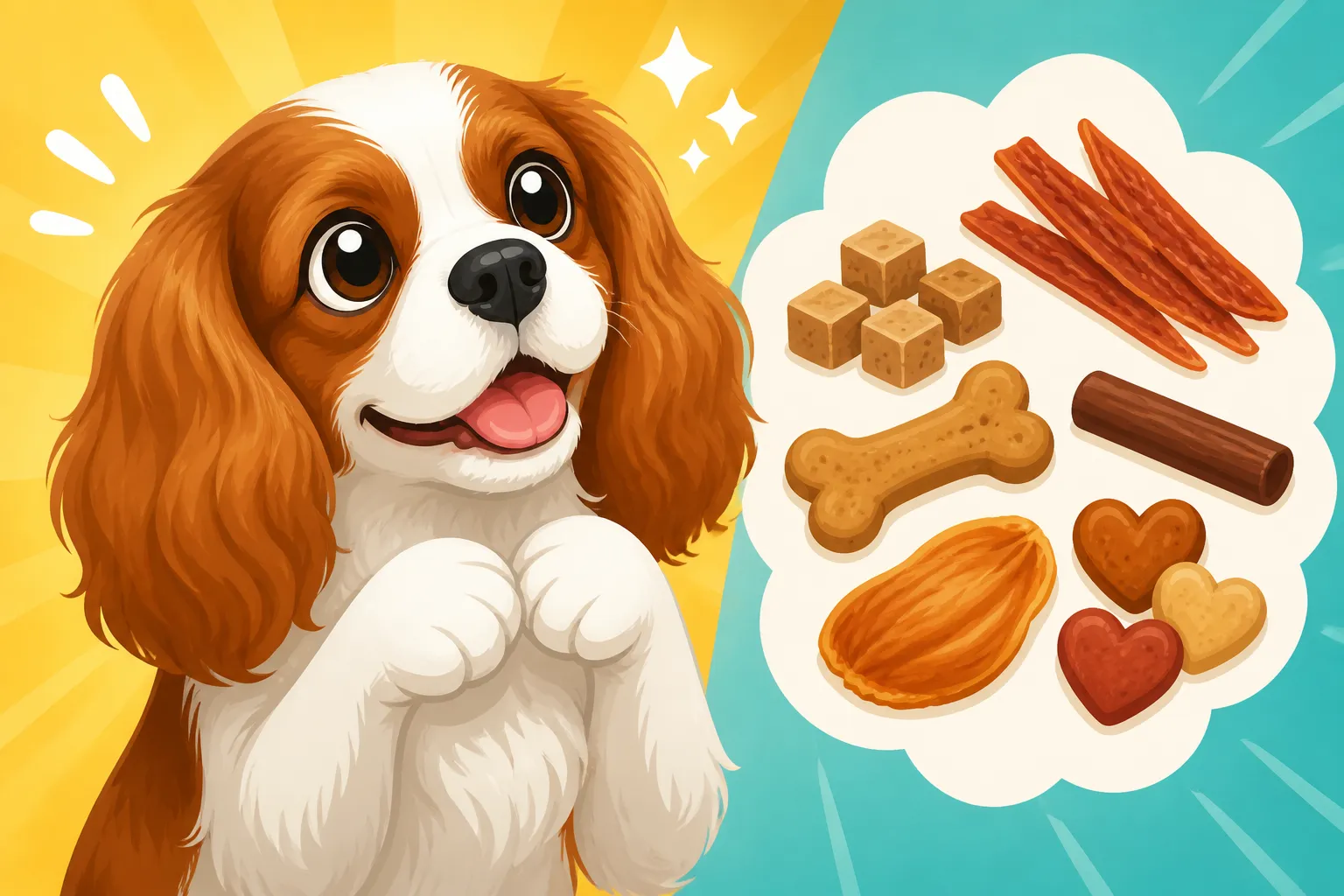
One of the most common frustrations for Cavalier King Charles Spaniel owners is trying to find that perfect treat – the one their beloved companion will do absolutely anything for, especially when you're trying to teach them something new or manage a challenging behavior. It can feel like a guessing game, cycling through bags of goodies only to be met with disinterest or, worse, a turned-up nose. This guide will help you decode your Cavalier's treat preferences, offering insights into what makes a treat truly high-value and how to use them effectively for training, health, and happiness.
Understanding the Cavalier's Motivation for Treats
Cavaliers are renowned for their sweet, eager-to-please nature, and this often extends to their relationship with food. However, "eager-to-please" doesn't always translate to "will eat anything." Understanding what truly motivates your Cavalier, beyond just basic hunger, is key to finding those magical treats.
The Cavalier's Drive: Affection and Food
Cavaliers are deeply connected to their humans; they are truly "Velcro dogs" who thrive on companionship and positive interaction. This intrinsic desire to be near you and make you happy plays a huge role in their motivation. For many Cavaliers, a treat isn't just about the taste; it's an extension of that positive interaction, a little edible hug that says, "Good job, my sweet friend!" This means that your delivery – your tone of voice, your smile, the gentle way you offer the treat – is almost as important as the treat itself. They're not just working for the snack; they're working for your approval and the pleasant experience surrounding it. This emotional connection can amplify the value of even a moderately appealing treat.
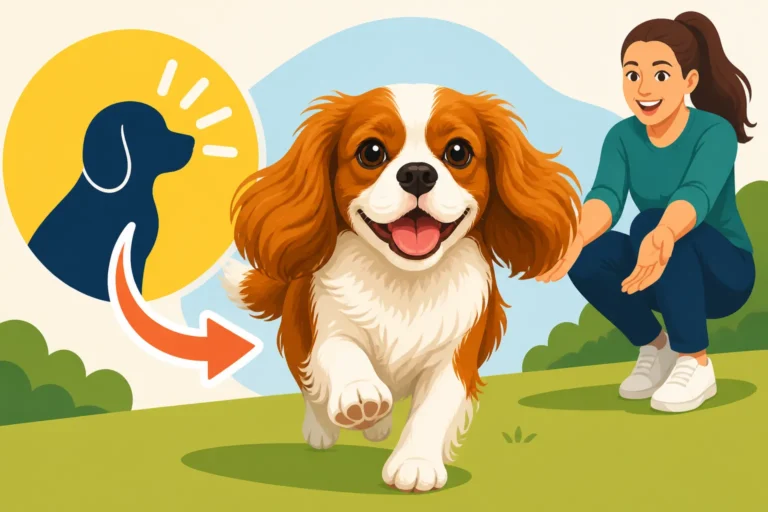
However, let's be realistic: while affection goes a long way, some tasks or environments demand a stronger pull. When you're trying to teach a Cavalier to Recall and Its Limits in a distracting park full of squirrels, or Training a Cavalier Around Food Distraction at a busy café, a simple dry biscuit might not cut it. This is where truly high-value treats come into play. They act as a powerful motivator, a tangible reward that helps them overcome distractions and associate challenging situations with something incredibly positive. Think of it as escalating your reward currency for escalating demands.
Why Some Treats Fall Flat
It's a common scenario: you buy a fancy bag of treats, convinced your Cavalier will adore them, only for them to sniff it and walk away. Why does this happen? Several factors can contribute to a treat "falling flat." Cavaliers, like people, have individual preferences. What one Cavalier goes wild for, another might ignore. Texture is a big one; some prefer soft and chewy, while others might like a crunch. The size of the treat also matters. A large, hard biscuit that takes a long time to chew might be less appealing during a rapid-fire training session where you need quick rewards.
Moreover, the context in which a treat is offered is crucial. If your Cavalier is anxious or overstimulated, they might not take any food at all, even their favorites. A treat offered when they're not feeling well, or right after a big meal, will naturally have less appeal. Sometimes, it's simply a matter of saturation. If you always use the same type of treat, its novelty can wear off, and its perceived value diminishes over time. This is why variety can be so important, not just for interest but for maintaining that "wow" factor that keeps them engaged and eager to learn. Whether a Cavalier Works Better for Toys or Food can also be a consideration; for some, a favorite squeaky toy might be just as, if not more, rewarding than a treat, depending on the situation.
High-Value Training Treats for Your Cavalier
When it comes to training, you need treats that are irresistible, easy to consume quickly, and ideally, not too messy. These are your "jackpot" rewards, reserved for new behaviors, difficult commands, or particularly challenging environments.
Single-Ingredient Meat Treats
Nothing quite gets a Cavalier's attention like real meat. Think about it: that rich, savory smell and taste are often far more enticing than processed kibble or standard biscuits. Small pieces of cooked chicken breast, lean beef, or even liver can be incredibly effective. The beauty of single-ingredient options is that you know exactly what your dog is eating, which is great for managing sensitivities or keeping track of their diet. You can buy these pre-made, often freeze-dried, or prepare them yourself.
When preparing at home, boil or bake boneless, skinless chicken or lean beef until thoroughly cooked, then cut it into tiny, pea-sized pieces. Remember, Cavaliers are small dogs, and even a pea-sized piece can feel like a significant reward to them. Treats That Fit a Cavalier's Small Ration are essential to avoid overfeeding, especially during intensive training sessions. These types of treats are fantastic for early puppy training or when you're working on something complex like overcoming separation anxiety, where the reward needs to be incredibly motivating. Many owners find great quality, single-ingredient treats on Amazon, often in bulk, which can be cost-effective in the long run.
Soft, Chewy, and Easily Divided Options
Beyond just the ingredient, the texture and divisibility of a treat are critical for effective training. Soft, chewy treats are superior because they can be swallowed quickly, meaning less chewing time and more focus on the next command. This rapid reward system helps your Cavalier make a clear connection between their action and the positive reinforcement. Harder, crunchier treats slow down the training process and can sometimes be a choking hazard if gulped down too fast.
Furthermore, being able to easily break a treat into even smaller pieces is a game-changer. You might want to give many small rewards for multiple correct repetitions, rather than one large treat. This keeps the calorie count down while maximizing the reward frequency. Think about commercial training treats that are specifically designed to be soft and easy to snap or crumble. Some popular brands offer small, moist morsels perfect for this. Companies like BAXTER & Bella, which often focus on comprehensive training programs, usually recommend high-value, easily digestible treats to support their positive reinforcement methods. These might include small pieces of string cheese, hot dogs, or commercially prepared soft training bites. The goal is to make the reward swift and seamless, keeping the energy and focus high during your training sessions.
Everyday Healthy Treat Options for Cavaliers
While high-value treats are vital for training, your Cavalier also deserves healthy, delicious snacks for everyday enjoyment that won't pack on the pounds or introduce unnecessary ingredients.
Fruits and Vegetables as Wholesome Rewards
Many fruits and vegetables are not only safe but also highly beneficial for Cavaliers, offering vitamins, minerals, and fiber without a lot of calories. These make excellent everyday treats and can even be used as lower-value rewards for behaviors your dog already knows well. Think of them as the healthy equivalent of a gold star. Small pieces of apple (without seeds), banana, blueberries, green beans, carrots, or cucumber are often big hits.
Always introduce new fruits and veggies slowly and in small quantities to ensure they don't upset your Cavalier's stomach. It's also crucial to know which human foods are dangerous for dogs. For instance, grapes, raisins, onions, and avocado should never be given. A quick online search or a chat with your vet can provide a comprehensive list of safe and unsafe foods. Offering a few green beans as a snack is a fantastic way to satisfy their craving for a treat without adding many calories, which is especially important for Why an Overweight Cavalier Fails Faster and maintaining their ideal weight.
Dental Chews and Long-Lasting Delights
Dental health is paramount for Cavaliers, given their crowded jaws, which are prone to dental disease. Incorporating dental chews into their routine can be a proactive step in maintaining oral hygiene, in addition to regular brushing. Look for dental chews specifically designed for small breeds, with textures that help scrape away plaque and tartar. Always supervise your Cavalier when they are enjoying a dental chew to prevent choking.
Beyond dental benefits, long-lasting chews can provide mental enrichment and help satisfy your Cavalier's natural urge to chew, especially if they are a younger dog or prone to anxiety. Options like bully sticks (ensure they are digestible and appropriate for size), natural antlers (again, size-appropriate and not too hard to avoid tooth damage), or specific enrichment toys filled with a safe paste can keep them occupied and content for a significant period. These aren't typically for quick training rewards, but rather for quiet time, crate training, or simply for an enjoyable pastime. Just remember to account for the calories these longer-lasting treats contribute to their daily intake.
Navigating Treats for Cavaliers with Health Concerns
Cavaliers are unfortunately predisposed to certain health issues, particularly heart disease and a tendency to gain weight. This means that choosing treats often requires a more thoughtful approach to support their overall health.
Low-Calorie Choices for Weight Management
Weight gain is a significant concern for many Cavaliers, and it can exacerbate health conditions, especially heart disease. An extra pound or two on a small dog like a Cavalier is equivalent to a much larger amount on a human and puts undue strain on their organs. Therefore, low-calorie treats are not just a nice-to-have; they are often a necessity. This means being vigilant about portion sizes and opting for nutrient-dense, low-energy snacks.
Instead of traditional biscuits, lean towards those fresh vegetable options we discussed earlier – carrots, green beans, cucumber slices, or even small pieces of bell pepper. These offer crunch and flavor without the caloric load. If you're using commercial treats, seek out those specifically marketed as "light" or "low-calorie" and always check the nutritional information. Even tiny training treats add up, so be mindful of how many you're giving throughout the day. For Cavaliers on a strict weight management plan, sometimes their daily kibble ration can even be used as treats, especially if it's a food they enjoy. Low-Calorie Treats for a Cavalier That Gains Easily is an absolute must-read for any Cavalier owner concerned about their dog's waistline.
Low-Sodium Treats for Cardiac Health
One of the most prevalent and serious health concerns for Cavaliers is Mitral Valve Disease (MVD), a progressive heart condition. As MVD advances, particularly once a Cavalier starts to show signs of heart enlargement, managing sodium intake becomes critically important. High sodium levels can contribute to fluid retention, which puts extra strain on an already struggling heart. For this reason, selecting low-sodium treats is vital for Cavaliers diagnosed with heart disease. Salt Levels a Cavalier Heart Patient Should Avoid goes into more detail, but the key takeaway is that many commercial treats, even those that seem healthy, can be surprisingly high in sodium.
When your Cavalier's heart begins to enlarge, your vet might recommend specific prescription cardiac diets, which are strictly controlled for sodium. In such cases, treats become even more challenging. You'll need to scrutinize ingredient labels for salt content. Plain, cooked chicken or lean beef, unseasoned and in very small quantities, can be a safe bet. Small bits of unsalted rice cakes or certain bland vegetables might also be suitable. If your dog is on heart medication, ensuring treats don't interfere with their appetite for meals, which are often fortified, is also important. Medication for a Cavalier With Heart Disease is something to be acutely aware of, and your treat choices should always complement their veterinary care plan. Always consult with your veterinarian or a veterinary nutritionist to ensure any treat choices are safe and appropriate for your Cavalier's specific cardiac condition.
The Role of Novelty and Variety in Cavalier Treats
Just like us, dogs can get bored with the same old thing day in and day out. Introducing novelty and variety into their treat repertoire isn't just about keeping things interesting; it can actually enhance their motivation and engagement.
Keeping Things Exciting for Engagement
Imagine eating the same snack every single day for years – it would get pretty dull, right? The same applies to our canine companions. When a treat is new or offered less frequently, its perceived value often goes up. This "novelty factor" can be a powerful tool in training, especially when you're working on something particularly challenging or trying to regain their focus. If your Cavalier starts to lose interest in their usual training treats, cycling in something they haven't had in a while, or something entirely new, can instantly pique their curiosity and re-engage them.
This doesn't mean you need to buy a different bag of treats every week. Instead, have a few different types of high-value treats on hand and rotate them. Perhaps one week you use small pieces of cheese, the next week cooked chicken, and the week after a special commercial training treat. This keeps them guessing and excited about what delightful surprise might come next. It also prevents them from becoming desensitized to any one specific reward, maintaining its potency for when you really need it. This strategy is especially useful for Training a Cavalier With Praise Rather Than Pressure, as it keeps the reinforcement varied and positive.
Rotating Treats to Maintain Interest
Strategic rotation of treats is more effective than simply tossing a new type of treat their way randomly. Consider categorizing your treats into "everyday," "medium-value," and "high-value." Your everyday treats might be healthy vegetable pieces or low-calorie commercial bites. Your medium-value treats could be their regular dry kibble (if they love it) or a slightly tastier biscuit. And your high-value treats are those irresistible, soft, meaty morsels reserved for special occasions or tough training.
By rotating which high-value treats you use, and varying them based on the difficulty of the task, you prevent any single treat from losing its "oomph." For example, if your Cavalier is struggling with A Cavalier That Refuses Stairs due to pain or fear, you might bring out their absolute favorite, rarely-given treat to create a super positive association with overcoming that challenge. Once the behavior is solid, you can scale back to a medium-value treat. This systematic approach ensures that your Cavalier remains excited about treats and that you always have a secret weapon in your training arsenal. Many owners find it helpful to look for treat variety packs online, or even subscribe to services that deliver different kinds of treats monthly to help with this rotation. Amazon offers a vast array of options for this purpose.
DIY and Budget-Friendly Cavalier Treat Ideas
Commercial treats can quickly add up, especially if you're dedicated to positive reinforcement training. Making your own treats or utilizing safe kitchen scraps can be a fantastic way to save money and control ingredients.
Homemade Treats You Can Bake
Baking treats for your Cavalier can be a fun and rewarding experience. You have complete control over the ingredients, allowing you to avoid artificial preservatives, colors, and unwanted fillers. This is particularly beneficial if your Cavalier has allergies or sensitivities. Simple recipes often involve whole wheat flour (or oat flour for gluten-sensitive dogs), eggs, and a flavorful base like unsweetened applesauce, mashed pumpkin, or peanut butter (ensure it's xylitol-free!). You can even add shredded carrots or zucchini for extra nutrients.
Imagine whipping up a batch of small, heart-shaped cookies that your Cavalier adores, knowing every single ingredient is healthy and safe. Once baked, these can often be stored in an airtight container for several days or frozen for longer-term use, providing a ready supply of economical and beloved treats. There are countless dog treat recipes available online, from simple pumpkin and oat bites to more elaborate "pup-cakes." This is also a great way to ensure that Whether Diet Slows a Cavalier's Heart Disease is supported by low-sodium, healthy ingredients in their treats.
Simple Kitchen Scraps (Safe Ones!)
Our kitchens often hold a treasure trove of potential treats that might otherwise go to waste. Before you share, however, it's absolutely critical to ensure that any human food you offer is safe for dogs. As mentioned, things like onions, garlic, grapes, raisins, chocolate, and artificial sweeteners like xylitol are highly toxic and must be avoided. But many other common kitchen items can be wonderful, safe treats.
Consider the ends of bananas, small pieces of cooked chicken or turkey breast (unseasoned), cooked sweet potato, or plain cooked rice. Even the water leftover from boiling chicken can be cooled and offered as a flavorful, hydrating "broth" or frozen into "pup-sicles" for a refreshing treat. The core of an apple (without seeds!) can be given as a fun crunch. Always ensure any cooked meats or vegetables are plain, without salt, butter, or spices. A small amount of plain, unsweetened yogurt (no xylitol!) can also be a delightful and probiotic-rich treat. These scraps are not only budget-friendly but also offer a healthy alternative to many processed commercial options, allowing you to provide varied and exciting rewards without breaking the bank.
Here's a quick guide to some safe and unsafe kitchen items:
| Category | Safe for Cavaliers (in moderation) | Unsafe for Cavaliers (avoid completely) |
|---|---|---|
| Fruits | Apples (no seeds), Bananas, Blueberries, Raspberries | Grapes, Raisins, Avocado, Cherries, Citrus (large amounts) |
| Vegetables | Carrots, Green Beans, Cucumber, Cooked Sweet Potato | Onions, Garlic, Leeks, Chives, Mushrooms (wild) |
| Meats/Dairy | Cooked Chicken/Turkey (plain), Lean Beef (plain), Plain Yogurt, Cottage Cheese | Processed Meats (high sodium), Fatty Meats, Milk (large amounts, lactose intolerance) |
| Grains/Other | Plain Cooked Rice, Oats, Unsalted Rice Cakes | Chocolate, Xylitol (sweetener), Macadamia Nuts, Alcohol, Coffee |
This article is for general informational purposes only and does not constitute professional advice. Laws, prices and regulations vary by location and change over time. Consult a qualified professional for guidance on your specific situation.