Long Line Practice for a Cavalier
One of the biggest worries for any Cavalier parent is the thought of their beloved companion bolting the moment they're off-leash. It’s a terrifying scenario, especially when you know their affectionate nature often comes with a surprising lack of street smarts. This guide is all about bridging that gap safely, exploring how long line practice can give your Cavalier the freedom to explore while giving you the peace of mind that they'll always come back to you.
Why a Long Line Is Essential for Cavalier Safety
Cavalier King Charles Spaniels are wonderful dogs, full of charm and a desire to please, but let's be honest: their recall isn't always bulletproof, especially when there are exciting scents or movement in the environment. The world is full of distractions that can easily override even the best training intentions, and a tiny Cavalier can quickly find themselves in a dangerous situation if they dash off. This isn't a failing on your part, it's just the reality of their breed traits and curious nature.
Understanding the Cavalier's Instincts
Despite their reputation as gentle lapdogs, Cavaliers are still spaniels at heart. This means they possess a natural hunting instinct, a drive to follow interesting smells, and a keen eye for anything that moves, whether it's a bird fluttering past or a squirrel scampering up a tree. You might have seen this play out in your own backyard, watching them meticulously sniff out every blade of grass, or perhaps you've experienced the sudden surge of energy when they spot a critter. These instincts, while endearing, are exactly what can lead them astray when off-leash. We love them for their spirited personalities, but it also means we have to be extra vigilant. Trying to get their attention when they're locked onto a scent can feel like talking to a brick wall, which is why a long line becomes such a valuable tool.
Moreover, Cavaliers often have a sweet, friendly disposition that can make them seem oblivious to potential dangers. They might run up to a stranger or another dog, completely unaware of traffic or other environmental hazards. This isn't aggression; it's simply their trusting, open nature, but it can put them at significant risk. A long line allows you to manage these interactions and teach them appropriate boundaries in a controlled setting, preventing those heart-stopping moments where they might put themselves in harm's way. It's about giving them supervised freedom, rather than risking their safety by letting them wander unconstrained. The Bird Chase a Cavalier Cannot Resist is a classic example of this instinct taking over.
Bridging the Gap to Reliable Recall
The dream for many Cavalier owners is to enjoy stress-free off-leash walks in safe environments. However, getting to that point requires consistent, careful training. A long line serves as an invaluable interim step, allowing you to practice and reinforce your recall commands in a way that regular leash training simply can't replicate. It provides a crucial safety net, giving your Cavalier the sensation of freedom while ensuring you maintain control. Imagine being able to let your Cavalier roam and sniff without the constant fear they'll ignore your call and disappear. That's the power of a long line.
Without a long line, practicing recall effectively often means confining your dog to a tiny, fenced area, or repeatedly putting them in situations where they might fail, which can actually make their recall worse. With a long line, you can simulate off-leash scenarios in a larger space, gradually building up their confidence and responsiveness to your voice. This controlled exposure helps them learn that coming back to you is always rewarding, even when distractions are present. It's a progressive step that respects their need to explore while prioritizing their safety and your peace of mind. Without it, you might feel like you're constantly fighting against their natural desires. Cavalier Recall and Its Limits are often discovered too late without this tool.
Choosing the Right Long Line for Your Cavalier
Selecting the appropriate long line is crucial for both your comfort and your Cavalier's safety. It's not just about length; material, width, and even the type of clip can make a big difference in how effective and enjoyable your training sessions are. A poorly chosen line can become a tangled mess or even cause injury, so taking a moment to consider the options is well worth it.
Length and Material Considerations
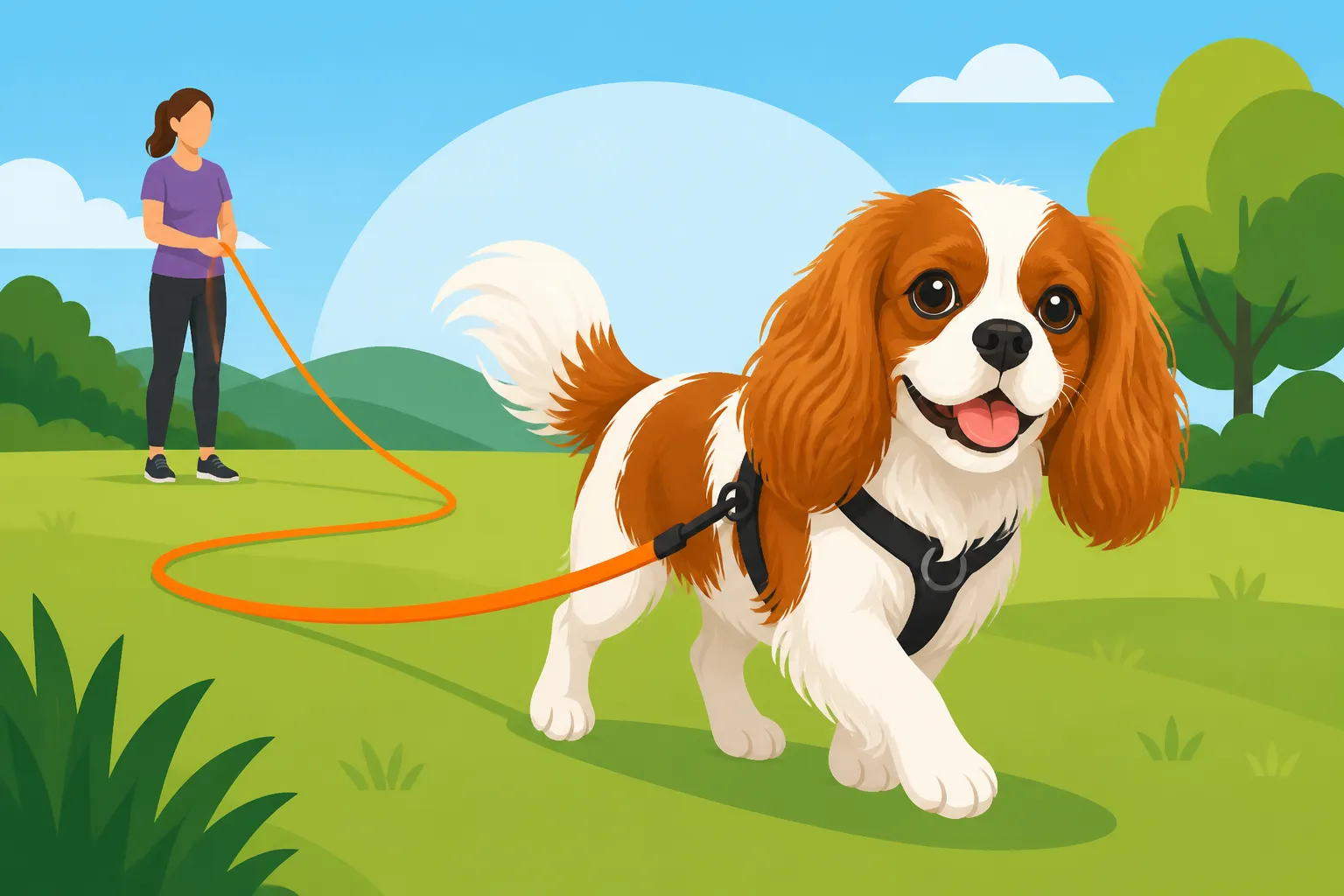
For a Cavalier, a long line typically ranges from 15 to 30 feet in length. Anything shorter might not provide enough "freedom" to truly simulate off-leash situations, while anything much longer can become unwieldy and more prone to tangles, especially in denser environments. Start with a shorter length, say 15-20 feet, to get a feel for handling it, and then gradually increase if you find your training benefits from more distance.
When it comes to material, biothane and nylon are popular choices. Biothane is excellent because it’s waterproof, easy to clean (a quick wipe usually does the trick), doesn't absorb odors, and maintains its flexibility even in cold weather. This is a huge plus if you train in varied conditions or if your Cavalier loves to explore muddy puddles. Nylon lines are generally softer on the hands, more affordable, and widely available, often found on platforms like Amazon. However, they can absorb water, get dirty easily, and potentially cause rope burn if pulled quickly through your hands. For a small dog like a Cavalier, a lighter, narrower line (around 3/8-inch to 1/2-inch wide) is usually sufficient, as a heavy line can drag and be uncomfortable for them.
Secure Attachments and Handling Comfort
The clip on your long line should be sturdy but lightweight enough not to bother your Cavalier. A standard snap hook is common, but some trainers prefer a swivel clip to prevent tangles. Always attach the long line to a well-fitting harness, never directly to a collar. Attaching it to a collar, especially if your Cavalier suddenly bolts, could cause serious neck injury, including tracheal damage or exacerbating conditions like Syringomyelia. A front-clip harness can provide additional steering control, gently redirecting your Cavalier's attention back to you if they try to pull ahead. Harnesses Suited to a Cavalier's Neck are a much safer option.
| Feature | Biothane Long Line | Nylon Long Line |
|---|---|---|
| Material | PVC-coated webbing | Woven nylon |
| Durability | Very high, resistant to wear and weather | Good, but can fray over time |
| Water Resistance | Excellent, waterproof | Absorbs water, can become heavy and dirty |
| Cleanliness | Wipes clean easily, doesn't absorb odors | Can absorb dirt and odors, harder to clean |
| Feel in Hand | Smooth, can be slippery if wet; firm | Softer, more pliable; can cause friction burn |
| Weight | Can be slightly heavier than nylon of similar size | Generally lighter when dry |
| Visibility | Often comes in bright colors | Wide range of colors |
| Cost | Typically more expensive | Generally more affordable |
| Ideal For | Muddy, wet conditions; frequent use | Dry conditions; occasional use; budget-friendly |
Finally, consider the handle. Some long lines come with a loop handle, which can be convenient for holding, but it's important to never loop it around your wrist or hand. If your Cavalier suddenly sprints, you could be pulled off your feet or suffer an injury. It's safer to either hold the end of the line firmly in your hand or simply let the end trail behind you, allowing you to grab the line itself at any point for control. You want to be able to drop the line quickly if necessary to prevent injury to yourself or your dog.
Introducing Your Cavalier to Long Line Training
Starting long line training requires a gentle approach, especially for a sensitive breed like the Cavalier. The goal isn't to overwhelm them but to gradually acclimate them to the feeling of the line and the concept of extended freedom under supervision. Patience and positive reinforcement are your best friends here. Rushing this stage can make your Cavalier associate the long line with discomfort or frustration, making future training much harder.
First Steps: Acclimation and Familiarization
Begin by simply letting your Cavalier wear their harness and a regular leash for short periods around the house or yard. Once they're comfortable with that, attach the long line to the harness, but let it drag on the ground behind them. Supervise them closely during this step to ensure they don't get tangled or chew on the line. The idea is for them to get used to the weight and feel of the line trailing without any pressure from you. Do this in a safe, enclosed area where there are no hazards for them to get caught on.
As they become accustomed to the line, pick it up and hold it loosely as you walk around the yard together. Don't apply tension or use it to guide them yet. Just let them explore while you get a feel for handling the length of the line. Keep these initial sessions short, positive, and full of praise and Treats a Cavalier Will Trade Anything For. The aim is to create a positive association with the long line, making it feel like a natural extension of their freedom rather than a restriction. Many trainers, like those at BAXTER & Bella, emphasize making new experiences enjoyable to build confidence.
Choosing the Right Environment for Practice
The environment you choose for long line practice is paramount. Start in a very low-distraction, secure area. A large, fenced yard is ideal. If you don't have access to one, a quiet park at an off-peak time, or even a large, empty field, can work, but ensure there are no immediate dangers like roads or unknown dogs. The goal is to minimize external factors that could pull your Cavalier's attention away from you and the training.
As your Cavalier progresses, you can gradually introduce more distractions, but always ensure the environment remains safe and controlled. The key is to set them up for success, not to challenge them with overwhelming stimuli too early. Remember, Socializing a Cavalier Puppy Gently extends to introducing new training tools and environments as well. If your Cavalier is easily startled or anxious, choosing a truly calm space is even more critical.
Practical Long Line Exercises for Recall and Control
Once your Cavalier is comfortable with the long line, it's time to put it to use with specific exercises designed to build a rock-solid recall and improve their general responsiveness. Consistency and positive reinforcement are the keys here. Every interaction with the long line should reinforce that coming to you is the best decision they can make.
The "Check-In" Game
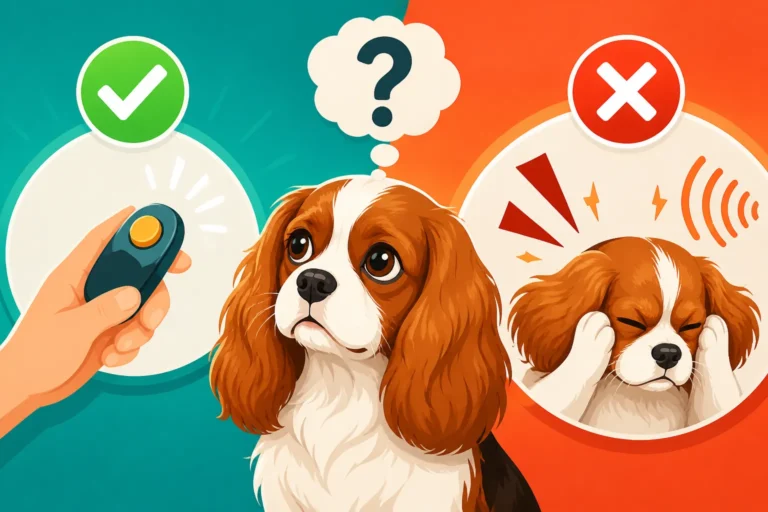
This exercise is fantastic for teaching your Cavalier to voluntarily pay attention to you, even when exploring. Let your Cavalier wander to the end of the long line, sniffing and exploring. As they move away, don't say anything or pull the line. Instead, periodically make a happy sound or say their name in an upbeat tone. The moment they look at you, mark it with a "Yes!" or a clicker, and immediately reward them with a high-value treat as they approach. If they don't immediately turn, you can give a gentle tug on the long line as you say their name to get their attention, but release the tension the moment they respond.
The goal is to teach them that checking in with you is intrinsically rewarding. You're not asking them to come all the way back every time, just to acknowledge you. Over time, this builds a habit of awareness. You want your Cavalier to choose to look at you, rather than feeling forced. Think of it as building a constant, low-level connection, even when they're enjoying their independence. Rewarding a Cavalier for Checking In makes them more likely to do it again.
Mastering the Formal Recall
This is where the long line truly shines for recall training. Start in your low-distraction environment. Let your Cavalier explore, keeping the long line loose but ready. When you decide to call them, use your chosen recall word (e.g., "Come!") in a clear, happy voice. As you say it, turn and jog backward, making yourself exciting and inviting. This movement often triggers a chase response, encouraging them to run toward you.
If your Cavalier doesn't respond immediately, gently gather the slack in the long line while continuing to call them and jog backward. The line acts as a physical reminder without you having to yank them. The moment they start moving toward you, praise them enthusiastically! When they reach you, lavish them with their absolute favorite treats and praise. Make coming back to you the most amazing thing that could possibly happen. Repeat this many times in short, successful bursts. Remember, The Emergency Word That Stops a Cavalier needs to be practiced frequently to remain effective.
Adding Distractions and Generalization
Once your Cavalier has a solid recall in a low-distraction environment, you can gradually introduce more challenging elements. This is where patience truly comes into play. Start with minor distractions, like a toy bouncing nearby, another person walking at a distance, or the sound of children playing far away. Keep your long line attached and stay vigilant. If you see your Cavalier starting to get too engrossed in a distraction, call them back before they're fully committed to it.
The key is to set them up for success. Don't throw them into a dog park full of squirrels and expect perfection right away. Gradually increase the level of distraction, always ready to use the long line as your safety net. Practice in different locations to help your Cavalier generalize their recall skills. A quiet open field is different from a busy trail, and they need to learn to respond reliably in various scenarios. This also helps them understand that "Come!" means "Come!" no matter where you are. Keeping a Cavalier Focused in a Short Session is important, especially when introducing new challenges.
Troubleshooting Common Long Line Challenges
Even with the best intentions, you might run into a few bumps in the road during long line training. These challenges are normal, and understanding how to address them can save you a lot of frustration and keep your Cavalier on track. It's all part of the learning process for both of you.
Tangles and Snags
One of the most common issues with long lines is tangling, both around your Cavalier's legs and around environmental obstacles. To minimize tangles:
- Keep the line moving: Avoid letting too much slack gather on the ground. Keep a slight tension (not pulling, just enough to manage the line) as your dog moves.
- Be aware of your surroundings: Scan the area for bushes, trees, or benches that the line could get caught on.
- Practice hand management: Learn to coil and uncoil the line smoothly. This takes practice, but it becomes second nature. If your line is very long, a dedicated line holder or a simple reel can help.
- Choose the right material: As mentioned earlier, biothane tends to tangle less than nylon because it's stiffer and doesn't knot as easily. You can find a good selection of materials and lengths on Amazon.
If your Cavalier gets tangled, don't panic. Calmly approach them and untangle the line. Avoid showing frustration, as this can create a negative association with the long line. Always prioritize their safety, especially their legs and neck.
Cavalier Pulling and Ignoring Commands
It's common for Cavaliers, especially in exciting new environments, to pull on the long line or seem to "forget" their recall. This isn't usually defiance; it's often over-excitement or the strong pull of those spaniel instincts we discussed earlier.
- Re-evaluate your environment: If your Cavalier is constantly pulling or ignoring you, the environment might be too distracting. Go back to a less stimulating area.
- Reinforce with high value treats: Are you using treats that are truly irresistible to your Cavalier? For some, kibble is fine, but for others, it takes boiled chicken or cheese to get their full attention. Treats a Cavalier Will Trade Anything For will make a huge difference.
- Change your approach: Instead of just calling "Come!", make yourself exciting. Jog backward, crouch down, clap your hands, or use an excited tone of voice. Become the most interesting thing in the park!
- Gentle redirection: If your Cavalier is pulling, stop moving. Wait for the tension to ease slightly, or for them to look back at you, then release and continue. This teaches them that pulling gets them nowhere. For a consistent pulling problem, consider seeking advice from a professional trainer. Platforms like BAXTER & Bella offer virtual training resources that can help with specific pulling challenges.
Remember, every time your Cavalier successfully responds to your recall, you're building a stronger foundation. Every time they ignore you without consequence, you're weakening it. The long line allows you to prevent those ignored commands from becoming ingrained.
Negative Associations with the Long Line
Sometimes, a Cavalier might start to dislike the long line, perhaps because it's been used too harshly, or they've had a bad experience (like getting badly tangled). Signs might include cowering, refusing to move, or trying to chew the line excessively.
- Re-introduce positively: If this happens, take a step back. Go back to simply letting the long line drag without you holding it, and only in a familiar, safe space. Pair it with highly positive experiences like meal times or favorite games.
- Review your technique: Are you being too heavy-handed? Is the line causing discomfort by snagging or pulling harshly? Ensure you're using gentle, encouraging movements, and always rewarding good behavior. Training a Cavalier With Praise Rather Than Pressure is paramount. Cavaliers thrive on positive reinforcement, and harsh corrections can easily shut them down.
- Check equipment: Is the harness comfortable? Is the long line too heavy or cumbersome for your Cavalier's small size? Sometimes a different material or weight can make all the difference.
The key is to regain your Cavalier's trust and make the long line a neutral, or even positive, part of their outdoor adventures again. Short, successful, and fun sessions are far more effective than long, frustrating ones.
Transitioning from Long Line to Off-Leash Freedom
The long line is a tool, not a permanent solution. The ultimate goal for many Cavalier owners is to safely transition their dog to off-leash freedom in appropriate environments. This transition should be gradual, deliberate, and always with your Cavalier's safety as the top priority.
Recognizing Readiness for Off-Leash
How do you know when your Cavalier is ready for their first taste of true off-leash freedom? Look for these indicators:
- Consistent, immediate recall: Your Cavalier consistently responds to your "Come!" command, even with moderate distractions, while on the long line.
- Regular check-ins: They frequently look back at you or come close spontaneously during long line practice.
- Good impulse control: They show an ability to disengage from distractions (like interesting smells or distant movement) when you call them.
- Strong bond and focus on you: Your Cavalier clearly enjoys interacting with you and sees you as a source of fun and rewards, even outdoors.
If you're still working on these behaviors, continue with the long line. Don't rush it. Rushing this stage can lead to setbacks that are hard to overcome. It's far better to have a perfectly reliable long-line recall than a hit-or-miss off-leash attempt. Many owners worry about Whether a Cavalier Can Ever Be Off Leash, but with dedicated training, it is possible for some.
Starting with "Fenced Freedom"
Your very first off-leash experiences should ideally be in a securely fenced area that you have personally checked for escape routes. A private dog park rental, a friend's yard, or a dedicated enclosed field are perfect. This provides a true taste of freedom without the risks of traffic or unknown dogs. Even in a fenced area, keep the sessions short and supervised.
Continue to practice your recall here, just as you would with the long line. Call them frequently, reward lavishly, and make yourself incredibly exciting. Don't just let them off to ignore you. Actively engage them. Gradually increase the duration of these sessions. The goal is for them to experience the joy of being off-leash while still maintaining their connection and responsiveness to you.
Gradual Exposure in Safe, Open Spaces
Once your Cavalier has proven themselves reliable in securely fenced areas, you can very cautiously introduce them to open, low-traffic areas, like a quiet hiking trail or a secluded beach during off-peak hours. Always choose environments where you have excellent visibility, minimal distractions, and can react quickly if needed. Keep your eyes peeled for potential hazards, and be prepared to put your Cavalier back on the long line or leash if the environment becomes too stimulating or risky.
Start with very short bursts of off-leash time. Let them off for a minute, call them back, reward, and then put the long line back on for a short while before trying again. Build up the duration slowly. Always carry high-value treats and be ready to reward every successful recall. Remember, Why a Cavalier Has No Traffic Sense means even a quiet road can be a serious danger, so never risk an area with vehicle access. Over time, with consistent positive reinforcement and careful management, you and your Cavalier can enjoy the true joys of safe, responsible off-leash adventures together.
Disclaimer
This article is for general informational purposes only and does not constitute professional advice. Laws, prices and regulations vary by location and change over time. Consult a qualified professional for guidance on your specific situation.