The Emergency Word That Stops a Cavalier
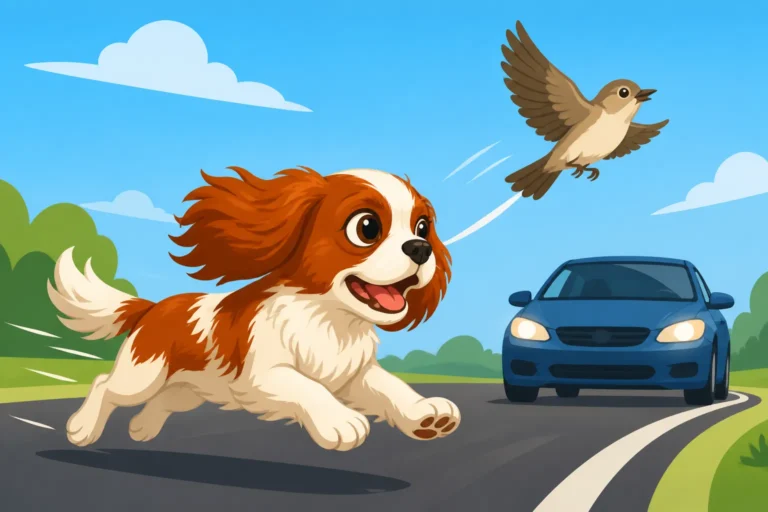
It's every Cavalier owner's worst nightmare: your beloved companion, usually so glued to your side, suddenly spots a squirrel, a friendly face, or an intriguing scent, and takes off, seemingly oblivious to traffic or your desperate calls. The heart-stopping moment when your Cavalier ignores your pleas and sprints into a potentially dangerous situation is a terrifying experience, and it's precisely why mastering a truly reliable emergency stop word is absolutely non-negotiable for their safety and your peace of mind. This guide will walk you through building that essential skill, transforming fear into confidence.
Understanding the Cavalier's Instincts and Why a Stop Word is Crucial
Cavalier King Charles Spaniels are renowned for their affectionate, eager-to-please nature. They are often described as "velcro dogs" because of how much they adore being close to their humans. However, beneath that sweet, cuddly exterior lies a breed with historical roots as hunting companions, even if they were primarily bred for comfort by the time of King Charles II. Those dormant spaniel instincts, combined with their sometimes naive view of the world, can sometimes override their desire to stay by your side when something truly captivating catches their attention.
The Cavalier's Distraction Magnet
While not as intensely prey-driven as some other sporting breeds, Cavaliers still possess a keen sense of smell and a natural curiosity that can lead them astray. A rustling bush, a darting bird, or even an interesting patch of grass can trigger their inner hunter, pulling them away from you with surprising speed. They might not be intentionally disobedient; rather, their focus has simply narrowed to that one exciting stimulus. This can be particularly true for The Bird Chase a Cavalier Cannot Resist or if they catch a strong scent trail that their nose just has to follow.
Beyond natural instincts, Cavaliers are also incredibly friendly. They often view every person and dog they encounter as a potential new best friend. This can be charming, but it also means that a friendly wave from a stranger or another dog inviting play can be an irresistible pull, even if it means crossing a busy street to get there. Their inherent sociability, combined with their sometimes naive understanding of environmental dangers, means we, as their guardians, need to equip them with the tools to stay safe.
Why Standard Recall Might Fail in an Emergency
Many of us work diligently on teaching our Cavaliers a standard "come" or "here" cue, and for everyday situations in a low-distraction environment, it works beautifully. They trot back, wagging their tails, and get a lovely treat. But an emergency stop word is fundamentally different. It's not a suggestion; it's a command that means "drop everything, turn around, and come to me right now, no matter what." The problem with a standard recall in a high-stakes situation is that the reward or the ingrained habit might not be powerful enough to overcome the extreme distraction.
Imagine your Cavalier has slipped their leash, or you've dropped it, and they're making a beeline for a busy road, oblivious to oncoming traffic. Your usual "Buddy, come!" might get a head tilt, but the emergency word needs to be a hardwired, instant response that cuts through everything. Why a Cavalier Has No Traffic Sense is a very real concern, and it's compounded by their small size, making them harder for drivers to see. This is why a distinct, super-charged emergency cue is vital – it needs to carry a weight and an undeniable promise that your regular recall simply doesn't.
Choosing and Introducing Your Cavalier's Emergency Word
The success of your emergency word hinges on two main factors: the word itself and the incredibly powerful association you build with it. This isn't just another command; it's a lifeline. Therefore, its selection and initial introduction demand a level of dedication beyond your everyday training.
Characteristics of an Effective Emergency Word
When selecting an emergency word, think about distinctiveness and clarity. Avoid words that sound similar to other commands you use, or common words you might say in everyday conversation. You want a word that, when spoken, immediately grabs your Cavalier's attention because it's so rarely heard outside of this specific, exciting context. Short, sharp, and easy to enunciate words often work best.
Consider words like "Anchor," "Freeze," "Stop," "Here!" (if your regular recall isn't "Here"), or even something more unique like "Zap!" or "Laser!" The actual word matters less than the consistency and power of its association. Make sure everyone in the household uses the exact same word, pronounced the same way. This prevents confusion and builds a stronger, clearer signal for your Cavalier. Remember, this word is reserved for moments when their safety, or the safety of others, is genuinely at risk, not for calling them in from the yard for dinner.
The "Bombproof" Association: High-Value Rewards
This is where the magic happens and where you create an unbreakable link between the emergency word and something utterly irresistible to your Cavalier. The reward for responding to the emergency word must be the absolute pinnacle of their desires – something they would literally abandon a half-eaten steak for. This isn't kibble or a regular training treat; it's the jackpot.
Think about what truly makes your Cavalier's eyes light up. Is it slivers of cooked chicken, cheese, hot dogs, freeze-dried liver, or perhaps a special squeeze tube of peanut butter? Whatever it is, it needs to be small, easily digestible, and delivered immediately. For this specific training, you might want to find these extra special treats on Amazon or at your local pet store, specifically designated only for emergency word training. This ensures the reward remains novel and extremely exciting. The idea is to create a response so strong that they instinctively drop whatever they're doing and rush to you because they know something incredible is about to happen. This creates a "bombproof" association, as trainers often call it, meaning it will hold up even under extreme distraction. Building this foundation is key to later success, as discussed in Reward-Based Training With a Cavalier.
| High-Value Reward Type | Pros | Cons | Notes for Cavaliers |
|---|---|---|---|
| Cooked Chicken Shreds | Highly palatable, easy to chew, lean protein. | Can be messy, needs refrigeration, prepare in advance. | Most Cavaliers adore this; cut into tiny, pea-sized pieces. |
| Cheese Cubes | Strong scent, easy to handle, widely available. | High fat/sodium for regular use, some dogs sensitive to dairy. | Use sparingly due to calories, small pieces are vital. |
| Hot Dog Slices | Intense smell, very appealing, soft texture. | High sodium, processed, not a healthy daily treat. | Reserve for emergencies only; cut into minuscule bits. |
| Freeze-Dried Liver | Lightweight, intense flavor, easy to store. | Can be crumbly, might be pricier than other options. | Excellent "pocket" treat; can break into very small pieces. |
| Squeeze Cheese/Peanut Butter | Easy to dispense, dogs love to lick, portable. | Can be messy on fur, check ingredients for xylitol (toxic!). | Great for creating a sustained positive experience. |
Initial Training Steps: Building a Foundation
Start in a quiet, distraction-free environment, like your living room. You want your Cavalier to succeed repeatedly, making the association crystal clear.
- Preparation is Key: Have your high-value treats ready and easily accessible.
- Say the Word, Deliver the Reward: Get your Cavalier's attention. Say your chosen emergency word clearly and enthusiastically, then immediately, within milliseconds, give them several pieces of the high-value treat right to their mouth. Don't make them come to you yet; the goal is to create the association that the word means deliciousness.
- Repeat, Repeat, Repeat: Do this 5-10 times in a session, several times a day. You want to etch that connection deep into their brain. Make it a fun, positive game. You're building an instant reaction, not asking for a thoughtful response.
- Introduce Movement: Once they reliably look at you with anticipation the moment you say the word, start adding a small bit of distance. Say the word, take a step or two back, and then immediately reward them when they come to you. You're starting to build the "come to me" part of the response.
- Practice The Recall Word a Cavalier Learns Fastest in these low-distraction environments to ensure the emergency word is distinct and even more powerful.
Remember, the key here is absolute consistency and making the reward immediate and irresistible. The initial goal isn't necessarily to stop them from doing something, but to create such a powerful positive prediction that the word itself becomes a signal for the ultimate jackpot, causing them to disengage from whatever they are doing and seek you out.
Practice Makes Perfect: Scenarios for Reinforcing the Emergency Word
Once your Cavalier understands that the emergency word means "run to me for the best treats ever," it's time to build reliability. This means slowly introducing distractions and proofing the behavior in increasingly challenging environments. Patience and consistency are your greatest allies here.
Controlled Environments: Building Reliability Indoors
Start by simulating distractions within your home. This allows you to control the environment and ensure your Cavalier can still succeed.
- Mild Distractions: While your Cavalier is playing with a favorite toy, or if a family member is gently interacting with them, say the emergency word. As soon as they disengage from the toy or person and come to you, deliver the jackpot. The toy should instantly become less appealing than your reward.
- Moving Distractions: Have another family member walk past with a treat or toy, but don't let your Cavalier interact with it. Just as they start to show interest in the moving object, say your emergency word. Reward immediately when they pivot to you.
- Household Noises: Practice during times when common household sounds are happening – the dishwasher running, the television on, someone walking upstairs. These are mild, everyday distractions that can help build a habit of focusing on you amidst noise. For some Cavaliers, even a rustling treat bag can be a huge distraction, so use those moments to practice!
Remember, the goal is always success. If your Cavalier isn't responding, reduce the distraction level. It's better to have many small successes than a few big failures, as each success strengthens the desired response.
Gradual Distraction Introduction Outdoors
This is the critical phase where you transition from the controlled indoor environment to the unpredictable outdoors. This requires careful planning and a commitment to setting your Cavalier up for success.
- Leashed Practice in Quiet Areas: Start by practicing on a leash in a very quiet outdoor area, like a secluded park or your backyard. If your Cavalier is prone to pulling or suddenly bolting, consider a comfortable harness like those often found on Amazon, which distributes pressure more evenly and prevents strain on their neck if they lunge. Use a long line, perhaps 15-20 feet, to give them a sense of freedom while still maintaining control. This allows you to gently guide them back if they get too distracted. You can find excellent quality long lines at many pet supply retailers or online. Long Line Practice for a Cavalier is incredibly valuable here.
- Introducing Mild Outdoor Distractions: While still on the long line, gradually introduce known mild distractions: another person walking by in the distance, a dog playing far away, or the smell of a barbecue. The moment your Cavalier shows interest but before they are fully committed to chasing or approaching, say your emergency word. Reward heavily when they turn to you. If they fail, reduce the distraction.
- Proofing with Temptation: A crucial step is to practice with actual temptations, but in a controlled way. Ask a friend to walk by with their dog (that your Cavalier knows and likes) or drop a favorite toy nearby. As your Cavalier starts to approach the temptation, use your emergency word. The goal is for them to ignore the temptation and choose you and your jackpot instead. This is particularly important for A Cavalier That Bolts After Pigeons – practice with things they actually want to chase.
Consistency in these outdoor sessions is paramount. Always end on a positive note, and never use the emergency word if you're not absolutely sure you can enforce the "come to you" part, even if it means reeling them in on the long line.
Real-World Applications and Troubleshooting
No amount of practice can replicate every single real-world scenario. However, a well-proofed emergency word gives you the best chance of success.
- When to Use It: Reserve the emergency word only for genuine emergencies: when your Cavalier is heading for danger (traffic, unknown dog, hazardous material), is lost and out of sight, or has slipped their lead. Do not use it for casual recall in the park or when you're just ready to go home. Overusing it will dilute its power.
- The Follow-Through: When you use the emergency word, you must always be prepared to follow through with the jackpot reward, even if you're stressed. The moment your Cavalier responds, even if it's a slow response, shower them with praise and treats. Never punish them for a delayed response in an emergency. The goal is to reinforce the act of coming back.
- Troubleshooting: If your Cavalier stops responding to the emergency word, go back to basics. Revisit step one in a distraction-free environment and rebuild the association with even higher-value treats. Perhaps the distractions you introduced were too much, too soon. Sometimes, a temporary reduction in freedom (e.g., sticking to a shorter leash or only enclosed areas) while you retrain can be beneficial. Consider enrolling in an advanced recall class, or even an online course like those offered by BAXTER & Bella, which often emphasize building a strong foundation and reliable recall under distraction.
Common Pitfalls and How to Avoid Them
Even with the best intentions, mistakes can happen that undermine the effectiveness of your Cavalier's emergency stop word. Being aware of these common pitfalls can help you navigate training more effectively and maintain the integrity of this crucial safety cue.
Overuse and Dilution of the Emergency Word
This is perhaps the biggest trap owners fall into. Because the emergency word is so effective, it's tempting to use it for everyday situations—calling your Cavalier in from the backyard, asking them to come off the sofa, or even just getting their attention. However, every time you use the emergency word for a non-emergency, you subtly chip away at its power. It starts to become just another command, and the urgency and irresistible reward association begin to fade.
Imagine if you only ever paid your bills on time when someone yelled "Emergency!" at you. Eventually, "Emergency!" would just sound like "Tuesday." The same applies to your Cavalier. Its power lies in its rarity and the sheer magnitude of the reward it always brings. If it becomes mundane, when a true emergency strikes, your Cavalier might treat it as a suggestion rather than an undeniable directive. Keep it sacred, for dire circumstances only. Your regular recall needs to be strong for daily use; the emergency word is your absolute last resort. For tips on improving general recall, check out Whether an Adult Cavalier Can Learn Recall Late.
Lack of Consistency and High-Value Reinforcement
In the heat of the moment, or if you're feeling rushed, it's easy to forget your special emergency treats or to deliver them haphazardly. However, the integrity of the emergency word relies entirely on a consistent and overwhelmingly positive payoff every single time it's used. If your Cavalier responds to the emergency word and sometimes gets an amazing treat, sometimes gets a pat, and sometimes gets nothing, the association weakens rapidly.
The "jackpot" reward isn't just a suggestion; it's a critical component. If you find yourself frequently without your emergency treats, reassess your preparedness. Keep a small, sealed container of these special treats in a dedicated pocket of your walking bag or jacket, specifically for this purpose. Ensure every family member who might ever need to use the emergency word understands its gravity and the necessity of immediate, high-value reinforcement. Without this unwavering consistency, your Cavalier learns to gamble, and in an emergency, you don't want them gambling on your promise. Treats a Cavalier Will Trade Anything For are essential here.
When the Emergency Word Still Isn't Enough
Despite your best efforts, there might be rare occasions when even a perfectly trained emergency word doesn't quite cut through the absolute highest level of distraction or fear. Cavaliers, while generally people-oriented, can have moments of intense focus on prey or extreme anxiety in certain situations that override even their strongest training. This isn't a failure on your part, but a reminder that dogs are living beings with instincts.
In these extreme cases, it's crucial to have a multi-layered safety approach. This includes:
- Physical Barriers: Always having your Cavalier on a leash in unfenced or uncontrolled areas. Using a secure harness instead of just a collar can prevent them from backing out.
- Environmental Awareness: Being acutely aware of your surroundings, scanning for potential dangers (traffic, other dogs, tempting wildlife) before your Cavalier spots them. This allows you to intervene early, perhaps by redirecting them or putting more distance between them and the distraction.
- Long Lines: As mentioned, practicing with a long line is invaluable. It gives them freedom while ensuring you can physically prevent them from entering danger if the verbal cue fails.
- Professional Help: If your Cavalier consistently struggles with recall or exhibits extreme fear or prey drive that jeopardizes their safety, consider consulting with a certified professional dog trainer or a veterinary behaviorist. They can offer tailored strategies and help address underlying issues.
While the emergency word is a powerful tool, it's one component of a comprehensive safety strategy for your beloved Cavalier. It empowers you to act decisively in critical moments, offering a vital layer of protection for their precious, curious lives. Losing a Cavalier to Traffic and How It Happens is a stark reminder of why this training is so important.
Disclaimer
This article is for general informational purposes only and does not constitute professional advice. Laws, prices and regulations vary by location and change over time. Consult a qualified professional for guidance on your specific situation.