Practicing Cavalier Recall in a Secure Field
One of the biggest worries for any Cavalier owner is the thought of their sweet, trusting companion wandering off or, even worse, bolting into a dangerous situation. Cavaliers are known for their affectionate nature, but that strong bond doesn't always translate to perfect recall when a captivating scent or a fluttering leaf calls to them. This guide will walk you through how to use a secure field environment to build a rock-solid recall, helping you gain confidence and ensure your Cavalier's safety.
Why a Secure Field is Essential for Cavalier Recall Training
Let's be honest, the thought of letting your Cavalier off-leash in an open, unfenced area can trigger a full-blown panic attack. It’s not just paranoia; Cavaliers, for all their charm, often possess a surprising lack of self-preservation when it comes to the great outdoors. They aren't always tuned into the dangers of roads or the importance of staying close, which can be incredibly frustrating and frightening for owners.
Understanding the Cavalier's Distractions
Cavaliers are spaniels at heart, even if they've been bred primarily for companionship for centuries. That means they still carry a bit of that sporting dog instinct. A rustle in the bushes, the scent of a rabbit, or a bird taking flight can instantly switch them into "chase mode." This innate drive, combined with their sometimes oblivious nature, makes reliable recall a critical skill, not just a nice-to-have. You'll often hear us talk about Cavalier Recall and Its Limits, and these instincts are a huge part of those limits. They’re not being naughty; they’re just being Cavaliers.
Imagine you're walking your Cavalier, and suddenly a squirrel darts across the path. Your sweet little companion, who moments ago was trotting politely beside you, transforms into a miniature hunter, nose to the ground, ears back, and gone. In that moment, all your previous training, all the times they’ve come when called in the living room, seems to vanish. This is why practicing in a controlled environment is so vital. It allows you to introduce distractions gradually and build up their reliability without the terrifying real-world consequences.
The Dangers of Unfenced Areas for Cavaliers
The truth is, many Cavaliers simply don't have good road sense. Their ancestral instincts don't include understanding speeding cars or busy junctions. This particular breed, with its gentle nature and often eager-to-please disposition, can be tragically vulnerable if they run off. Stories of Cavaliers getting lost or, even worse, hit by cars, are heartbreakingly common. We know Why a Cavalier Has No Traffic Sense, and it’s a terrifying reality.
A secure field, be it a private dog park, a rented enclosed field, or a friend’s large, securely fenced yard, removes these immediate dangers. It gives you the freedom to practice without the constant stress of traffic, other uncontrolled dogs, or escape routes. This peace of mind is invaluable, not just for your Cavalier's safety, but for your own ability to relax and focus on the training. When you're not constantly scanning for threats, you can be a more effective and calm trainer, which your Cavalier will undoubtedly pick up on.
Setting Up Your Recall Training Session in a Secure Field
Getting ready for your training session isn't just about showing up with your dog. It's about strategic planning to ensure success. When you head to a secure field, you’re creating an opportunity to truly focus on building that bond and communication, free from the everyday chaos that can derail progress. Think of it as your Cavalier's personal training arena.
Choosing the Right Secure Field and Time
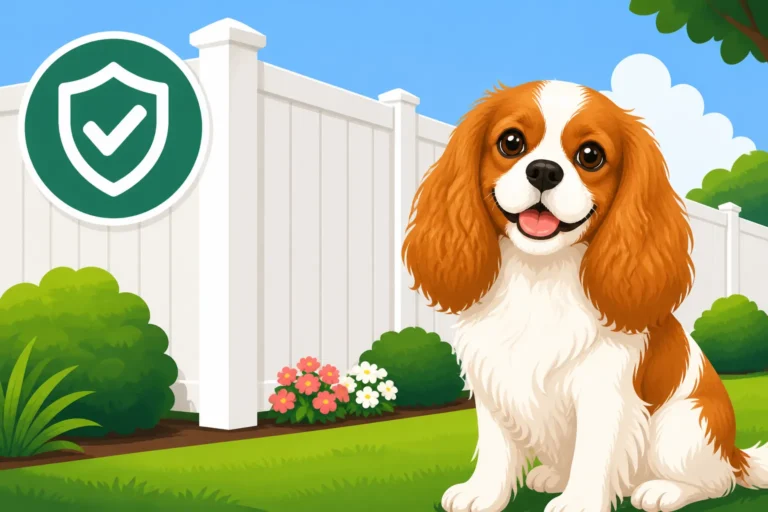
The "secure" part is non-negotiable. Look for places with solid fencing that your Cavalier can't dig under, jump over, or squeeze through. This is particularly important for those clever, more agile Cavaliers. Check for gaps, gates that latch securely, and any potential hazards within the field itself, like sharp objects or toxic plants. Many communities have dedicated, fenced dog parks, but remember these can come with their own set of distractions (other dogs, people). Ideally, start with a field where you can control the environment as much as possible. Some places even offer private field rentals for an hour, which is perfect for focused training.
Timing also plays a huge role. Avoid peak hours if you can, especially in public dog parks, to minimize overwhelming distractions. A quieter time will allow your Cavalier to focus more on you and the task at hand, rather than the flurry of other dogs and people. If your Cavalier is particularly sensitive to sounds or movements, consider going when it's breezy to carry scents away, or during off-peak hours when the field is likely to be empty. This careful selection of environment and timing sets you up for positive, productive sessions.
Essential Gear for Effective Recall Practice
You can't just show up empty-handed and expect miracles. Having the right tools makes all the difference, transforming a casual outing into a focused training session. For Cavaliers, who are often highly food-motivated, high-value treats are your gold standard.
Here’s what you’ll want in your training bag:
- High-Value Treats: Think tiny pieces of cooked chicken, cheese, or even those really smelly, soft training treats your dog goes wild for. These need to be special, something they only get for recall, to truly make it worthwhile for them to come back to you. We often emphasize Treats a Cavalier Will Trade Anything For because it's so true! You can find a fantastic variety of high-value treats on Amazon, often in bulk packs which is super handy for frequent training.
- A Long Line: Even in a secure field, a long line (think 15-30 feet) is your insurance policy. It gives your Cavalier the feeling of freedom while allowing you to gently guide them back if they get too distracted. This is invaluable for Long Line Practice for a Cavalier and for building your own confidence.
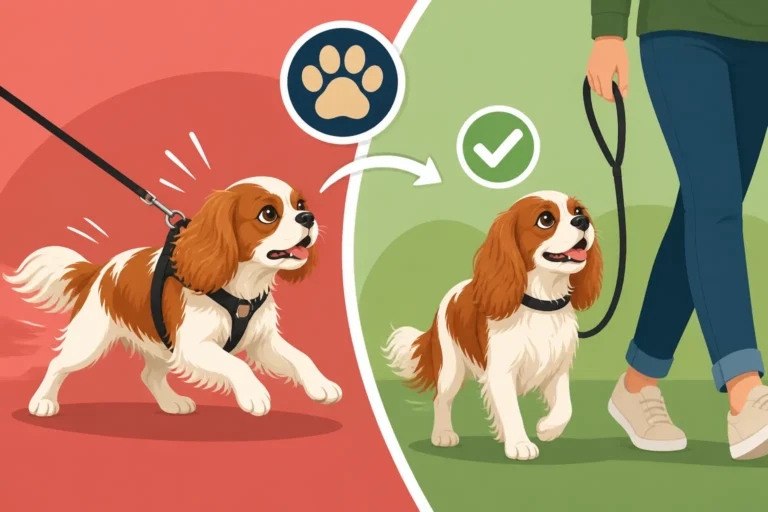
- A Comfortable Harness: Never attach a long line to a collar, especially with a small dog like a Cavalier. A sudden jerk could injure their neck or throat. A well-fitting, comfortable harness distributes pressure evenly and is much safer.
- Favorite Toy: If your Cavalier is toy-motivated, a favorite squeaky toy or ball can be another powerful reward, especially for an "emergency" recall.
- A Clicker (Optional): If you use clicker training, bring it along! It can help mark the exact moment your Cavalier performs the desired behavior.
- Water and Bowl: Staying hydrated is important for both of you, especially during active sessions.
- Poop Bags: Always, always, always.
- Your Patience: This is perhaps the most crucial item. Recall takes time, consistency, and a calm, encouraging attitude.
By having all these items ready, you minimize distractions for yourself and maximize the chances of a successful and enjoyable training session.
Step-by-Step Recall Drills for Your Cavalier in the Field
Building a reliable recall isn't a one-and-done deal; it's a gradual process, much like teaching a child to ride a bike. You start with support and slowly remove it as confidence grows. The secure field acts as your oversized training wheels, allowing for safe exploration and learning.
Starting with Low Distraction Recall
Begin by simply letting your Cavalier sniff around on their long line in the field. Don’t call them immediately. Allow them to explore for a minute or two, letting them feel that initial burst of freedom. This is especially important for Keeping a Cavalier Focused in a Short Session, as they need a moment to get their "wiggles" out.
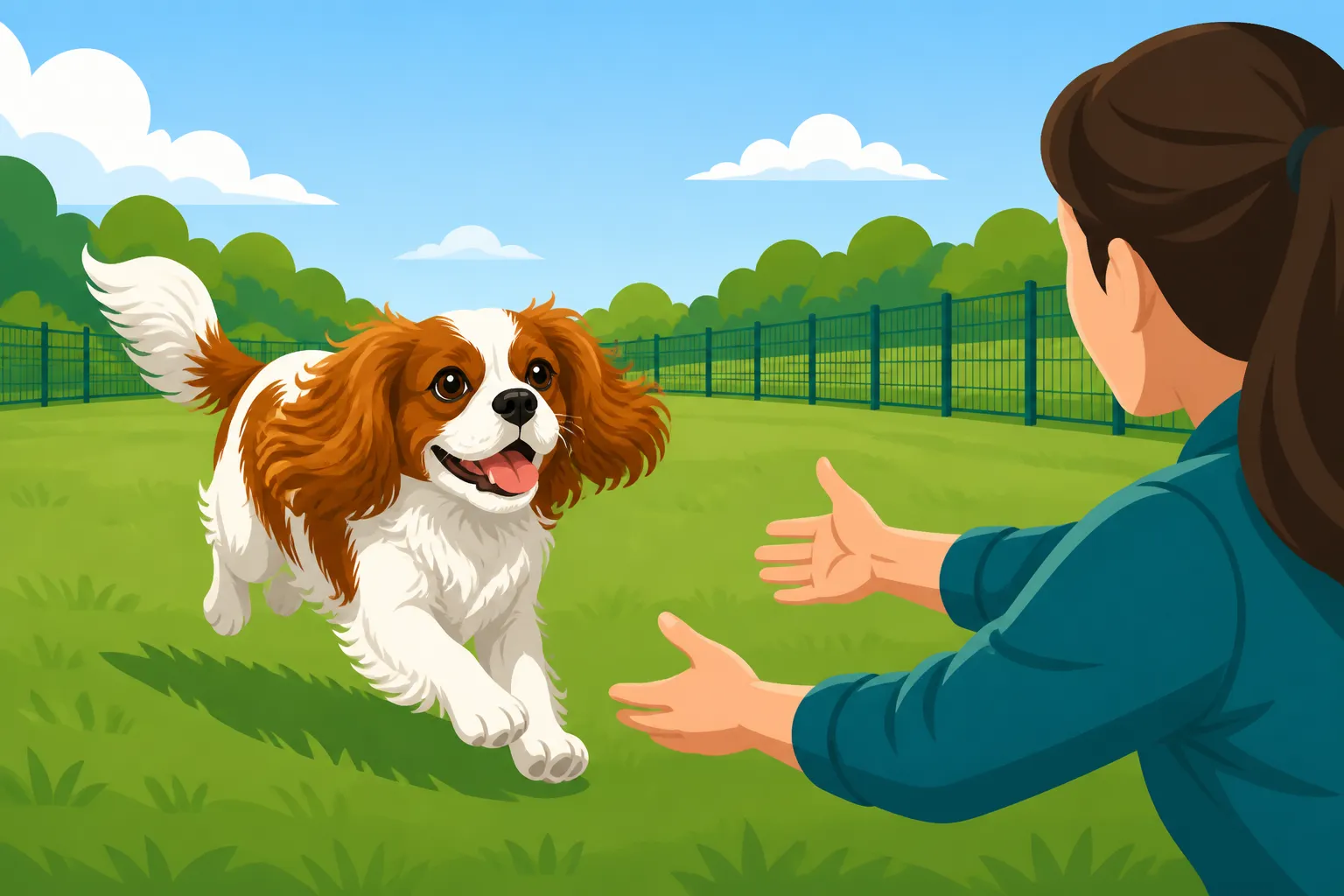
Once they've settled a bit, and they're not intensely focused on something specific, choose your recall word. This should be a word you use only for recall, not for other commands like "come here" or "let's go." "Rocket," "Touchdown," "Super Come" – anything distinctive that makes them perk up. Now, get down low, make yourself exciting, and in a happy, high-pitched voice, say your recall word once. As they turn toward you, even slightly, start walking backward, reeling in the long line gently if needed, and showering them with praise. The moment they reach you, jackpot them with those amazing high-value treats and enthusiastic affection. Don't immediately let them go; hold them for a moment, give more treats, then release them with a clear "free" or "go play" command. This teaches them that coming to you isn't the end of their fun, but a momentary, highly rewarding pause.
Repeat this many times over your session, gradually increasing the distance and the mildness of the distraction. Always end on a positive note.
Gradually Increasing Distractions and Distance
Once your Cavalier is consistently rocketing back to you in a low-distraction environment, it's time to up the ante. This is where the secure field really shines. Instead of practicing in a crowded park, you can introduce controlled distractions.
- Mild Distractions: Start with simple distractions. Have a family member or friend walk calmly across the field at a distance. Let your Cavalier notice them, then call your dog. If they come, mega jackpot! If they hesitate, use the long line for a gentle nudge and guide them in, still rewarding for the effort. The goal is for them to choose you over the distraction.
- "Hide and Seek": This is a fantastic way to build value in finding you. While your Cavalier is sniffing with their back turned or momentarily distracted, duck behind a tree or a large bush. Wait a few seconds for them to realize you’re gone. When they look for you, immediately pop out, call their recall word, and reward heavily when they come. This teaches them to keep an eye on you, associating your presence with safety and rewards.
- Introducing Movement: Have a friend gently toss a toy away from you, then call your Cavalier before they can fully commit to chasing it. This helps them learn to disengage from tempting moving objects – crucial when you consider The Bird Chase a Cavalier Cannot Resist.
Remember to always keep the success rate high. If your Cavalier is struggling, simplify the exercise. End on a win, even if it means going back to a super easy recall where you know they'll succeed. This builds their confidence and ensures they continue to see recall as a positive experience.
Playing Recall Games for Engagement
Making training fun is key, especially for Cavaliers who love interaction. Games turn learning into playtime and strengthen your bond.
- "Cavalier Says": This is like "Simon Says." You stand a short distance from your Cavalier, call their recall word, and when they come, reward them. Then, "Cavalier says… sit!" (reward), "Cavalier says… down!" (reward). It reinforces coming to you as the starting point for all good things.
- "Round Robin" Recall: If you have a training partner (another family member or friend), stand a good distance apart. One person calls the Cavalier, rewards, then the other person calls them, rewards, and so on. This teaches your Cavalier to come to any family member and adds excitement. Just make sure the rewards are consistent from both parties!
- Chase Me!: Cavaliers often love a good chase. Instead of standing still and calling, turn and run away from them as you say your recall word. Their natural instinct will often be to chase you. When they catch up, grab them gently, praise profusely, and give that jackpot treat. This method is particularly effective for those Cavaliers where you observe Why a Cavalier Comes Back Slowly.
The beauty of these games is that they associate coming to you with joy, fun, and delicious treats, rather than just an obligation. They teach your Cavalier that you are the most interesting thing in the field, even when there are other tempting distractions.
Troubleshooting Common Recall Challenges with Cavaliers
Even with the best intentions and the perfect secure field, recall training can sometimes feel like a two-steps-forward, one-step-back dance. It's easy to get frustrated when your sweet Cavalier suddenly develops selective hearing, but understanding why they might be struggling is the first step to overcoming the hurdle.
When Your Cavalier Ignores You Entirely
This is perhaps the most exasperating challenge: you call, and your Cavalier acts as if they’ve never heard that word in their life. Often, this happens when the distraction is just too compelling. Maybe it's a new scent, a squirrel, or another dog across the field. In these moments, your treats, no matter how high-value, might not seem as appealing.
- Assess the Environment: First, acknowledge if the distraction level is too high for your Cavalier's current skill level. If they're consistently ignoring you, you've pushed them too far too fast. Go back to a less distracting environment or situation.
- Increase Reward Value: Are your treats truly high-value enough? If they're only getting their regular kibble, that juicy piece of chicken or cheese suddenly becomes much more enticing. Think about what your Cavalier truly goes wild for.
- Change Your Energy: Are you sounding bored or frustrated? Cavaliers respond to enthusiasm! Get excited, crouch down, pat your legs, and make yourself the most interesting thing around. Your voice and body language are powerful motivators.
- Use Your Long Line: This is precisely why we recommend the long line. If they ignore your call, gently reel them in. As they come closer, start the praise and get excited. Reward them the moment they reach you, even if you had to physically guide them. The goal is to make the connection: "When I hear that word, I come, and good things happen." You can find sturdy, lightweight long lines perfect for Cavaliers on Amazon.
- Re-Evaluate Your Recall Word: Is it clear and distinct? Is it being overused in other contexts? Sometimes, simply picking a fresh, new word can re-energize the command. This is part of figuring out The Recall Word a Cavalier Learns Fastest.
Slow or Reluctant Returns
Your Cavalier might eventually come back, but it's more of a leisurely stroll than an enthusiastic dash. This often means the reward isn't quite matching the effort or the interruption to their fun.
- Speed is Key: When they finally do arrive, make a huge deal about it. Not just a treat, but a party! Play a quick game of tug, give them five treats in a row, rub their favorite spot. Really go over the top to make them think, "Wow, this was worth it!" The aim is to make coming to you so incredibly rewarding that they want to run back. We talk about Rewarding a Cavalier for Checking In and this is the ultimate reward for a full return.
- Don't Be a Fun Killer: As mentioned earlier, don't immediately leash them and leave after they come. Let them go back to playing (with a "free" command) after a short, high-value interaction. If coming to you always means the fun ends, they’ll naturally be slower to return.
- Practice Short-Distance, Fast Recalls: Go back to very close-range recalls where they have no choice but to come quickly. Reward heavily for that speed, then slowly increase the distance again.
- Consider a 'Magnet' Game: Toss a treat a short distance away, let them get it, then immediately call them back and reward with another treat. This builds a yo-yo effect, making them eager to return for the next reward.
The "I See You, But I'm Not Coming" Standoff
This particular challenge can be maddening. Your Cavalier makes eye contact, clearly understands you're calling, but then just stands there, perhaps wags their tail, and then turns back to whatever caught their attention. It’s like they're saying, "I acknowledge your existence, but this sniffing is more important." This often stems from a lack of strong positive association with the recall every single time.
- Never Chase: Chasing your Cavalier turns it into a fun game for them, and you will always lose. Instead, turn and run away from them. Most Cavaliers, being Velcro dogs, will instinctively follow. When they catch up, praise and reward.
- Be Unpredictable: Don't always call them in the same spot, or always for the same reason. Randomly call them, reward, and let them go. This keeps them guessing and reminds them that you might have something amazing at any moment.
- The Emergency Word: For those critical moments when you absolutely need them back, have an "emergency recall" word. This should be a word you never use otherwise, and it should be associated with the absolute highest possible reward (e.g., a whole hot dog). The Emergency Word That Stops a Cavalier should be reserved for true emergencies, to maintain its power. BAXTER & Bella, a popular online puppy school, often teaches the importance of a distinct, highly-reinforced emergency recall for moments like this.
- Build Value in Proximity: Sometimes, this behavior means your Cavalier hasn't learned that staying relatively close or checking in with you is rewarding. Practice "check-ins" where they get a small treat just for glancing your way or coming within a few feet of you voluntarily.
Remember, every Cavalier is an individual. What works wonders for one might require tweaking for another. The key is patience, consistency, and always making coming back to you the most rewarding choice they can make in that moment.
Maintaining and Strengthening Your Cavalier's Recall
Achieving a reliable recall in a secure field is a huge milestone, but it's not the end of the journey. Recall is a "use it or lose it" skill, and it needs constant reinforcement and careful generalization to translate into real-world reliability. You’ve built the foundation; now it’s time to fortify the structure.
Consistency is Your Best Friend
Think of recall like a savings account: you have to keep making deposits to maintain a healthy balance. Every time your Cavalier comes when called and is rewarded, you're making a deposit. Every time they ignore you without consequence, you're making a withdrawal. The goal is to always have more deposits than withdrawals.
- Random Rewards: Don't just reward for the "big" recalls. Sometimes, call your Cavalier from a short distance, give a quick treat, and let them go back to sniffing. This keeps them guessing and makes them think, "Any time I come, something good might happen!"
- Practice in Different Secure Locations: Once they're solid in one secure field, try another one. Different smells, different sights, different sounds – this helps them generalize the command, understanding that "recall" means come to me, regardless of the background.
- Short, Frequent Sessions: Instead of one long, arduous session, aim for several short, fun recall sessions throughout the week. Five minutes of focused play and recall games can be far more effective than 30 minutes of frustration.
- Involve the Whole Family: Everyone in the household should use the same recall word and offer consistent rewards. This ensures your Cavalier understands the command from anyone who might need to call them back.
Gradually Introducing Real-World Scenarios
This is the trickiest part, and it requires immense caution. Do not rush this step. Your secure field training has built a strong foundation, but the real world has far more unpredictable distractions.
- Use a Long Line in Open Areas: Before you even think about letting your Cavalier off-leash in an unfenced area, practice with your long line. This allows them to experience the environment while you still have control. If they ignore your recall, you can gently guide them back. This is critical for preventing them from learning that they can ignore you.
- Choose Low-Traffic, Low-Distraction Outdoor Areas: Start with places like a quiet, open park during off-peak hours, or a large, empty baseball field. Avoid busy areas with lots of people, dogs, or traffic.
- "Check-In" Game: When walking in an open area (still on the long line!), periodically say your recall word, reward, and then let them continue. This reinforces the habit of coming back even when there are other things to explore, and shows them that coming back doesn't mean the walk is over.
- Always Carry High-Value Treats: You need to outcompete the real-world distractions. That piece of chicken or cheese needs to be more appealing than that tantalizing smell or distant dog.
- Never Risk It: If you have even an ounce of doubt that your Cavalier won't come back, do not let them off-leash. Their safety is paramount. It’s far better to use a long line or keep them on a regular leash than to risk a dangerous situation. Some Cavaliers, due to their strong prey drive and curious nature, may never be 100% reliable off-leash in truly open, unfenced spaces, and that's okay. Your training in a secure field ensures they're safe where they can enjoy off-leash freedom.
Remember, every time your Cavalier successfully comes back to you, you're not just training a behavior; you're deepening the trust and understanding between you. This investment in their safety and your peace of mind is truly priceless.
| Recall Training Stage | Environment | Key Focus | Tools | Reward Strategy |
|---|---|---|---|---|
| Foundation Building | Secure, low-distraction field | Teaching the recall word, enthusiastic response | Long line, high-value treats, clicker (optional), harness | Jackpot for every return, party atmosphere |
| Distraction Proofing | Secure field with controlled distractions | Choosing you over mild distractions, increasing distance | Long line, higher-value treats, training partner (optional) | Variable rewards, "hide and seek" games, chase me games |
| Real-World Generalization | Leashed walks in quiet open areas, then very carefully off-leash in highly secure spots | Translating skills to new environments, consistent reliability | Long line, highest-value treats, leash, consistent family involvement | Random high-value rewards for check-ins and recalls, emergency word |
Disclaimer
This article is for general informational purposes only and does not constitute professional advice. Laws, prices and regulations vary by location and change over time. Consult a qualified professional for guidance on your specific situation.