Teaching a Cavalier Puppy Where to Toilet
Bringing a new Cavalier King Charles Spaniel puppy home is a whirlwind of joy, snuggles, and, let's be honest, a fair amount of pee puddles. It’s a common frustration for new puppy parents to feel overwhelmed by the constant vigilance required to prevent accidents, especially with a tiny creature who seems to have a bladder the size of a thimble. This comprehensive guide is here to walk you through every step of teaching your sweet Cavalier puppy where to toilet, ensuring a smoother transition to a clean and happy home for everyone.
Understanding Your Cavalier's Potty Habits
Before you even start laying down puppy pads, it's incredibly helpful to understand the unique characteristics of your Cavalier King Charles Spaniel that will influence their potty training journey. These little dogs are generally eager to please, but they also come with certain physiological and behavioral traits that can make toilet training a distinct experience compared to, say, a larger, more independent breed.
The Small Bladder Reality of a Cavalier Puppy
One of the biggest factors in potty training a Cavalier puppy is their size. Being a toy breed, their bladders are simply tiny. This means they need to urinate much more frequently than a larger puppy. What might seem like an excessive number of potty breaks is completely normal for a Cavalier. If you expect them to hold it for hours on end like an adult dog, you're setting both of you up for failure and frustration.
Imagine a newborn human baby; they can't "hold it" for long periods. A Cavalier puppy is much the same. They'll need to go out after waking up from every nap, after every meal or drink, after a play session, and definitely right before bedtime. And even then, there will be surprise trips in between. Keeping a close eye on the clock and their activity level will be your best friend. Missing a sign, even for a few minutes, can mean an accident on your rug. This isn't stubbornness on their part; it's pure physical limitation. Understanding this fundamental truth helps you approach training with more patience and realistic expectations.
Instinct to Keep Their "Den" Clean
Despite their small bladders, Cavaliers, like most dogs, have an innate instinct to keep their sleeping area clean. This is why crate training can be such a powerful tool in potty training. A properly sized crate becomes their "den," and they will naturally try to avoid soiling it. This instinct is what you'll leverage to help them learn bladder control and to associate going potty with specific outdoor locations.
However, this instinct has its limits. If a crate is too large, a puppy might designate one corner as a sleeping area and another as a potty spot. This defeats the purpose entirely. Also, if a puppy is left in a crate for too long, they will eventually have no choice but to soil their den, which can be detrimental to their training progress and cause significant stress. It's crucial to find that balance between using the crate for short, appropriate durations and providing ample opportunities for them to relieve themselves outside. This is a foundational concept that informs much of the advice on successful house training.
The Impact of Cavalier Sensitivity and Desire to Please
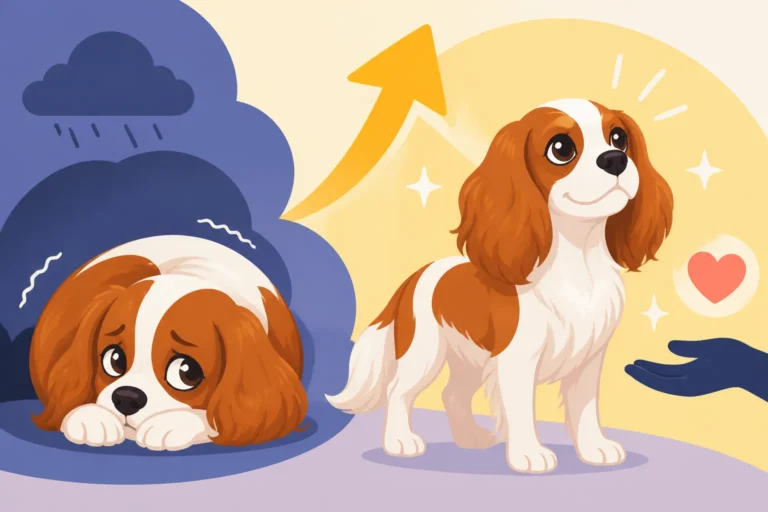
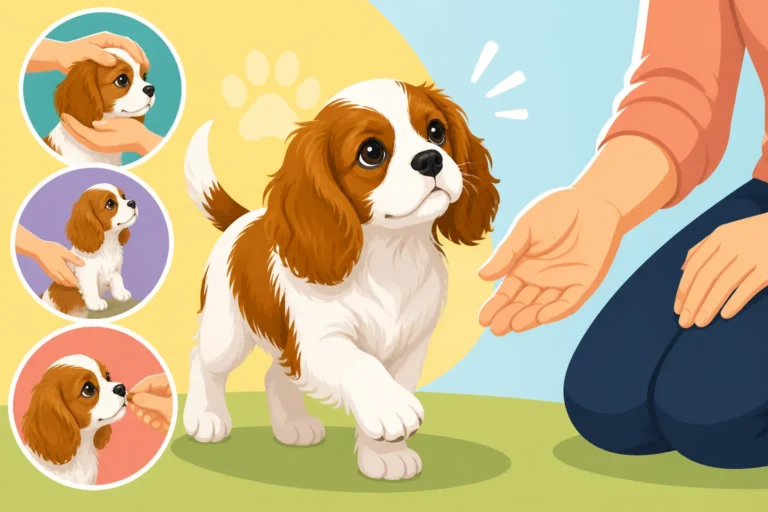
Cavaliers are known for their gentle and sensitive nature. They are eager to please their human companions, which is a huge advantage in training. They respond incredibly well to positive reinforcement and can be easily discouraged by harsh corrections. If your puppy has an accident inside and you react with anger or punishment, they might become fearful of toileting in front of you, even outside. This can lead to a sneaky puppy who tries to hide to go potty, making training much harder.
Instead, focusing on lavish praise, happy tones, and high-value treats when they go in the right spot will work wonders. They genuinely want to make you happy, and making potty time a joyous, rewarding experience reinforces the correct behavior swiftly. This sensitivity also means consistency is key; any mixed signals can cause confusion and slow down their learning. Your Cavalier is essentially asking, "How can I make you smile?" and your job is to clearly show them that going potty outside is one fantastic way!
Setting Up Your Potty Training Zone
Creating the right environment both indoors and outdoors is paramount for successful potty training. You want to make it as easy as possible for your Cavalier puppy to succeed and as difficult as possible for them to make mistakes in the wrong places. This involves careful consideration of their immediate living space and their designated potty areas.
Designating a Puppy-Proofed Indoor Area
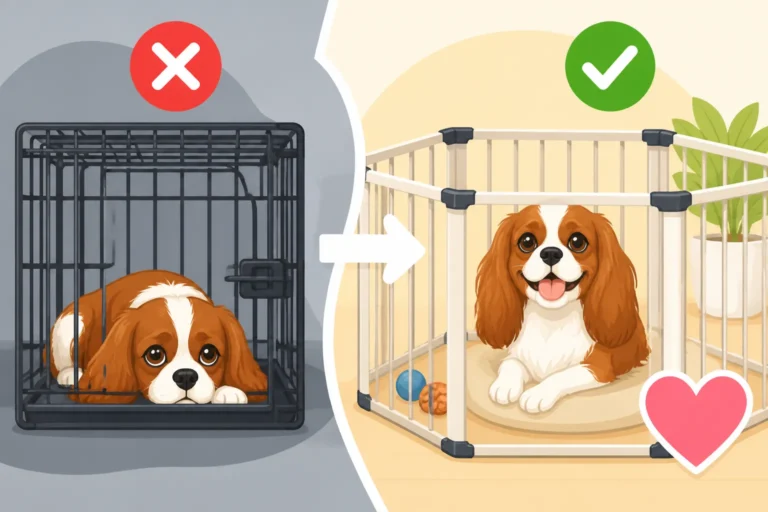
For the times your puppy can't be directly supervised, a puppy-proofed indoor area is essential. This isn't just about preventing chewed furniture; it's about managing their potty habits. A puppy pen, often purchased from retailers like Amazon, is an excellent tool. Within this pen, you can place their crate (if you're using one), food and water bowls, and a designated potty area. The key is to limit their space just enough so they don't have free rein to roam and find hidden corners for accidents, but not so little that they are forced to soil their sleeping space.
This confined area teaches them that there are appropriate places to go potty, even indoors, if you are using puppy pads, and that the rest of the house is not for that purpose. Ensure the floor is easy to clean – tile or hardwood is ideal. If you have carpet, consider temporary covers or a large mat. Accidents will happen, especially in the early days, so preparedness is vital. This controlled environment acts as a bridge between their crate (where they hold it) and the wide-open spaces of your home, allowing you to gradually expand their freedom as they learn.
Choosing and Preparing an Outdoor Potty Spot
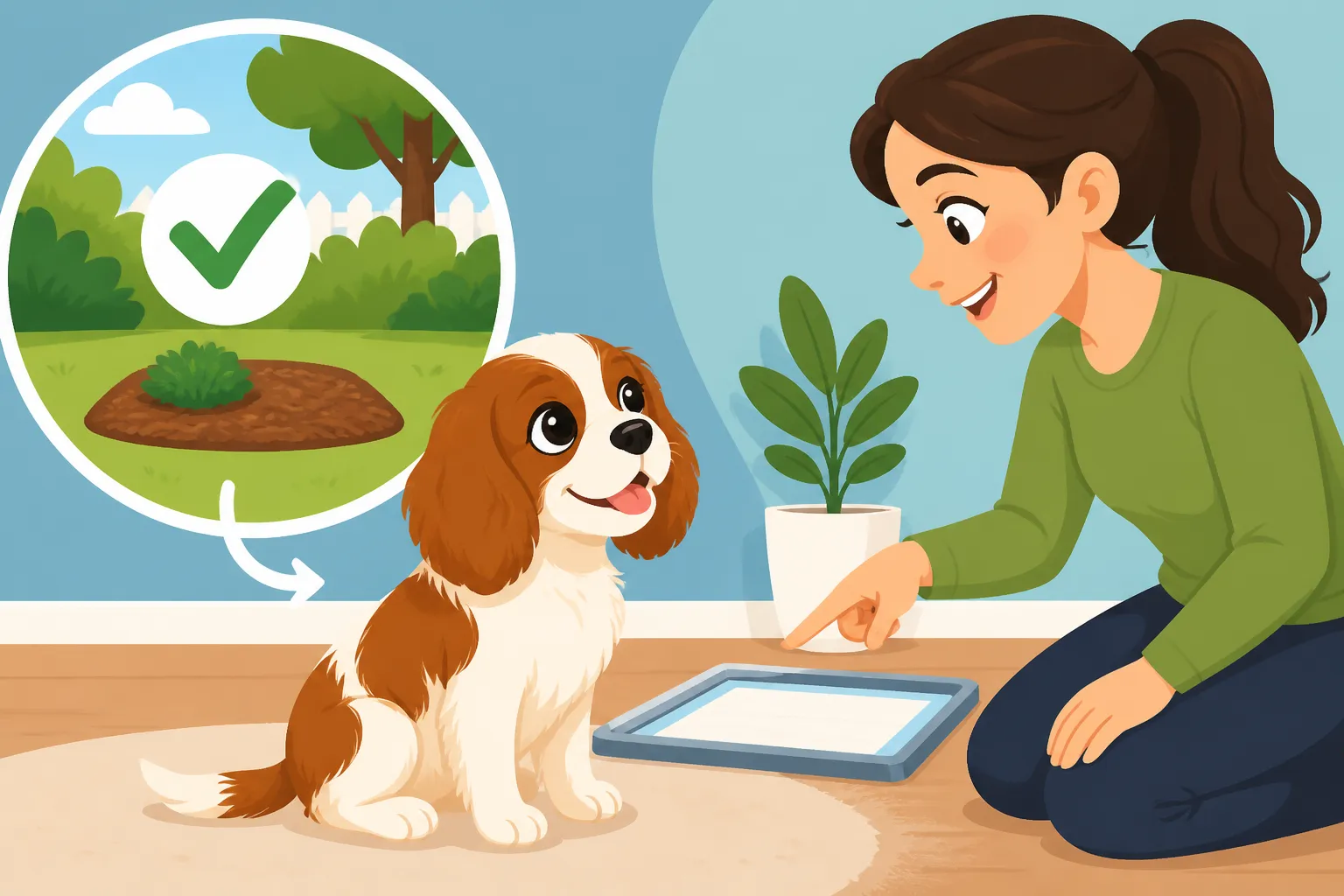
Consistency is king when it comes to the outdoor potty spot. Choose one specific area in your yard and stick to it every single time. This helps your Cavalier associate that particular scent and location with going potty. Initially, it might be a small patch of grass, a dirt area, or even a designated corner on concrete if you live in an apartment. The key is to make it boring – no play, no greetings, just business.
Prepare the area by keeping it clean of excessive debris and easily accessible. When you take your puppy out, go directly to this spot, put them on their leash, and stand quietly. Don't engage in play or conversation. The moment they go, offer immediate, enthusiastic praise and a high-value treat. Then, and only then, can you offer a brief play session or a short walk before heading back inside. This sequence helps them understand, "Potty first, then fun!" Many owners find that a short, dedicated lead walk to the potty spot, even in a fenced yard, helps focus the puppy on the task at hand. Remember, a Cavalier's delicate paws appreciate a soft surface, so grass or a clean dirt patch is often preferred over harsh gravel.
Puppy Pads: Friend or Foe?
The use of puppy pads can be a contentious topic among dog owners. For some, they are a lifesaver, especially for small breeds like Cavaliers who have tiny bladders, live in apartments, or during inclement weather. For others, they can prolong the outdoor training process, as the puppy learns that going potty inside is sometimes acceptable.
If you choose to use puppy pads, do so strategically. Place them in your puppy's designated indoor area, away from their food and sleeping space. You can even use a specific holder to keep them from being dragged around. The goal is to gradually transition them away from pads. This might involve moving the pad closer to the door over time, then eventually outside, and finally phasing them out entirely once your puppy reliably goes outdoors. However, be aware that some Cavaliers can become quite attached to pads, making the final transition challenging. It's often best to pick one primary method – either outdoor-only or pad-then-outdoor – and commit to it fully. For urban dwellers or those facing harsh winters, a well-placed puppy pad can certainly reduce stress and help prevent accidents, but understand it's usually a temporary step. Toilet Training a Cavalier in an Apartment might offer more specific considerations for this approach.
The Golden Rules of Successful Potty Training
Potty training isn't just about showing your Cavalier where to go; it's about establishing routines, clear communication, and consistent reinforcement. These golden rules form the backbone of any successful house-training program, especially for a sensitive and eager-to-please breed like the Cavalier.
Consistency and Routine are Non-Negotiable
This cannot be stressed enough: consistency is the absolute cornerstone of potty training. Cavaliers thrive on routine, and a predictable schedule helps them understand what is expected. Take your puppy out at the same times every day: first thing in the morning, after every meal, after every nap, after every play session, and right before bed. Set an alarm if you need to, because you’re essentially becoming their external bladder control for a while.
The more consistent you are, the faster your Cavalier will learn. If one day you take them out every hour, and the next day you forget for three hours, you're sending mixed signals. A confused puppy is a puppy prone to accidents. Every person in the household needs to be on the same page, following the same schedule and using the same commands. Imagine if your Cavalier had different rules from different family members – it would be incredibly confusing! A solid routine minimizes accidents and builds confidence in your puppy, showing them you're reliable and they can trust your schedule.
Positive Reinforcement: Praise and Treats Galore
Cavaliers respond beautifully to positive reinforcement. When your puppy successfully potties in the designated spot outside, make it a party! Shower them with enthusiastic verbal praise ("Good potty, good boy/girl!"), happy petting, and a delicious, high-value treat. The treat should be something they absolutely adore and only get for successful outdoor potty breaks. This makes going outside for business the most rewarding thing they can do.
The timing of this reward is crucial. It needs to happen immediately as they are finishing, or within a couple of seconds of completion. If you wait until you get back inside, they won't connect the treat to the act of peeing or pooping outside. Avoid scolding or punishing accidents indoors. As mentioned, Cavaliers are sensitive, and punishment can lead to fear, making them hide their accidents or even become afraid to go potty in front of you. A quick, neutral cleanup of the accident and then a return to the routine is far more effective. Your goal is to make going outside a wildly positive experience, reinforcing that specific location as the best place for relief.
Learning Your Cavalier's Potty Cues
Every puppy has their own unique tells that indicate they need to go potty. It's your job to become a detective and learn these cues. Common signs include sniffing around intently, circling, whining, pacing near the door, or suddenly interrupting play to look restless. For a Cavalier, these cues might be subtle at first, especially if they are shy or worried about doing wrong. They might simply pause during play, look at you, and then start to sniff a corner.
Once you notice any of these behaviors, scoop your puppy up (or quickly leash them) and immediately take them to their designated outdoor potty spot. Even if you just took them out 15 minutes ago, if they're giving cues, assume it's an emergency trip. The more you respond to these early signals, the more your puppy will learn that communicating their need to you results in a successful trip outside. Keep a keen eye on their behavior, especially after naps and meals. This watchful observation is critical in preventing accidents and fostering effective communication with your furry friend.
Crate Training and Cavalier Potty Success
Crate training, when done correctly, can be an invaluable asset in the potty training journey for a Cavalier. It taps into their natural denning instincts and helps them develop bladder and bowel control. However, it's vital to remember that a crate is a training tool, not a punishment or a place to leave your puppy for excessively long periods.
Choosing the Right Size Crate
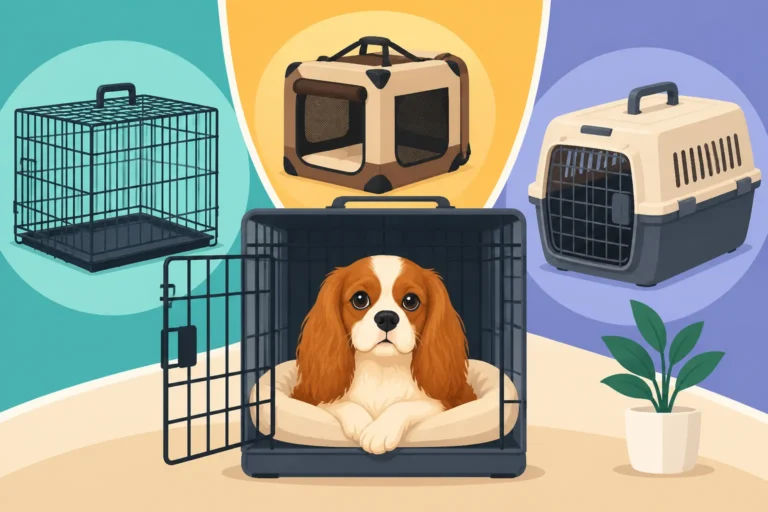
The size of the crate is absolutely critical for effective potty training. It should be just large enough for your Cavalier puppy to stand up, turn around, and lie down comfortably. If the crate is too big, your puppy might use one end as a sleeping area and the other as a bathroom, defeating the entire purpose of the crate as a "den." Many crates come with a divider that allows you to adjust the size as your puppy grows, which is a fantastic feature. You can find many suitable options on Amazon, often with adjustable dividers.
For a small breed like a Cavalier, a 24-inch crate is often appropriate for a full-grown dog, meaning a divider will be necessary for a young puppy. The goal is to provide enough space for comfort without encouraging accidents. A crate that's too small, conversely, can be cruel and lead to distress, potentially causing your puppy to have accidents in a space they cannot escape from. Invest in the right size from the beginning to set your Cavalier up for success.
Crate Schedule: Balancing Containment and Potty Breaks
Developing a strict crate schedule, especially for a young Cavalier puppy, is paramount. They should not be left in their crate for longer than they can physically hold their bladder. A general rule of thumb is their age in months plus one hour, up to a maximum of about 3-4 hours for a very young puppy during the day. This means a 2-month-old puppy can hold it for roughly 3 hours. At night, they can often hold it a bit longer, but expect at least one middle-of-the-night potty break for very young puppies.
Here's a sample daily schedule:
- 7:00 AM: Wake up, immediately outside for potty.
- 7:15 AM: Breakfast, then outside again shortly after eating.
- 7:45 AM: Playtime/training, then outside again.
- 8:30 AM: Crate for a nap.
- 10:30 AM: Wake up, immediately outside for potty.
- 10:45 AM: Playtime/training, then outside again.
- 11:30 AM: Lunch, then outside again shortly after eating.
- 12:00 PM: Crate for a nap.
- …and so on, repeating this cycle throughout the day, with a final potty break right before bed.
This rigid schedule ensures frequent opportunities for success and minimizes the chances of accidents inside the crate. Remember, never leave water in the crate unless specifically advised by your vet for medical reasons, and remove food well before crating to minimize potty needs. You can find more detailed information on managing separation and crate anxiety in a sensitive breed like a Cavalier in Crate Training a Cavalier That Panics.
Making the Crate a Happy Place
The crate should always be associated with positive experiences, never punishment. Introduce the crate gradually, making it a comfortable, safe haven. Place soft bedding, a favorite chew toy, and perhaps a small treat inside. Feed meals in the crate with the door open at first, then slowly closing it for short periods.
When your puppy goes into the crate, offer a small, high-value treat and praise. Never use the crate as a "time-out" spot after an accident. If your Cavalier associates the crate with negative feelings, they will resist going in, making training much harder. The goal is for them to willingly enter their crate for rest and quiet time, viewing it as their personal, secure space. A positive relationship with the crate fosters better bladder control and reduces anxiety, helping them understand that holding it in their den is a good thing until you let them out for their designated potty break.
Dealing with Accidents and Setbacks
Even with the most diligent efforts, accidents are an inevitable part of puppyhood. How you handle these setbacks can either reinforce bad habits or help get your Cavalier back on track. It's crucial to react appropriately and understand that an accident is rarely a malicious act on your puppy's part.
Cleaning Accidents Thoroughly
When an accident happens indoors, the most important thing is to clean it up thoroughly and immediately. Dogs are attracted to the scent of urine and feces, so if any odor lingers, your Cavalier will be more likely to go in that same spot again. This creates a challenging cycle to break. Regular household cleaners might mask the smell for humans, but a dog's keen sense of smell can still detect it.
This is where enzymatic cleaners become your best friend. Products available on Amazon are specifically designed to break down the organic matter in pet waste, completely eliminating the odor to a dog's nose. Blot up as much of the mess as possible, then douse the area with the enzymatic cleaner, letting it soak according to the product's instructions. This step is non-negotiable for preventing repeat offenses in the same spot. A clean slate, literally, is essential for forward progress in potty training.
Avoiding Punishment: The Counterproductive Reaction
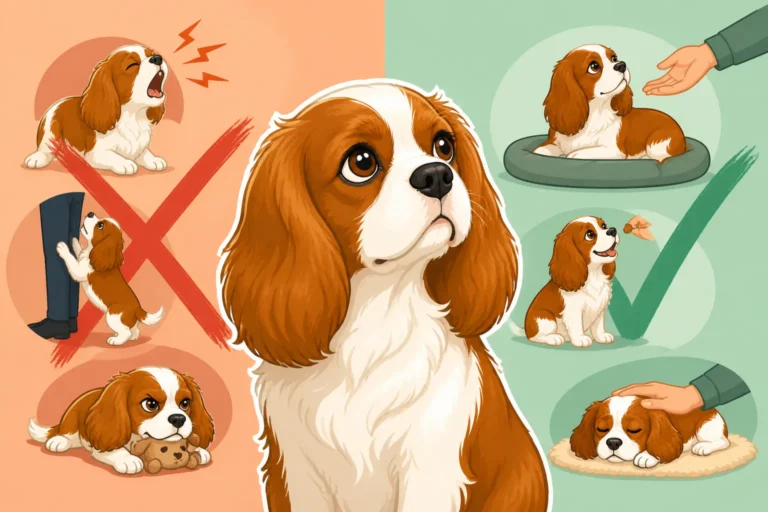
It's natural to feel frustrated when you find an accident, especially if you thought your puppy was doing well. However, punishing your Cavalier for an indoor accident is highly counterproductive and can severely damage your training progress and your bond. Rubbing their nose in it, yelling, or hitting them will only teach them to fear you and to hide their potty breaks. A Cavalier's sensitive nature means they will likely become secretive, trying to find hidden corners or waiting until you're out of sight to relieve themselves.
If you catch your puppy in the act, quickly but calmly interrupt them with a clap or a sharp "Ah-ah!" and immediately scoop them up and carry them to their designated outdoor potty spot. If they finish going outside, praise and reward them lavishly. If they don't, bring them back inside and put them in their crate for a few minutes, then try again. The key is to redirect the behavior to the correct location, not to punish the mistake. Remember, an accident is almost always the human's fault for not anticipating the need or supervising closely enough.
Recognizing and Addressing Regressions
Potty training isn't a linear process; there will be days when your Cavalier seems to take two steps forward and one step back. These regressions can be incredibly frustrating, but they are normal. A regression might be triggered by a change in routine, a new environment, a sudden illness, or even just a growth spurt that affects their bladder control. Sometimes, an older, previously house-trained Cavalier might start having accidents, which can be a sign of an underlying medical issue requiring a vet visit. For considerations regarding aging, Toilet Accidents in an Elderly Cavalier offers valuable insights.
When a regression occurs, don't despair. Simply go back to basics. Re-establish a strict schedule, increase the frequency of outdoor trips, and ramp up your supervision and positive reinforcement. If the accidents persist or are accompanied by other symptoms (like excessive drinking, lethargy, or straining), contact your veterinarian to rule out any medical issues such as a urinary tract infection. A regression is an opportunity to review your methods and strengthen your bond through consistent, patient guidance, not a sign of failure.
Transitioning to Outdoor Potty Independence
The ultimate goal of potty training is for your Cavalier to reliably go outside without constant prompting, understanding that the entire house is not a bathroom. This transition requires patience, gradual steps, and continued reinforcement.
Gradually Increasing Freedom Indoors
Once your Cavalier puppy has gone several weeks without an indoor accident, you can begin to gradually increase their freedom within the house. Start by allowing them supervised access to one additional room for short periods. Keep a very close eye on them. If they start sniffing or showing any potty cues, immediately take them outside. If they successfully hold it and play nicely, great!
Slowly expand their access to more rooms and for longer durations, always under supervision. If accidents occur, it means you've expanded their freedom too quickly. Go back to their more confined space and try again later. This slow and steady approach helps them generalize the rule that "the house is not a toilet" to all areas of your home. It's a progressive learning process, and rushing it can lead to frustrating setbacks.
Reliable Communication and Self-Initiated Potty Breaks
As your Cavalier matures, you want them to not just go outside when you take them, but to actively communicate their need to go to you. This might involve standing by the door, whining, or even nudging you. Some owners choose to teach their Cavaliers to ring a bell hanging by the door. If you opt for a bell, every time you take your puppy out, gently touch their paw to the bell, say "Potty outside," and then go out. When they go, praise and treat. They will soon associate the bell with going outside, and eventually, they'll start ringing it themselves.
This self-initiated communication is a huge milestone in potty training. It means your Cavalier has learned to control their bladder and to tell you when it's time. Continue to praise and reward these self-initiated trips just as enthusiastically as you did in the beginning. This reinforces their good behavior and strengthens the communication between you, ensuring fewer unexpected surprises.
Adapting to Weather and Environmental Changes
Sometimes, even a perfectly house-trained Cavalier might hesitate to go outside due to weather. Heavy rain, snow, or extreme cold can be off-putting for these small, often somewhat delicate dogs. They might stand at the door, look out, and then quickly retreat, looking at you as if to say, "You expect me to go out there?" This is where patience and persistence come in. For specific advice on adverse weather, refer to A Cavalier That Will Not Go Out in Rain.
Dress them in a doggy raincoat or sweater if needed. If they are truly hesitant, you might need to accompany them out, perhaps under an umbrella, and stand with them in their designated spot, offering gentle encouragement. Avoid bringing them back in immediately if they don't go; wait them out for a few minutes. Make sure their potty spot is cleared of deep snow if necessary. The goal is to show them that regardless of the weather, their potty spot is still the place to go. Eventually, they will adapt, but in the beginning, they might need a little extra coaxing to brave the elements.
Common Pitfalls and How to Avoid Them
Potty training can feel like a maze, and it’s easy to stumble into common traps that hinder progress. Being aware of these pitfalls can help you steer clear and keep your Cavalier on the path to being fully house-trained.
Inconsistent Schedules and Mixed Signals
This is arguably the biggest pitfall. If your schedule is erratic, your Cavalier will struggle to understand what's expected of them. Taking them out at different times each day, sometimes waiting too long, and other times not waiting long enough, sends confusing messages. One day they go out every hour, the next they're expected to hold it for four hours. This isn't fair to a puppy with a tiny bladder.
Avoid this by committing to a consistent schedule from day one. Use alarms, notes, or a shared family calendar to ensure everyone adheres to the same routine. Every family member needs to be on board with the rules, the commands, and the reward system. If one person lets the puppy out to play before potting, and another insists on immediate potty, your Cavalier will be bewildered. Consistency provides clarity and builds trust, making the learning process much smoother and faster.
Too Much Freedom Too Soon
It's tempting to want your adorable Cavalier puppy to have free run of the house, but granting too much freedom too soon is a recipe for accidents. A puppy who isn't fully house-trained sees the entire house as a potential bathroom, especially if they haven't learned to reliably signal their needs. Hidden accidents behind furniture or in quiet corners can go unnoticed, reinforcing the idea that it's okay to go inside.
Resist the urge to let your puppy roam unsupervised until they have proven consistent reliability over several weeks or even months. Start with a confined, puppy-proofed area or use a leash tethering system (where they are on a leash attached to you, even indoors). Gradually expand their boundaries only as they demonstrate consistent success. If you find yourself cleaning up accidents daily, it's a clear sign you've given them too much freedom too quickly. Reign it back in, return to basics, and progress more slowly.
Relying Solely on Puppy Pads for Too Long
While puppy pads can be a useful temporary tool, over-reliance on them can prolong the outdoor training process. If your Cavalier consistently learns that going potty on a pad inside is perfectly acceptable, they may struggle to understand why that same behavior is suddenly "wrong" when you try to transition them to outside. It can create a "two-bathroom" system that is difficult to break.
If you choose to use puppy pads, have a clear plan for phasing them out from the start. This might involve gradually moving the pad closer to the door, then outside, and eventually removing it entirely. The goal should always be 100% outdoor potty success. If you find your Cavalier is showing resistance to going outside, especially if they are happy to use a pad indoors, it's a sign that the pad dependency needs to be addressed. Remember, for small breeds, even a brief trip to a clean patch of grass outside is preferable to an indoor pad in the long run.
When to Seek Professional Help
Sometimes, despite your best efforts, potty training can feel like an uphill battle. There are situations where seeking professional guidance can provide the breakthrough you need, saving both you and your Cavalier a lot of stress.
Persistent Accidents and Lack of Progress
If you've been consistent with your routine, used positive reinforcement, managed your puppy's environment, and still, after several weeks or months, your Cavalier is having frequent indoor accidents without showing any signs of improvement, it might be time to call in the experts. This isn't a sign of failure on your part, but rather an indication that there might be a misunderstanding between you and your puppy, or an underlying issue that needs professional assessment.
A qualified professional trainer, ideally one experienced with small breeds and their specific challenges, can observe your interactions, identify subtle cues you might be missing, and offer tailored strategies. They can help diagnose if it's a behavioral issue, a communication breakdown, or if your current methods aren't quite clicking with your Cavalier's personality. Don't let frustration build; early intervention can prevent bad habits from becoming deeply ingrained. Programs like those offered by BAXTER & Bella can provide structured guidance and virtual support from certified trainers, which can be incredibly helpful for troubleshooting persistent issues.
Ruling Out Medical Conditions
Before assuming an issue is purely behavioral, it is absolutely essential to rule out any underlying medical conditions. Persistent accidents, especially if they start suddenly in a previously well-trained puppy or dog, can be a symptom of a urinary tract infection (UTI), bladder stones, kidney issues, diabetes, or other health problems. Cavaliers, like any breed, can be prone to various health concerns, so a sudden change in potty habits should always warrant a vet visit.
Your veterinarian can perform a urinalysis to check for infection, and if needed, further tests to investigate other possibilities. If a medical condition is diagnosed, addressing it will often resolve the potty training challenges. It’s always best to get a clean bill of health before diving deeper into behavioral training, as you don't want to be trying to train away a problem that is causing your puppy physical discomfort. The DNA Tests Every Cavalier Should Have could also be a good read to understand breed-specific health predispositions.
Addressing Behavioral Challenges Beyond Potty Training
Sometimes, potty training difficulties are linked to broader behavioral challenges. For example, severe separation anxiety can manifest as indoor accidents when left alone, even in an otherwise house-trained Cavalier. A puppy that is excessively fearful or anxious might struggle with consistency in any training. If you notice other concerning behaviors alongside the potty training struggles, such as destructive chewing when left alone, excessive vocalization, or extreme shyness, a professional behaviorist or certified dog trainer can help.
A behaviorist can assess the root cause of these interconnected issues and develop a comprehensive plan that addresses all of your Cavalier's needs. They can guide you through managing anxiety, building confidence, and improving overall communication, which will naturally feed into better potty habits. Think of it as holistic training – sometimes, solving one problem helps solve many others. A well-adjusted, confident Cavalier is generally a much easier dog to train in all areas, including where to toilet.
| Potty Training Method | Pros | Cons | Ideal For |
|---|---|---|---|
| Outdoor Only | Fastest way to 100% outdoor reliability; avoids confusion; reinforces natural instinct to go outside. | Requires constant vigilance and frequent trips outside, especially for young puppies; challenging in bad weather or with limited yard access. | Owners with flexible schedules, fenced yards, or those willing to bundle up; provides the clearest signal for the puppy. |
| Puppy Pads (Temporary) | Convenient for apartment dwellers or during bad weather; good for very young puppies with tiny bladders; helps contain messes. | Can prolong outdoor training; puppy may become dependent on pads; can be confusing for puppy when transitioning to outdoor-only; creates indoor "toilet" concept. | Urban residents, those in high-rise buildings, or owners needing an interim solution for young puppies before full outdoor transition. |
| Crate Training | Leverages natural den instinct; teaches bladder control; provides a safe, confined space; promotes faster learning when combined with outdoor trips. | Requires proper crate sizing; can be misused if puppy is left too long; must be introduced positively to avoid fear; not a "magic bullet" on its own. | Owners who understand responsible crate use; effective for teaching control and establishing routine when combined with frequent outdoor potty breaks. |
Disclaimer
This article is for general informational purposes only and does not constitute professional advice. Laws, prices and regulations vary by location and change over time. Consult a qualified professional for guidance on your specific situation.