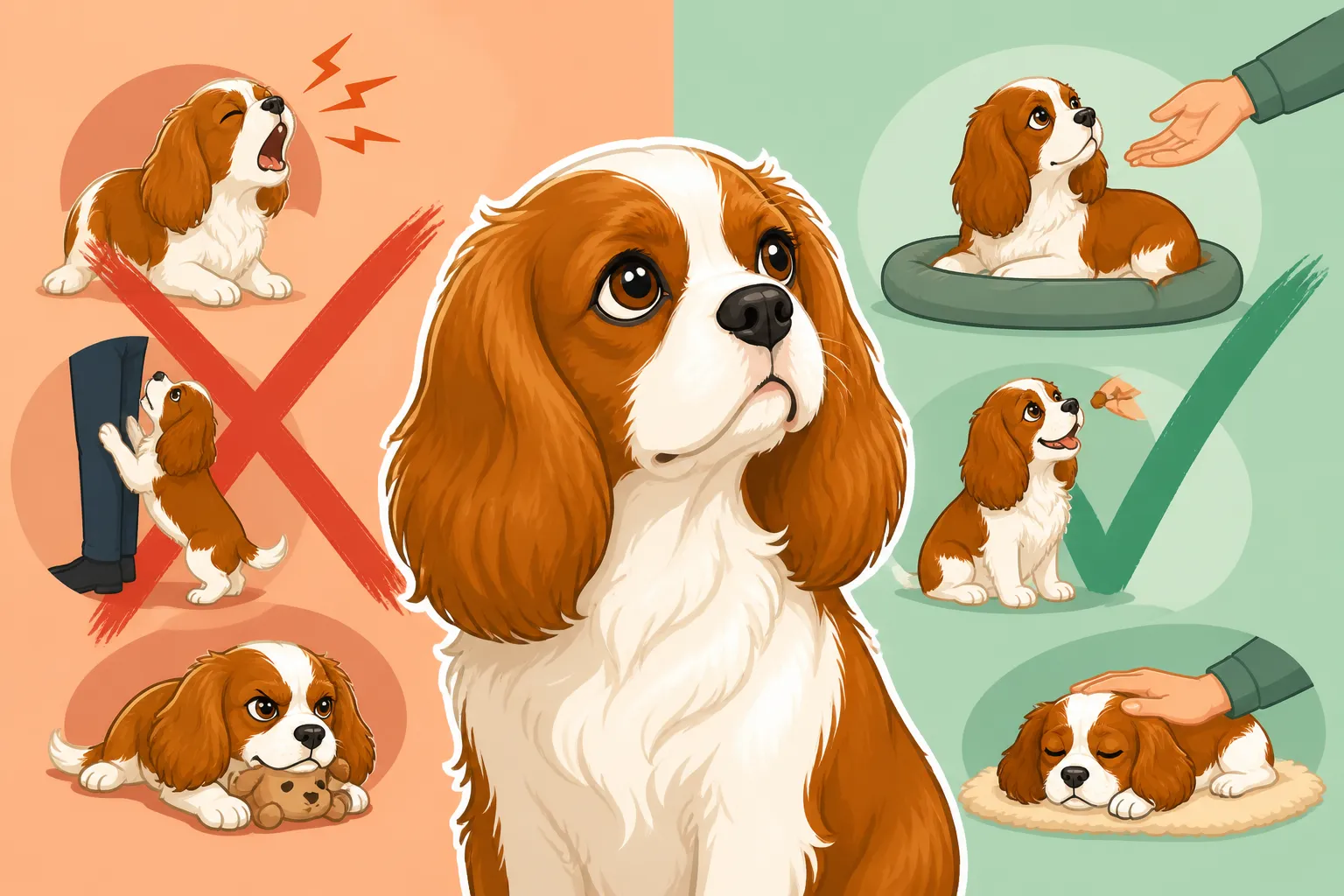
What an Adult Cavalier Has to Unlearn
Bringing an adult Cavalier King Charles Spaniel into your home, whether from a rescue or a new-to-you situation, often means inheriting a wonderful dog who also brings a lifetime of established habits. It can be incredibly frustrating and disheartening when these sweet, loving dogs exhibit behaviors that don't quite fit into your lifestyle or that cause them stress. This comprehensive guide will walk you through understanding why adult Cavaliers sometimes need to "unlearn" certain behaviors and how to patiently and effectively help them adapt to a new, happier routine.
Understanding the "Why" Behind Unlearning
When you welcome an adult Cavalier into your home, you're not getting a blank slate. Every dog comes with a history, and for some, that history might be filled with experiences that have unintentionally taught them behaviors we now need to address. It's easy to get frustrated, but understanding the roots of these habits is the first step toward compassion and effective training.
The Impact of Early Life Experiences
Many adult Cavaliers who come into new homes, particularly from rescue organizations, might have a past that includes puppy mill origins, neglect, or simply a previous household with different rules and routines. A dog from a puppy mill, for instance, might never have been properly house-trained or socialized to everyday sights and sounds. They might be terrified of stairs, unfamiliar with leashes, or have never learned how to play appropriately with toys. Their previous environment didn't provide the opportunities for positive learning experiences, leading to deeply ingrained fears or undesirable habits. Similarly, a Cavalier who lived in a home where barking at every passerby was tolerated or even encouraged will naturally continue that behavior in your home. They aren't trying to be difficult; they're simply doing what they've always known.
Inherited Instincts Versus Learned Habits
It's also important to distinguish between behaviors that are learned and those that are rooted in the Cavalier's inherent nature. Cavaliers, at their heart, are companion dogs, bred for close human interaction. This means they often develop strong attachments, which can sometimes manifest as Why a Cavalier Follows You Room to Room or even intense Signs a Cavalier Is Distressed When Alone. These are often natural tendencies, amplified by their history, rather than a deliberate "bad" behavior. On the other hand, things like resource guarding (protecting food or toys), jumping on guests, or pulling on the leash are typically learned behaviors, often inadvertently reinforced or simply never corrected. Understanding this distinction helps you approach training with the right mindset: you're not trying to change their core personality, but rather to guide them toward more appropriate ways of expressing their needs and instincts.
Addressing Common Unwanted Behaviors
Adult Cavaliers, particularly those with less-than-ideal pasts, can present with a range of behaviors that need patient unlearning. It's crucial to identify these specific issues before you can begin to tackle them effectively. Remember, each behavior likely has a trigger and a history behind it.
House Training Regression and Accidents
One of the most common and frustrating issues with an adult rescue Cavalier can be house training regression or a complete lack of house training. Perhaps they were kept in a crate too small where they were forced to soil their sleeping area, thus breaking down their natural instinct for cleanliness. Or maybe they simply lived in a chaotic environment where no one consistently taught them where and when to relieve themselves. You might find your otherwise sweet Cavalier having Toilet Accidents in an Elderly Cavalier or a younger dog still learning the ropes. They aren't doing it out of spite; they truly might not understand the expectations of a clean home.
The key to unlearning this is to treat them like a brand-new puppy when it comes to house training. This means very frequent potty breaks, especially after waking up, eating, and playing. Reward every successful outdoor potty with immediate praise and a high-value treat. Keep them on a short leash inside the house or in a puppy-proofed area so you can supervise closely and interrupt any attempts to go indoors. A good routine, consistent supervision, and lavish rewards for outdoor success will help overwrite the old habits.
Separation Distress and Clinginess
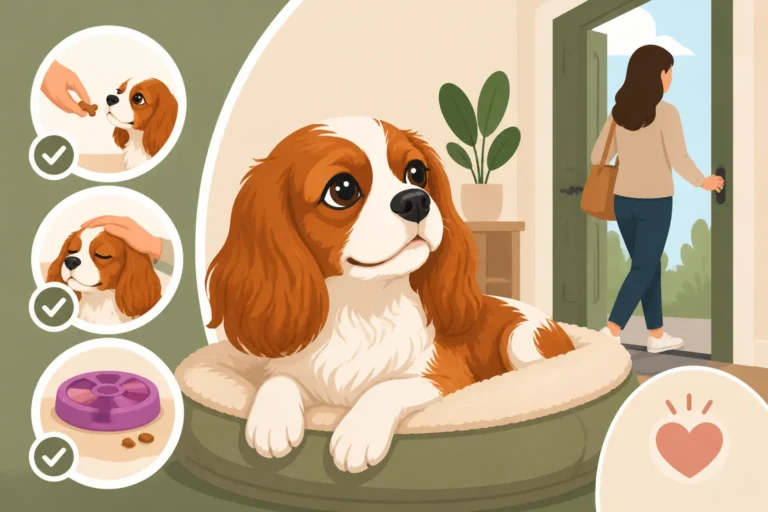
Cavaliers are famously devoted "Velcro dogs," and while endearing, this can escalate into severe separation anxiety if not managed. An adult Cavalier who has been bounced from home to home, or spent long hours alone, might develop intense distress when left, leading to behaviors like howling, destructive chewing, or inappropriate urination. They might follow you from room to room, even to the bathroom, and whine if a door closes between you. This isn't just "being clingy" – it's often a deep-seated fear of abandonment. For some, the anxiety can be so profound that even short departures can lead to a full-blown panic attack. You might notice A Cavalier That Howls the Moment You Leave or A Cavalier That Chews Doorframes When Alone.
Unlearning this requires a very gradual approach to building their confidence alone. Start with extremely short absences, literally seconds, and slowly increase the duration. Use calming signals before you leave and ensure they have engaging, long-lasting chews or puzzle toys to distract them. For more severe cases, professional help from a veterinary behaviorist might be necessary, and sometimes Medication for Cavalier Separation Anxiety can be part of a comprehensive plan to help them cope. Building their tolerance for being left alone is a marathon, not a sprint.
Leash Reactivity and Pulling
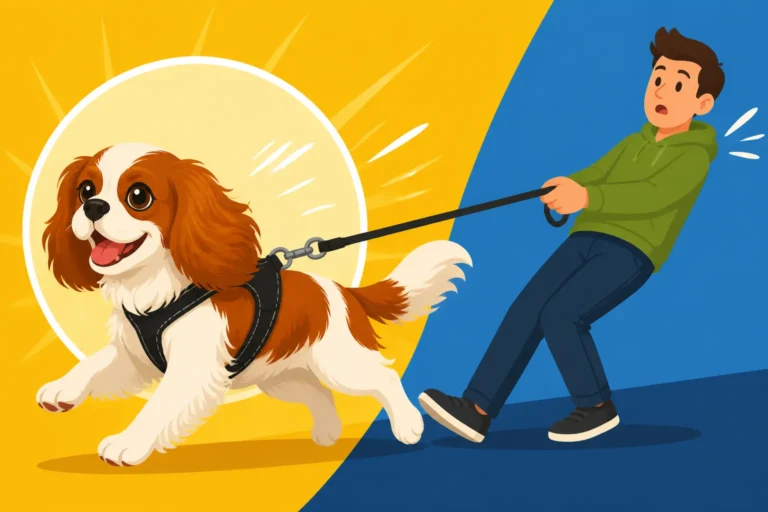
For a small dog, a Cavalier can certainly pull with surprising strength, making walks less enjoyable. Some adult Cavaliers might have never learned proper leash manners, while others might have developed leash reactivity – barking, lunging, or growling at other dogs, people, or cars while on walks. This often stems from a lack of proper socialization as a puppy, previous negative experiences, or simply anxiety in an overwhelming outdoor environment. They might feel vulnerable on a leash and believe they need to "warn off" perceived threats. It's a common frustration for owners when their otherwise friendly Cavalier suddenly becomes a terror on the end of a leash.
To unlearn pulling, a front-clip harness can be incredibly helpful as it redirects their pulling power. For reactivity, the goal isn't to punish the behavior, but to change their emotional response. This means working below their "threshold," keeping enough distance from triggers so your Cavalier notices them but doesn't react. When they see a trigger without reacting, immediately reward them with a high-value treat. This teaches them that seeing other dogs or people predicts good things. Over time, you can gradually decrease the distance. Resources like online courses or trainers can guide you on Leash Manners for a Cavalier That Pulls and managing reactivity safely.
Excessive Barking or Alerting
Cavaliers are generally not considered excessive barkers, but they can certainly develop this habit. An adult Cavalier might A Cavalier That Barks at the Doorbell, at every passerby outside the window, or even just at sounds they deem unusual. This can be a learned behavior from previous owners who didn't curb it, or it can be a manifestation of anxiety, boredom, or a perceived need to "protect" their new territory. If a Cavalier has spent years as the resident doorbell alarm, it will take time to convince them that the job is no longer theirs.
Unlearning excessive barking involves consistent management and teaching an alternative behavior. For doorbell barking, practice a "go to mat" command. When the doorbell rings (or you simulate it), direct them to their mat, reward them for staying there, and then answer the door. For window barking, manage the environment by limiting their view with window film or blinds. When they do bark, interrupt it with a gentle sound and redirect their attention to you, then reward them for quiet. Never shout or punish barking, as this often makes anxious barking worse. Instead, focus on rewarding quiet and teaching them what to do instead.
| Unwanted Behavior | Potential Root Cause | Initial Unlearning Strategy |
|---|---|---|
| House Training Accidents | Lack of previous training, past neglect, stress | Treat like puppy, frequent potty breaks, high-value rewards outside, close supervision indoors. |
| Separation Distress | Fear of abandonment, lack of confidence when alone | Gradual desensitization, short absences, long-lasting chews, professional help for severe cases. |
| Leash Pulling | Never taught manners, overexcitement, unfamiliarity | Front-clip harness, reward loose-leash walking, consistent practice in low-distraction areas. |
| Leash Reactivity | Poor socialization, negative experiences, anxiety | Work below threshold, reward calm observation of triggers from a distance, positive association. |
| Excessive Barking | Learned behavior, boredom, anxiety, guarding | Environmental management (window film), redirect and reward quiet, teach "quiet" cue. |
| Resource Guarding | Insecurity, past competition for resources | Teach "trade," create positive associations around high-value items, professional guidance. |
| Jumping on Guests | Excitement, seeking attention, never taught manners | Ignore jumping, reward four paws on floor, teach "place" or "sit" for greetings. |
The Gentle Art of Redirection and Positive Reinforcement
Helping an adult Cavalier unlearn deeply ingrained habits is less about punishment and more about gentle guidance, consistency, and showing them a better, more rewarding way. This approach builds trust and strengthens your bond, which is essential for these sensitive dogs.
Establishing New Routines and Expectations
For an adult Cavalier, especially one from a chaotic background, predictability is comfort. Establishing clear, consistent routines for everything from potty breaks and meal times to walks and bedtime can significantly reduce anxiety and help them understand what's expected. For instance, if your new Cavalier is having accidents indoors, a strict schedule of outdoor trips every few hours, immediately after waking, eating, and playing, will help them understand the new rules. Always take them to the same spot if possible, using a cue word like "potty" or "go pee," and reward success lavishly. This consistency is how they unlearn the old habit of going whenever and wherever.
Similarly, if your Cavalier struggles with being left alone, creating a consistent "departure routine" can signal to them what's coming and help them cope. This might involve giving them a special puzzle toy filled with treats, turning on some classical music, and using a calm, reassuring tone before you step out. Consistency isn't just about what you do, but how you do it. Your calm, confident demeanor is a powerful tool in helping them feel secure enough to let go of old anxieties.
Using Rewards to Shape Desired Behaviors
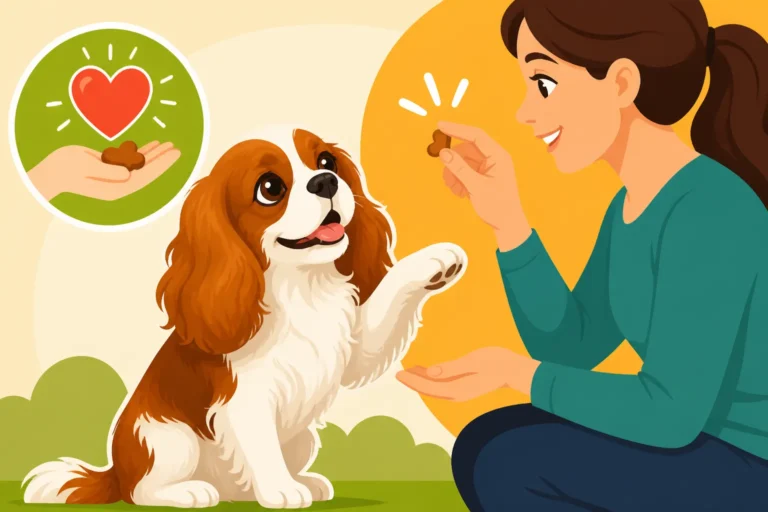
Positive reinforcement is your best friend when helping an adult Cavalier unlearn. Rather than punishing unwanted behaviors, which can damage their trust and increase anxiety, focus on rewarding the behaviors you want to see. For example, if your Cavalier barks at the mail carrier, instead of yelling "No!" or "Quiet!", work on rewarding them for being quiet before the mail carrier arrives. You can even toss a treat the moment they see the mail carrier but before they start barking, slowly changing their association from "threat" to "treat-giver." High-value treats, like small pieces of cooked chicken or cheese, are often incredibly motivating for Cavaliers.
Think of it as setting your Cavalier up for success. If they tend to chew furniture when anxious, provide appropriate, engaging chews instead. When they choose the chew toy, praise them like they've just won the lottery. If they usually jump on guests, have treats ready, and reward them the instant their four paws stay on the floor during greetings. Over time, they will learn that calm, appropriate behavior brings good things, while the old, unwanted behaviors are simply ignored or don't get them what they want. Many owners find structured online training programs helpful, such as those offered by BAXTER & Bella, which emphasize positive, reward-based methods for a wide range of behaviors.
Managing the Environment for Success
Sometimes, the easiest way to help a Cavalier unlearn a behavior is to temporarily remove the opportunity for them to practice it. This is called environmental management. If your Cavalier shreds paper towels from the kitchen bin, get a bin with a secure lid or put it in a cabinet. If they bark incessantly at squirrels out the front window, put up a temporary window film or close the blinds during peak squirrel-activity hours. This isn't avoiding the problem; it's preventing them from rehearsing the unwanted behavior while you teach them an alternative.
For Cavaliers with separation anxiety, creating a safe, comfortable "den" – perhaps a cozy crate in a quiet room, or a small dog-proofed area – can make a huge difference. Ensure it's a positive space where they have access to water and engaging toys. Consider using a calming diffuser in this area. Managing their environment reduces stress and sets the stage for successful training. Similarly, for a Cavalier who pulls on the leash, using a comfortable, well-fitting harness from a brand found on Amazon can transform their walks, making it easier for you to guide them and for them to learn not to pull. By controlling their access to triggers and opportunities for misbehavior, you give them the best chance to learn and internalize new, positive habits.
Patience, Consistency, and Professional Support
Helping an adult Cavalier unlearn behaviors isn't a quick fix. It's a journey that requires boundless patience, unwavering consistency, and sometimes, the wisdom of a professional. Remember, you're undoing months or even years of ingrained habits.
Overcoming Frustration and Setbacks
There will be days when you feel like you've made no progress. Your Cavalier might have a "perfect" week of house training, only to have an accident right in front of you. Or they might finally walk politely on the leash for several blocks, then suddenly lunge at a leaf blowing across the path. These setbacks are normal, and they do not mean you've failed or that your Cavalier isn't capable of learning. Think of it this way: for every step forward, there might be a half-step back. The key is to not get discouraged and to resist the urge to react negatively. Why Shouting Sets a Cavalier Back Weeks, as it can erode trust and increase anxiety, which is counterproductive to unlearning fear-based behaviors.
Instead, when a setback occurs, take a deep breath. Reassess the situation: Was there a trigger you missed? Was the environment too stimulating? Did you push too fast? Go back to basics for a day or two, making tasks easier for your Cavalier and reinforcing success with even higher-value rewards. Celebrate the small victories, like a few minutes of quiet while you're in another room, or a polite sniff instead of a bark at another dog. Your positive attitude and calm persistence are vital for your Cavalier's success and confidence.
When to Seek Expert Guidance
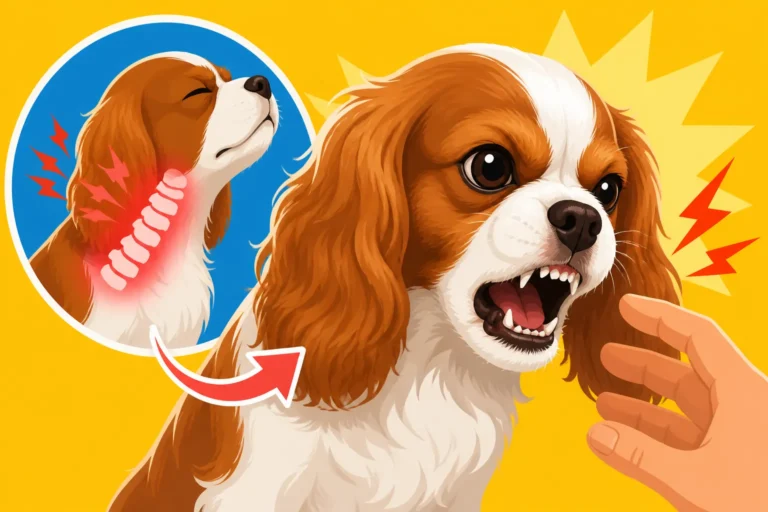
While many common issues can be addressed with consistent positive reinforcement and environmental management, some behaviors are simply too complex or deeply rooted for a layperson to tackle alone. If you're dealing with severe separation anxiety, aggression (even mild snapping, for instance, if A Cavalier That Yelps When Picked Up because of pain), profound fear, or compulsive behaviors, it's time to call in the cavalry. A certified professional dog trainer, particularly one experienced in positive reinforcement and force-free methods, can provide personalized guidance and support. For more complex behavioral issues, a veterinary behaviorist is often the best choice. These are veterinarians with specialized training in animal behavior and can diagnose underlying medical conditions that might contribute to behavior problems, as well as prescribe medication if necessary as part of a comprehensive treatment plan.
They can offer tools, strategies, and a different perspective that can make all the difference. Sometimes, just having someone objective observe your Cavalier and your interactions can highlight patterns you hadn't noticed. Investing in professional help is not a sign of failure; it's a sign of a responsible and loving owner committed to giving their Cavalier the best possible life. Websites like the Certification Council for Professional Dog Trainers (CCPDT) or the American College of Veterinary Behaviorists (ACVB) can help you find qualified professionals in your area.
The Role of Health in Behavior Changes
It's absolutely critical to consider your Cavalier's physical health when addressing any behavior changes. Many behaviors that seem purely "naughty" or "stubborn" can actually be rooted in pain, discomfort, or an undiagnosed medical condition. For example, a Cavalier who suddenly starts having house training accidents might have a urinary tract infection or developing kidney issues. A dog who becomes reactive on walks might have joint pain, making them more irritable or fearful when approached. An increase in barking or restlessness at night could be a sign of pain, cognitive decline, or an underlying heart condition like Mitral Valve Disease in the Cavalier King Charles Spaniel that causes discomfort or changes in breathing.
Before embarking on any major behavioral modification plan, a thorough veterinary check-up is always recommended. Discuss all behavioral concerns with your vet. They can rule out medical causes, recommend appropriate diagnostic tests, and ensure your Cavalier is physically comfortable enough to engage in training. Addressing underlying health issues can sometimes resolve the behavior problem entirely or at least make training significantly more effective. For an older Cavalier, in particular, a sudden change in behavior often warrants a vet visit as the first step.
Disclaimer
This article is for general informational purposes only and does not constitute professional advice. Laws, prices and regulations vary by location and change over time. Consult a qualified professional for guidance on your specific situation.