A Cavalier That Yelps When Picked Up
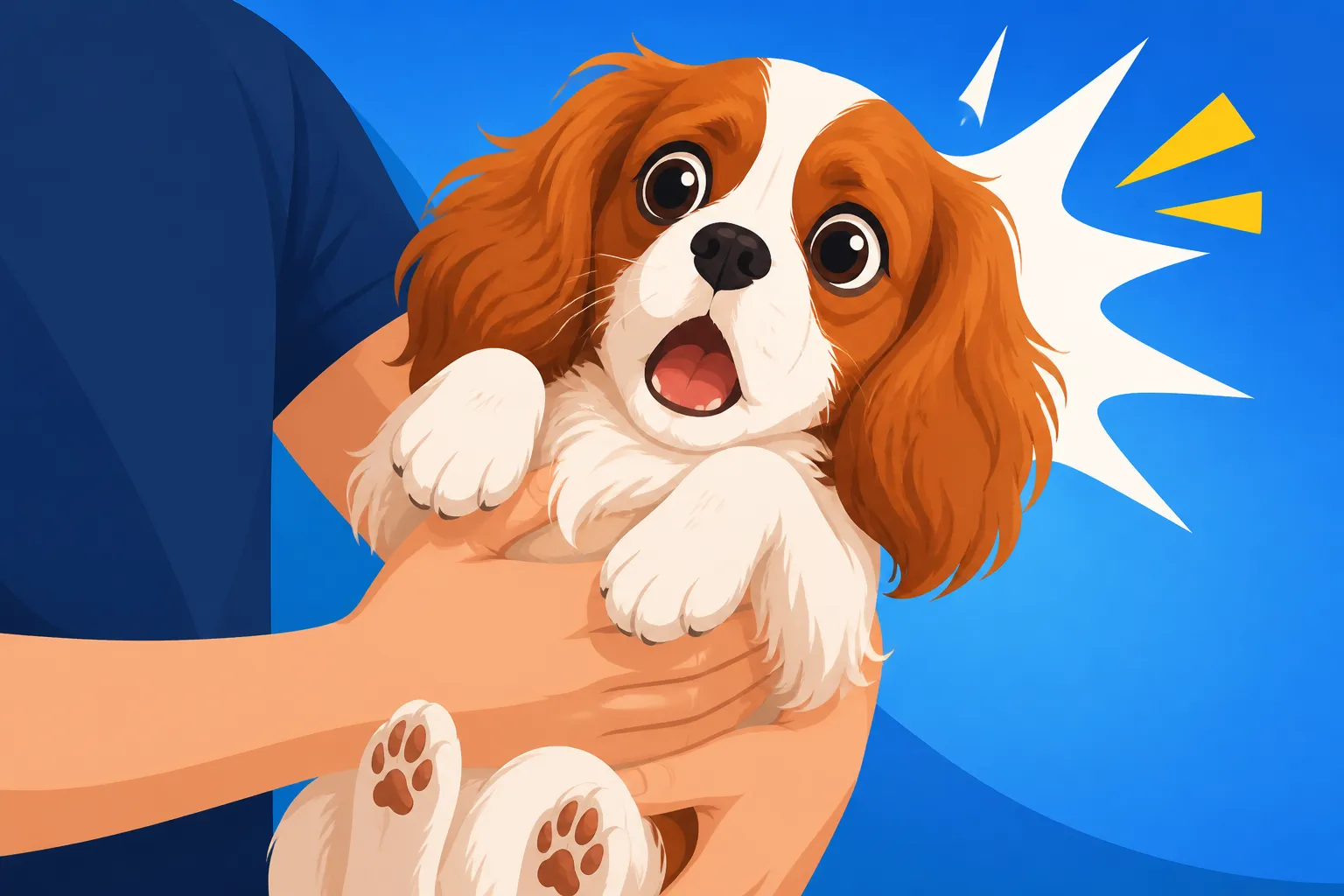
It’s truly alarming when your sweet Cavalier, usually so eager for a cuddle, suddenly yelps or flinches when you try to pick them up. This sudden sign of pain isn’t just heartbreaking; it’s a clear message that something is wrong, and it leaves you frantically searching for answers. This comprehensive guide will help you understand the potential reasons behind your Cavalier's discomfort, what immediate steps you should take, and how to work with your vet to get your beloved companion back to their happy, pain-free self.
Understanding the Sudden Pain Response
When your Cavalier King Charles Spaniel yelps or cries out upon being picked up, it's a stark indication of pain. Unlike humans, dogs can't tell us in words where it hurts, so they communicate through vocalizations, changes in posture, and reluctance to be touched or moved. This isn't just a random whimper; it's a genuine distress signal that demands your immediate attention. It’s a natural instinct for any animal to vocalize when something causes them acute discomfort, and for a Cavalier, whose gentle nature often means they try to hide pain until it becomes severe, a yelp is a serious red flag.
The exact spot where they're being touched or lifted can often give you a clue about the source of the pain. For instance, if the yelp happens when your hands go under their chest, it might point to a front limb, shoulder, or neck issue. If it's when you support their hindquarters, the back, hips, or knees could be the culprits. Observing these subtle details, even in a moment of panic, can be incredibly helpful information for your veterinarian. It’s crucial not to dismiss these cries as mere fussiness. Cavaliers are generally very tolerant and people-oriented, so a yelp from being picked up suggests a genuine physical problem that needs investigation, not just behavioral correction.
Common Physical Causes for Yelping
There's a wide range of conditions that could lead your Cavalier to cry out when lifted, from spinal issues to joint pain. Pinpointing the exact cause will require a veterinary examination, but understanding the possibilities can help you provide better information to your vet and ensure you're aware of the potential complexities.
Neck and Spinal Pain
One of the most common and concerning reasons a Cavalier might yelp when picked up is pain originating from their neck or spine. The act of lifting can put pressure on sensitive areas, exacerbating underlying conditions.
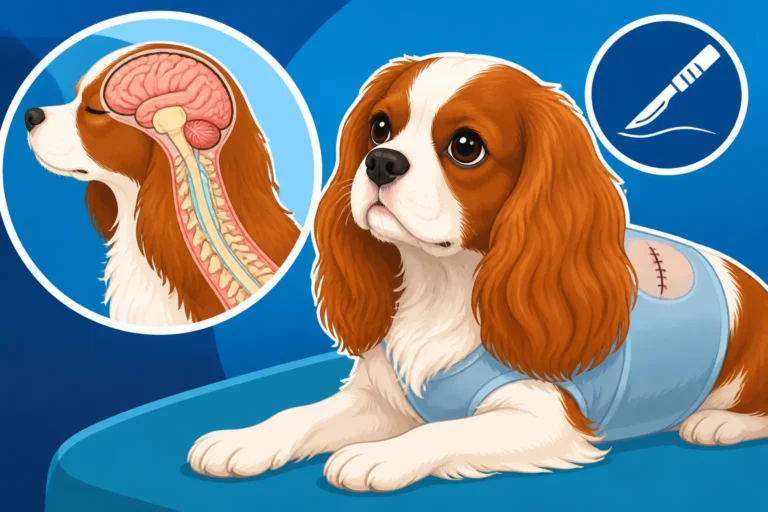
- Syringomyelia (SM): This is a notoriously prevalent and painful neurological condition in Cavaliers. It occurs when a Cavalier's skull is too small for its brain, leading to the brain tissue (specifically the cerebellum) being pushed through the foramen magnum (the opening at the back of the skull) into the spinal canal. This obstructs the flow of cerebrospinal fluid, causing fluid-filled cavities (syrinxes) to form within the spinal cord. When you pick up a Cavalier with Syringomyelia, particularly if their neck is extended or twisted, it can put pressure on the syrinx, leading to intense, shooting pain. This pain might manifest as a sharp yelp, a sudden cry, or even a snap or bite in severe cases. Owners might also notice other signs like "air scratching" or a refusal to use stairs. This condition requires careful management and often specific Pain Relief for a Cavalier With Syringomyelia. Understanding Syringomyelia and Chiari Malformation in Cavaliers is critical for owners of this breed.
- Intervertebral Disc Disease (IVDD): Like humans, dogs have discs between their vertebrae that act as shock absorbers. If one of these discs ruptures or herniates (slips), it can press on the spinal cord or nerves, causing severe pain. Lifting a dog with IVDD can worsen the compression and trigger a sharp yelp. This can occur anywhere along the spine, but neck and lower back discs are common sites. Depending on the severity and location, IVDD can lead to weakness, wobbliness, or even paralysis.
- Muscle Strains or Sprains: Just like us, dogs can strain muscles or sprain ligaments in their neck or back from sudden movements, overexertion, or an awkward landing. This kind of pain can be acute and localized, making touch or movement, such as being picked up, incredibly uncomfortable. A simple strain might resolve with rest and anti-inflammatory medication, but it's important to rule out more serious issues.
Joint Problems and Arthritis
Cavaliers are prone to certain orthopedic issues that can cause pain, especially when pressure is applied to affected joints.
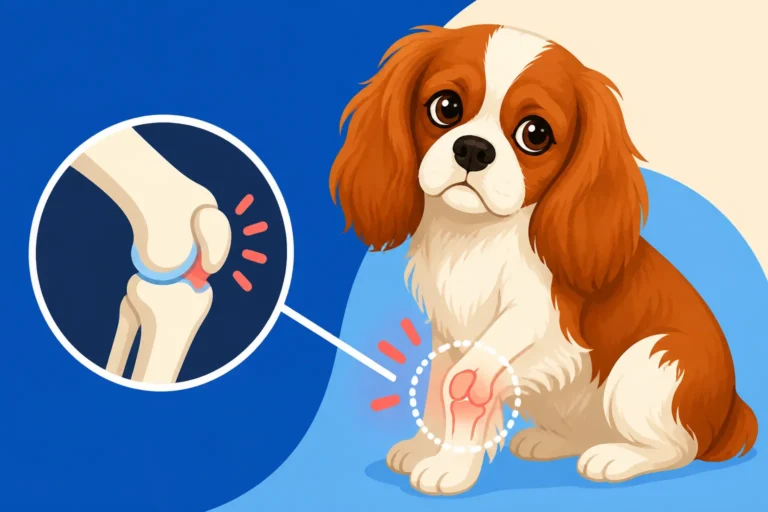
- Patellar Luxation (Loose Kneecaps): This condition, common in small breeds like Cavaliers, involves the kneecap (patella) slipping out of its normal groove. While often causing a skip in their gait, it can also lead to pain if the knee joint is handled or stressed incorrectly when lifting. If a kneecap is momentarily out of place, or if the surrounding soft tissues are inflamed, the pressure from your hands can cause a yelp. For more in-depth information, you can read about Loose Kneecaps in a Thirteen-Pound Cavalier.
- Hip Dysplasia: Though more commonly associated with larger breeds, Cavaliers can also suffer from hip dysplasia, where the hip joint doesn't form correctly. This can lead to loose joints, pain, and eventually arthritis. Lifting a Cavalier, especially by supporting their hindquarters or placing pressure on their hips, can cause discomfort if they have this condition. Early signs of Cavalier Hip Dysplasia and Early Arthritis can often be subtle, but a yelp during lifting can be a significant indicator.
- Arthritis: As Cavaliers age, they can develop arthritis in any of their joints, particularly the hips, knees, and elbows. Inflamed and degenerated joints become stiff and painful, and being picked up can put undue stress on these areas, resulting in a yelp. Even in younger dogs, early signs of joint discomfort could be the cause.
Abdominal Discomfort
Sometimes, the pain isn't musculoskeletal but originates from the abdominal cavity.
- Gastrointestinal Issues: Conditions like severe constipation, gas, pancreatitis, or even an upset stomach can make a Cavalier's abdomen tender to the touch. When you pick them up, the pressure on their belly could cause a sharp yelp.
- Organ Enlargement or Inflammation: An enlarged spleen, kidney issues, or even a bladder infection can make the abdominal area very sensitive. If any internal organs are inflamed or swollen, pressure from lifting can be painful.
Other Painful Conditions
Beyond the more common issues, several other factors could contribute to your Cavalier yelping when picked up.
- Ear Infections: While seemingly unrelated, severe ear infections can cause significant pain. If the infection is deep or involves the middle ear, the entire head and neck area can become sensitive. The act of lifting, especially if it jostles the head, could trigger pain that manifests as a yelp. Cavaliers with their long, drop ears are particularly susceptible to Cavalier Ear Infections and Why They Recur.
- Dental Pain: Severe dental disease, abscesses, or fractured teeth can lead to widespread facial and jaw pain. Though less likely to cause a yelp from being picked up directly, significant pain in the head could make a dog generally more sensitive and reactive.
- Injury or Trauma: A recent fall, collision, or other unnoticed trauma could have caused an injury like a broken rib, pulled muscle, or bruising that is only evident when direct pressure is applied during lifting.
- Growth Plate Issues (in young puppies): In very young puppies, issues with rapidly growing bones or injured growth plates could cause pain upon handling.
What to Do When Your Cavalier Yelps
Discovering your Cavalier is in pain when you pick them up is incredibly distressing. It's natural to feel worried and unsure of what to do next. The most important thing is to remain calm and follow a clear plan of action.
Immediate Steps at Home
Your first priority is to prevent further pain and gather information.
- Handle with Extreme Care: For now, avoid picking up your Cavalier unless absolutely necessary. If you must move them, do so by supporting their entire body, like a baby, ensuring their spine and limbs are fully cradled. Avoid putting pressure on any specific area that seems to trigger the yelp. You might need to use a towel or blanket as a sling to lift them gently, spreading the weight evenly. Observe carefully where your hands cause the most reaction. Is it the neck? The back? A specific leg? Note these details.
- Check for Obvious Injuries: Gently, and without causing further pain, visually inspect your dog. Look for any visible swelling, limping, cuts, punctures, or tenderness in specific areas. Check their paws for thorns or debris. Feel along their limbs, back, and neck very lightly, looking for any sharp reactions. If they tolerate it, gently check their ears for redness or discharge, and look at their teeth and gums.
- Restrict Activity: Until you can get to the vet, it’s best to keep your Cavalier quiet. Crate rest or confining them to a small, safe room can help prevent them from worsening any potential injury. Avoid stairs, jumping on and off furniture, and boisterous play. Leash walks should be minimized or temporarily halted. This restriction isn't a punishment; it's a protective measure.
- Contact Your Veterinarian: This is not a "wait and see" situation. A yelp of pain means veterinary attention is needed promptly. Call your vet's office right away. Explain the exact circumstances: when the yelping started, how it happens (only when picked up, or also with other movements), and any other symptoms you've noticed. They might advise you to come in immediately or schedule an urgent appointment. Be prepared to describe the nature of the yelp – was it a quick "ouch," a prolonged cry, or did it sound more like a grunt of discomfort?
The Veterinary Examination and Diagnosis
Once at the vet, a thorough examination will be performed. This is where your observations become invaluable.
- Physical Exam: Your vet will perform a complete physical exam, carefully palpating your Cavalier's body, checking their joints, spine, neck, and abdomen. They will assess their gait, reflexes, and range of motion. They might ask you to demonstrate how you typically pick up your dog to replicate the pain response, but they will proceed with extreme caution to avoid causing unnecessary distress.
- Diagnostic Tests: Depending on the findings of the physical exam, your vet may recommend further diagnostics.
- X-rays: Radiographs can reveal issues like fractures, severe arthritis, some disc problems, and certain abdominal abnormalities.
- Blood Work: This can check for inflammation, infection, organ function issues, and provide a general health baseline, especially if anesthesia is considered for further imaging or procedures.
- MRI (Magnetic Resonance Imaging): This is often the gold standard for diagnosing neurological conditions like Syringomyelia or IVDD, as it provides detailed images of soft tissues, the spinal cord, and brain. However, an MRI requires anesthesia, which carries its own considerations, especially for a Cavalier. You can learn more about What a Cavalier MRI Scan Costs and Shows.
- Ultrasound: An abdominal ultrasound can provide detailed images of internal organs if an abdominal issue is suspected.
- Referral to a Specialist: In many cases, especially with suspected neurological or severe orthopedic pain, your general veterinarian might recommend a referral to a specialist, such as a veterinary neurologist or orthopedic surgeon. These specialists have advanced training and equipment to diagnose and treat complex conditions.
Long-Term Management and Prevention
Once a diagnosis is made, the focus shifts to managing your Cavalier's pain and preventing future episodes. This often involves a multi-faceted approach tailored to their specific condition.
Medical Management
Depending on the diagnosis, medication will likely be a cornerstone of treatment.
- Pain Relief: Non-steroidal anti-inflammatory drugs (NSAIDs) are commonly prescribed for musculoskeletal pain and inflammation. For neuropathic pain, such as that caused by Syringomyelia or severe nerve compression from IVDD, drugs like Gabapentin are often used. Your vet will determine the appropriate medication and dosage based on your Cavalier's specific needs and health status.
- Disease-Modifying Drugs: For conditions like Syringomyelia, other medications might be used to reduce fluid pressure or inflammation around the spinal cord. It's a journey, and adjusting medications can be part of finding the right balance for Living With a Cavalier That Has Syringomyelia.
- Supplements: Joint supplements containing glucosamine, chondroitin, and MSM can support cartilage health and reduce inflammation in arthritic joints. Omega-3 fatty acids also have anti-inflammatory properties that can be beneficial. Always discuss supplements with your vet before introducing them, as some can interact with medications.
Lifestyle Adjustments and Supportive Care
Medication alone is often not enough; lifestyle changes play a critical role in long-term comfort and well-being.
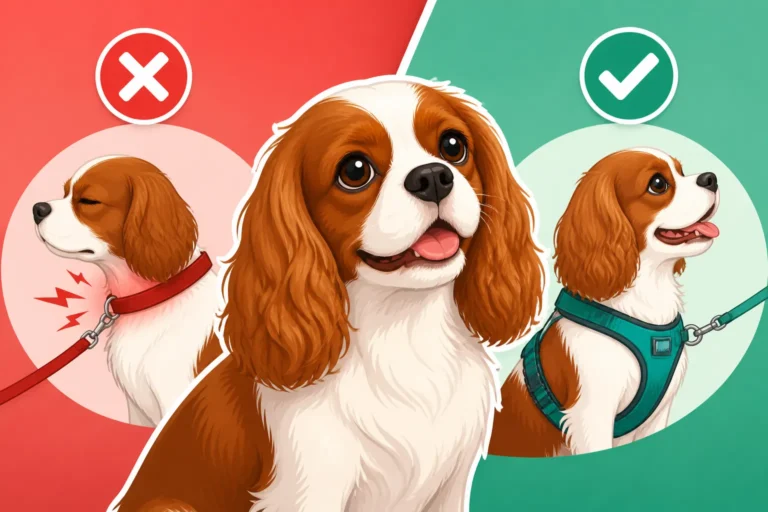
- Safe Handling Techniques: Re-learning how to pick up your Cavalier is essential. Always support their chest and hindquarters simultaneously, keeping their spine aligned. Avoid lifting by the armpits or allowing their back to arch. It may be safer to encourage them to step onto a low surface or a ramp rather than being lifted, especially if they are getting older or have known spinal issues. For an aging Cavalier, investing in pet stairs or ramps can be incredibly helpful for accessing furniture and beds without painful jumps or lifts, becoming a critical part of Caring for a Cavalier Past Nine.
- Weight Management: Keeping your Cavalier at a healthy weight is paramount, especially for those with joint or spinal problems. Excess weight puts additional strain on sensitive areas, exacerbating pain. Even a few extra pounds can make a significant difference to a small dog like a Cavalier. Work with your vet to determine an ideal weight and a suitable diet plan. You can find more information about Cavalier Weight Gain and What It Costs the Heart.
- Controlled Exercise: Exercise is still important, but it needs to be carefully managed. Short, frequent, low-impact walks are usually better than long, strenuous sessions. Avoid activities that involve jumping, twisting, or rough play. Swimming can be an excellent non-weight-bearing exercise for strengthening muscles without stressing joints.
- Comfortable Environment: Ensure your Cavalier has comfortable, supportive bedding that is easy to get in and out of. Raised food and water bowls can help reduce neck strain, especially for dogs with neck pain. Non-slip rugs on hard floors can prevent slips and falls that could lead to injury.
- Physical Rehabilitation: A certified canine rehabilitation therapist can develop a program of exercises, massage, hydrotherapy, and other modalities to strengthen muscles, improve range of motion, and reduce pain. This can be a game-changer for many dogs recovering from injury or managing chronic conditions.
- Regular Veterinary Check-ups: Consistent follow-up appointments with your vet are crucial to monitor your Cavalier's condition, adjust medications as needed, and address any new symptoms. Early intervention is key to managing chronic pain effectively.
Financial Considerations and Pet Insurance
Dealing with a Cavalier in pain can bring unexpected financial burdens, especially if advanced diagnostics or long-term medication are required.
- Diagnostic Costs: Procedures like MRI scans, specialist consultations, and ongoing treatments can quickly add up. For example, a thorough workup for suspected Syringomyelia, including an MRI, can range from $2,500 to $5,000 or more, depending on your location and the clinic. This is a significant cost that many owners are not prepared for.
- Treatment Costs: Long-term medication for chronic pain, such as Gabapentin or NSAIDs, can become a recurring monthly expense. Physical rehabilitation sessions also incur costs.
- Pet Insurance: This is where pet insurance can be a true lifesaver. If you have a policy, especially one from a reputable provider like Healthy Paws, it can help cover a significant portion of these unexpected veterinary bills. However, it's vital to remember that most pet insurance policies do not cover pre-existing conditions. If your Cavalier developed pain and was diagnosed before you enrolled them or before the waiting period ended, that specific condition might be excluded. This highlights the importance of enrolling your pet in insurance, like with Healthy Paws, when they are young and healthy. Don't wait until a problem arises, as that could make conditions like Syringomyelia or IVDD pre-existing. It's always wise to understand your policy's specifics regarding deductibles, reimbursement percentages, and annual limits.
| Potential Cause | Common Additional Symptoms | Urgency of Vet Visit |
|---|---|---|
| Syringomyelia / IVDD (Neck/Back) | Phantom scratching (air scratching), crying out without touch, reluctance to jump/use stairs, head tilt, weakness in limbs, abnormal gait, sensitivity to touch around neck/back, A Cavalier That Yelps When Picked Up even from gentle petting. | High. Neurological pain can worsen rapidly and lead to permanent damage. Seek vet attention immediately; often requires specialist referral and MRI. |
| Patellar Luxation / Hip Dysplasia | Limping, skipping gait, reluctance to put weight on a limb, difficulty getting up, stiffness after rest, lameness after exercise. | Moderate-High. While not always an emergency, persistent lameness or acute pain warrants a vet visit soon to prevent further joint damage. |
| Arthritis | Stiffness, reluctance to move, favoring a limb, difficulty with stairs or jumping, reduced activity, licking at painful joints, more prevalent in What Changes in a Cavalier After Eight. | Moderate. Chronic pain needs management to improve quality of life. Schedule a vet visit to discuss pain relief and management strategies. |
| Muscle Strain/Sprain | Localized tenderness, mild limping, guarding the area, general reluctance to move or play. | Moderate. Rest and anti-inflammatories often help, but vet confirmation is needed to rule out fractures or more severe injuries. |
| Abdominal Discomfort | Vomiting, diarrhea, loss of appetite, lethargy, hunched posture, distended abdomen, straining to defecate, refusal to eat. | High. Can indicate serious issues like pancreatitis, blockage, or internal injury. Seek vet attention promptly, especially if combined with lethargy or repeated vomiting. |
| Ear Infection | Head shaking, scratching at ears, redness/discharge in ear canal, foul odor from ears, sensitivity around the head, rubbing ears on furniture. | Moderate. Untreated ear infections are painful and can lead to chronic issues or spread. A vet visit is needed for diagnosis and appropriate medication. Telling Syringomyelia From a Cavalier Ear Infection can sometimes be tricky. |
| Injury / Trauma | Visible cuts/bruises, swelling, severe lameness, non-weight bearing, guarding a specific area, may be an indication of Behavior Changes That Mean a Cavalier Hurts. | High. Any acute, unexplained injury or significant trauma requires immediate veterinary assessment to check for fractures or internal injuries. |
Proactive Care and Prevention
While not all conditions can be prevented, proactive care can mitigate risks and improve outcomes.
- Responsible Breeding: If you are considering a Cavalier puppy, choose a breeder who performs all recommended health clearances for their breeding dogs, including MRI scans for Syringomyelia and cardiac clearances by a board-certified cardiologist. Ask to see official certifications for both parents. Understanding The Heart Testing a Cavalier Breeder Must Do and The Cavalier MVD Breeding Protocol can guide your choices.
- Regular Health Checks: Annual veterinary check-ups are essential for early detection of any health issues. Your vet can monitor your Cavalier's weight, listen to their heart (especially important for Cavaliers prone to Mitral Valve Disease in the Cavalier King Charles Spaniel), and assess their overall mobility.
- Safe Environment: Puppy-proof your home to prevent falls and injuries. Use gates to block stairs if necessary, and ensure your dog cannot jump from high places. Provide secure footing on slippery floors.
- Proper Nutrition: Feed a high-quality diet appropriate for your Cavalier's age, weight, and activity level. Avoid overfeeding to prevent obesity.
- Monitor for Subtle Changes: Pay close attention to any changes in your Cavalier's behavior, appetite, activity level, or gait. Sometimes, a reluctance to play or a slight hesitation before jumping is the first sign of developing pain. Early recognition often leads to more effective treatment.
Seeing your Cavalier in pain is never easy, but by understanding the potential causes, taking swift action, and working closely with your veterinarian, you can help them find relief and ensure they continue to live a happy, comfortable life by your side.
Disclaimer
The information provided in this article is for general informational purposes only and is not a substitute for professional veterinary advice. Always consult with a qualified veterinarian for any health concerns or before making any decisions related to your pet's health and treatment.