Cavalier Hip Dysplasia and Early Arthritis
It’s a heart-wrenching moment when you notice your beloved Cavalier King Charles Spaniel isn't quite moving with the joyful bounce you expect. Maybe they're hesitant to jump on the sofa, or perhaps a slight limp after a vigorous play session has become more frequent. These subtle shifts can often be the first whisperings of hip dysplasia or the onset of early arthritis, common concerns for our sweet-natured companions. This guide aims to shed light on these conditions, helping you understand, identify, and manage them, ensuring your Cavalier continues to live their happiest, most comfortable life.
Understanding Hip Dysplasia in Cavaliers
Hip dysplasia is one of those scary terms no dog owner wants to hear, especially when it concerns a breed as cherished as the Cavalier King Charles Spaniel. It sounds intimidating, but breaking it down can help you understand what's really going on with your furry friend.
What Exactly Is Hip Dysplasia?
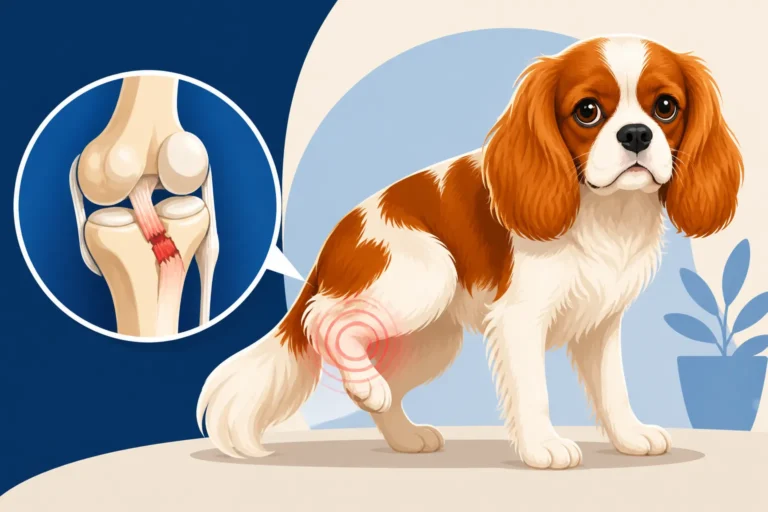
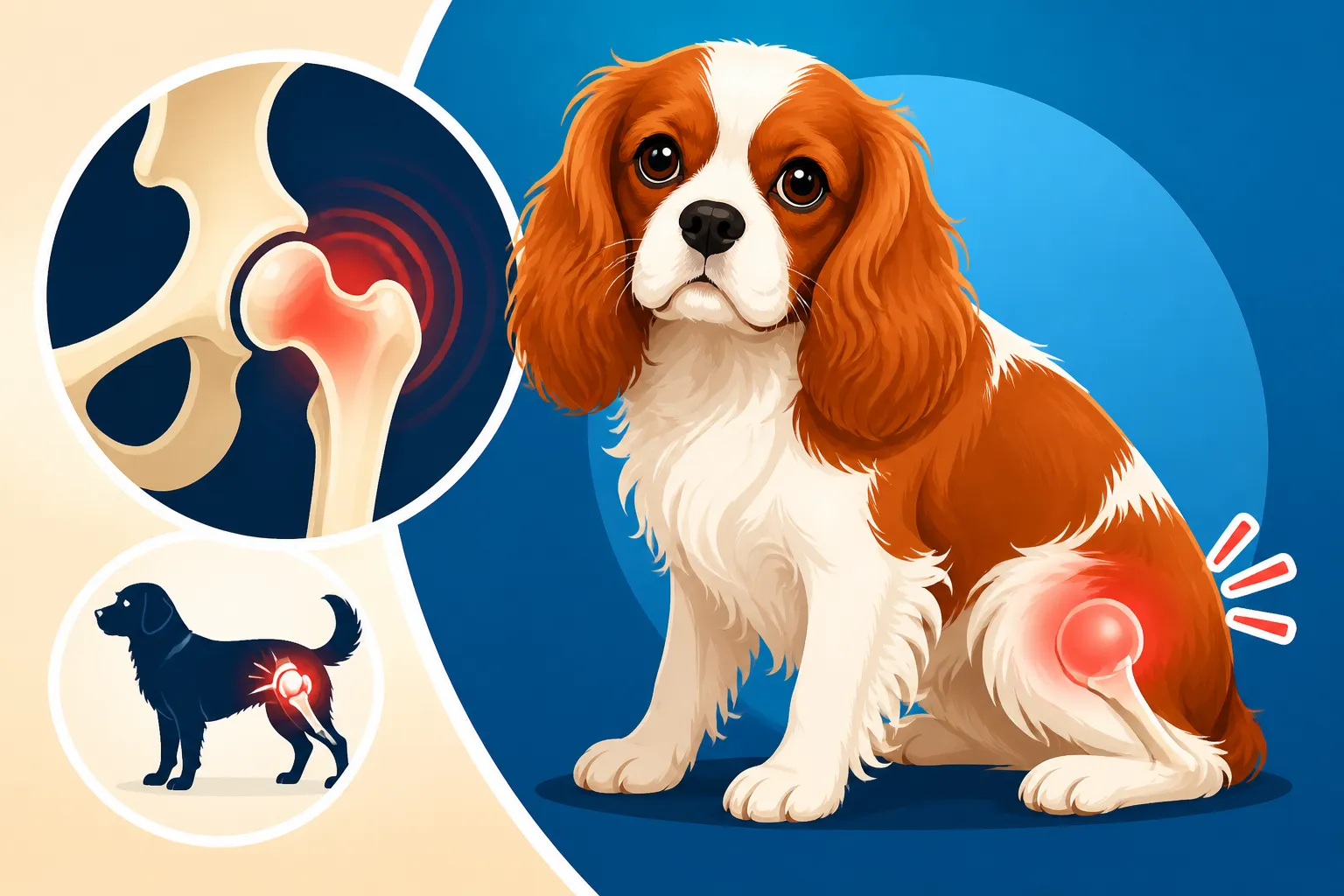
At its core, hip dysplasia is a developmental condition where the hip joint doesn't form correctly. Think of the hip as a ball-and-socket joint: the "ball" is the head of the femur (thigh bone), and the "socket" is part of the pelvis, called the acetabulum. In a healthy hip, these fit snugly together, allowing for smooth, fluid motion. With hip dysplasia, this fit is loose or malformed. The socket might be too shallow, or the ball might not be perfectly round, leading to instability.
This improper fit causes the joint to rub and grind instead of gliding smoothly. Over time, this constant friction damages the cartilage, leading to pain, inflammation, and eventually, degenerative joint disease or osteoarthritis. It’s a progressive condition, meaning it tends to worsen over time, and while primarily genetic, environmental factors like rapid growth, excessive weight, and inappropriate exercise can significantly influence its severity and onset.
Recognizing the Early Signs in Your Cavalier
Spotting hip dysplasia or early arthritis in a Cavalier can be tricky because they are such stoic little dogs, often trying to hide their pain to please you. However, there are some tell-tale signs to watch for, even if they're subtle at first. You might notice a slight "bunny hop" when they run, where both back legs move together. They might seem less enthusiastic about walks or refuse to jump onto furniture or into the car, activities they once loved.
Other signs include a noticeable lameness or limping, particularly after exercise or rest, stiffness upon waking, or difficulty getting up from a lying position. You might also observe a decrease in their activity level, a reluctance to use stairs, or even a change in their temperament, becoming more irritable if touched in the hip area. It’s crucial to pay close attention to these seemingly minor changes, as early detection can significantly impact the effectiveness of management strategies. Keep an eye out for any changes in their normal gait or enthusiasm for their favorite activities; your Cavalier is communicating with you, even if not with words.
The Genetic Predisposition and Responsible Breeding
When it comes to hip dysplasia, genetics play a huge, undeniable role, especially in breeds like Cavaliers, which can be predisposed. The condition is polygenic, meaning multiple genes contribute to its inheritance, making it complex to eradicate entirely. This is why responsible breeding practices are absolutely paramount. A reputable breeder will go to great lengths to screen their breeding stock for hip dysplasia using established protocols like those from the Orthopedic Foundation for Animals (OFA) or PennHIP.
OFA certifications involve taking specific X-rays of a dog's hips, which are then evaluated by a panel of radiologists who assign a grade (Excellent, Good, Fair, Borderline, Mild, Moderate, or Severe). PennHIP evaluations, on the other hand, measure hip laxity—how loose the joint is—which is a strong predictor of hip dysplasia development. Breeders committed to improving the breed will only use dogs with "Good" or "Excellent" OFA scores or low PennHIP distraction indices. If you’re considering buying a Cavalier, always ask to see the hip clearances for both parents, going back several generations if possible. This transparency is a cornerstone of Buying a Cavalier From a Health-Testing Breeder and helps ensure you're getting a puppy with the best possible genetic start.
Diagnosing Hip Dysplasia and Arthritis
When you suspect something isn't quite right with your Cavalier's hips, the next logical step is a visit to your veterinarian. They have the tools and expertise to properly assess the situation and provide a definitive diagnosis, which is the first step toward effective treatment.
Initial Vet Examination and Gait Analysis
Your veterinarian's initial examination is a crucial first step in unraveling the mystery of your Cavalier's discomfort. They'll start by taking a thorough history, asking you about your dog's symptoms, when they started, and what seems to make them better or worse. This conversation alone can provide vital clues. Following that, they'll perform a comprehensive physical exam, paying close attention to your Cavalier’s gait. They'll observe how your dog walks, runs, and rises, looking for any subtle limping, stiffness, or uneven weight distribution.
During the hands-on portion, your vet will carefully palpate, or feel, around your Cavalier’s hips, legs, and spine, checking for any signs of pain, muscle atrophy (wasting), or abnormal joint movement. They’ll gently manipulate your dog's hips through their range of motion, listening for any tell-tale clicking or grinding sounds, and assessing for pain or stiffness in specific positions. This physical assessment, combined with your observations, helps pinpoint the areas of concern before moving on to more definitive diagnostic tools.
X-rays and Imaging as Diagnostic Tools
While a thorough physical exam can strongly suggest hip dysplasia or arthritis, X-rays are the gold standard for a definitive diagnosis. Your vet will likely recommend sedating your Cavalier for these images, as it allows for proper positioning, which is critical for accurate evaluation. X-rays reveal the bony structures of the hip joint, showing abnormalities in the ball-and-socket fit, evidence of shallow sockets, or changes indicative of osteoarthritis, such as bone spurs or cartilage erosion.
Different X-ray views might be taken, including standard extended hip views (as used for OFA evaluations) and possibly PennHIP views, which specifically measure hip laxity. These images provide a clear picture of the severity of the joint malformation and the extent of any secondary arthritic changes. In some complex cases, or if other conditions are suspected, your vet might recommend more advanced imaging like CT scans or MRI, though this is less common for initial hip dysplasia diagnosis. The insights gained from these images are invaluable for formulating the most appropriate treatment plan for your Cavalier.
Understanding the Grading System
Once X-rays have been taken, the images are typically evaluated using a standardized grading system, most commonly the OFA (Orthopedic Foundation for Animals) method in the United States. The OFA grades hips as Excellent, Good, Fair (all considered non-dysplastic), or Borderline, Mild, Moderate, or Severe (indicating hip dysplasia). Each grade reflects the degree of hip joint laxity and the presence of any degenerative joint disease.
- Excellent: Superior hip conformation. The femoral head fits deeply and snugly into the acetabulum.
- Good: Well-formed hip joint with good congruence.
- Fair: Minor irregularities in hip conformation, but still within acceptable limits.
- Borderline: Not clearly dysplastic, but not definitively normal either. Often recommended for re-evaluation later.
- Mild Dysplasia: Slight subluxation of the femoral head, with minimal secondary changes.
- Moderate Dysplasia: Significant subluxation, flattening of the acetabulum, and clear signs of degenerative joint disease.
- Severe Dysplasia: Marked evidence of dysplasia with pronounced subluxation, extensive remodeling of the joint, and significant degenerative changes.
Understanding this grading system helps both owners and veterinarians grasp the severity of the condition and guides prognosis and treatment decisions. A lower grade of dysplasia might be managed effectively with conservative methods, while a higher grade could necessitate more aggressive interventions. This grading also plays a vital role for breeders in assessing the suitability of dogs for reproduction, aiming to reduce the incidence of hip dysplasia in future generations.
Managing Hip Dysplasia and Early Arthritis
Receiving a diagnosis of hip dysplasia or early arthritis can feel overwhelming, but the good news is that there are many effective ways to manage the conditions and vastly improve your Cavalier's quality of life. The approach often involves a combination of strategies tailored to your dog's specific needs and the severity of their condition.
Conservative Management Strategies
For many Cavaliers, especially those with mild to moderate hip dysplasia or early arthritis, conservative management is the first line of defense. The cornerstone of this approach is maintaining an ideal body weight. Excess weight puts incredible strain on already compromised joints, exacerbating pain and accelerating degeneration. Even a few extra pounds on a small Cavalier can make a significant difference. Discussing a weight management plan with your vet is crucial, which might involve a special diet and portion control.
Controlled exercise is another key component. While it might seem counterintuitive, gentle, regular exercise helps to build and maintain muscle mass around the hip joint, providing better support and stability. Activities like short, leash-led walks, swimming, or carefully monitored play are ideal, avoiding high-impact activities like jumping, sprinting, or prolonged stair climbing. Physical therapy, including massage, stretching, and therapeutic exercises guided by a professional, can also significantly improve flexibility, reduce pain, and strengthen supporting muscles. Additionally, joint supplements containing ingredients like glucosamine, chondroitin, and MSM can help support cartilage health and reduce inflammation, often showing noticeable improvements over time.
Medical Interventions for Pain and Inflammation
When conservative measures aren't quite enough, or as the condition progresses, medical interventions become essential for managing pain and inflammation. Non-steroidal anti-inflammatory drugs (NSAIDs) are commonly prescribed to reduce discomfort and swelling in the joints. These medications, such as carprofen, meloxicam, or robenacoxib, need to be used under strict veterinary guidance, as long-term use requires monitoring for potential side effects on the liver or kidneys. Your vet will often recommend regular blood tests to ensure your Cavalier is tolerating the medication well.
For more targeted relief, some veterinarians might suggest joint injections. These can include corticosteroids to reduce inflammation directly in the joint, or hyaluronic acid, which helps to lubricate the joint and improve cartilage health. Another option is Platelet-Rich Plasma (PRP) therapy or stem cell therapy, which aim to promote healing and reduce inflammation by injecting concentrated healing factors into the affected joint. Your veterinarian will work with you to determine the best medical protocol, weighing the benefits against any potential risks, and ensuring your Cavalier remains as comfortable as possible. It's often a process of trial and error to find the most effective medication and dosage.
Surgical Options for Severe Cases
In cases of severe hip dysplasia where conservative and medical treatments no longer provide adequate relief, surgical intervention might be considered. While the idea of surgery can be daunting, especially given considerations like Anesthesia Risk in a Cavalier With a Murmur, it can offer a dramatic improvement in quality of life for dogs in chronic pain. Two primary surgical options are typically considered:
-
Femoral Head Ostectomy (FHO): This procedure involves removing the "ball" portion of the femur. The body then forms a "false joint" of scar tissue, allowing the leg to function without the painful bone-on-bone grinding. FHO is often recommended for smaller dogs like Cavaliers, as their lighter body weight makes it easier for them to adapt to the new joint. Recovery involves a period of controlled rehabilitation and physical therapy to build muscle and ensure good range of motion.
-
Total Hip Replacement (THR): Considered the gold standard for hip dysplasia, THR involves replacing both the "ball" and "socket" with artificial implants. This provides a pain-free, fully functional joint. While highly successful, it's a more complex and expensive procedure, and typically only performed by specialized orthopedic surgeons. It's usually reserved for younger, otherwise healthy dogs with severe, debilitating dysplasia.
The decision for surgery is a significant one, and your vet will help you evaluate all factors, including your Cavalier’s age, overall health, the severity of the dysplasia, and your family's ability to commit to post-operative care and rehabilitation. The goal is always to restore comfort and mobility, allowing your Cavalier to enjoy life to the fullest once again.
Living with a Cavalier with Hip Issues
A diagnosis of hip dysplasia or arthritis doesn't mean the end of a happy life for your Cavalier; it simply means adjusting to a new normal. With thoughtful care and modifications, you can significantly enhance their comfort and mobility for years to come.
Lifestyle Adjustments and Home Modifications
Making a few thoughtful changes around your home can dramatically improve daily life for a Cavalier with hip issues. Start by minimizing opportunities for high-impact activities. Consider using dog ramps or steps to allow your Cavalier easy access to elevated surfaces like beds, sofas, and the car, rather than relying on painful jumping. Even frequent jumps off furniture can exacerbate joint pain. Ensure your home has non-slip flooring, especially in areas where your dog spends a lot of time. Rugs, runners, or carpet tiles can provide better traction, preventing slips and falls that could worsen hip pain.
Another important consideration is their resting place. Provide an orthopedic dog bed that offers excellent support and cushioning, alleviating pressure on sore joints. These beds are often made with memory foam that conforms to your dog's body, providing superior comfort. Using a comfortable harness instead of a collar for walks can also be beneficial, as it distributes pressure more evenly across the chest and shoulders, reducing strain on the neck and back, which can often compensate for hip pain. Remember, even small changes can lead to significant improvements in your Cavalier's comfort.
Exercise Routines and Physical Therapy
Maintaining an appropriate exercise routine is critical for managing hip dysplasia and arthritis, but it needs to be carefully tailored. The key is low-impact, consistent activity that builds muscle without stressing the joints. Short, frequent walks on soft surfaces like grass are preferable to long, strenuous hikes or running on pavement. Avoid activities that involve sudden stops, starts, or jumping. Swimming is often an excellent choice as it provides a full-body workout without any weight-bearing impact, making it ideal for strengthening muscles around the hips. Many veterinary clinics now offer hydrotherapy, which is guided underwater treadmill exercise, providing a safe and effective way to improve strength and range of motion.
Physical therapy, often overseen by a certified canine rehabilitation therapist, can be incredibly beneficial. These specialists can teach you specific exercises, stretches, and massage techniques to perform at home, helping to maintain muscle mass, improve flexibility, and reduce pain. They might also utilize modalities like therapeutic ultrasound, laser therapy, or electrical stimulation to further aid in pain relief and healing. Consistency is key with these routines, and closely following your therapist's recommendations will yield the best results for your Cavalier's long-term mobility. Remember to consult your vet or a rehabilitation specialist to design a safe and effective exercise program, especially if you also need to consider things like Whether Exercise Is Safe for a Cavalier With MVD.
Nutritional Support and Weight Management
Nutrition plays a pivotal role in managing hip dysplasia and arthritis in Cavaliers. The absolute most important aspect is strict weight management. As mentioned earlier, every extra pound puts undue stress on the joints, accelerating degeneration and increasing pain. Work with your veterinarian to establish an ideal target weight for your Cavalier and develop a feeding plan to achieve and maintain it. This often involves precisely measuring food portions using a kitchen scale and choosing high-quality, calorie-controlled dog food.
Beyond weight, certain dietary supplements can support joint health. Glucosamine and chondroitin sulfate are widely used to help maintain cartilage integrity and elasticity. Omega-3 fatty acids, particularly EPA and DHA found in fish oil, are powerful natural anti-inflammatories that can significantly reduce joint pain and stiffness. Many veterinarians also recommend prescription diets specifically formulated for joint health, which contain higher levels of these beneficial nutrients. Brands like Hills J/D or Royal Canin Mobility Support often incorporate these ingredients at therapeutic levels. Always discuss any dietary changes or supplements with your vet to ensure they are appropriate and won't interact negatively with any other medications your Cavalier might be taking.
Preventing and Mitigating Risk
While hip dysplasia has a strong genetic component, there are proactive steps you can take to minimize the risk and severity of the condition in your Cavalier, especially during their crucial developmental stages.
Choosing a Reputable Breeder
The single most impactful step you can take to prevent hip dysplasia is to acquire your Cavalier from a truly reputable breeder. A responsible breeder prioritizes the health and longevity of their dogs and will rigorously screen their breeding stock for genetic conditions, including hip dysplasia. They will have documented health clearances for both parent dogs, verified by organizations like the OFA (Orthopedic Foundation for Animals) or PennHIP. These clearances ensure that the parents have healthy hips, reducing the likelihood of passing on the genes for dysplasia to their offspring.
Don't be shy about asking to see these certifications—a good breeder will be proud to share them and explain what they mean. They will also be transparent about the health history of their lines, and often won't breed dogs until they are over two years old, allowing hip evaluations to be completed. Avoid breeders who make excuses about not having clearances or claim their dogs are "vet checked" but offer no official documentation. This commitment to health screening is an investment in your puppy's future, helping to ensure they get the best possible start. You'll find more information on this when considering The Cavalier MVD Breeding Protocol which also stresses health testing.
Early Puppy Care and Environmental Factors
Even with excellent genetics, environmental factors during puppyhood can influence the development of hip dysplasia. Rapid growth and excessive weight gain in young puppies can put undue stress on developing joints. Feed a high-quality puppy food appropriate for small breeds, and avoid overfeeding to ensure a steady, healthy growth rate. Resist the urge to let your puppy jump excessively, especially off high surfaces, or engage in intense, prolonged exercise. Their growth plates are still open, making them vulnerable to injury.
Provide non-slip surfaces for your puppy to walk and play on, as slipping and splaying can cause trauma to developing hips. Limit stair climbing, especially descending, in very young puppies. While a certain amount of normal puppy play is healthy and essential for development, it's about moderation and protecting those still-forming joints. Think of controlled play sessions rather than hours of uncontrolled, high-impact running and jumping. Paying attention to these details can make a significant difference in how a genetically predisposed puppy develops.
The Role of Regular Vet Check-ups
Routine veterinary check-ups are vital for all Cavaliers, but especially for those with a predisposition or early signs of joint issues. Your vet can monitor your dog's weight, assess their gait and mobility, and catch any subtle changes that might indicate progression of arthritis or hip dysplasia. Early detection allows for earlier intervention, which can slow the progression of the disease and provide more effective pain management, significantly improving your Cavalier's comfort.
During these visits, your vet might perform palpations of the hips, discuss changes in activity, and recommend appropriate preventative measures or adjustments to your management plan. They can also advise on appropriate supplements or dietary changes. As your Cavalier ages, particularly as you start Caring for a Cavalier Past Nine, these check-ups become even more crucial, allowing for adjustments to medication, physical therapy routines, and home care to match their evolving needs. Think of your vet as your partner in ensuring your Cavalier's musculoskeletal health throughout their life.
Navigating Treatment Options for Cavalier Hip and Joint Issues
When faced with a Cavalier struggling with hip dysplasia or arthritis, the array of treatment options can feel overwhelming. It's helpful to see them laid out, understanding that a multi-modal approach, combining several strategies, often yields the best results.
| Treatment Category | Specific Interventions | Primary Goal | Considerations for Cavaliers |
|---|---|---|---|
| Conservative | Weight Management | Reduce joint stress | Crucial for small breeds; even minor weight gain impacts tiny joints. |
| Controlled Exercise | Build supporting muscle, maintain mobility | Low-impact activities (swimming, short walks). Avoid excessive jumping/stairs. | |
| Physical Therapy | Improve flexibility, strength, and balance | Hydrotherapy and tailored exercises are highly beneficial. | |
| Orthopedic Bedding / Ramps | Enhance comfort, reduce strain | Essential for daily comfort; prevents hard landings/jumps. | |
| Medical | NSAIDs (e.g., Carprofen, Meloxicam) | Reduce pain and inflammation | Requires careful veterinary monitoring for side effects (liver/kidney). |
| Joint Supplements (Glucosamine, Omegas) | Support cartilage, anti-inflammatory | Long-term daily use; often taken with food. | |
| Injectable Joint Modulators | Lubricate joint, reduce inflammation | Directly targets the joint; may offer longer-lasting relief than oral supplements. | |
| Gabapentin / Amantadine | Neuropathic pain relief | Can be used in conjunction with NSAIDs for chronic or more severe pain. | |
| Surgical | Femoral Head Ostectomy (FHO) | Remove painful bone-on-bone friction | Often suitable for smaller breeds; creates a "false joint." Rehabilitation is key. |
| Total Hip Replacement (THR) | Replace damaged joint with artificial parts | Provides a functional, pain-free joint; complex and costly, specialized referral usually required. |
This table provides a general overview, but your veterinarian will always recommend a tailored plan based on your Cavalier's individual condition, age, and overall health. It's about finding the right balance to keep your precious companion comfortable and happy.
Disclaimer
The information provided in this guide is intended for educational purposes only and should not be taken as veterinary medical advice. Always consult with a qualified veterinarian or veterinary specialist for any health concerns or before making any decisions about your Cavalier King Charles Spaniel's care.