Neutering a Cavalier That Already Has a Murmur
Contemplating neutering your beloved Cavalier King Charles Spaniel can be nerve-wracking enough, but when your vet has already mentioned a heart murmur, it adds a whole new layer of worry. Many owners find themselves grappling with the fear of anesthesia while still wanting to address potential health or behavioral benefits of neutering. This guide aims to gently walk you through understanding the implications of a murmur, assessing the risks and benefits, and preparing your Cavalier for a safe procedure, ensuring you feel confident in your decision.
Understanding Your Cavalier's Heart Murmur Diagnosis
Hearing that your Cavalier has a heart murmur can be startling, and it's completely natural to feel anxious. However, a murmur isn't a disease itself, but rather a sound that indicates turbulent blood flow within the heart. Its significance varies wildly, and understanding what your Cavalier's specific murmur means is the first critical step before considering any surgery, including neutering.
What a Murmur Really Means for a Cavalier
For many Cavalier King Charles Spaniels, a heart murmur is an early indicator of Mitral Valve Disease (MVD), a condition where the mitral valve in the heart begins to leak. Cavaliers are particularly prone to MVD, with a high percentage developing a murmur by middle age. A murmur might sound alarming, but it doesn't automatically mean your dog is in immediate danger or discomfort. It could be a very mild, early-stage murmur with no clinical signs of heart disease yet, or it could be associated with more advanced disease. The key is to determine the cause and severity of the murmur. Sometimes, murmurs can be "innocent" or physiological, especially in puppies, meaning they don't indicate underlying heart disease. However, in an adult Cavalier, it's far more likely to be pathological.
The Importance of a Full Cardiac Workup
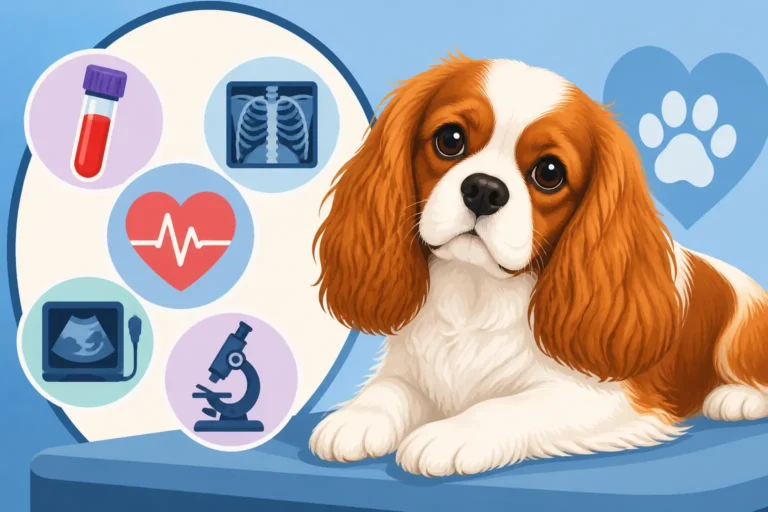
Before making any decisions about anesthesia and neutering, it's absolutely crucial for your Cavalier to undergo a comprehensive cardiac workup. This isn't just a stethoscope check; it involves specialized diagnostics performed by a veterinary cardiologist or a general practitioner with advanced cardiac training. An echocardiogram, often called an "echo," is the gold standard. This ultrasound of the heart allows the vet to visualize the heart's structure, valve function, and blood flow in real-time. It can confirm if MVD is present, how severe the valve leakage is, and if the heart has started to remodel or enlarge. Additionally, chest X-rays might be recommended to assess the size and shape of the heart and check for any fluid buildup in the lungs, which would indicate congestive heart failure. Blood tests, such as an NT-proBNP, can also provide insight into cardiac stress. These tests help your vet determine How Cavalier Heart Disease Progresses Stage by Stage and provide a clear picture of your dog's cardiac health, which is vital for assessing Anesthesia Risk in a Cavalier With a Murmur.
Differentiating Murmur Grades and Severity
Murmurs are graded on a scale, typically from I to VI, with Grade I being very soft and difficult to hear, and Grade VI being very loud and palpable against the chest wall. While a higher grade often correlates with more significant blood flow turbulence, the grade alone doesn't tell the whole story about the underlying heart disease's severity or whether the heart itself is functionally impaired. A detailed echocardiogram will reveal crucial information such as the velocity of the regurgitant jet, the size of the heart chambers, and the strength of the heart muscle contractions. For instance, a Cavalier with a Grade II murmur might still have early-stage MVD without heart enlargement, whereas another with a Grade IV might show significant heart enlargement requiring medication. Understanding What a Heart Murmur Grade Means in a Cavalier is crucial, but it always needs to be paired with advanced diagnostics to truly gauge the heart's health. Only with this complete picture can you and your veterinary team confidently assess the safety of anesthesia.
Weighing the Risks of Anesthesia with a Murmur
The primary concern for any owner whose Cavalier has a heart murmur is the risk associated with anesthesia. It's a valid worry, as anesthesia can affect cardiovascular function. However, modern veterinary anesthesia has made incredible strides, and many dogs with stable heart murmurs can undergo surgery safely with the right precautions.
Anesthesia Protocols Tailored for Cardiac Patients
When a Cavalier with a heart murmur needs surgery, the anesthetic protocol must be carefully tailored to minimize stress on the cardiovascular system. This often involves a multi-modal approach, using a combination of drugs at lower doses rather than a single high dose, to achieve sedation and pain control. Your veterinary team will select anesthetic agents that have minimal impact on heart rate, blood pressure, and cardiac output. For example, some drugs might be avoided if they tend to lower blood pressure too much, or if they significantly depress respiratory function. Pre-medications are often given to reduce anxiety before the procedure, which in itself helps stabilize the heart rate. Intravenous fluids are almost always administered during surgery to maintain blood pressure and hydration, which is especially important for dogs with heart conditions. The goal is to keep the heart as stable as possible throughout the entire process.
Monitoring During the Procedure
Beyond carefully selected drugs, intensive monitoring is paramount when a Cavalier with a murmur undergoes anesthesia. A dedicated veterinary technician will be present throughout the procedure, solely focused on monitoring your dog. They'll continuously track vital signs such as heart rate, respiratory rate, blood pressure, oxygen saturation (via pulse oximetry), and often an electrocardiogram (ECG) to monitor heart rhythm. Capnography, which measures carbon dioxide in exhaled breath, helps assess ventilation. These advanced monitoring tools allow the veterinary team to detect any subtle changes in your Cavalier's condition immediately and adjust anesthesia levels or administer supportive medications as needed. This proactive approach significantly reduces the risks associated with Anesthesia Risk in a Cavalier With a Murmur. Reputable clinics, especially those recommended by a cardiologist, will have state-of-the-art monitoring equipment and staff trained to interpret these readings expertly.
Potential Complications to Be Aware Of
While modern anesthesia is generally very safe, especially with a tailored protocol, it's important to be aware of potential complications. For a Cavalier with a heart murmur, these can include arrhythmias (irregular heartbeats), drops in blood pressure, or, in rare cases, the development or worsening of congestive heart failure. The risk increases with the severity of the underlying heart disease. Dogs with advanced MVD that have already developed heart enlargement or are on Medication for a Cavalier With Heart Disease might have a higher risk profile than those with very mild, early-stage murmurs. This is why the comprehensive cardiac workup discussed earlier is so critical. Your vet and cardiologist will discuss these risks with you openly, ensuring you have a realistic understanding of the potential outcomes. They'll also outline the emergency protocols they have in place should any complications arise during or after the procedure.
The Benefits of Neutering Even with Heart Disease
Despite the concerns about anesthesia, there are compelling reasons to consider neutering your male Cavalier, even if he has a heart murmur. These benefits span behavioral improvements, long-term health advantages, and broader ethical considerations.
Behavioral Advantages of Neutering
Neutering can significantly improve certain undesirable behaviors in male dogs, which can greatly enhance the quality of life for both the dog and the owner. Unneutered males are often driven by hormones to roam in search of mates, increasing the risk of getting lost, hit by a car, or involved in dog fights. They might also exhibit increased marking behavior inside the house or a stronger urge to challenge other male dogs. While Cavaliers are generally sweet-natured, some intact males can still display these behaviors. Neutering can reduce these hormonal urges, leading to a calmer, more focused companion. It can also decrease obsessive humping behavior. It's not a magic bullet for all behavioral issues, but for those rooted in testosterone, it can make a noticeable positive difference, making your Cavalier more relaxed and manageable in various social situations.
Health Benefits Beyond Reproduction
Beyond behavioral changes, neutering offers significant health benefits that can contribute to your Cavalier's longevity and well-being. Perhaps most importantly, it eliminates the risk of testicular cancer, a common cancer in older intact male dogs. It also drastically reduces the risk of benign prostatic hyperplasia (BPH), an age-related enlargement of the prostate gland that can cause difficulty urinating and defecating. BPH is incredibly common in older intact males, and neutering can prevent it entirely or resolve existing cases. Additionally, neutering reduces the risk of perianal adenomas, non-cancerous tumors around the anus, and perianal hernias. While these are not heart-related, improving overall health and comfort can indirectly support a dog living with heart disease, as other health issues add stress to the body.
Preventing Unplanned Litters and Overpopulation
From a broader perspective, neutering plays a vital role in responsible pet ownership and combating pet overpopulation. Even if your Cavalier is a cherished family member with no intention of breeding, accidents can happen. An unneutered male could escape and breed with an intact female, contributing to the problem of unwanted puppies. Given the significant health challenges inherent in the Cavalier breed, particularly MVD and Syringomyelia, preventing unplanned litters is especially important. Responsible breeding of Cavaliers requires extensive health testing, including cardiac and MRI screenings, to ensure genetic health. Allowing random breeding only perpetuates these genetic predispositions. Neutering ensures your Cavalier won't contribute to these issues, aligning with ethical pet care practices.
Preparing Your Cavalier for Surgery
The key to a successful neuter procedure for a Cavalier with a heart murmur lies in meticulous preparation. This involves extensive diagnostics, specialist consultation, and careful selection of your veterinary care provider.
Pre-Anesthetic Bloodwork and Diagnostics
Prior to any anesthesia, even for a dog without a murmur, a full panel of pre-anesthetic bloodwork is standard practice. This usually includes a complete blood count (CBC) to check for anemia, infection, and platelet levels, and a biochemistry panel to assess organ function, particularly the liver and kidneys. These organs are crucial for metabolizing and eliminating anesthetic drugs. For a Cavalier with a murmur, this bloodwork becomes even more critical. In addition, further diagnostics might be recommended depending on the stage of heart disease, such as updated chest X-rays to check for lung fluid or a recent echocardiogram to ensure the heart's condition hasn't progressed significantly since the last check-up. The goal is to identify any underlying issues that could increase anesthetic risk and address them before surgery, or to adjust the anesthetic protocol accordingly. This comprehensive approach gives the veterinary team the most complete picture of your Cavalier's health status. You can learn more about general preparation by reading Pre-Surgery Testing for an Older Cavalier.
Consulting with a Veterinary Cardiologist
If your Cavalier has a known heart murmur, the most critical step in preparation is a consultation with a board-certified veterinary cardiologist. Your general veterinarian can certainly handle many aspects of care, but a specialist has an unparalleled depth of knowledge and experience with canine heart conditions. The cardiologist will perform the detailed cardiac workup, interpret the results, and provide specific recommendations for the safest anesthetic protocol. They might suggest certain medications to stabilize the heart before surgery or advise on which anesthetic agents to use or avoid. They can also perform an electrocardiogram (ECG) to check for arrhythmias, which can sometimes be exacerbated by stress or anesthesia. The cardiologist's report will give your primary veterinarian a clear roadmap for how to manage your Cavalier safely during the neutering procedure. Many general practices will insist on this specialist clearance before scheduling surgery for a cardiac patient. Scheduling Annual Cardiologist Exams for a Cavalier even without immediate surgery needs is often recommended for early detection and management of MVD.
Choosing the Right Veterinary Clinic
Selecting the right veterinary clinic and surgical team is paramount. You want a clinic that is not only experienced in routine surgeries but also comfortable and equipped to handle patients with cardiac conditions. Look for a facility that offers advanced anesthetic monitoring capabilities, as discussed previously, and has a dedicated veterinary technician whose sole job during surgery is to monitor anesthesia. Don't hesitate to ask about their specific protocols for cardiac patients, their emergency procedures, and the experience level of their surgical and anesthetic team. Some clinics might even have an in-house cardiologist or a close working relationship with one for referrals. While cost is always a factor, prioritizing a clinic with a strong track record and specialized capabilities for cardiac patients is an investment in your Cavalier's safety and well-being. For owners looking to plan for such specialist care, having pet insurance like Healthy Paws, which is known for comprehensive coverage for illnesses and accidents, can be invaluable in mitigating unexpected costs.
Post-Operative Care and Recovery
Once your Cavalier has safely undergone the neutering procedure, proper post-operative care is crucial for a smooth and comfortable recovery, especially with an underlying heart condition.
Managing Pain and Discomfort
Pain management is a critical component of post-operative care. Your vet will likely send your Cavalier home with a course of pain medication, often a non-steroidal anti-inflammatory drug (NSAID) or another analgesic. It's vital to administer these medications exactly as prescribed to keep your dog comfortable and aid in healing. Pain can cause stress, which can elevate heart rate and blood pressure, putting unnecessary strain on a heart with a murmur. By proactively managing pain, you contribute to a calmer, more stable recovery. Always follow your vet's instructions carefully, and never give human pain medications, as many are toxic to dogs. If you notice signs of pain despite medication, such as excessive licking, whimpering, reluctance to move, or loss of appetite, contact your vet immediately.
Restricting Activity for Optimal Healing
Rest is paramount for recovery after neutering. For the first 10-14 days, your Cavalier's activity will need to be strictly limited to allow the incision site to heal properly and prevent complications like swelling or dehiscence (the incision opening up). This means no jumping, no running, no stairs, and no rough play with other pets. Walks should be short, controlled, and on a leash only, just enough for potty breaks. Keeping your Cavalier calm can be a challenge, especially if he's typically an energetic dog. Using a crate or a small, enclosed room can help manage activity. Excessive activity can also increase heart rate and put additional strain on a heart already managing a murmur. Your vet might also recommend an Elizabethan collar (e-collar or "cone") to prevent your Cavalier from licking or chewing at the incision site, which can introduce infection or delay healing.
Watching for Complications at Home
Monitoring your Cavalier closely during the recovery period is essential. You'll need to check the incision site daily for any signs of infection (redness, swelling, discharge), excessive bruising, or gaping. Some mild swelling is normal, but significant or worsening swelling should be reported to your vet. Keep an eye on your dog's appetite, water intake, and urination/defecation patterns. Changes in these can indicate a problem. Also, be vigilant for any signs related to his heart condition, such as increased coughing (especially at night), increased resting respiratory rate, lethargy, or weakness. These could indicate a worsening of his heart disease, potentially exacerbated by the stress of surgery. While rare, it's important to know what to look for so you can seek veterinary attention promptly. Your vet will give you specific instructions for post-operative care, including when to return for a recheck appointment to ensure the incision is healing well.
Alternative Considerations and Management
While neutering is often recommended for various health and behavioral reasons, it's worth exploring all options, especially when your Cavalier has a heart murmur. In some specific cases, a full surgical neuter might not be the immediate best choice, or you may need to manage an intact male for a period.
Chemical Castration as a Temporary Option
For owners who are particularly hesitant about the anesthetic risk of surgical neutering for their Cavalier with a murmur, or for those who need a temporary solution, chemical castration offers an alternative. The most common method involves a deslorelin acetate implant (marketed as Suprelorin in some regions) inserted under the skin. This implant slowly releases hormones that suppress testosterone production, essentially mimicking the effects of surgical neutering, but it's reversible. The effects typically last for six to twelve months, after which another implant is needed, or the dog's fertility and testosterone levels return to normal. This can be a useful way to "trial" the behavioral changes of neutering without permanent surgery, or to temporarily manage an intact male until his cardiac condition is more stable or better understood. While the implant process still involves a brief period of restraint or mild sedation for placement, it avoids the more intensive anesthetic and surgical risks of a traditional neuter. However, it's an ongoing cost and typically more expensive long-term than surgical neutering.
Managing Intact Male Behavior Without Surgery
If surgical neutering isn't an option or is delayed, managing the behaviors of an intact male Cavalier becomes a priority. This requires diligent training, consistent management, and often a higher level of supervision. For example, to prevent roaming, a secure yard and strict leash protocols are essential. Addressing marking behavior might involve more frequent outdoor potty breaks and positive reinforcement for indoor cleanliness. Socialization needs to be carefully managed, as intact males can sometimes face challenges with other intact males. Regular, stimulating exercise and mental enrichment can help channel excess energy and reduce stress-related behaviors. While not always as effective as neutering for hormonal behaviors, consistent training with a professional positive reinforcement trainer can go a long way. This might involve enrolling in classes or working one-on-one with a trainer specializing in behavior modification.
Living with an Intact Cavalier with a Murmur
Choosing to live with an intact Cavalier with a heart murmur indefinitely means embracing a different set of responsibilities. You'll need to be extra vigilant about his health, ensuring Annual Cardiologist Exams for a Cavalier are regularly scheduled to monitor the progression of his MVD. You'll also need to be proactive about preventative care for intact males, such as regular prostate checks during veterinary visits, and monitoring for any signs of testicular issues or perianal problems. From a lifestyle perspective, this means consistently managing his environment to prevent accidental breeding and being prepared for the potential behavioral challenges that can come with an intact male. It's a commitment that requires careful consideration and open communication with your veterinary team to ensure your Cavalier's health and quality of life remain paramount.
Here's a quick comparison of surgical neutering versus chemical castration for a Cavalier with a heart murmur:
| Feature | Surgical Neuter | Chemical Castration (e.g., Deslorelin Implant) |
|---|---|---|
| Anesthetic Risk | Higher, requires careful monitoring and protocols. | Lower, minimal sedation/restraint for implant insertion. |
| Permanence | Permanent. | Reversible (effects wear off after 6-12 months). |
| Cost | One-time upfront cost, typically higher than a single implant. | Ongoing cost for repeat implants, potentially higher long-term. |
| Effectiveness on Behavior | Generally very effective for testosterone-driven behaviors. | Effective as long as the implant is active, can be used as a trial. |
| Health Benefits | Eliminates risk of testicular cancer, greatly reduces prostate issues. | Temporarily reduces prostate issues and associated risks. |
| Recovery | Requires 10-14 days of restricted activity and wound care. | Minimal to no recovery time or wound care. |
| Considerations | Requires comprehensive cardiac workup and specialist consultation. | May still require assessment for suitability, less invasive. |
Disclaimer
The information provided in this guide is for general educational purposes only and should not be considered a substitute for professional veterinary advice. Always consult with a qualified veterinarian or veterinary cardiologist regarding your Cavalier King Charles Spaniel's specific health concerns and treatment options. Medical decisions should only be made in consultation with a licensed professional.