What a Cavalier MRI Scan Costs and Shows
When your beloved Cavalier King Charles Spaniel starts showing unusual signs – perhaps a sudden yelp when picked up, obsessive "air scratching," or a general reluctance to move – it's natural to feel a knot of anxiety tighten in your stomach. These can often be tell-tale signs of neurological issues, and the thought of an MRI scan, while offering hope for answers, also brings with it a whole host of questions about cost, procedure, and what it might actually reveal. This comprehensive guide aims to demystify the process, from understanding why an MRI is crucial to navigating the expenses and interpreting the results, helping you feel more prepared and less alone on this journey.
The Pressing Need for an MRI in Cavaliers
It’s a heartbreaking reality that our sweet Cavalier King Charles Spaniels are genetically predisposed to certain neurological conditions that can significantly impact their quality of life. As a Cavalier owner, you're always on high alert for any subtle change, knowing that early intervention can make a world of difference. When unexplained pain or behavioral shifts emerge, an MRI isn't just a suggestion; it often becomes the only path to a definitive diagnosis.
Why Neurological Symptoms Are So Common in Cavaliers
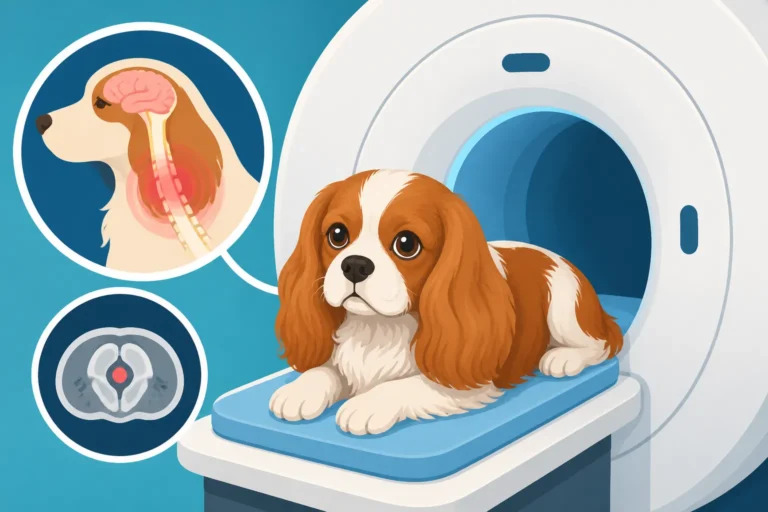
The unique anatomy of the Cavalier skull, unfortunately, makes them particularly vulnerable to complex neurological issues. The two main culprits are Chiari-like Malformation (CM) and Syringomyelia (SM). Chiari-like Malformation occurs when the Cavalier's skull is too small for its brain, leading to the cerebellum being pushed through the opening at the base of the skull. This crowding can obstruct the flow of cerebrospinal fluid, causing fluid-filled cavities, or "syrinxes," to form within the spinal cord – this is Syringomyelia.
It's absolutely valid to feel anxious when you see your dog exhibiting symptoms that don't quite fit a typical ailment. Often, these signs can be subtle at first, like your Cavalier suddenly engaging in air scratching without actually touching themselves, or an uncharacteristic yelp when you lift them. They might seem hesitant to jump on furniture, sleep with their head in an unusual position, or even experience changes in their gait. These aren't just quirks; they're often cries for help from a dog experiencing nerve pain or pressure. The prevalence of these conditions is shockingly high in the breed, making vigilance and understanding the diagnostic tools paramount for every Cavalier guardian. You can delve deeper into the specifics of Syringomyelia and Chiari Malformation in Cavaliers to understand the gravity of these conditions.
When Your Vet Recommends an MRI
Your regular veterinarian is typically the first line of defense, but when they encounter neurological symptoms, they often refer you to a veterinary neurologist. This specialist will conduct a thorough neurological exam, which includes assessing reflexes, coordination, balance, and pain responses. While this exam provides crucial clues, it can't see inside the skull or spinal column. This is where the MRI comes in.
A vet will recommend an MRI when the clinical signs strongly suggest a neurological issue that can only be visualized through advanced imaging. Things like persistent neck or back pain, lameness that moves from one leg to another, seizures, weakness, or changes in mentation that can't be explained by other tests (like bloodwork or standard X-rays) will lead them down this path. Unlike X-rays, which are great for bones but terrible for soft tissues, an MRI provides incredibly detailed images of the brain, spinal cord, and surrounding nerves. It's the gold standard for diagnosing conditions like CM and SM because it allows the neurologist to see the exact extent of the brain compression and the location and size of any syrinx. Making an informed decision to proceed with an MRI can feel overwhelming, but it’s often the necessary step to get an accurate diagnosis and develop an effective treatment plan for your Cavalier.
Understanding the Cost of a Cavalier MRI Scan
Let’s be honest, the moment your vet mentions an MRI, one of the first things that probably flashes through your mind, after concern for your dog, is the cost. And you’re right to consider it – veterinary specialist care, particularly advanced diagnostics like an MRI, is a significant financial commitment. It’s not something to be taken lightly, but understanding what goes into that price tag can help you budget and prepare.
Factors Influencing MRI Pricing
The total bill for a Cavalier MRI scan isn't a fixed number; it's a sum of several variables. The biggest factor often boils down to geographic location. Veterinary specialist hospitals in major metropolitan areas like New York or Los Angeles typically have higher overheads, leading to higher prices than a facility in a more rural or less expensive region. It's just the reality of operating in different economic landscapes.
Next, the type of facility matters immensely. A dedicated veterinary neurology center or a large university teaching hospital that performs MRIs routinely might have different pricing structures than a smaller, private practice that only offers MRI services occasionally, or contracts them out. Larger facilities often include the expertise of board-certified neurologists and radiologists in their baseline price, which can be invaluable.
Anesthesia costs are another significant component. A Cavalier MRI is not a quick, awake procedure. Your dog needs to be completely still for the duration of the scan, which requires general anesthesia. The cost of anesthesia factors in the drugs used, the time spent under anesthesia (typically 30-90 minutes, but can be longer for more complex imaging or difficult cases), and the constant monitoring by a dedicated veterinary technician and often a veterinary anesthesiologist. This monitoring is critical, especially for a small breed that may also have underlying conditions like a heart murmur. You might want to read about Anesthesia Risk in a Cavalier With a Murmur to understand these considerations better. Finally, the neurologist's consultation fees for the initial examination and the interpretation of the MRI images are also included in the overall cost. Their expertise is what translates those complex images into a clear diagnosis and treatment plan.
A Realistic Look at the Price Tag
When you add up all these components, the typical cost for a Cavalier MRI scan can range anywhere from $2,500 to $5,000, and sometimes even higher. This range usually covers the neurological consultation, the MRI scan itself, the necessary general anesthesia, and the interpretation of the images by a specialist.
Let’s break down what that often includes:
- Initial Neurological Consultation: This is where the specialist thoroughly examines your Cavalier, reviews their history, and determines if an MRI is indeed the best next step.
- Pre-Anesthetic Bloodwork: Crucial for ensuring your Cavalier is healthy enough for anesthesia. This helps identify any hidden issues that could complicate the procedure.
- Anesthesia and Monitoring: As mentioned, this is a significant part of the cost, ensuring your dog's safety and comfort during the scan.
- The MRI Scan: The actual acquisition of the images.
- Radiologist and/or Neurologist Interpretation: Reading and making sense of the detailed images.
- Post-Scan Consultation: Where the neurologist discusses the findings and potential treatment options with you.
It's important to be aware of potential additional costs that might not be included in the initial quote. These can include:
- Additional imaging sequences: Sometimes, more specific views or contrasts are needed, extending the scan time.
- Medications: Pain relief, anti-inflammatory drugs, or other medications prescribed post-diagnosis.
- Overnight stay: If your Cavalier needs to be monitored longer after anesthesia, there could be an overnight hospital fee.
- Repeat scans: In some cases, a follow-up MRI might be recommended after a period of treatment to assess progress, like for conditions such as Syringomyelia .
Given these substantial costs, it's wise to consider financial planning. Many pet owners find pet insurance invaluable for unexpected veterinary bills. Companies like Healthy Paws offer plans that can reimburse a significant portion of these costs, especially if your Cavalier was enrolled before any symptoms appeared and the condition wasn't pre-existing. This kind of preparation can really soften the blow of an unforeseen diagnosis. When faced with the prospect of The Price of a Cavalier MRI Scan for a Cavalier, having financial support can make a huge difference.
| Service/Item | Typical Cost Range (USD) | What it Covers |
|---|---|---|
| Neurologist Consultation | $150 – $400 | Initial exam, history review, discussion of findings/options |
| Pre-Anesthetic Bloodwork | $100 – $300 | Comprehensive blood panel to assess organ function and anesthesia readiness |
| MRI Scan (including Anesthesia/Monitoring) | $2,000 – $4,500 | Anesthetic drugs, monitoring, actual scan acquisition, contrast agents (if used) |
| Radiologist/Neurologist Interpretation | Often included in scan cost; otherwise $200 – $500 | Expert analysis and report of MRI images |
| Post-Procedure Medications (e.g., pain meds) | $50 – $200+ | Initial supply of medications based on diagnosis |
| Total Estimated Cost | $2,500 – $5,000+ | Comprehensive estimate for the full diagnostic process |
What an MRI Scan Actually Reveals
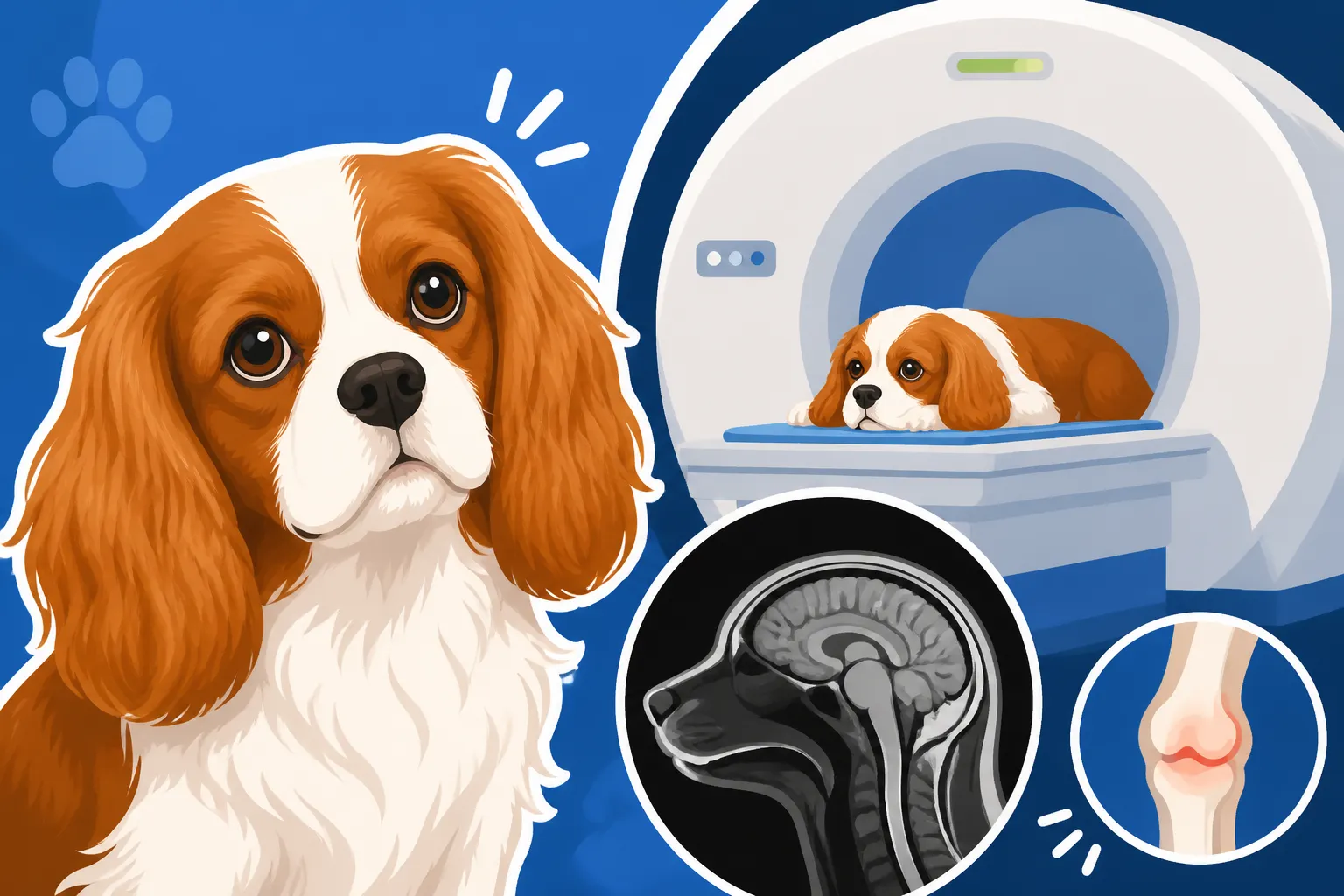
The power of an MRI lies in its ability to offer an incredibly detailed, non-invasive look inside your Cavalier’s delicate neurological structures. It’s not just a fancy picture; it’s a roadmap for understanding what’s going on, how severe it might be, and, most importantly, how to move forward with treatment. Without this level of detail, diagnosing and managing complex conditions like Syringomyelia would be akin to navigating in the dark.
Diagnosing Chiari-like Malformation and Syringomyelia
For Cavaliers, the primary reason for an MRI is often to diagnose Chiari-like Malformation (CM) and its frequent companion, Syringomyelia (SM). On an MRI, a veterinary neurologist can clearly see the distinct anatomical changes associated with CM. This includes evidence of the caudal occipital malformation, where the back of the skull is structurally abnormal, and how the cerebellum is herniating (pushing) into or through the foramen magnum – the opening at the base of the skull. This crowding is a hallmark of CM.
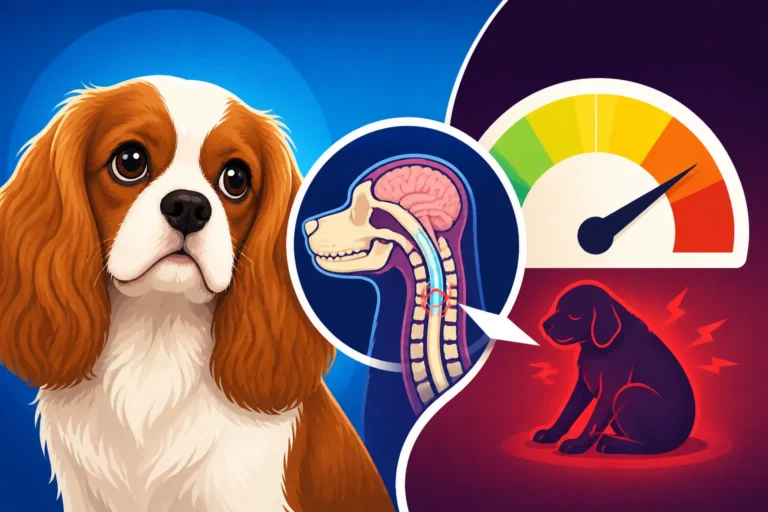
Even more critically, the MRI will pinpoint the presence and characteristics of Syringomyelia. Syrinxes appear as fluid-filled cavities within the spinal cord tissue. The MRI provides precise information on their location (most commonly in the cervical – neck – spinal cord), their length, and their width. This level of detail is paramount, as the Syrinx Width and Cavalier Pain Levels often correlates directly with the severity of your Cavalier's pain and neurological symptoms. A larger, wider syrinx typically indicates more severe discomfort and nerve damage. The images allow the neurologist to understand the extent of the problem, distinguishing between a small, asymptomatic syrinx and a large, painful one that requires immediate intervention. This clarity is precisely why Getting a Cavalier Scanned for Syringomyelia is so important for Cavaliers with suspicious symptoms.
Ruling Out Other Neurological Conditions
While CM and SM are common in Cavaliers, it's vital to remember they aren't the only neurological conditions that can affect them. An MRI is also invaluable for ruling out a host of other potential problems, ensuring that your Cavalier receives the correct diagnosis and, therefore, the most appropriate treatment.
For example, an MRI can identify spinal disc disease, such as a herniated or bulging disc, which can cause similar signs of pain or weakness to SM. It can detect brain tumors or spinal cord tumors, which require entirely different treatment protocols, often involving surgery or radiation therapy. Strokes, inflammatory diseases of the brain or spinal cord (meningoencephalitis), and even some congenital abnormalities can also be clearly visualized on an MRI. Imagine trying to treat a tumor with pain medication meant for a syrinx – it would be ineffective and delay proper care.
By providing a comprehensive picture of the entire central nervous system, an MRI allows the neurologist to perform a thorough differential diagnosis. This meticulous process helps to eliminate other possibilities, confirming that the diagnosed condition is indeed the root cause of your Cavalier's symptoms. This diagnostic accuracy is crucial for developing a precise and effective treatment plan, avoiding unnecessary medications or procedures, and ultimately giving your dog the best chance at a comfortable life.
The Process of Getting Your Cavalier an MRI
Understanding what happens during an MRI scan can help alleviate some of the natural apprehension you might feel. It’s a specialized procedure that prioritizes your Cavalier's safety and comfort, while gathering the critical information needed for diagnosis.
Preparation and Anesthesia Considerations
Before your Cavalier undergoes an MRI, there will be a series of preparatory steps designed to ensure their safety. This typically starts with pre-anesthetic bloodwork and a thorough physical examination. These tests are essential to assess organ function, particularly the kidneys and liver, and to screen for any underlying health issues that could increase the risks associated with general anesthesia. Sometimes, if your Cavalier has a heart murmur, additional cardiac testing like an echocardiogram might be recommended to fully assess their heart health and minimize anesthesia risk. For more on this, you might find Anesthesia for a Cavalier With Heart Disease informative.
Why is anesthesia absolutely non-negotiable for an MRI? It's simple: the MRI machine creates very detailed images, but even the slightest movement from your Cavalier can blur those images and make them useless. The scan itself is also quite loud, and being in the enclosed space of the machine can be frightening for an animal. Therefore, your dog will be gently placed under general anesthesia by a skilled veterinary team. The team will closely monitor vital signs, including heart rate, breathing, blood pressure, and oxygen saturation, throughout the entire procedure. They are there to ensure your Cavalier is safe and stable. You may have concerns about Whether a Cavalier MRI Needs Anesthesia , which is understandable, and your vet will discuss all protocols to mitigate these.
The Scan Itself and Post-Procedure Care
Once safely anesthetized and positioned, your Cavalier will be moved into the MRI machine. The machine looks like a large, tunnel-like tube, and the scans are performed by strong magnetic fields and radio waves, not X-rays, so there's no ionizing radiation involved. The duration of the scan typically ranges from 30 minutes to over an hour, depending on what areas need to be imaged and how many specific sequences are required. During this time, the veterinary team remains on hand, continuously monitoring your dog.
After the scan is complete, your Cavalier will be carefully woken up from anesthesia. The recovery process is closely supervised, with the team ensuring they are comfortable and reorienting themselves. Most Cavaliers are ready to go home the same day, although some facilities might recommend an overnight stay for observation, especially if there were any pre-existing health concerns.
The neurologist will then analyze the detailed images, often reviewing them with a board-certified veterinary radiologist. This interpretation process takes time, sometimes a few hours, sometimes a day or two, depending on the complexity of the case and the clinic's workload. Once the results are ready, the neurologist will schedule a follow-up consultation with you. This is when they will explain the findings in detail, confirm the diagnosis, and most importantly, discuss the various treatment options available for your Cavalier. This could range from medication management for pain and inflammation to lifestyle adjustments or, in some severe cases, a referral for surgical intervention. Getting an MRI is an incredibly important step, and the information gleaned from it will guide all future care decisions.
Disclaimer
Please remember that this article is intended for informational purposes only and should not be considered a substitute for professional veterinary advice. Always consult with a qualified veterinarian or veterinary specialist for any health concerns or before making any decisions about your pet's care.