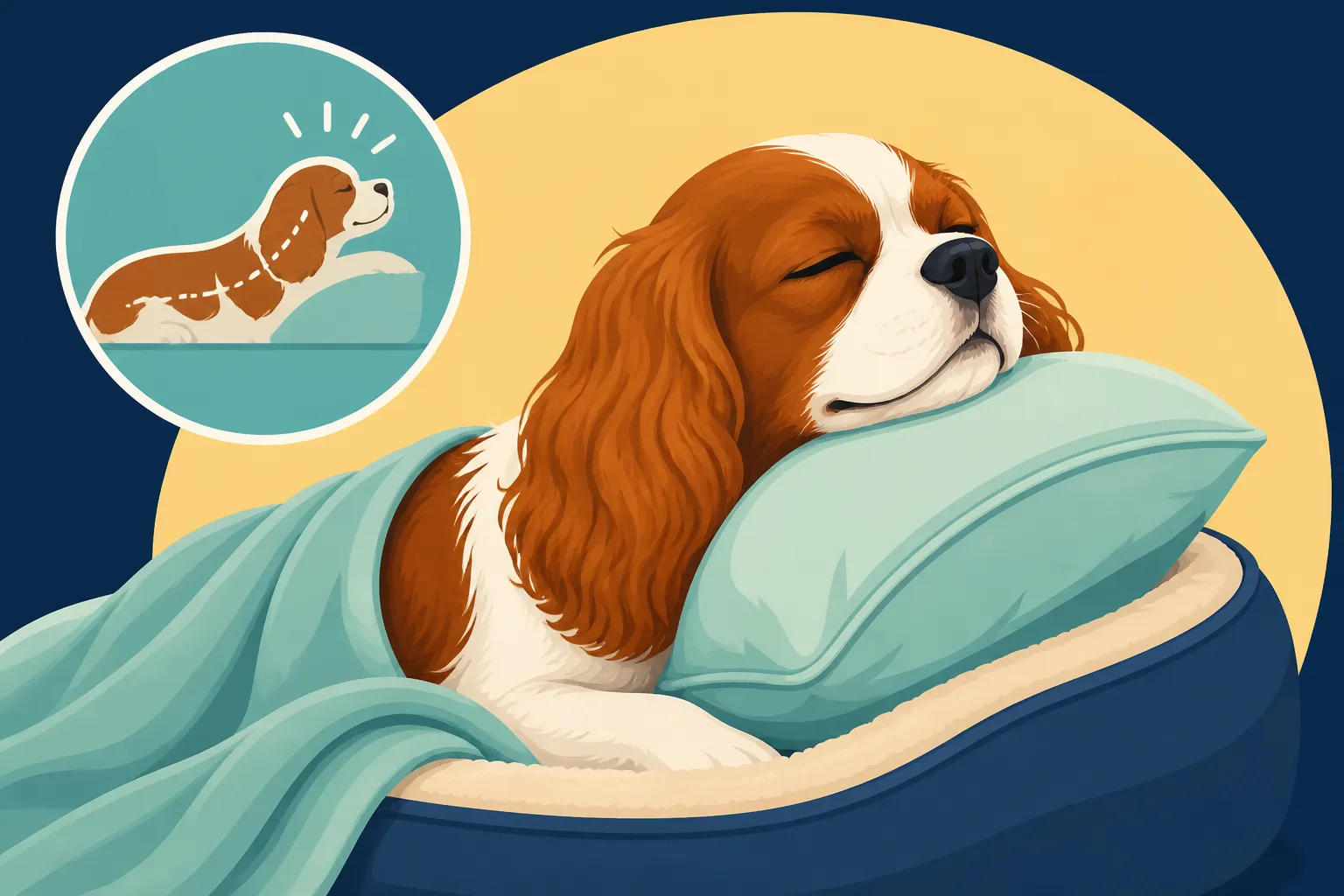
A Cavalier That Sleeps With Its Head Raised
It's incredibly unsettling when your beloved Cavalier King Charles Spaniel starts sleeping in a strange, elevated position, often with their head propped up or held stiffly. This isn't just a cute quirk; for a Cavalier owner, it's often a significant red flag, signaling discomfort or even pain. This guide will delve deep into why your Cavalier might be adopting this peculiar sleeping posture, focusing on common underlying health issues and what steps you can take to help your furry family member find relief.
Understanding This Unusual Sleep Posture
When you see your Cavalier sleeping with their head raised, it's natural to wonder if they're just getting comfy. But for this particular breed, it's crucial to understand that such a posture is rarely benign. It often points to an underlying issue causing discomfort, particularly in the head, neck, or spine.
Why it's a Red Flag for Cavalier Owners
Unlike some dogs who might simply prefer to rest their heads on a pillow or a toy, a Cavalier consistently sleeping with their head propped up or rigidly extended often indicates an attempt to alleviate pressure or pain. They might look like they're trying to get a better view or being particular about their sleeping arrangements, but in reality, they're likely trying to find a position that minimizes an uncomfortable sensation. This behavior is so commonly associated with certain breed-specific health challenges that it immediately warrants attention and investigation. As a Cavalier owner, you become acutely attuned to subtle changes in their behavior, and this posture is one that should never be ignored.
The Connection to Neck and Head Pain
Imagine having a constant ache or throbbing sensation in your neck or head. You'd try every pillow, every position, to find even a moment's relief, wouldn't you? Your Cavalier is doing much the same. Raising the head can temporarily shift pressure points, decompress certain nerves, or alter the flow of cerebrospinal fluid, providing a momentary respite from persistent pain. This isn't a long-term solution for them; it's a coping mechanism. The pain can manifest in various ways, from a dull ache to sharp, shooting sensations, or even a feeling of pressure within the skull. When a dog consistently chooses such an unnatural sleeping position, it suggests that their usual comfortable spots are no longer working for them, and they are actively seeking relief.
The Primary Suspect: Syringomyelia SM and Chiari-like Malformation CM
When a Cavalier starts sleeping with their head raised, the first and most pressing concern for many veterinarians and experienced owners immediately turns to neurological conditions, specifically Syringomyelia (SM) and Chiari-like Malformation (CM). These conditions are notoriously prevalent in the breed and are a common cause of chronic pain.
What Syringomyelia Means for Your Cavalier
Syringomyelia is a serious, progressive neurological condition where fluid-filled cavities (syrinxes) form within the spinal cord. It's often likened to a "phantom itch" or a burning sensation. These syrinxes develop as a consequence of impaired cerebrospinal fluid (CSF) flow, often due to Chiari-like malformation. The fluid pressure inside these syrinxes damages the spinal cord tissue, leading to intense and often debilitating pain. Cavaliers with SM can experience a wide range of symptoms, from mild discomfort to severe, constant agony. The sensation might feel like buzzing, burning, or itching, particularly around the neck, shoulders, and head.
Dogs suffering from SM may show signs like air scratching (scratching without making contact with the skin), crying out when picked up or touched, reluctance to jump or use stairs, and, importantly, unusual sleeping positions, such as sleeping with its head raised. The severity of pain can fluctuate, but the presence of such a syrinx is a serious concern. If your Cavalier is showing these signs, it's vital to discuss them with your vet, potentially leading to a referral for a specialist. Many owners have found that addressing pain early can significantly improve their Cavalier's quality of life.
How CM Contributes to the Problem
Chiari-like Malformation (CM) is almost universally present in Cavalier King Charles Spaniels, though not all develop Syringomyelia. CM refers to a malformation of the skull, where the back of the skull (occipital bone) is too small for the brain, particularly the cerebellum. This crowding forces parts of the brain (the cerebellum and brainstem) to be pushed or herniated into the spinal canal. This abnormal brain position obstructs the normal flow of cerebrospinal fluid (CSF), which is critical for cushioning the brain and spinal cord.
When the CSF flow is disrupted, it can lead to pressure fluctuations and, over time, the formation of those painful syrinxes in the spinal cord that characterize SM. So, while CM itself can cause symptoms through direct pressure on the brainstem and nerves, it's primarily its role in causing SM that makes it such a significant concern for the breed. Understanding What Chiari Malformation Does to a Cavalier Skull can help clarify this complex anatomical issue.
Why Raising the Head Offers Temporary Relief
For a Cavalier experiencing the pain of SM or CM, sleeping with their head raised can provide temporary relief in a few key ways. By elevating the head, the dog might be slightly altering the dynamics of cerebrospinal fluid flow, potentially reducing pressure on sensitive nerve tissues in the brainstem or spinal cord. Think of it like a minor adjustment that lessens the squeeze.
Additionally, this posture can stretch certain muscles and tissues around the neck, which might be spasming or tightening in response to chronic pain. The subtle change in alignment can alleviate direct compression on nerves or the syrinx itself. It's not a cure, or even a long-term solution, but a brief respite that their instinct drives them to seek out. Observing this behavior closely, especially in conjunction with other subtle signs like Phantom Scratching in a Cavalier, is a crucial step in recognizing that something deeper is at play.
Other Potential Causes of Discomfort
While Syringomyelia and Chiari-like Malformation are primary concerns for Cavaliers sleeping with their heads raised, it’s important not to overlook other potential sources of pain and discomfort that could lead to this unusual posture. Many conditions can cause neck, head, or general body pain, prompting your Cavalier to seek an alleviating position.
Neck and Spinal Issues Beyond SM
Just like people, dogs can suffer from a variety of musculoskeletal problems that cause neck and back pain. These aren't always as dire as SM but can still be incredibly uncomfortable. Conditions like intervertebral disc disease (IVDD), where the discs between vertebrae degenerate and can bulge or rupture, pressing on the spinal cord, are a definite possibility. Arthritis in the cervical (neck) spine, muscle strains from vigorous play, or even a minor injury can all lead to discomfort that a Cavalier tries to alleviate by repositioning their head.
These issues might cause stiffness, reluctance to move the head or neck, yelping when touched, or a general decrease in activity. Sometimes, the pain might be localized, but other times it can radiate, making it difficult for your dog to find a comfortable resting position. A thorough veterinary examination, including palpation and possibly X-rays, can help rule these common orthopedic problems in or out.
Ear Infections and Head Pain
It might seem surprising, but a severe ear infection can be incredibly painful and radiate discomfort into the head and neck, prompting a Cavalier to hold their head at an odd angle or raise it to sleep. Cavaliers, with their beautiful, long drop ears, are unfortunately prone to ear infections. The moist, warm environment under their ear flaps is a perfect breeding ground for bacteria and yeast.
If an infection becomes deep-seated or causes significant inflammation, the pain can be intense, leading to head shaking, pawing at the ears, a foul odor, and even behavioral changes. A Cavalier might try to tilt their head or raise it to reduce pressure on the inflamed ear canal. If you notice your Cavalier sleeping with their head raised and they also seem to be bothered by their ears, it's definitely worth checking. Early treatment of Recurrent Ear Infections in a Cavalier can prevent significant pain and discomfort, and also stop them from spreading.
Dental Pain Radiating to the Head
Another often-underestimated source of discomfort that can lead to unusual head positions is severe dental disease. Cavaliers are known for having crowded teeth in their relatively small mouths, making them susceptible to plaque and tartar buildup, gingivitis, and periodontal disease. When infections or abscesses develop in the teeth or gums, the pain can be significant and extend beyond the mouth itself.
Imagine a severe toothache—it often causes pain that spreads to your jaw, head, and even neck. Your Cavalier experiences something similar. This chronic oral pain can make it uncomfortable to lie down normally, eat, or even yawn. They might try to rest their head in a way that minimizes pressure on the affected area. Regular dental check-ups are vital for Cavaliers to address these issues before they become debilitating, and your vet can determine if Cavalier Dental Disease in a Crowded Jaw is contributing to your dog's discomfort.
What to Do If Your Cavalier is Sleeping This Way
Discovering your Cavalier in an unusual sleeping posture, especially with their head raised, can be quite alarming. The most important thing is to take action promptly and methodically. This isn't a symptom to observe casually; it warrants careful attention and professional veterinary evaluation.
Documenting Observations and Symptoms
Before you even call the vet, start a detailed log. This might feel a bit like homework, but trust me, it provides invaluable information for your veterinarian. Note down:
- When you first observed this behavior: Was it sudden or gradual?
- How often it occurs: Is it every sleep, or only occasionally?
- Duration: How long do they maintain this posture?
- Specific position: Are they leaning on something, or just holding their head stiffly in the air?
- Other accompanying symptoms: Look for any changes in appetite, thirst, activity levels, willingness to play, reluctance to jump or use stairs (a Cavalier that refuses stairs is a common concern), changes in gait, sensitivity to touch, yelping when picked up, or "air scratching."
- Triggers: Does it seem to happen after excitement, exercise, or in specific environments?
- Pain indicators: Are there any whimpers, growls, or a generally withdrawn demeanor?
The more specific details you can provide, the better equipped your vet will be to narrow down the potential causes and formulate an appropriate diagnostic plan. Your meticulous observations can save time and potentially lead to an earlier diagnosis, which is crucial for conditions like SM.
Seeking Veterinary Consultation Promptly
This isn't a "wait and see" situation. As soon as you notice your Cavalier consistently sleeping with their head raised, contact your veterinarian. Explain your observations clearly and emphasize that this is a Cavalier King Charles Spaniel, a breed predisposed to specific neurological conditions. Don't be afraid to voice your concerns about Syringomyelia or Chiari-like Malformation.
Your regular vet is the first port of call. They can perform a thorough physical and neurological exam to assess for pain, tenderness, reflexes, and proprioception (awareness of body position). They'll also check for other, less severe issues like ear infections or dental pain. If they suspect a neurological component, they will likely recommend further diagnostics or a referral to a veterinary neurologist. When considering a vet visit, remember that proactive care can prevent worsening conditions, especially if you have a plan for Insuring a Cavalier Before the Murmur Arrives, as neurological issues can incur significant costs.
The Diagnostic Process for Neck Pain
Once your vet has conducted their initial examination, they'll guide you through the diagnostic process. This usually starts with less invasive options and progresses as needed:
- Physical and Neurological Exam: This is where your vet checks for tenderness, range of motion, reflexes, and any other neurological deficits.
- Blood Work: While not directly diagnostic for neck pain, blood tests can rule out other systemic illnesses or infections that might be contributing to general discomfort.
- X-rays: Radiographs of the neck and spine can reveal issues like disc degeneration, arthritis, or vertebral abnormalities. However, X-rays cannot diagnose Syringomyelia or Chiari-like Malformation directly. They are useful for ruling out other structural issues.
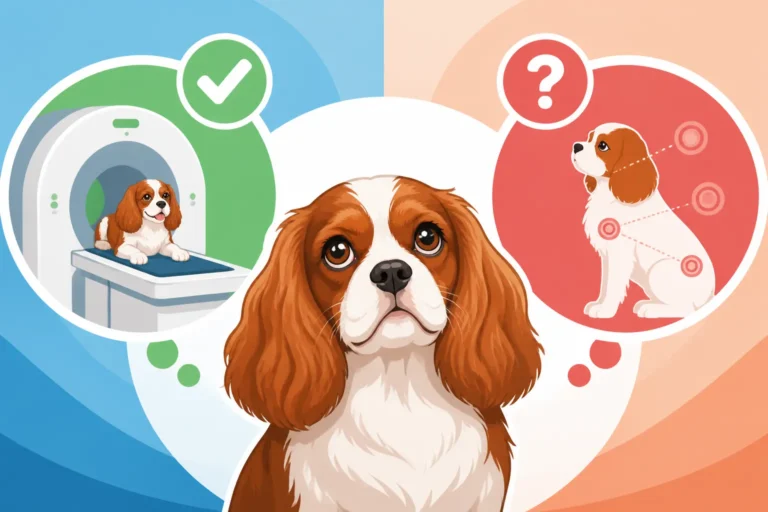
- MRI (Magnetic Resonance Imaging): This is the gold standard for diagnosing Syringomyelia and Chiari-like Malformation. An MRI provides detailed images of soft tissues, including the brain and spinal cord, allowing veterinarians to visualize syrinxes, brain herniation, and CSF flow abnormalities. It also helps detect other neurological issues like tumors or severe disc disease. The decision to pursue an MRI is significant, as What a Cavalier MRI Scan Costs and Shows can be a substantial consideration, but it provides the most definitive diagnosis. It's often recommended by specialists, especially if SM is a strong suspicion.
- Referral to a Neurologist: If your primary vet suspects a neurological issue, they will likely refer you to a board-certified veterinary neurologist. These specialists have advanced training and equipment to diagnose and manage complex neurological conditions.
The diagnostic journey can feel daunting, but it's essential to pinpoint the exact cause of your Cavalier's discomfort so the most effective treatment plan can be implemented.
Management and Support for a Discomforted Cavalier
Once a diagnosis is made, or even while awaiting one, managing your Cavalier's pain and improving their comfort becomes the top priority. Living with a dog in pain is incredibly challenging, and finding the right combination of home care and medical intervention is key.
Comfort Measures at Home
Providing a comfortable and pain-free environment is paramount. Small adjustments around the house can make a big difference:
- Supportive Bedding: Invest in orthopedic dog beds that provide excellent support, especially for their neck and spine. Memory foam beds can contour to their body, reducing pressure points. Avoid flat, unsupportive beds.
- Elevated Food and Water Bowls: If leaning down to eat or drink causes neck strain, elevated bowls can alleviate this. Look for bowls that allow them to eat with their head in a more neutral position.
- Harnesses over Collars: For Cavaliers with neck pain, a harness distributes pressure across the chest and shoulders, rather than concentrating it on the neck, which a traditional collar does. This is particularly important for walks or if you need to guide them. Consider how Harnesses Instead of Collars for a Cavalier can improve their daily comfort.
- Minimize Jumping: Block off access to stairs or furniture they might jump on and off of. Use ramps or small steps to help them access favorite spots like the sofa or your bed without straining their neck or back.
- Gentle Handling: Always be gentle when picking up or handling your Cavalier. Support their body fully, especially their rear and chest, to avoid putting pressure on their neck or spine. If your Cavalier yelps when picked up, this is a clear sign of pain and warrants immediate attention.
- Quiet Environment: Sometimes, a quiet, calm environment can reduce stress, which can exacerbate pain symptoms.
Medical Treatment Options
Medical management is often multifaceted, aiming to reduce inflammation, alleviate pain, and manage neurological symptoms.
- Pain Relievers: Non-steroidal anti-inflammatory drugs (NSAIDs) are commonly prescribed to reduce inflammation and pain. Your vet will choose the appropriate type and dosage.
- Neuropathic Pain Medications: For conditions like Syringomyelia, standard pain relievers often aren't enough. Medications like Gabapentin for a Cavalier with neck pain are frequently used to target neuropathic (nerve) pain. Amantadine is another medication that can be added to enhance pain relief.
- Corticosteroids: In some cases, corticosteroids might be used for their powerful anti-inflammatory effects, especially during acute flare-ups. However, these come with potential side effects and are usually reserved for specific situations or short-term use.
- Diuretics: For SM, medications that help reduce cerebrospinal fluid production, like omeprazole (a proton pump inhibitor) or furosemide (a diuretic), might be prescribed to help reduce fluid pressure within the syrinxes.
- Lifestyle Adjustments & Supplements: While not a cure, some supplements like omega-3 fatty acids, glucosamine, and chondroitin can support joint health and reduce inflammation. Diet can also play a role; your vet might discuss if Whether Diet Slows a Cavalier's Heart Disease for instance, if heart issues are also present, which is common in the breed.
Remember, all medications should be prescribed and monitored by a veterinarian. Never give human medications to your dog.
The Role of a Neurologist
If your primary veterinarian suspects a neurological condition like Syringomyelia or Chiari-like Malformation, they will likely recommend consulting a board-certified veterinary neurologist. These specialists have extensive experience and specialized equipment (like in-house MRI scanners) to accurately diagnose and manage complex neurological disorders.
A neurologist can:
- Confirm Diagnosis: Interpret MRI scans and conduct advanced neurological exams.
- Develop a Tailored Treatment Plan: Based on the specific diagnosis, they can devise a precise medication regimen, often involving a combination of drugs to manage different aspects of pain and inflammation.
- Discuss Surgical Options: In some severe cases of SM/CM, surgery might be considered, such as foramen magnum decompression surgery to relieve pressure on the brain and spinal cord. A neurologist can discuss the risks, benefits, and prognosis of such procedures. Understanding Whether Decompression Surgery Helps a Cavalier involves a detailed discussion with such a specialist.
- Provide Long-Term Management Strategies: They can help you understand the progression of the disease and adjust treatment as needed, ensuring your Cavalier has the best possible quality of life.
Working with a neurologist can provide peace of mind and access to the most advanced care for your Cavalier's specific needs. Many pet insurance providers, such as Healthy Paws, offer coverage for specialist visits and diagnostics like MRIs, which can significantly ease the financial burden of managing complex conditions like SM. It’s always a good idea to check your policy specifics or consider obtaining one early, as conditions diagnosed before coverage begins are often excluded as pre-existing conditions.
| Symptom / Cause | Primary Indication | Common Associated Behaviors | Diagnostic Approach | Key Consideration for Cavaliers |
|---|---|---|---|---|
| Syringomyelia (SM) / CM | Neuropathic pain | Air scratching, yelping when touched, reluctance to jump | MRI (Gold Standard) | High prevalence in breed, seek neurology specialist |
| Neck Arthritis/IVDD | Musculoskeletal pain | Stiffness, reduced neck mobility, limping | Physical exam, X-rays, sometimes MRI | Can worsen with age, manage with pain relief & lifestyle |
| Severe Ear Infection | Inflammatory pain, pressure | Head shaking, pawing at ear, odor, tilted head | Otoscopic exam, ear cytology, culture | Common in drop-eared breeds, can be secondary to allergies |
| Dental Disease | Oral pain | Dropping food, chewing on one side, reduced appetite | Oral exam (often under sedation), X-rays of teeth | Crowded teeth predispose to issues, can affect heart health |
| Muscle Strain/Injury | Acute localized pain | Sudden lameness, tenderness to touch | Physical exam, palpation, rest | Often resolves with rest, but can mimic more serious issues |
Disclaimer
The information provided in this article is for general informational purposes only and is not a substitute for professional veterinary advice. If your Cavalier King Charles Spaniel is exhibiting any unusual symptoms, including sleeping with its head raised, please consult with a qualified veterinarian for an accurate diagnosis and treatment plan. Never disregard professional veterinary advice or delay seeking it because of something you have read here.