Whether Diet Slows a Cavalier’s Heart Disease
It’s a heartbreaking reality for many Cavalier King Charles Spaniel owners: the constant worry about their beloved dog’s heart. When you hear that devastating diagnosis of Mitral Valve Disease (MVD), it's natural to grasp at every possible straw, wondering what you can do to help. One of the first questions that often comes to mind is, "Can changing my Cavalier's diet actually slow down this relentless progression?" This guide will deep dive into the real impact of diet on MVD, separating hope from reality and providing actionable steps for supporting your furry family member.
Understanding Mitral Valve Disease and Its Impact on Cavaliers
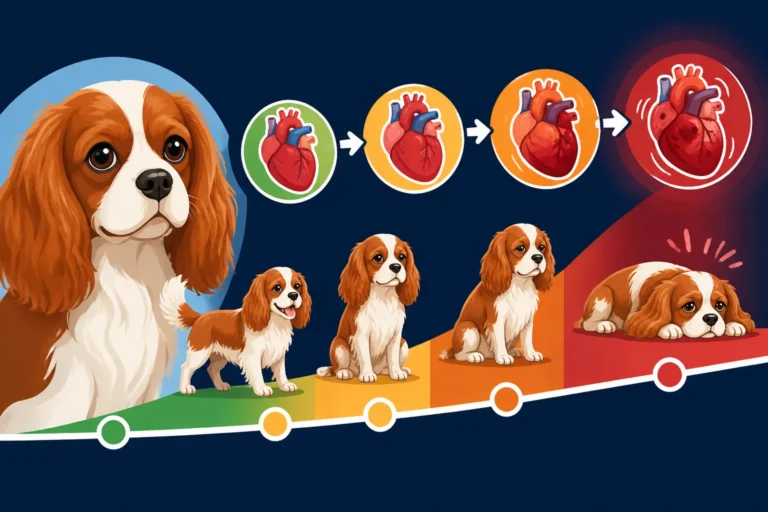
Let's be brutally honest: Mitral Valve Disease is a widespread and heartbreaking issue in our Cavaliers. It's not a rare anomaly; it's practically a breed hallmark. You might have heard that as many as half of Cavaliers have a murmur by five years old, and almost all will develop it eventually. This isn't a dietary deficiency in the way, say, scurvy is for humans. MVD is a genetic, degenerative disease where the mitral valve in the heart thickens and becomes leaky, allowing blood to flow backward with each heartbeat. Over time, this backward flow makes the heart work harder, leading to enlargement and, eventually, heart failure.
This intrinsic nature of the disease is crucial to understand. Because it’s a structural breakdown, a magic food that reverses the damage simply doesn't exist. This can be a tough pill to swallow when you're desperate to make a difference. The frustration of feeling helpless while your Cavalier's heart disease progresses stage by stage is profound. However, while diet might not be a cure, it certainly plays a supportive role, especially as the disease advances. For a comprehensive overview of the condition, you can read more about Mitral Valve Disease in the Cavalier King Charles Spaniel.
The Role of Diet in Cavalier Heart Health Before Diagnosis
Before your Cavalier even gets that first murmur diagnosis, diet plays an undeniable, foundational role in their overall health, and by extension, their heart's well-being. Think of it as building a strong house; a good foundation helps it withstand future storms.
Maintaining an Ideal Weight is Paramount
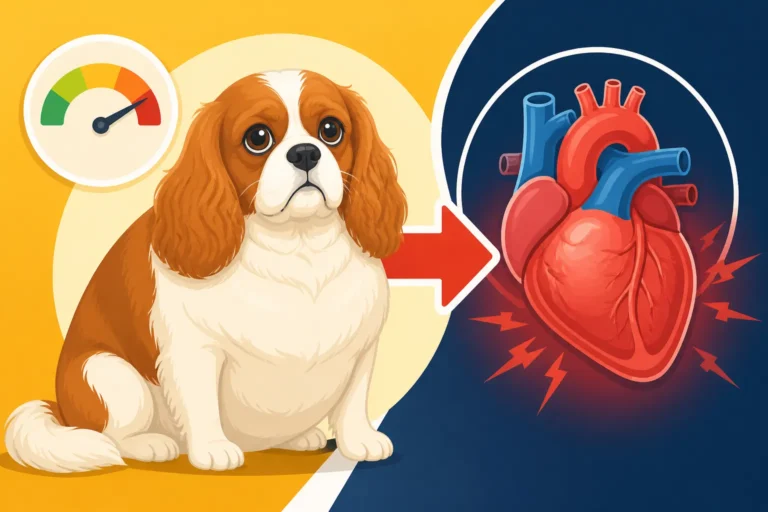
The single biggest dietary factor you can control for your Cavalier's heart health, pre-diagnosis, is maintaining an ideal body weight. An overweight Cavalier puts an incredible strain on their entire cardiovascular system. Imagine carrying an extra twenty pounds everywhere you go, all day, every day – that's what even a few extra pounds mean to a small dog like a Cavalier. This constant extra load forces the heart to pump harder, increasing blood pressure and exacerbating any underlying heart issues that might be lurking.
It’s easy for Cavaliers to gain weight. They're masters of the puppy-dog eyes, and their small size means even a few extra treats add up quickly. A healthy, lean body condition allows their heart and lungs to function more efficiently. When considering the Cavalier lifespan and what cuts it short, obesity is a significant, preventable contributor to poor health outcomes, including speeding up the impact of MVD. Regular exercise combined with a carefully measured, high-quality diet is your best defense.
Balanced Nutrition for Overall Wellness
Beyond just weight, a balanced diet provides all the essential nutrients your Cavalier needs for robust health. This means a food that isn't excessively high in any one nutrient (unless prescribed by a vet for a specific condition) and contains appropriate levels of protein, fats, carbohydrates, vitamins, and minerals.
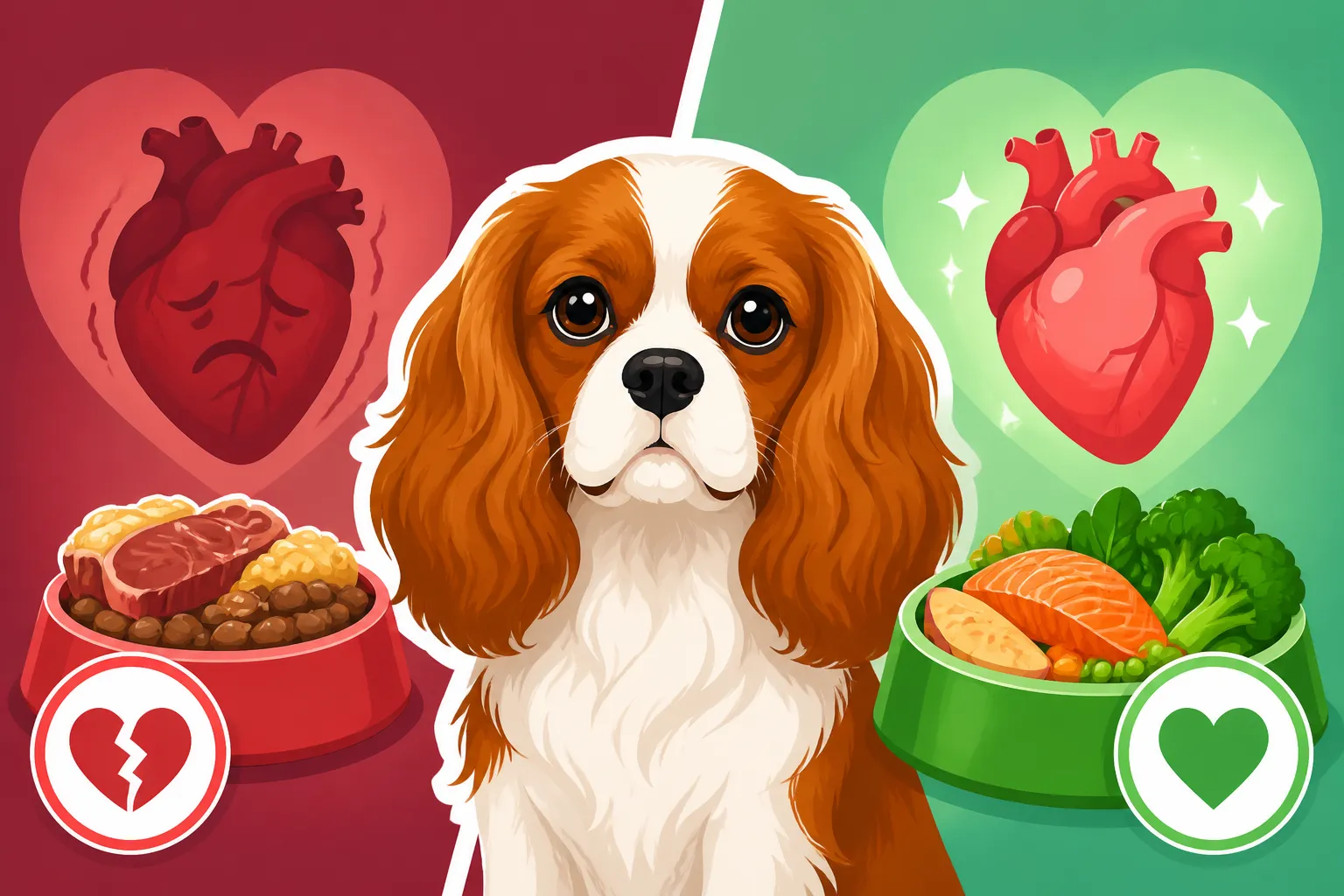
While no specific "preventative" diet exists for MVD, choosing a high-quality commercial dog food from a reputable brand that undergoes rigorous testing and formulation can contribute to overall vitality. Look for foods with real meat as the first ingredient and avoid excessive fillers, artificial colors, or preservatives. It’s a good idea to discuss your Cavalier's specific nutritional needs with your veterinarian, especially if you’re considering a home-cooked diet. Remember, setting up for a Cavalier puppy's first weeks should include thoughtful consideration of their diet from day one. Choosing a good pet insurance like Healthy Paws before any murmur appears is also a smart move, as diet changes alone aren't a guarantee against MVD.
Dietary Considerations Once MVD is Diagnosed and Progressing
Once your Cavalier receives an MVD diagnosis and, more importantly, once their condition starts to progress into the later stages, diet moves from a general wellness factor to a crucial part of their medical management plan. This is where your veterinarian or a board-certified veterinary cardiologist becomes your indispensable guide.
Low Sodium Diets: When and Why They Matter
One of the most significant dietary interventions for a Cavalier with advancing MVD, particularly when they are approaching or already in heart failure, is a low-sodium diet. As the heart struggles, blood can back up, leading to fluid retention (edema) in the lungs (pulmonary edema) or abdomen (ascites). Sodium encourages the body to retain water, so reducing dietary sodium helps minimize this fluid buildup and eases the strain on the already compromised heart. This is often an intervention considered when a Cavalier heart blood test called NT-proBNP indicates increased cardiac stress.
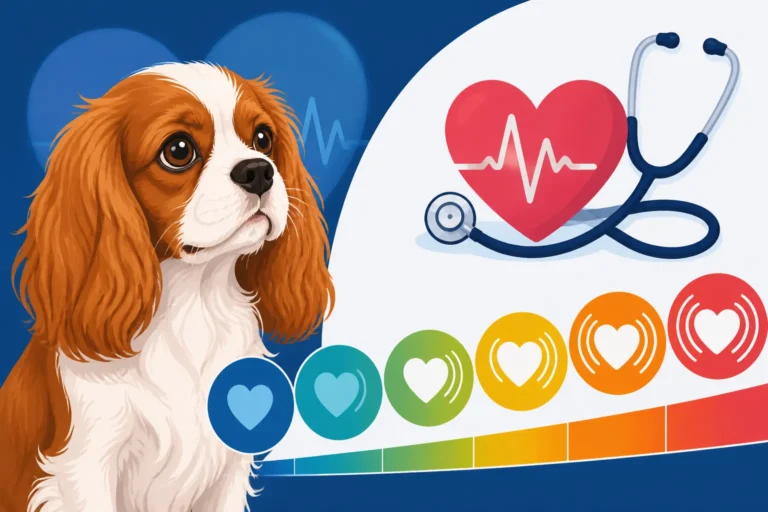
However, "low sodium" doesn't mean "no sodium." Sodium is an essential electrolyte. The key is balance and reduction, not elimination, and this level of restriction is usually only necessary in the later stages of the disease (ACVIM Stage C or D). For Cavaliers in earlier stages (A or B), drastic sodium restriction is generally not recommended and can even be detrimental if not properly balanced. Always consult your vet or cardiologist before making significant changes to sodium intake. They will guide you on when to start a low-sodium diet and how gradually to transition. They might recommend specific prescription cardiac diets, which are carefully formulated to have appropriate low sodium levels while still being nutritionally complete.
Here's a general guide to sodium levels in pet foods:
| Food Category | Sodium Content (Dry Matter Basis) | When it's typically recommended |
|---|---|---|
| Maintenance/Adult | 0.25% – 0.5% | Healthy Cavaliers, Stage A/B MVD |
| Mild Sodium Restriction | 0.2% – 0.25% | Early Stage C MVD, mild symptoms |
| Moderate Sodium Restriction | 0.1% – 0.18% | Mid-Stage C MVD, visible symptoms |
| Severe Sodium Restriction | <0.1% | Late Stage C / Stage D MVD, advanced heart failure |
It’s also important to be mindful of treats and human foods, which can be surprisingly high in sodium. Things like cheese, deli meats, many commercial dog biscuits, and even some supposedly "healthy" human snacks are off-limits for a heart patient. This is especially true if your Cavalier is already on diuretics for heart failure.
The Truth About Supplements: Taurine, Carnitine, and Omega-3s
Many well-meaning owners wonder whether heart supplements help a Cavalier. The supplement aisle can be a minefield of promises, but for MVD, it’s important to distinguish between marketing and scientific evidence.
- Taurine and L-Carnitine: These amino acids are often discussed in relation to heart health. They are indeed crucial for cardiac muscle function. However, the vast majority of MVD in Cavaliers is not caused by a deficiency in taurine or carnitine. These supplements are primarily beneficial for specific forms of dilated cardiomyopathy (DCM) in breeds like Dobermans or Great Danes, where a deficiency can be a root cause. Unless your Cavalier is diagnosed with a specific deficiency (which is rare in MVD cases), supplementing with these is unlikely to slow the progression of their MVD. Always consult your cardiologist; they may recommend testing for deficiencies in certain, atypical MVD cases or if your dog is on an unusual diet.
- Omega-3 Fatty Acids (EPA/DHA): Fish oil, rich in Omega-3s, is often touted for its anti-inflammatory properties and general cardiovascular benefits. While Omega-3s won't reverse the structural damage of MVD, they can potentially help reduce inflammation and oxidative stress associated with chronic disease, which could be beneficial for overall cardiac health. Some studies suggest a modest benefit in dogs with heart disease, particularly in improving appetite and reducing cardiac cachexia (muscle wasting). It's a relatively safe supplement, but again, discuss dosage and necessity with your vet.
- Coenzyme Q10 (CoQ10): Another popular supplement, CoQ10, is an antioxidant involved in energy production in cells, including heart muscle cells. While it sounds promising, robust scientific evidence directly supporting its use to slow MVD progression in dogs is currently lacking.
Ultimately, while some supplements might offer general support, none have been proven to halt or reverse the degenerative process of MVD in Cavaliers. Your money is generally better spent on regular vet check-ups, prescribed medications, and a high-quality, vet-approved diet.
Practical Steps for Feeding Your Cavalier with MVD
When your Cavalier has MVD, especially as it progresses, feeding them isn't just about putting food in a bowl. It becomes a mindful, managed process.
Working with Your Veterinary Team
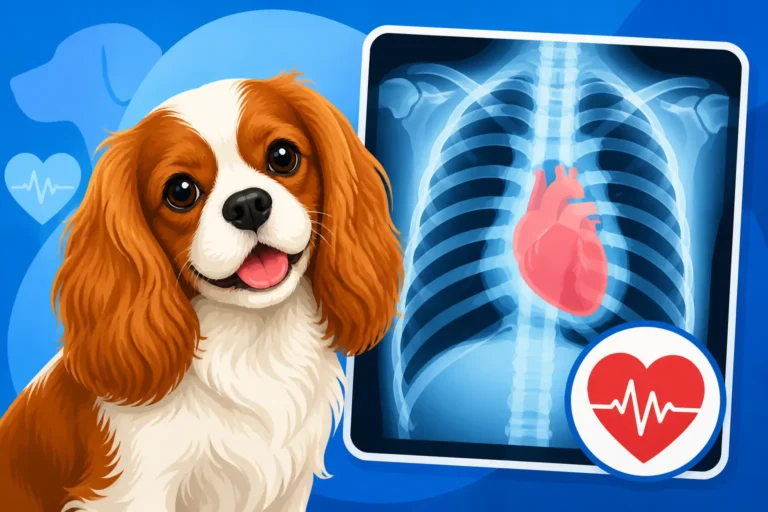
The absolute first step is to establish a strong partnership with your general veterinarian and, if possible, a board-certified veterinary cardiologist. They are the experts who can assess your Cavalier's specific stage of MVD and recommend the most appropriate dietary strategy. What’s right for a Cavalier in Stage B (murmur but no heart enlargement) is very different from one in Stage C (heart enlargement, starting medication). A Cavalier cardiologist visit involves thorough assessments, including echocardiograms and chest X-rays, which inform these critical decisions.
They will guide you on when to transition to a low-sodium diet, recommend specific prescription cardiac diets, and advise on any necessary supplements. Never start significant dietary changes or supplements without their approval, especially if your Cavalier is already on medication for a Cavalier with heart disease, such as Pimobendan for a Cavalier with an enlarged heart or diuretics for a Cavalier in heart failure.
Reading Labels and Measuring Portions
Becoming a diligent label reader is non-negotiable once your Cavalier has MVD. You'll want to pay close attention to sodium content (often listed as "sodium" or "salt"). Be aware that "reduced sodium" on a standard pet food label might not be low enough for a heart patient. Prescription cardiac diets are specifically formulated to meet very strict low-sodium requirements.
Precision in feeding is also vital. Don't just eyeball portions. Use a kitchen scale to accurately weigh your Cavalier's food. This ensures they are getting the correct caloric intake, which is critical for managing their weight and preventing further strain on their heart. Keeping a Cavalier at a weight its heart can carry means being very precise with their meals.
Choosing Safe Treats and Avoiding Hidden Sodium
Treats are often a beloved part of life with our Cavaliers, but they can be a major source of hidden sodium. Many commercial dog treats, especially jerky, dental chews, and baked biscuits, contain high levels of salt. Even human foods we might think are harmless, like small pieces of cheese or bread, can be problematic.
Safe, low-sodium treat options include plain cooked vegetables like green beans, carrots, or broccoli (in moderation). You can also find some commercially available low-sodium dog treats, but always check the label carefully. Remember, every little bit of sodium adds up. When you're managing a condition like MVD, Healthy Paws pet insurance can often help with prescription diet costs if specifically included in your policy, making it easier to stick to vet-recommended foods and avoid cheaper, higher-sodium alternatives.
Hydration and Other Considerations
Ensure your Cavalier always has access to fresh, clean water. This is especially important if they are on diuretics, which increase urination and can lead to dehydration if water intake isn't sufficient. Keep water bowls clean and accessible.
Consider any other concurrent health issues. For example, if your Cavalier also has kidney disease (which can sometimes accompany heart disease), dietary recommendations might need further modification, as both conditions can benefit from carefully managed protein and phosphorus levels. This is another reason why comprehensive veterinary oversight is so crucial. The bills that land once a Cavalier's heart fails can be substantial, and managing diet effectively can be a key component in reducing complications.
Ultimately, while diet won't magically cure or reverse MVD, it is an incredibly powerful tool in your arsenal for managing the disease, slowing its progression in later stages, and supporting your Cavalier's quality of life for as long as possible. It takes diligence and a close working relationship with your veterinary team, but every effort you make contributes to their comfort and well-being.
Disclaimer
This article is intended for informational purposes only and does not constitute veterinary advice. Always consult with a qualified veterinarian or a board-certified veterinary cardiologist regarding your Cavalier King Charles Spaniel's specific health concerns, diagnosis, and treatment plan, especially concerning dietary changes for heart disease. Individual needs may vary.