Scoliosis in a Cavalier With Syringomyelia
It’s truly disheartening to see your beloved Cavalier struggling with discomfort, and when that discomfort manifests as an unusual spinal curve, it can send shivers down any owner's spine. The worry amplifies when you know your Cavalier might also be battling Syringomyelia (SM), a complex neurological condition. This guide aims to thoroughly explain the intricate relationship between scoliosis and Syringomyelia, helping you understand the signs, diagnostic process, and management options for your precious companion.
The Complex Reality of Syringomyelia in Cavaliers
For many Cavalier King Charles Spaniel owners, the term Syringomyelia (SM) is synonymous with deep concern. It's a condition that defines a significant health challenge within the breed, often leading to chronic pain and neurological deficits. Understanding the core of SM is crucial before we can even begin to explore secondary complications like scoliosis.
What is Syringomyelia and Chiari-like Malformation?
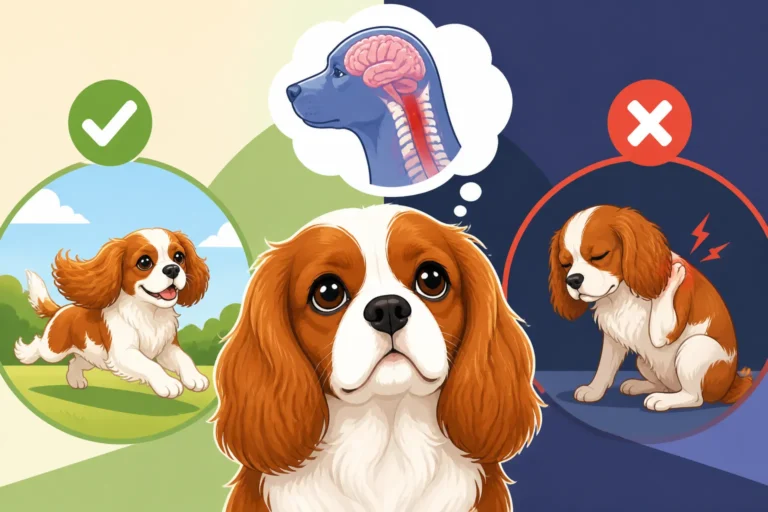
At its heart, Syringomyelia is a neurological disorder characterized by the development of fluid-filled cavities, known as syrinxes, within the spinal cord. These syrinxes form due to abnormal cerebrospinal fluid (CSF) flow, which is typically a direct consequence of a condition called Chiari-like Malformation (CM). In Cavaliers, CM means that the back of their skull is too small or malformed, essentially pinching the cerebellum, which is the part of the brain responsible for coordination and balance. This overcrowding prevents the normal flow of CSF from the brain into the spinal canal.
Imagine a bottle with a stopper that's too big for its neck; the liquid inside can't flow out smoothly. Similarly, the constricted space at the back of a Cavalier’s skull creates pressure and turbulence in the CSF flow. This altered flow, instead of gently circulating, is forced into the spinal cord tissue itself, gradually creating those painful syrinxes. These syrinxes can expand over time, pressing on and damaging the delicate nerve fibers within the spinal cord, leading to a cascade of neurological issues. For a deeper dive, you can explore topics like Syringomyelia and Chiari Malformation in Cavaliers
health-lifespan/syringomyelia-and-chiari-malformation-in-cavaliers).
The problem isn't just the syrinxes themselves, but the pressure and nerve damage they cause. This internal pressure is akin to having a balloon inflating inside your spinal cord, pushing against everything in its path. It’s a chronic, progressive condition for many, and the level of pain and neurological impairment can vary wildly from one Cavalier to another, even with similar-sized syrinxes. Some dogs live relatively comfortably with small syrinxes, while others are profoundly affected even with moderate ones.
How SM Manifests in Pain and Neurological Signs
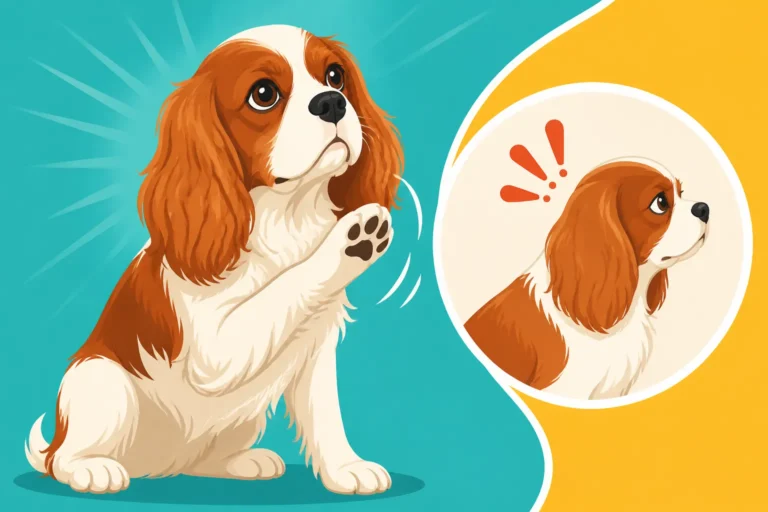
The most widely recognized symptom of Syringomyelia is a characteristic "phantom scratching" behavior. This isn't your typical itch; rather, it’s a neurological response, often triggered by collar pressure, excitement, or touching the neck and shoulder area. The Cavalier might air-scratch, yelp in pain, or suddenly nip at the air around their shoulder or ear, seemingly without making contact with their skin. This is because the nerve damage causes sensations of pain, tingling, or burning that they try to relieve, even though there's nothing physically irritating them.
Beyond the phantom scratching, SM can manifest in a myriad of painful ways. A Cavalier might become suddenly reluctant to jump on furniture, climb stairs, or even be picked up, often yelping when touched on the neck or chest. This pain isn't always obvious; sometimes it’s a subtle shift in their demeanor, a general grumpiness, or a sudden withdrawal from interaction. They might develop an abnormal posture, holding their head low or sleeping with their head raised to try and alleviate discomfort, or they might exhibit a change in gait, stumbling or dragging their paws. Understanding Pain Relief for a Cavalier With Syringomyelia is critical for owners.
These neurological signs stem directly from the location and size of the syrinxes within the spinal cord. If the syrinx is in the cervical (neck) region, it might affect the front limbs or neck sensation. If it extends further down, it can impact the hind limbs or even lead to weakness and discoordination. These symptoms can wax and wane, making diagnosis tricky without advanced imaging. The chronic nature of the pain and neurological disruption from SM is what can set the stage for secondary orthopedic issues like scoliosis, as the body tries to compensate for the underlying dysfunction.
Understanding Scoliosis as a Complication of SM
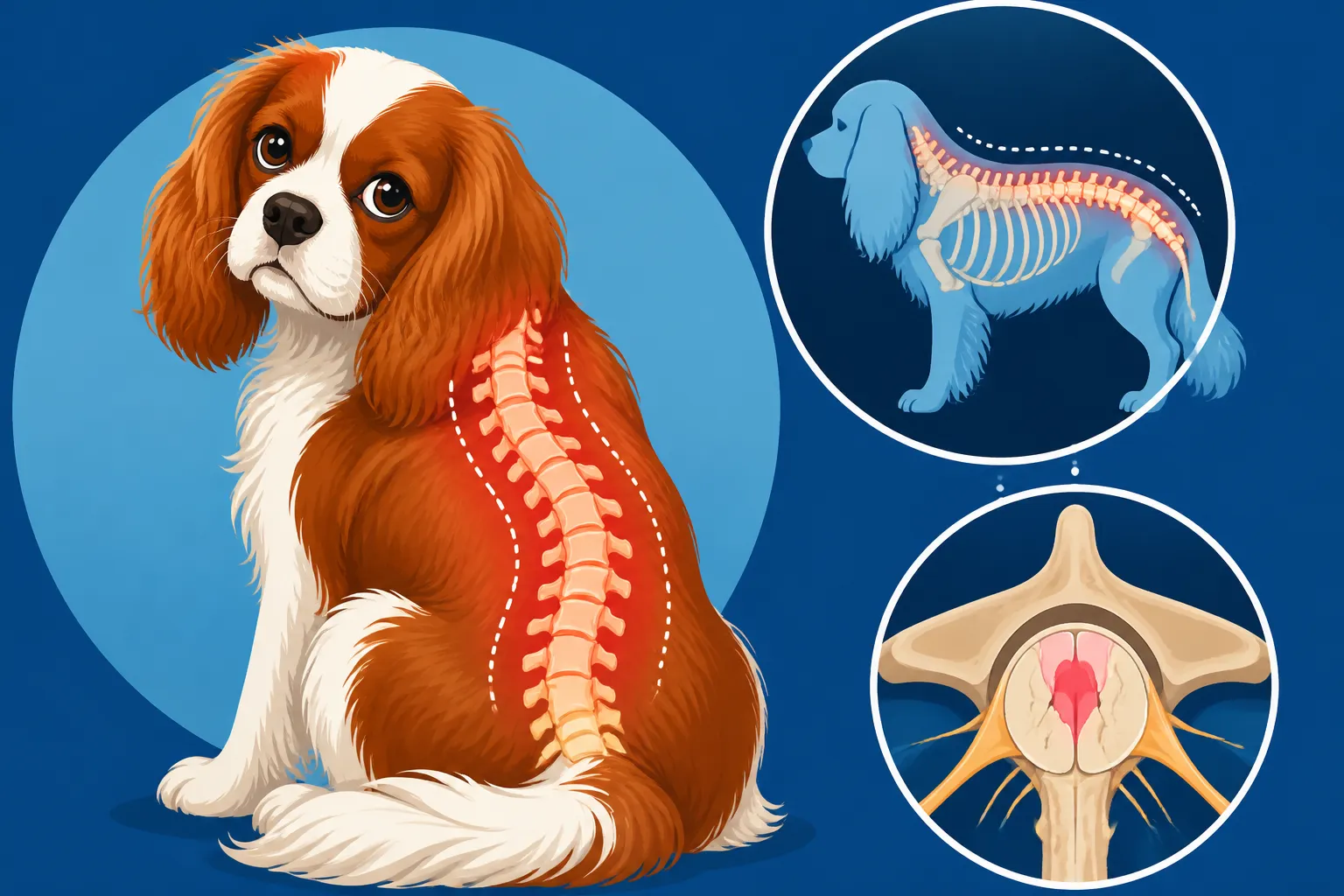
When we talk about scoliosis, we're referring to an abnormal, sideways curvature of the spine. While often associated with humans, dogs can also develop this condition. In Cavaliers, especially those with Syringomyelia, scoliosis is rarely a primary diagnosis but rather a tell-tale sign of deeper neurological issues at play within the spinal cord. It’s a physical manifestation of the long-term impact of those fluid-filled syrinxes.
The Connection Between Syrinxes and Spinal Curvature
The link between a syrinx and scoliosis in a Cavalier is often indirect but profound. A large or expanding syrinx within the spinal cord can cause nerve damage that disrupts the normal muscle function along the spine. Imagine the spinal cord as the central communication highway for muscles. If sections of that highway are damaged, signals get distorted or blocked entirely. This can lead to uneven muscle development or chronic muscle spasm and weakness on one side of the spine compared to the other.
Over time, this muscular imbalance can physically pull the vertebral column out of its natural, straight alignment. The spine, no longer supported symmetrically, begins to curve to one side. This isn't just a matter of cosmetic appearance; it means the spine is under abnormal stress, which can lead to further pain, nerve impingement, and even early onset arthritis in the affected vertebral joints. The body is constantly trying to compensate for the underlying neurological deficit, and scoliosis can be one of the unfortunate physical consequences of that ongoing struggle.
Furthermore, the very presence of a syrinx can affect the structural integrity of the spinal cord itself, and indirectly, the surrounding vertebrae. While rare, very large syrinxes can potentially cause changes within the bone structure over a long period. More commonly, however, it’s the chronic pain, altered gait, and compensatory movements that lead to the slow, progressive development of spinal curvature. The Cavalier's body twists and adjusts itself to minimize discomfort, often at the expense of proper spinal alignment.
Recognizing the Signs of Scoliosis in Your Cavalier
Spotting scoliosis in a Cavalier with SM requires a keen eye and an understanding of your dog's normal posture and movement. It's not always an obvious, dramatic curve. Often, it begins subtly. You might notice your Cavalier has an uneven stance or a slight tilt to their head or body when standing still. When they walk, you might observe that they don't move in a perfectly straight line, perhaps favoring one side, or that their gait seems slightly "off" or lopsided. This could be particularly noticeable if they are struggling with activities like navigating stairs, as seen in Cavaliers who refuse stairs due to pain.
Look closely at your Cavalier's back from above and from behind. Does one shoulder blade seem higher or more prominent than the other? Is there an asymmetry in the muscle bulk along their spine, with one side looking more developed or atrophied? Sometimes, the tail carriage might even appear slightly off-center. They might develop a "sway" in their back or a pronounced curve, particularly when relaxed or sleeping. These visual cues are critical because they indicate a structural change that needs professional attention.
Beyond visual inspection, observe your Cavalier's behavior. Are they favoring one side when lying down? Do they seem to have difficulty balancing? Has their ability to jump up onto the sofa or into the car diminished, not just from general pain, but from an inability to coordinate their body effectively? While many of these symptoms can overlap with general SM pain, the specific observation of a physical spinal curve or persistent unevenness strongly points towards scoliosis. Early detection, even of subtle signs, is important for managing their comfort and preventing further complications.
Diagnosing and Managing Spinal Curvature in Cavaliers with SM
Diagnosing scoliosis in a Cavalier, especially one already suffering from Syringomyelia, can be a multi-faceted process that goes beyond merely observing a curved back. It requires a thorough veterinary investigation to pinpoint the exact nature and extent of the spinal issues and to differentiate them from other potential complications of SM.
The Diagnostic Journey: Beyond the MRI
When your Cavalier is suspected of having scoliosis in conjunction with Syringomyelia, the diagnostic journey typically starts with your primary veterinarian, but often leads to a specialist, such as a veterinary neurologist or orthopedic surgeon. A comprehensive neurological exam is paramount. This isn't just about checking reflexes; it involves assessing gait, proprioception (awareness of limb position), pain responses, and overall body symmetry. The veterinarian will meticulously palpate your dog's spine, looking for areas of pain, muscle asymmetry, or noticeable curvature. They might try to elicit specific reactions by gently manipulating the neck and back.
While an MRI is the gold standard for diagnosing Syringomyelia itself, revealing the syrinxes and Chiari-like malformation, it may not always fully capture the nuanced structural changes of scoliosis in detail. Therefore, plain film X-rays of the spine are often employed. X-rays can clearly visualize the bony structure of the vertebrae, helping to confirm the presence, location, and severity of any sideways curvature. They can also rule out other orthopedic issues that might mimic scoliosis, such as vertebral anomalies or severe arthritis. These images help the specialist understand how the bones are affected, which is vital for planning any management strategies. Navigating the financial burden of these complex conditions can be overwhelming, which is why many owners explore pet insurance options like Healthy Paws, hoping to mitigate the cost of ongoing specialist care.
In some cases, especially if the scoliosis is severe or rapidly progressing, further advanced imaging like a CT scan might be recommended. A CT scan provides more detailed cross-sectional images of the bone structure than X-rays, offering a three-dimensional view of the spinal column's curvature and rotation. This helps veterinarians understand the full extent of the deformity and whether any nerve roots are being compressed by the displaced vertebrae. All these diagnostic steps combine to build a complete picture of your Cavalier's spinal health, informing the best possible treatment plan. The costs associated with these advanced diagnostics, including neurologist referral fees, can be significant, reinforcing the value of pet insurance or a dedicated emergency fund.
Management Strategies for Scoliosis and Syringomyelia
Managing scoliosis in a Cavalier with Syringomyelia is fundamentally about addressing both conditions simultaneously, prioritizing pain relief and maximizing quality of life. Since the scoliosis is often secondary to the nerve damage and pain from SM, effectively managing the SM is a critical first step. This usually involves medication, such as Gabapentin for nerve pain, non-steroidal anti-inflammatory drugs (NSAIDs) to reduce inflammation, and sometimes corticosteroids or drugs that reduce CSF pressure, depending on the severity of the SM. By reducing the underlying pain and neurological dysfunction, you can sometimes slow the progression of compensatory spinal curvature.
Beyond medication, supportive therapies play a huge role. Physical therapy, under the guidance of a certified canine rehabilitation specialist, can be incredibly beneficial. This might include gentle exercises to strengthen core muscles, stretching to improve flexibility, hydrotherapy (swimming or underwater treadmill) to build muscle without stressing joints, and therapeutic massage. The goal is to improve spinal stability, reduce muscle imbalances, and enhance overall mobility and comfort. Environmental modifications at home are also crucial: using ramps instead of stairs, providing orthopedic beds for comfortable resting, and ensuring food and water bowls are at an appropriate height can all reduce strain on the spine. Remember, using a harness instead of a collar for walks can also reduce pressure on a sensitive neck.
In very rare and severe cases of scoliosis where it’s causing significant nerve compression and pain, surgery might be considered. However, spinal surgery for scoliosis in dogs is complex, carries risks, and is not a common recommendation, especially in a breed already prone to neurological issues like SM. It would typically only be explored if conservative management fails and the dog's quality of life is severely compromised. Most often, the focus remains on comprehensive pain management, physical therapy, and careful monitoring, with the primary goal being to keep your Cavalier as comfortable and functional as possible for as long as possible. Pet insurance plans like Healthy Paws often have options for covering rehabilitation and specialized treatments, which can be a lifeline for these long-term conditions.
| Symptom Category | Potential Syringomyelia Indicators | Potential Scoliosis Indicators (often with SM) |
|---|---|---|
| Pain | Phantom scratching, yelping when touched on neck/shoulder, head-shyness, crying out, reluctance to jump | Yelping when back is touched/moved, generalized stiffness, reluctance to move certain ways, difficulty getting up/down |
| Movement | Stumbling, weakness in limbs, abnormal gait, reluctance to use stairs or jump, uncoordinated movements | Uneven gait, walking with a lean, favoring one side, difficulty walking straight, reduced flexibility of spine |
| Posture | Head held low, sleeping with head raised, general withdrawal | Visible sideways curve in spine, uneven shoulder blades, one side of body appearing lower or more muscular, tail off-center |
| Behavior | Increased irritability, withdrawal, decreased play, sudden aggression when touched | Reluctance to be handled on the back, avoiding certain positions, seeking more support when resting |
Prognosis and Quality of Life
Living with a Cavalier who has both Syringomyelia and scoliosis presents significant challenges, but it’s important to remember that a good quality of life is still achievable with dedicated care. The prognosis largely depends on the severity and progression of both conditions, particularly the underlying SM. With effective pain management and supportive therapies, many Cavaliers can live comfortably for years. The goal is not necessarily to "cure" the scoliosis, which is often irreversible, but to manage the pain it causes and prevent further deterioration.
Regular veterinary check-ups are absolutely essential. Your vet, or ideally a specialist, will need to monitor your Cavalier's pain levels, neurological status, and the progression of both the syrinxes and the spinal curvature. This often means adjusting medication dosages, exploring new therapeutic modalities, and continually adapting their home environment to meet their changing needs. Things like cushioned beds, elevated feeding bowls, and harnesses instead of collars become even more critical for their comfort. Remember, Living With a Cavalier That Has Syringomyelia is a journey of continuous adaptation and loving care.
The emotional toll on owners can be immense, witnessing their beloved pet struggle. However, by providing consistent care, prioritizing comfort, and celebrating their good days, you can ensure your Cavalier enjoys their life. Resources such as support groups for Cavalier owners can be invaluable for sharing experiences and getting advice from those who truly understand the unique challenges of these conditions. With understanding, patience, and proactive management, you can continue to provide a loving and comfortable home for your Cavalier, allowing them to thrive despite their diagnoses. Pet insurance providers, like Healthy Paws, can offer peace of mind by helping to cover a portion of these ongoing veterinary costs, allowing you to focus more on your Cavalier's care and less on the financial strain.
Disclaimer
This article is for general informational purposes only and does not constitute professional advice. Laws, prices and regulations vary by location and change over time. Consult a qualified professional for guidance on your specific situation.