Living With a Cavalier That Has Syringomyelia
Discovering that your beloved Cavalier King Charles Spaniel has Syringomyelia can feel like a punch to the gut. This isn't just a physical diagnosis; it’s an emotional journey that transforms daily life, introducing chronic pain and a host of challenges that can leave you feeling overwhelmed and helpless. This guide aims to help you navigate the complexities of living with a Cavalier with Syringomyelia, offering practical advice and empathetic support to improve both your dog's quality of life and your own peace of mind.
Understanding Syringomyelia's Impact on Daily Life
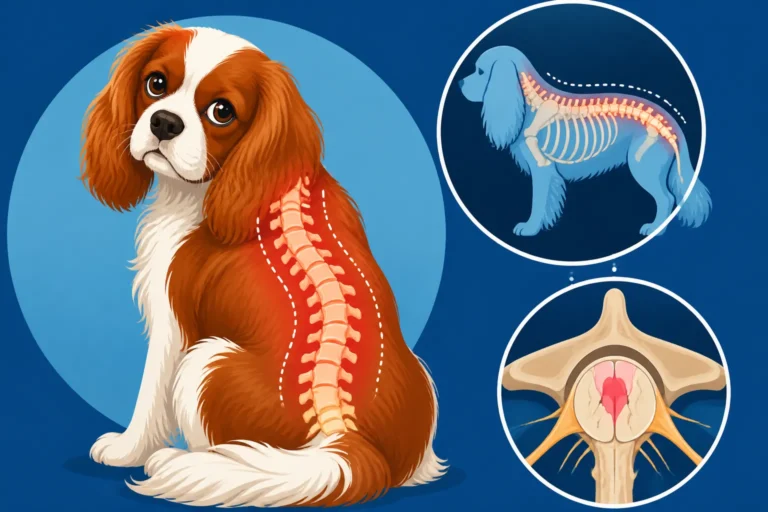
Syringomyelia (SM) is a complex and often painful neurological condition where fluid-filled cavities, or syrinxes, form within the spinal cord, usually due to a malformation of the skull (Chiari-like malformation, or CM). For Cavaliers, this means the skull is often too small to comfortably contain the brain, leading to the brain pushing into the spinal cord opening and disrupting the normal flow of cerebrospinal fluid. This condition can manifest in varying degrees of severity, but its presence invariably changes how your dog experiences the world, making simple pleasures potentially painful. It's a condition that truly impacts every facet of their existence.
Recognizing Subtle Symptoms
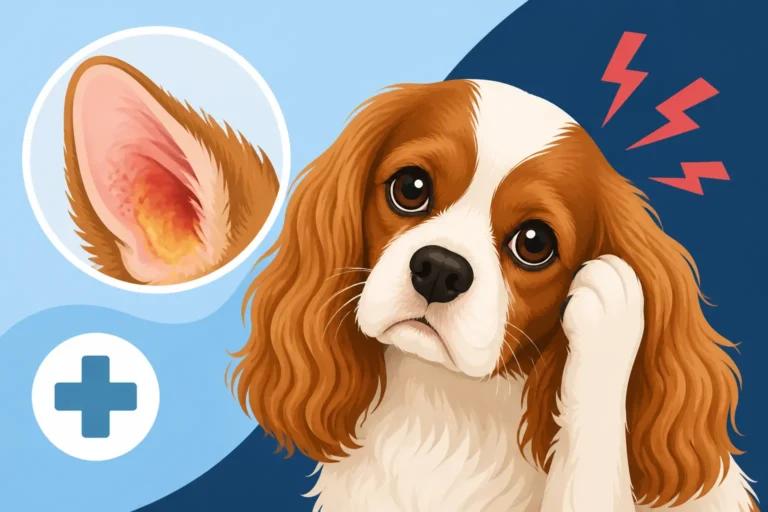
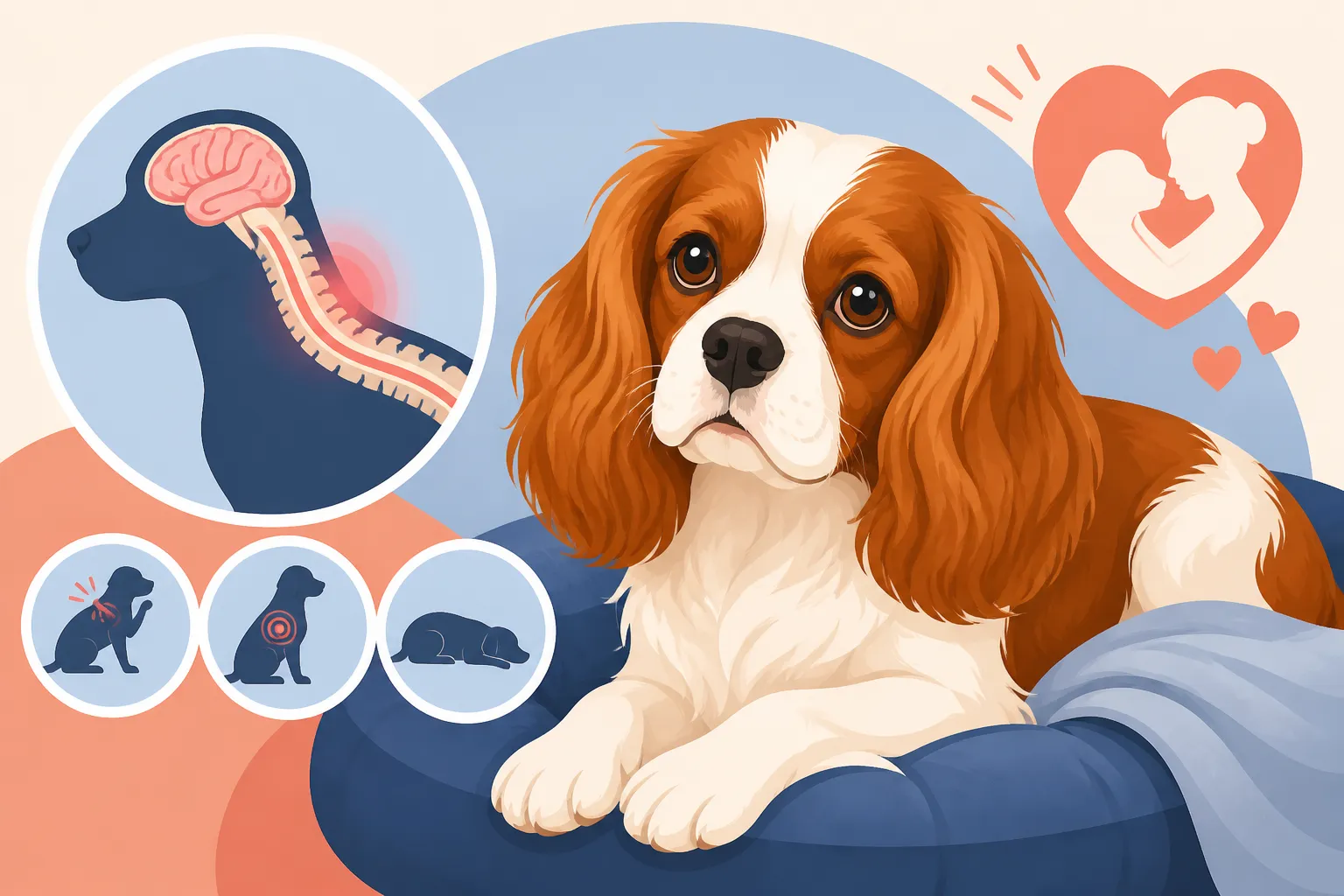
Living with a Cavalier with SM means becoming a keen observer of their subtle cues. The signs aren't always dramatic yelps or obvious lameness; sometimes, they're incredibly nuanced. You might notice your dog engaging in what's often called "air scratching" – scratching at their shoulder or neck without actually making contact with their skin, or perhaps only lightly. This is a classic sign of neuropathic pain, an itch that can't be scratched, indicating nerve discomfort rather than an actual skin irritant. Keeping a diary of these occurrences can be invaluable for your vet.
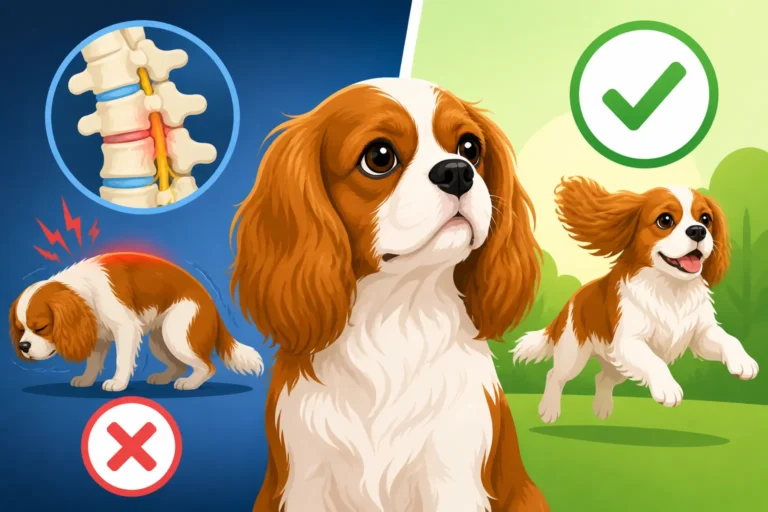
Beyond the phantom scratching, look for changes in posture or movement. Perhaps your Cavalier starts sleeping with their head elevated, avoiding certain sleeping positions, or showing reluctance to jump on furniture or use stairs – a behavior that might suggest pain in the neck or back. A once playful dog might become withdrawn, or you might notice them yelping when picked up, especially if touched near their neck or chest. These subtle shifts are often the earliest warnings that their underlying condition is flaring up or progressing. Understanding these nuances is crucial for providing timely intervention and comfort for your furry family member.
Emotional Toll on Owners
Let's be real: living with a dog suffering from a chronic, painful condition like Syringomyelia takes a significant emotional toll on you, the owner. The constant worry, the search for solutions, the financial strain, and the heartbreak of seeing your beloved companion in discomfort can be utterly exhausting. Many owners report feelings of guilt, wondering if they missed early signs or if there was something more they could have done. It’s a heavy burden, made heavier by the fact that SM can be unpredictable, with good days and bad days that keep you on an emotional rollercoaster.
It's important to acknowledge these feelings and recognize that they are valid. You're not just a pet owner; you're a caregiver managing a complex medical condition, often balancing multiple medications and lifestyle adjustments. This experience can isolate you if you don't have a support system, as not everyone understands the depth of commitment and stress involved. Remember that taking care of yourself is also part of caring for your Cavalier; if you're burnt out, it's harder to provide the consistent, loving care they need.
Managing Pain and Discomfort
The cornerstone of living well with a Cavalier with Syringomyelia is effective pain management. This isn't a "one-and-done" solution; it's an ongoing, adaptive process that requires close collaboration with your veterinary team, ideally a board-certified neurologist. The goal is to minimize your dog's discomfort, prevent the syrinx from enlarging further, and maintain the best possible quality of life for as long as possible.
Medication Management Strategies
When it comes to treating SM, medication is usually the first line of defense. Steroids like prednisolone can reduce inflammation and swelling around the syrinx, while neuropathic pain medications are essential for targeting the specific nerve pain associated with SM. Drugs like gabapentin are commonly prescribed to manage this type of pain, often given multiple times a day. Your vet might also suggest other pain relievers, sometimes in combination, to find the most effective regimen for your individual dog. The right dosage and combination often require a delicate balancing act, gradually increasing or decreasing as needed.
Consistency is absolutely key with these medications. Missing doses can lead to breakthrough pain and a significant decrease in your Cavalier's comfort levels. It’s also vital to understand the potential side effects of each medication and to communicate any concerns immediately with your veterinarian. Long-term use of certain drugs, like steroids, requires careful monitoring. The cost of these ongoing medications can be substantial, and many owners find themselves budgeting carefully. This is where pet insurance, like a policy from Healthy Paws, can be incredibly beneficial, helping to offset the recurring expenses of chronic medication and specialist visits, especially if a policy was in place before the diagnosis of this pre-existing condition. Remember, these medications aren't a cure for SM, but they are crucial for providing your Cavalier with much-needed relief and allowing them to live a more comfortable life.
Complementary Therapies
While medication forms the foundation of SM management, many owners explore complementary therapies to enhance their Cavalier's comfort and mobility. These therapies are not meant to replace traditional veterinary medicine but to work in conjunction with it. Acupuncture, for instance, involves inserting fine needles into specific points on the body to stimulate nerve function and release natural pain-relieving endorphins. Many dogs respond well to acupuncture, showing increased comfort and reduced pain behaviors.
Another option is hydrotherapy, which allows dogs to exercise in warm water, reducing impact on joints and muscles while building strength. This can be particularly helpful for Cavaliers whose mobility is compromised due to pain or weakness. Low-level laser therapy (LLLT) is also gaining traction, as it can help reduce inflammation and promote tissue healing. Always discuss these options with your neurologist, as they can help determine which therapies might be most appropriate for your dog and recommend qualified practitioners. The goal is to build a comprehensive pain relief strategy that addresses all facets of your Cavalier's discomfort, ensuring they receive the best possible care for their specific needs.
Adapting Your Home and Routine
Life with a Cavalier with Syringomyelia necessitates some thoughtful adjustments to your home environment and daily routine. These changes aim to minimize activities that could exacerbate pain, prevent injuries, and generally make life more comfortable and accessible for your dog. It's about creating a safe haven where they can thrive despite their condition.
Creating a Safe Environment
One of the most important steps is to create a home environment that reduces strain on your Cavalier's neck and spine. This often means providing ramps or steps to allow easy access to furniture or beds that they previously jumped on. Even small jumps can cause significant pain and potentially worsen the condition. Consider lowering food and water bowls, or using elevated feeders, so your dog doesn't have to bend their neck downwards excessively, which can put pressure on their cervical spine.
Soft, supportive bedding is also crucial. Orthopedic beds can cradle their joints and provide cushioning, reducing pressure points during rest. For dogs with severe SM, avoiding collars and opting for a comfortable harness is a must, as collars can put direct pressure on the neck and exacerbate pain. A well-fitting harness distributes pressure across the chest and shoulders, which is much safer and more comfortable. If your Cavalier struggles with stairs, installing baby gates or simply carrying them may be necessary to prevent further injury or discomfort. These small but significant adjustments can make a world of difference in your dog's daily comfort and safety.
Adjusting Exercise and Play
For a Cavalier with Syringomyelia, the old rules of "fetch until they drop" no longer apply. While exercise is still important for their overall well-being, it needs to be modified to prevent pain and avoid worsening their condition. High-impact activities, rough play, or anything that involves sudden twists, jumps, or forceful head movements should be avoided. This means no vigorous tug-of-war, no wrestling with other dogs, and no long, strenuous runs.
Instead, focus on gentle, low-impact activities. Short, leashed walks on soft surfaces are ideal. Mental enrichment games, such as puzzle toys or scent work, can provide stimulation without physical strain. Teaching new, calm tricks that don't involve vigorous movement can also be a great way to bond and keep their minds active. The key is to observe your Cavalier closely during and after any activity. If you notice signs of discomfort, increased scratching, or reluctance to move, it's a clear signal to reduce the intensity or duration. Always prioritize their comfort over adherence to a typical exercise routine.
Monitoring Progression and Seeking Support
Living with SM is a marathon, not a sprint. The condition can be progressive, meaning symptoms may worsen over time, or new ones may emerge. Proactive monitoring and building a strong support network are vital for managing these changes and ensuring your Cavalier continues to receive the best possible care throughout their life.
Observing Behavioral Changes
As your Cavalier ages or as their SM progresses, you'll need to stay vigilant for any changes in their behavior. Beyond obvious signs of pain like yelping or limping, look for more subtle shifts. Are they becoming more withdrawn? Are they less interested in play? Are their sleeping patterns changing – perhaps they're restless at night or sleeping more during the day? Sometimes, changes in temperament, such as increased irritability or a reluctance to be touched, can be direct indicators of increased pain. This is why it's so helpful to understand how their temperament might change as a result of discomfort.
Regularly counting your Cavalier's resting respiratory rate can also be a good indicator of their overall health and pain levels, though more commonly associated with heart issues, general discomfort can elevate it. Keep a journal of these observations, noting the date, time, and specific behavior. This detailed record will be incredibly valuable when you consult with your veterinarian or neurologist. It helps them track the disease's progression, assess the effectiveness of current treatments, and make informed decisions about adjusting medication or exploring other interventions. Don't hesitate to report any concerns, no matter how minor they seem.
Building a Support Network
You absolutely do not have to face the challenges of living with a Cavalier with Syringomyelia alone. Building a strong support network is paramount. Your primary care veterinarian is your first point of contact, but a referral to a board-certified veterinary neurologist is often essential for diagnosis, specialized treatment plans, and ongoing management of SM. These specialists have the expertise to interpret MRI scans, fine-tune medication regimens, and offer advanced therapies. Discussing treatment plans with them and understanding the nuances of your Cavalier's specific syrinx width and pain levels will empower you to make the best decisions.
Beyond medical professionals, connect with other Cavalier owners who are navigating similar paths. Online forums and social media groups dedicated to Cavaliers with SM can be invaluable resources for sharing experiences, tips, and emotional support. They can offer practical advice on everything from finding specialist equipment to managing everyday care. Consider looking into pet insurance, like Healthy Paws, early in your Cavalier’s life. While they won't cover pre-existing conditions, having a policy in place before any symptoms appear can help significantly with the ongoing diagnostic and treatment costs associated with a condition like SM, providing a financial safety net for future needs. Remember, a comprehensive approach, combining expert medical care with a compassionate support system, is the best way to ensure your beloved Cavalier lives as comfortably and happily as possible.
| Symptom Category | Common Observations | Management Strategies | When to Consult Your Vet |
|---|---|---|---|
| Pain Signs | Phantom scratching, yelping when touched, head tilting, reluctance to move, restlessness, sudden aggression/withdrawal | Regular pain medication, soft bedding, harness instead of collar, gentle handling | Any sudden increase in pain, new pain behaviors, medication seems less effective |
| Mobility | Difficulty with stairs or jumping, stiff gait, reluctance to exercise, weakness in limbs | Ramps/steps, elevated food bowls, shorter/gentler walks, hydrotherapy | Worsening lameness, loss of balance, sudden inability to move |
| Temperament | Increased irritability, withdrawal, clinginess, changes in sleeping patterns | Consistent routine, quiet environment, mental enrichment, ensure pain is managed | Significant personality changes, aggression, prolonged lethargy |
| Diet & Hydration | Reluctance to eat, difficulty drinking from low bowls | Elevated food/water bowls, soft foods if chewing is painful, ensure constant access to fresh water | Sudden loss of appetite, unexplained weight loss, dehydration signs |
| Hygiene | Difficulty grooming, matting in hard-to-reach areas | Professional grooming (with care), gentle brushing, regular ear checks | Skin irritation, infections, matting causing discomfort |
Disclaimer
Please remember that the information provided in this article is intended for general informational purposes only and does not constitute veterinary medical advice. Syringomyelia is a complex condition that requires individualized care. Always consult with a qualified veterinarian or veterinary neurologist for any health concerns or before making any decisions about your Cavalier King Charles Spaniel's medical treatment or care plan.