Whether Syringomyelia Explains a Cavalier’s Behavior
It's incredibly frustrating when your sweet, happy Cavalier King Charles Spaniel suddenly starts acting "off" – perhaps they're snapping when touched, avoiding cuddles, or just seem withdrawn. As Cavalier owners, we're all too aware of the potential health challenges our beloved breed faces, and it's natural for our minds to immediately jump to serious conditions. One of the most common and debilitating issues that often springs to mind is Syringomyelia (SM), a neurological condition known for causing significant pain. This guide is here to help you understand if the changes you're seeing in your Cavalier's behavior could indeed be rooted in Syringomyelia, and how to approach these concerns with realism and empathy.
The Complex Connection Between Syringomyelia and Cavalier Behavior
When a Cavalier's behavior takes an unexpected turn, it's easy to feel lost and worried. Are they just being stubborn? Are they getting old? Or is there something much more serious going on beneath the surface? For many Cavalier owners, the specter of Syringomyelia looms large, and for good reason. This condition, which can cause chronic pain, absolutely has the potential to dramatically alter a dog's demeanor. It's not just about physical symptoms; the constant discomfort can ripple through every aspect of their personality.
What is Syringomyelia and Why Does It Affect Cavaliers?
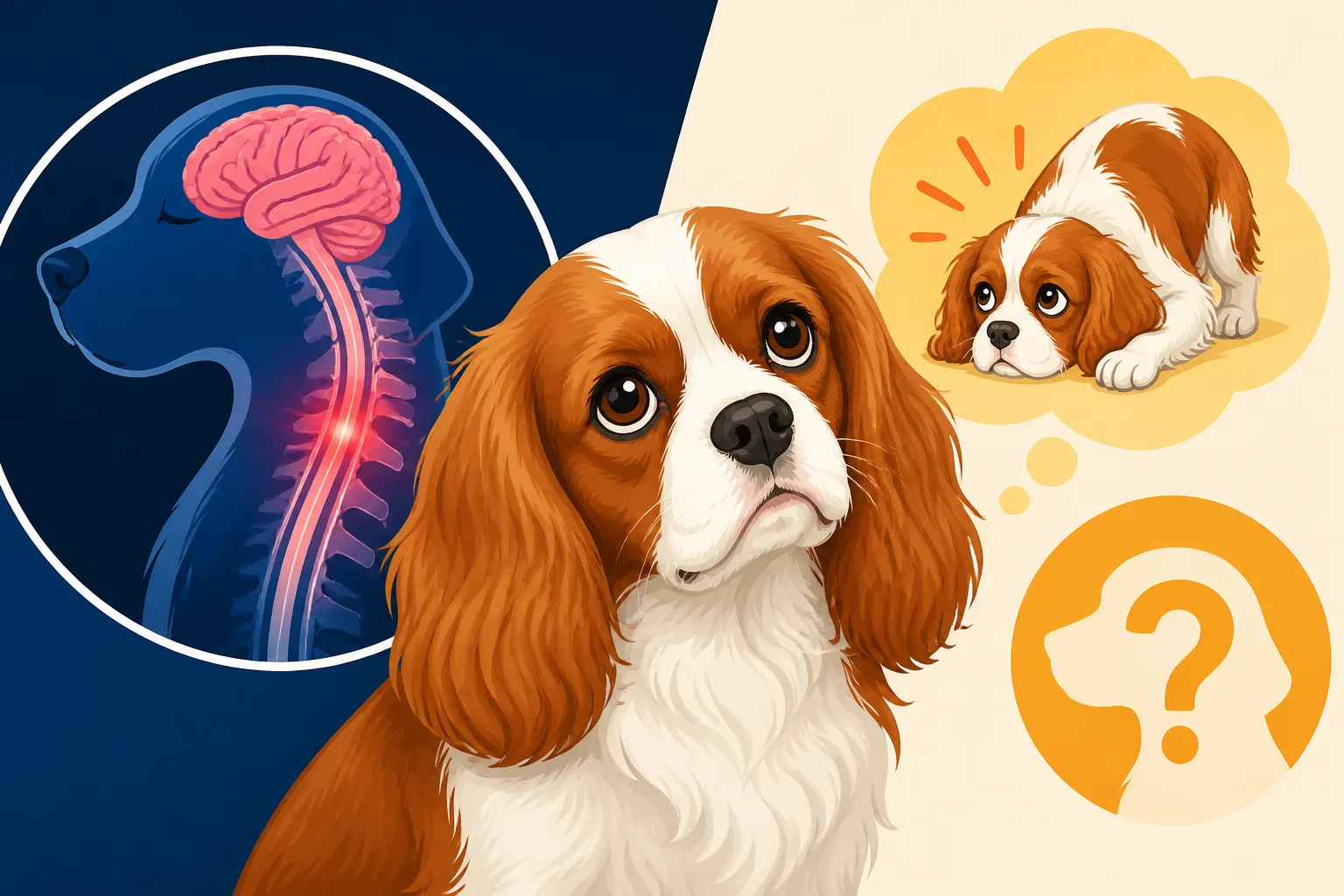
Syringomyelia, or SM, is a devastating neurological condition that unfortunately plagues our Cavaliers more than almost any other breed. It typically arises from a conformational defect called Chiari-like malformation (CM), where the skull is too small for the brain, causing parts of the brain (specifically the cerebellum) to be pushed out of the foramen magnum, the opening at the back of the skull. This blocks the normal flow of cerebrospinal fluid (CSF) around the brain and spinal cord. When this fluid is obstructed, it can be forced into the spinal cord itself, creating fluid-filled cavities or "syrinxes." Imagine a tiny, painful blister forming inside their spinal cord, putting pressure on nerves and causing a range of debilitating sensations.
These syrinxes can vary in size and location, leading to different symptoms. The pain from SM can range from a mild tingling or burning sensation to excruciating, constant agony, depending on which nerves are being compressed. This isn't just a fleeting discomfort; it's often a chronic, progressive condition, meaning it can worsen over time. A Cavalier might experience pain in their neck, shoulders, front limbs, or even along their spine. The insidious nature of SM is that it's internal; we can't see the syrinxes, but we absolutely see the effects of the pain they cause. It's a cruel hand our sweet-natured dogs are dealt, and understanding the physical process is the first step to recognizing its behavioral impact. Syringomyelia and Chiari Malformation in Cavaliers
How Pain Manifests as Behavioral Changes
Dogs don't have the luxury of telling us in words, "My neck hurts," or "I have a burning sensation down my shoulder." Instead, their language is behavior. When a dog is in pain, especially chronic pain like that caused by Syringomyelia, their personality and habits can shift dramatically. Think about how you feel when you have a persistent headache or back pain – you might be irritable, withdrawn, or snap at loved ones. Our Cavaliers are no different. They might become defensive, anxious, or even aggressive in situations they once tolerated with ease.
The brain is constantly processing signals from the body. If those signals are consistently "pain," "discomfort," or "pressure," the dog's entire emotional state will be affected. This isn't naughtiness; it's a coping mechanism. A dog in pain might try to avoid situations that exacerbate it, or they might become hyper-sensitive to touch because even a gentle pet could trigger an excruciating nerve sensation. Over time, chronic pain can lead to changes in brain chemistry, increasing anxiety and stress levels. It's a vicious cycle where pain begets stress, and stress can amplify the perception of pain, leading to a cascade of behavioral changes that leave both dog and owner bewildered and heartbroken. It's crucial not to dismiss these shifts as merely "behavioral problems" without first considering the underlying physical distress. Whether Syringomyelia Changes a Cavalier's Temperament
Direct Behavioral Indicators of Syringomyelia Pain
Sometimes, the behavioral clues for Syringomyelia are quite direct, almost like a dog's attempt to signal "ouch!" These are the behaviors that often point directly to nerve pain and are frequently among the first signs owners notice. Recognizing these specific indicators can be a critical step in seeking help for your Cavalier.
The Tell-Tale Signs: Phantom Scratching and Sensitivity
One of the most classic and often described symptoms of Syringomyelia in Cavaliers is the "phantom scratch" or "air scratching." This is where your Cavalier will suddenly, frantically, scratch at their shoulder, neck, or ear area with a back leg, but without actually making contact with their body. It looks like they're trying to relieve an intense itch that isn't there, almost as if they're scratching the air. This isn't just an odd quirk; it's thought to be a neurological sensation, a manifestation of the nerve pain or tingling caused by the syrinx. It's an internal itch that they just can't reach. Phantom Scratching in a Cavalier
Beyond the phantom scratch, you might notice extreme sensitivity around their head, neck, and shoulders. A Cavalier who once loved being petted there might now flinch, duck away, or even yelp. They might resist having a collar or harness put on or taken off, associating it with pressure on a painful area. For a breed known for its affectionate nature, this sudden aversion to touch in specific areas is a huge red flag. Even a gentle brush against their neck could send a shockwave of pain through them. They might also react negatively to being picked up, especially if their chest or neck is compressed, leading to a sharp cry or a struggle to get away.
Postural Changes and Aversion to Handling
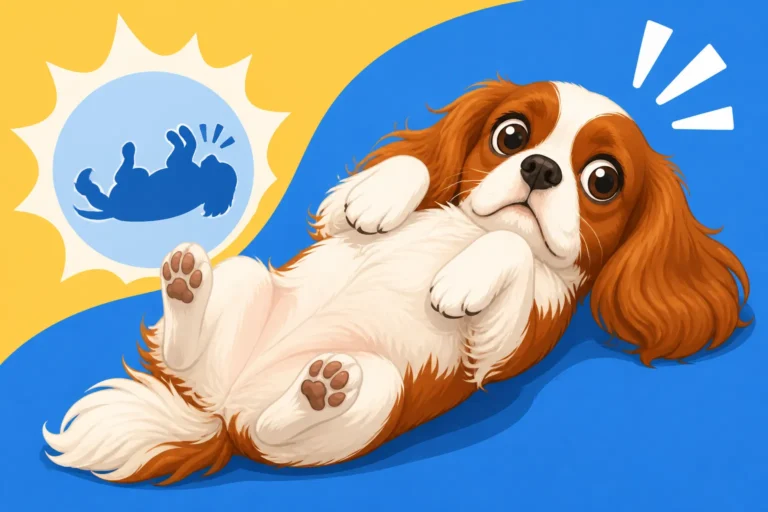
Cavaliers with SM often develop specific postural changes as they try to alleviate discomfort. You might notice them sleeping with their head elevated, perhaps resting it on a toy, a pillow, or even leaning it against a wall. This position might help relieve pressure on their neck or spinal cord. Conversely, some Cavaliers might curl up very tightly, almost in a fetal position, as if trying to protect their core.
Activities that require neck extension or flexion can become painful. Jumping on or off furniture, climbing stairs, or even bending down to eat or drink might be met with hesitation, stiffness, or outright refusal. What once was a joyful leap onto the sofa for cuddles might now be a slow, deliberate climb, or they might just sit and stare, signaling they can't manage it. If you have steps in your home, you might observe them refusing to go up or down. A Cavalier That Refuses Stairs
Grooming, which should be a bonding experience, can become a battle. Brushing around their ears, neck, or chest can elicit pain responses. Nail trims might be challenging if they have to hold their head in an awkward position. Even routine ear cleaning, which is essential for Cavaliers due to their drop ears, can become agonizing if their head needs to be tilted. Owners often report their once docile dogs becoming irritable or even growling during these previously accepted procedures. It's not that they're suddenly aggressive; it's that they are anticipating or experiencing significant pain.
Indirect Behavioral Shifts Due to Chronic Discomfort
Beyond the direct, observable signs of pain, living with chronic discomfort can subtly, yet profoundly, alter a Cavalier's overall disposition and interactions. These are the behavioral changes that speak to the mental and emotional toll of constant pain.
Increased Anxiety, Fear, and Withdrawal
Imagine living every day with a persistent, nagging pain that you can't understand or communicate. It's exhausting and terrifying. For Cavaliers with Syringomyelia, this chronic discomfort can lead to a significant increase in anxiety and fearfulness. They might become hyper-vigilant, constantly scanning their environment for perceived threats or triggers that could exacerbate their pain. This can manifest as generalized nervousness, trembling, or being easily startled by sudden noises or movements.
A once outgoing and social Cavalier might start to withdraw, seeking solitude in quiet corners of the house. They may become less interested in playtime, walks, or interacting with family members, including other pets. This isn't laziness; it's a conservation of energy. Pain drains their reserves, making once enjoyable activities seem overwhelming. You might notice them sleeping more, but their sleep could also be restless and interrupted by discomfort. A Cavalier That Sleeps With Its Head Raised They might also become clingier in some ways, following you from room to room Why a Cavalier Follows You Room to Room, not necessarily for affection, but for reassurance and a sense of security in their discomfort. This can be confusing, as clinginess is also a sign of separation anxiety, but when combined with other pain indicators, it points more towards a need for comfort from their primary caregiver.
Irritability, Resource Guarding, or Uncharacteristic Aggression
One of the most heart-wrenching behavioral changes for Cavalier owners is when their sweet, gentle companion becomes irritable or even aggressive. This is particularly difficult because Cavaliers are renowned for their loving, biddable temperaments. When a dog is in constant pain, their tolerance for things they once accepted cheerfully can plummet. A gentle nudge from another pet, a child's playful grab, or even an accidental touch in a painful spot can result in a growl, a snap, or a bite.
This isn't malicious aggression; it's pain-induced self-preservation. They are trying to communicate, in the only way they know how, "Stop! You're hurting me!" This can extend to resource guarding, not necessarily over food or toys, but guarding their personal space or even a specific resting spot that offers them some relief. If another dog or person approaches them while they are in their "safe" place, they might react defensively.
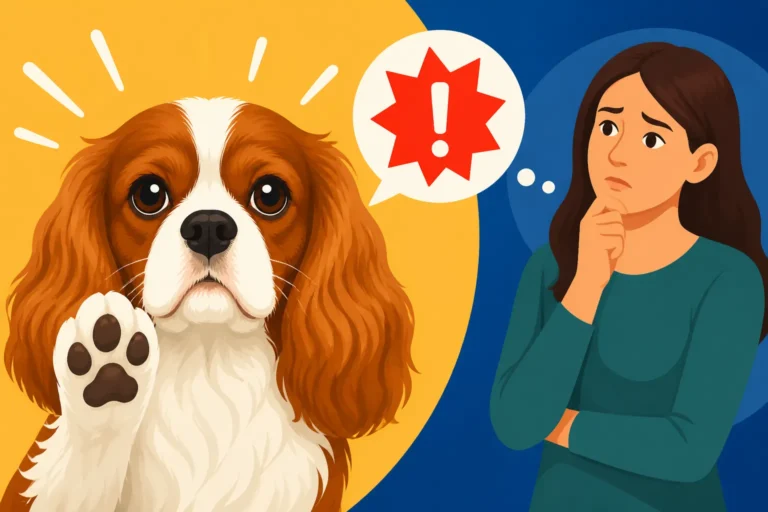
It's vital for owners to understand that this shift in temperament is a symptom, not a character flaw. Accusing a pain-ridden dog of being "naughty" or "aggressive" only compounds their suffering. Instead, it should be a clear signal that something is seriously wrong and requires immediate veterinary attention. Addressing the underlying pain is the key to potentially restoring their gentle nature. A Cavalier That Snaps Because Its Neck Hurts
Differentiating SM-Related Behavior from Other Common Cavalier Issues
It's tempting to jump to conclusions when you see behavioral changes, especially with conditions like Syringomyelia so prevalent in Cavaliers. However, it's crucial to approach this systematically, as many other factors can influence a dog's behavior. We need to play detective, looking at the full picture rather than fixating on a single symptom.
Is it Pain or Just a Cavalier Being a Cavalier?
Cavaliers have their own unique quirks and common behavioral tendencies that are completely normal for the breed. For example, they are famously "Velcro dogs," often following their humans everywhere and thriving on companionship. So, if your Cavalier is suddenly more clingy, is it due to SM pain, or are they just being a classic Cavalier who loves being near you? The key lies in the context and suddenness of the change, as well as the presence of other correlating symptoms.
A normal Cavalier might occasionally be a bit grumpy if woken suddenly, but an SM Cavalier might yelp and snap. A happy Cavalier might take a moment to jump on the sofa, but an SM Cavalier might actively avoid it or show signs of discomfort during the effort. If your dog has always been a little dramatic about having their nails trimmed, that's one thing. But if they suddenly start screaming when you touch their shoulder to pick up their paw, that's a different scenario entirely. Look for a departure from their established baseline behavior and patterns of reactions that are consistent with nerve pain (e.g., sensitivity to touch in specific areas, especially the neck and shoulders, and correlation with head/neck movements). If the change is sudden, severe, or accompanied by physical signs like air scratching, it's much more likely to be pain-related than just "them being themselves."
Ruling Out Other Health or Behavioral Problems
Before you fixate solely on Syringomyelia, it's important to rule out other common health issues that can mimic or contribute to behavioral changes. Many medical conditions can cause pain, discomfort, or neurological symptoms that alter a dog's demeanor.
Consider:
- Ear Infections: Cavaliers are prone to ear infections due to their long, floppy ears. A severe ear infection can cause intense head shaking, pawing at the ears, and sensitivity around the head, which might be confused with SM pain. An ear infection can also make them generally irritable. Telling Syringomyelia From a Cavalier Ear Infection
- Dental Disease: Chronic dental pain from rotten teeth or gum disease can make a dog reluctant to eat, grumpy, or avoid having their face touched. Cavalier Dental Disease in a Crowded Jaw
- Arthritis or Joint Pain: As Cavaliers age, they can develop arthritis in their hips, knees, or elbows. This can lead to lameness, reluctance to move, slower activity levels, and irritability if a painful joint is bumped. Early Arthritis in a Cavalier's Elbows
- Other Neurological Issues: While SM is common, other neurological conditions, including some types of seizures or even brain tumors, can cause behavioral shifts, confusion, or balance problems.
- Vision or Hearing Loss: Diminished senses can make an older Cavalier more anxious, easily startled, or withdrawn because they can't perceive their environment as clearly.
- Thyroid Issues: Hypothyroidism can sometimes lead to lethargy, weight gain, and even behavioral changes like aggression or anxiety in dogs.
A thorough veterinary examination is the first and most crucial step. Your vet will perform a general health check, looking for signs of injury, infection, or systemic illness. They might recommend blood tests, urinalysis, or even X-rays to assess for other conditions before a neurological referral is considered. It's a process of elimination to ensure you're addressing the root cause, whatever it may be.
| Behavioral Symptom | Possible SM Indication | Possible Non-SM Indication (Common in Cavaliers) | Key Differentiator |
|---|---|---|---|
| Phantom Scratching | Often a strong indicator of SM nerve pain. | Usually not associated with other typical Cavalier issues. | Specific, repetitive scratching at air/shoulder with no actual itch or skin irritation. |
| Yelling When Picked Up | Pain from spinal compression or touch sensitivity. | Injury, arthritis, or generalized fear/anxiety. | Sudden, sharp cry often linked to specific handling (e.g., under chest/neck). |
| Reluctance to Jump/Climb | Pain in neck, shoulders, or spine. | Arthritis, hip/knee issues, general aging, fear of heights. | Accompanied by other neurological signs; stiffness or pain upon movement. |
| Head Held High While Sleeping | Attempt to alleviate neck pressure. | Could be comfortable preference, or less common, other neck pain. | Consistent pattern, especially when other SM signs are present. |
| Sudden Aggression/Snapping | Pain response, guarding a painful area. | Resource guarding (food/toys), fear aggression, poor socialization, other pain. | Uncharacteristic, directed at touch or approach to specific body parts. |
| Withdrawal/Lethargy | Chronic pain causes exhaustion and discomfort. | Depression, other illness (heart disease, thyroid), general aging. | Often combined with physical pain indicators. |
| Sensitivity to Collar/Harness | Pressure exacerbates neck pain. | Poor fit, previous negative association, general anxiety. | Specific reaction to touching the neck/collar area, not just putting it on. |
The Diagnostic Journey and Management's Impact on Behavior
Once you've observed these worrying behavioral changes and ruled out other general health issues, the next step is often a referral to a veterinary neurologist. This can feel daunting, but it's the pathway to a definitive diagnosis and, more importantly, to finding effective ways to manage your Cavalier's pain and improve their quality of life.
The Necessity of a Neurological Exam and MRI
A veterinary neurologist will conduct a thorough neurological examination. This isn't just a simple check-up; it involves assessing reflexes, coordination, gait, proprioception (awareness of body position), and cranial nerves to pinpoint where the neurological problem might be originating. They'll ask you detailed questions about your Cavalier's symptoms, how they've progressed, and what makes them better or worse. This clinical picture is crucial, but it's often not enough for a definitive SM diagnosis.
For a true diagnosis of Syringomyelia, an MRI (Magnetic Resonance Imaging) scan is typically necessary. An MRI allows the neurologist to visualize the brain and spinal cord in incredible detail, revealing the presence, size, and location of syrinxes, as well as the Chiari-like malformation. It's the gold standard for confirming SM. Getting an MRI involves general anesthesia, which can be a concern for some owners, particularly if their Cavalier has an existing heart murmur. However, modern veterinary anesthesia protocols are very safe, and the benefits of an accurate diagnosis usually outweigh the risks. While the cost of an MRI can be substantial What a Cavalier MRI Scan Costs and Shows, it provides invaluable information for treatment planning. It's the only way to truly see what's going on inside your dog's delicate nervous system. Getting a Cavalier Scanned for Syringomyelia
How Treatment Modifies Behavior
Once Syringomyelia is diagnosed, treatment focuses primarily on managing pain and inflammation, and sometimes reducing CSF pressure. The goal is to make your Cavalier comfortable and improve their quality of life. The good news is that when pain is managed effectively, many of the associated behavioral changes can significantly improve, or even resolve.
Common medications include:
- Pain Relievers: Such as Gabapentin for a Cavalier With Neck Pain, which is often a cornerstone of SM pain management. It works by modulating nerve pain signals. Other pain medications might also be used.
- Anti-inflammatories: Non-steroidal anti-inflammatory drugs (NSAIDs) or corticosteroids may be prescribed to reduce inflammation around the spinal cord and brain.
- Diuretics: Sometimes, medications like omeprazole or furosemide are used off-label to help reduce CSF production, thereby lessening pressure.
When your Cavalier's chronic pain is under control, you'll often see remarkable shifts. A dog who was once irritable might become more tolerant and affectionate. A withdrawn Cavalier might regain interest in play and family interactions. Their anxiety levels might decrease, and they might sleep more soundly. Phantom scratching might lessen or even stop. It's a testament to how profoundly pain affects behavior. While some severe cases might require surgical intervention Surgery for Cavalier Syringomyelia, medication and careful management are often the first line of defense, and for many Cavaliers, they bring significant relief, allowing their true, loving personalities to shine through again.
Supporting Your Cavalier: Living with SM and Behavioral Adaptations
Receiving an SM diagnosis for your Cavalier can be overwhelming, but it's not the end of the road. With careful management and thoughtful adaptations to your home environment, you can significantly improve your dog's comfort and emotional well-being. Understanding their condition allows you to become their best advocate and ensure their behavioral needs are met in the context of their pain.
Creating a Pain-Friendly Environment
Living with Syringomyelia means making some adjustments to your home to minimize triggers and maximize comfort. Every effort you make to reduce their physical strain will contribute to a more relaxed and happier Cavalier, which in turn reduces stress-related behavioral issues.
Consider these environmental modifications:
- Comfortable Bedding: Provide soft, orthopedic beds that support their joints and allow them to rest without pressure points.
- Raised Food and Water Bowls: Bending their neck down to eat or drink from floor-level bowls can be painful. Elevated bowls allow them to maintain a more natural, comfortable posture.
- Ramps or Steps: Eliminate jumping from high places like sofas, beds, or even into cars. Ramps or pet stairs can help them access their favorite spots without straining their neck and back.
- Avoid Neck Pressure: Switch from a traditional collar to a well-fitting, comfortable harness that distributes pressure across their chest and shoulders, away from their delicate neck. Harnesses Instead of Collars for a Cavalier Many good options are available through retailers like Amazon, offering a range of styles and fits for small dogs.
- Quiet and Safe Spaces: Ensure they have a designated quiet, soft, and warm place where they can retreat when they feel overwhelmed or uncomfortable. This gives them control over their environment and reduces anxiety.
- Temperature Control: Some Cavaliers with SM are sensitive to temperature changes. Keep their environment comfortable, avoiding extremes of heat or cold.
- Gentle Handling Zones: Make sure everyone in the household understands which areas are sensitive and how to handle your Cavalier gently, especially around the neck and head. Teach children to interact calmly and respectfully.
These changes are not just about physical comfort; they are about reducing daily stressors that can exacerbate pain and lead to anxious or irritable behaviors. A dog that feels safe and comfortable in their environment is less likely to react defensively.
Positive Reinforcement and Understanding Their Limits
When managing a Cavalier with SM, your approach to training and interaction needs to be rooted in immense patience and positive reinforcement. Any forceful or aversive methods will not only be counterproductive but could also increase their pain and fear, leading to worse behavioral outcomes.
- Gentle Interactions: All interactions should be calm and gentle. Avoid sudden movements or surprises. Speak in a soothing tone. Reward calm behavior, especially when they allow gentle handling in sensitive areas.
- Short, Positive Training Sessions: If you're working on any behavioral modifications or simply enjoying some mental enrichment, keep sessions short, fun, and highly rewarding. Use high-value treats (many pet food brands offer soft, easily digestible options perfect for training, and you can often find a wide variety on Amazon) to create positive associations. Training resources, like the online program from BAXTER & Bella, emphasize positive, force-free methods that are ideal for sensitive dogs or those in pain, building confidence rather than adding pressure.
- Recognize Their Limits: Learn to read your Cavalier's subtle cues for discomfort, fatigue, or overwhelm. A yawn, lip lick, averted gaze, or slight stiffening can all indicate they've had enough. Respect these signals immediately. Don't push them to play longer than they want, walk further than they can manage, or endure petting when they're signaling discomfort. Over-exercising or over-stimulating a pain-ridden dog will only make their symptoms and associated behaviors worse. Whether Exercise Is Safe for a Cavalier With MVD
- Mental Enrichment: While physical activity might be limited, mental stimulation is crucial. Puzzle toys, snuffle mats, and scent games can provide engagement without physical strain. This helps keep their minds active and reduces boredom, which can sometimes manifest as destructive behaviors or anxiety.
Living with a Cavalier with Syringomyelia means becoming incredibly attuned to their needs and adapting your expectations. It’s a journey of understanding and compassion, but by managing their pain and creating a supportive environment, you can help your beloved companion lead a fulfilling and comfortable life, often seeing their true, sweet personality shine through despite the challenges.
Disclaimer
This article is for general informational purposes only and does not constitute professional advice. Laws, prices and regulations vary by location and change over time. Consult a qualified professional for guidance on your specific situation.