Early Arthritis in a Cavalier’s Elbows
It's incredibly disheartening when your beloved Cavalier King Charles Spaniel, often still full of youthful energy, starts showing signs of discomfort or a subtle limp. Many of us expect joint issues to surface much later in life, so facing the possibility of early arthritis, especially in their elbows, can feel like a punch to the gut. This guide aims to shed light on why this happens in Cavaliers and how we can best manage it, ensuring our furry family members maintain the best possible quality of life.
Understanding Early Elbow Arthritis in Cavaliers
When we talk about arthritis, we're essentially referring to inflammation of a joint, which can lead to pain, stiffness, and reduced mobility. In the case of elbow arthritis, it's particularly insidious because it often starts subtly, progressing over time. For Cavalier King Charles Spaniels, seeing signs of arthritis in their elbows at a relatively young age – sometimes as early as two or three years old, though more commonly by middle age – can be quite alarming for owners who are trying to give their dogs the best start in life.
Why Elbows Are a Vulnerable Spot for Cavaliers
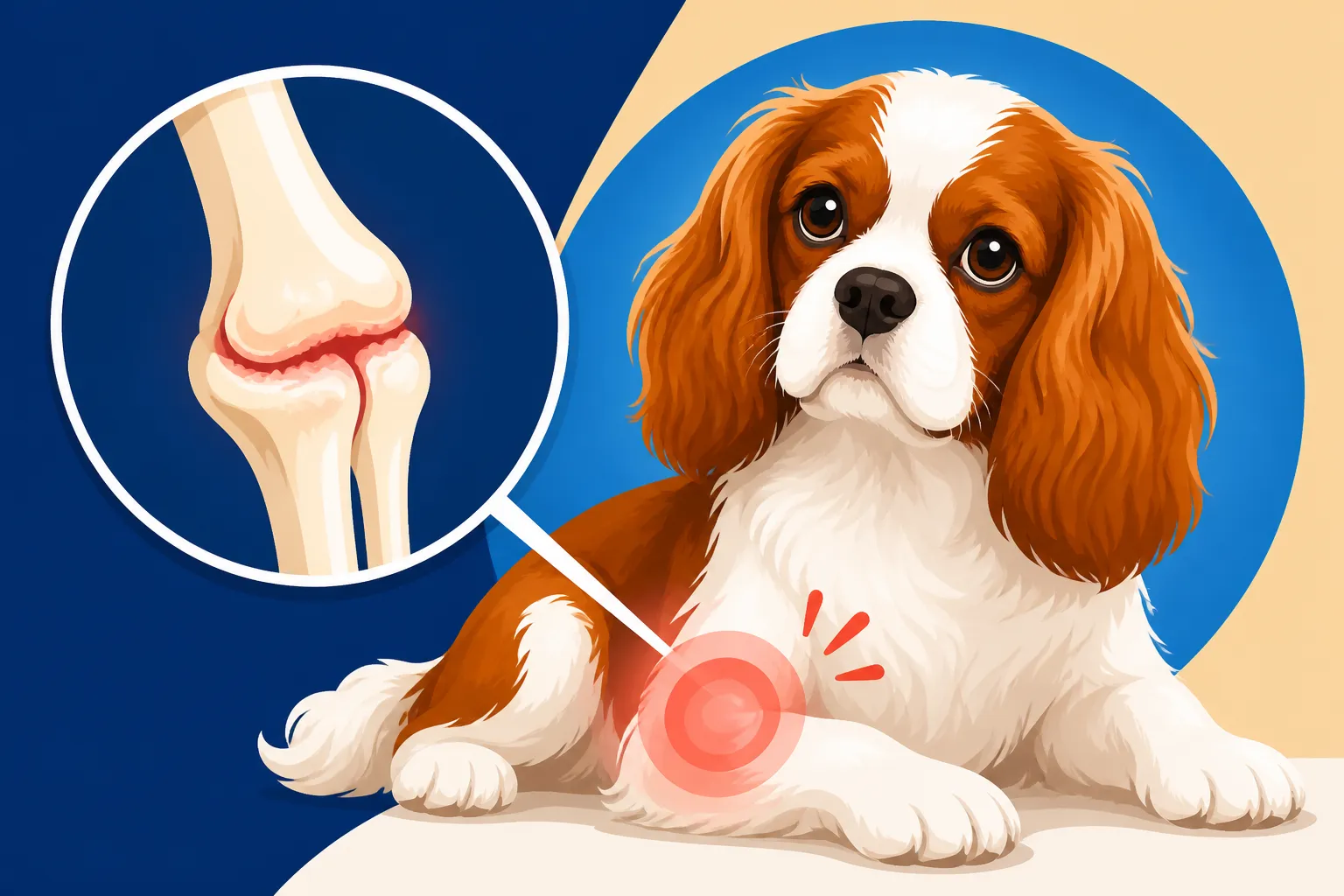
The elbow joint in dogs is a complex hinge joint, crucial for weight-bearing and movement. It's made up of three bones: the humerus (upper arm bone), radius, and ulna (forearm bones). When these bones don't fit together perfectly due to developmental abnormalities, it creates abnormal wear and tear, leading to conditions collectively known as elbow dysplasia. While elbow dysplasia is more commonly associated with larger breeds, Cavaliers can certainly be affected, and any malformation, even minor, can predispose them to early onset arthritis. This is often an inherited condition, meaning it can be passed down from parents to puppies, making responsible breeding practices absolutely crucial. It's not just about what we see on the surface; the underlying structure plays a massive role. The unfortunate reality is that sometimes, even with good breeding, genetic predispositions can surface, making it vital for owners to be vigilant.
The Role of Genetics and Conformation
Cavaliers, like many purebred dogs, carry genetic predispositions to certain health issues, and joint problems are certainly among them. While we often think of issues like patellar luxation or hip dysplasia when discussing Cavalier joint health, elbow issues can also occur. The specific conformation of a Cavalier's legs, while usually well-proportioned to their compact body, can sometimes harbor subtle structural imbalances that stress the elbow joint. This stress, over time, can lead to the breakdown of cartilage, bone spurs, and the tell-tale inflammation of arthritis. When you're looking into a puppy's background, asking about elbow health clearances in the parent dogs, similar to how breeders check for other joint issues, is becoming increasingly important. For a deeper dive into overall joint health, you might want to read our guide on Cavalier Knees, Hips and Joint Problems. Similarly, understanding the limitations on a growing dog's joints can be helpful, as discussed in Whether a Cavalier Puppy's Knees Can Take Jumping.
Recognizing the Subtle Signs of Elbow Discomfort
One of the trickiest things about early arthritis in Cavaliers is that their naturally stoic and eager-to-please nature can often mask pain until it becomes quite significant. They might try to push through discomfort to join you on a walk or play, making it harder for us, their devoted owners, to spot the problem. This is why being attuned to even the most minor changes in their behavior and movement is so critical.
Spotting the Limp That Comes and Goes
It’s rarely a dramatic, sudden lameness at first. Instead, you might notice your Cavalier has a slight stiffness after waking up or a subtle limp that appears after a long walk or a particularly vigorous play session, only to disappear after they’ve rested. This on-again, off-again limping can be easily dismissed as just "overdoing it" or a minor strain, but it’s often one of the first red flags for elbow arthritis. Perhaps they're favouring a front leg just a tiny bit, or they're not putting full weight on it when standing still. If you’ve ever found yourself asking, "Is he limping, or did I imagine it?", trust your gut. Our article, A Cavalier Limping After Play, explores this specific scenario in more detail, offering insights into what to look for. They might even try to compensate by shifting weight to their hind legs, which can lead to secondary issues over time.
Behavioral Cues and Changes in Routine
Beyond just limping, there are other, more subtle behavioral changes that can signal elbow pain. Your once enthusiastic Cavalier might become a little more reluctant to jump up onto the sofa or into the car, or they might hesitate before tackling stairs, as explored in A Cavalier That Refuses Stairs. You might observe them being less eager to play fetch or not running as freely as they used to. They might also start lying down more frequently during walks or seeking out softer resting spots. Some Cavaliers might become more withdrawn or even a little irritable if touched in a painful area. For instance, if you gently touch their elbow area, they might flinch or pull away. Any deviation from their normal cheerful disposition, even a slight one, warrants attention. If you notice any significant Behavior Changes That Mean a Cavalier Hurts, it's always best to consult your veterinarian.
When to Suspect Something More Serious
While occasional stiffness can happen to any dog, especially as they get older or after intense activity, persistent or recurring signs should always prompt a veterinary visit. If the limping becomes more consistent, if your Cavalier cries out in pain, or if you notice any swelling or heat around the elbow joint, it's definitely time to get them checked out. Don't wait for it to get worse; early diagnosis can significantly impact the long-term management and prognosis of elbow arthritis. It's much easier to manage the condition when it's in its initial stages rather than when significant damage has already occurred.
Diagnosis and Early Intervention Strategies
Once you suspect your Cavalier might be dealing with elbow arthritis, the next step is getting a proper diagnosis from your veterinarian. This process is crucial not only to confirm arthritis but also to rule out other potential issues and understand the severity of the condition. Early intervention is key to slowing the progression of the disease and maintaining your dog's comfort.
The Veterinary Examination and Diagnostic Imaging
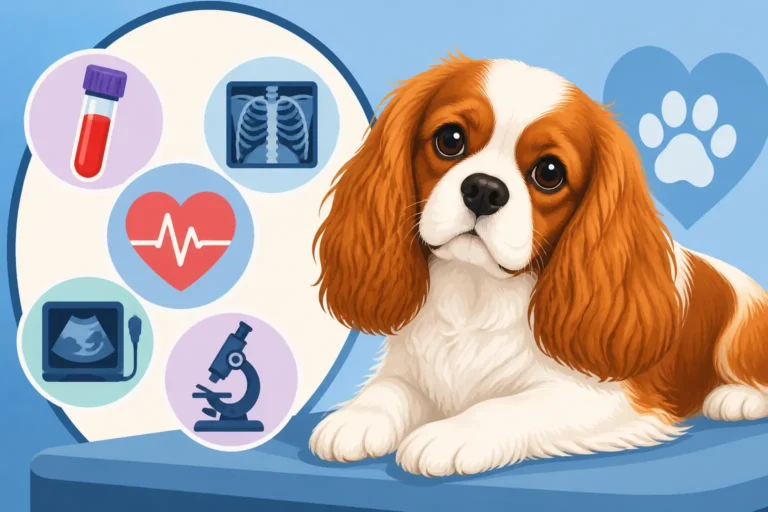
Your vet will start with a thorough physical examination, observing your Cavalier's gait, feeling their joints, and assessing their range of motion. They’ll likely manipulate the elbow joint to check for pain, swelling, or crepitus (a grinding sensation). To get a clearer picture, X-rays are usually the next step. These images can reveal signs of arthritis such as joint space narrowing, bone spurs (osteophytes), and changes in bone density. In some cases, especially if the diagnosis isn't clear or if surgery is being considered, your vet might recommend more advanced imaging like a CT scan or MRI, which provide even more detailed views of the joint's soft tissues and bone structures. This comprehensive approach ensures that you're not just treating symptoms but addressing the root cause.
Medical Management: Alleviating Pain and Inflammation
Once diagnosed, medical management often becomes a cornerstone of treatment. Non-Steroidal Anti-Inflammatory Drugs (NSAIDs) are commonly prescribed to reduce pain and inflammation. There are many safe and effective veterinary NSAIDs available, and your vet will choose the best one for your Cavalier's specific needs. It's critical never to give human pain medications, as many are toxic to dogs. Beyond NSAIDs, other medications might include gabapentin for neuropathic pain or amantadine for chronic pain modulation.
Joint supplements containing ingredients like glucosamine, chondroitin, and MSM can also play a supportive role by promoting cartilage health and reducing inflammation. While they may not offer immediate relief like NSAIDs, they can contribute to long-term joint health. Your vet might also discuss innovative treatments like platelet-rich plasma (PRP) or stem cell therapy, which are becoming more accessible and can help with joint regeneration and pain relief.
Lifestyle Adjustments and Weight Management
One of the most impactful things you can do for a Cavalier with elbow arthritis is to manage their weight. Even a few extra pounds can significantly increase the load on their already compromised joints, exacerbating pain and accelerating damage. Our article, Why an Overweight Cavalier Fails Faster, details the critical importance of maintaining a healthy weight. Your vet can help you determine an ideal weight for your Cavalier and suggest a feeding plan. Feeding a balanced diet, often one tailored for joint health, is also beneficial.
Exercise needs to be modified from high-impact activities to gentler, more controlled forms. Short, frequent walks on soft surfaces are preferable to long, strenuous hikes. Swimming or hydrotherapy can be excellent options, as the water supports their weight, allowing them to exercise muscles without stressing joints. While it's tempting to think they should avoid all movement, appropriate, controlled exercise is actually crucial for maintaining muscle strength and joint flexibility. For advice on safe exercise, particularly for dogs with underlying health concerns, you might find our article Whether Exercise Is Safe for a Cavalier With MVD helpful, even if MVD isn't the primary concern here, the principles of careful exercise apply.
It's also worth considering pet insurance, especially for a breed like the Cavalier that has a propensity for health issues. Products from providers like Healthy Paws can be invaluable. If you've enrolled your Cavalier early, before any signs of arthritis appear, your policy could potentially cover a significant portion of these diagnostic and treatment costs, providing immense relief. Waiting until after a diagnosis means it's often considered a pre-existing condition, so it's best to plan ahead. Learning more about Insuring a Cavalier Before the Murmur Arrives can help you understand the benefits of early enrollment for all potential health issues.
| Symptom Category | Common Signs to Watch For | Early Intervention Steps |
|---|---|---|
| Mobility | – Subtle, intermittent limp (especially after rest or vigorous activity) – Stiffness, particularly after waking – Reluctance to jump, use stairs, or move freely – Shifting weight to other limbs – Reduced range of motion in the elbows |
– Consult a veterinarian for diagnosis – Reduce high-impact exercise; switch to gentle walks/swimming – Ensure warm, comfortable resting spots – Consider joint supplements (glucosamine, chondroitin) |
| Behavioral | – Less enthusiastic about play or walks – Increased lethargy or desire to rest – Whining or yelping when touched near the elbow – Becoming withdrawn or irritable – Difficulty getting comfortable when lying down |
– Schedule vet visit promptly – Administer prescribed pain relief (NSAIDs) – Evaluate current activity levels and modify – Provide soft bedding and easy access to favorite spots (ramps) |
| Physical | – Swelling or warmth around the elbow joint – Muscle atrophy in the affected limb – Licking or chewing at the elbow area – Changes in gait (e.g., shorter strides) |
– Immediate veterinary attention – Follow vet's recommendations for medication and therapies – Weight management – Physical therapy/hydrotherapy |
Long-Term Management and Enhancing Quality of Life
Living with a Cavalier with elbow arthritis is a marathon, not a sprint. It requires ongoing commitment, a proactive approach, and a willingness to adapt as their needs change. The goal isn't necessarily to "cure" the arthritis, which is often not possible, but to manage the pain, slow its progression, and ensure your Cavalier enjoys a high quality of life for as long as possible.
Ongoing Therapies and Support
Physical therapy, often including modalities like therapeutic exercises, massage, laser therapy, and hydrotherapy (underwater treadmill or swimming), can be incredibly beneficial. These therapies help maintain muscle mass, improve joint flexibility, reduce pain, and enhance overall mobility. A certified canine rehabilitation therapist can develop a personalized program for your Cavalier. It’s not just about what happens at the clinic; they'll often give you exercises to do at home, creating a consistent routine that supports your dog's joints. Regular, gentle stretching can also be incorporated into your daily routine, especially before and after walks.
A good pet insurance plan, like those offered by Healthy Paws, can be invaluable for covering the ongoing costs of these specialized therapies, which can add up significantly over time. It's part of being a responsible owner, knowing that you have financial support for the best possible care.
Home Modifications and Comfort
Making your home arthritis-friendly can make a huge difference in your Cavalier’s daily comfort. Consider providing orthopedic beds that offer better support for their joints. Using ramps or steps to help them get onto furniture or into the car can reduce the strain on their elbows. Non-slip rugs on slippery floors, like hardwood or tile, can prevent painful slips and falls. Raising food and water bowls can also alleviate neck and front limb strain while eating. Simple adjustments can help your Cavalier navigate their world with greater ease and less pain. Even something as simple as ensuring they have easy access to their favorite sunbeam without needing to jump can improve their day-to-day experience.
Dietary Considerations and Supplements
Beyond maintaining an ideal weight, specific dietary choices can support joint health. Many premium dog foods now offer formulas specifically designed for senior dogs or those with joint issues, often fortified with omega-3 fatty acids (like EPA and DHA from fish oil), glucosamine, and chondroitin. These ingredients have anti-inflammatory properties and support cartilage health. Your vet might also recommend specific supplements or even a prescription diet designed for joint support. When exploring options, be sure to discuss them with your vet to ensure they're appropriate for your Cavalier and won't interact negatively with any medications. Our guide on Diets Aimed at an Old Cavalier's Knees offers more specific advice on nutrition for aging dogs with joint issues.
Ultimately, managing early elbow arthritis in a Cavalier is about partnership – between you, your vet, and potentially a rehabilitation specialist. Regular check-ups are essential to monitor the progression of the arthritis and adjust the management plan as needed. The goal is always to keep your Cavalier comfortable, mobile, and happy, allowing them to enjoy their golden years with as much joy and freedom as possible. For general advice on keeping your aging Cavalier comfortable, consider reading Pain Management for a Senior Cavalier and Grooming an Older Cavalier That Cannot Stand Long. Having comprehensive pet insurance, perhaps from a provider like Healthy Paws, can give you peace of mind that you'll be able to afford the best long-term care for your beloved companion, ensuring you can focus on their comfort rather than the bills.
Disclaimer
The information provided in this article is for general informational purposes only and is not intended as a substitute for professional veterinary advice. Always consult with a qualified veterinarian regarding any medical concerns or before making any decisions about your pet's health or treatment.