Grooming an Older Cavalier That Cannot Stand Long
As our beloved Cavaliers age, their needs change, and something as routine as grooming can suddenly become a real challenge. That once energetic puppy who tolerated being brushed standing up might now struggle with balance, joint pain, or simply standing for extended periods, making regular coat care a source of stress for both of you. This guide will walk you through adapting your grooming routine and tools to ensure your senior Cavalier stays comfortable, clean, and happy, even when standing becomes difficult.
Understanding the Challenges of Senior Cavalier Grooming
It’s heartbreaking to see our Cavaliers slow down, and one of the first places we notice it is often in their mobility. Grooming, which was once a simple task, can become fraught with difficulty. It’s not just about getting the job done; it’s about understanding their new physical limitations and approaching grooming with extra empathy and patience. Recognizing these underlying issues is the first step to making grooming a positive experience again.
Why Standing Becomes Difficult for Older Cavaliers
As Cavaliers age, they become prone to several conditions that can make standing for grooming sessions genuinely uncomfortable, if not painful. Arthritis is a huge one, often affecting their hips, elbows, and knees. Imagine trying to stand perfectly still on a hard surface when every joint aches; it’s simply too much to ask. Some older Cavaliers might also experience muscle weakness or neurological issues that affect their balance and coordination. Conditions like Syringomyelia and Chiari Malformation in Cavaliers can cause neck pain and sensitivity, making even gentle handling around the head and neck agonizing. Suddenly, what looks like resistance from your dog might just be their body telling you, "I hurt, I can't do this right now."
Another factor can be diminished vision or hearing. If your Cavalier can't see or hear you as well, they might startle more easily, making them unstable on their feet. They might feel less secure on a raised grooming table if they can't quite gauge the edges. Furthermore, conditions like Mitral Valve Disease in the Cavalier King Charles Spaniel, which is so common in the breed, can lead to reduced stamina. Even if they don't have joint pain, simply standing for a long time can make them breathless or tired. It's vital to remember that these aren't just minor inconveniences; they are genuine physical limitations that require us to adjust our expectations and methods.
Recognizing Signs of Discomfort During Grooming
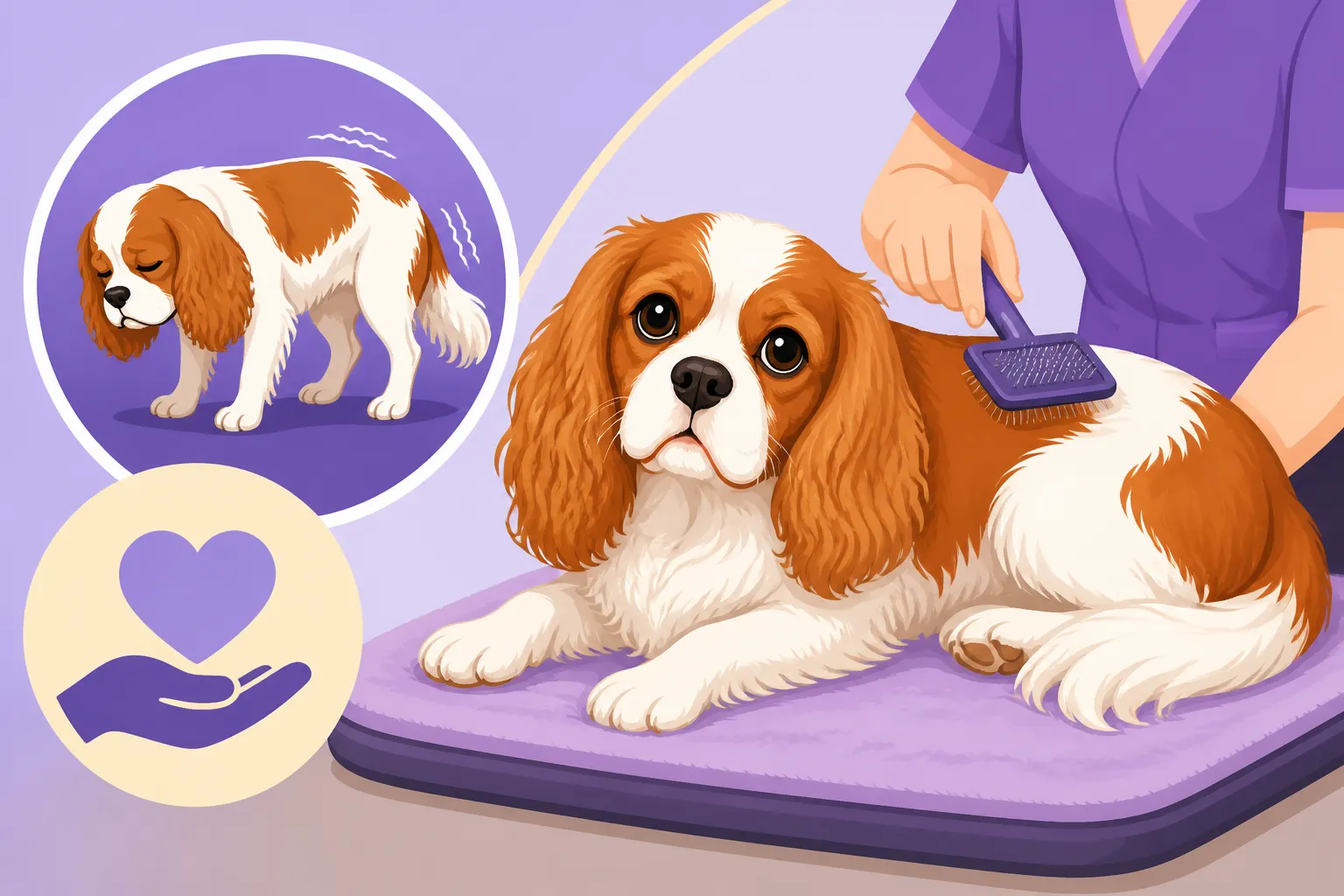
Your senior Cavalier might not be able to tell you in words that they're in pain, but they'll certainly show you. Learning to read these subtle cues is paramount to preventing grooming from becoming a traumatic event. Watch for signs like shifting their weight constantly, panting more than usual, flattening their ears, tucking their tail, or trying to move away. Some might even offer a low growl or a gentle snap if a particularly sensitive area is touched, which is not aggression but a desperate plea to stop the pain. A Cavalier who once loved being brushed might now simply freeze, looking anxious and withdrawn.
Beyond obvious pain signals, look for more subtle indicators. Are they reluctant to get on the grooming table? Do they start licking their lips frequently or yawn excessively, which are often signs of stress in dogs? Are their muscles trembling? If you notice any of these, it's a clear signal that something isn't right. It’s important to distinguish between a dog who is simply being a bit stubborn and one who is genuinely in distress. A little bit of groaning or sighing might just be an old dog being an old dog, but persistent panting, trembling, or attempts to escape are red flags. Remember that their tolerance for discomfort can change day by day, so always assess their mood and physical state before starting. Pain Management for a Senior Cavalier can make a huge difference, allowing them to tolerate necessary grooming.
Essential Tools and Preparations for Comfortable Grooming
When grooming a senior Cavalier with limited mobility, half the battle is setting yourself up for success. This means investing in the right tools and creating an environment where your dog feels secure and at ease. It's about minimizing stress and maximizing comfort, turning a potentially difficult chore into a quiet, bonding experience.
Choosing the Right Grooming Table or Surface
For an older Cavalier who struggles to stand, a traditional grooming table might be too high or slippery. The key is stability and accessibility. If your Cavalier still manages a table, ensure it has a non-slip surface – a rubber mat firmly affixed can make a world of difference. Many people find a lower, stable surface like a sturdy coffee table or even the floor to be far more accommodating. The less your Cavalier has to exert themselves just to get onto the surface, the better. Consider a ramp if they struggle with even a slight step up, similar to how you might help A Cavalier That Refuses Stairs in daily life.
For larger Cavaliers or those with severe mobility issues, some owners even groom their dogs on their laps or while the dog is lying comfortably on a soft bed on the floor. The goal is to reduce the demand for sustained standing. An anti-fatigue mat placed under their feet can provide cushioning and extra grip if they do need to stand. If you're looking for a dedicated table, consider hydraulic or electric grooming tables that can be lowered almost to the ground, allowing your Cavalier to walk right on without jumping or being lifted. These can be pricey, but if you do a lot of grooming at home, they can be a worthy investment, offering much-needed flexibility. You can often find a good selection of non-slip mats and even adjustable height tables on platforms like Amazon.
Gentle Brushes and Combs for Sensitive Skin
A senior Cavalier's skin can become thinner and more delicate, and they might have bumps, lumps, or sore spots that weren't there in their youth. Rough brushes or combs can easily irritate their skin or pull at their coat, causing unnecessary pain. Swap out any harsh pin brushes for a softer slicker brush designed for delicate coats, or even a bristle brush for general tidying. For detangling, a wide-toothed metal comb with rounded teeth is ideal, and it should be used with extreme care, tackling mats gently from the ends rather than pulling from the roots.
Here's a quick comparison of common grooming tools:
| Tool Type | Best For | Considerations for Senior Cavaliers |
|---|---|---|
| Soft Slicker Brush | Removing loose hair, light detangling | Choose soft, flexible pins. Use with light pressure. |
| Bristle Brush | Distributing oils, smoothing coat, stimulating skin | Excellent for sensitive skin. Gentle massage, good for overall shine. |
| Wide-Toothed Comb | Detangling mats, checking for tangles | Rounded teeth are crucial. Start from ends, support the skin to avoid pulling. |
| De-matting Comb/Rake | Serious mats (use with extreme caution) | Only for severe mats, and often best avoided if the dog is very sensitive. May cause discomfort. |
| Rubber Curry Brush | Massaging, loose hair removal (short coats) | Can be good for stimulation and light shedding on Cavaliers, if tolerated. |
When selecting brushes and combs, consider what your Cavalier tolerates best. Some dogs prefer the feel of a rubber curry brush, which provides a gentle massage, while others might find a soft bristle brush more comforting. Always test new tools on yourself first to gauge their gentleness. Many reputable pet supply retailers like Chewy offer a wide range of brushes specifically designed for sensitive skin and senior pets. Having The Brush and Comb a Cavalier Coat Needs for their whole life is important, but adapt them for senior comfort.
Creating a Calm and Safe Environment
The atmosphere you create for grooming is just as important as the tools you use. For a senior Cavalier, a calm, quiet, and familiar environment is key. Choose a time when your dog is relaxed, perhaps after a short, easy walk or a nap. Turn off loud music or the TV, and ensure there are no other pets or rambunctious children around to cause distractions or sudden movements. Lay down soft towels or blankets on your chosen grooming surface for extra cushioning.
Use a comforting voice, offering praise and reassurance throughout the session. Keep treats handy, not just as rewards, but also as a positive association to help them relax. If your Cavalier has separation anxiety or is generally a "velcro dog," grooming them in the same room where you typically spend time together, or even on your lap, can make a huge difference. The familiarity and your close presence will be incredibly soothing. Think about scents too – a calming diffuser nearby might help, but avoid anything overpowering. The goal is to make grooming feel less like a procedure and more like a gentle, reassuring interaction.
Adapting Grooming Techniques for Limited Mobility
Since your senior Cavalier can't stand for long, you need to change how you groom, not just where. This means breaking down tasks into smaller, more manageable chunks and working with your dog's natural resting positions. It’s about patience, observation, and always prioritizing their comfort over a perfect groom.
Sectional Brushing and Gentle Detangling
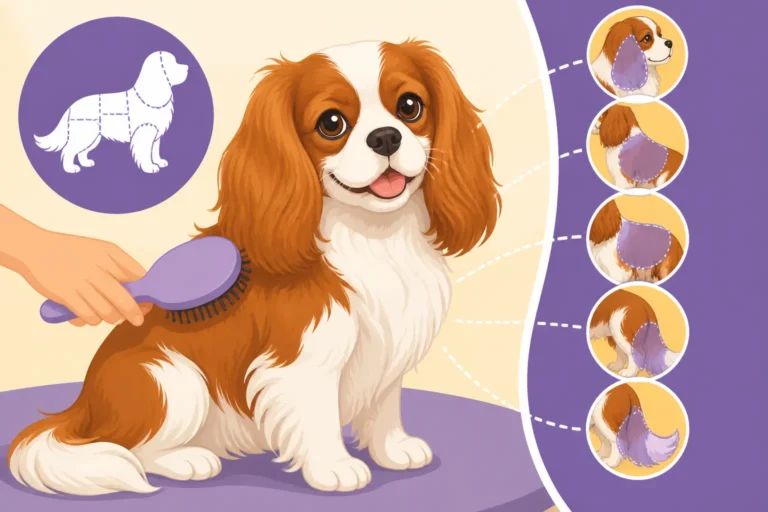
Instead of trying to brush your entire Cavalier in one go, break it down into small, achievable sections. Start with areas your dog tolerates best, perhaps their back or flanks, while they are lying down. Work slowly, section by section, and if they start to show signs of discomfort, take a break. You might only be able to tackle one leg or one side of their body at a time. This method means grooming might take place over several short sessions throughout the day or even across a few days, but it's far less stressful for your dog. Brushing a Cavalier in Sections So Nothing Is Missed becomes even more critical when they can't stand.
When detangling, be incredibly gentle. Support the skin at the base of the mat with one hand while you work the comb through the ends of the mat with the other. This prevents painful pulling on their delicate skin. If a mat is particularly tight or close to the skin, it's often kinder to carefully snip it out with blunt-nosed scissors rather than trying to comb it. Always point the scissors away from the skin and slide a comb under the mat first to protect their skin. Remember, a senior Cavalier might have less fat padding under their skin, making them more susceptible to nicks. If you find deep, stubborn mats, especially in sensitive areas like the armpits or behind the ears, it might be best to leave them for a professional groomer who has specialized tools and experience with senior pets.
Bathing Strategies for a Less Mobile Cavalier
Bathing a senior Cavalier with limited mobility can be one of the biggest challenges. The slippery tub, the effort of standing, and the potential for a chill can all be concerning. Consider using a non-slip bath mat in the tub or, for smaller dogs, a laundry tub or even a large plastic storage container placed on the floor. This eliminates the need for them to step up and down into a full-sized tub. Fill the tub with only a few inches of lukewarm water, just enough to wet their paws and undersides, and use a handheld shower sprayer for targeted rinsing. This avoids having to immerse them fully and reduces their standing time.
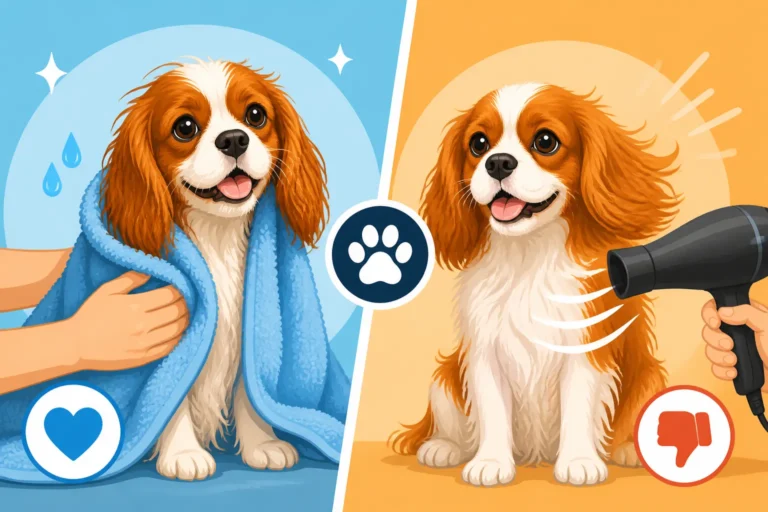
If your Cavalier struggles to stand even in shallow water, consider using a warm, damp cloth and a waterless shampoo for a "sponge bath" rather than a full submersion. You can also get creative with support. A yoga mat or a non-slip bath pillow can offer comfort and stability. Always have towels ready for immediate drying to prevent them from getting chilled, especially important for older dogs whose circulation might not be as robust. Drying them thoroughly, perhaps with a low-heat hairdryer (always testing the temperature on your hand first), is crucial. The key is minimal stress and maximum warmth.
Nail Trimming and Paw Care with Extra Caution
Nail trimming can be nerve-wracking for any dog owner, but with a senior Cavalier, extra caution is needed. If they are prone to Loose Kneecaps in a Thirteen-Pound Cavalier or arthritis, holding their paw in an awkward position can cause discomfort. Instead of lifting their paw high, try to trim their nails with their paw resting on the ground or on a soft surface. Take tiny snips at a time, especially if their nails are overgrown, to avoid cutting into the quick, which can be very painful and cause a negative association with future trims. If their nails are very long, regular, small trims are better than trying to take off too much at once.
Pay close attention to the hair between their paw pads. This feathering can grow quite long, collecting debris, matting, and making their paws slippery on hard floors. Carefully trim this hair flush with the paw pads using blunt-nosed scissors. Again, always point the scissors away from the pad and keep your fingers between the blades and the skin as a guard. Check their pads for any cracks, sores, or foreign objects, as older dogs can sometimes be less aware of these minor injuries. Regular paw balms can keep their pads soft and prevent cracking. Many senior dogs benefit from having their nails filed with a Dremel-style grinder, which can be less jarring than clippers if introduced gently.
Addressing Specific Senior Cavalier Grooming Needs
Beyond the general challenges of mobility, older Cavaliers often develop specific grooming requirements related to their age. Their coats can change, their senses diminish, and certain areas need more focused attention.
Managing Mats and Tangled Feathering
As Cavaliers age, their coat texture can sometimes change, becoming finer, drier, or more prone to matting, particularly in areas where they lie down frequently, like their elbows, hocks, or behind their ears. They might also be less inclined to groom themselves. It’s incredibly important to establish a regular, gentle brushing schedule, even if it’s just for The Five Minutes a Day a Cavalier Coat Takes. Focus on the "hot spots" where mats typically form: behind the ears, in the armpits, and on the long feathering of their legs and tail.
If you encounter mats, remember the approach of supporting the skin and working from the ends. If your senior Cavalier absolutely cannot tolerate detangling, a professional groomer might be able to carefully shave out the mats. While you might prefer to keep their long, flowing feathering, sometimes comfort must take precedence over aesthetics. A slightly shorter, tidier coat can significantly reduce matting and make your dog much more comfortable. Discuss this option with your vet or a groomer experienced with seniors; they can advise on appropriate lengths that won't compromise their natural temperature regulation.
Specialized Ear and Eye Care
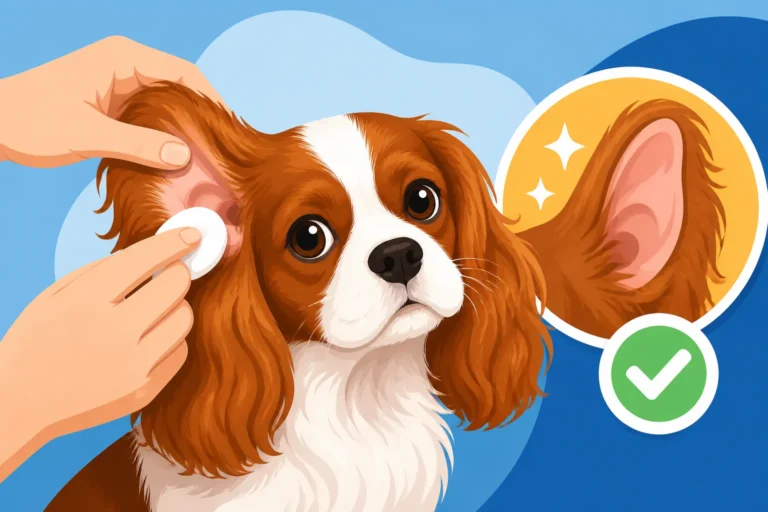
Cavaliers are known for their beautiful, long drop ears, but these can become a haven for yeast and bacteria, especially as older dogs might produce more ear wax or have weakened immune systems. Regular ear cleaning is crucial to prevent uncomfortable infections. When cleaning your senior Cavalier's ears, ensure they are comfortable and supported. Use a vet-approved ear cleaning solution and cotton balls, gently wiping the visible parts of the ear canal. Avoid cotton swabs, as these can push debris further in and damage the delicate ear structures. Cleaning a Cavalier's Ear the Right Way is essential to prevent chronic issues. If you notice any redness, discharge, or foul odor, it’s time for a vet check, as this indicates an infection that needs medical attention. Many seniors also develop Glue Ear in a Cavalier and How It Is Found, which can be very painful.
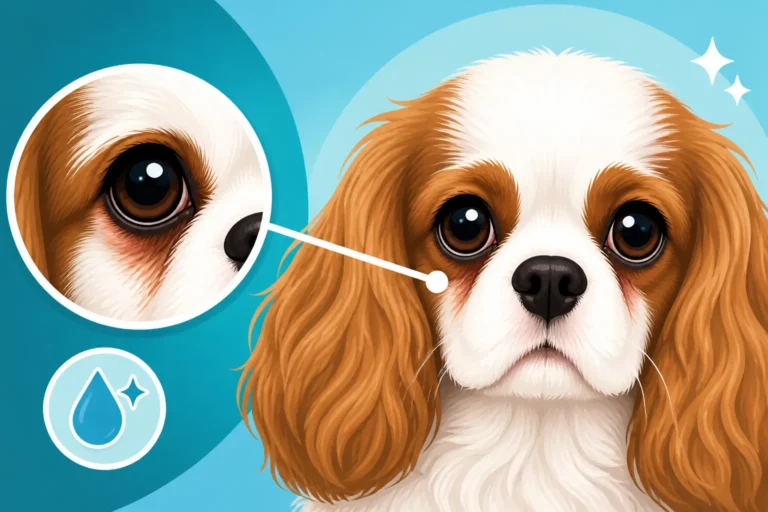
Their prominent eyes can also become more sensitive or prone to discharge. Use a soft, damp cloth or a specialized eye wipe to gently clean around their eyes, removing any crust or tear staining. If your Cavalier suffers from Dry Eye and Curly Coat Syndrome in Cavaliers or other eye conditions, they might require daily prescription eye drops. Administer these gently, ensuring you don't poke their eye or cause distress. Check their eyes regularly for any signs of irritation, redness, or changes in vision.
Dental Hygiene for the Older Cavalier
Dental health is paramount for older Cavaliers, as gum disease can lead to serious health issues, including affecting their heart. While daily brushing is ideal, it can be challenging with a senior dog, especially if they have a sore mouth or are reluctant. If your Cavalier can tolerate it, use a soft finger brush or a child's toothbrush with dog-specific toothpaste. Focus on the outer surfaces of their teeth. If brushing is not possible, consider dental wipes, water additives, or vet-approved dental chews (ensuring they are soft enough for older teeth).
Many older Cavaliers will need professional dental cleanings under anesthesia. This can be a concern, especially if your dog has Mitral Valve Disease in the Cavalier King Charles Spaniel or other health conditions. However, the benefits of good dental health often outweigh the risks. Always discuss pre-anesthetic bloodwork and a full health evaluation with your vet to ensure the procedure is as safe as possible. Dental Cleaning Prices With a Cavalier Murmur can be higher due to the need for extra monitoring, but it’s a vital investment in their overall health. For a less mobile Cavalier, having a clean mouth reduces the chance of painful infections that can make them feel even worse.
Professional Grooming vs. Home Grooming for Seniors
Deciding whether to groom your senior Cavalier at home or take them to a professional can be a tough call. There are pros and cons to both, and what works best will largely depend on your dog's specific needs, temperament, and the severity of their mobility issues.
When to Seek Professional Assistance
There are definitely times when professional grooming is the best, safest option for a senior Cavalier. If your dog has severe mats that you can't safely remove, significant mobility issues that make home bathing impossible, or extreme pain that makes them reactive to your handling, a professional groomer is invaluable. Many groomers specialize in senior or special needs pets and have hydraulic tables, ramps, and specialized techniques to make the experience less stressful. They are often more skilled at quickly and efficiently handling delicate tasks like nail trims, which can be a huge relief if you're struggling.
A professional groomer can also spot potential health issues you might miss, such as skin lesions, ear infections, or lumps and bumps, and bring them to your attention. They can also offer advice on coat care and maintenance that is tailored to your senior Cavalier's changing needs. When choosing a groomer, look for one with a quiet, calm environment and positive reviews specifically mentioning their gentle approach with older dogs. Don't be afraid to ask about their experience with seniors, their facilities, and their ability to accommodate your dog's limitations, such as needing frequent breaks or lying down for most of the groom. A good groomer understands that a senior dog needs patience and a slower pace.
Communicating Your Cavalier's Needs to a Groomer
If you do decide to go the professional route, open and honest communication with your groomer is absolutely vital. Don't just drop off your dog and assume they'll figure it out. Provide a detailed overview of your Cavalier's health conditions, especially any joint pain, neck sensitivity (like with Grooming a Cavalier With a Sore Neck), vision or hearing loss, heart conditions, or anxiety issues. Be specific about areas that are particularly sensitive or where mats tend to form. For example, you might mention, "Lucy has arthritis in her back legs, so she can't stand for more than five minutes at a time. Please let her lie down for most of the groom."
It's also helpful to provide a list of your Cavalier's quirks or preferences. Do they hate having their feet touched? Are they anxious about the blow dryer? Does a particular treat help them relax? The more information you share, the better equipped the groomer will be to provide a positive experience. You might even ask if you can stay with your Cavalier for part of the groom, especially for the first few sessions, to help them settle in. Many groomers understand the bond with a senior dog and are willing to be flexible. Remember, your groomer is a partner in your Cavalier's well-being, and a good relationship built on clear communication will benefit everyone, most of all your precious senior dog.
Disclaimer
This article is for general informational purposes only and does not constitute professional advice. Laws, prices and regulations vary by location and change over time. Consult a qualified professional for guidance on your specific situation.