Dental Cleaning Prices With a Cavalier Murmur
It's an uncomfortable truth for many Cavalier King Charles Spaniel owners: the worry that comes with knowing your sweet companion needs a dental cleaning, especially when they've also been diagnosed with a heart murmur. You're caught between wanting to provide the best oral care to prevent further health complications and the very real fear of anesthesia risks and mounting veterinary bills. This guide is here to walk you through the complexities, costs, and considerations of getting a dental cleaning for a Cavalier who already carries the weight of a heart murmur, helping you navigate this often-stressful decision with confidence.
Understanding the Dental Health Challenge in Cavaliers
Cavaliers, for all their charm and gentle nature, often face a silent battle when it comes to their oral health. Many owners don't realize the extent of the problem until it's too late, and the costs and risks increase dramatically.
Why Cavaliers Are Prone to Dental Disease
One of the defining features of our beloved Cavaliers is their relatively small mouth, often housing teeth that are simply too large for the available space. This crowding creates nooks and crannies where plaque and tartar can accumulate at an alarming rate. It's not uncommon to see a young Cavalier, barely two or three years old, already showing signs of significant dental plaque, gum inflammation (gingivitis), and even early periodontal disease. Their adorable, slightly brachycephalic (short-nosed) facial structure can contribute to this issue, as the alignment of their teeth isn't always ideal for natural self-cleaning.
Imagine a busy street with too many cars trying to park in too few spaces – that's often what your Cavalier's mouth looks like to plaque. Food particles and bacteria get trapped easily, quickly forming a sticky biofilm. If this isn't removed regularly, it hardens into tartar, a cement-like substance that brushing alone can't tackle. This is why consistent, proactive home care is absolutely critical, but even with the best intentions, professional cleanings become a necessity much earlier and more frequently for many Cavaliers than for other breeds. Neglecting this can lead to serious issues, as detailed in Cavalier Dental Disease in a Crowded Jaw.
The Silent Threat of Untreated Dental Disease
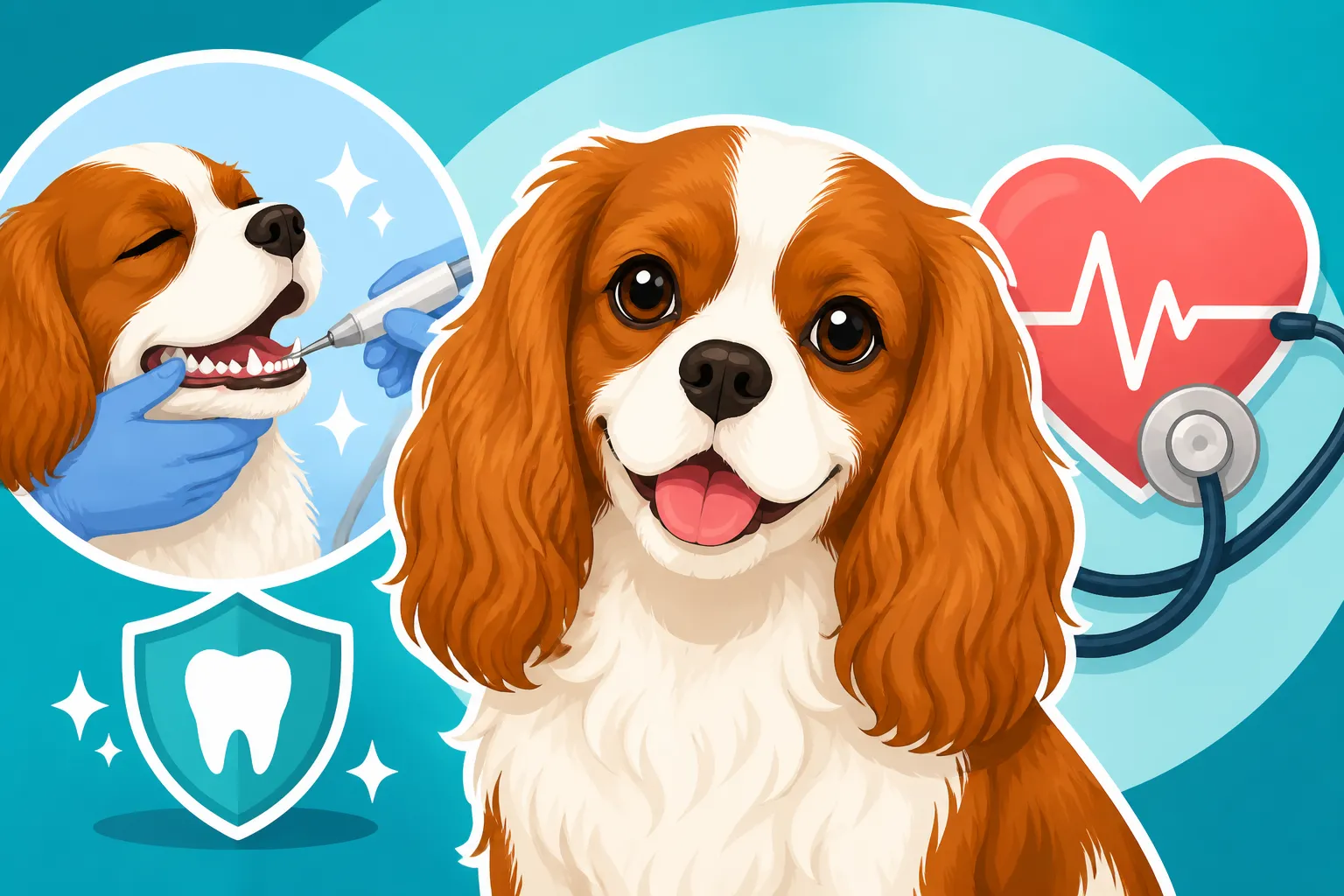
Beyond bad breath, which is often the first sign owners notice, untreated dental disease poses a significant, silent threat to a Cavalier's overall health. The bacteria thriving in infected gums don't just stay in the mouth; they can enter the bloodstream through inflamed tissues. Once in the bloodstream, these bacteria can travel throughout the body, setting up shop in vital organs like the kidneys, liver, and, yes, the heart. This systemic inflammation can exacerbate existing conditions or even contribute to new ones, leading to a decline in general health and quality of life.
For a Cavalier, whose breed is already predisposed to specific health concerns, particularly mitral valve disease (MVD), this bacterial shower is especially concerning. While dental disease doesn't cause MVD, it certainly doesn't help. The inflammatory response triggered by severe dental infection can put additional strain on the heart, potentially accelerating the progression of heart disease. This interconnectedness is a serious consideration, making dental health a non-negotiable part of their long-term care. It's not just about a pretty smile; it's about safeguarding their entire well-being. Thinking about whether it makes a difference, you might be interested in Whether Dental Disease Reaches a Cavalier's Heart.
The Added Layer of a Heart Murmur
When your Cavalier already has a heart murmur, a routine dental cleaning transforms from a straightforward procedure into a complex decision involving careful planning, additional diagnostics, and often, specialist consultation.
Anesthesia Concerns and Pre-Anesthetic Workups
The primary concern for any dental procedure is the need for general anesthesia. For a Cavalier with a heart murmur, this concern is amplified. Anesthesia always carries a degree of risk, and for a dog with an already compromised cardiovascular system, these risks can be more pronounced. Your veterinarian's top priority will be to ensure your Cavalier is as stable as possible before, during, and after the procedure. This often means a more extensive pre-anesthetic workup than a healthy dog might receive.
This workup typically includes comprehensive blood tests to assess kidney and liver function, a complete blood count to check for infection or anemia, and often, urinalysis. Beyond basic bloodwork, your vet will likely recommend a chest X-ray to evaluate the size and shape of the heart and lungs, looking for any signs of fluid accumulation, which could indicate heart failure. An electrocardiogram (ECG) might also be performed to assess the heart's electrical activity. All these steps are crucial in building a complete picture of your Cavalier's internal health, helping the vet tailor an anesthesia protocol that minimizes risk. Understanding the precautions is key, and you can learn more in Anesthesia Risk in a Cavalier With a Murmur and Pre-Surgery Testing for an Older Cavalier.
What a Cardiologist Adds to the Picture
In many cases, if your Cavalier's heart murmur is significant or if they have a confirmed diagnosis of mitral valve disease, your veterinarian will recommend a consultation with a board-certified veterinary cardiologist before scheduling the dental procedure. This isn't just an extra hurdle or an unnecessary expense; it's a vital step in ensuring your Cavalier's safety. A cardiologist specializes in heart conditions and can perform a thorough cardiac evaluation, most notably an echocardiogram (an ultrasound of the heart).
The echocardiogram provides detailed information about the structure and function of your Cavalier's heart – the severity of valve leakage, chamber enlargement, and overall heart muscle strength. This information is invaluable for the dental team. Based on the echocardiogram findings and the cardiologist's assessment, they can provide specific recommendations for the safest anesthesia protocol, including drug choices, monitoring techniques, and even advice on managing potential complications. They might also advise on whether the heart disease is stable enough for an elective procedure or if medication adjustments are needed beforehand. This specialist input is a crucial part of the puzzle, offering peace of mind and optimizing the chances of a smooth procedure. For deeper insight into these evaluations, check out Annual Cardiologist Exams for a Cavalier and What a Cavalier Echocardiogram Shows. You might also want to understand What a Heart Murmur Grade Means in a Cavalier.
Breaking Down the Costs of a Dental Cleaning
Let's be realistic: dental cleanings, especially for a Cavalier with a murmur, are not cheap. The costs can feel daunting, but understanding what you're paying for can help alleviate some of the sticker shock and prepare you for the financial outlay.
Standard Dental Cleaning Components
A professional dental cleaning for any dog involves several key components, each contributing to the overall cost. These are non-negotiable for a thorough and safe procedure:
- Pre-anesthetic Exam: Your vet will do a physical exam to confirm your Cavalier is fit for anesthesia.
- Anesthesia and Monitoring: This is a major part of the cost. It includes the anesthetic drugs themselves, the time of the veterinary technicians dedicated to monitoring your dog's vital signs (heart rate, breathing, blood pressure, oxygen saturation, temperature) throughout the procedure, and the equipment used for that monitoring.
- Dental Scaling (Ultrasonic and Hand): Just like with humans, a specialized ultrasonic scaler is used to remove plaque and tartar from above and below the gum line. Hand scalers are then used for precision cleaning in difficult-to-reach areas.
- Polishing: After scaling, the teeth are polished to smooth the tooth surface, making it harder for plaque to adhere quickly in the future.
- Fluoride Treatment (Optional but Recommended): A fluoride treatment helps strengthen enamel and reduce tooth sensitivity.
- Pain Management: Medications to manage any discomfort during and after the procedure, especially if extractions are needed.
- Recovery and Discharge: Post-procedure monitoring as your Cavalier wakes up from anesthesia, and detailed instructions for home care.
Each of these steps requires skilled staff, specialized equipment, and consumable supplies, all of which factor into the final bill. The goal is not just a clean smile, but a safe journey through the procedure itself.
The "Murmur Premium": Additional Tests and Specialist Fees
Now, let's talk about the "murmur premium." This isn't a hidden fee; it's the cost associated with the extra precautions necessary to keep a Cavalier with a heart condition safe. These additional expenses are precisely what differentiate this procedure from a dental cleaning for a perfectly healthy dog.
Here’s where those extra costs come in:
- Advanced Pre-Anesthetic Diagnostics: As mentioned, your Cavalier might need chest X-rays, an ECG, and potentially more extensive blood panels to assess their heart and overall organ function. Each of these tests adds to the bill.
- Cardiologist Consultation: The fee for a specialist cardiologist to evaluate your Cavalier and provide anesthesia recommendations can be a significant addition. This usually involves a physical exam, a thorough review of medical history, and most importantly, an echocardiogram. Echo Scan Prices for a Cavalier Heart will give you an idea of this specific cost. This specialized assessment is crucial for minimizing risks.
- Enhanced Anesthesia Monitoring: While all anesthetized patients are monitored, a Cavalier with a murmur may receive even more intensive monitoring, sometimes requiring a dedicated technician whose sole job is to watch their vital signs, or more advanced monitoring equipment.
- Longer Anesthesia Time (Potentially): If the cardiologist recommends a slower induction or recovery from anesthesia, or if certain medications need to be administered slowly, this can translate to longer overall time under veterinary care, which impacts staffing and facility costs.
- Emergency Preparedness: Clinics may have a higher level of emergency preparedness for a compromised patient, including access to specific medications or equipment, which indirectly adds to the overall operational costs reflected in fees.
These are not arbitrary charges, but rather investments in your Cavalier's safety, allowing the veterinary team to manage the unique risks posed by their heart condition. It’s important to remember that cutting corners here could have severe consequences.
Geographic and Clinic Variations
Just like with human healthcare, the cost of veterinary procedures, including dental cleanings for Cavaliers, can vary significantly depending on where you live and the type of clinic you visit.
In bustling urban centers or affluent suburban areas, you can generally expect to pay more than in rural or smaller towns. This difference is often due to higher overheads for clinics (rent, staff salaries), increased demand for specialist services, and the general cost of living in that region. A veterinary clinic in, say, Manhattan or coastal California will likely have higher prices than one in a small town in the Midwest.
Beyond geography, the type of clinic also plays a role. A large, state-of-the-art veterinary hospital with multiple specialists on staff and advanced diagnostic equipment might charge more than a smaller, independent general practice. While the larger facility offers extensive resources and expertise, particularly valuable when dealing with a heart murmur, a smaller clinic might provide a more budget-friendly option for routine aspects of the procedure, though they may still refer out for the cardiology assessment. It's always a good idea to call a few different practices in your area and inquire about their standard dental cleaning costs, being very clear that your Cavalier has a heart murmur and asking about the associated additional fees. This way, you can compare and make an informed decision based on both cost and the level of care provided.
Managing and Mitigating Dental Costs
The costs can feel overwhelming, but there are proactive steps you can take to manage and potentially mitigate the financial impact of dental care for your Cavalier, especially with a heart murmur.
Proactive Home Dental Care
This is perhaps the most impactful step you can take to reduce the frequency and cost of professional dental cleanings. Daily home dental care, while sometimes a struggle with a squirmy Cavalier, is truly your first line of defense against plaque and tartar buildup.
- Daily Brushing: The gold standard is brushing your Cavalier's teeth daily with a pet-specific toothbrush and toothpaste. Human toothpaste is toxic to dogs, so always use a veterinary-approved product. Even just a minute or two of brushing can make a significant difference in disrupting plaque formation. Start slowly, making it a positive experience with lots of praise and treats.
- Dental Chews and Treats: Certain dental chews are designed to help reduce plaque and tartar. Look for products that are "VOHC approved" (Veterinary Oral Health Council) as these have met specific standards for efficacy. Brands like Greenies or VeggieDent often have VOHC seals. You can find a wide variety of these on pet supply sites like Chewy. Remember, these are supplements to brushing, not replacements.
- Water Additives and Gels: There are also oral health rinses, gels, and water additives that can help reduce bacteria in your Cavalier's mouth. These are less effective than brushing but can offer an additional layer of protection, especially for those hard-to-reach areas or if daily brushing proves too difficult.
The more diligent you are with home care, the longer you might be able to stretch the time between professional cleanings, thereby reducing overall costs and the number of times your Cavalier needs anesthesia.
The Role of Pet Insurance
Pet insurance can be a financial lifeline for many unforeseen veterinary expenses, but when it comes to a Cavalier with a heart murmur, timing is everything. If you enrolled your Cavalier in a pet insurance plan before the heart murmur was diagnosed, there's a good chance that costs associated with managing their heart condition, including the extra diagnostics for dental cleanings, would be covered. Companies like Healthy Paws are popular for their comprehensive coverage.
However, if your Cavalier already has a documented heart murmur or mitral valve disease before you purchase a policy, it will almost certainly be considered a "pre-existing condition." This means that costs directly related to the heart murmur – and often any complications or additional diagnostics required because of the murmur – will not be covered by the insurance. This is a crucial point many owners overlook until it's too late. It highlights the importance of enrolling puppies as early as possible. If you're wondering more about this, Insuring a Cavalier Before the Murmur Arrives and Why a Cavalier Murmur Becomes Pre-Existing are excellent resources. While pet insurance can help significantly with unexpected accidents or new illnesses, it's generally not designed to cover conditions already present at the time of enrollment.
Payment Plans and Financial Aid Options
Even with the best planning, veterinary bills can sometimes be more than we anticipate. If you're facing a significant dental cleaning bill for your Cavalier with a murmur, it's worth exploring various payment and financial aid options.
Many veterinary clinics understand the financial strain and offer their own in-house payment plans, allowing you to pay in installments. It never hurts to ask if this is an option for your clinic. Another popular choice is CareCredit, a credit card specifically designed for healthcare expenses, including veterinary care. They often offer deferred interest financing options if the balance is paid within a certain promotional period.
Beyond these, there are various non-profit organizations and charities that offer financial assistance for pet owners in need. These funds are often dependent on your income and specific circumstances, but they can provide grants to help cover portions of expensive medical procedures. Organizations like The Pet Fund, RedRover, or even breed-specific rescue groups sometimes have programs or can point you towards resources. Additionally, check with your local humane society or animal welfare organizations; some offer low-cost dental clinics or have lists of resources for financial aid. Don't let financial worry prevent your Cavalier from getting the care they need – there are often options available if you know where to look.
What to Expect on Dental Day
Knowing what will happen on the day of your Cavalier's dental cleaning, especially with their heart murmur, can help ease your anxieties and prepare you for the process.
Pre-Procedure Preparations
Before your Cavalier's scheduled dental cleaning, your vet will provide specific instructions for preparation. This usually involves withholding food for a certain number of hours before the appointment – typically overnight or for 8-12 hours – to prevent aspiration (inhaling vomit) during anesthesia. Water is usually allowed until a few hours before drop-off. If your Cavalier is on any heart medications, your cardiologist or regular vet will advise you on whether to give them as usual or adjust the timing. Never stop or change medication without explicit veterinary guidance.
When you arrive at the clinic, you'll likely have a final consultation with a veterinary technician or the veterinarian themselves. This is your opportunity to ask any last-minute questions, confirm the procedure plan, and discuss any concerns you might have. They'll go over the consent forms, which detail the procedure, the risks involved, and the estimated costs. It’s normal to feel a bit emotional leaving your beloved Cavalier, but remember, the veterinary team is dedicated to their safety and comfort. Try to stay calm and confident, as your Cavalier can pick up on your anxiety.
During the Procedure
Once your Cavalier is checked in, the veterinary team will begin the pre-anesthetic preparation, which includes placing an IV catheter for fluid administration and easy access for medications. They'll then gently induce anesthesia, carefully monitoring your Cavalier’s vital signs every step of the way. With a heart murmur, this monitoring will be extra vigilant, often using specialized equipment to track heart rate, rhythm (ECG), blood pressure, oxygen saturation, and temperature continuously.
While under anesthesia, a cuffed endotracheal tube will be placed to protect their airway from any debris during the cleaning and to deliver oxygen and anesthetic gas. The dental team will perform a thorough oral exam, charting any issues, and then proceed with the ultrasonic scaling and hand scaling to remove all plaque and tartar from above and below the gum line. If any teeth need to be extracted, this will be done carefully, followed by suturing the gum if necessary. Finally, the teeth will be polished. Throughout the entire process, your Cavalier’s cardiovascular stability will be the primary concern, with the team making any necessary adjustments to anesthetic depth or fluid rates based on their continuous monitoring.
Post-Procedure Care and Follow-up
As your Cavalier recovers from anesthesia, they will continue to be closely monitored in a warm, comfortable environment. The veterinary staff will ensure they wake up smoothly and manage any pain. You’ll usually receive a call once they are fully awake and stable, letting you know when you can pick them up.
When you bring your Cavalier home, they might still be a bit groggy or disoriented for the rest of the day. It's important to provide a quiet, comfortable space for them to rest. Your vet will send you home with detailed discharge instructions, which typically include guidance on feeding (often soft food for a few days, especially if extractions were done), administering any prescribed pain medication or antibiotics, and what signs to watch for that might indicate a problem. They’ll also advise on resuming home dental care. If your Cavalier is normally very active, you might need to restrict strenuous activity for a few days. Follow these instructions carefully, and don't hesitate to call your vet if you have any questions or concerns during the recovery period. Managing discomfort is vital, particularly for an older dog, as discussed in Pain Management for a Senior Cavalier.
| Cost Component | Typical Inclusions | Considerations for Cavalier with Murmur |
|---|---|---|
| Pre-anesthetic Exam | Physical assessment, basic bloodwork | More extensive bloodwork, chest X-rays, ECG are often required |
| Anesthesia & Monitoring | Anesthetic drugs, IV fluids, vital sign monitoring (basic) | Specialized cardiac monitoring, specific anesthetic protocols, dedicated staff |
| Dental Scaling & Polishing | Ultrasonic/hand scaling, polishing | Procedure length might be adjusted for cardiac stability |
| Extractions (if needed) | Tooth removal, local nerve blocks, suturing | Pain management carefully chosen to avoid cardiac impact |
| Medications | Pain relief, antibiotics (if infection present) | Consideration of drug interactions with cardiac medications |
| Cardiologist Consult | N/A (General Vet) | Specialist exam, echocardiogram, anesthesia recommendations (significant extra cost) |
| Recovery | Post-anesthetic monitoring, comfortable resting area | Prolonged or intensified monitoring during recovery |
Ultimately, investing in your Cavalier's dental health, even with the added complexities and costs of a heart murmur, is an investment in their overall quality of life and longevity. It's a challenging decision, but with proper planning, collaboration with your veterinary team, and a clear understanding of the process, you can ensure your sweet companion receives the best possible care.
Disclaimer
This article is for general informational purposes only and does not constitute professional advice. Laws, prices and regulations vary by location and change over time. Consult a qualified professional for guidance on your specific situation.