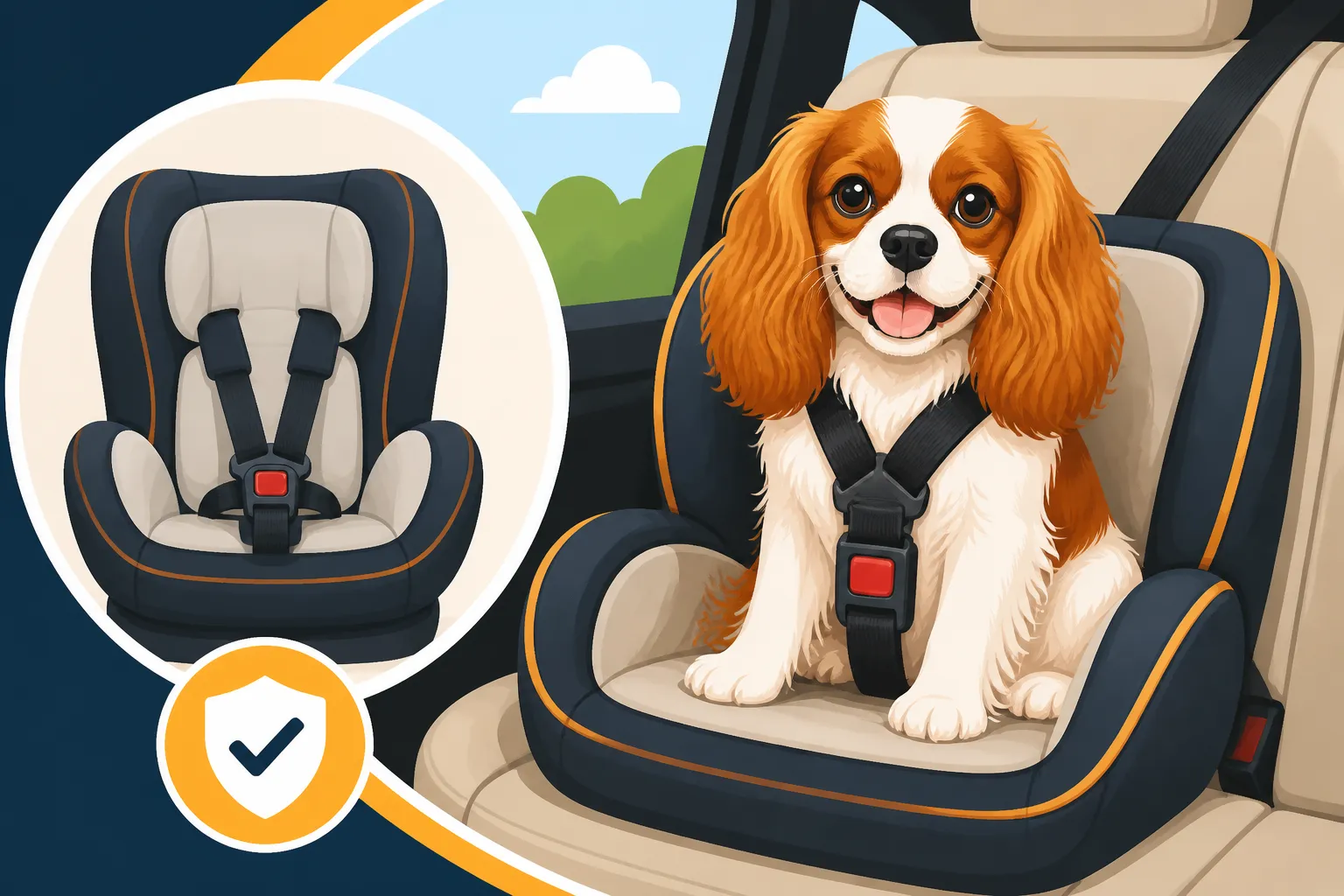
Car Seats and Restraints for a Cavalier
Traveling with your beloved Cavalier King Charles Spaniel can be one of life's greatest joys, but for many owners, the anxiety about their furry co-pilot's safety in the car is a constant worry. Whether it's a quick trip to the vet, a cross-country adventure, or just a drive to the local park, ensuring your Cavalier is properly secured isn't just about avoiding a distracted driver ticket; it’s about protecting their precious life in the event of an unexpected stop or, heaven forbid, an accident. This comprehensive guide will walk you through the various car seats and restraint options, helping you make an informed decision to keep your Cavalier safe and sound on every journey.
Why Car Safety is an Absolute Must for Your Cavalier
It's easy to think a quick trip doesn't warrant a full restraint, or that your Cavalier is "fine" just sitting on your lap or the back seat. But the reality of vehicle dynamics and canine anatomy paints a much starker picture. Ignoring proper car safety can have devastating consequences, not just for your pet, but for you and other passengers as well.
The Risks of Unrestrained Travel for Cavaliers
Imagine this scenario: you're driving along, and suddenly traffic grinds to a halt. You slam on the brakes. Your Cavalier, who was peacefully napping on the back seat, becomes an instant projectile. Their small, delicate frame, designed for cuddles and short bursts of play, is utterly unprepared for the forces involved in even a minor collision or sudden stop. A Cavalier, even one weighing only fifteen pounds, can hit the dashboard or the back of your seat with hundreds of pounds of force. This can lead to severe injuries such as broken bones, internal trauma, head injuries, or worse. The consequences can be heartbreaking and entirely preventable.
Beyond the immediate physical danger, an unrestrained Cavalier can be a serious distraction to the driver. A sudden bark, a scramble for a dropped toy, or an attempt to get onto your lap can pull your attention from the road in a critical moment. It's not just about what might happen in a crash, but what could cause a crash in the first place. These affectionate little dogs thrive on human interaction, and their desire to be close to you can inadvertently put everyone at risk. Even something as simple as them poking their head out the window – a seemingly innocent joy for many dogs – can lead to eye injuries from debris, or even worse, them falling or jumping out of the moving vehicle.
Legal Requirements and Insurance Implications
While not every state has explicit laws mandating pet restraints, the trend is certainly moving in that direction. Some jurisdictions consider an unrestrained pet a driving distraction, similar to using a cell phone, and you could face a hefty fine. For instance, in some states, having a dog on your lap is explicitly illegal. Think about how many times you've seen a driver with a small dog like a Cavalier perched on their steering wheel – it’s a charming sight, but incredibly dangerous and potentially illegal.
Beyond fines, there's a significant financial implication that many owners don't consider until it's too late: insurance. In the unfortunate event of an accident, your car insurance company might view an unrestrained pet as a contributing factor to the accident, especially if it caused a driver distraction. This could potentially affect liability claims or even the payout for damages. Moreover, your pet's injuries from an accident, if they were unrestrained, might not be fully covered by your pet insurance. While policies from providers like Healthy Paws are invaluable for unexpected veterinary costs, some policies might have clauses related to preventable injuries. Always check your specific pet insurance policy to understand the nuances of coverage related to pet safety in vehicles. It's a layer of protection that often goes overlooked but is critical for your peace of mind and your Cavalier's well-being.
Deciphering Your Cavalier's Car Restraint Options
When it comes to keeping your Cavalier safe in the car, you've got several categories of restraints, each with its own benefits and considerations. It's not a one-size-fits-all situation, and what works best for one Cavalier might not suit another.
Car Seats and Booster Seats: Comfort and Visibility
Cavalier car seats and booster seats are designed to elevate your smaller dog, giving them a better view out the window while keeping them contained and somewhat protected. These aren't just cute accessories; many are engineered with safety in mind, though the level of crash protection varies widely. A typical car seat for a Cavalier might look like a plush basket or a small box, often lined with soft material, that attaches securely to your car's seatbelt system. The seat itself often has an internal tether that clips to your Cavalier's harness, preventing them from jumping out.
The main benefits of these seats are comfort and visibility. Many Cavaliers love being able to see out, which can significantly reduce car anxiety. For an anxious dog, having their own designated, elevated spot can be incredibly reassuring. They feel involved in the journey without being able to roam freely and cause distraction. These seats also contain shedding hair and can be easier to clean than an entire car seat. When looking for one, consider options available on marketplaces like Chewy, which often carry a wide range with detailed descriptions and customer reviews. Look for features like washable covers, sturdy construction, and robust attachment points to your vehicle. The downside can be their bulk; they take up a full seat, and some cheaper models might not offer substantial crash protection beyond simply keeping your dog in one spot. It's crucial to differentiate between a simple booster for comfort and a truly crash-tested car seat designed to absorb impact.
Safety Harnesses and Seatbelt Attachments: Direct Protection
For a more direct form of restraint, a crash-tested safety harness combined with a seatbelt attachment is a popular choice. Unlike a standard walking harness, these safety harnesses are specifically designed to withstand the forces of a collision, distributing impact across your dog's strongest points (chest and shoulders) rather than their delicate neck. The harness then connects to your car's seatbelt system via a tether or strap. This tether often clips directly into the seatbelt buckle or wraps around the seatbelt itself, keeping your Cavalier firmly but comfortably in place.
The primary advantage here is the emphasis on crash protection. Several organizations conduct independent crash tests on these products, and looking for certifications from groups that use rigorous standards (like those for child car seats) is paramount. These harnesses are generally less bulky than car seats, making them a good option if space is a premium or if your Cavalier prefers to lie down on the seat rather than be elevated. They also offer a degree of freedom of movement within the boundaries of the tether, allowing your dog to stand, sit, or lie down comfortably. However, it’s vital that the harness fits correctly; a poorly fitting harness can be ineffective or even cause injury. Some dogs might also find wearing a harness for extended periods uncomfortable, so choose one with good padding and adjustability. Remember, always attach the tether to a proper safety harness, not a collar, as a collar can cause severe neck injury in a sudden stop. If you're looking for Harnesses Suited to a Cavalier's Neck, be sure to prioritize crash-tested models for car travel.
Travel Crates and Carriers: The Secure Enclosure
Travel crates and carriers provide another layer of protection by enclosing your Cavalier completely. These come in various forms, from hard-sided plastic crates to soft-sided fabric carriers. For car travel, the most secure options are often hard-sided, airline-approved crates or specially designed crash-tested carriers that can be secured with your vehicle's seatbelts or dedicated latch systems.
The main benefit of a crate or carrier is the full containment it offers. Not only does it keep your Cavalier from roaming, but a properly secured, crash-tested crate also offers excellent protection in an accident, acting as a protective shell. This can be particularly beneficial for dogs prone to car sickness, as being in a confined, dark space can sometimes alleviate symptoms. It's also an excellent option if you have a dog that tends to chew on seatbelts or other car components. Many owners find crates useful for multi-dog households or for puppies that might not be ready for a booster seat or harness yet. You'll want to ensure the crate is appropriately sized for your Cavalier – snug enough to prevent them from being jostled around too much, but large enough for them to comfortably stand up, turn around, and lie down. Soft-sided carriers are generally only suitable for very small dogs and should still be secured with a seatbelt, though they offer less impact protection than a rigid crate. Always make sure the crate itself is secured, not just the dog inside. An unsecured crate, even with a dog inside, can still become a dangerous projectile.
Making the Right Choice: Selecting a Car Restraint for Your Unique Cavalier
Choosing the ideal car restraint for your Cavalier isn't just about picking what looks cute or is on sale. It's about matching the product to your dog's individual needs, your driving habits, and ensuring it meets essential safety standards.
Assessing Your Cavalier's Temperament and Needs
Every Cavalier is a unique individual, and their personality and health play a huge role in what kind of restraint will work best. For instance, if your Cavalier gets incredibly anxious in the car, a booster seat that allows them to see out the window might be a calming solution. They can still feel connected to you and the outside world, which can alleviate some of that stress. Conversely, a Cavalier who is prone to car sickness might do better in a well-ventilated, secure crate where the limited view might reduce motion sickness.
Consider your Cavalier's habits: Do they chew everything in sight? A hard-sided crate might be more durable and safe than a fabric booster seat. Do they fuss and try to get out of harnesses? You'll need to work on positive reinforcement and make sure the harness itself is comfortable. Older Cavaliers, especially those with joint issues or Cavalier Knees, Hips and Joint Problems, might struggle with climbing into a high car seat or standing for long periods, making a comfortable, ground-level harness or a low-entry crate a better choice. Puppies, on the other hand, might do best in a smaller crate until they are fully grown and house-trained. Think about the duration of your typical car trips too. Whether a Cavalier Handles Long Car Trips can often depend on their comfort level in their restraint and the frequency of breaks.
Evaluating Crash-Tested Options
This is arguably the most critical factor when selecting a car restraint. The market is flooded with products claiming to be "safe," but without independent crash testing, these claims can be misleading. A standard harness or pet carrier, while preventing your dog from roaming, offers little to no protection in a collision. In an accident, an unsecured pet or a product that isn't crash-tested can fail catastrophically, turning a helpful restraint into a dangerous projectile or simply offering no impact absorption.
Look for products that have been certified by organizations such as the Center for Pet Safety (CPS). The CPS conducts rigorous crash tests using similar standards to those for child safety seats. Their certifications indicate that a product has been evaluated for structural integrity, impact protection, and proper restraint. These products are designed to keep your Cavalier from becoming a projectile and to minimize injuries by absorbing forces. While these crash-tested options might come with a higher price tag, the peace of mind and the potential to save your Cavalier's life make it a worthwhile investment. Never compromise on safety; a crash-tested restraint is not just a recommendation, it's a necessity.
| Restraint Type | Pros | Cons | Ideal Use Case | Crash-Tested Options Available? |
|---|---|---|---|---|
| Car/Booster Seat | Elevates view, contained space, comfortable | Can be bulky, variable crash protection | Anxious dogs, those who like to see out, shorter trips | Some, but verify certification |
| Safety Harness + Belt | Direct restraint, less bulky, crash-tested | Requires proper fit, dog must tolerate harness | Any dog, especially for crash protection focus, longer trips | Yes, look for certifications |
| Travel Crate/Carrier | Full containment, robust protection | Takes up space, some dogs dislike confinement | Dogs prone to car sickness, multi-dog households, puppies | Yes, look for certifications |
Installation and Proper Use
Even the most expensive, crash-tested restraint is useless if not installed and used correctly. This isn't just a matter of convenience; it’s a matter of life and death. For car seats and booster seats, always follow the manufacturer's instructions precisely. They are designed to be secured using your car’s seatbelt system, often with additional straps to minimize movement. Make sure all straps are pulled taut, and there’s minimal wobble. The internal tether should be clipped to your Cavalier's harness (never their collar!) and adjusted so they can comfortably sit or lie down, but not jump out or gain too much momentum in a sudden stop.
With safety harnesses, the fit is everything. It should be snug, but not constricting, allowing two fingers to slip underneath. The harness should fit across their chest and shoulders, avoiding pressure on their neck or throat. The seatbelt attachment should then be used as directed, ensuring it connects securely to the vehicle's seatbelt buckle or wraps tightly around the existing seatbelt. The length of the tether is also important; it should be short enough to prevent your Cavalier from hitting hard surfaces (like the dashboard or front seats) in an abrupt stop. For crates, the most secure method is to use seatbelts or cargo straps to anchor the crate to the vehicle, preventing it from sliding or tipping over. In larger vehicles like SUVs, specialized cargo area restraints are available. Always double-check your installation before every trip. A quick tug on the restraint can confirm it's secure. It's also a good idea to refresh your memory on the installation instructions periodically, just to ensure you haven't overlooked any crucial steps.
Beyond the Restraint: Ensuring Your Cavalier's Full Travel Comfort and Safety
Securing your Cavalier is just one piece of the puzzle. To truly ensure a safe and happy travel experience, you need to consider their comfort, gradual acclimation, and what to do in unforeseen circumstances.
Acclimating Your Cavalier to Their New Restraint
Introducing a new car restraint, especially to a Cavalier who might already be wary of car rides, requires patience and positive reinforcement. Don't just spring it on them on the day of a long trip. Start by letting them sniff and explore the restraint at home. Place it in a familiar area, toss in some favorite treats or a beloved toy, and let them associate it with positive experiences. Delicious, high-value treats, perhaps from Ollie, can be incredibly effective during this stage. Once they are comfortable with the restraint itself, introduce it in the car, without moving. Let them get in and out, give them praise and treats.
Then, progress to short, positive trips. A quick drive around the block, a visit to a dog park (if they love it), or even just a drive-through for a puppuccino can help them build positive associations. Gradually increase the duration of these trips. Never use the car restraint as a punishment, and always ensure your Cavalier is comfortable before embarking on longer journeys. Some Cavaliers might take to it immediately, while others might need several weeks of consistent, gentle training. The goal is for them to view their restraint as their safe, cozy spot in the car, not a source of stress. Socializing a Cavalier Puppy Gently with car rides and restraints from a young age can make this process much smoother.
Essential Travel Gear and Comfort Considerations
Making your Cavalier's car experience as pleasant as possible goes a long way in ensuring their safety. Always pack a few essentials. A familiar blanket or bed in their car seat or crate can provide comfort and a sense of security. Don't forget a travel water bowl and plenty of fresh water, especially on longer trips. Dehydration can be a real issue, particularly if your Cavalier is prone to stress panting.
Consider your Cavalier's feeding schedule. It's often best to feed them a few hours before a long trip, rather than right before, to prevent car sickness. Some owners find that giving a small, bland treat during the trip, or using specific calming treats, can help. Take frequent potty breaks – every 2-3 hours for an adult Cavalier is a good rule of thumb. This isn't just about bathroom needs; it also allows them to stretch their legs, get some fresh air, and relieve any pent-up energy. These breaks are crucial, especially if you're undertaking significant travel as discussed in Traveling With a Cavalier and What It Adds. Never leave your Cavalier unattended in a parked car, even for a few minutes, as temperatures inside a vehicle can rise or fall to dangerous levels very quickly.
What to Do in Case of an Accident
While we all hope to never experience a car accident, it’s vital to be prepared for the worst. Having an emergency kit readily accessible is crucial. This kit should include your Cavalier's medical records, vaccination history, any medications they are on, and your veterinarian's contact information. Also, have a recent photo of your Cavalier handy, just in case they manage to escape the vehicle in the chaos of an accident.
If an accident does occur, the immediate priority is to ensure everyone's safety, including your Cavalier's. If it's safe to do so, check on your dog. Even if they appear uninjured, it’s imperative to get them thoroughly checked by a veterinarian as soon as possible. Adrenaline can mask pain, and internal injuries might not be immediately apparent. Having pet insurance, like a policy from Healthy Paws, can be a huge relief in these stressful situations, helping to cover unexpected veterinary bills. When you purchase pet insurance, it's wise to understand Whether Pet Insurance Is Worth It for a Cavalier and what scenarios are covered. If your Cavalier needs emergency surgery, knowing Anesthesia for a Cavalier With Heart Disease is critical, as many Cavaliers develop heart murmurs as they age, which can complicate sedation. Being prepared for emergencies, both big and small, means you can focus on your Cavalier's recovery without added financial strain.
Disclaimer
This article is for general informational purposes only and does not constitute professional advice. Laws, prices and regulations vary by location and change over time. Consult a qualified professional for guidance on your specific situation.