Traveling With a Cavalier and What It Adds
Oh, the wanderlust! It’s a feeling many of us Cavaliers owners know well. You dream of exploring new places, seeing new sights, but then your heart twists a little when you think about your furry shadow. Can you really leave them behind? Or, perhaps even more daunting, can you bring them along without turning your relaxing trip into a logistical nightmare of hidden fees and unexpected hurdles? This guide is here to walk you through the often-overlooked financial and practical realities of traveling with your Cavalier King Charles Spaniel, helping you budget and prepare for an adventure that’s truly enjoyable for both of you.
Initial Planning and Pre-Trip Expenses for Your Traveling Cavalier
Before you even start packing your own suitcase, there's a whole world of planning to do when your Cavalier is coming along for the ride. It's not just about tossing a leash and a bag of food into the car; there are crucial health checks, essential gear, and local regulations that can add up quickly and cause major headaches if not addressed beforehand. Skipping these steps is like trying to build a house without a foundation – it's just asking for trouble down the line.
Pre-Travel Vet Check-Ups and Health Certificates
One of the most vital first steps, especially if you're crossing state lines, flying, or venturing internationally, is a visit to your trusted veterinarian. Your Cavalier might seem perfectly healthy at home, but travel can be stressful, and underlying issues could flare up. A thorough check-up ensures they are fit for the journey, and your vet can advise on any specific concerns related to their health, such as Anesthesia Risk in a Cavalier With a Murmur if a procedure might be needed. You'll want to ensure all their vaccinations are up to date, particularly rabies, which is often a non-negotiable requirement for travel.
Beyond a simple check-up, many modes of transport and destinations require a health certificate. This isn't just a casual note from your vet; it's a specific, time-sensitive document certifying your Cavalier is healthy and free of contagious diseases. For air travel, these certificates often have strict validity periods, sometimes as short as 10 days before your flight, meaning you might need to schedule a vet appointment very close to your departure. The cost for the examination and the certificate itself can vary, and if you realize you need one last-minute, you might even incur rush fees. Don't forget to ask your vet about any necessary parasite prevention, especially if you're traveling to areas with different flea, tick, or heartworm risks.
Essential Travel Gear and Supplies for Cavalier Comfort
Once your Cavalier's health is squared away, it’s time to think about their comfort and safety on the road. Traveling often means being away from the familiar, so bringing along their personal creature comforts can make a huge difference. A sturdy, well-ventilated carrier or crate is paramount, especially for car travel safety or if they'll be flying in-cabin. This isn't just a place to hold them; it's their safe den in an unfamiliar environment. Ensure it meets airline size requirements if flying, and that it’s comfortable enough for them to stand, turn around, and lie down naturally.
Beyond the carrier, consider items like a portable water bottle and collapsible bowls, especially for long car rides or hikes where clean water might not be readily available. Familiar bedding or a favorite blanket can provide immense comfort and reduce anxiety in new surroundings. Don't forget extra leashes, a secure harness (many Cavaliers benefit from a harness over a collar, especially those with neck sensitivities related to conditions like Syringomyelia), and enough of their regular food to last the entire trip, plus a little extra for good measure. If your Cavalier is on a special diet, perhaps like the fresh, pre-portioned meals from Ollie, planning how to maintain that routine on the go is key. Packing a small pet first-aid kit with bandages, antiseptic wipes, and any prescription medications your Cavalier takes regularly is also a wise move; you never know when a minor mishap might occur far from a vet.
Understanding Destination-Specific Pet Rules and Restrictions
It's easy to assume that if a place is "pet-friendly," it means all pets are welcome everywhere. Unfortunately, that's rarely the case. Before you book your destination, dive deep into the specific pet rules. Some national parks allow dogs on paved trails but not dirt paths; others ban them entirely. Many beaches have seasonal restrictions or specific leash laws. If you're staying in a short-term rental, ensure their pet policy is clear – some might have breed or size restrictions, or limit the number of pets.
Even within a city, local ordinances can vary. Are there off-leash parks? Are dogs allowed on public transport? Understanding these nuances prevents frustrating surprises upon arrival and helps you plan activities where your Cavalier can truly participate rather than being left behind. For example, if you're traveling to a warmer climate, researching local dog-friendly cafes or indoor attractions that allow dogs might be essential to prevent your Cavalier from overheating, especially given Whether a Cavalier Struggles in Heat. A little research upfront can save a lot of disappointment and potentially expensive fines for non-compliance.
Accommodation Costs and Considerations for Pet Travel
Once you've decided on your destination and your Cavalier is cleared for travel, the next big hurdle is finding a place to stay that welcomes both of you. This is where the added costs of traveling with a pet really start to become apparent. What looks like a reasonable nightly rate can quickly inflate with various fees and deposits specifically for your furry companion.
Navigating Pet Fees and Deposits
It's a common scenario: you find the perfect hotel, only to discover a "pet fee" listed in the fine print. These fees are usually non-refundable and can range from a modest sum per stay to a significant charge per night. A $25 per night fee can add $175 to a week-long stay, suddenly making your accommodation much pricier than anticipated. This is often to cover extra cleaning costs, even if your Cavalier is impeccably behaved.
Then there are pet deposits, which are typically refundable. These are held in case of any damage caused by your pet – scratches on furniture, accidents on the carpet, or chewed items. While theoretically you get this money back, it means a larger initial outlay, and you have to be vigilant to prevent any damage that might lead to part or all of your deposit being withheld. Always clarify whether the fee is per pet or per stay, and whether it’s refundable or not, before you commit. Sometimes, contacting the property directly can clarify these details or even unearth special pet-friendly packages that aren't advertised online.
Finding Pet-Friendly Lodging That Suits Your Cavalier
Beyond just accepting pets, you want to find lodging that genuinely accommodates them. A hotel that merely tolerates dogs might relegate you to a less desirable room or offer no amenities for your Cavalier at all. Look for places that advertise specific pet amenities, such as dedicated relief areas, pet beds, or even welcome treats. Websites like BringFido or local tourism boards often compile lists of truly pet-friendly establishments. For extended stays, short-term rental platforms often have filters for pet-friendly properties, though you still need to scrutinize the individual listing's rules.
Consider the size and layout of the room. Will your Cavalier have enough space? Is there a safe, quiet corner for their crate? If your Cavalier struggles with Living With a Cavalier That Panics When Alone, leaving them unattended in a strange hotel room might not be an option, meaning you'll need to seek out activities where they can join you. Sometimes, a smaller, independent inn or a vacation rental can offer more flexibility and a cozier atmosphere than a large chain hotel, making your Cavalier feel more at home.
Minimizing In-Room Impact and Potential Issues
Once you're settled in your pet-friendly accommodation, it's your responsibility to ensure your Cavalier is a good guest. This means preventing accidents, minimizing noise, and keeping them from damaging property. Always bring your Cavalier's bed or crate so they have a designated, familiar spot to rest. Use sheets or blankets to cover furniture if your Cavalier is prone to jumping on couches, especially if they shed, even if it's less than some breeds given What a Cavalier Sheds Without an Undercoat.
If your Cavalier is prone to barking, particularly if they are one of those who Why a Cavalier Announces Everyone Who Walks Past, consider a room away from high-traffic areas or bring calming chews or a white noise machine to help them settle. Never leave a Cavalier unattended if they are known to have separation anxiety or be destructive. If you need to step out briefly, ensure they are crated and consider hanging a "Do Not Disturb" sign on the door, perhaps with a note indicating a dog is inside, to prevent housekeepers from entering and startling your pet or allowing an escape. Being a responsible pet owner helps ensure these pet-friendly options remain available for everyone.
Transportation Costs and Logistics
Getting to your destination with a Cavalier can involve various methods, each with its own set of costs, rules, and potential stresses for both you and your furry friend. From car trips to flying, understanding the logistics ahead of time is critical.
Car Travel Essentials for a Cavalier
Many Cavalier owners find car travel the most straightforward option. It offers flexibility, and your Cavalier can stay right by your side. However, simply letting them roam free in the car isn't safe for anyone. A secured crate or a crash-tested car harness attached to the seatbelt is essential. This protects them in case of a sudden stop or accident and prevents them from distracting the driver. The cost here is primarily the initial investment in good quality safety gear, which can range widely.
Long car trips also require careful planning for breaks. Cavaliers, like people, need to stretch their legs, relieve themselves, and hydrate. Factor in extra time for these stops, and always keep your Cavalier on a leash in unfamiliar areas, especially near roads. Motion sickness can be an issue for some dogs, so observe your Cavalier on shorter trips first. Your vet might be able to prescribe anti-nausea medication if needed, which would be another added expense. Keeping them calm and comfortable with familiar toys or a blanket can also reduce stress, and don't forget to pack plenty of water to prevent dehydration.
Flying With a Cavalier: In-Cabin vs. Cargo
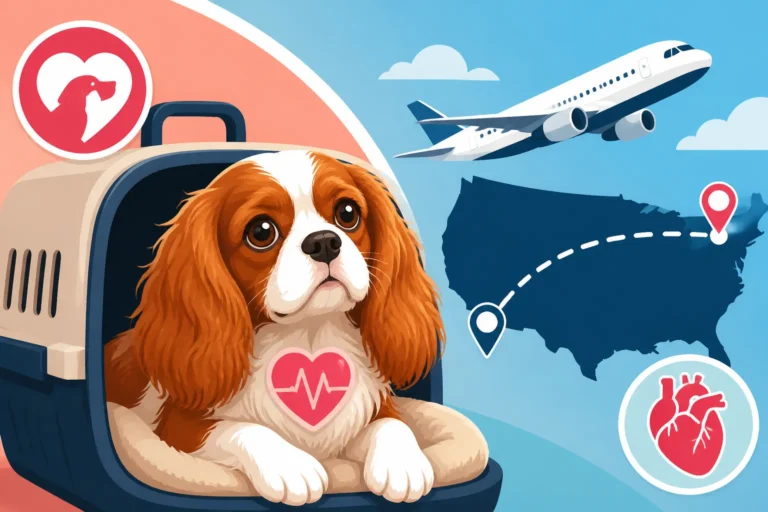
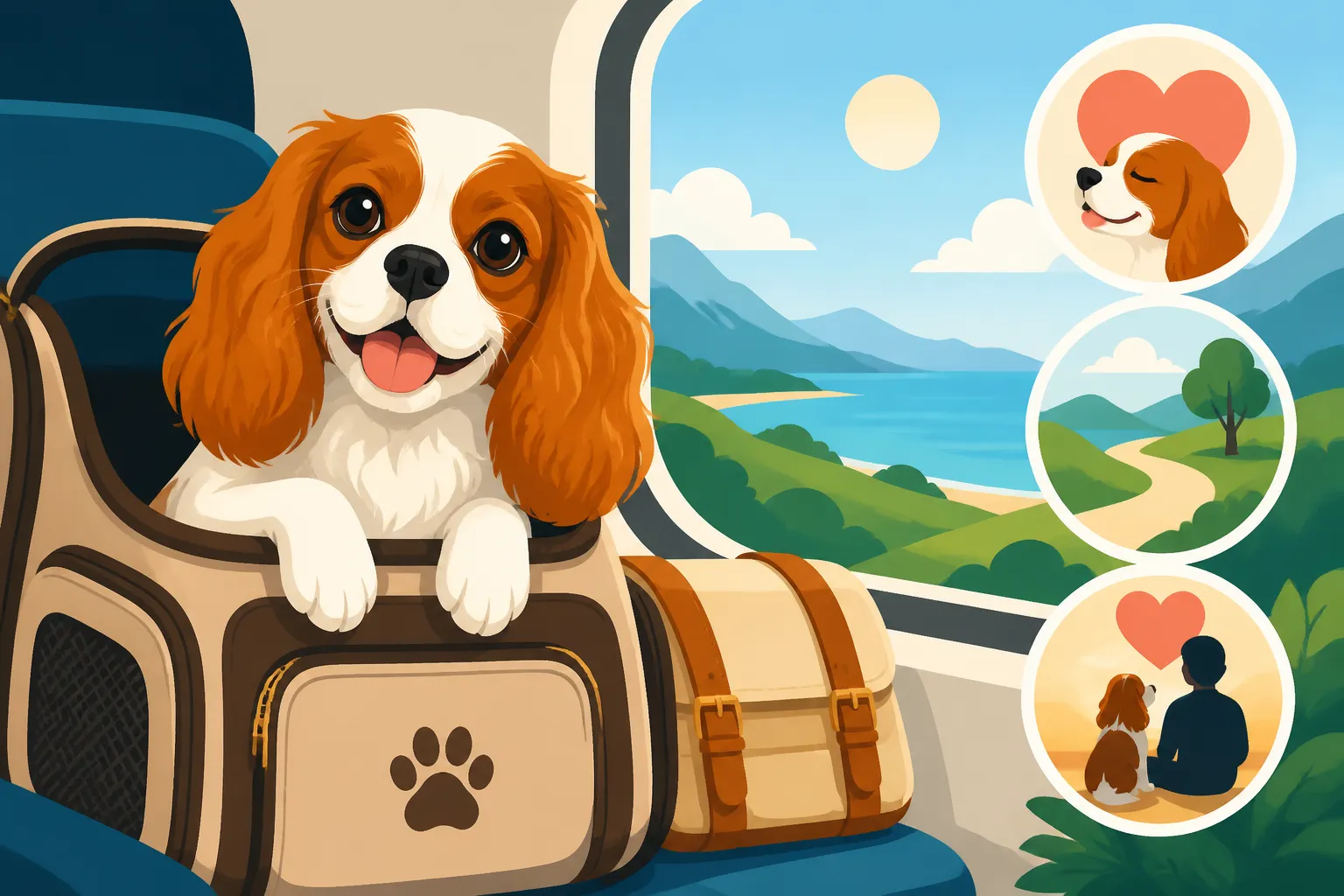
Flying with a Cavalier adds a significant layer of complexity and cost. Due to their small size, many Cavaliers can fly in-cabin with you, provided they fit comfortably in an airline-approved carrier under the seat in front of you. This is generally the safest and least stressful option, but it comes with a fee, often ranging from over $100 to a few hundred dollars per flight segment. Each airline has specific carrier dimensions, weight limits (often including the carrier), and rules regarding booking and check-in for in-cabin pets. Make sure to call the airline directly to confirm current policies and reserve your spot well in advance. Consider options like a durable soft-sided carrier from brands available on Chewy, which can offer flexibility for under-seat storage while providing comfort.
If your Cavalier is too large for in-cabin travel or if you're flying internationally, cargo travel becomes the only option. This is where things get much more expensive and, for many Cavalier owners, much more stressful. Cargo fees are typically much higher, often several hundred dollars. More importantly, it requires a robust, hard-sided kennel that meets IATA standards, a much more rigorous health certificate, and navigating temperature embargoes. Airlines often refuse to transport brachycephalic (short-nosed) breeds like Cavaliers in cargo during extreme temperatures due to respiratory risks, even though Whether a Cavalier Is a Brachycephalic Breed can be a point of debate among experts. The thought of your precious Cavalier being in cargo, especially if they have an existing condition like Mitral Valve Disease in the Cavalier King Charles Spaniel, is enough to make many owners opt for ground travel instead.
Other Transport Options: Trains, Buses, and Ferries
While less common for long distances within the US, trains, buses, and ferries can be viable alternatives, though their pet policies vary wildly. Amtrak, for instance, allows small dogs on certain routes, usually requiring them to be in a carrier under your seat for a fee. Similar to airlines, there are weight and size restrictions. Buses, particularly long-distance coaches, often have very restrictive or outright bans on pets, with service animals being the main exception.
Ferries can be a good option for shorter water crossings, and many are quite pet-friendly, sometimes requiring dogs to stay on an outdoor deck or in a designated pet area. Again, fees may apply, and some will require your Cavalier to be leashed or in a carrier. Always, always check the specific company's pet policy well in advance, as these can change without much public fanfare. Each of these options adds a unique cost, whether it's a specific pet ticket price or the investment in the right type of carrier suitable for that mode of transport.
Care and Comfort Away From Home
Traveling isn't just about getting there; it's about maintaining your Cavalier's well-being once you've arrived. The familiar routines and resources of home are gone, and you need a plan for keeping them happy and healthy in a new environment.
Maintaining Routine: Food, Medication, and Exercise
Cavaliers thrive on routine, and disrupting it can lead to stress, digestive upset, or anxiety. When traveling, try to stick as closely as possible to their normal feeding schedule. This is why packing enough of their regular food is crucial; sudden dietary changes can cause stomach issues, which are the last thing you want on vacation. If your Cavalier is on medication, such as for Medication for a Cavalier With Heart Disease, ensuring you have enough for the entire trip, plus an emergency reserve, and remembering to administer it at the correct times is paramount. Set phone reminders if necessary.
Exercise is equally important. Even if you're exploring new cities, your Cavalier still needs their usual walks and playtime. This not only keeps them physically healthy but also helps them burn off energy and adapt to new sights and smells. Research local parks or dog-friendly trails beforehand. If your Cavalier is a senior, perhaps dealing with Caring for a Cavalier Past Nine, their exercise needs might be shorter and more frequent, so factor that into your daily plans. A tired Cavalier is often a calm Cavalier, making new environments less overwhelming.
Sourcing Supplies on the Road and Emergency Contacts
While you should aim to pack enough for your trip, sometimes things happen. You might run out of food, lose a favorite toy, or need a specific type of treat. Knowing where to find pet supplies locally can be a lifesaver. Major pet retail chains are usually easy to locate in most towns and cities, and online retailers like Chewy offer delivery services that could get supplies to your hotel or rental in a pinch. However, relying on this is always a gamble, so it's best to be as self-sufficient as possible.
More critically, have a plan for veterinary emergencies. Before you leave, ask your regular vet for a recommendation for an emergency clinic at your destination, or do some online research to identify well-reviewed animal hospitals. Save their number in your phone. If your Cavalier has specific health conditions, such as Syringomyelia and Chiari Malformation in Cavaliers, having their medical records easily accessible (either digitally or a printed summary) can be invaluable for a new vet who isn't familiar with their history. Knowing these resources are available provides immense peace of mind.
Dealing with Stress and Anxiety in a New Environment
Even the most well-adjusted Cavalier can experience stress or anxiety when traveling. New sights, sounds, smells, and routines can be overwhelming. Signs of stress might include excessive panting, pacing, whining, refusing to eat, or even unusual potty accidents. Having familiar items like their bed, blanket, or favorite toys can provide a sense of security.
For Cavaliers prone to anxiety, consider bringing calming aids. These could be pheromone sprays or diffusers, calming supplements (always consult your vet first), or a thunder shirt if they find comfort in gentle pressure. If your Cavalier suffers from significant separation anxiety, even at home, travel will likely exacerbate it. In such cases, leaving them alone in an unfamiliar hotel room for extended periods is probably not feasible, and you'll need to adjust your itinerary accordingly. Remember, your calm demeanor can go a long way in reassuring your Cavalier.
The "What Ifs": Insurance and Emergency Budgeting
Despite all the careful planning, unexpected things can happen when you're far from home. A sudden illness, an accidental injury, or even just a lost medication can quickly turn your trip into a financial burden. This is where pet insurance and a dedicated emergency fund truly prove their worth.
The Role of Pet Insurance in Travel Emergencies
If you already have pet insurance for your Cavalier, it's a huge asset when traveling. Most pet insurance policies, like those offered by Healthy Paws, are active nationwide, meaning they cover accidents and illnesses that occur no matter where you are in the country. This can be a massive relief if your Cavalier suddenly gets sick or injured in an unfamiliar city, requiring an emergency vet visit or even specialist care. Imagine your Cavalier suddenly develops a severe ear infection (a common problem for the breed, as discussed in Cavalier Ear Infections and Why They Recur) while you're away – the costs for an urgent vet visit, diagnostics, and medication can quickly add up. With insurance, you're reimbursed for a significant portion of those unexpected bills, reducing the financial sting.
Before you travel, it's wise to review your policy's specifics. Check your deductible, reimbursement percentage, and any annual limits. Understand how to submit a claim from the road – usually, you pay the vet directly and then submit your invoice to the insurer for reimbursement. If you don't have pet insurance yet, considering Whether Pet Insurance Is Worth It for a Cavalier before a big trip could save you from significant out-of-pocket expenses. Just remember, policies generally don't cover pre-existing conditions, so if your Cavalier already has a diagnosed issue, new policies won't cover it.
Emergency Vet Access and Specialist Care on the Road
Knowing where to go in an emergency is paramount. As mentioned, research and have contact information for at least one 24/7 emergency veterinary hospital at your destination. Don't just rely on a quick Google search if a crisis hits. Look for reputable facilities, ideally with good reviews and staff familiar with small breeds. In a true emergency, every minute counts, and scrambling to find a clinic is time you don't have.
For Cavaliers with known chronic conditions, like a worsening heart murmur or managing pain from Syringomyelia (see Pain Relief for a Cavalier With Syringomyelia), having your records handy and knowing if there are any specialist cardiologists or neurologists in the area can be beneficial. While most general emergency vets can stabilize a situation, a specialist might be needed for ongoing management. Always carry a small, easily accessible summary of your Cavalier's medical history, including current medications, diagnoses, and your regular vet's contact information.
Budgeting for the Unexpected: Emergency Funds
Even with pet insurance, there will be out-of-pocket expenses for an emergency – your deductible, your co-pay percentage, and potentially treatments that aren't covered. This is why a dedicated emergency fund is so important, especially when traveling. Think of it as your Cavalier's "travel contingency" money. Setting aside a few hundred to a thousand dollars specifically for unexpected vet bills can prevent a travel emergency from turning into a financial disaster or forcing difficult decisions due to cost.
This fund can also cover other unforeseen circumstances. What if your planned pet-sitter falls through last minute, and you need to pay for emergency boarding? Or your flight is delayed, and you need to buy extra food and medication? Travel, by its very nature, is unpredictable, and having a financial cushion specifically for your Cavalier's needs ensures that you can always prioritize their well-being, no matter the curveball thrown your way.
Alternative Care When Travel Isn't Possible
Sometimes, taking your Cavalier with you just isn't feasible. Perhaps your destination isn't pet-friendly, your Cavalier has health issues that make travel too risky, or the logistics are simply too overwhelming. In these cases, finding reliable, loving care for them at home is the best alternative. This, too, adds to the cost of your trip, but it's a worthwhile investment for their safety and your peace of mind.
Professional Pet Sitting Services
One of the most popular options for many Cavalier owners is hiring a professional pet sitter. This allows your Cavalier to remain in the comfort and familiarity of their own home, minimizing stress and maintaining their routine. A good pet sitter will come to your home multiple times a day, providing food, water, walks, playtime, and administering any necessary medications. This is particularly beneficial for Cavaliers who might be prone to anxiety in new environments or those who are on a strict medication schedule, such as for Starting Heart Medication Before a Cavalier Coughs.
The cost of pet sitting varies depending on your location, the number of visits per day, and any special needs your Cavalier might have. While it can be more expensive than boarding, many owners find the peace of mind worth the extra expense. Look for sitters who are bonded and insured, have positive references, and ideally, are certified in pet first aid. A reputable sitter will usually offer a meet-and-greet beforehand, allowing your Cavalier to get acquainted and for you to discuss all their needs in detail. Some sitters are even familiar with specific breed needs, like keeping Cavalier ears clean and dry, as highlighted in Getting Drops Into a Cavalier's Ear Canal.
Boarding Kennels and Daycare Options
For some Cavaliers, especially those who are outgoing and enjoy the company of other dogs, a reputable boarding kennel or doggy daycare might be a good fit. These facilities provide supervised care, often with opportunities for socialization and play. When choosing a kennel, always tour the facility first. Look for cleanliness, attentive staff, individual sleeping areas, and secure play yards. Ask about their policies for medication administration, feeding schedules, and emergency veterinary care.
Costs for boarding can vary significantly based on the facility, the duration of the stay, and any extra services like special playtimes or grooming. If your Cavalier is on a specific diet, like a prescription cardiac diet (see Prescription Cardiac Diets for a Cavalier), ensure the kennel can accommodate it. Some facilities may even allow you to bring your own food, like pre-portioned meals from Ollie, to avoid upsetting your Cavalier's stomach. For Cavaliers with health concerns, such as Whether a Cavalier Struggles in Heat, ensure the facility has climate control and a clear plan for managing heat stress. Always book well in advance, especially during peak travel seasons, as good kennels fill up quickly.
Enlisting Family and Friends as Caregivers
The most budget-friendly option is often asking a trusted family member or friend to care for your Cavalier. This can be a wonderful solution, as your Cavalier is likely already familiar and comfortable with them. It also allows them to stay in their own home or a familiar environment, like a relative's house, which can reduce stress. However, it's crucial to be mindful of the significant responsibility you're asking them to take on.
Ensure your caregiver is fully prepared. Provide clear, written instructions for feeding, medication schedules, exercise routines, and emergency contacts. Leave them with enough food, treats, and any necessary supplies. Be explicit about expectations, such as daily walk lengths (e.g., if your Cavalier is a senior who A Cavalier That Tires on Short Walks easily) or how to handle specific behaviors like barking at the mailman. Offer to compensate them, even if it's just a thoughtful gift, to acknowledge their time and effort. While it may seem "free," the true cost is the emotional labor and responsibility, and showing appreciation is vital to maintain good relationships.
Disclaimer
This article is for general informational purposes only and does not constitute professional advice. Laws, prices and regulations vary by location and change over time. Consult a qualified professional for guidance on your specific situation.