A Cavalier That Tires on Short Walks
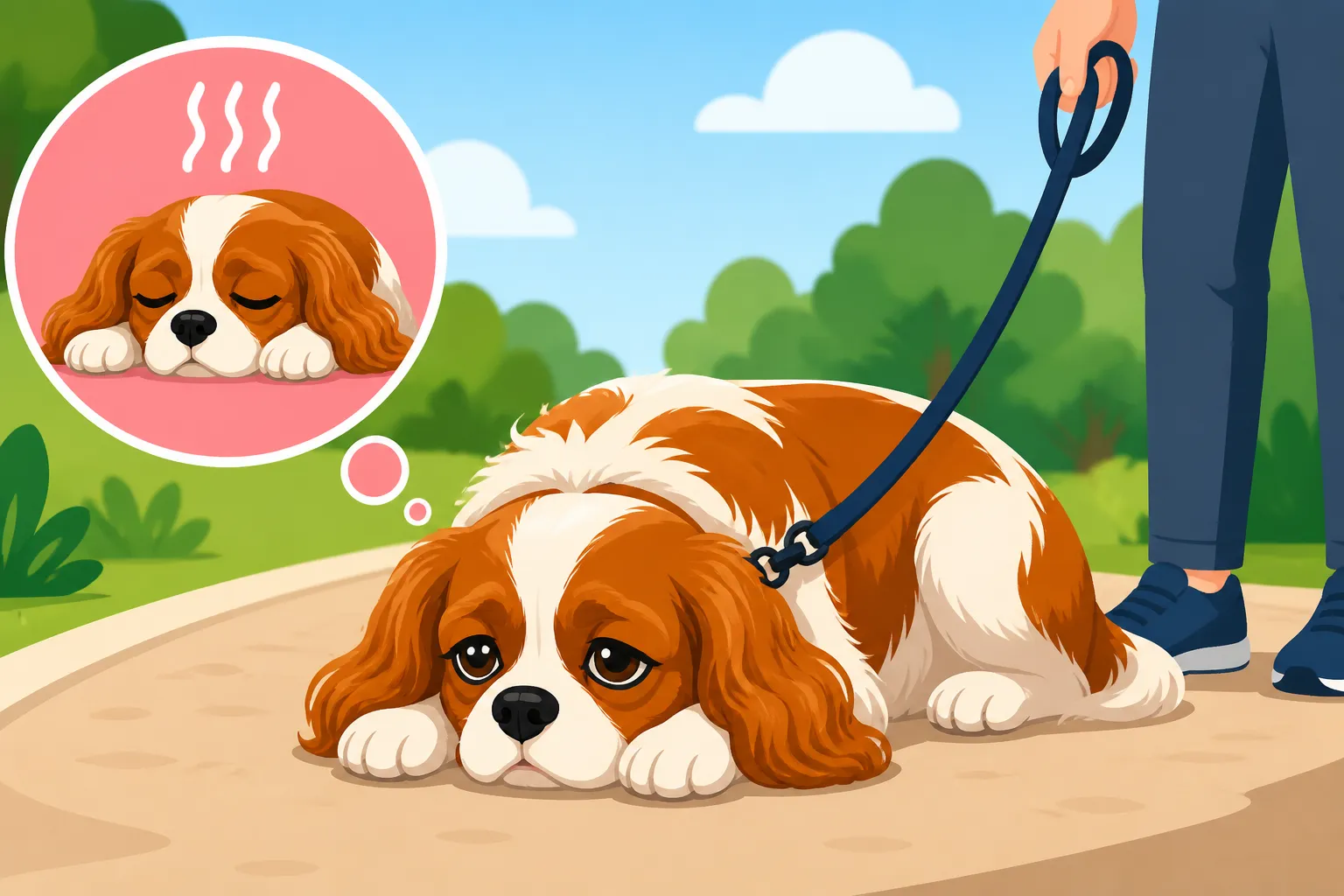
It’s truly disheartening when your energetic Cavalier, usually so eager for a romp, suddenly starts lagging behind or outright refusing to continue on even the shortest of walks. This shift in behavior isn't just a sign of aging; it’s a critical red flag that something deeper might be affecting their health and well-being. This guide will delve into the common and less common reasons why your Cavalier might be tiring on short walks, what steps you can take to investigate the problem, and how to support your beloved companion.
Understanding Why Your Cavalier Is Tiring Easily
When your Cavalier, a breed known for its cheerful, adaptable nature, starts showing signs of fatigue on routine walks, it’s natural to feel a pang of worry. This isn't just about them being "lazy" or "stubborn"; it's their way of communicating discomfort or an underlying health issue. It's crucial not to dismiss these subtle changes, as they often point to conditions that benefit greatly from early intervention.
The Silent Threat of Mitral Valve Disease
For Cavalier King Charles Spaniels, the first thing many of us worry about when we see flagging energy is their heart. And unfortunately, that worry is often justified. Mitral Valve Disease (MVD) is devastatingly prevalent in the breed. Imagine trying to run a marathon when your heart isn't efficiently pumping blood to your muscles – that's a bit like what a Cavalier with MVD experiences, even on a casual stroll around the block. The heart has to work much harder to circulate blood, and this extra effort leaves them exhausted quickly.
Early stages of MVD might not show obvious signs, which is why it’s often called a "silent killer" until it progresses. You might not hear a cough or see labored breathing right away, but reduced exercise tolerance is a classic initial symptom. The mitral valve, which should seal tightly, starts to leak. This backward flow of blood means less oxygenated blood gets out to the body with each beat, leading to fatigue. It can be particularly insidious because many owners assume their Cavalier is just getting older or it's simply a warm day. But if your 5-year-old Cavalier is winded after five minutes, that's not normal aging, especially when you know that Why Half of Cavaliers Have a Murmur by Five. This condition can progress, impacting their ability to live a full and active life, making it vital to understand Mitral Valve Disease in the Cavalier King Charles Spaniel.
Beyond the Heart: Other Health Concerns
While the heart is often the prime suspect in Cavaliers, other health issues can certainly contribute to a lack of stamina. It’s never a one-size-fits-all answer, and a thorough investigation is always warranted.
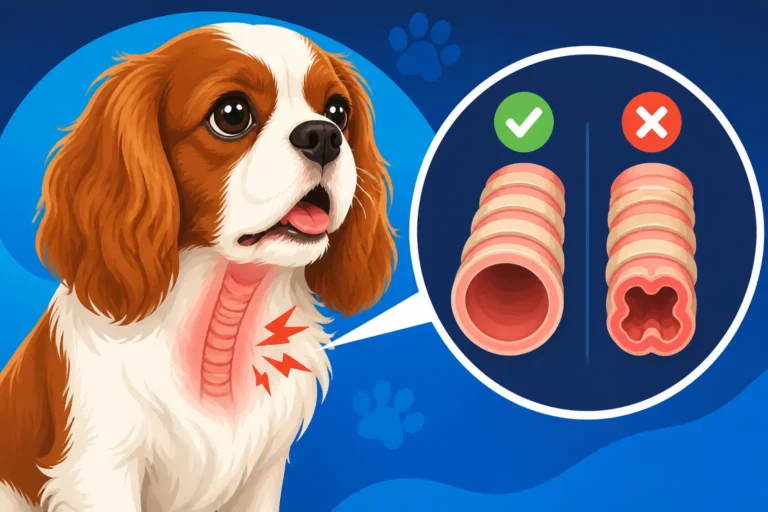
One significant area to consider is respiratory health. Although Cavaliers aren't as severely brachycephalic (short-nosed) as some other breeds, they can still experience issues like tracheal collapse or narrowing airways. If your dog is struggling to get enough oxygen with each breath, even a short burst of activity can feel like an Olympic effort. You might notice a honking cough, particularly when they pull on the leash, or hear raspy breathing during exercise. These issues can be exacerbated by excitement or warmer temperatures, making outdoor activities more challenging.
Another common culprit is pain. Cavaliers are unfortunately predisposed to various orthopedic and neurological problems. Conditions like luxating patellas (slipping kneecaps), hip dysplasia, or even early arthritis can make walking uncomfortable or downright painful. Imagine if your knee ached with every step; you wouldn't be eager for a long walk either. What's more, the breed is highly susceptible to Syringomyelia and Chiari Malformation in Cavaliers, a painful neurological condition where the skull is too small for the brain, causing fluid-filled cysts to form in the spinal cord. While classic signs include phantom scratching or yelping when picked up, chronic neck or back pain from SM can absolutely lead to a reluctance to move, making them tire easily as their body tries to compensate for the discomfort. Sometimes, it's not the exertion itself, but the pain during exertion that makes them stop. Recognizing Cavalier Knees, Hips and Joint Problems is a crucial part of understanding their overall mobility.
Age and Weight: Natural Slowdowns
Sometimes, the reasons for fatigue can be more straightforward, though no less concerning. Both age and weight can play a significant role in how well your Cavalier tolerates exercise.
As Cavaliers age, just like us, their bodies naturally slow down. Their joints might not be as supple, their muscles not as strong, and their overall energy levels can decrease. A senior Cavalier, especially one Caring for a Cavalier Past Nine, might genuinely tire faster than their younger self. However, it's a fine line between normal aging and an underlying health problem. We should never just assume it's "just age" without a vet check. Many age-related issues are manageable, and early diagnosis can significantly improve their quality of life. For instance, an older dog might develop mild arthritis that, while not life-threatening, makes walks uncomfortable, and medication or supplements could make a world of difference.
Then there's weight. Cavaliers have an adorable knack for looking perpetually hungry, and it’s all too easy to let those extra pounds creep on. But even a few extra pounds on a small breed like a Cavalier can put immense strain on their heart, lungs, and joints. An overweight Cavalier has to work harder to move its body, its heart has to pump harder to supply blood to the increased tissue mass, and its joints bear a greater load, leading to quicker fatigue. This can create a vicious cycle: they tire easily, so they exercise less, which leads to more weight gain, and so on. Understanding Cavalier Weight Gain and What It Costs the Heart is critical, as it contributes significantly to reduced stamina and puts extra strain on an already vulnerable organ.
Investigating the Root Cause with Your Vet
When you notice your Cavalier tiring on short walks, the most important first step is a thorough veterinary examination. Don't delay, as early diagnosis can make a significant difference in managing many of these conditions. Your vet is your best partner in uncovering why your beloved companion is struggling.
The Initial Vet Examination and What to Expect
Your first visit will likely involve a comprehensive physical exam. Your veterinarian will typically start by taking a detailed history from you. Be prepared to discuss when you first noticed the fatigue, what activities trigger it, if there are any other symptoms (like coughing, panting, limping, or changes in appetite/thirst), and any recent changes in their routine or environment. This information is invaluable. For example, if you notice they cough more at night, that's a key piece of information for heart disease.
During the physical exam, your vet will carefully listen to your Cavalier's heart and lungs. This is where a heart murmur might be detected, which is often the first indicator of MVD. They’ll also check their gums for color (pale gums can indicate anemia or poor circulation), feel their pulse, check their lymph nodes, and palpate their abdomen. A thorough orthopedic exam will assess their joints, range of motion, and look for any signs of pain or instability. They might gently manipulate your Cavalier’s neck and back to check for tenderness, which could point to issues like Syringomyelia. Don't be surprised if your vet suggests a baseline blood panel and urinalysis. These tests can rule out systemic issues like anemia, kidney disease, or thyroid problems, all of which can contribute to generalized weakness and fatigue. Remember, a thorough initial check-up is the foundation of getting answers.
Advanced Diagnostics: Uncovering Hidden Issues
If the initial physical exam and baseline bloodwork don't provide a clear answer, or if they point towards a specific area of concern, your vet will likely recommend more advanced diagnostics. This is where things can get a little more in-depth, but it’s crucial for an accurate diagnosis.
For suspected heart issues, a referral to a veterinary cardiologist for an echocardiogram is often the next step. This non-invasive ultrasound of the heart allows the specialist to visualize the heart's structure and function in real-time. They can see how well the valves are working, measure the size of the heart chambers, and assess the efficiency of blood flow. An echo scan will confirm the presence and severity of MVD and determine if the heart is enlarged or if there's any fluid buildup in the lungs. Learning What a Cavalier Echocardiogram Shows is fundamental to understanding the extent of heart disease. Sometimes, chest X-rays are also performed to look for an enlarged heart silhouette or fluid in the lungs, which is indicative of congestive heart failure.
If pain or neurological issues are suspected, especially with symptoms that hint at Syringomyelia and Chiari Malformation in Cavaliers, an MRI scan is often recommended. This advanced imaging technique provides incredibly detailed images of the brain and spinal cord, allowing specialists to detect the presence of syringomyelia or other spinal abnormalities that could be causing pain and reluctance to move. It’s a more involved procedure, usually requiring anesthesia, but it's often the only way to definitively diagnose these complex neurological conditions. In cases of orthopedic pain, X-rays of the affected joints (hips, knees, elbows) can help identify arthritis, hip dysplasia, or luxating patellas.
Timing is Everything: Early Detection Matters
It might sound cliché, but with many of the conditions that affect Cavaliers, early detection truly can be a game-changer. Waiting until symptoms are severe often means the disease has progressed to a point where management is more challenging and outcomes may be less favorable.
For instance, with MVD, catching it early allows your vet to monitor its progression and potentially start medications, like Pimobendan, at the optimal time, even before your Cavalier is in full-blown heart failure. This can significantly slow the disease's advancement and improve their quality of life. Regular check-ups, even if your Cavalier seems fine, are essential for catching problems before they become crises. This is why many responsible Cavalier owners prioritize Annual Cardiologist Exams for a Cavalier, even for dogs without a diagnosed murmur.
Similarly, identifying conditions like Syringomyelia or arthritis early means you can implement pain management strategies sooner, preventing chronic discomfort and potentially slowing the progression of joint damage. Don't underestimate the subtle signs. If your Cavalier is suddenly reluctant to jump on the sofa, climb stairs, or just seems less enthusiastic about their walk, pay attention. These small changes are your Cavalier's way of telling you they need help. Investing in their health early, and perhaps considering pet insurance plans like those offered by Healthy Paws, can make a huge difference in managing the potentially high costs of diagnostics and long-term care when The Bills That Land Once a Cavalier's Heart Fails become a reality. It's much easier to manage a condition when it's caught in its nascent stages than when it’s an emergency.
| Symptom | Potential Cause(s) | Common Diagnostic Tests |
|---|---|---|
| Tiring easily on walks | MVD, Respiratory issues, Pain, Obesity, Anemia | Physical exam, Auscultation |
| Coughing, heavy panting | MVD, Tracheal collapse, Respiratory disease | Chest X-ray, Echocardiogram |
| Limping, stiffness | Arthritis, Luxating patella, Hip dysplasia, SM pain | Orthopedic exam, X-rays, MRI |
| Reduced enthusiasm | Pain, MVD, General malaise, Age, Anxiety | Full vet workup, Behavioral assessment |
| Weight gain | Overfeeding, Lack of exercise, Metabolic issues | Physical exam, Weight check, Blood work |
Supporting Your Cavalier Through Their Challenges
Once you and your vet have identified why your Cavalier is tiring on walks, the next crucial step is implementing a supportive care plan. This isn't just about medication; it’s a holistic approach to ensuring their comfort, managing their condition, and maximizing their quality of life.
Adjusting Exercise Routines and Environment
Understanding your Cavalier’s limitations is paramount. If heart disease or a painful orthopedic condition is the culprit, pushing them to exercise beyond their comfort zone can be detrimental, even dangerous. Instead of striving for long, vigorous walks, focus on shorter, more frequent outings that match their current capacity. For a Cavalier with MVD, this might mean several 5-10 minute sniff walks throughout the day rather than one 30-minute power walk. The goal is enjoyment and mental stimulation, not physical exertion. Whether Exercise Is Safe for a Cavalier With MVD depends entirely on their current stage of disease and veterinary advice.
Consider the environment too. On hot, humid days, exercise tolerance can plummet for any dog, but especially for those with heart or respiratory issues. Schedule walks for cooler parts of the day – early mornings or late evenings. If your Cavalier struggles with stairs, invest in ramps for beds or sofas, or simply carry them to avoid unnecessary strain. A comfortable, supportive dog bed can also make a huge difference for aching joints or a body that tires easily. Providing mental enrichment through puzzle toys, scent games, or short training sessions indoors can satisfy their need for activity without overtaxing their physical body.
Nutritional Support and Weight Management
Diet plays a critical role in managing many health conditions that lead to fatigue. If your Cavalier is overweight, reducing their caloric intake and slowly increasing appropriate exercise (as advised by your vet) is fundamental. Even a small amount of weight loss can significantly reduce the strain on their heart and joints, improving their stamina. Your vet might recommend a specific weight-management diet that is lower in calories but still provides all essential nutrients.
For Cavaliers with heart disease, a low-sodium diet is often recommended to help manage fluid retention. Your vet might prescribe a therapeutic cardiac diet, or you may need to carefully select commercial foods with reduced sodium. Always consult your vet or a veterinary nutritionist before making significant dietary changes, especially for a dog with a complex health condition. They can guide you on portion sizes, appropriate food choices, and whether any supplements (like omega-3 fatty acids for joint health or specific cardiac supplements) might be beneficial. Remember, healthy treats are key; those high-calorie biscuits can quickly add up. Making dietary adjustments, especially when considering Whether Diet Slows a Cavalier's Heart Disease, must always be done under professional guidance.
Managing Pain and Discomfort
If pain is limiting your Cavalier’s activity, effective pain management is crucial. This can involve a combination of approaches. Your veterinarian might prescribe anti-inflammatory medications (NSAIDs) for arthritis or other musculoskeletal pain. For neurological pain from Syringomyelia, drugs like Gabapentin are often used. These medications don't cure the underlying condition, but they can significantly improve comfort, allowing your Cavalier to move more freely and enjoy their shorter walks without distress.
Beyond medication, complementary therapies can also be incredibly helpful. Physical therapy, hydrotherapy (swimming in a heated pool), acupuncture, or even therapeutic massage can improve mobility, reduce pain, and strengthen muscles without putting excessive strain on their body. These modalities are often best when guided by a certified canine rehabilitation specialist. Even simple things at home, like providing soft bedding, ensuring easy access to food and water without needing to stretch or jump, and using a comfortable harness instead of a collar (especially for dogs with neck pain), can make a big difference in their daily comfort levels. Consistently managing their pain allows them to engage more with life and move around without dreading the next step.
Long-Term Care and Living Well
Supporting a Cavalier who tires easily is an ongoing commitment. It requires patience, diligence, and a proactive approach to their health. But with the right care, your companion can still live a happy, fulfilling life, even with their challenges.
The Importance of Regular Monitoring
Once a diagnosis is made, regular follow-up appointments with your veterinarian or specialist are essential. For heart disease, this often means repeat echocardiograms or chest X-rays to monitor the progression of the disease and adjust medications as needed. For neurological or orthopedic conditions, ongoing assessments of pain levels and mobility will guide treatment strategies. These appointments are not just about checking in; they are vital for staying ahead of any changes in their condition.
At home, you become the primary monitor. Pay close attention to any changes in your Cavalier’s breathing (e.g., counting their resting respiratory rate), energy levels, appetite, or willingness to engage. Keeping a detailed log of their symptoms and medication administration can be incredibly helpful for your vet. Subtle shifts can indicate that their condition is worsening or that their medication needs adjusting. For instance, if you notice an increase in coughing, or if they seem even more tired, that's a sign to contact your vet promptly. This proactive monitoring can prevent minor issues from escalating into emergencies. Knowing How Long a Cavalier Lives After Diagnosis often hinges on vigilant monitoring and timely intervention.
Emotional Support for You and Your Dog
Living with a Cavalier who has a chronic health condition, especially one that limits their activity, can be emotionally challenging for both of you. It's tough to see your once-vibrant dog struggle. Remember, your Cavalier picks up on your emotions, so try to remain calm and positive. Continue to engage with them through gentle play, cuddles, and plenty of praise. They still need mental stimulation and affection, perhaps even more so now.
For owners, it's normal to feel worried, frustrated, or even guilty. Seek support from online communities of Cavalier owners, veterinary staff, or pet support groups. Sharing experiences and getting advice from others who understand can be incredibly comforting. Remember to celebrate the good days and be patient on the harder ones. While your routine may have changed, your bond remains as strong as ever. And having robust pet insurance coverage, perhaps from a provider like Healthy Paws, can alleviate some of the financial stress, allowing you to focus more on your Cavalier's emotional and physical well-being without constant worry about costs.
Proactive Planning for Their Future
Thinking ahead is a crucial part of long-term care. This includes discussing potential future interventions with your vet, such as medication adjustments, advanced treatments, or even hospice care options. Understand the typical progression of your Cavalier’s specific condition and what to expect as they age or as the disease advances. This knowledge empowers you to make informed decisions when the time comes.
Consider financial planning as well. Chronic conditions often involve ongoing medication costs, special diets, and regular vet visits. If you don't already have pet insurance, researching providers like Healthy Paws for potential future needs (keeping in mind existing conditions won't be covered) or setting up a dedicated savings fund can provide peace of mind. Knowing What a Cavalier Costs a Year Before Any Heart Bills can help you budget, but understanding that those costs can escalate significantly once health issues arise is also important. Having a plan in place for vet visits, medications, and potential emergency care can greatly reduce stress during difficult times. This foresight ensures you can continue to provide the best possible care for your beloved Cavalier throughout their journey.
Disclaimer
This article is for general informational purposes only and does not constitute professional advice. Laws, prices and regulations vary by location and change over time. Consult a qualified professional for guidance on your specific situation.