What a Cavalier Costs a Year Before Any Heart Bills
Bringing a Cavalier King Charles Spaniel into your life is one of the most heartwarming experiences imaginable, but it’s also a significant financial commitment many new owners underestimate. Beyond the initial purchase price, the ongoing costs of providing a loving, healthy home for these sweet, soulful dogs can quickly add up, even before facing the breed's common health challenges. This comprehensive guide will walk you through the annual expenses you can realistically expect for your Cavalier, focusing on routine care before any potential heart disease or other major medical bills enter the picture.
The Sticker Shock vs. Ongoing Reality: Understanding Cavalier Costs
It's so easy to get caught up in the excitement of choosing a puppy, and most of us focus heavily on that initial purchase price. We save up, maybe even stretch our budget a little, and then we think the biggest hurdle is over. But the truth is, the cost of the puppy itself is often just the tip of the iceberg when it comes to lifetime ownership. Cavaliers, like all dogs, require consistent, ongoing financial investment for their well-being, and it’s these day-to-day and annual expenses that truly define the long-term cost of pet parenthood. Neglecting these seemingly smaller costs can lead to much larger problems down the line, both for your wallet and your beloved companion's health.
Puppy Purchase Price as Context
While this guide focuses on annual costs after the initial purchase, it’s worth a quick mention that the price of a Cavalier puppy from a reputable, health-testing breeder can range significantly. You might expect to pay anywhere from $2,500 to $4,000, and sometimes even more, depending on your location, the breeder's reputation, and the puppy's lineage. Many first-time owners are shocked by this figure, especially when they see ads for much cheaper puppies online. However, that higher initial investment often covers extensive health screenings for the parents, proper nutrition, early socialization, and initial veterinary care for the puppies – all of which lay a crucial foundation for a healthier future. You can learn more about what to expect by reading about The Price Range Cavalier Breeders Actually Quote. This upfront cost, while substantial, is essentially a one-time fee to bring your new family member home. The real financial journey begins the moment they walk through your door.
First-Year Setup Costs Beyond the Puppy Itself
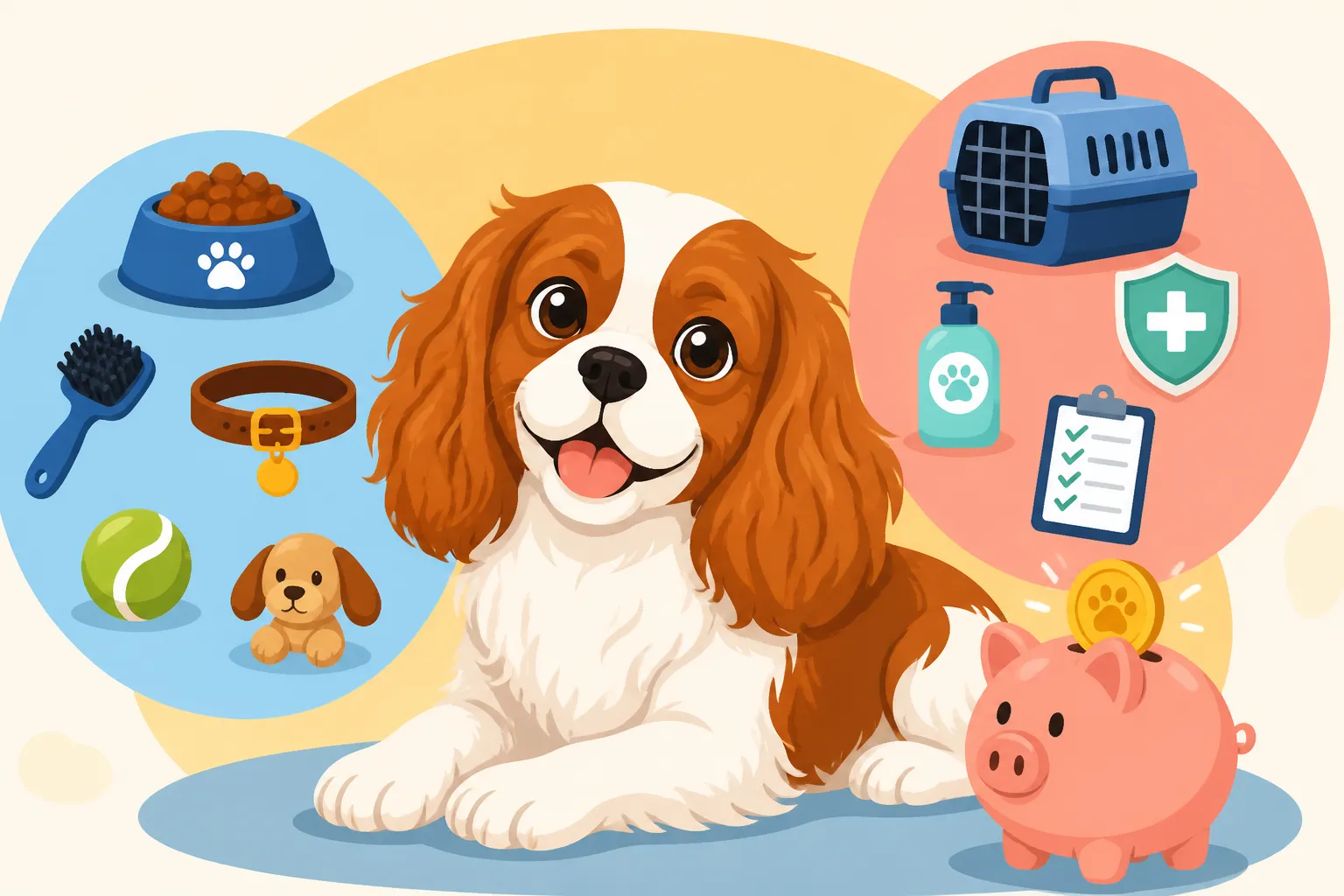
The first year with a Cavalier is often the most expensive, even without major medical issues. There's a whole host of essentials you need to buy to make your new puppy feel safe, comfortable, and well-cared for. Think of it like setting up a nursery for a human baby – you wouldn't just bring them home with nothing! For a Cavalier puppy, you'll need a suitable crate for training and safe sleeping, a comfy dog bed or two (one for the crate, one for the living room, perhaps), food and water bowls, a leash and harness, a variety of toys for chewing and play, and basic grooming tools like a brush and nail clippers.
Beyond the physical items, the first year also involves a series of critical veterinary visits. Puppies require a series of vaccinations to protect them from common diseases, deworming treatments, and typically a microchip for identification. Many vets also recommend a fecal test to check for intestinal parasites. These initial vet bills, combined with all the gear, can easily add another $500 to $1,000, if not more, to your first-year budget. It’s important to budget for these upfront costs carefully. A comprehensive checklist like the one found in Setting Up for a Cavalier Puppy's First Weeks can be incredibly helpful in preparing for everything you’ll need.
Annual Food Bills for a Growing Cavalier
Food is one of those expenses that continues year after year, and it’s an area where cutting corners can genuinely impact your Cavalier's health. These aren't huge dogs, but they still require a balanced, nutritious diet to thrive. The quality of food you choose, how much your individual Cavalier eats, and any special dietary needs can all affect your annual food budget.
Choosing Quality Kibble or Fresh Food
When it comes to feeding your Cavalier, you generally have a few main options: high-quality kibble, wet food, or fresh/raw food diets. A good quality kibble, formulated for small breeds, can cost anywhere from $30 to $60 per month, sometimes more for premium brands or those with limited ingredients. For a Cavalier that weighs around 15 pounds, you might go through a 15-20lb bag of kibble every 4-6 weeks. Brands like Purina Pro Plan, Royal Canin, or Hills Science Diet are popular and well-regarded for their nutritional completeness.
However, many owners are now opting for fresh-delivered food services, which have grown significantly in popularity. Companies like Ollie, for instance, offer customized meal plans delivered right to your door, made with human-grade ingredients. While these options tend to be more expensive, often ranging from $60 to $120+ per month for a small dog like a Cavalier, many owners feel the health benefits are worth the investment. The precise cost will depend on your Cavalier's specific calorie needs, which can vary based on age, activity level, and whether they are prone to gaining weight. It's a common struggle, as Why a Cavalier Gains Weight So Easily is a real concern for many owners.
The Cost of Treats and Supplements
Beyond their main meals, most Cavaliers enjoy a regular supply of treats, whether for training, dental health, or just as a way to show affection. It’s important to choose treats wisely, especially considering Cavaliers can be prone to weight gain and cardiac issues where sodium intake needs to be monitored. A bag of high-quality training treats can cost $5-$15 and might last a few weeks to a month, depending on how generous you are and how often you train. Dental chews, which are excellent for maintaining oral hygiene between professional cleanings, can be another $10-$30 per month.
Before any specific health diagnoses, you might also consider general wellness supplements like a joint support supplement as they get older, or a fish oil for coat health. These can add another $15-$40 to your monthly budget. While not always strictly necessary for a young, healthy Cavalier, they can be beneficial. It’s important to remember that every extra bit of food and every supplement adds to the overall annual cost. You can get more specific guidance on portion control and type of food in articles like Feeding a Cavalier on Fifteen Pounds.
Routine Veterinary Care and Preventative Health
One of the most crucial annual expenses for any dog owner is routine veterinary care. This isn't just about reacting when your Cavalier is sick; it's about proactive health management that can prevent serious issues and ensure a long, happy life. Even before any specialized cardiac or neurological care becomes necessary, there's a baseline of preventative measures every Cavalier needs.
Annual Wellness Exams and Vaccinations
Every year, your Cavalier will need a comprehensive wellness exam with your veterinarian. This visit typically includes a physical examination, where the vet checks their weight, teeth, ears, eyes, and listens to their heart and lungs. For a Cavalier, this annual heart check-up is particularly important, as heart murmurs can develop quietly. Although we're talking about costs before heart bills, this routine check is the first line of defense. These annual exams usually cost between $50 and $150, depending on your location and veterinary practice.
During this visit, your Cavalier may also require booster vaccinations to maintain immunity against diseases like distemper, parvovirus, adenovirus, and rabies. Depending on the vaccine schedule your vet recommends and local regulations, these can add another $50-$150 to the annual bill. Blood work may also be recommended, particularly as your Cavalier enters middle age, to establish baseline health parameters. This can add $100-$200 or more to your annual vet visit. Staying on top of Routine Vet Bills for a Cavalier is paramount for their long-term health.
Flea, Tick, and Heartworm Prevention
Parasite prevention is non-negotiable for a Cavalier's health. Fleas, ticks, and heartworms pose serious risks, and preventing them is much easier and less costly than treating an infestation or disease. Monthly or quarterly preventative medications are standard.
- Flea and Tick Prevention: This can come in various forms: oral tablets, topical treatments, or collars. Depending on the product and your dog's weight, you can expect to pay $15-$40 per month, or $180-$480 annually. Brands like Bravecto, NexGard, or Frontline are commonly prescribed. Given their long, flowing coats and propensity for outdoor sniffing, ensuring your Cavalier is protected is vital.
- Heartworm Prevention: Heartworm disease is transmitted by mosquitoes and can be fatal if left untreated. Monthly oral medications are the most common form of prevention, costing around $10-$25 per month, or $120-$300 annually. Many heartworm preventatives also include dewormers for common intestinal parasites. Before starting heartworm prevention, most vets require an annual heartworm test, which adds another $30-$50 to your bill.
Considering these essential preventatives, you're looking at an annual cost of $300-$780 just for keeping nasty parasites at bay. Many reputable online pet pharmacies and retailers like Chewy offer these medications, often with a discount for purchasing a year's supply at once.
Grooming Essentials for That Silky Coat
Cavaliers are renowned for their beautiful, silky coats and expressive feathered ears. While not as high-maintenance as some long-haired breeds, they still require regular grooming to prevent mats, maintain skin health, and keep them looking and feeling their best. Neglecting their coat can quickly lead to painful tangles and skin issues.
Professional Grooming Appointments
Even if you do a lot of at-home grooming, many Cavalier owners opt for professional grooming every 6-8 weeks. A professional groomer can give your Cavalier a thorough bath, blow-dry, brush-out, trim feathering on the feet and ears, and perform essential nail trims and ear cleaning. This is particularly beneficial for keeping those long, drop ears clean and free from excess hair that can trap moisture and lead to infections, a common issue for Cavaliers.
The cost of a professional groom for a Cavalier can vary based on your location, the groomer's experience, and the specific services requested. You can expect to pay anywhere from $60 to $100 per session. If you adhere to an every-eight-week schedule, that translates to about 6-7 grooms per year, costing between $360 and $700 annually. While the breed standard states a Cavalier should not be trimmed, many owners opt for a sanitary trim, or a slight tidy of the feet and hocks, which a good groomer can do without changing the natural look of the coat. For more details on this, you might explore Professional Grooming Rates for a Cavalier.
At-Home Grooming Supplies and Maintenance
To keep your Cavalier's coat in tip-top condition between professional grooms, you'll need a selection of at-home grooming tools and products. This is where you can save a bit of money, but it requires consistent effort.
Essential supplies include:
- Slicker brush and metal comb: Essential for daily brushing to remove loose hair and prevent mats, especially behind the ears, armpits, and feathering. Initial cost: $20-$40, lasts years.
- Shampoo and conditioner: Choose products specifically formulated for dogs. A good quality set might cost $15-$30 and last several months.
- Nail clippers or grinder: Keeping nails trimmed prevents discomfort and paw issues. Cost: $10-$25, lasts years.
- Ear cleaner: Especially important for Cavaliers with their floppy ears, to prevent ear infections. Cost: $10-$20 per bottle, lasts a few months.
- Dental toothbrush and toothpaste: Daily brushing is the gold standard for dental health. Cost: $10-$20 for a set, lasts a few months. Learning about The Age a Cavalier Needs Its First Dental highlights the importance of this care.
Beyond the initial purchase of tools, your ongoing cost for at-home grooming supplies might be around $5-$10 per month for shampoo, conditioner, and ear cleaner, totaling $60-$120 annually. Investing time in regular brushing, at least three times a week, can prevent costly mat removal fees at the groomer and keep your Cavalier comfortable.
Training, Socialization, and Enrichment
A well-adjusted Cavalier isn't just about good health; it's also about good behavior and mental well-being. Investing in training, socialization, and providing enriching activities is crucial, especially in the early years, and these contribute to your annual costs. Cavaliers are intelligent and eager to please, but they still need guidance.
Puppy Classes and Basic Obedience
Puppy classes are invaluable for early socialization and teaching foundational manners. These classes not only help your Cavalier learn basic commands like sit, stay, and come, but also expose them to other puppies and people in a controlled environment, which is vital for developing a confident, friendly demeanor. A typical puppy class series (4-6 weeks) can cost $150-$250.
Even after puppy class, you might opt for further obedience training or specific behavior modification classes if your Cavalier develops certain habits. For example, if your Cavalier struggles with being left alone, a common trait for "Velcro dogs" like Cavaliers, specialized training or even a session with a behaviorist might be needed to address Living With a Cavalier That Panics When Alone. Private sessions can be much more expensive, often $75-$150 per hour. While not necessarily an annual cost for every dog, budgeting for potential training needs, especially in the first few years, is wise.
Toys, Chews, and Mental Stimulation
Cavaliers, despite their cuddly nature, are still spaniels at heart and need mental and physical stimulation. A variety of toys and chews can keep them engaged, prevent boredom, and redirect chewing away from your furniture.
- Toys: Soft plush toys, squeaky toys, and durable chew toys are all popular. You might spend $10-$30 a month replacing worn-out toys or introducing new ones to keep things interesting. Buying from retailers like Chewy can often get you good deals on bundles or subscription boxes.
- Puzzle toys: These are fantastic for mental enrichment, challenging your Cavalier to figure out how to get a treat. They can range from $15-$40 and often last a long time.
- Chews: Safe, appropriate chews like bully sticks or dental chews are important for dental health and satisfy their natural urge to chew. Cost: $10-$20 per month.
Providing a steady supply of engaging toys and chews not only keeps your Cavalier happy but can also prevent destructive behaviors that stem from boredom. Annually, this category could cost you $120-$360, depending on how often you buy new items.
Pet Insurance: An Ounce of Prevention (Before the Pounds of Cure)
This is one of the most significant line items to consider before major health issues arise, especially for a breed like the Cavalier King Charles Spaniel, known for certain predispositions. Pet insurance doesn't prevent illness, but it can make the financial burden of unexpected accidents or illnesses much more manageable.
Understanding Policy Costs and Coverage
The cost of pet insurance for a Cavalier can vary widely based on factors like your location, the policy provider, the deductible you choose, the reimbursement percentage, and the annual payout limit. For a young, healthy Cavalier, you might expect to pay anywhere from $30 to $70 per month for a comprehensive accident and illness plan. This translates to $360 to $840 annually.
Policies generally cover unexpected accidents (like a broken leg) and illnesses (like an ear infection, or later, heart disease if it's not pre-existing). Some plans offer wellness add-ons for routine care like exams and vaccinations, but these often don't provide as much value as the accident and illness coverage. It's crucial to compare different providers and plans. Companies like Healthy Paws are popular for their comprehensive coverage options. You can read more about what to expect with monthly premiums by looking at What a Cavalier Policy Costs Monthly.
Why Early Enrollment is Crucial for Cavaliers
For Cavaliers, enrolling in pet insurance when they are young and healthy is arguably one of the best financial decisions you can make. The reason is simple: pre-existing conditions. If your Cavalier develops a heart murmur, Syringomyelia, or any other breed-specific condition before you have insurance, that condition (and any related treatments) will likely be excluded from coverage. Given that The Age a Cavalier Murmur Usually Appears can be quite young, getting coverage early is vital.
By enrolling your Cavalier puppy, say at 8-12 weeks old, you ensure that future breed-specific conditions are covered, provided they haven't shown any symptoms during the waiting period. This is why resources like Enrolling a Cavalier Puppy Before Any Symptoms strongly advocate for early pet insurance. While it adds to your annual budget, it provides immense peace of mind and can save you thousands, if not tens of thousands, of dollars if your Cavalier does face a serious health challenge later in life.
Miscellaneous and Unexpected Annual Expenses
Beyond the major categories, there are always those smaller, often overlooked expenses that add up over the course of a year. These are the "hidden" costs of pet ownership that can sometimes catch new owners off guard, but they're important for a well-rounded budget.
Licensing, Daycare, and Pet Sitting
- Licensing: Most municipalities require annual dog licensing. This typically costs $10-$20 per year and ensures your dog can be identified if lost. Some areas offer discounts for spayed/neutered dogs.
- Daycare: If you work long hours or travel occasionally, dog daycare can be a lifesaver for a Cavalier, especially given their social nature and tendency towards separation anxiety. A full day of daycare can cost $25-$50. Even if you only use it once a month, that's $300-$600 annually. For dogs that truly thrive on constant companionship, knowing about Why Cavaliers Are Called Velcro Dogs underscores the need for such options.
- Pet Sitting/Boarding: When you go on vacation, you'll need someone to care for your Cavalier. A pet sitter who visits your home might charge $20-$40 per visit, while boarding kennels can range from $30-$70 per night. If you take just one 7-day vacation a year, that's an additional $210-$490.
These services might not be for everyone, but they are crucial for many working or traveling Cavalier owners and should be factored into the budget.
Emergency Fund for Minor Issues
Even with the best preventative care and pet insurance (which usually has a deductible), minor unexpected issues can pop up. A sudden upset stomach that needs a vet visit, a cut paw, or a mysterious rash could easily lead to a $100-$300 bill. While pet insurance might cover some of this (after your deductible), having a small emergency fund specifically for these "oops" moments is always a good idea.
Many financial experts recommend having $500-$1000 set aside for pet emergencies. While this isn't an "annual cost" in the traditional sense, maintaining this fund or replenishing it if you have to dip into it, should be an ongoing financial goal. This fund acts as a buffer for anything that falls outside your regular budget and prevents you from going into debt for unexpected care.
Here’s a summary of estimated annual costs for a healthy Cavalier before any major heart bills:
| Category | Low End (Annual Estimate) | High End (Annual Estimate) |
|---|---|---|
| Food & Treats | $400 | $1,500 |
| Quality Kibble/Fresh Food | $360 | $1,200 |
| Treats & Minor Supplements | $40 | $300 |
| Routine Vet Care | $400 | $900 |
| Annual Exam & Vaccinations | $100 | $300 |
| Flea, Tick, Heartworm Prev. | $300 | $600 |
| Grooming | $420 | $820 |
| Professional Groomer (6-7x) | $360 | $700 |
| At-Home Supplies | $60 | $120 |
| Training & Enrichment | $120 | $600 |
| Puppy Classes (first year) | $150 (initial) | $250 (initial) |
| Toys, Chews, Puzzles | $120 | $360 |
| Pet Insurance | $360 | $840 |
| Miscellaneous | $100 | $1,100 |
| Licensing | $10 | $20 |
| Daycare/Pet Sitting | $0 (if not used) | $1,000 (if frequent) |
| Total Annual Estimate | $1,400 | $5,760 |
Note: This table excludes the initial puppy purchase price and major first-year setup costs (crate, bed, bowls, etc.) and does not include an emergency fund, which is a savings goal rather than a direct annual expense.
As you can see, the costs are substantial, even for a healthy Cavalier. Being prepared for these ongoing expenses is key to providing your beloved companion with the best possible care and ensuring a long, happy, and financially stress-free life together.
Disclaimer
This article is for general informational purposes only and does not constitute professional advice. Laws, prices and regulations vary by location and change over time. Consult a qualified professional for guidance on your specific situation.