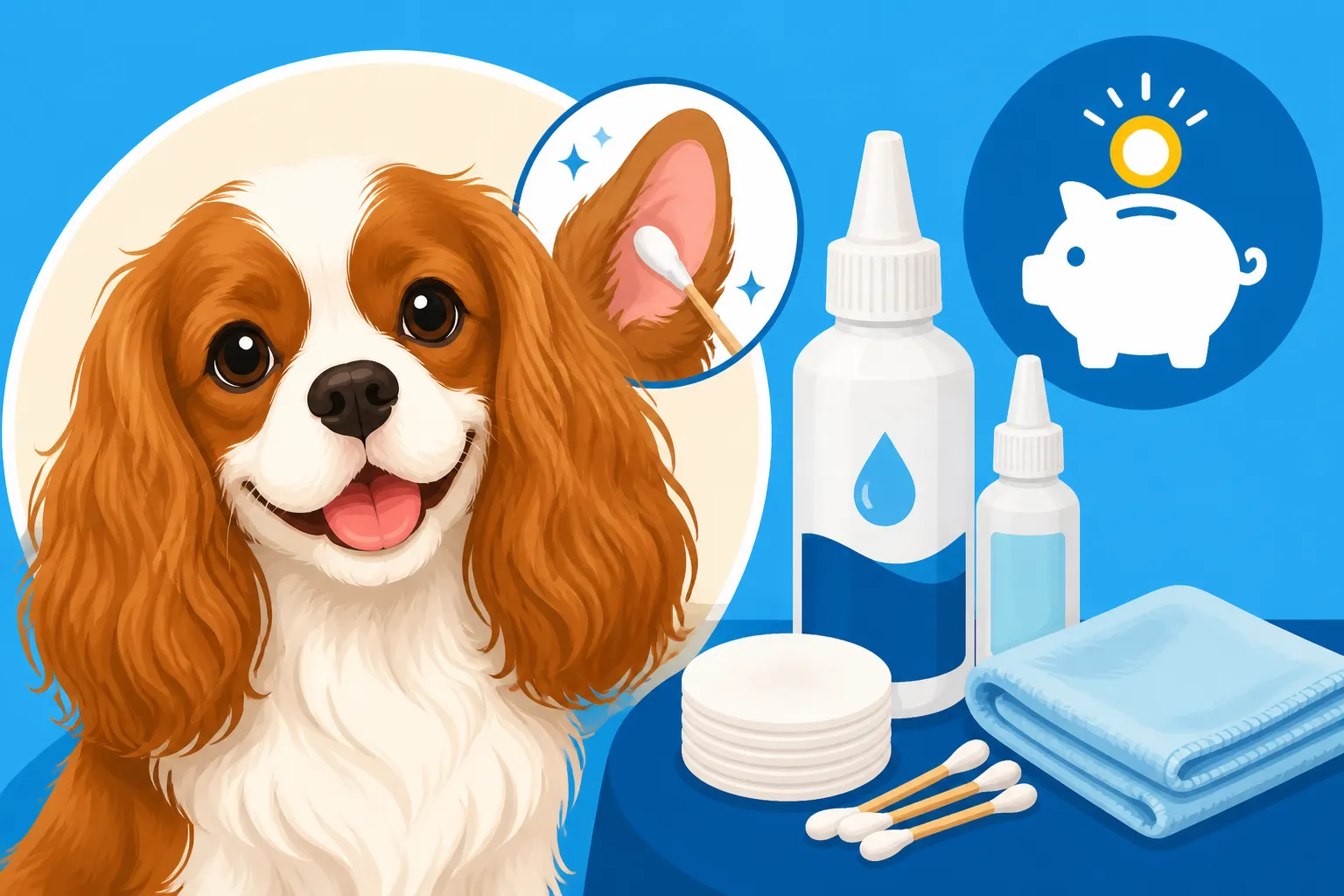
Cavalier Ear Cleaning Supplies as a Standing Cost
One of the most common, and often frustrating, issues Cavalier King Charles Spaniel owners face is the persistent challenge of ear care. Those gorgeous, silky drop ears are a hallmark of the breed, but they are also incredibly efficient at trapping moisture, dirt, and debris, creating a perfect breeding ground for bacteria and yeast. This often leads to recurrent ear infections, which are not only uncomfortable for our beloved companions but also a continuous expense. Understanding the various Cavalier ear cleaning supplies and budgeting for their ongoing cost is absolutely crucial to keeping your Cavalier comfortable and healthy. This guide will walk you through everything you need to know about proactive ear care, the essential supplies, and how to manage the associated costs.
Why Cavalier Ears Need Special Attention
If you've ever owned a Cavalier, you know their ears are a defining feature. They're long, silky, and hang gracefully, framing their sweet faces. But what makes them beautiful also makes them prone to problems. It's a classic example of form and function creating a challenge, and as responsible Cavalier parents, we need to understand why.
The Anatomy of a Cavalier's Ear
Unlike breeds with upright ears, a Cavalier's ear canal is completely covered by a heavy, fur-laden ear flap. This creates a warm, dark, and often humid environment. Imagine wearing earmuffs all the time – that's essentially what our Cavaliers experience. The ear canal itself is L-shaped, making it difficult for natural airflow to dry out moisture or for debris to easily exit. This design, combined with the dense feathering around and inside the ear, means that dust, pollen, and even water from a bath or a puddle can get trapped deep within. This lack of ventilation is the primary reason why Cavaliers are so susceptible to ear issues. You can learn more about Why a Cavalier's Drop Ears Trap Infection.
Beyond the external structure, some Cavaliers can also have narrower ear canals genetically, which exacerbates the problem. This combination of factors means that even seemingly minor irritants can quickly escalate into full-blown infections. It’s not just about what gets in, but what doesn't get out.
Common Ear Problems in Cavaliers
Given their ear anatomy, Cavaliers are unfortunately prone to a range of ear problems. The most common culprit is otitis externa, which is inflammation of the external ear canal. This can be caused by bacteria, yeast (often a species called Malassezia), or a combination of both. You'll notice signs like excessive scratching, head shaking, a foul odor emanating from the ear, redness, swelling, or a discharge that can range from waxy to pus-like. A common symptom is your Cavalier constantly shaking their head or rubbing their ears on furniture or your leg.
Allergies, both environmental (like pollen or dust mites) and food-related, often manifest as ear infections in Cavaliers. If your dog frequently gets ear infections, it’s worth investigating potential allergies with your vet, as treating the underlying allergy can significantly reduce the frequency of ear problems. Mites are another, albeit less common, cause, particularly in puppies or dogs from less-than-ideal breeding situations. Foreign bodies, like grass seeds, can also occasionally work their way down the canal and cause acute, painful infections. Addressing these issues swiftly is crucial, not just for comfort but to prevent the condition from becoming a chronic ear disease and potentially affecting your Cavalier's hearing.
The Role of Preventative Cleaning
This is where you, the vigilant Cavalier owner, come in. Regular, proactive ear cleaning is your best defense against these frustrating and painful infections. By routinely cleaning your Cavalier's ears, you remove accumulated wax, dirt, and any trapped moisture, thereby disrupting the ideal environment for bacterial and yeast overgrowth. Think of it as brushing their teeth – it's a preventative measure that saves a lot of trouble down the line. Many owners don't realize that simply looking at the ear isn't enough; you need to get into the ear canal safely.
A consistent cleaning schedule, tailored to your individual dog's needs, can drastically reduce the incidence of ear infections. Some Cavaliers might need their ears cleaned weekly, especially if they swim or have known allergies, while others might only require it every two to three weeks. The key is consistency and knowing what a healthy Cavalier ear looks like so you can spot changes early. Early detection and prevention are far less stressful, and certainly less expensive, than treating a full-blown infection.
Essential Cavalier Ear Cleaning Supplies
Now that we understand why ear cleaning is so important for our Cavaliers, let's talk about the what. Having the right tools and solutions on hand makes the process easier for both you and your furry friend. Don't underestimate the impact of good quality supplies.
Ear Cleaning Solutions: What to Look For
The ear cleaning solution is arguably the most critical component of your ear care arsenal. You can't just use water or rubbing alcohol; these can cause irritation or dry out the delicate skin in the ear canal. A good ear cleaning solution for Cavaliers should be gentle, pH-balanced, and effective at dissolving wax and debris without causing irritation. Many high-quality solutions contain ingredients that help break down wax, dry the ear canal, and even have mild antiseptic properties to discourage microbial growth.
Look for solutions recommended by veterinarians. Common active ingredients include salicylic acid, lactic acid, and boric acid, which help acidify the ear canal and inhibit bacteria and yeast. Some solutions also contain aloe vera or witch hazel for soothing properties. Avoid products with harsh alcohols, perfumes, or strong detergents, as these can irritate sensitive Cavalier ears and actually make problems worse. Always choose a solution specifically formulated for dogs. Products like Epi-Otic, TrizUltra, or Zymox ear cleanser are popular choices often recommended by vets, and you can often find these and other options through retailers like Chewy, which can be convenient for ordering and getting them delivered right to your door.
Tools for Effective and Gentle Cleaning
Beyond the cleaning solution, you'll need a few other tools to ensure a thorough yet gentle cleaning process. Cotton balls or large cotton pads are indispensable for wiping away loosened debris and excess solution. You'll want to avoid small cotton swabs, also known as Q-tips, because they can push debris further into the ear canal, potentially rupturing the eardrum or causing irritation. Think about it: you want to remove things, not compact them.
Instead of cotton swabs for deeper cleaning, some owners use gauze wrapped around a finger. This allows you to gently wipe the visible parts of the ear canal and folds without pushing anything deeper. For dogs with a lot of hair inside their ear canals, a pair of blunt-tipped tweezers might be useful for plucking, but this should only be done if you're comfortable and your vet advises it. Many solutions do not require plucking, and excessive plucking can actually cause irritation that leads to more problems. Always have some clean, dry towels on hand as well, because ear cleaning can get a little messy, especially if your Cavalier decides to do a vigorous head shake mid-process!
Cotton vs. Wipes vs. Gauze
Let's break down the pros and cons of these common wiping tools:
| Tool Type | Pros | Cons | Best Use Case |
|---|---|---|---|
| Cotton Balls | Soft, absorbent, readily available, inexpensive. | Can leave fibers behind, less effective for deep crevices. | Wiping external ear flap, absorbing excess solution. |
| Cotton Pads | Larger surface area, less likely to leave fibers than balls, absorbent. | Still not ideal for reaching into deep folds of the inner ear. | General wiping, pre-soaking with cleaner for light application. |
| Ear Wipes | Pre-moistened with cleaner, convenient, often textured for better grip. | Can be more expensive, may contain ingredients unsuitable for sensitive ears, less control over saturation. | Quick cleanings, travel, between deeper cleanings. |
| Gauze Pads | Stronger, more textured for grabbing debris, can be wrapped around a finger for better control. | Can be slightly abrasive if not used gently, less absorbent than cotton. | Reaching visible folds of the outer ear canal, removing stubborn wax. |
For most routine cleanings, a combination of cotton pads/balls for the outer ear and gauze wrapped around a finger for the accessible inner folds works wonderfully. Ear wipes can be a fantastic convenience for quick clean-ups between full cleaning sessions or for travel, but always check the ingredients to ensure they are gentle and appropriate for your Cavalier's sensitive ears. Remember, the goal is always gentle cleaning; aggressive scrubbing will do more harm than good.
Understanding the Ongoing Costs of Ear Care
It's easy to focus on the upfront cost of a puppy, but responsible Cavalier ownership involves understanding the standing costs that continue throughout their lives. Ear care, while seemingly minor, adds up and needs to be factored into your budget.
Initial Investment vs. Recurring Expenses
When you first bring home a Cavalier puppy, your initial ear care investment will likely be a bottle of vet-approved ear cleaner and a bag of cotton balls or gauze pads. This might run you a relatively small amount, but this isn't a one-and-done purchase. The reality of Cavalier Ear Infections and Why They Recur is that these supplies are a recurring expense.
A standard bottle of ear cleaning solution, depending on brand and size, might last a few months with regular use. Cotton balls, pads, or wipes are also continuously consumed. Think of it like buying shampoo or toothbrushes for yourself – it’s just part of routine hygiene. While these individual purchases might seem small, they are a consistent line item in your pet care budget. If your Cavalier has chronic issues or requires specialized prescription cleansers, these costs can be higher. This is part of What a Cavalier Costs a Year Before Any Heart Bills, and it's important to be realistic about it.
Budgeting for Routine Ear Maintenance
Creating a specific budget for your Cavalier's ear care is a smart move. An average bottle of ear cleaner might cost you one price, and cotton another. If you clean your Cavalier's ears weekly, that bottle might last two to three months. Over a year, this means 4-6 bottles of cleaner plus the accompanying cotton. Some owners opt for larger, more economical sizes of solution if their dog requires frequent cleaning. Subscribing to auto-ship programs from retailers like Chewy can also sometimes offer discounts and ensures you never run out, preventing gaps in your routine that could lead to problems.
It’s not just the supplies, though. Factor in potential vet visits for check-ups or if an infection does crop up despite your best efforts. Even a routine vet visit to check ears can incur an examination fee. If your Cavalier needs regular prescription ear drops, these costs escalate further. Considering all these elements helps in Budgeting a Cavalier From Puppy to Senior, ensuring you're prepared for the ongoing commitment to their health.
When Preventative Care Isn't Enough: Unexpected Costs
Despite the most diligent preventative care, some Cavaliers will still develop ear infections. This is often due to underlying issues like allergies, deeper anatomical quirks, or particularly stubborn bacteria/yeast strains. When an infection takes hold, the costs can quickly climb beyond basic cleaning supplies. A trip to the veterinarian is typically required for diagnosis and treatment.
This usually involves:
- Veterinary Examination: The initial consultation fee.
- Ear Swab and Cytology: The vet will take a sample from the ear canal and examine it under a microscope to identify the type of bacteria or yeast present, which dictates the appropriate medication.
- Prescription Ear Medication: These can be drops, ointments, or even long-acting gels that are applied once. The cost varies significantly depending on the medication and the duration of treatment.
- Oral Medications: In severe cases, or if allergies are a factor, your vet might prescribe oral antibiotics, antifungals, or anti-inflammatory drugs.
- Follow-up Visits: Often, follow-up appointments are necessary to ensure the infection has cleared completely.
These unexpected costs can easily run into hundreds of dollars per incident. If your Cavalier experiences several infections a year, this becomes a significant financial burden. This is precisely why pet insurance, even before symptoms emerge, can be a game-changer. Companies like Healthy Paws can help offset these unexpected veterinary bills, turning a large, sudden expense into a manageable monthly premium. It's a wise consideration for any Cavalier owner, especially given their breed-specific health predispositions.
Choosing the Right Products for Your Cavalier
With so many ear cleaning products on the market, it can feel overwhelming to pick the right one for your Cavalier. It’s not a one-size-fits-all situation, and what works for one dog might not be ideal for another, especially with sensitive Cavaliers.
Veterinary-Recommended vs. Over-the-Counter Options
When it comes to ear cleaning solutions, you'll find a wide array of options both at your local pet store and directly from your veterinarian. Generally, veterinary-recommended products tend to be formulated with specific canine ear health in mind, often with ingredients that are proven to be effective and gentle. Your vet has seen countless ear infections and knows which products perform best and are least likely to cause irritation. They can also recommend solutions tailored to your Cavalier's specific needs, such as if they have very waxy ears, oily ears, or are prone to yeast.
Over-the-counter options can be perfectly adequate for routine maintenance in a healthy ear. However, it’s always a good idea to chat with your vet before introducing any new product, especially if your Cavalier has a history of sensitivity or infections. Some generic brands might contain fragrances or dyes that can trigger an adverse reaction in a sensitive ear. When in doubt, defer to your veterinarian's expertise – they are your best resource for keeping your Cavalier healthy. They can also help clarify if you're dealing with just dirt, or if you might be telling Syringomyelia Against Ear Pain in a Cavalier, which requires very different intervention.
Reading Labels and Ingredient Lists
Becoming a savvy label-reader is a superpower for Cavalier owners. When selecting an ear cleaning solution, flip that bottle over and scrutinize the ingredient list. As mentioned earlier, look for gentle, pH-balanced formulas. Ingredients like salicylic acid, lactic acid, boric acid, and witch hazel are generally well-regarded for their cleaning and drying properties. Aloe vera can be soothing.
Conversely, be wary of products with high concentrations of alcohol (which can be very drying and irritating), hydrogen peroxide (which can also be too harsh and bubbly, potentially pushing debris deeper), or strong perfumes. If you see a long list of unpronounceable chemicals and artificial colorings, you might want to reconsider. A good rule of thumb is "less is more" when it comes to additives, especially for a sensitive area like the ear canal. If your Cavalier has a known allergy or sensitivity, definitely check for those specific culprits in the ingredient list.
Where to Purchase Your Supplies (and Save Money)
You have several avenues for purchasing ear cleaning supplies, and each offers different benefits.
- Your Veterinarian's Office: Often the most convenient for vet-recommended and prescription-strength cleansers. While sometimes slightly more expensive, you get the benefit of direct recommendation and quality assurance.
- Pet Supply Stores: Stores like Petco or PetSmart carry a range of over-the-counter ear cleaners, cotton products, and wipes. You can often find a good selection here, but remember to read those labels.
- Online Retailers: Websites like Chewy and Amazon offer a vast selection, often at competitive prices, and the convenience of home delivery. This is particularly useful for bulk purchases or auto-ship options, which can save you money in the long run. If you consistently use a specific brand, setting up an auto-shipment can be a smart move, ensuring you always have your Ear Cleaner Costs for a Cavalier covered without last-minute trips.
- Pharmacies: Some human pharmacies might carry certain veterinary ear care products, especially if they have a dedicated pet section.
To save money, compare prices online and offline. Look for sales, discounts, or loyalty programs. Buying larger sizes of frequently used products can also be more economical. However, never compromise on quality for the sake of a few dollars; a cheap, irritating product could lead to an expensive vet bill.
Integrating Ear Care into Your Cavalier's Routine
Getting your Cavalier to cooperate for ear cleaning is half the battle. With patience, positive reinforcement, and a consistent schedule, it can become a calm, even pleasant, part of your routine.
Establishing a Regular Cleaning Schedule
Consistency is key to effective preventative ear care. For most Cavaliers, a weekly or bi-weekly ear cleaning schedule is ideal. However, this isn't rigid. If your Cavalier swims frequently, plays in dirty environments, or has known allergies that flare up seasonally, you might need to increase the frequency. Conversely, if your Cavalier rarely has issues and their ears stay remarkably clean, you might be able to stretch it to every three weeks.
The important thing is to pick a schedule and stick to it. Choose a quiet time when your Cavalier is relaxed, perhaps after a walk or a cuddle session. Make it part of a larger grooming routine that might also include Brushing a Cavalier's Feathering Three Times a Week or nail trims. This helps your dog associate ear cleaning with other familiar, non-threatening activities. Consistency not only maintains ear health but also builds your dog's trust and tolerance for handling.
Making Ear Cleaning a Positive Experience
No dog enjoys having things squirted into their ears, but you can make the experience as positive as possible. The goal is to avoid turning it into a wrestling match, which will only make future cleanings harder.
- Start Young: If you have a puppy, start introducing ear handling early, even if it's just gently lifting their ear flaps and offering a treat.
- Positive Reinforcement: High-value treats are your best friend here! Offer a treat before, during (if possible), and immediately after the cleaning. Lots of praise and gentle petting also go a long way.
- Gentle Approach: Be calm and reassuring. Speak in a soothing voice. Avoid any sudden movements or harsh actions. The process should be gentle from start to finish.
- Short Sessions: Especially in the beginning, keep cleaning sessions brief. Focus on one ear if your dog is tolerant, then do the other later if needed. Gradually increase the duration as they become more comfortable.
- Proper Technique:
- Gather all supplies beforehand.
- Hold your Cavalier gently but firmly.
- Lift the ear flap to expose the ear canal.
- Apply the cleaning solution directly into the ear canal until it's full. Don't be shy – you need to fill it!
- Massage the base of the ear gently for about 30 seconds. You should hear a squishing sound. This helps break up wax and debris.
- Allow your Cavalier to shake their head (have a towel ready!). This brings loosened debris to the surface.
- Use cotton balls or gauze wrapped around your finger to gently wipe away any visible solution and debris from the external ear flap and the entrance to the ear canal. Never insert anything deep into the canal.
- Repeat on the other ear.
- Finish with more praise and treats!
Remember, you're not just cleaning ears; you're building a positive association with handling, which is invaluable for vet visits and other grooming needs throughout your Cavalier's life. This is especially true for delicate procedures like Getting Drops Into a Cavalier's Ear Canal if medication is ever needed.
Signs It's Time for a Vet Visit
While diligent home cleaning is crucial, it's equally important to know when to call in the professionals. Home cleaning is for prevention and maintenance, not for treating active infections. If you notice any of the following signs, it's time to schedule an appointment with your veterinarian:
- Persistent Head Shaking or Ear Scratching: If your Cavalier is constantly shaking their head, pawing at their ears, or rubbing them against furniture, it's a clear indicator of discomfort.
- Foul Odor: A strong, yeasty, or otherwise unpleasant smell coming from the ear is a classic sign of infection.
- Redness or Swelling: Inspect the inside of the ear flap and the visible part of the ear canal. Any redness, inflammation, or swelling warrants a vet visit.
- Discharge: Any discharge, whether it's dark brown and waxy, yellow, or pus-like, is a sign of an active problem.
- Pain: If your Cavalier cries out, pulls away, or shows aggression when you touch their ears, they are likely in pain.
- Behavioral Changes: Lethargy, loss of appetite, or general irritability can sometimes accompany a painful ear infection.
- Lack of Improvement: If you've been cleaning regularly and still see recurring issues, or if an ear infection you're trying to manage with over-the-counter methods isn't improving, it's time for professional diagnosis and treatment.
Ignoring these signs can lead to more severe, chronic conditions, potentially affecting your Cavalier's hearing or even requiring surgical intervention in extreme cases of Chronic Ear Disease and Cavalier Hearing Loss. Early intervention is always best for both your dog's well-being and your wallet.
Disclaimer
This article is for general informational purposes only and does not constitute professional advice. Laws, prices and regulations vary by location and change over time. Consult a qualified professional for guidance on your specific situation.