Whether Full Registration Raises a Cavalier’s Price
Many prospective Cavalier King Charles Spaniel owners quickly discover that the price tag for these sweet, loving dogs can vary wildly. One of the most confusing factors often thrown into the mix is the mention of "full" versus "limited" registration, leaving many wondering if this paperwork truly adds to the cost and, more importantly, why. This guide aims to clear up that confusion, diving deep into what these registration types mean for your wallet and your future with a Cavalier.
Understanding AKC Registration for Your Cavalier
When you're looking for a purebred Cavalier King Charles Spaniel, the term "AKC registration" is something you'll hear often. AKC stands for the American Kennel Club, and it's the primary registry for purebred dogs in the United States. Registration essentially means that your dog's lineage is recorded and recognized by the AKC, confirming it's a purebred Cavalier descended from other registered Cavaliers. However, there are two distinct types of registration, and understanding the difference is crucial, not just for price, but for your expectations as a dog owner.
Limited Registration Explained: Your Companion Cavalier
Limited registration is by far the most common type of registration for Cavaliers sold as family pets, and it's what most responsible breeders prefer for their companion puppies. With limited registration, your Cavalier is recognized as a purebred, and you receive an AKC registration certificate that documents its pedigree. This means you can register your dog, participate in companion events like obedience, rally, or agility trials (which are fantastic ways to bond and engage your Cavalier!), and proudly know your dog's heritage.
The key restriction with limited registration, however, is that any offspring your Cavalier produces cannot be registered with the AKC. Furthermore, a limited registered Cavalier cannot compete in conformation shows, which are events where dogs are judged on how well they conform to the breed standard. This limitation is primarily a tool used by ethical breeders to ensure that only the best, most health-tested, and temperamentally sound Cavaliers are considered for breeding programs. It protects the breed from indiscriminate breeding and helps maintain health and quality.
Full Registration Explained: For Breeding and Showing Aspirations
Full registration, on the other hand, grants the owner all the rights that limited registration offers, plus the ability to register any puppies produced by that Cavalier with the AKC. It also allows the dog to compete in conformation shows. This type of registration is almost exclusively reserved for individuals who intend to responsibly breed or show their Cavalier King Charles Spaniel, with a deep understanding of the breed standard, genetics, and health testing protocols.
A breeder will typically only consider offering full registration to another experienced, reputable breeder who has demonstrated a commitment to improving the breed. This isn't just about collecting a higher price; it's about safeguarding the future of the breed and ensuring that their carefully bred lines continue in responsible hands. It also places a significant responsibility on the buyer, who must then uphold the high standards of breeding that the original breeder has maintained.
The True Cost Factors Beyond Registration
While registration type plays a role, it's really just one piece of a much larger puzzle when it comes to a Cavalier's price. The truly significant cost factors stem from the breeder's dedication to health, temperament, and the overall well-being of their dogs. When you see a higher price tag for a Cavalier, especially from a reputable source, it's often a reflection of these investments, not just a piece of paper.
Health Testing and Its Impact on Price
The most crucial factor influencing a Cavalier's price is the extent of health testing performed on the parents. Cavaliers are prone to several serious inherited conditions, notably Mitral Valve Disease (MVD), Syringomyelia (SM), and certain eye and joint problems. Responsible breeders invest heavily in screening their breeding dogs for these issues. This includes regular cardiac exams by a board-certified cardiologist, MRI scans for Syringomyelia, OFA certifications for hips and patellas, and eye exams by a veterinary ophthalmologist. Each of these tests costs hundreds, sometimes thousands, of dollars per dog, and they are often repeated annually or biannually.
A puppy from parents with comprehensive, clear health clearances is significantly less likely to develop these debilitating conditions early in life. This translates to fewer heartaches and potentially massive savings on vet bills down the line for you. For example, treating conditions like MVD can cost thousands over a Cavalier's lifetime, including medications like Pimobendan for a Cavalier with an enlarged heart and repeated cardiologist visits. It's a prime example of "you get what you pay for" – investing in a healthy puppy upfront saves you in the long run.
Breeder Experience and Ongoing Support
Another often overlooked value embedded in a Cavalier's price is the breeder's experience, knowledge, and the ongoing support they provide. A truly dedicated breeder isn't just someone who puts two dogs together; they are mentors, educators, and a lifetime resource. They invest countless hours in researching pedigrees, understanding genetics, raising puppies in a stimulating environment, and socializing them appropriately before they go to their new homes. They screen potential buyers rigorously to ensure their puppies go to suitable families.
This level of dedication is invaluable. They'll be there to answer your questions about everything from feeding and house-training to minor health concerns. This support can be especially comforting for first-time dog owners or those new to the Cavalier breed. This kind of relationship ensures that you're not just buying a dog, but gaining a supportive community and expert guidance, which is far more valuable than a simple transaction.
Geographic and Regional Variations in Pricing
Just like real estate, the cost of a Cavalier King Charles Spaniel can vary depending on where you live. Breeders in areas with a higher cost of living or strong demand for the breed may naturally charge more. For instance, Cavalier puppy prices in New York and Massachusetts might be higher than in a more rural state simply due to overhead costs and market dynamics. This isn't necessarily a reflection of quality, but rather a factor of local economics.
Conversely, a very low price in any region should be a massive red flag. Extremely cheap Cavaliers often come from puppy mills or backyard breeders who cut corners on health testing, proper nutrition, and veterinary care. These savings for the breeder are passed on as future health problems and emotional distress for the buyer. It's crucial to understand that reputable breeders dedicate significant time, money, and effort to their dogs, and their pricing reflects that investment.
Why Full Registration Often Costs More
When a breeder decides to offer a Cavalier puppy with full AKC registration, they are essentially giving up control over the puppy's future offspring and show potential. This decision isn't taken lightly, and it almost always comes with a higher price tag, sometimes significantly so. There are several clear reasons why this pricing structure exists, all rooted in protecting the breed and the breeder's investment.
The Breeder's Investment in Future Generations
A Cavalier puppy with full registration has the potential to become a parent itself, contributing to future generations of the breed. Reputable breeders spend years, sometimes decades, carefully cultivating their lines. They select breeding pairs based on extensive health clearances, excellent temperaments, and conformation to the breed standard. This involves significant financial outlay for champion titles, health screenings (like those for Mitral Valve Disease in the Cavalier King Charles Spaniel), high-quality food, expert veterinary care, and more.
When they grant full registration, they are entrusting a piece of this carefully built legacy to someone else. The increased cost for full registration accounts for the lost potential income if that dog were to produce offspring for the original breeder, and it acts as a premium for allowing another party to utilize their valuable genetics. It's a reflection of the dog's value not just as a pet, but as a potential contributor to the breed's future.
Protecting the Breed Standard and Health Commitments
The most profound reason for the higher cost of full registration, and why it's so rarely offered, is the breeder's commitment to protecting the Cavalier King Charles Spaniel breed standard and its health. When a dog is bred, those puppies carry forward the genetic traits of their parents. An irresponsible breeding decision can introduce health problems or undesirable characteristics into the breed pool, undoing years of careful work by ethical breeders.
By selling a puppy with limited registration, breeders ensure that only puppies from their carefully selected, health-tested breeding stock contribute to the AKC registry. Offering full registration means the breeder must have absolute confidence that the buyer shares the same dedication to health, ethics, and breed preservation. The higher price acts as a deterrent for casual breeders and signals a serious investment from the buyer in upholding these critical standards. For anyone serious about contributing to the breed, understanding The Cavalier MVD Breeding Protocol is non-negotiable, and the cost reflects this inherited responsibility.
Potential for Financial Gain and Loss for the Buyer
From the perspective of a buyer, acquiring a Cavalier with full registration means they have the potential to breed and sell puppies, or campaign the dog in conformation shows to earn titles. These activities, if successful and done correctly, can generate income or prestige. However, this is a double-edged sword. Becoming a reputable breeder or successful show handler requires immense time, effort, and significant financial investment.
The higher initial cost for full registration reflects this potential for financial gain, but also covers the inherent risk for the original breeder if the buyer does not follow ethical breeding practices. It's not a guarantee of profit, but rather an entry fee into a world that demands considerable expertise, resources, and dedication. Most individuals who purchase a Cavalier only want a loving companion and have no intention of breeding, which makes limited registration the appropriate and more cost-effective choice.
Making the Right Choice for Your Family
Deciding whether to pursue a Cavalier with full or limited registration is a significant choice, and it really boils down to your ultimate goals for your new family member. For most families, a loving companion is the priority, and the complexities of breeding or showing at a competitive level aren't even on the radar.
Assessing Your Intentions: Pet Companion vs. Show/Breeding Aspirations
Before you even start looking at puppies, sit down and honestly evaluate why you want a Cavalier. Are you dreaming of a loyal, cuddly friend to share your life with, go on walks, and snuggle on the sofa? If so, limited registration is absolutely perfect for you. This kind of Cavalier is no less a purebred, no less beautiful, and no less capable of being the best dog you've ever had. In fact, most breeders would prefer to place their companion puppies on limited registration to prevent accidental or irresponsible breeding.
However, if your ambition is to delve into the competitive world of dog showing, specifically conformation, or if you aspire to become a reputable breeder yourself, then full registration would be necessary. This path requires a deep commitment to understanding the breed standard, genetics, health, and responsible breeding practices. It’s a huge undertaking that goes far beyond simply loving dogs.
The Pitfalls of Breeding Without Knowledge
It's a common misconception that breeding dogs is an easy way to make money or that it's simple to do. The reality couldn't be further from the truth. Breeding without extensive knowledge of genetics, health clearances, potential hereditary diseases like Syringomyelia and Chiari Malformation in Cavaliers, and proper puppy rearing is incredibly risky, expensive, and often results in unhealthy or poorly socialized puppies. The initial purchase price of a fully registered Cavalier is just the first drop in an ocean of expenses and responsibilities.
Consider the costs of repeated health screenings for both parents, potential emergency C-sections, meticulous puppy care, vaccinations, and proper socialization, not to mention the emotional toll if something goes wrong. If you aren't prepared for the financial and emotional commitment of a responsible breeding program, purchasing a fully registered Cavalier with the intent to breed can quickly become a regrettable and costly mistake. Most ethical breeders prefer to avoid these scenarios entirely by placing companion dogs on limited registration.
Seeking a Reputable Breeder: The Importance of Transparency
Regardless of your registration preference, the single most important step in acquiring a Cavalier is to find a reputable breeder. A good breeder will be transparent about their health testing protocols, their breeding practices, and why they choose limited versus full registration for their puppies. They will openly discuss their health certifications, explain The Heart Testing a Cavalier Breeder Must Do, and show you the paperwork for the parents.
They should also be interviewing you as much as you're interviewing them, ensuring their puppies are going to responsible, loving homes. Expect a well-written contract that outlines health guarantees and clarifies the terms of registration. Don't be swayed by a lower price tag from a breeder who can't provide extensive health clearances or seems evasive about their practices. Websites like the AKC Marketplace can be a starting point, but always do your due diligence, ask for references, and verify health certifications directly.
The "Hidden" Costs of Cheap Cavaliers
It's tempting to look for a bargain, especially when the cost of a Cavalier King Charles Spaniel can feel substantial. However, when it comes to living beings, particularly those prone to complex health conditions, a low upfront price almost always translates into significant "hidden" costs down the line. A cheap Cavalier often becomes the most expensive dog you'll ever own, both financially and emotionally.
Untested Parents and Future Vet Bills
The most significant "hidden" cost of a cheap Cavalier comes from parents who haven't undergone proper health testing. When a breeder skips vital screenings for conditions like Mitral Valve Disease or Syringomyelia, they save money, which allows them to sell puppies at a lower price. However, these genetic predispositions don't disappear; they're simply passed on to the puppies, often manifesting later in life.
Imagine adopting a puppy for half the price of a responsibly bred one, only to face thousands of dollars in veterinary bills later for cardiac medications, specialized diets, or neurological treatments. For example, a Cavalier with advanced heart disease might require daily medication, frequent cardiologist visits, and even emergency care, as detailed in our guide on The Bills That Land Once a Cavalier's Heart Fails. These costs can easily dwarf the initial savings on the purchase price. Pet insurance, from providers like Healthy Paws, can help, but pre-existing conditions (like a murmur that appears before coverage begins) are usually not covered.
Health Guarantees and Comprehensive Contracts
Reputable breeders stand behind their puppies and typically offer comprehensive health guarantees, often for one to three years against serious genetic health issues. These guarantees might cover congenital defects or hereditary diseases, offering a level of protection and peace of mind. A breeder offering full registration would have even more stringent guarantees and expectations for how the dog is cared for. These contracts are a sign of a breeder's confidence in their breeding program and their commitment to their puppies' well-being.
Breeders who offer cheap Cavaliers often have weak or non-existent health guarantees. If a puppy becomes ill shortly after coming home, you might be left entirely responsible for all veterinary expenses, with no recourse. This difference in protection alone can justify a higher upfront cost from a reputable source. Always insist on a written contract and review it thoroughly before committing to a puppy.
The Emotional Toll of a Sick Puppy
Beyond the financial strain, dealing with a sick or genetically compromised puppy takes an immense emotional toll. The joy of bringing a new Cavalier home can quickly turn into anxiety, stress, and heartbreaking decisions. Watching your beloved companion suffer from a preventable condition is a deeply painful experience. This emotional burden is perhaps the greatest "hidden" cost of choosing a cheap Cavalier from an irresponsible source.
It's a frustration that many owners have faced: the desire to save money leading to years of expensive care and constant worry. When considering Whether a Cavalier Is Worth Three Thousand Dollars, remember that you're investing in health, longevity, and peace of mind. While no breeder can guarantee a dog will never have health issues, a responsible breeder significantly reduces the risk, allowing you to focus on the love and companionship your Cavalier offers. You can find quality food and supplies from places like Chewy, or even specialized diets from Ollie, but none of these can fully compensate for poor genetics.
Navigating the Cavalier Market and Making Informed Choices
The journey to finding your perfect Cavalier King Charles Spaniel can feel overwhelming, especially with the wide range of prices and registration options. Remember that the ultimate goal is to bring home a healthy, well-adjusted companion who will enrich your life for many years. Prioritizing a reputable breeder who focuses on health, temperament, and ethical practices will always be the wisest investment, far outweighing any initial savings from a less scrupulous source.
Researching Breeder Ethics and Practices
Before you even ask about pricing or registration, dedicate significant time to researching breeder ethics and practices. Look for breeders who are transparent about their dogs' health histories, provide extensive health clearances for both parents, and are actively involved in breed clubs. They should be eager to talk about their breeding philosophy and answer all your questions. A great question to ask is, "Why Cavalier Breeders Wait Until Five to Breed," as this indicates a serious commitment to heart health screening.
Good breeders often have waiting lists, which is a positive sign, indicating high demand for their well-bred puppies. They will also typically have clean, safe environments for their dogs and puppies, which you should ideally see in person or via video call. Avoid any breeder who pushes for a quick sale, offers multiple breeds, or can't provide verifiable health documentation. These are often warning signs at a Cavalier breeding kennel.
What to Ask About Health Documentation
When speaking with a breeder, always ask for specific health documentation. For heart health, ask to see current cardiologist clearances (ideally from a board-certified veterinary cardiologist) for both parents, including echocardiogram results. For Syringomyelia, ask for MRI reports. Additionally, inquire about OFA (Orthopedic Foundation for Animals) certifications for hips and patellas, and current eye certifications from a veterinary ophthalmologist.
A responsible breeder will not only have these documents but will be happy to explain what they mean. They might even provide a copy of Reading a Cavalier Puppy's Health Certificates. Don't be shy about requesting these records. It's your right as a prospective owner to ensure you're making an informed decision about your future companion's health.
The Value of Early Socialization and Environment
Beyond genetics and health, the environment in which a Cavalier puppy is raised plays a critical role in its temperament and future behavior. Reputable breeders invest heavily in early socialization, exposing puppies to various sights, sounds, people, and experiences in a safe and positive way. This includes handling the puppies regularly, introducing them to household noises, and beginning early potty training.
A well-socialized puppy is more likely to be confident, friendly, and adaptable, making the transition to your home much smoother. This early investment by the breeder contributes significantly to the puppy's overall value, as it helps prevent future behavioral issues that can be time-consuming and costly to address.
| Feature | Limited AKC Registration | Full AKC Registration |
|---|---|---|
| Purpose | Companion pet only | Breeding and/or conformation showing |
| Breeding Rights | No AKC-registrable offspring allowed | AKC-registrable offspring allowed |
| Conformation Showing | Not permitted | Permitted |
| Companion Events | Permitted (Obedience, Agility, Rally) | Permitted (Obedience, Agility, Rally) |
| Price | Generally lower | Generally significantly higher |
| Breeder Availability | Widely offered for pet homes | Rarely offered, usually only to approved, experienced breeders |
| Associated Responsibilities | Responsible pet ownership | Responsible breeding and adherence to breed standards |
| Value to Owner | Purebred documentation, pet activities | Purebred documentation, breeding rights, show potential |
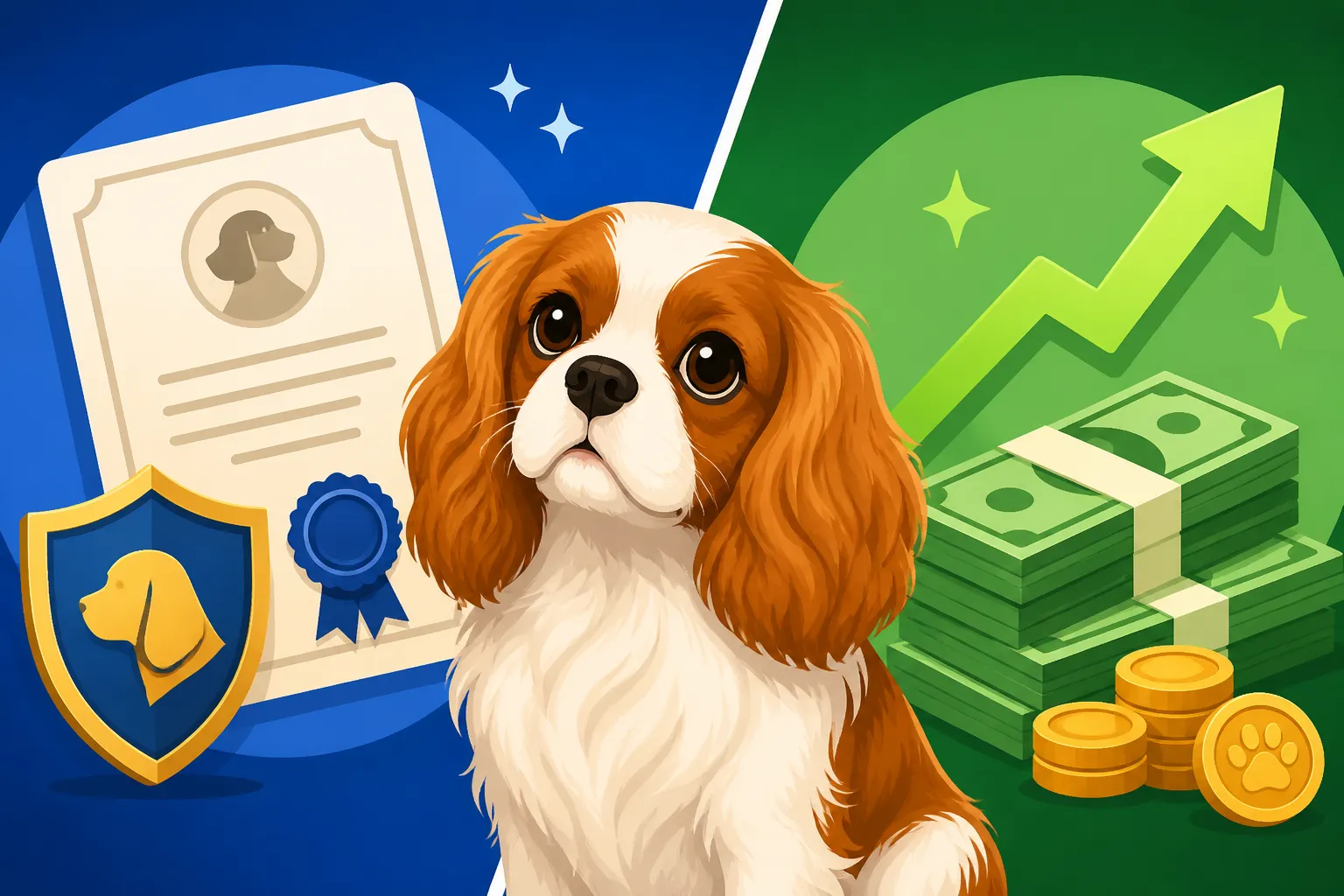
Ultimately, whether full registration raises a Cavalier's price is unequivocally yes. However, for most families seeking a cherished pet, limited registration is the appropriate and responsible choice, often associated with a slightly lower, but still significant, price that reflects a breeder's commitment to health and quality.
Disclaimer
The information provided in this article is for general informational purposes only and does not constitute veterinary advice. Always consult with a qualified veterinarian or veterinary specialist for any health concerns or before making any decisions about your pet's care.