Emergency Visits for a Cavalier in Fluid Overload
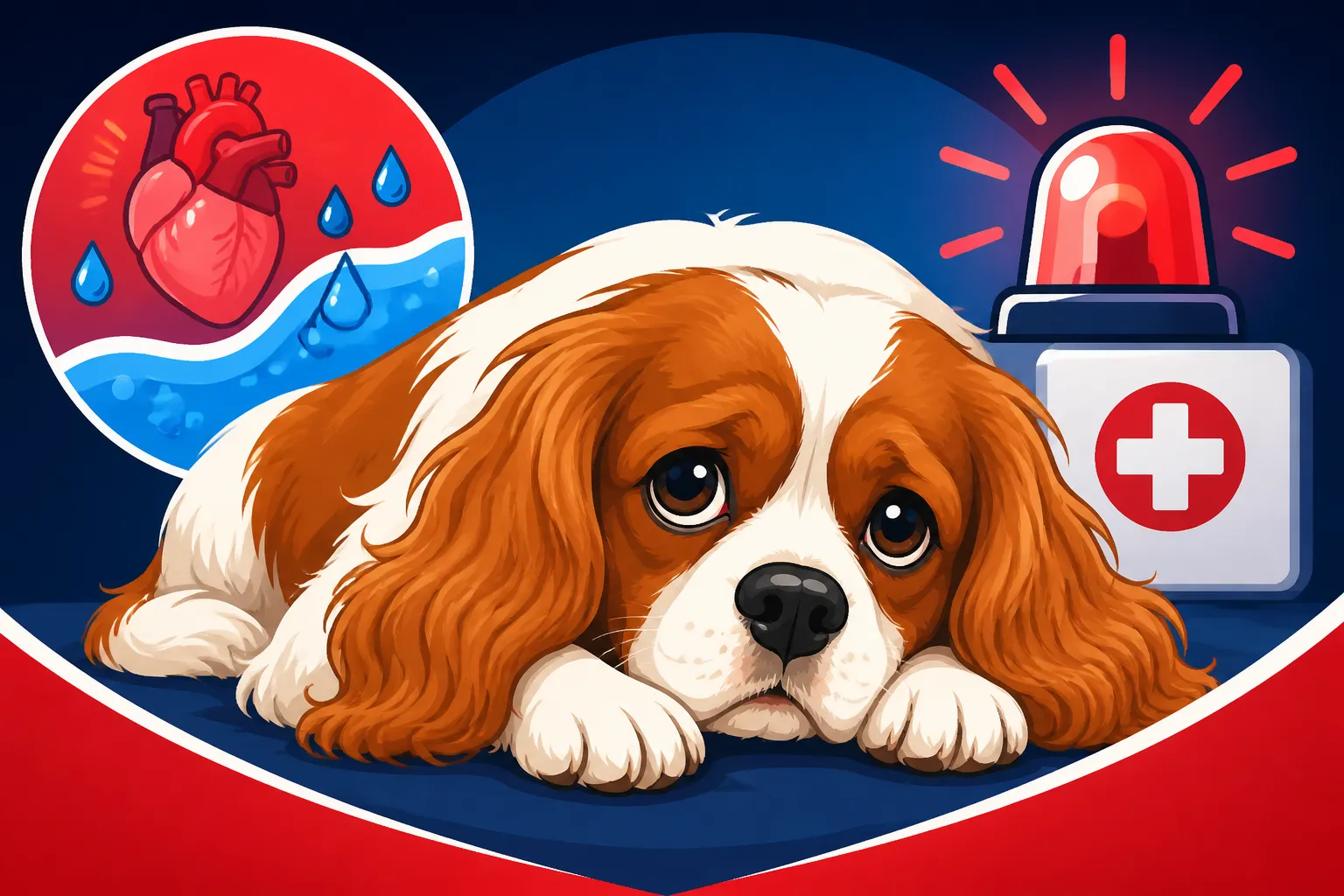
The moment you realize your beloved Cavalier King Charles Spaniel is truly struggling to breathe, maybe gasping for air or collapsing, is utterly terrifying. It's a sudden, heart-stopping crisis that no pet parent ever wants to face. When fluid builds up in their lungs or abdomen due to heart failure, often referred to as fluid overload, it's a medical emergency that demands immediate veterinary attention. This guide will walk you through what to expect during these harrowing emergency visits, how fluid overload is treated, and the financial considerations involved, so you can be as prepared as possible.
Recognizing the Critical Signs of Fluid Overload in Your Cavalier
One of the hardest parts of being a Cavalier parent is knowing that heart disease, particularly Mitral Valve Disease (MVD), is almost an inevitability for our sweet companions. Many of us dread the day we hear that tell-tale cough or see them struggle, and fluid overload is often the severe manifestation of progressing heart failure. It’s not just a little sniffle; it’s a full-blown emergency where every second counts.
The Subtle and Obvious Alarms: What to Watch For
Initially, your Cavalier might show subtle signs of heart disease progression that you might not even attribute to their heart. Perhaps they tire a bit faster on walks, or they just seem a little less enthusiastic about playtime. However, when fluid overload sets in, the signs become much more urgent and unmistakable. The fluid accumulation usually happens in the lungs, a condition known as pulmonary edema, or in the abdomen, which is called ascites. Both are serious and can rapidly become life-threatening.
You might notice a persistent, wet cough, especially at night or when your dog is resting. This isn't just a "kennel cough"; it's a deep, gurgling cough that sounds like they're trying to clear something from their chest. They might start breathing much faster than usual, even when asleep, which is a key indicator. Counting a Cavalier's Resting Breaths can be a valuable tool for monitoring their respiratory health at home. Look for exaggerated belly movements with each breath, or their chest heaving visibly. As it worsens, they might become restless, unable to find a comfortable position, or start panting heavily even when not hot or active. Their gums might appear pale or even slightly blue due to a lack of oxygen. They might refuse food, seem weak, or even collapse. If you see any of these more severe signs, particularly laboured breathing, do not wait. This is an immediate trip to the emergency vet.
Why Fluid Overload Happens So Suddenly
For many Cavaliers, MVD progresses slowly over time. The mitral valve, which controls blood flow between two chambers of the heart, gradually thickens and degenerates, becoming leaky. This leakage causes blood to flow backward, putting immense strain on the heart. Over time, the heart tries to compensate by enlarging. You might hear your vet detect a heart murmur, and for many, this is the first inkling of trouble. Why Half of Cavaliers Have a Murmur by Five is a stark reminder of how common this is.
Eventually, the heart can no longer compensate effectively, leading to congestive heart failure. This is when fluid starts to back up and leak out of blood vessels into surrounding tissues, most dangerously the lungs. Stress, excitement, or even minor changes can sometimes tip a Cavalier already on the brink into full-blown fluid overload. The suddenness is often what catches owners off guard, turning a manageable condition into an urgent crisis within hours. This is why regular vet check-ups, even if your Cavalier seems fine, are so vital for early detection and management.
What Happens During an Emergency Vet Visit for Fluid Overload
When you rush your Cavalier to the emergency veterinary clinic, expect a fast-paced, intense environment. The veterinary team understands the gravity of the situation and will act quickly to stabilize your dog. This isn't a routine appointment; it's about immediate life-saving interventions.
Initial Assessment and Stabilization
The first thing the emergency vet staff will do is a rapid assessment of your Cavalier's condition. They’ll check their breathing rate, heart rate, gum color, and listen carefully to their heart and lungs. They are trying to determine how severe the fluid overload is and if there are immediate threats to life. Oxygen therapy is often started right away if your Cavalier is struggling to breathe. They may be placed in an oxygen cage, which helps to improve oxygen levels in their blood while the team works on removing the excess fluid.
Next, the vet will likely recommend a chest X-ray to confirm the presence of fluid in the lungs (pulmonary edema) and to assess the size and shape of the heart. Chest X-Rays in a Cavalier Heart Workup are crucial for understanding the extent of heart enlargement and fluid accumulation. They may also perform blood tests to check organ function, especially kidney function, as some of the medications used can impact the kidneys. While an echocardiogram (ultrasound of the heart) provides the most detailed information about the heart's structure and function, it might not be the very first step in a true emergency, as stabilization is the priority. However, once stable, an echo is usually recommended to guide long-term treatment.
Treatment Protocols for Fluid Removal and Heart Support
The primary goal of emergency treatment is to remove the excess fluid, primarily from the lungs, to allow your Cavalier to breathe again. Diuretics are the cornerstone of this treatment. These medications, like furosemide, help the body excrete more salt and water through urine, effectively "drying out" the lungs. They are often given as injections initially to work quickly. The vet will monitor your Cavalier's breathing, heart rate, and urine output very closely.
In addition to diuretics, other medications may be administered to support heart function and improve blood flow. Pimobendan for a Cavalier With an Enlarged Heart is a common medication used in Cavaliers with MVD, as it helps the heart pump more efficiently and dilates blood vessels. Other drugs may include ACE inhibitors, which help to relax blood vessels and reduce the workload on the heart, and sometimes sedatives to reduce anxiety, which can worsen breathing difficulties. Your Cavalier will likely be hospitalized for at least a day or two, sometimes longer, depending on how quickly they respond to treatment. During this time, they will receive continuous monitoring, medication, and supportive care. It's a stressful time, but the dedicated team is doing everything they can to bring your Cavalier back to a stable state.
The Costs Involved in a Cavalier Fluid Overload Emergency
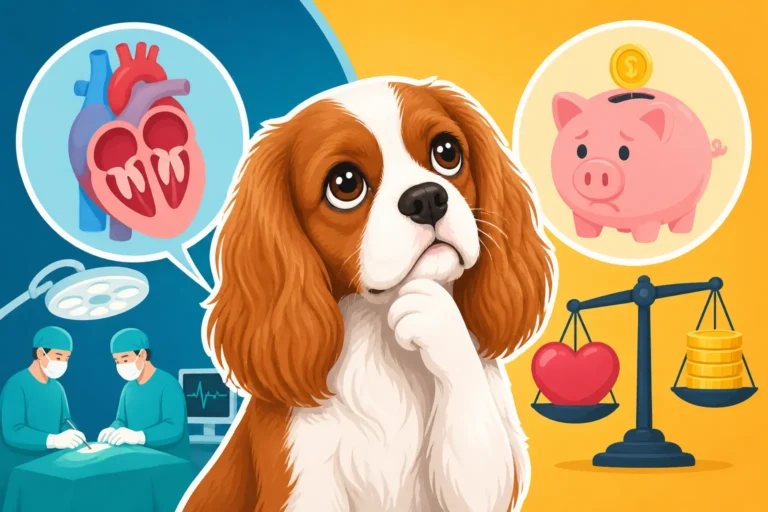
Let's be realistic: emergency veterinary care, especially for a condition as serious as fluid overload, can be very expensive. This is a tough topic, but it's important to understand the potential financial implications so you can plan and be prepared for future events, or at least understand what you're facing in the moment.
Breaking Down the Bills: What to Expect
The total cost of an emergency visit for fluid overload can vary widely based on your location, the specific emergency clinic, the severity of your Cavalier's condition, and how long they need to be hospitalized. However, you can expect charges for several key components:
- Emergency Exam Fee: This is the initial charge for the vet to assess your Cavalier upon arrival.
- Diagnostics: X-rays are typically required, and blood work (like a complete blood count and chemistry panel) is almost always done. An echocardiogram, if performed during the emergency or shortly after stabilization, will add to this.
- Treatments and Medications: This includes oxygen therapy (which can be charged hourly or daily), injectable diuretics, heart medications, and any other supportive drugs given.
- Hospitalization and Monitoring: This is often a daily fee that covers the nursing care, continuous monitoring, IV fluids, and a safe place for your Cavalier to recover. The longer they stay, the higher this cost will be.
- Consultation with Specialists: If your Cavalier requires advanced care or doesn't respond to initial treatment, a consultation with a veterinary cardiologist might be necessary, adding another layer of cost.
It’s not uncommon for an emergency visit with hospitalization to run into the thousands. This isn't to scare you, but to give you a realistic picture. Many clinics will require a deposit upfront or payment plan arrangements, especially for prolonged hospitalization.
Pet Insurance and Financial Planning
This is where pet insurance can truly be a lifesaver. If you enrolled your Cavalier early, before any signs of a heart murmur or other pre-existing conditions appeared, your policy might cover a significant portion of these emergency bills. Companies like Healthy Paws are well-regarded for their comprehensive coverage, but it's crucial to understand your specific policy's deductible, reimbursement percentage, and annual limits. Insuring a Cavalier Before the Murmur Arrives is one of the smartest financial decisions you can make as a Cavalier owner. Unfortunately, if your Cavalier already has a documented heart murmur or diagnosis of MVD before you get insurance, it will almost certainly be considered a pre-existing condition and won't be covered for anything related to their heart.
Even with insurance, you'll still be responsible for your deductible and the co-pay amount (e.g., if your plan reimburses 80%, you pay the remaining 20%). Without insurance, having an emergency fund specifically for your pet is highly recommended. Some owners also look into veterinary credit cards or payment plans offered by clinics, or even crowdfunding platforms in dire situations.
Here’s a simplified look at the types of costs involved:
| Service/Item | Description | General Cost Shape |
|---|---|---|
| Emergency Exam | Initial vet assessment upon arrival | Moderate |
| Oxygen Therapy | Supply of oxygen, often administered in a cage | Moderate to High (per hour/day) |
| Chest X-rays | Imaging to confirm pulmonary edema and heart size | Moderate |
| Blood Tests | Assessment of organ function, electrolyte balance | Moderate |
| Injectable Diuretics | Medications to remove fluid from lungs | Moderate |
| Heart Medications | Drugs to support heart function, reduce workload | Moderate |
| Hospitalization | Overnight stay, continuous monitoring, nursing care | High (per day) |
| Echocardiogram | Detailed ultrasound of the heart (often post-stabilization) | High |
| Specialist Consult | Referral to a veterinary cardiologist | Moderate to High |
Managing Your Cavalier Post-Emergency and Preventing Recurrence
Once your Cavalier is stable enough to come home after an emergency fluid overload scare, the journey isn't over. In fact, it's a new chapter in their care, focused on vigilant management and trying to prevent future crises. This will involve a strict medication regimen, careful monitoring, and lifestyle adjustments.
Ongoing Medication and Home Monitoring
Your Cavalier will almost certainly come home with a regimen of heart medications. This will likely include diuretics to manage fluid retention, and potentially other drugs like Pimobendan or ACE inhibitors to support their heart. It is absolutely critical to administer these medications exactly as prescribed by your vet. Missing doses or altering amounts can quickly lead to a relapse. Services like Chewy or your local pharmacy can often provide these prescription medications at competitive prices, sometimes even offering auto-ship options, which is incredibly helpful when managing chronic conditions.
Beyond medication, close home monitoring becomes your new normal. You'll need to continue Counting a Cavalier's Resting Breaths daily – a consistent increase is often the first sign that fluid is building up again and warrants a call to your vet. Keep a log of their breathing rate. Watch for any changes in appetite, activity level, or recurrence of coughing. Any return of those emergency symptoms, even if seemingly mild, means contacting your vet immediately. Regular follow-up appointments with your primary vet, and often a veterinary cardiologist, will be essential to adjust medication as needed and monitor heart function. Annual Cardiologist Exams for a Cavalier are invaluable for this ongoing management.
Dietary Adjustments and Lifestyle Considerations
Diet plays a crucial role in managing congestive heart failure. Your vet will likely recommend a low-sodium diet to help prevent fluid retention. This means saying goodbye to many human foods, salty treats, and potentially even switching to a prescription cardiac diet. Discuss options with your vet; while brands like Ollie offer fresh, pre-portioned meals, it's essential to ensure any diet change aligns with your Cavalier's specific cardiac needs and sodium restrictions. Whether Diet Slows a Cavalier's Heart Disease is a question many owners have, and while it's not a cure, it's a vital part of managing symptoms.
Exercise will also need to be carefully managed. While some activity is beneficial, overexertion can stress the heart. Your vet will advise you on appropriate activity levels, which might mean shorter, more frequent, and gentler walks. A Cavalier That Tires on Short Walks is a sign that their heart capacity is diminished, and you should respect those limits. Stress reduction is also important; keeping their environment calm and predictable can help prevent flare-ups. Maintaining a healthy weight is absolutely critical; Why an Overweight Cavalier Fails Faster is a harsh reality. Every extra pound puts more strain on an already struggling heart. It’s a holistic approach, where medication, diet, monitoring, and gentle care all work together to give your precious Cavalier the best possible quality of life going forward.
Disclaimer
This article is for general informational purposes only and does not constitute professional advice. Laws, prices and regulations vary by location and change over time. Consult a qualified professional for guidance on your specific situation.