Budgeting a Cavalier From Puppy to Senior
Bringing a Cavalier King Charles Spaniel into your life is an incredible joy, but it's also a significant financial commitment that many prospective owners underestimate. Beyond the initial adoption fee, there's a lifetime of expenses that can truly add up, especially with a breed known for specific health challenges. This comprehensive guide will walk you through the real costs of owning a Cavalier, from their adorable puppy days all the way through their golden senior years, helping you budget wisely and prepare for every stage.
The Initial Puppy Costs: More Than Just the Purchase Price
When you first think about getting a Cavalier puppy, your mind probably jumps straight to the price tag from a breeder or rescue. And while that's certainly a hefty chunk of change, it's really just the tip of the iceberg. There are so many essential items and immediate vet visits that stack up before your little fluffball even sets a paw in your home, and ignoring these can lead to a lot of stress down the line.
Reputable Breeder vs. Rescue Fees
The cost of a Cavalier puppy from a reputable breeder, one who actually performs all the recommended health testing for the breed, can range anywhere from $2,500 to $5,000, sometimes even more depending on location and pedigree. This might seem steep, but remember, you're not just paying for a puppy; you're contributing to the significant expenses a responsible breeder incurs for health clearances on parents, quality nutrition, early socialization, and initial veterinary care for the litter. They're investing in the future health of your dog. To understand more about these upfront investments, read "The Price Range Cavalier Breeders Actually Quote".
On the flip side, rescuing a Cavalier often comes with a lower adoption fee, typically ranging from $300 to $800. These fees usually cover spaying/neutering, initial vaccinations, microchipping, and sometimes even a dental cleaning or other minor medical care for older dogs. While rescues are a wonderful option, it's crucial to acknowledge that an adult rescue Cavalier might come with an unknown health history or pre-existing conditions that could lead to higher veterinary costs down the line. It's a different kind of financial gamble, but one that often saves a deserving dog.
Ultimately, whether you choose a breeder or a rescue, prepare for that initial outlay. Don't be tempted by cheap puppies advertised online or in pet stores, as these often come from puppy mills or backyard breeders who cut corners on health, leading to heartbreaking and extremely expensive issues later. The "savings" from a cheap puppy are almost always dwarfed by the vet bills that follow.
Essential Supplies for a New Puppy
Once you've secured your Cavalier, a whole new shopping list emerges. You'll need a good quality crate for training and safe sleeping, a comfy bed (or two!), food and water bowls, a harness and leash (never a collar for a Cavalier, due to potential neck sensitivities related to conditions like Syringomyelia), and an array of stimulating toys. Don't forget grooming supplies like brushes, combs, puppy shampoo, and nail clippers – Cavaliers require regular grooming from an early age.
Then there's the food. Your puppy will need high-quality puppy kibble appropriate for small breeds, and you'll want to buy a decent supply to start. Chew toys are vital for teething, not just to save your furniture but also to promote healthy dental development. Puppy pads are often a necessity for house training, especially for a small breed that needs frequent potty breaks.
This initial haul of supplies can easily set you back $300-$700. While you can save a bit by buying some items second-hand or opting for more budget-friendly brands, certain things like a sturdy crate and quality food are worth the investment. Plan ahead and perhaps spread out your purchases, or ask friends and family for specific items if they're looking for gift ideas. Online retailers like Chewy offer a vast selection, often with subscription options that can save you money on recurring purchases.
Initial Veterinary Care and Vaccinations
Bringing a new puppy home means an immediate trip to the vet for a wellness check, even if they've already had some initial vaccinations from the breeder or rescue. Your vet will confirm their health, discuss parasite prevention (fleas, ticks, heartworm, intestinal worms), and set up a schedule for their remaining puppy shots. These typically include distemper, parvovirus, adenovirus, parainfluenza, and rabies.
Beyond vaccinations, your vet will likely recommend microchipping if it hasn't already been done, and discuss spaying or neutering, which can cost anywhere from $200 to $800 depending on your location and the clinic. Some breeders or rescues require you to sign a contract agreeing to spay/neuter at a certain age. Remember, prevention is always cheaper than treatment, and these initial vet visits are fundamental to setting your Cavalier up for a healthy life.
These first few months of vet visits, vaccinations, deworming, and preventative medications can easily add up to $500-$1,000. It's a necessary investment, and choosing a vet you trust from the beginning is paramount. Don't hesitate to ask for a detailed estimate of costs for the puppy's first year.
Ongoing Monthly Expenses for a Healthy Adult Cavalier
Once your Cavalier is past the puppy stage and settles into adulthood, the immediate rush of initial costs tapers off, but a consistent stream of recurring expenses begins. Many people forget to factor these into their long-term budget, leading to surprises later. Think about what a Cavalier costs a year before any heart bills, and you'll start to get a clearer picture.
Food and Nutrition Choices
Feeding your Cavalier is a daily cost that can vary significantly based on your choices. A high-quality kibble designed for small breeds, often recommended by vets, can cost around $40-$80 per month. If you opt for premium or specialized diets, such as fresh-cooked meals or raw food, the price can jump to $100-$200+ per month. For instance, services like Ollie provide fresh, human-grade food tailored to your dog's specific needs, which can be an excellent option for health but comes with a higher price point.
It's tempting to cut corners on food, but a Cavalier's diet directly impacts their overall health, coat quality, and energy levels. Investing in good nutrition can help mitigate other health issues down the line. Factor in treats too – whether for training or just spoiling your furry friend, these add to the monthly bill. Don't forget to keep an eye on your Cavalier's weight; they gain weight easily, and obesity can exacerbate heart problems. Portion control and healthy treats are key.
Routine Grooming Needs
Cavaliers are blessed with beautiful, silky coats and long feathering that require regular attention. If you plan to do all the grooming at home, you'll still need to invest in quality brushes, combs, detangling spray, dog-specific shampoo and conditioner, and ear cleaner. Even with DIY, expect to spend $20-$40 per month on products, or replacing tools as needed. Brushing your Cavalier's feathering three times a week is essential to prevent mats.
However, most Cavalier owners opt for professional grooming every 6-8 weeks, especially for baths, sanitary trims, and tidying up the feet and ears. Professional grooming rates for a Cavalier can range from $60-$120 per session, depending on your location and the groomer's services. This means budgeting around $720-$1,440 annually for professional grooming. Don't forget that their drop ears are prone to infections, so regular ear cleaning supplies as a standing cost are a must, whether you do it yourself or have the groomer handle it.
Skipping grooming isn't an option; matted coats can be painful, lead to skin infections, and require expensive shaving by a vet. Investing in regular grooming keeps your Cavalier comfortable and healthy, making it a non-negotiable part of the budget.
Preventative Health and Annual Vet Visits
Even healthy adult Cavaliers need an annual check-up at the vet. These visits typically include a physical examination, fecal test, and heartworm test, and may involve routine vaccinations if due. The cost for a standard annual vet visit can be $150-$300. This is the opportunity for your vet to listen to your Cavalier's heart and catch any murmurs early.
Beyond the annual exam, you'll have ongoing costs for preventative medications. This usually includes monthly heartworm prevention (often combined with flea/tick control), which can run $15-$30 per month ($180-$360 annually). Dental care is also crucial for Cavaliers, as their crowded jaws make them prone to dental disease. Professional dental cleanings under anesthesia are often recommended every 1-2 years and can cost $400-$1,000 or more, especially if extractions are needed. Reading "Cavalier Dental Disease in a Crowded Jaw" can offer more insight into why this is so important.
These preventative measures are absolutely essential. Ignoring them opens the door to much more serious and costly illnesses down the road. Think of them as necessary maintenance for your beloved companion.
The Lifeline of Pet Insurance: A Must-Have Consideration
If there's one piece of advice I can give any Cavalier owner, it's this: get pet insurance. Cavaliers are prone to several expensive, chronic health conditions, and without insurance, a single emergency or long-term illness can easily bankrupt a family. It's not a luxury; it's a financial safety net for a breed with known vulnerabilities.
Understanding When to Insure
The absolute best time to insure your Cavalier is when they are a young puppy, ideally before 8 weeks old. Why? Because pet insurance, much like human health insurance, has "waiting periods" and excludes "pre-existing conditions." If your Cavalier develops a heart murmur, or starts showing signs of Syringomyelia, before you have insurance or during the waiting period, those conditions will be considered pre-existing and won't be covered by your policy. For a breed so susceptible to early-onset issues, this is critical.
Delaying insurance until your Cavalier is older or shows symptoms is often too late to get comprehensive coverage for the very conditions you'll need it for. Even an eight-month-old Cavalier is already late to insure if a murmur has appeared. While some policies might offer accident-only cover for older dogs, the real value for a Cavalier lies in illness coverage.
What Pet Insurance Covers (and Doesn't)
Most comprehensive pet insurance plans cover a wide range of unexpected illnesses and accidents. This includes diagnostic tests (like X-rays, bloodwork, MRI scans), surgeries, hospitalizations, prescription medications, and specialist visits (such as cardiologists or neurologists). For a Cavalier, this means potential coverage for things like Mitral Valve Disease, Syringomyelia, Episodic Falling Syndrome, and even common issues like ear infections or allergies.
However, it's important to read the fine print. As mentioned, pre-existing conditions are almost universally excluded. Routine wellness care (annual exams, vaccinations, spay/neuter) is typically not covered unless you add a separate "wellness package," which may or may not be cost-effective. Cosmetic procedures, breeding expenses, and sometimes even specific alternative therapies might also be excluded. Companies like Healthy Paws are well-regarded for their comprehensive accident and illness coverage, but always compare plans and ask specific questions about breed-specific conditions.
Average Monthly Premiums and Deductibles
The cost of pet insurance varies based on your location, your Cavalier's age, and the plan you choose (deductible, reimbursement percentage, annual limit). For a young Cavalier puppy, you might expect to pay anywhere from $30-$70 per month for a comprehensive accident and illness plan. As your Cavalier ages, premiums will generally increase. For an older Cavalier, particularly one with a pre-existing murmur, securing affordable and comprehensive coverage can be incredibly challenging.
Most plans have a deductible (e.g., $250, $500, $1,000) that you must pay out-of-pocket before the insurance starts to reimburse you. Then, there's a reimbursement percentage (e.g., 70%, 80%, 90%), meaning the insurance pays that percentage of the vet bill after the deductible is met. Choosing a higher deductible or lower reimbursement percentage can reduce your monthly premium, but it also means you'll pay more out-of-pocket when a claim arises. It's a balance of risk and financial comfort. Understanding "Insuring a Cavalier Before the Murmur Arrives" is critical to making the right choice early on.
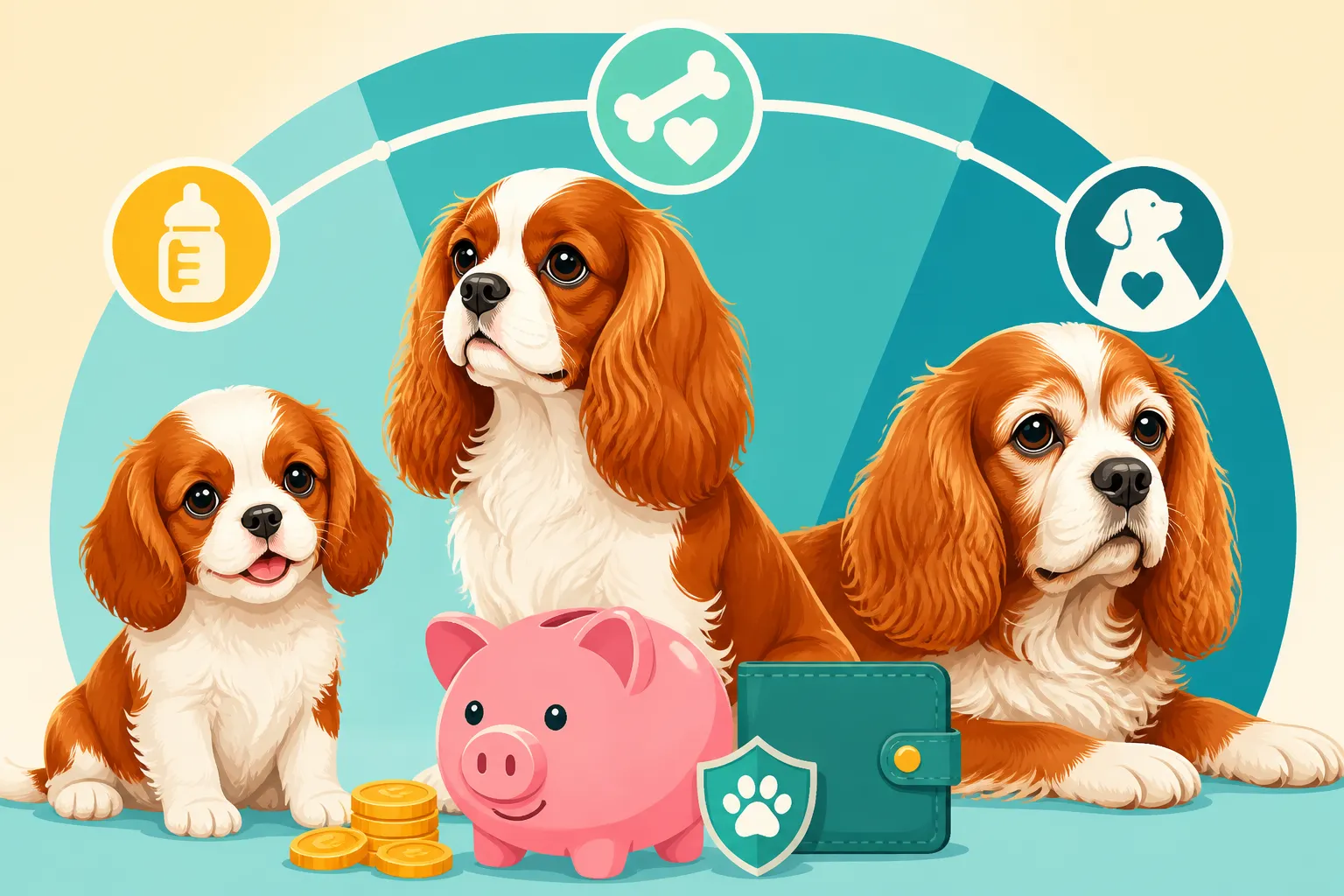
| Aspect | Puppy (0-1 year) | Adult (1-8 years) | Senior (8+ years) |
|---|---|---|---|
| Initial Purchase | $2,500 – $5,000+ | N/A (Rescue fees $300-$800) | N/A (Rescue fees $300-$800) |
| One-Time Supplies | $300 – $700 | N/A | N/A |
| Initial Vet Care | $500 – $1,000 | N/A | N/A |
| Food (Monthly) | $40 – $80 | $40 – $100 | $50 – $120+ |
| Grooming (Monthly) | $60 – $120 | $60 – $120 | $60 – $120 |
| Preventative Meds (Monthly) | $15 – $30 | $15 – $30 | $20 – $40 |
| Annual Vet Check | $150 – $300 (per year) | $150 – $300 (per year) | $200 – $500+ (per year) |
| Dental Cleaning (Annual Avg) | N/A | $200 – $500 | $400 – $800+ |
| Pet Insurance (Monthly) | $30 – $70 | $40 – $80 | $60 – $150+ |
| Unexpected Illness/Emergency (Annual Avg) | $0 – $500 | $0 – $1,000 | $500 – $3,000+ |
| Senior Support (Monthly, if needed) | N/A | N/A | $50 – $300+ |
| Estimated Annual Total (excluding purchase) | $1,500 – $3,000 | $1,800 – $4,500 | $3,000 – $8,000+ |
Note: These are estimates and can vary widely based on location, individual dog's health, and owner choices. Senior costs can be significantly higher if multiple chronic conditions require ongoing treatment.
Specialized Care Costs for Common Cavalier Health Issues
This is where the financial reality of owning a Cavalier can hit hardest. While they are wonderful companions, Cavaliers are unfortunately predisposed to several significant genetic health problems. Budgeting for a Cavalier means acknowledging these potential costs, not just hoping they won't happen. Many owners underestimate the heart years and what they will entail.
Mitral Valve Disease MVD Treatment Costs
Mitral Valve Disease (MVD) is the leading cause of death in Cavaliers, with over half developing a heart murmur by age five and nearly all by age ten. This isn't just a murmur; it's a progressive disease that leads to heart failure. The good news is that advancements in veterinary cardiology mean we can manage MVD for years, but this management comes with substantial costs.
Diagnosis typically involves an echocardiogram, performed by a board-certified veterinary cardiologist, which can cost $500-$1,000 or more. This initial scan helps stage the disease and determine when to start medication. Once medication is needed, your Cavalier will likely be on a cocktail of drugs for the rest of their life. This usually includes pimobendan (Vetmedin), a diuretic like furosemide, and an ACE inhibitor. "Medication for a Cavalier With Heart Disease" explains these in detail.
The monthly cost of these medications can range from $100-$300, depending on the dosage and your dog's size. Plus, your Cavalier will need follow-up cardiologist visits and repeat echo scans every 6-12 months, each costing $500-$1,000. For an in-depth look, see "What Cavalier Heart Disease Costs to Treat". If your Cavalier goes into acute heart failure, emergency vet visits, oxygen therapy, and hospitalization can cost thousands of dollars. Mitral valve repair surgery, while available in very few places globally, can cost upwards of $40,000-$50,000, making it largely inaccessible for most.
Syringomyelia SM Diagnosis and Management
Syringomyelia (SM) is another devastating condition prevalent in Cavaliers, caused by a skull too small for the brain, leading to fluid-filled cavities (syrinxes) in the spinal cord. Signs can range from phantom scratching and neck pain to severe neurological deficits. Diagnosing SM requires an MRI scan, which is a significant expense, often costing $2,000-$4,000, and usually requires anesthesia. "Paying for a Cavalier Syringomyelia Workup" breaks down these costs.
Once diagnosed, management typically involves a combination of medications to reduce pain and fluid pressure, such as gabapentin, NSAIDs, and sometimes steroids or diuretics. Monthly medication costs can be $50-$200 or more, depending on the severity and combination of drugs. Some Cavaliers may benefit from decompression surgery, but this is a complex and expensive procedure ($5,000-$10,000+) with no guarantee of full resolution, and it's only offered by a handful of specialist veterinary neurologists.
Living with a Cavalier that has Syringomyelia often means a commitment to ongoing pain management and lifestyle adjustments, which can be emotionally and financially draining. The goal is to provide comfort and quality of life, which means these costs are often long-term.
Other Breed-Specific Ailments
Beyond MVD and SM, Cavaliers can also be prone to other conditions that carry their own set of costs. These include:
- Eye Conditions: Dry Eye and Curly Coat Syndrome (CKCS), cataracts, or retinal disease can require specialized ophthalmic exams (around $200-$400 per visit) and ongoing prescription eye drops, which can cost $30-$100+ per month. "Cavalier Eye Disease From Dry Eye to Cataracts" details these issues.
- Patellar Luxation: Loose kneecaps, common in toy breeds, might require surgery if severe enough to impact mobility, costing $1,500-$4,000 per knee. Read "Cavalier Knees, Hips and Joint Problems" for more on this.
- Episodic Falling Syndrome (EFS): While typically managed with medication and less costly than MVD or SM, diagnostic tests might be needed to rule out other conditions. Medication, if required, adds to the monthly expenses.
- Allergies and Skin Issues: Many Cavaliers develop environmental or food allergies, leading to chronic ear infections, skin inflammation, and itching. Diagnostics (allergy testing, skin biopsies) and ongoing treatments (special diets, Apoquel, Cytopoint injections, medicated shampoos) can cost hundreds to thousands of dollars annually.
These are just a few examples. The point is that these aren't "if" situations, but often "when" for many Cavaliers. Being financially prepared for these breed-specific health challenges is perhaps the single most important aspect of budgeting for a Cavalier.
Senior Cavalier Care: When Costs Often Escalate
As your beloved Cavalier gracefully enters their senior years, typically around age eight or nine, you'll notice changes. Their energy might wane, their eyesight and hearing may diminish, and those little aches and pains become more pronounced. This is also the stage where chronic health conditions, especially MVD, often progress, leading to a significant increase in veterinary care and medication costs. Understanding "What Changes in a Cavalier After Eight" is crucial for preparing for this phase.
Increased Veterinary Needs and Medications
Senior Cavaliers often require more frequent veterinary check-ups, sometimes every six months instead of annually. These visits focus on monitoring existing conditions, checking for new ones, and managing age-related issues. Blood work, including senior panels to check organ function (kidneys, liver), often becomes a yearly or bi-yearly recommendation, adding $100-$300 to each visit.
Medication lists tend to grow longer. A senior Cavalier with MVD might be on three or four heart medications, plus a diuretic. If they also have arthritis, that means anti-inflammatory drugs or pain relievers. Syringomyelia management usually continues, potentially with increased dosages or new drugs as symptoms change. The cumulative monthly cost for multiple medications can easily reach $200-$500 or more. For example, specific cardiac diets can also become necessary, and these prescription foods can be more expensive than standard kibble.
This period often sees the bills that land once a Cavalier's heart fails become a constant reality, moving from a single emergency to ongoing critical care. It's a tough but common scenario, and it's where careful budgeting and potentially an emergency fund or pet insurance (if you had it from puppyhood) truly come into play.
Mobility Aids and Home Modifications
Senior Cavaliers, particularly those with arthritis, patellar luxation, or Syringomyelia, may struggle with mobility. This can mean investing in ramps for beds and sofas, non-slip rugs on hard floors, and orthopedic beds for joint comfort. These items can cost anywhere from $50 for a basic ramp to several hundred for a high-quality orthopedic bed or custom non-slip flooring solutions.
A good harness becomes even more important for a senior Cavalier, especially one that might need a little help getting up or going outside. Some owners find belly bands helpful for male Cavaliers experiencing incontinence, while others might need washable dog beds or waterproof covers to protect furniture. These small adjustments can significantly improve your senior Cavalier's quality of life, but they all add to the ongoing expenses.
End-of-Life Planning and Expenses
While it's a difficult topic, planning for the end of your Cavalier's life is a compassionate and responsible part of ownership. Euthanasia, whether at a veterinary clinic or through a home euthanasia service, has a cost. In-clinic euthanasia typically ranges from $100-$300, while a peaceful home euthanasia, which many owners prefer for comfort, can be $200-$500 or more.
Afterward, you'll need to decide on arrangements for their remains. Cremation services (private or communal) can range from $150-$500, often with options for urns or memorial items. Burial at a pet cemetery also comes with costs for the plot and services. These are intensely personal choices, but understanding the financial aspect beforehand can alleviate some stress during an incredibly emotional time.
Beyond the Essentials: Hidden and Variable Costs
Beyond the predictable costs of food, grooming, and routine vet care, there's a whole category of expenses that often catch owners by surprise. These variable costs can fluctuate based on your lifestyle, your Cavalier's personality, and unforeseen circumstances. Neglecting to account for them can quickly throw your budget off track.
Training, Daycare, and Pet Sitting
Not every Cavalier is a perfect angel from day one, and many benefit immensely from professional training. Puppy classes typically cost $150-$300 for a 6-8 week course. If your Cavalier develops specific behavioral issues, like separation anxiety (a common Cavalier trait), individual sessions with a certified professional dog trainer can cost $100-$250 per hour, or even more for specialized programs.
If you work long hours or travel frequently, you'll need to budget for daycare or pet sitting. Doggie daycare can range from $25-$50 per day, or $400-$800 per month for full-time care. Pet sitters or dog walkers, especially those who are comfortable administering medications for a Cavalier on heart medication, charge $20-$40 per visit. These services are vital for ensuring your Cavalier isn't left alone for too long, which can lead to distress and destructive behaviors.
Travel and Boarding Expenses
Do you love to travel? Your Cavalier might love to come with you, but that comes with its own costs. Pet-friendly hotels often charge an extra fee per night, ranging from $25-$100. If flying, a small Cavalier might fit in an airline cabin carrier, costing $100-$200 per flight, but check airline restrictions carefully. Larger dogs or those traveling internationally will incur significantly higher costs and stricter regulations.
If your Cavalier can't come along, then boarding kennels are an option, typically costing $30-$70 per night. Alternatively, a trusted pet sitter who stays at your home (or visits multiple times a day) might be $50-$100+ per day. Always ensure whoever cares for your Cavalier is aware of any specific health needs or medications.
Unexpected Emergencies and Contingency Funds
No matter how well you plan, unexpected emergencies can and do happen. A sudden illness, an accident, or an acute exacerbation of a chronic condition can lead to an emergency vet visit that quickly racks up hundreds or even thousands of dollars. An overnight stay for a Cavalier needing oxygen due to fluid buildup from MVD, for example, can be an astronomical sum.
This is where having an emergency fund is crucial. A dedicated savings account for your pet, or a robust credit card with a low interest rate, can be a lifesaver. Many financial experts recommend having at least $1,000-$5,000 readily available for pet emergencies. While pet insurance helps with these big bills, you'll still need to cover the deductible and your reimbursement percentage. Saving ahead of a Cavalier heart diagnosis is a smart move that can prevent financial hardship when you're already stressed.
Strategies for Managing Cavalier Ownership Costs
The prospect of these costs can feel overwhelming, but there are proactive steps you can take to manage your Cavalier ownership budget effectively. It's all about making informed choices, prioritizing health, and being resourceful.
Prioritizing Health-Focused Choices
The best way to control long-term costs is to invest in health from the beginning. This starts with choosing a puppy from a reputable breeder who prioritizes health testing and follows the MVD breeding protocol, meaning their breeding Cavaliers are over 5 years old and heart clear. While these puppies have a higher upfront cost, they generally have a better chance of delaying or avoiding the onset of severe genetic conditions, saving you thousands in vet bills later. To ensure you're making the right choice, always be sure to ask "Whether a Cavalier Breeder Should Show You Heart Papers".
Similarly, feeding a high-quality diet, ensuring your Cavalier maintains a healthy weight, and staying consistent with preventative vet care (vaccinations, parasite control, annual check-ups) can prevent many common and expensive problems. Regular, appropriate exercise, as discussed in "Whether Exercise Is Safe for a Cavalier With MVD", can also contribute to overall health and vitality, potentially delaying some age-related issues.
DIY Grooming and Home Care Tips
While professional grooming is wonderful, you can save a significant amount by learning to do some grooming tasks at home. Regular brushing is a must for a Cavalier's feathering three times a week. Investing in a good slicker brush and metal comb will pay for itself quickly. Learning how to trim nails, clean ears, and even give baths can cut down on professional grooming frequency and costs.
There are countless online tutorials and resources for learning basic dog grooming. Practice makes perfect, and your Cavalier will become accustomed to the routine. Just be careful with cutting hair, especially around sensitive areas. A little maintenance at home can go a long way in preventing mats and keeping your Cavalier comfortable between professional appointments.
Seeking Financial Assistance and Support
If you find yourself facing an unexpected, expensive veterinary bill, don't panic. There are resources available. Many veterinary clinics offer payment plans through third-party services like CareCredit. There are also numerous non-profit organizations that provide financial assistance for pet owners in need, particularly for specific conditions or emergency care.
Additionally, consider reaching out to breed-specific rescues or welfare organizations. They sometimes have funds or can point you to resources for Cavalier owners facing hardship. While it's always better to be prepared with insurance and savings, knowing these options exist can provide a measure of comfort during difficult times. Remember, you're not alone, and there are people and organizations dedicated to helping pets and their owners.
Disclaimer
This article is intended for informational purposes only and does not constitute veterinary advice. Always consult with a qualified veterinarian or specialist for any health concerns or before making any decisions about your Cavalier King Charles Spaniel's care or treatment. Costs are estimates and can vary significantly based on location, individual circumstances, and changes in veterinary pricing.