Insuring a Cavalier at Eight Weeks
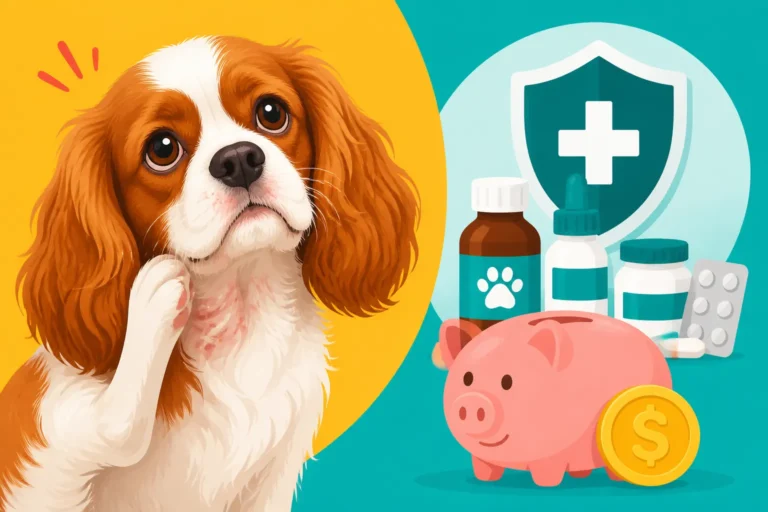
Bringing home a Cavalier King Charles Spaniel puppy is an absolutely joyous occasion, filled with tiny tail wags, soft kisses, and endless cuddles. But amidst all that puppy adoration, a quiet worry often starts to creep into the minds of new owners: the notorious health challenges that can plague this beloved breed. You're right to think ahead, because facing an unexpected vet bill for a serious condition can be utterly devastating, both emotionally and financially. This guide will walk you through why insuring your Cavalier puppy right from eight weeks old isn't just a good idea, but a truly proactive step to safeguard their future, helping you understand the ins and outs of early pet insurance enrollment and what it means for your precious companion.
The Golden Window for Insuring Your Cavalier Puppy
When you first welcome that fluffy bundle of joy into your home, it feels like nothing could ever go wrong. They’re full of energy, perhaps a little clumsy, and learning about the world. But this early period, right around eight weeks, is actually the most critical time to consider pet insurance for a Cavalier. It’s not about predicting immediate illness, but about protecting against what could develop, especially given the breed's well-known predispositions.
Why Early Enrollment Matters Most for Cavaliers
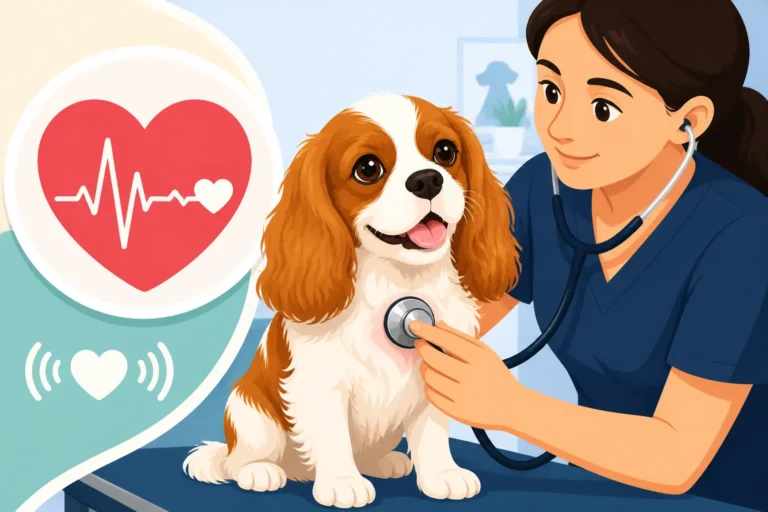
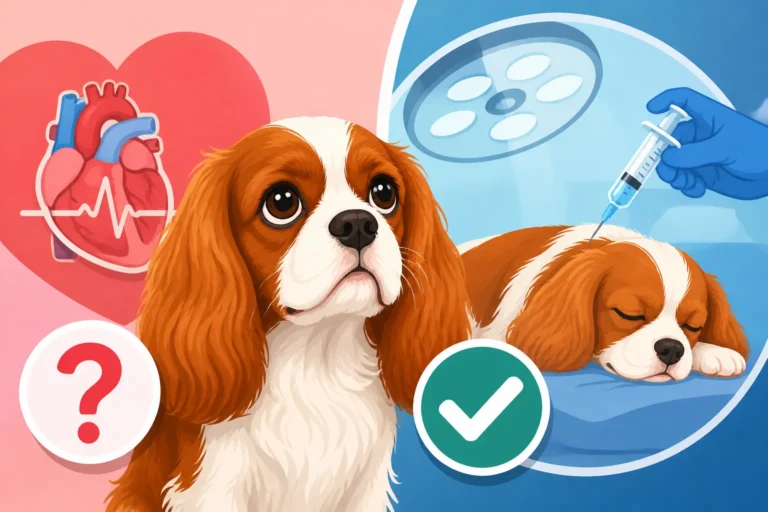
Cavalier King Charles Spaniels, for all their charm and loving nature, are unfortunately prone to several serious inherited health conditions. We're talking about things like Mitral Valve Disease (MVD), a progressive heart condition, and Syringomyelia (SM), a neurological disorder. The insidious nature of these conditions is that they often don't show obvious clinical signs until later in life, sometimes not until a dog is several years old. However, the genetic predisposition or even early, subclinical changes might be present long before you ever see a symptom or hear a murmur.
This is where the term "pre-existing condition" becomes incredibly important. Pet insurance companies define a pre-existing condition as any illness or injury that showed symptoms or was diagnosed before your policy started, or before the waiting periods were over. If you wait until your Cavalier is a year or two old and then a vet diagnoses a heart murmur – even a very mild one – that condition, and any subsequent treatment for it, might be entirely excluded from coverage because it's deemed pre-existing. This applies even if you had no idea it was developing. Getting your Cavalier insured at eight weeks, before any whispers of these conditions can be detected, significantly increases the likelihood that these breed-specific health issues will be covered should they emerge down the line. It's about getting in ahead of the game, before your sweet puppy shows any indication of something like "The Age a Cavalier Murmur Usually Appears".
Understanding Waiting Periods and Their Impact
Another critical factor when considering early pet insurance enrollment is the concept of "waiting periods." No matter how quickly you sign up, pet insurance policies almost always have a waiting period before certain coverages kick in. This is a set amount of time, typically a few days for accidents and a couple of weeks for illnesses, during which you pay your premiums but aren't eligible to file a claim. For example, a common waiting period might be 2 days for accidents and 14 days for illnesses.
If you enroll your eight-week-old Cavalier, these waiting periods will pass while they are still very young and hopefully healthy. Imagine if you waited until your puppy was six months old, and then just after enrolling, they suddenly developed a nasty stomach bug or injured a paw. You'd still have to wait out those initial days or weeks before you could file a claim. By insuring them at eight weeks, those waiting periods are generally over by the time they're a little older and perhaps more adventurous, or when common puppy ailments might start to surface. It provides immediate protection for unexpected mishaps once that initial short window has passed, which is invaluable peace of mind for any new puppy parent.
What Pet Insurance Covers (and Doesn't) for an Eight-Week-Old Cavalier
It’s easy to get overwhelmed by the jargon of pet insurance, but understanding what’s typically covered, especially for a young Cavalier puppy, can help you make an informed choice. It's not just about the big, scary breed-specific diseases, but also the everyday bumps and scrapes that come with raising a curious canine.
Accident and Illness Coverage for a Developing Puppy
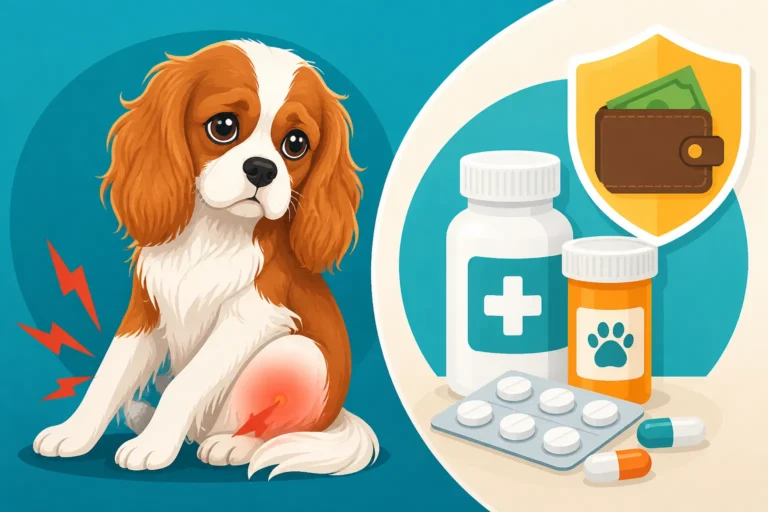
The vast majority of pet insurance plans offer core accident and illness coverage. For an eight-week-old Cavalier, this is incredibly broad and beneficial. Accidents can happen in a blink of an eye: a tumble off the sofa, an excited jump that results in a sprain, or perhaps stepping on something sharp in the yard. These unexpected incidents can lead to emergency vet visits, x-rays, sutures, or even minor surgery, all of which can quickly add up to significant costs.
Illness coverage, similarly, protects against a wide range of unexpected health issues. Puppies are particularly susceptible to things like kennel cough, gastrointestinal upset from eating something they shouldn't, skin infections, or even parasites that might have been missed in initial screenings. While your breeder should provide a healthy puppy, new environments and developing immune systems can mean minor health hiccups. Having insurance means you can seek prompt veterinary care without having to weigh the cost against your puppy's well-being. This early coverage also safeguards against the onset of issues like "Cavalier Ear Infections and Why They Recur", which, while not as severe as heart disease, can still be costly and recurrent.
The Nuance of Breed-Specific Conditions and Genetic Predispositions
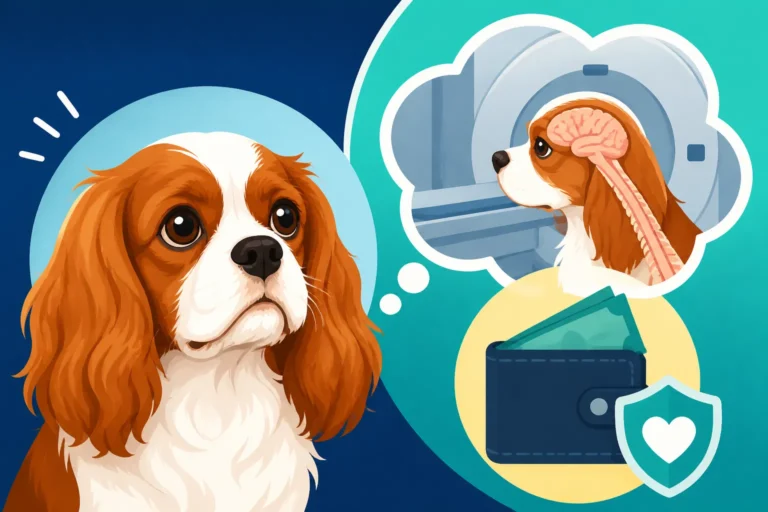
This is arguably the most compelling reason to insure a Cavalier at eight weeks. For a breed so predisposed to conditions like MVD and Syringomyelia, early, comprehensive insurance can be a financial lifesaver. If your Cavalier is enrolled before any symptoms of these conditions become apparent or are diagnosed, then when they do manifest later in life, they typically fall under the policy's coverage. This means the expensive specialist visits, diagnostic tests like MRIs for SM (which can be very costly, as discussed in "What a Cavalier MRI Scan Costs and Shows"), medications, and potentially surgeries, would be eligible for reimbursement.
For example, a provider like Healthy Paws is known for its comprehensive accident and illness plans that cover hereditary and chronic conditions as long as they aren't pre-existing. This is exactly what you want for a Cavalier. If a heart murmur is detected when your Cavalier is five years old, but you insured them at eight weeks with no prior murmur, that MVD journey should be covered. The alternative – waiting and then finding out your dog has a heart murmur or showing signs of neurological pain – means any future treatment for those specific issues would likely be excluded, leaving you to shoulder the full financial burden for conditions that could cost thousands over your dog's lifetime. Understanding how "How Cavalier Heart Disease Progresses Stage by Stage" or "Syringomyelia and Chiari Malformation in Cavaliers" can impact your dog is vital, and early insurance offers the best protection against their associated costs.
Wellness Plans vs. Accident & Illness: What a Puppy Needs
It's important to differentiate between standard accident and illness policies and wellness plans. An accident and illness policy, as discussed, covers unforeseen events and illnesses. A wellness plan, on the other hand, is designed to cover routine, predictable care. This includes things like:
- Vaccinations (which a puppy needs several rounds of, as detailed in "Vaccinating a Cavalier Puppy")
- Routine check-ups and physical exams
- Flea, tick, and heartworm prevention
- Spay or neuter surgery
- Dental cleanings (which Cavaliers often need due to crowded jaws, see "Cavalier Dental Disease in a Crowded Jaw")
For an eight-week-old puppy, you'll certainly have a lot of routine veterinary visits. Some owners choose to add a wellness plan to their accident and illness policy to help budget for these predictable expenses. While wellness plans don't offer the same catastrophic coverage as an accident and illness policy, they can certainly help offset the significant upfront costs of puppy care. Many pet supply retailers, like Chewy, also offer subscription services for preventative care items, allowing you to budget for these essentials even if you opt out of a separate wellness plan.
Navigating the Enrollment Process and Choosing a Plan
Once you're convinced that pet insurance is the right move for your Cavalier puppy, the next step is to actually get it. This process doesn't have to be daunting, but a little preparation and careful consideration will ensure you pick the best fit for your family and your new furry friend.
Gathering Your Puppy's Initial Health Records
When you apply for pet insurance, especially at such a young age, insurers will typically ask for your puppy's initial health records. This usually includes documentation from your breeder (like a health guarantee or parent health clearances), and critically, the notes from your very first vet visit with your puppy. This initial vet check-up, usually performed within a few days of bringing your puppy home, establishes a baseline of health. The veterinarian will conduct a physical exam, check for any obvious issues, and record their findings.
These records are crucial because they serve as proof that your Cavalier was healthy and free of diagnosed conditions at the time you enrolled. This documentation helps the insurance company determine what might be considered "pre-existing" later on. A thorough set of records from a reputable breeder, perhaps showing "The Heart Testing a Cavalier Breeder Must Do" for the parents or "The DNA Tests Every Cavalier Should Have", combined with your vet's initial exam, creates a clear picture of your puppy's health status at the time of enrollment. Make sure to keep copies of all these documents in a safe place!
Key Factors When Comparing Pet Insurance Providers
Choosing a pet insurance provider can feel like sifting through a stack of confusing paperwork. However, focusing on a few key factors can simplify the decision:
- Deductible: This is the amount you pay out-of-pocket before your insurance coverage kicks in. You might choose an annual deductible (e.g., you pay the first $250 or $500 of vet bills each year) or a per-incident deductible. A lower deductible usually means higher monthly premiums, and vice versa.
- Reimbursement Percentage: This is the percentage of eligible vet bills that the insurance company will pay after your deductible is met. Common percentages are 70%, 80%, or 90%. If your vet bill is $1000 and you have an 80% reimbursement rate, you'd get $800 back (minus your deductible).
- Annual Limit: This is the maximum amount the insurance company will pay out in a policy year. Some plans offer unlimited coverage, while others have limits ranging from several thousands of dollars to tens of thousands. Given the potential chronic nature and high costs associated with Cavalier health issues, a high or unlimited annual limit can be very beneficial.
- Breed-Specific Exclusions: Always read the fine print! While many reputable insurers cover hereditary conditions if not pre-existing, it's vital to confirm. Some plans might have specific exclusions or limitations for certain breeds or conditions. Companies like Healthy Paws are often highly-rated for their straightforward approach to comprehensive coverage, including breed-specific issues, making them a popular choice for Cavalier owners.
- Customer Service and Claim Process: Look for providers with a good reputation for customer service and an easy-to-use claims process. Some allow you to submit claims quickly online or via an app, which can be a huge relief during a stressful time.
Take the time to get quotes from several different providers. Don't just look at the monthly premium; consider the deductible, reimbursement, and annual limits in conjunction. A slightly higher premium might mean significantly better coverage when you really need it.
Considering the Long-Term Financial Picture
Insuring your Cavalier at eight weeks is an investment in their long-term health and your financial peace of mind. While monthly premiums might seem like an added expense, especially for a healthy puppy, consider the potential costs down the line. A single emergency vet visit could easily cost hundreds, or even thousands, of dollars. Diagnostic tests for a complex condition can run into four figures, and chronic medication for something like MVD could accumulate to thousands over several years, as explored in "Lifetime Heart Medication Costs for a Cavalier".
The cost of insurance premiums will likely increase slightly as your Cavalier ages, reflecting their increased risk of health issues. However, continuous coverage from puppyhood means that any new conditions that arise will be covered, often offsetting the rising premiums many times over. Without insurance, you would be entirely responsible for these potentially enormous bills. Many savvy pet parents also maintain a separate emergency fund for smaller, routine unexpected costs or as a cushion for deductibles, but pet insurance offers a crucial safety net for the large, life-altering expenses that can strike a Cavalier. Brands like Ollie also offer tailored fresh food plans, which, while not insurance, can contribute to overall health and potentially reduce vet visits for diet-related issues, working in tandem with a good insurance plan.
Common Concerns and Misconceptions About Puppy Insurance
Despite the clear benefits, many new puppy parents hesitate when it comes to pet insurance. There are often misconceptions about its value or necessity, especially when their new Cavalier seems perfectly healthy. Let’s address some of these common concerns head-on.
"My Puppy is Healthy, Why Insure Now?"
This is perhaps the most frequent question, and it's a completely understandable sentiment. Your eight-week-old Cavalier is probably a picture of health, full of playful energy. It feels counterintuitive to pay for insurance for a dog that isn't sick. However, as we've discussed, this is precisely the point of early enrollment. The biggest advantage of insuring a healthy puppy is that nothing is considered a pre-existing condition.
Cavaliers are predisposed to developing heart murmurs, Syringomyelia, and other genetic conditions. These aren't always present at eight weeks, and may not show symptoms for years. If you wait until a murmur is first detected, or until your dog starts showing signs of neck pain or phantom scratching (which could be symptoms of SM, as covered in "Phantom Scratching in a Cavalier"), that specific condition becomes pre-existing and won't be covered by a new policy. By insuring your healthy eight-week-old, you're effectively "locking in" coverage for anything that might arise later. It’s not about insuring a sick dog; it’s about protecting a healthy dog from future financial surprises related to breed-specific vulnerabilities.
The Cost of Premiums vs. Potential Vet Bills
Another common concern is the cost of monthly premiums. It's true that pet insurance is an ongoing expense, but when you compare it to the potential cost of veterinary care for a Cavalier, the premiums often seem like a small price to pay. Consider these hypothetical scenarios (remembering that exact costs vary widely):
| Scenario (Cavalier Health Issue) | Typical Veterinary Needs | Potential Out-of-Pocket Cost (without insurance) |
|---|---|---|
| Sudden Injury (e.g., broken leg) | Emergency exam, X-rays, possibly surgery, pain meds, follow-up visits | Thousands of dollars |
| Mitral Valve Disease (MVD) | Annual cardiology exams, echocardiograms, multiple daily medications (lifelong), emergency visits for heart failure | Many thousands over lifetime, especially as "Medication for a Cavalier With Heart Disease" progresses |
| Syringomyelia (SM) | Neurologist consultations, MRI scans (repeated), pain management medications (lifelong), potentially surgery | Many thousands, particularly for "Surgery for Cavalier Syringomyelia" |
| Severe Allergy/Skin Condition | Multiple vet visits, allergy testing, prescription medications, special diets | Hundreds to thousands annually, ongoing |
When you look at these potential bills, especially for chronic conditions like MVD, which can cost thousands over the lifespan of a dog, the monthly premiums for insurance become a much more manageable figure. An insurance policy helps turn unpredictable, potentially devastating lump sums into predictable, budgeted monthly payments. It ensures that when your Cavalier needs advanced care, your decision can be based on what’s best for their health, not just what you can afford at that moment. This is why many experienced Cavalier owners will strongly recommend "Whether Pet Insurance Is Worth It for a Cavalier".
Breeder Recommendations and Insurance as a Responsible Choice
Reputable Cavalier breeders, those who are truly invested in the health and welfare of their puppies, often emphasize the importance of pet insurance and may even require proof of coverage as part of their puppy contract. They understand the genetic predispositions of the breed and want to ensure their puppies are cared for throughout their lives. A breeder who health-tests their breeding dogs for MVD, SM, and other conditions (like "Cavalier Knees, Hips and Joint Problems") is doing their part, but future health cannot be absolutely guaranteed. Insurance provides that extra layer of protection.
Choosing to insure your Cavalier at eight weeks is a hallmark of responsible pet ownership. It shows foresight and a commitment to providing the best possible care, no matter what challenges may arise. It’s part of budgeting for your Cavalier from puppy to senior, understanding that unexpected health issues are a very real possibility. Alongside ensuring they receive the right nutrition from brands like Ollie, regular exercise, and loving care, pet insurance completes the circle of responsible care for a Cavalier King Charles Spaniel.
Disclaimer
This article is for general informational purposes only and does not constitute professional advice. Laws, prices and regulations vary by location and change over time. Consult a qualified professional for guidance on your specific situation.