Lifetime Heart Medication Costs for a Cavalier
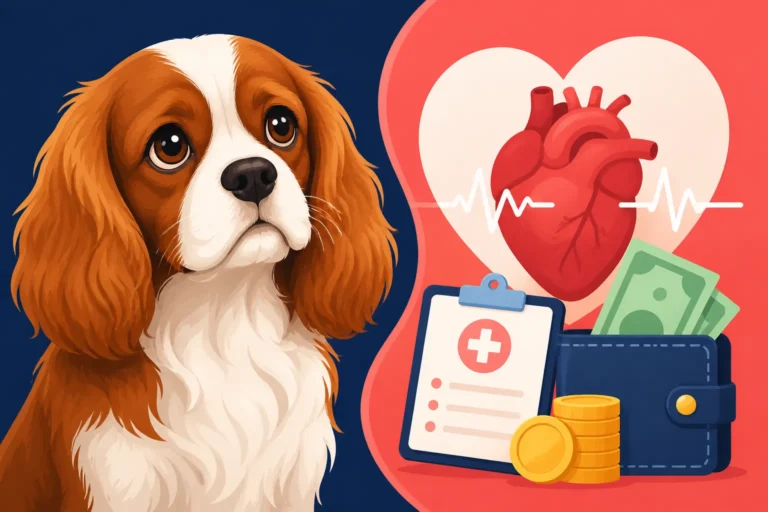
Bringing a Cavalier King Charles Spaniel into your life is an experience filled with unparalleled joy, fluffy cuddles, and endless companionship. However, it also comes with the knowledge that these sweet dogs are prone to certain health challenges, none more prevalent or impactful than Mitral Valve Disease (MVD). The reality is that for many Cavalier owners, a future involving daily heart medication isn't a possibility but a near certainty, bringing with it a significant and often underestimated financial commitment. This comprehensive guide is here to shed light on what you can realistically expect regarding the lifetime heart medication costs for your beloved Cavalier, from understanding the disease's progression to navigating the various treatment options and their associated expenses.
Understanding Mitral Valve Disease in Cavaliers
It's a tough truth to face, but Mitral Valve Disease is the leading cause of death in Cavalier King Charles Spaniels, affecting virtually all of them eventually. It's not a matter of if but when for most. This isn't something to gloss over; it's a deep-seated genetic issue that has been passed down through generations. Owners often feel a profound sense of helplessness as they watch their otherwise vibrant dog slowly succumb to a condition that seems almost inevitable.
The Unfortunate Reality of Cavalier Hearts
Mitral Valve Disease in the Cavalier King Charles Spaniel is a degenerative condition where the mitral valve, located between the left atrium and left ventricle of the heart, thickens and loses its ability to close properly. Think of it like a leaky faucet within the heart – instead of blood flowing efficiently in one direction, some of it sloshes back into the atrium with each beat. This backward flow, known as regurgitation, is what causes the characteristic heart murmur that vets listen for. The heart then has to work harder to pump enough blood to the body, and over time, this extra effort can lead to the heart becoming enlarged and eventually failing.
It's a condition that can start subtly, often showing no outward signs for years, which can be particularly frustrating. You might have a happy, energetic Cavalier, completely unaware of the silent battle brewing within their chest. The insidious nature of MVD means that by the time you see symptoms, the disease is already quite advanced. For many, a murmur can appear as early as three or four years old, though some lucky Cavaliers might not develop one until later in life. This prevalence is why topics like, "Why Half of Cavaliers Have a Murmur by Five," are so important for owners to understand.
Diagnosing MVD and Its Implications
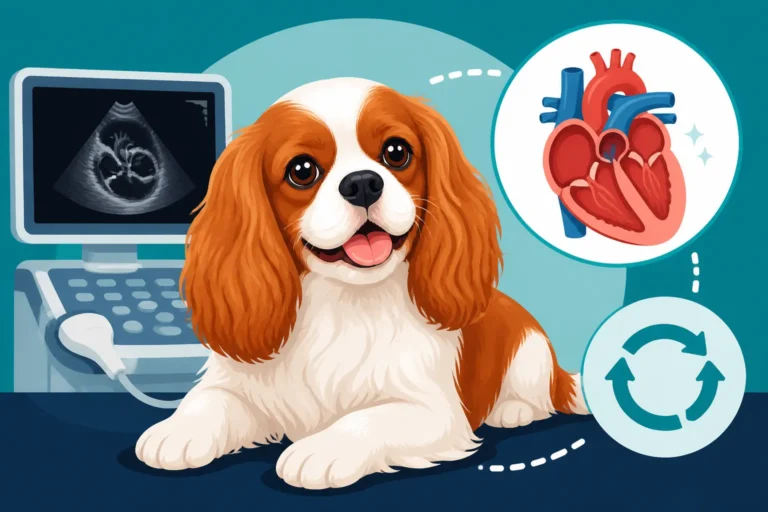
The first sign of MVD is usually the detection of a heart murmur by your veterinarian during a routine check-up. They'll listen with a stethoscope and grade the murmur, which can give an initial indication of severity. However, a stethoscope screening against a Cavalier heart scan is crucial for a definitive diagnosis and to understand the exact extent of the disease. A veterinary cardiologist will perform an echocardiogram, which is an ultrasound of the heart. This allows them to visualize the mitral valve, measure the chambers of the heart, and assess the blood flow, providing a clear picture of how Cavalier heart disease progresses stage by stage.
Discovering your Cavalier has MVD can be devastating news. It shifts your perspective on their future, bringing a new layer of responsibility and, yes, financial concern. What a Cavalier echocardiogram shows will determine the stage of the disease and guide the treatment plan. At this point, even if medication isn't immediately prescribed, regular monitoring will become part of your routine. This proactive approach is key to ensuring your beloved companion receives the best possible care, delaying the onset of symptoms and improving their quality of life for as long as possible.
When Medication Becomes a Necessity
It's a common misconception that a heart murmur automatically means immediate medication. That's simply not the case, and it's important to understand the nuances. The timing of when medication starts is critical and can significantly impact the long-term prognosis and, of course, the lifetime costs involved.
Navigating the Stages of Heart Disease
Veterinary cardiologists use a staging system developed by the American College of Veterinary Internal Medicine (ACVIM) to classify canine MVD. This system helps determine the appropriate course of action, including when to start medication.
- Stage A: This stage applies to Cavaliers who are at a high risk for developing MVD but currently show no structural heart changes or murmur. This includes all Cavaliers due to their breed predisposition. There's no medication for this stage, but awareness and early screening are vital.
- Stage B1: Cavaliers in this stage have a heart murmur but no evidence of heart enlargement. Your vet might detect a murmur, but an echocardiogram reveals the heart size is still normal. At this point, medication is generally not recommended. The focus is on regular monitoring, usually annual cardiologist exams for a Cavalier.
- Stage B2: This is often the turning point. Cavaliers in Stage B2 have a murmur and evidence of heart enlargement (cardiac remodeling) detectable on an echocardiogram. They are still asymptomatic, meaning they show no outward signs like coughing or difficulty breathing. This is the stage where starting heart medication before a Cavalier coughs becomes incredibly important, as studies have shown it can significantly delay the onset of clinical signs and extend lifespan.
- Stage C: Cavaliers in Stage C are showing clinical signs of heart failure (like coughing, difficulty breathing, exercise intolerance, or fluid in the lungs) and have evidence of heart enlargement. Medication is absolutely essential at this stage to manage symptoms and improve quality of life.
- Stage D: This is end-stage heart failure, where symptoms are refractory to standard treatment. Intensive medication regimens and potentially hospitalization are often required. For those facing this difficult reality, understanding topics like, "End-Stage Heart Failure in a Cavalier," becomes tragically necessary.
The shift from Stage B1 to B2 is often where the financial commitment to medication truly begins. It’s not just about treating symptoms; it’s about proactively slowing the disease down.
The Critical Timing for Starting Treatment
The critical timing for starting treatment for MVD in Cavaliers typically occurs when they reach ACVIM Stage B2. For many years, veterinarians waited until dogs showed symptoms of congestive heart failure (Stage C) before prescribing medication. However, groundbreaking research, particularly the EPIC study, demonstrated that starting a specific medication called pimobendan during Stage B2 can significantly delay the onset of clinical signs of heart failure by an average of 15 months and extend overall survival. This was a game-changer for Cavalier owners.
This means that even if your Cavalier is still running around, playing fetch, and showing no signs of slowing down, if an echocardiogram confirms heart enlargement (Stage B2), your cardiologist will likely recommend starting medication. This can be a hard pill to swallow, both literally and figuratively, as you're starting a daily medication regimen for a dog who seems perfectly healthy. But the evidence is clear: early intervention at Stage B2 buys your beloved Cavalier more quality time. Understanding "When a Cavalier Murmur Needs Medication" is crucial, and it’s usually not when they’re already struggling. This early start means committing to medication costs for a longer period, but it's an investment in their health and happiness.
Deconstructing the Cost of Heart Medications
Once your Cavalier reaches Stage B2 or beyond, heart medications become a daily, non-negotiable part of their care. These aren't just one-off prescriptions; they are a long-term commitment. The costs can vary significantly based on the specific drugs, dosages, whether you opt for brand names or generics, and where you purchase them.
The Big Players: Pimobendan and Diuretics
The two most common and impactful medications for Cavaliers with MVD, especially as the disease progresses, are pimobendan and diuretics.
Pimobendan (Vetmedin®): This is often considered the "wonder drug" for MVD. It's a positive inotrope and vasodilator, meaning it helps the heart pump more strongly and efficiently while also widening blood vessels to reduce the heart's workload. It's truly a cornerstone of MVD treatment. For a Cavalier with an enlarged heart, Pimobendan for a Cavalier with an enlarged heart is prescribed at Stage B2 to delay the onset of heart failure symptoms, and then continues through Stage C and D.
- Cost: Pimobendan can be quite expensive, particularly the brand-name Vetmedin. The cost depends heavily on the dosage, which is determined by your Cavalier's weight. For a typical 15-pound Cavalier, you might be looking at $50-$100 per month for brand-name Vetmedin. Generic versions are becoming more widely available, and these can sometimes cut the cost by 30-50%, though availability and your vet's recommendation will vary. For instance, a month's supply of generic pimobendan for a 15-pound dog might range from $30-$70.
Diuretics (Furosemide/Lasix®): When a Cavalier's heart disease progresses to Stage C, meaning congestive heart failure with fluid accumulation (often in the lungs, causing coughing and breathing difficulties), diuretics become absolutely vital. Diuretics for a Cavalier in heart failure work by helping the body excrete excess fluid, relieving pressure on the lungs and making it easier for your dog to breathe.
- Cost: Furosemide is generally much more affordable than pimobendan. It's a common medication with readily available generic versions. For a 15-pound Cavalier, the monthly cost for furosemide might be anywhere from $10-$30, depending on the dosage and frequency, and whether you're using generic or brand-name Lasix.
These two medications alone represent a significant portion of the ongoing financial commitment for a Cavalier with MVD.
ACE Inhibitors and Other Supportive Therapies
While pimobendan and furosemide are often the primary treatments, other medications and supportive therapies may be introduced as the disease progresses or to address specific symptoms.
ACE Inhibitors (Enalapril, Benazepril): These medications, like enalapril or benazepril, work by relaxing blood vessels and reducing blood pressure, further easing the workload on the heart. They are often added to the regimen in Stage C, sometimes earlier depending on the cardiologist's assessment.
- Cost: ACE inhibitors are generally moderately priced, especially if generic versions are used. For a typical Cavalier, monthly costs could range from $15-$40.
Spironolactone: This is another diuretic, often referred to as a "potassium-sparing" diuretic, meaning it helps remove fluid without causing the body to lose too much potassium, which can be a side effect of furosemide. It's often added in later stages of heart failure.
- Cost: Spironolactone is also relatively inexpensive, with monthly costs typically in the $10-$25 range.
Other Supportive Therapies:
- Cough Suppressants: If your Cavalier is experiencing a persistent cough due to an enlarged heart pressing on the trachea, cough suppressants may be prescribed.
- Bronchodilators: These might be used if there's an associated respiratory component.
- Sedatives/Anti-anxiety medication: For very stressed or anxious dogs struggling with breathing, these can sometimes be used in acute situations.
- Dietary Supplements: While not medication, some vets might recommend supplements like fish oil for a Cavalier with heart disease, or specific vitamins, which add to the monthly cost.
- Prescription Diets: A low-sodium diet is often recommended for Cavaliers with heart disease to help manage fluid retention. Brands like Hill's Prescription Diet or Royal Canin offer cardiac-specific formulas. These foods are significantly more expensive than regular kibble, adding $70-$120 per month to your food bill.
The combination of these medications can quickly escalate the monthly out-of-pocket expenses. It’s not uncommon for a Cavalier in advanced heart failure to be on 3-5 different medications daily.
Generic vs. Brand Name Medications
When faced with a lifetime of medication costs, the distinction between generic and brand-name drugs becomes incredibly important.
Brand Name Medications: These are the original drugs, patented by the pharmaceutical company that developed them. They often have recognizable names like Vetmedin (pimobendan) or Lasix (furosemide). They can be significantly more expensive due to the research and development costs that the company needs to recoup. Sometimes, they might also come in specific formulations (e.g., chewable tablets) that are preferred for ease of administration.
Generic Medications: Once a patent for a brand-name drug expires, other manufacturers can produce generic versions. These generics contain the same active ingredients, in the same dosage form, and are required to meet the same strict standards for quality, strength, purity, and stability as their brand-name counterparts. They are bioequivalent, meaning they work the same way in the body. The biggest difference is the price, which is often considerably lower.
For example, generic pimobendan has become a lifesaver for many Cavalier owners, cutting monthly costs by a substantial margin. If your Cavalier is on Pimobendan, always ask your vet if a generic option is suitable and available. Similarly, generic furosemide and enalapril are widely available and much cheaper than their brand-name versions.
Considerations:
- Availability: Not all medications have a generic equivalent, or the generic might not be readily available from all pharmacies.
- Formulation: Sometimes, the generic might only come in tablet form, while the brand name offers a chewable, which can be easier for picky eaters.
- Veterinarian Preference: Some veterinarians have strong preferences for specific brands or generics, so always discuss options with them.
In most cases, opting for generic medications can provide substantial savings over the lifetime of your Cavalier's treatment without compromising efficacy. This is one of the most significant ways to reduce the financial impact of medication.
Here's a table to help visualize typical monthly costs for a 15-pound Cavalier:
| Medication (Generic Name) | Common Brand Name | Primary Use for MVD | Avg. Monthly Cost (Generic) | Avg. Monthly Cost (Brand Name) |
|---|---|---|---|---|
| Pimobendan | Vetmedin | Heart Function Aid | $30 – $70 | $50 – $100 |
| Furosemide | Lasix | Diuretic | $10 – $30 | $15 – $35 |
| Enalapril / Benazepril | Enacard / Lotensin | ACE Inhibitor | $15 – $40 | $25 – $55 |
| Spironolactone | Aldactone | Potassium-Sparing Diuretic | $10 – $25 | $15 – $35 |
| Prescription Cardiac Diet | Hill's/Royal Canin | Low-Sodium Food | N/A | $70 – $120 |
| Fish Oil Supplement | Varies | Anti-inflammatory/Heart Health | $15 – $30 | $20 – $45 |
Costs are approximate and can vary based on dosage, location, pharmacy, and specific product.
Strategies for Easing the Financial Strain
The ongoing cost of heart medications can feel overwhelming, but there are proactive steps you can take to manage these expenses without compromising your Cavalier's health. Financial planning is just as important as medical planning when dealing with chronic conditions like MVD.
The Lifeline of Pet Insurance
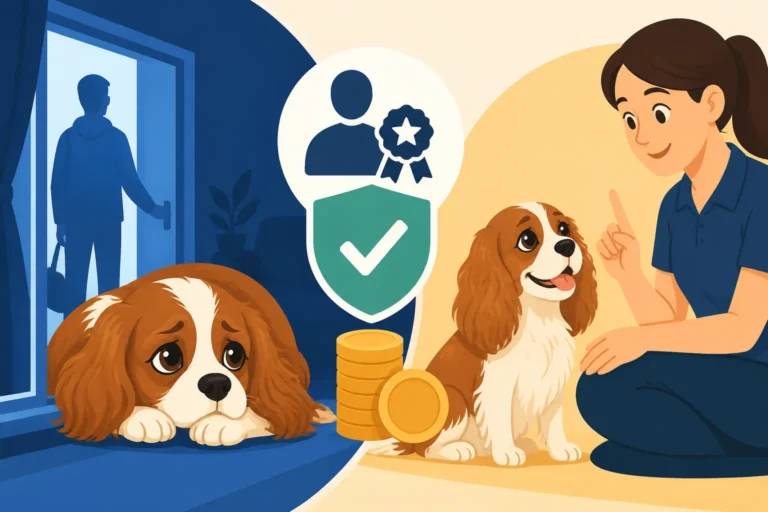
Pet insurance can be an absolute lifesaver for Cavalier owners, especially given the breed's predispositions. However, the timing of when you enroll your Cavalier is crucial when it comes to covering MVD. Insuring a Cavalier before the murmur arrives is paramount. Most pet insurance policies consider any condition diagnosed before coverage begins, or during a waiting period, as "pre-existing." This means if your Cavalier already has a murmur, or even if the murmur is detected during the policy's initial waiting period, MVD and its associated treatments (including all those expensive heart medications) will likely be excluded from coverage. This explains why an eight-month-old Cavalier is already late for full heart coverage.
If you have a young Cavalier puppy and are considering pet insurance, enroll them as early as possible – ideally at 8 weeks old, before any health issues might arise. Look for providers like Healthy Paws, which are known for comprehensive coverage, but always read the fine print regarding hereditary conditions and pre-existing clauses. While it's an upfront monthly cost, knowing that a significant portion of future cardiology visits, diagnostics (like repeat echocardiograms), and daily medications could be reimbursed offers immense peace of mind. It’s important to research "What a Cavalier Policy Costs Monthly" and choose a plan that fits your budget but also offers robust coverage for serious conditions. Without it, the bills that land once a Cavalier's heart fails can be truly devastating.
Exploring Online Pharmacies and Discount Programs
Once your Cavalier is on medication, exploring different purchasing avenues can lead to substantial savings.
Online Pet Pharmacies: Websites like Chewy, PetMeds, and others often offer competitive pricing on veterinary medications, including both brand-name and generic heart drugs. They operate similarly to human online pharmacies – you send them your vet's prescription, and they ship the medication to you. The convenience alone is a huge benefit, especially when you're managing multiple daily medications.
- Tips for Using Online Pharmacies:
- Compare Prices: Don't just stick to one. Check several sites for the best deals.
- Check Shipping Times: Order refills well in advance to avoid running out, especially for critical heart medications.
- Verify Legitimacy: Ensure the pharmacy requires a valid prescription from your vet.
- Subscription Services: Some online pharmacies offer subscription services that might provide a small discount for recurring orders.
Local Pharmacies (Human Pharmacies): Many common veterinary medications, especially generics like furosemide, enalapril, and spironolactone, are identical to those prescribed for humans. Often, your local human pharmacy (like CVS, Walgreens, or Costco) can fill these prescriptions at a lower cost than a veterinary clinic or even a specialized pet pharmacy. Always ask your vet if the medication can be filled at a human pharmacy.
Discount Programs:
- GoodRx/SingleCare: These are prescription discount services primarily for human medications, but they often cover common generics used in veterinary medicine. You can check their websites or apps for coupons and compare prices at various local pharmacies. This can lead to surprising savings on drugs like furosemide.
- Manufacturer Coupons: Occasionally, manufacturers of brand-name veterinary drugs might offer coupons or loyalty programs. Ask your vet if they are aware of any such programs for medications your Cavalier is on.
By combining the use of pet insurance (if applicable) with smart shopping through online and human pharmacies, you can significantly reduce the "Lifetime Heart Medication Costs for a Cavalier."
Budgeting for Ongoing Needs
Beyond the initial costs, you need a long-term strategy for budgeting. Think of your Cavalier's heart medication as a fixed monthly expense, just like your utilities or groceries.
- Create a Dedicated Fund: Consider setting up a separate savings account specifically for your Cavalier's medical needs. Even if you have insurance, there will be deductibles, co-pays, and uncovered expenses. Having a buffer can prevent financial stress during unexpected emergencies.
- Track Expenses: Keep a detailed record of all medication costs, vet visits, and other related expenses. This will give you a clear picture of your actual monthly and annual spending, allowing you to adjust your budget as needed.
- Bulk Buying: If your vet approves and the medication has a long shelf life, sometimes buying a 3-month or 6-month supply can result in a per-pill discount. However, be cautious with this if dosages are likely to change.
- Talk to Your Vet: Don't be afraid to have an honest conversation with your veterinarian or cardiologist about financial concerns. They understand that costs can be a burden and may be able to suggest alternative medications, generic options, or local resources to help. They want what’s best for your Cavalier, and that includes financially sustainable care.
- Consider a Cardiac-Friendly Diet: While a prescription diet like those from Ollie can be more expensive upfront, these low-sodium options are specifically formulated to support heart health and can reduce the burden on your Cavalier's heart, potentially slowing disease progression and optimizing the effectiveness of medications. Always discuss dietary changes with your vet or cardiologist.
By meticulously planning and leveraging available resources, you can better manage the financial aspects of your Cavalier's MVD treatment, ensuring they continue to receive the care they need without putting undue strain on your finances.
The Lifetime Financial Horizon
Understanding the monthly cost of medication is one thing, but truly grasping the "Lifetime Heart Medication Costs for a Cavalier" requires looking at the bigger picture—how these expenses accumulate over years and what other costs might arise in the later stages of the disease.
Projecting Annual and Total Medication Costs
Let's do some realistic math. If a Cavalier starts on pimobendan and furosemide in Stage B2, they could be on these medications for several years, potentially even five or more, before reaching end-stage heart failure.
Consider a 15-pound Cavalier:
- Pimobendan (generic): $50/month = $600/year
- Furosemide (generic): $20/month = $240/year
- Enalapril (generic): $25/month = $300/year
- Prescription Cardiac Diet: $90/month = $1080/year
- Supplements (e.g., fish oil): $20/month = $240/year
Total Annual Medication & Diet Costs: Approximately $2,460
This figure doesn't even include the cost of regular veterinary check-ups, cardiology re-checks (which are vital for monitoring progression and adjusting medication), diagnostic tests like repeat echocardiograms and chest X-rays, or potential emergency visits. A single echocardiogram can cost $400-$700, and these are often needed annually or semi-annually.
If your Cavalier lives for another 3-5 years after starting medication, you're looking at a total medication and diet expenditure of $7,380 to $12,300, not counting all other vet bills. This projection truly illustrates what Cavalier heart disease costs to treat over its full course. This is why having an emergency fund a Cavalier owner needs is so important, as is exploring all options for coverage and discounts.
Unexpected Expenses and End-Stage Care
As MVD progresses, unexpected costs can, and often do, arise. These can significantly inflate the total lifetime cost of care.
- Dosage Increases: As the disease worsens, medication dosages often need to be increased, or additional medications introduced. This directly increases your monthly spending.
- Emergency Visits: Cavaliers in heart failure are prone to sudden crises, such as acute fluid accumulation in the lungs (pulmonary edema), which requires immediate veterinary attention. Emergency visits, often involving oxygen therapy, intravenous diuretics, and overnight stays, can easily run into hundreds or even thousands of dollars per incident. For many, an emergency visit for a Cavalier in fluid overload is a heartbreaking and expensive reality.
- Hospitalization: In advanced stages, your Cavalier might require hospitalization for several days for intensive monitoring and treatment, which can be very costly.
- Hospice Care: As your Cavalier approaches end-stage heart failure, you might opt for hospice care, which focuses on comfort and quality of life. This can involve more frequent vet visits, specialized pain management, and additional supportive medications. The decision to pursue hospice care for a Cavalier in heart failure is deeply personal, but it does come with its own financial considerations, including medication to keep them comfortable.
- Euthanasia and Cremation: While a difficult topic, end-of-life costs are part of the lifetime financial horizon. Home euthanasia costs for a Cavalier typically range from $250-$450, and cremation services add another $100-$300, depending on individual or communal options.
The journey of caring for a Cavalier with MVD is deeply rewarding, but it's also a marathon of care and financial commitment. Being prepared for these costs, both anticipated and unexpected, can help alleviate some of the stress and allow you to focus on providing the best possible quality of life for your beloved companion for every day you have together.
Disclaimer
This article provides general information and is not a substitute for professional veterinary advice. Always consult with your veterinarian or a board-certified veterinary cardiologist regarding your Cavalier King Charles Spaniel's specific health condition, diagnosis, and treatment plan. Medication dosages and costs can vary widely.