Trainer Rates for Cavalier Separation Anxiety
Living with a Cavalier King Charles Spaniel who suffers from separation anxiety can be utterly heartbreaking and incredibly frustrating. You want nothing more than to give your sweet companion a happy, calm life, but the moment you reach for your keys, their distress begins, often escalating into destructive chewing, incessant barking, or even accidents indoors. This deep-seated fear of being alone isn't just a minor inconvenience; it's a significant behavioral challenge that leaves many owners feeling trapped and exhausted. This guide aims to shed light on the professional help available for Cavalier separation anxiety, specifically focusing on the different types of trainers, their approaches, and the factors that influence their rates, so you can navigate this journey with a clearer understanding of the investment involved.
The Heartbreak of Cavalier Separation Anxiety
Cavalier King Charles Spaniels are renowned for their loving, gentle nature and their profound devotion to their families. They earned the nickname "Velcro dogs" for a reason – they thrive on companionship and often prefer to be in the same room, if not on the same lap, as their humans. While this devoted personality is part of their immense charm, it can also make them particularly susceptible to separation anxiety. When a Cavalier is left alone, especially for extended periods without proper conditioning, that strong bond can twist into a deep-seated panic.
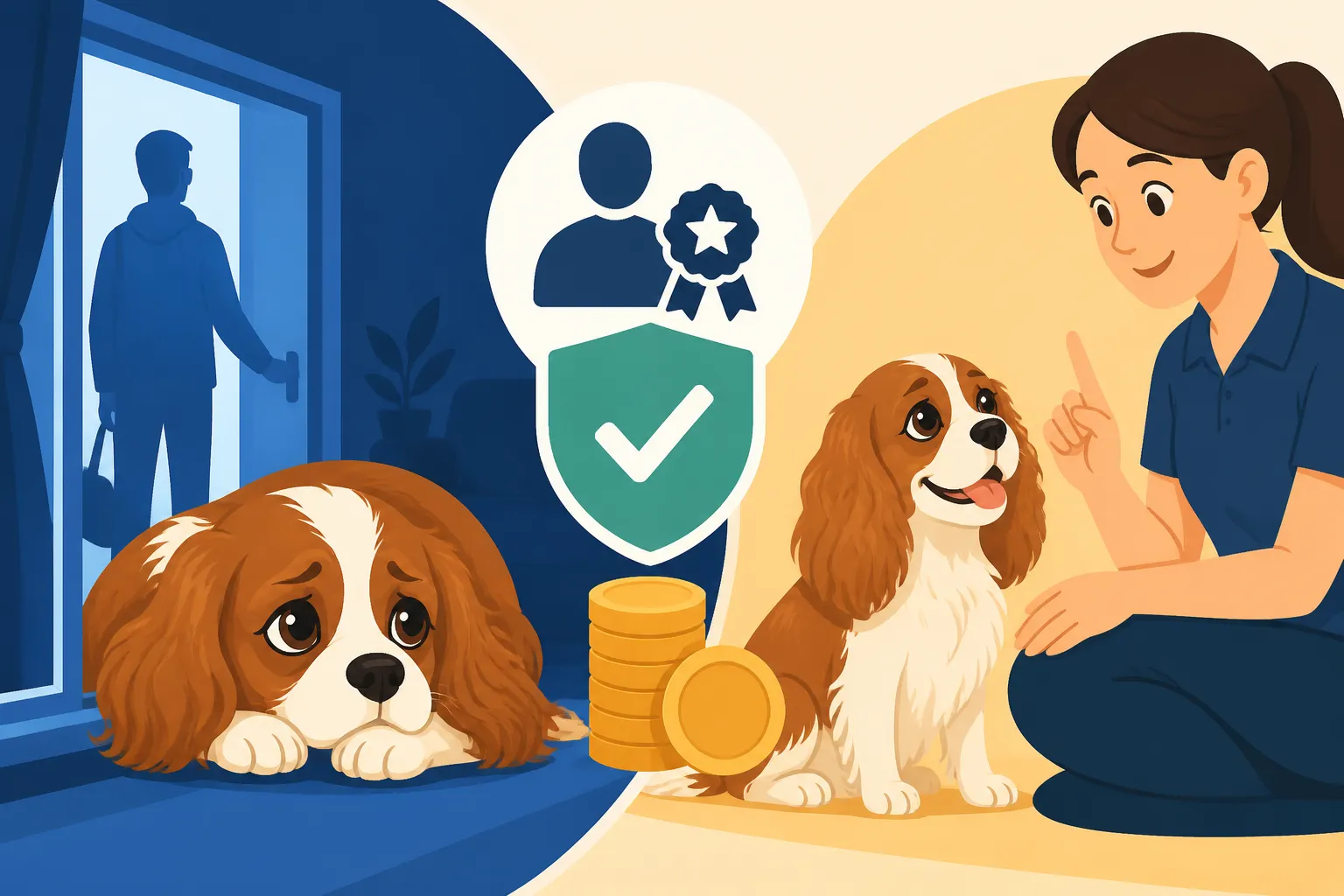
This isn't just about a dog being "naughty" or "stubborn"; it's a genuine anxiety disorder. Your Cavalier isn't choosing to destroy your couch or howl incessantly; they are experiencing profound stress and fear. Common signs of separation anxiety can range from mild whining and pacing to extreme behaviors like continuous barking, destructive chewing on doorframes or furniture, house-soiling (even in perfectly house-trained dogs), excessive drooling, or frantic attempts to escape. Imagine feeling utterly alone and terrified, with no way to cope – that's often what your Cavalier is going through. Understanding this distinction is the first crucial step toward finding effective help and managing expectations for recovery. It's an emotional journey for both of you, and it requires patience and a systematic approach. You might find it helpful to review Living With a Cavalier That Panics When Alone to understand the daily realities.
Why Cavaliers Are Prone to This Condition
The very traits that make Cavaliers such wonderful companions also contribute to their vulnerability to separation anxiety. Their inherent desire for closeness, their soft temperament, and their historical role as lap dogs mean they are often unprepared for solitude. Unlike some breeds that might be more independent, a Cavalier's ideal world usually involves being near their people almost constantly.
Think about a Cavalier puppy raised in a busy home where someone is always around. They might never learn coping mechanisms for being alone because they never have to be alone. Then, when circumstances change – perhaps an owner returns to work, or the household routine shifts – the dog is suddenly faced with a situation for which they have no internal toolkit. This can trigger intense anxiety. Factors like genetics, early life experiences, changes in routine, moving to a new home, or even a traumatic event while alone can all play a role in the development or worsening of separation anxiety in a Cavalier. It’s also why preventing it from developing in the first place, through careful conditioning from puppyhood, is so important.
The Impact on Owners and the Home
The consequences of separation anxiety extend far beyond the dog's distress. For owners, it can lead to immense stress, guilt, and financial strain. Coming home to chewed furniture, a soiled carpet, or complaints from neighbors about incessant barking can feel overwhelming. Many owners report feeling unable to leave their dogs, canceling plans, or even facing eviction due to their dog's behavior. The constant worry about their Cavalier's well-being while they are out can be mentally exhausting.
Financially, the costs can add up quickly, from replacing damaged items to professional cleaning, and potentially vet visits if the dog injures itself trying to escape. Beyond material costs, there's the emotional toll of seeing your beloved pet so unhappy and feeling helpless to fix it. This is why investing in professional help, while seemingly a large upfront cost, can ultimately save you money and, more importantly, restore peace to your home and your Cavalier's life. Understanding Signs a Cavalier Is Distressed When Alone can help you recognize the issue early.
Types of Professionals Who Help with Separation Anxiety
When you're dealing with something as complex and distressing as separation anxiety, bringing in a professional is usually the most effective path forward. But not all professionals are created equal, and understanding the different roles can help you choose the right fit for your Cavalier's needs and your budget. The two main types of specialists you'll encounter are certified professional dog trainers with expertise in separation anxiety and veterinary behaviorists.
Certified Professional Dog Trainers (CPDT-KA) Specializing in Separation Anxiety
A Certified Professional Dog Trainer (CPDT-KA) who specifically specializes in separation anxiety (SA) is often the first and most appropriate port of call for many owners. These trainers have dedicated their education and practice to understanding and modifying canine separation-related behaviors. They typically use positive reinforcement, desensitization, and counter-conditioning techniques to gradually help your Cavalier feel comfortable and safe when alone.
Their approach is highly structured and often involves:
- Initial Assessment: A thorough intake process, often including questionnaires and video footage of your dog alone, to determine the severity and specific manifestations of the anxiety.
- Graduated Exposure: Developing a step-by-step plan that slowly increases the amount of time your Cavalier can tolerate being alone, starting with seconds and gradually building up. This is a crucial element of Building a Cavalier's Tolerance for Being Left.
- Counter-conditioning: Associating your departure cues (keys, coat) with positive things, like special treats or long-lasting enrichment toys from a reputable supplier like Chewy, rather than panic.
- Management Strategies: Practical advice on management, such as setting up a safe space, using calming music, or specific departure routines.
- Owner Coaching: Guiding you through the process, providing homework, and troubleshooting challenges.
Most of these trainers work remotely, utilizing video calls and app-based support, which allows them to assist clients anywhere, eliminating geographical barriers and often making scheduling more flexible. This virtual format also means they can observe your Cavalier in their natural home environment without their presence influencing the dog's behavior.
Veterinary Behaviorists (DACVB)
For severe cases of separation anxiety, or when a dog isn't responding adequately to behavioral modification alone, a Veterinary Behaviorist (DACVB) is the next step. These are veterinarians who have gone on to complete extensive residency training and board certification in animal behavior. They are uniquely qualified to diagnose and treat behavioral disorders, taking into account both medical and behavioral factors.
A veterinary behaviorist can:
- Rule out medical causes: Sometimes, underlying health issues can mimic or exacerbate behavioral problems. They can perform a full medical workup to ensure your Cavalier isn't suffering from physical pain, discomfort, or other conditions that contribute to their anxiety.
- Prescribe medication: This is a key difference from trainers. Veterinary behaviorists can prescribe anxiolytic (anti-anxiety) medications to help reduce your Cavalier's overall anxiety levels, making them more receptive to behavioral modification. This is often a critical component for dogs with intense distress, as discussed in Medication for Cavalier Separation Anxiety.
- Integrate behavioral and medical treatment: They create a comprehensive treatment plan that combines medication with a structured behavior modification protocol, often collaborating with a certified trainer to implement the latter.
Their approach is often more intensive and interdisciplinary, addressing the issue from both a physiological and psychological perspective. While their services typically come at a higher cost, their expertise can be invaluable for Cavaliers whose anxiety is deeply entrenched or complicated by other factors.
Factors Influencing Trainer Rates for Cavalier Separation Anxiety
The cost of hiring a professional to help with your Cavalier's separation anxiety can vary significantly. It's not a one-size-fits-all situation, and several factors play a major role in determining the overall investment. Understanding these can help you budget and make an informed decision.
Experience, Credentials, and Specialization
Just like any profession, the more experienced and specialized a trainer is, the more they will likely charge.
- Specialization in SA: Trainers who focus solely on separation anxiety often command higher rates because of their deep expertise, continuous education in the field, and a proven track record of success with this specific, challenging issue. They aren't general dog trainers who dabble in SA; it's their primary focus.
- Certifications: Look for certifications like CPDT-KA (Certified Professional Dog Trainer – Knowledge Assessed) or CSAT (Certified Separation Anxiety Trainer). These indicate that the trainer has met rigorous standards and continually updates their knowledge. Veterinary behaviorists (DACVB) represent the highest level of behavioral expertise, and their rates will reflect this advanced medical and behavioral training.
- Reputation and Demand: Highly sought-after trainers with excellent reputations and limited availability will naturally have higher fees. Testimonials and success stories can be a good indicator here.
Think of it like hiring any specialist: you're paying for their focused knowledge and skill set to solve a very particular problem.
Service Model: Remote vs. In-Person, Packages vs. Hourly
The way services are delivered also impacts pricing.
- Remote/Virtual Training: As mentioned, many SA specialists work remotely. This can sometimes be more cost-effective as it removes travel time for the trainer. However, the specialized nature of SA training often means their virtual rates can still be substantial. Remote packages typically include an initial consultation, weekly or bi-weekly check-ins, access to specialized software for tracking progress, and continuous support via messaging or email.
- In-Person Training: Less common for SA specialists, but if you find one, they might charge per session or per package. Travel fees might be added if they come to your home. In-person training allows for direct observation but also risks the dog's behavior being influenced by the trainer's presence.
- Hourly Rates vs. Packages:
- Hourly Rates: Some trainers might offer hourly consultations, especially for initial assessments or follow-up troubleshooting. This can seem cheaper upfront but may not provide the comprehensive, ongoing support needed for SA.
- Packages: Most SA specialists offer multi-week or multi-month packages. These often include the initial assessment, a set number of virtual sessions, a personalized protocol, and ongoing support. While the upfront cost is higher, packages are usually more economical in the long run and reflect the sustained effort required to overcome separation anxiety. A typical package might cover 4-12 weeks of dedicated support, as separation anxiety is rarely a quick fix.
Geographic Location
Where you live can have a significant impact on professional service rates.
- Major Metropolitan Areas: Trainers and veterinary behaviorists in large cities like New York, Los Angeles, or Boston generally have higher operating costs and higher demand, leading to higher rates.
- Suburban or Rural Areas: Rates in less populated areas might be more moderate, though specialized SA trainers can be harder to find locally, making remote training a more appealing option.
Even with remote trainers, some may adjust their pricing based on the average cost of living or income levels in their client's region, or they may have a flat rate regardless of location.
Severity of Anxiety and Duration of Treatment
The intensity of your Cavalier's separation anxiety directly influences the amount of time and effort required for successful treatment, and therefore, the cost.
- Mild Cases: A Cavalier with mild anxiety might only need a few weeks of consistent training and support to build confidence. The total cost would be lower as fewer sessions or a shorter package would suffice.
- Severe Cases: If your Cavalier exhibits extreme panic, self-harm attempts, or destructive behaviors from the moment you leave, the treatment will be more intensive and prolonged. This often requires longer packages, more frequent check-ins, and potentially the involvement of a veterinary behaviorist and medication, significantly increasing the overall investment.
It's important to understand that separation anxiety is a marathon, not a sprint. Consistency and patience over several months are usually required, meaning an ongoing financial commitment.
Making Professional Separation Anxiety Training Accessible
The thought of investing in professional help for your Cavalier's separation anxiety can feel daunting, especially when you consider all the other costs of pet ownership, from quality food (like fresh options from Ollie) to routine vet bills. However, there are ways to manage these costs and ensure your beloved Cavalier gets the help they desperately need.
Budgeting for the Investment
While specific figures aren't possible, it's safe to say that comprehensive separation anxiety training often represents a significant financial commitment. This isn't a single session fix. You should anticipate a process that could span several weeks to many months, with costs that reflect ongoing professional guidance.
- Research and Compare: Don't just go with the first trainer you find. Research several certified separation anxiety specialists, compare their qualifications, their service models (hourly vs. packages), and their overall approach. Ask for detailed breakdowns of what's included in their packages.
- Prioritize Spending: Look at your overall pet budget. Are there areas where you could temporarily reallocate funds? Perhaps cutting back on certain extras for a few months to prioritize this essential training. This could be part of your Budgeting a Cavalier From Puppy to Senior plan.
- Emergency Fund: If you have an emergency fund for your Cavalier, consider if a portion could be earmarked for this. While not a medical emergency in the traditional sense, severe separation anxiety is a welfare emergency for your dog. The Emergency Fund a Cavalier Owner Needs can be crucial here.
Pet Insurance and Behavioral Services
This is a common question, and the answer is usually nuanced.
- Behavioral Consultations by Vets/Veterinary Behaviorists: Many comprehensive pet insurance policies, such as those offered by Healthy Paws, may cover consultations with a veterinary behaviorist, especially if medication is prescribed or if the behavior is diagnosed as a medical condition. It's always crucial to check your specific policy details, including deductibles and reimbursement percentages. However, they rarely cover the full cost of behavioral modification.
- Dog Training Fees: Standard pet insurance generally does not cover fees for private dog trainers, even those specializing in separation anxiety. This is typically viewed as a training or behavioral expense rather than a medical one.
- Pre-existing Conditions: If your Cavalier already has a diagnosed history of separation anxiety before you enroll in insurance, it will almost certainly be considered a pre-existing condition and will not be covered. This is why it's so important to consider Insuring a Cavalier Before the Murmur Arrives or before any behavioral issues become formally documented.
Always contact your pet insurance provider directly before starting any treatment to understand what, if anything, your policy will cover. Be prepared for the likelihood that you will be paying for the bulk of behavioral training out-of-pocket.
Alternatives and Supportive Measures
While professional help is often best, there are supplementary steps you can take, or initial measures if professional training isn't immediately feasible. These shouldn't replace expert guidance for severe cases but can be supportive.
- DIY Resources and Online Courses: Many reputable trainers offer online courses or e-books that provide foundational knowledge and strategies for separation anxiety. While not personalized, they can be a more affordable starting point.
- Support Groups: Online forums and local support groups for owners dealing with SA can offer emotional support and practical tips.
- Environmental Enrichment: Providing plenty of mental and physical stimulation when you are home can help. This includes puzzle toys, snuffle mats, and chews from stores like Chewy. A tired and mentally stimulated Cavalier is often a calmer Cavalier.
- Calming Aids: Discuss with your vet whether calming supplements, pheromone diffusers, or thunder shirts might be appropriate to reduce overall anxiety levels, especially during the initial stages of training.
- Crate Training: For some Cavaliers, proper, positive crate training can provide a sense of security, though it's not a cure-all for SA and must be introduced carefully. For more on this, see Crate Training a Cavalier That Panics.
- Daycare or Pet Sitters: If your Cavalier cannot be left alone for certain periods, consider a reputable dog daycare (if they cope well with other dogs) or a trusted pet sitter. This is a management strategy, not a cure, but it can provide relief. You can explore Whether Daycare Suits an An Anxious Cavalier for more insight. For Cavaliers on medication, ensure any caregiver, like a pet sitter, is comfortable and capable of administering it. Pet Sitters Who Can Give Cavalier Medication can help you find suitable options.
A combination of professional guidance and consistent, loving effort from you is truly the key to helping your Cavalier overcome their fear of being alone. It's a journey that requires patience, consistency, and understanding, but the reward of seeing your Cavalier become a calm, confident dog is immeasurable.
Disclaimer
This article is for general informational purposes only and does not constitute professional advice. Laws, prices and regulations vary by location and change over time. Consult a qualified professional for guidance on your specific situation.