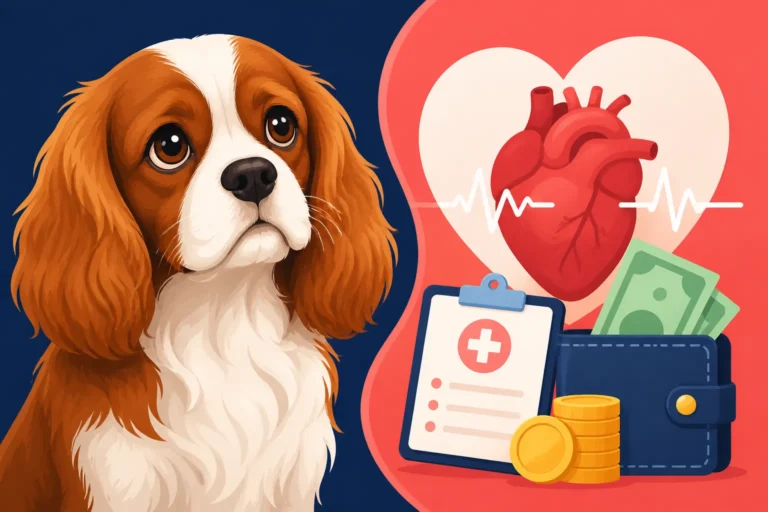
What Fourteen Years With a Cavalier Adds Up To
Oh, the Cavalier King Charles Spaniel. Those big, soulful eyes and perpetually wagging tails can truly steal your heart in an instant. But let's be realistic, falling head over heels for a Cavalier comes with a significant long-term commitment, not just emotionally, but financially too. Many prospective owners focus on the initial puppy price, which is understandable, but that’s just the very first page of a very long, heartfelt, and sometimes expensive story. If you're hoping for a lifetime with one of these sweet companions, you need to understand what fourteen years with a Cavalier can truly add up to, and this guide is here to break down every major expense you might encounter, from puppyhood to their golden senior years.
The Initial Investment: Bringing Your Cavalier Home
Bringing a Cavalier puppy home is a dream for many, but it starts with a foundational financial decision that impacts everything else: where your puppy comes from. This initial outlay sets the stage for many years to come.
Puppy Price and Breeder Due Diligence
Let's talk about the elephant in the room: the cost of the puppy itself. You might see a huge range of prices out there, and it can be tempting to go for the lowest figure. However, with Cavaliers, a lower initial price often comes with a much higher hidden cost down the road, particularly in vet bills. Reputable breeders invest heavily in health testing their breeding stock for genetic conditions prevalent in the breed, such as Mitral Valve Disease (MVD) and Syringomyelia (SM), as well as eye and joint issues. This means parents will have up-to-date cardiac clearances by a board-certified cardiologist, MRI scans to check for SM, and DNA tests for conditions like Episodic Falling Syndrome and Dry Eye/Curly Coat Syndrome.
These health clearances are expensive and time-consuming, and that cost is reflected in the puppy's price. When you look at The Price Range Cavalier Breeders Actually Quote, you’re not just paying for a puppy; you’re paying for the peace of mind that comes from generations of careful breeding decisions aimed at producing healthier, happier dogs. A Cavalier from a breeder who cuts corners on health testing might seem like a bargain at first, but if that puppy develops severe MVD by age three or painful syringomyelia symptoms early on, the lifetime veterinary costs can easily eclipse any initial savings, sometimes many times over. It’s a classic case of paying now or paying much more later.
Startup Supplies and First-Year Essentials
Beyond the puppy's purchase price, there's a whole shopping list of items you'll need just to get started. Think about the basics: a crate for training and safe sleeping, a comfy bed (or two!), food and water bowls, a collar and leash, identification tags, and an array of safe, durable toys. Puppies also need puppy pads, enzymatic cleaners for accidents, and grooming tools appropriate for their soft, developing coat. Then there's the initial round of veterinary care. This includes several sets of vaccinations, deworming, and a microchip. Your puppy will need an initial health check-up, and you might consider a puppy training class to help them learn basic manners and socialize.
The first year is often the most intense financially, apart from potential emergency health crises later on. You're stocking up on everything from scratch, and the vet visits are more frequent. It's not just the one-off costs either; things like food will start immediately. These early investments in health, training, and a safe environment are crucial. Neglecting them in the beginning can lead to behavioral issues or health problems that are far more costly to correct down the line. It's really about setting your Cavalier up for success right from day one.
Routine Care: The Ongoing Monthly and Annual Expenses
Once your Cavalier has settled in, a new rhythm of regular, predictable expenses begins. These are the day-to-day and year-to-year costs that ensure your furry friend remains happy and healthy for the long haul.
Food, Treats, and Daily Consumables
Food is, of course, a constant. Cavaliers are small dogs, so they don't eat vast quantities, but the quality of their food makes a huge difference to their overall health. Opting for a high-quality kibble, or even exploring fresh food options like those offered by Ollie, can contribute to better digestion, healthier skin and coat, and more sustained energy. You'll want to factor in the cost of What a Cavalier Eats in a Month. It’s not just the main meals either; treats are a big part of training and bonding. You'll need to choose healthy, low-calorie options, especially as Cavaliers can be prone to weight gain.
Beyond food, there are other daily consumables: poop bags, cleaning supplies, and replacement toys. While some toys last forever, others, especially chew toys, will need regular replacement. It's a never-ending cycle of ensuring they have engaging and safe items to play with. This might seem like small change month-to-month, but over fourteen years, it adds up to a significant sum, reflecting the continuous need to fuel and entertain your beloved companion.
Grooming and Hygiene
Cavaliers are blessed with a beautiful, silky coat and charming drop ears, but these features require regular attention. Brushing your Cavalier three times a week is often recommended to prevent mats, especially in areas like behind the ears, armpits, and feathering on the legs and tail. You'll need a good quality slicker brush, a metal comb, and detangling spray. Cavalier Ear Care Under a Heavy Drop Ear is crucial, as their long, heavy ears can trap moisture and debris, leading to infections. Regular cleaning with a vet-approved ear cleaner is a must.
While daily home grooming is important, many Cavalier owners also opt for professional grooming every six to eight weeks. This helps keep their coat tidy, ensures proper nail trims, and often includes a good ear cleaning and checking of their prominent eyes. You might wonder What a Cavalier Groomer Should and Should Not Cut – generally, professional groomers will focus on tidying up rather than stripping the natural coat. Dental hygiene is another critical, often overlooked, aspect. Cavaliers are predisposed to dental disease due to their crowded small jaws. Daily tooth brushing is ideal, but regular professional dental cleanings under anesthesia will likely be necessary throughout their life, which is a significant expense, especially as they get older. You will want to budget for Dental Cleanings a Cavalier Will Need.
Regular Veterinary Check-ups and Preventatives
Even the healthiest Cavalier needs annual veterinary check-ups. These visits are vital for preventative care, catching potential issues early, and maintaining overall health. During these check-ups, your vet will perform a physical exam, listen to your Cavalier's heart (crucial for detecting murmurs early), and discuss any concerns you might have. Preventative medications are another consistent cost. This includes monthly heartworm prevention, which is non-negotiable in many regions, and flea and tick preventatives, which can be given monthly or quarterly depending on the product and your dog's lifestyle.
As your Cavalier ages, your vet might recommend additional annual screenings, such as routine bloodwork or urine tests, to monitor organ function. While these routine costs might seem manageable individually, they are recurring expenses that contribute significantly to the total financial picture over fourteen years. Think of these as essential maintenance – skipping them to save a few dollars now can lead to much larger bills and poorer health outcomes later.
The Inevitable Health Realities: Big Ticket Items for Cavaliers
This is where the financial planning for a Cavalier can get particularly daunting. Unfortunately, the breed is known for certain genetic predispositions that can lead to significant veterinary expenses, often unexpectedly.
Mitral Valve Disease MVD and Cardiac Care
Mitral Valve Disease (MVD) is perhaps the most defining health challenge for the Cavalier King Charles Spaniel. It's estimated that a very high percentage of Cavaliers will develop a heart murmur by age five, and nearly all will have it by age ten. This progressive disease can lead to congestive heart failure. The journey with MVD often begins with the detection of a heart murmur by your regular vet, which then leads to a referral to a board-certified veterinary cardiologist. Understanding Mitral Valve Disease in the Cavalier King Charles Spaniel is essential for any owner.
The initial workup involves an echocardiogram (an ultrasound of the heart) and usually chest X-rays to assess heart size and lung health. These diagnostic tests are not cheap, and they often need to be repeated annually or semi-annually to monitor the disease's progression. Once the disease progresses to a stage where medication is needed, your Cavalier will likely be on several medications for the rest of their life, possibly including pimobendan, furosemide, and an ACE inhibitor. These medications, while life-extending, are a significant ongoing monthly cost that can increase as dosages or additional drugs are required. What Cavalier Heart Disease Costs to Treat can easily run into thousands of dollars per year, particularly in advanced stages requiring emergency care for fluid in the lungs or other complications.
Syringomyelia SM and Neurological Costs
Syringomyelia (SM) is another devastating condition prevalent in Cavaliers, often linked to Chiari-like malformation, where the skull is too small for the brain. This causes fluid-filled cysts (syrinxes) to form within the spinal cord, leading to chronic pain and neurological symptoms. Learning about Syringomyelia and Chiari Malformation in Cavaliers is critical for understanding the potential challenges. The definitive diagnosis for SM requires an MRI scan of the brain and cervical spine, which is a very expensive procedure, often costing several thousand dollars. This scan also typically requires general anesthesia, adding another layer of cost and risk, especially for an older Cavalier or one with a heart murmur.
After diagnosis, treatment for SM is primarily focused on pain management and slowing the progression of the syrinxes. This often involves a cocktail of medications such as Gabapentin, pregabalin, and sometimes steroids or diuretics. These medications can also be costly and are usually needed for the remainder of the dog's life. Regular follow-up appointments with a veterinary neurologist are also part of the long-term care, each appointment incurring consultation fees. In some severe cases, surgery might be an option, but this is extremely specialized, highly expensive, and not a cure, simply a management tool.
Other Common Cavalier Health Concerns
While MVD and SM are the big ones, Cavaliers can also be prone to a host of other health issues that can add to your vet bills. Eye conditions like dry eye, cataracts, or retinal dysplasia can require ongoing medication or specialist surgery. Orthopedic problems such as patellar luxation (loose kneecaps) or hip dysplasia might necessitate pain management or surgical intervention, particularly as they age. Ear infections are also common, given their long, floppy ears, and recurrent infections can be both frustrating and costly to treat, especially if they require specialized ear cleaning or medication from a veterinary dermatologist.
These "smaller" issues might not be as universally devastating as advanced MVD or SM, but they contribute to the overall cost of ownership. A few hundred dollars here for an eye specialist visit, a few hundred there for recurrent ear infection treatment, potentially a few thousand for knee surgery – these all add up over fourteen years. It really highlights the importance of choosing a health-tested puppy from the outset to minimize the risk, though no guarantee is ever absolute.
Insurance and Emergency Funds: Preparing for the Unexpected
Given the significant health predispositions of Cavaliers, thinking proactively about how you’ll manage potential medical bills is not just smart, it’s essential. This is where pet insurance and a dedicated emergency fund come into play.
The Value of Pet Insurance
Pet insurance can be a lifesaver for Cavalier owners, especially considering the breed's propensity for expensive conditions like MVD and SM. The golden rule with pet insurance is to enroll your Cavalier as early as possible, ideally as a puppy. This is because most policies won't cover pre-existing conditions. If your Cavalier develops a heart murmur at age three, and you try to get insurance after that diagnosis, MVD will be considered pre-existing and won't be covered. This is why Insuring a Cavalier Before the Murmur Arrives is paramount.
When choosing a policy, look for comprehensive coverage that includes accidents, illnesses, specialist visits, diagnostics (like echos and MRIs), and prescription medications. Brands like Healthy Paws are often recommended for their broad coverage and good reputation. Be sure to understand the deductible, reimbursement percentage, and annual limits. While monthly premiums are an ongoing cost, the peace of mind and the ability to say "yes" to necessary treatments without worrying about emptying your bank account can be invaluable. Over fourteen years, the cumulative premiums will be substantial, but a single major illness or accident can cost far more than you've paid in premiums over several years.
Building an Emergency Savings Account
Even with the best pet insurance, an emergency fund is still crucial. Most insurance policies have a deductible you'll need to meet each year before they start reimbursing. After that, they typically cover a percentage of the bill (e.g., 80% or 90%), leaving you responsible for the remaining co-pay. Some conditions might not be covered, or there might be annual limits that you could exceed in a severe case. For example, if your Cavalier needs emergency overnight hospitalization for heart failure, the bill could be thousands of dollars, and your insurance might only cover a portion after your deductible.
Having a dedicated savings account specifically for pet emergencies means you won't be caught off guard. This fund can also cover things not typically covered by insurance, such as elective procedures not deemed medically necessary, specialized dietary foods, or certain supplements. Think of it as your safety net, allowing you to focus on your Cavalier's well-being rather than agonizing over financial constraints during a crisis. It's an investment in your peace of mind and your Cavalier's health.
Senior Years: Adapting Care for an Aging Cavalier
Cavaliers are generally considered seniors around age eight or nine. While it's wonderful to have a companion for so long, the golden years often come with their own set of increased needs and expenses. Truly Caring for a Cavalier Past Nine means being prepared for these changes.
Increased Veterinary Needs
As Cavaliers age, their health needs often become more complex, leading to more frequent veterinary visits. Annual check-ups might become semi-annual, and your vet will likely recommend more routine diagnostics, such as blood work, urine tests, and potentially more frequent cardiac evaluations if they have MVD. Senior Cavaliers are also more prone to developing arthritis, dental disease, and other age-related conditions. Each of these can require its own set of diagnostic tests, medications, and ongoing management.
Managing chronic pain from conditions like arthritis or advanced syringomyelia also adds to the cost. Pain Management for a Senior Cavalier might involve daily oral medications, injectable therapies, or even alternative treatments like acupuncture or cold laser therapy, all of which carry ongoing costs. These increased veterinary demands reflect a natural part of aging, as you strive to keep your beloved senior comfortable and happy for as long as possible. It's a testament to the love and commitment you've shared.
Comfort and Quality of Life Enhancements
Beyond medical care, ensuring your senior Cavalier's comfort and quality of life often means investing in specialized equipment or modifications to your home. An orthopedic bed can provide much-needed support for aching joints. Ramps or pet stairs can help them access favorite spots like the sofa or bed without putting strain on their hips and knees. Non-slip rugs can make navigating slippery floors easier and safer.
Dietary needs might change, too. Some senior Cavaliers benefit from joint supplements or special senior diets. If they have advanced heart disease, they might need a prescription cardiac diet, which can be more expensive than regular kibble. Even small things, like elevated food and water bowls, can make eating and drinking more comfortable for an older dog. These are not strictly medical expenses, but they significantly contribute to the well-being of an aging Cavalier and are part of the love we give them in their twilight years.
End-of-Life Planning
While it's a difficult topic to consider, planning for the end of your Cavalier's life is a compassionate and responsible part of ownership. The costs associated with euthanasia, cremation, and remembrance services can vary widely but are important to factor into the lifetime cost. You might opt for a home euthanasia service, which can be more expensive than at the veterinary clinic but offers a peaceful, familiar setting for your beloved pet's final moments.
Many owners choose cremation, with options for communal or private cremation, and various urns or memorial items. These costs, though deeply emotional, are a final act of love and respect for a companion who has given you fourteen years of unwavering affection. It's a part of the journey we hope is far off, but knowing what to expect financially allows you to make decisions from the heart when the time comes, rather than being caught off guard.
Lifetime Cost of a Cavalier: A Snapshot
To give you a clearer picture, here's a table outlining the typical categories of costs you can expect over a Cavalier's fourteen-year lifespan. Remember, these are general estimates and actual costs can vary significantly based on location, individual health needs, and your choices.
| Cost Category | Nature of Expense | Examples |
|---|---|---|
| Initial | One-time | Puppy purchase price (from a health-tested breeder), crate, bed, food/water bowls, collar, leash, initial vet check-up, vaccinations, microchip, puppy training class. |
| Routine Annual/Monthly | Ongoing & Predictable | High-quality dog food, treats (consider Chewy for regular deliveries), flea/tick/heartworm prevention, annual vet check-ups, professional grooming (every 6-8 weeks), dental cleanings, toys, waste bags, ear cleaner. |
| Health & Medical | Variable & High-Impact | Cardiologist visits (echocardiograms, X-rays), MVD medications (pimobendan, furosemide), neurologist visits, MRI for SM, SM pain medications (Gabapentin), eye drops/medications, joint supplements, allergy treatments, emergency vet visits, potential surgeries. |
| Preventative/Insurance | Ongoing & Strategic | Pet insurance premiums (e.g., Healthy Paws), emergency savings fund contributions. |
| Senior Care | Increasing & Specialized | More frequent vet check-ups, additional diagnostic tests (bloodwork, urine), senior-specific diets, orthopedic beds, ramps, specialized pain management, supplements, incontinence products. |
| End-of-Life | One-time (final) | Euthanasia (home or clinic), cremation services, memorial items. |
Ultimately, owning a Cavalier King Charles Spaniel for fourteen years is an incredibly rewarding journey, filled with boundless affection and companionship. But it's also a significant financial commitment, one that's easy to underestimate when you're caught up in the excitement of bringing a puppy home. By understanding and preparing for the various costs, from initial purchases and routine care to the inevitable, often substantial, health expenses associated with the breed, you can ensure you're ready to provide the best possible life for your cherished Cavalier, from their playful puppy days to their dignified senior years. It’s an investment of time, love, and money, but for those of us who have shared our lives with these sweet dogs, it's an investment that pays dividends in joy every single day.
Disclaimer
This article is for general informational purposes only and does not constitute professional advice. Laws, prices and regulations vary by location and change over time. Consult a qualified professional for guidance on your specific situation.