Cardiologist Fees for a Cavalier
Finding out your beloved Cavalier King Charles Spaniel has a heart murmur is a gut-wrenching moment, often followed by a wave of anxiety about what comes next, both medically and financially. The sheer thought of specialist appointments, diagnostic tests, and ongoing care can feel overwhelming, especially when you're not sure what the bill will look like. This comprehensive guide is here to demystify the cardiologist fees associated with caring for a Cavalier with heart disease, helping you understand the costs involved so you can better prepare for your furry friend's future.
Understanding Why Your Cavalier Needs a Cardiologist
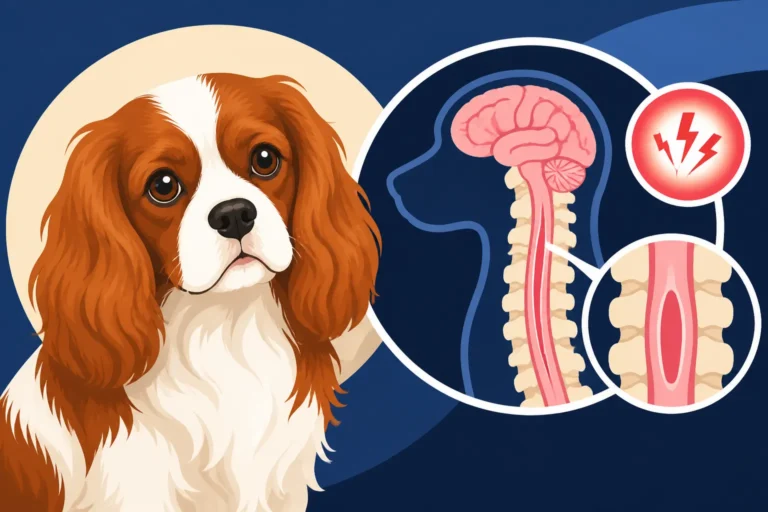
It's common to feel a bit confused about why your regular veterinarian can't simply handle your Cavalier's heart issues, especially if you have a great relationship with them. While your primary vet is absolutely essential for general care, diagnosing and managing a complex condition like Mitral Valve Disease (MVD) in Cavaliers often requires a level of specialized expertise and equipment that most general practices don't possess. This isn't a slight on your family vet; it's simply a recognition that cardiology is a highly intricate field.
When a General Vet Visit Isn't Enough
When your family veterinarian detects a heart murmur during a routine check-up, it’s a red flag, but it doesn't tell the whole story. A murmur is just the sound of turbulent blood flow, not a definitive diagnosis of the underlying problem or its severity. General vets can often grade a murmur and might even perform initial X-rays, but they typically lack the advanced diagnostic tools, like echocardiography, that are critical for truly understanding what’s happening inside your Cavalier's heart. Without this specialized insight, your vet is often limited in guiding the most effective treatment plan.
The reality is that a significant number of Cavaliers develop a murmur, with about Why Half of Cavaliers Have a Murmur by Five exhibiting one by the age of five. This high prevalence, combined with the progressive nature of MVD, means that early and accurate diagnosis is key. A veterinary cardiologist has dedicated years to studying the intricacies of the canine heart, understanding the subtle nuances of MVD progression, and is equipped with the specialized imaging technology necessary to assess the heart valves, chambers, and overall function in detail. This deep understanding allows for precise staging of the disease and tailored treatment recommendations, which can genuinely impact your Cavalier's quality of life and longevity.
The Initial Referral Process and Consultation Fees
The journey to a specialist usually begins with a referral from your general veterinarian. They'll typically send over your Cavalier's medical history, any bloodwork, and X-rays they've already taken. This referral ensures the cardiologist has a comprehensive picture before you even walk through their door, saving time and potentially some redundant testing. It also signifies that your vet recognizes the need for specialized care, which is a good sign of their commitment to your dog's health.
When you first arrive at the cardiology clinic, you'll likely start with an in-depth consultation with the specialist. This isn't just a quick chat; it's an opportunity for the cardiologist to review your Cavalier's history, perform a thorough physical examination, listen to their heart with an expert ear, and discuss your observations and concerns. They'll talk you through the suspected diagnosis, explain the diagnostic tests they recommend, and outline what each test aims to reveal. The cost for this initial consultation alone can range widely depending on location and the clinic's fee structure, often falling between $150 and $300. This fee is separate from any diagnostic tests that follow, so it's important to factor it in as the first step in your specialist journey.
Diagnostic Tests and Their Associated Costs
Once you've had that initial consultation, the cardiologist will likely recommend a series of diagnostic tests to get a clear picture of your Cavalier's heart health. These tests are the backbone of a precise diagnosis and are absolutely essential for determining the stage of heart disease and the most appropriate treatment. Understanding what each test involves and its typical cost can help you prepare for the financial commitment.
The Essential Echocardiogram
Hands down, the echocardiogram (often just called an "echo") is the most vital diagnostic tool for a Cavalier with a heart murmur. Think of it as an ultrasound for the heart. It uses sound waves to create real-time images of your dog's heart, allowing the cardiologist to see the structure of the heart chambers, the thickness of the muscle, and most importantly, the condition of the mitral valve. This test is crucial because it directly visualizes the leaky valve and measures the heart's pumping efficiency, which is something a stethoscope or X-ray simply cannot do. It's how the vet determines What a Cavalier Echocardiogram Shows and precisely stages the MVD.
The cost of an echocardiogram can vary significantly based on your geographical location, the specific clinic, and whether it includes a full report and consultation with the cardiologist immediately afterward. Typically, you can expect an echocardiogram to cost anywhere from $400 to $800, and in some major metropolitan areas, it could even be higher. While this might seem like a substantial sum, it provides invaluable information that guides all subsequent treatment decisions, making it an indispensable part of your Cavalier's care. Many pet owners find that having insurance like Healthy Paws can really help offset these costs, especially if you enroll your Cavalier before any symptoms appear.
Supplemental Diagnostics: X-rays and Bloodwork
While the echo gives a detailed look at the heart's structure and function, other tests provide complementary information, particularly about how the heart is affecting other organs, especially the lungs. Chest X-rays are commonly recommended alongside an echocardiogram. They don't show the heart valves directly, but they are incredibly useful for assessing the size and shape of the heart and, crucially, for checking for fluid accumulation in the lungs (pulmonary edema), which is a sign of congestive heart failure. Chest X-Rays in a Cavalier Heart Workup typically cost between $150 and $300, often including two or three views.
Another important diagnostic is specialized bloodwork, specifically a test called NT-proBNP. This blood test measures a hormone that is released when the heart muscle is stretched or stressed, which happens with heart disease. A high NT-proBNP level can indicate significant heart strain, even before overt symptoms appear, and can help a cardiologist predict when a Cavalier might be at higher risk for developing congestive heart failure. Knowing A Cavalier Heart Blood Test Called NT-proBNP results can help fine-tune treatment plans and prognosis. The cost for this specific blood test usually ranges from $100 to $250, depending on the lab and the urgency of the results.
Electrocardiogram ECG and Holter Monitoring
Sometimes, a Cavalier’s heart might have electrical abnormalities or irregular rhythms, known as arrhythmias, which aren't always evident through an echo or X-ray alone. This is where an electrocardiogram (ECG or EKG) comes into play. An ECG measures the electrical activity of the heart, mapping out each heartbeat and identifying any irregularities. It's a non-invasive test where electrodes are attached to your dog's skin, and it’s relatively quick to perform. An in-clinic ECG typically costs between $75 and $150, often performed if an arrhythmia is suspected during the physical exam or if your Cavalier has experienced fainting spells.
For more intermittent or subtle arrhythmias that might not show up during a brief in-clinic ECG, your cardiologist might recommend Holter monitoring. This involves your Cavalier wearing a small, portable ECG device, usually for 24 to 48 hours, which continuously records their heart’s electrical activity as they go about their normal routine. This allows for detection of arrhythmias that only occur under specific circumstances, like during sleep or excitement. The data is then analyzed by a specialist. Holter monitoring is more involved and therefore more expensive, generally costing between $300 and $600, including the device rental and interpretation fees. This gives the cardiologist a much more comprehensive look at heart rhythm over time.
Ongoing Management and Follow-Up Visits
A diagnosis of heart disease in your Cavalier isn't a one-and-done event; it's the beginning of a long-term management plan. Regular follow-up visits with your veterinary cardiologist are crucial for monitoring the progression of the disease, adjusting medications, and ensuring your Cavalier maintains the best possible quality of life. These ongoing costs are a significant part of the financial picture for a Cavalier with MVD.
Regular Recheck Appointments
Once your Cavalier has been diagnosed and a treatment plan initiated, regular recheck appointments with the cardiologist will become part of your routine. The frequency of these visits depends heavily on the stage of your Cavalier's heart disease and how well they are responding to medication. In the earlier stages (like ACVIM B1 or B2), annual or bi-annual check-ups might suffice. However, as the disease progresses or if medications are being adjusted, more frequent visits—perhaps every three to six months—may be necessary. You can learn more about Annual Cardiologist Exams for a Cavalier in a dedicated guide.
These recheck appointments often involve a physical examination, listening to the heart and lungs, blood pressure measurement, and sometimes a quick repeat of specific diagnostics like an X-ray to check for lung fluid. The cost for a follow-up consultation, without a full echocardiogram, typically ranges from $100 to $250. If additional tests like X-rays or basic bloodwork are performed during these rechecks, those costs will be added on. It’s important to stick to these recommended schedules, as they are essential for catching any subtle changes before they become critical.
Monitoring Medication and Adjustments
One of the primary reasons for frequent follow-up visits is to monitor your Cavalier’s response to heart medication and make any necessary adjustments. Medications for heart disease, such as Pimobendan, diuretics, and ACE inhibitors, are powerful and often require careful titration to find the optimal dose for your individual dog. The cardiologist needs to assess not only the effectiveness of the drugs but also watch for any potential side effects. Medication for a Cavalier With Heart Disease is a complex topic, and dosages often change as the disease progresses or as your dog's body adapts.
During these visits, the cardiologist might recommend repeat blood tests to check kidney function, as some heart medications can impact the kidneys. They will also meticulously review your observations of your Cavalier's energy levels, appetite, and breathing at home. The cost of these medication-focused check-ins usually falls within the range of a standard recheck consultation, $100 to $250, plus the cost of any additional bloodwork. Keeping your Cavalier comfortable and stable often means a careful balance of multiple medications, and it’s a dynamic process that requires expert oversight. Many owners find value in ordering their Cavalier’s ongoing prescriptions through online pharmacies like Chewy, which can sometimes offer competitive pricing and home delivery. If diet changes are recommended as part of heart health, companies like Ollie can provide specially formulated meals that meet low-sodium or other dietary requirements, often delivered to your door.
Emergency Visits and Stabilization Costs
Despite the best regular care, Cavaliers with advanced heart disease can sometimes experience acute crises, often related to congestive heart failure. This might manifest as sudden difficulty breathing, persistent coughing, extreme lethargy, or even collapse. These situations warrant an immediate trip to an emergency veterinary clinic or your cardiologist if they have emergency capabilities. Emergency care is almost always significantly more expensive than planned appointments due to the urgent nature of the care, after-hours staffing, and specialized life-saving interventions.
Costs for an emergency visit can quickly escalate. Just the emergency examination fee can be $150 to $300, but this is usually just the starting point. If your Cavalier needs oxygen therapy (a common requirement for fluid in the lungs), it can cost hundreds of dollars per day. Hospitalization, intravenous medications, repeated chest X-rays, and possibly emergency diuretic injections can push the total bill into the thousands of dollars, easily reaching $1,000 to $3,000 or more for a single critical episode. Understanding Emergency Visits for a Cavalier in Fluid Overload highlights the importance of having an emergency fund or robust pet insurance in place.
Understanding Financial Planning and Support
The reality of managing a Cavalier with heart disease is that it comes with a significant financial commitment over their lifetime. From initial diagnostics to ongoing medications and potential emergencies, these costs can add up quickly. Proactive financial planning and exploring available support options can make a huge difference in your ability to provide the best care for your beloved pet without feeling overwhelmed.
Pet Insurance as a Lifeline
For many Cavalier owners, pet insurance proves to be an absolute lifeline. Given the breed's predisposition to MVD, having a policy in place before any heart murmur is detected is critical. Once a murmur is identified, it often becomes a "pre-existing condition," meaning new policies may not cover treatments related to it. This is why many experienced Cavalier owners will tell you to get your puppy insured as soon as possible. Insuring a Cavalier Before the Murmur Arrives is arguably one of the most important financial decisions you can make.
Pet insurance works by reimbursing you for a percentage of your vet bills after you’ve met your annual deductible. Plans typically offer various deductible amounts (e.g., $250, $500, $1000) and reimbursement rates (e.g., 70%, 80%, 90%). For instance, if you have an 80% reimbursement rate and a $250 deductible, after paying the first $250 out of pocket, the insurer will pay 80% of eligible costs. Companies like Healthy Paws are well-regarded and offer comprehensive accident and illness plans that can cover a wide range of cardiology costs, including consultations, diagnostics like echos and X-rays, medications, and emergency care. While premiums vary by age and location, the peace of mind and financial relief during a health crisis are often priceless.
Budgeting for Long-Term Care
Even with pet insurance, you'll still have out-of-pocket expenses for deductibles, co-pays, and potentially non-covered services. Therefore, robust budgeting is essential for the long haul. Think of your Cavalier's care not just in terms of individual vet visits, but as a continuous financial commitment throughout their life. Budgeting a Cavalier From Puppy to Senior involves anticipating both routine and specialized care. Beyond the initial cardiologist fees for diagnosis, remember to factor in ongoing costs for:
- Routine recheck appointments: ~$100-$250, several times a year.
- Medication refills: Can range from $50 to $300+ per month, depending on the number and type of drugs.
- Annual echocardiograms/X-rays: ~$400-$800 per year, or more frequently as needed.
- Emergency fund: A dedicated fund of $2,000-$5,000 for unforeseen crises is highly recommended, especially if you opt not to have insurance or if your policy has high deductibles.
Establishing a separate savings account for your Cavalier's health can provide a buffer against unexpected costs. Some clinics also offer payment plans through third-party services like CareCredit, which can help spread out large bills over time, often with deferred interest options if paid within a certain period. Always ask your clinic about their payment options if you're facing a large bill.
Assistance Programs and Discount Options
It's heartbreaking to face significant vet bills, and sometimes, despite our best efforts, the costs can be daunting. Thankfully, there are resources available to help. Many non-profit organizations offer financial assistance for pet owners facing veterinary emergencies or chronic illness care. Programs like The Pet Fund, RedRover, and Frankie's Friends are examples of national organizations that might be able to offer grants or aid. Local animal shelters or breed-specific rescues, particularly Cavalier King Charles Spaniel rescues, may also have funds or programs to assist owners with specialized medical expenses.
Don't be afraid to openly discuss your financial concerns with your veterinary team. They might be able to suggest alternative diagnostic approaches, recommend generic versions of medications (which can be significantly cheaper than brand names without compromising efficacy), or refer you to financial aid resources. For example, generic furosemide (a common diuretic for heart failure) is much more affordable than the brand-name version. Always inquire about every possible way to manage costs, as your veterinary team genuinely wants to help you keep your Cavalier healthy and comfortable.
When Advanced Interventions Are Considered
While managing MVD often involves medication and regular monitoring, there are rare instances where more advanced interventions might be discussed. These procedures come with their own substantial financial implications and are typically considered only in specific cases or at highly specialized veterinary centers.
Mitral Valve Repair Surgery
For most Cavaliers, MVD is managed medically, but a truly groundbreaking option for a select few is mitral valve repair surgery. This highly specialized and complex surgery aims to surgically repair the faulty mitral valve, effectively fixing the root cause of MVD. It's a procedure that is only offered at a very few, elite veterinary cardiology centers globally (such as the University of Florida or the Royal Veterinary College in London), and it requires an extensive pre-surgical workup and a long recovery period. Mitral Valve Repair Surgery for a Cavalier is not suitable for all dogs and success rates, while impressive, are dependent on many factors.
The cost of mitral valve repair surgery is exceptionally high, reflecting the specialized expertise of the surgical team, the extensive equipment required, and the intensive post-operative care. Owners considering this option should prepare for expenses that typically range from $40,000 to $60,000 USD. This figure often includes the surgery itself, extended hospitalization, follow-up diagnostics, and initial medications. It's a life-changing procedure for those Cavaliers who qualify and whose owners can manage the substantial financial and logistical commitment.
Palliative Care and Quality of Life
When MVD progresses to its later stages and curative or extensive life-prolonging treatments are no longer viable or desired, the focus shifts to palliative care. This approach prioritizes maximizing your Cavalier's comfort and quality of life during their final months or weeks. It's about managing symptoms, alleviating pain, and ensuring they remain happy and comfortable for as long as possible. This phase can be emotionally taxing, but focusing on comfort can bring great solace. You can explore Hospice Care for a Cavalier in Heart Failure for more detailed information.
The costs associated with palliative care can vary. They might include continued medication to manage symptoms like coughing or fluid retention, pain relief, appetite stimulants, or anti-anxiety medications. Regular check-ins with your primary vet or even a mobile vet service for in-home visits can help monitor comfort levels. End-of-life care, including euthanasia and aftercare (cremation or burial), will also be a consideration. While these costs are often less than aggressive treatments, they are still an important part of the financial and emotional journey. A home euthanasia visit can range from $250 to $500, with cremation services adding another $100 to $400+ depending on the options chosen.
Summary of Typical Cavalier Cardiologist Fees
To help you visualize the potential costs, here's a table summarizing typical fee ranges for various cardiology services. Please remember these are estimates and can vary based on location, clinic, and the specific needs of your Cavalier.
| Service/Procedure | Estimated Cost Range (USD) | What it Covers |
|---|---|---|
| Initial Consultation | $150 – $300 | Review of medical history, physical exam, discussion of diagnostic plan |
| Echocardiogram | $400 – $800 | Ultrasound of the heart, detailed assessment of structure and function |
| Chest X-rays | $150 – $300 | Assessment of heart size, lung fields for fluid |
| NT-proBNP Blood Test | $100 – $250 | Blood test for heart stress biomarker |
| Electrocardiogram (ECG) | $75 – $150 | Assessment of heart's electrical activity/rhythm |
| Holter Monitor (24-48 hr) | $300 – $600 | Continuous ECG recording for intermittent rhythm issues |
| Follow-up Consultation | $100 – $250 | Re-evaluation, medication adjustments (without full echo) |
| Emergency Visit (Initial Fee) | $150 – $300 | After-hours consultation fee |
| Emergency Hospitalization | $1,000 – $3,000+ per day | Oxygen therapy, IV fluids, emergency medications, constant monitoring (highly variable) |
| Mitral Valve Repair Surgery | $40,000 – $60,000+ | Highly specialized surgical correction of the mitral valve (rarely performed) |
| Home Euthanasia | $250 – $500 | Peaceful end-of-life care in your home |
| Cremation (individual) | $200 – $400+ | Aftercare services post-euthanasia |
Disclaimer
The information provided in this article is intended for general knowledge and informational purposes only, and does not constitute veterinary advice. Always consult with a qualified veterinary professional for any health concerns or before making any decisions related to your pet's medical care. Costs are estimates and can vary significantly by location and individual circumstances.