Whether to Pay More for a Cavalier Closer to Home
It's incredibly tempting to cast a wide net when searching for your perfect Cavalier King Charles Spaniel puppy, especially when you see a lower price tag on a litter a few states away. But that initial savings can quickly evaporate once you factor in the often-overlooked costs and potential headaches of bringing a puppy home from a distant breeder. This guide will walk you through the financial, logistical, and emotional considerations of buying a Cavalier puppy far from home, helping you decide if the perceived savings are truly worth it.
The Allure of a Distant, Seemingly Cheaper Cavalier Puppy
We've all been there: scrolling through countless listings, dreaming of that sweet, velvety face, and then boom – a price that seems too good to be true, located hours or even a full day's travel away. It's a common scenario for many aspiring Cavalier owners, and the pull of a "bargain" can be incredibly strong, leading people to overlook crucial details in their excitement.
The Initial Price Tag Illusion
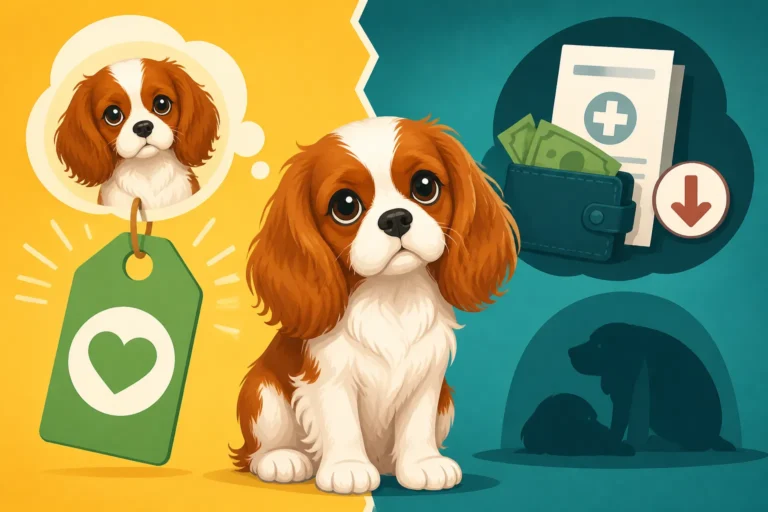
Often, the primary motivation for considering a distant breeder is the advertised price of the puppy. You might see a Cavalier puppy listed for significantly less than what reputable breeders in your immediate area are asking, and your brain immediately starts calculating the savings. It feels like smart shopping, like you've found a hidden gem that other people are missing. This initial price point can blind prospective owners to the larger picture of what a healthy, well-socialized Cavalier truly costs over its lifetime. It’s easy to focus on that upfront number and neglect the cascade of expenses that follow, particularly with a breed prone to specific health issues.
For instance, a breeder might list a puppy for a few hundred dollars less than a local, health-testing breeder. On the surface, that looks like a considerable saving, perhaps enough for a fancy new dog bed or a stack of toys. But this narrow view often fails to account for the true financial commitment involved. You might save a small amount on the initial purchase, only to spend exponentially more down the line on veterinary care if that lower price reflects a lack of proper health testing or questionable breeding practices. Remember, a Cavalier puppy priced below a thousand dollars is almost always a red flag.
Limited Local Options and Desire for a Specific Look
Sometimes, it's not just about the price. Perhaps you live in an area with very few Cavalier breeders, or the ones nearby don't have the specific color, gender, or even temperament you're hoping for. Maybe you've fallen in love with a particular bloodline or an aesthetic you've seen online from a breeder who lives many miles away. This can feel like a legitimate reason to expand your search radius significantly.
The desire for a specific look, such as a perfectly marked Blenheim or a deep ruby coat, can lead people to overlook geographical boundaries. Breeders who focus on show lines might also be fewer and further between, making a long-distance search seem necessary. However, even with these valid reasons, it's essential to scrutinize the breeder and their practices even more closely when they are not easily accessible for in-person visits. Without the ability to visit the kennel, meet the parent dogs, and observe the puppies in their home environment, you're relying almost entirely on photographs, videos, and verbal assurances. This increases your risk significantly, and could mean you end up with a puppy that isn't quite what you expected or, worse, one with undisclosed health or behavioral issues. It's vital to ask for The Cavalier Heart and MRI Papers to Ask For regardless of location.
The Hidden Costs of Traveling for Your Cavalier
That seemingly "cheaper" puppy can quickly become a significant financial drain, even before you factor in long-term care. The act of traveling itself, plus unforeseen circumstances, can add up to a considerable sum that easily negates any initial price savings.
Travel Expenses: Time, Fuel, and Accommodation
Bringing a puppy home from a distance isn't just a matter of a quick drive. Depending on how far away the breeder is, you might be looking at a substantial commitment of time and money. Consider the cost of fuel for a round trip, potentially across state lines. If it's too far for a day trip, you'll need to factor in accommodation for one or more nights. Then there's the food, snacks, and drinks you'll undoubtedly buy on the road.
A two-day round trip covering hundreds of miles could easily run into several hundred dollars for gas, meals, and a hotel room. If you're flying, the costs skyrocket. Airline tickets for yourself, plus potential cargo fees for the puppy (if they can't fly in the cabin, which can be an emotional ordeal for a young pup), add immense expense. Plus, airlines often have strict requirements for pet carriers, health certificates, and specific travel times, all of which can incur additional fees and stress. When you add all these practical costs, that initial "saving" on the puppy's price can quickly vanish, leaving you no better off financially and far more exhausted.
Veterinary Checks and Early Health Risks
When you purchase a puppy from a local breeder, you often have the opportunity to take your new companion to your own trusted veterinarian for a check-up within a few days of bringing them home. Many reputable breeders will offer a health guarantee contingent on this visit. If any issues are found, you have recourse and can easily communicate with the local breeder. This is much harder when the breeder is far away.
Consider if your distant puppy arrives with kennel cough, fleas, or even something more serious that wasn't apparent before travel. Suddenly, your first few days are spent at the vet, incurring bills that you might not have had with a locally vetted puppy. These initial vet visits can be costly, and resolving an issue with a distant breeder can be a logistical nightmare. You might even discover that the "health guarantee" from an online breeder is less robust than you thought, or requires you to return the puppy, which is often heartbreaking and impractical after you've already formed a bond. A lack of proper health screening, especially for common Cavalier ailments like Mitral Valve Disease in the Cavalier King Charles Spaniel or Syringomyelia and Chiari Malformation in Cavaliers, can lead to astronomical bills later on.
| Cost Category | Local Purchase (Estimated Range) | Distant Purchase (Potential Additional Costs) |
|---|---|---|
| Puppy Price | Varies widely by breeder & location | May seem lower initially, but often not after other costs |
| Travel Time & Fuel | Minimal | Significant (hours/days of driving, multiple gas tanks) |
| Accommodation | None | One or more nights in a hotel |
| Meals/Snacks | Normal daily spend | Additional on-the-road expenses |
| Airline Tickets (Human) | None | Potentially hundreds of dollars per person |
| Airline Pet Cargo/Carry-on Fee | None | Can be hundreds of dollars, plus carrier cost |
| Required Health Certificates (for travel) | None | Additional vet visit and fee |
| Initial Vet Check | Routine (covered by local guarantee) | May incur more unexpected costs for travel-related stress/illness |
| Breeder Support/Recourse | Easy communication & visits | Difficult; reliance on phone/email; potential disputes |
| Return Travel (if issue arises) | Minimal | Extremely costly and emotionally taxing |
Stress on the Puppy and Your Family
Bringing a new puppy home is already a big adjustment for everyone involved. A long car ride or, worse, a flight, adds an enormous amount of stress onto a young, vulnerable Cavalier puppy. Puppies need frequent potty breaks, comfort, and reassurance. Being confined for hours in an unfamiliar environment, away from their littermates and familiar smells, can be terrifying for them. This stress can manifest in behavioral issues once they arrive home, or even make them more susceptible to illness.
Imagine your little Cavalier puppy, perhaps just 9-10 weeks old, enduring an 8-hour car journey or a cross-country flight. They might arrive home scared, carsick, or withdrawn. This not only sets back their initial bonding and training but can also be incredibly upsetting for you, the new owner. The immediate aftermath of such a journey can be demanding, requiring extra patience and care, and potentially delaying the happy, playful introduction you envisioned. The goal is to make the transition as smooth as possible, and extensive travel often works against that.
The Risks Beyond the Wallet: Health, Temperament, and Logistics
Beyond the direct financial implications, there are significant risks when you choose a distant breeder you cannot thoroughly vet in person. These risks can impact your Cavalier's long-term health, temperament, and your overall experience as an owner.
Difficulty in Vetting the Breeder and Environment
One of the most crucial steps in getting a healthy, well-adjusted Cavalier is thoroughly vetting the breeder. This ideally involves visiting their home, meeting the parent dogs, seeing where the puppies are raised, and observing the overall cleanliness and care given to the animals. When a breeder is far away, these essential steps become difficult, if not impossible. You're left relying on photos, videos, phone calls, and potentially video chats, none of which fully replace an in-person visit.
It's much easier for unscrupulous breeders or puppy mills to hide undesirable conditions when prospective buyers cannot visit. They might send you carefully curated photos or videos that don't reflect the true environment. You won't be able to gauge the parents' temperaments firsthand, assess the puppies' socialization, or confirm the authenticity of health clearances. Warning Signs at a Cavalier Breeding Kennel are much easier to spot when you are physically present. This lack of transparency means you're taking a much bigger gamble on the health and genetic soundness of your puppy. A reputable breeder will want you to visit, ask questions, and be transparent about their practices.
Reduced Breeder Support and Accountability
A good breeder is a lifelong resource. They're there to answer questions, offer advice, and provide support throughout your Cavalier's life. When you have a local breeder, this relationship is often stronger and more accessible. If a health or behavioral issue arises, a local breeder might be more inclined to help or offer advice, knowing they are part of your community. You could visit them for advice, or they might even recommend a local vet they trust.
With a distant breeder, that immediate, personal support system is largely absent. Communication might be limited to phone calls or emails, which can feel impersonal and slow. If a serious health issue emerges down the line, such as a severe heart condition, and you need to discuss the puppy's genetics or health history, a distant breeder might be less responsive or feel less accountable. This can leave you feeling isolated and struggling to navigate complex health decisions on your own. For example, if your Cavalier starts showing signs of Episodic Falling Syndrome in a Cavalier, a local breeder who understands the lineage might offer invaluable insight and support.
Increased Risk of Scams and Puppy Mill Operations
Unfortunately, the internet has made it easier for puppy scammers and large-scale, low-welfare operations (often referred to as puppy mills) to find buyers. These operations often lure people in with lower prices and attractive online photos, often for puppies located far from the buyer. Because you can't visit, you're more vulnerable to deception. Cavalier Puppy Scams and Fake Heart Certificates are a real concern.
Puppy mills prioritize profit over animal welfare, leading to puppies with poor health, genetic issues, and inadequate socialization. These puppies often end up with significant veterinary bills and behavioral problems down the road. If you buy from a distant, unknown source, you might receive a puppy that isn't the breed you thought, or one that has been poorly cared for. By the time you realize the deception, the "breeder" might be unreachable, and you're left with an unhealthy puppy and a lighter wallet. Choosing a reputable, health-testing breeder, even if it means a higher upfront cost, is an investment in a healthier, happier future for your Cavalier. It prevents you from becoming a victim of What a Puppy Mill Cavalier Really Costs You.
The Invaluable Benefits of Choosing a Local, Reputable Breeder
While the immediate sticker price might seem higher, investing in a Cavalier from a local, reputable breeder offers a multitude of benefits that far outweigh the perceived savings of a distant purchase. These advantages contribute to a healthier, happier puppy and a more supported experience for you as an owner.
In-Person Vetting and Transparency
The ability to visit a breeder's home or kennel is perhaps the single most important advantage of buying locally. It allows you to see firsthand the environment where your future puppy is being raised. You can observe the cleanliness of the facilities, how the puppies interact with their mother and littermates, and how they respond to human contact. This transparency is invaluable.
During a visit, you can also meet both parent dogs, if available, and assess their temperaments, which is a strong indicator of what your puppy's personality might be like. You can ask to see all relevant health clearances and pedigrees in person, rather than relying on scanned documents sent via email. For a Cavalier, this means seeing proof of cardiac screenings, eye exams, patella checks, and potentially MRI scans for syringomyelia. A reputable breeder will be proud to show you their efforts in responsible breeding, including the Annual Cardiologist Exams for a Cavalier and The Cavalier MVD Breeding Protocol they follow. This hands-on verification gives you peace of mind that you're getting a puppy from a responsible source committed to the breed's health and well-being.
Stronger Support Network and Community
A local breeder often becomes a valuable part of your support network. They are a readily accessible resource for questions about feeding, training, grooming, and common Cavalier quirks. If you need advice on Building a Cavalier's Tolerance for Being Left or Cavalier Ear Care Under a Heavy Drop Ear, they're just a phone call or a short drive away. This ongoing relationship can be incredibly comforting, especially for first-time Cavalier owners.
Beyond direct breeder support, buying locally often connects you to a wider community of Cavalier enthusiasts. Your breeder might be able to introduce you to other local Cavalier owners, recommend local vets familiar with the breed's specific needs, or suggest local puppy classes. This sense of community can be a wonderful asset, providing opportunities for playdates, shared experiences, and peer support. It ensures you're not facing the challenges and joys of Cavalier ownership alone, making the journey much more enriching.
Seamless Transition and Reduced Stress for Your Puppy
Bringing a puppy home should be an exciting and relatively calm experience. When you pick up a puppy from a nearby breeder, the journey home is typically short, minimizing stress on the young pup. A quick car ride, a few gentle cuddles, and they're in their new home, ready to start settling in without the exhaustion and anxiety of prolonged travel. This smooth transition can significantly contribute to your puppy's initial comfort and confidence, allowing them to adjust to their new environment and bond with you more quickly.
Reduced travel stress means your puppy is less likely to arrive feeling overwhelmed or carsick. They'll be more receptive to early training and socialization, setting a positive foundation for their development. This also reduces the immediate risk of travel-related illnesses, giving your Cavalier a healthier start in their new life. Imagine your puppy's first days filled with gentle play and exploration, rather than recovery from a grueling journey. This positive beginning is truly priceless, and directly impacts how well your Cavalier integrates into your family. Investing in a local, reputable breeder is about prioritizing the well-being of your future family member, recognizing that a slightly higher upfront cost can lead to immense savings in stress, time, and potential veterinary bills over the lifespan of your cherished Cavalier.
Making the Right Choice for Your Future Cavalier
Ultimately, the decision of whether to pay more for a Cavalier closer to home comes down to weighing the perceived immediate savings against the true costs and risks involved. It's easy to get swept up in the emotion of finding a puppy, but a thorough, objective assessment will serve both you and your future Cavalier best.
Prioritizing Health and Temperament Over Price and Distance
When you choose a Cavalier, you're not just buying a pet; you're bringing a family member into your home for the next decade or more. Their health and temperament will profoundly impact your life together. Prioritizing these factors over a slightly lower price or a specific aesthetic found far away is paramount. A healthy, well-adjusted Cavalier from a reputable breeder, even if they cost a bit more, will likely save you thousands in vet bills, behavioral training, and emotional distress over their lifetime. Conversely, a "cheap" puppy from an unknown source can turn into a financial black hole.
Think of it as an investment. An extra few hundred dollars upfront for a puppy whose parents have all the proper health clearances, who has been raised in a loving home, and who comes with genuine breeder support, is a far better investment than saving that money only to face serious health issues like How Cavalier Heart Disease Progresses Stage by Stage or behavioral challenges that require expensive intervention. Always ask about The DNA Tests Every Cavalier Should Have and insist on seeing results.
Researching Breeders Thoroughly, Regardless of Location
Even if you decide to expand your search to breeders further afield, your due diligence should intensify, not diminish. This means asking even more questions, requesting more videos, and seeking references from other buyers. While an in-person visit is ideal, if it's truly impossible, then a series of extensive video calls to see the facilities and interact with the puppies and parents is the next best thing. Never settle for just a few photos or vague promises.
Always insist on seeing current health certificates for both parents, including ophthalmologist exams, patella certifications, and cardiologist clearances. Specifically for Cavaliers, demand recent echocardiogram results for the parents if they are over two years old, to check for early onset MVD. Understand Whether a Cavalier Breeder's Heart Clearance Is Current and verify any provided documentation. If a breeder is reluctant to provide this transparency or pressures you into making a quick decision, consider it a major red flag, regardless of how close or far away they are.
Preparing for the Long Haul
Bringing a Cavalier into your life is a long-term commitment. The initial cost of the puppy is just the tip of the iceberg. You'll need to budget for high-quality food (brands like Ollie offer tailored meal plans that can be shipped directly, but always consult your vet first), routine veterinary care, grooming supplies (Chewy can be a great resource for stocking up), training classes, and pet insurance. Speaking of insurance, enrolling your Cavalier young with a provider like Healthy Paws can be a lifesaver, as it covers unexpected accidents and illnesses, but usually won't cover pre-existing conditions if a murmur or other issue appears later.
Factor in everything from What a Cavalier Costs a Year Before Any Heart Bills to The Bills That Land Once a Cavalier's Heart Fails as they age. By thinking comprehensively about the full spectrum of ownership costs, you'll gain a clearer perspective. That seemingly cheaper distant puppy might quickly become the more expensive option once you account for travel, potential unforeseen vet bills, and a lack of support. Choosing a local, reputable breeder who prioritizes health and offers ongoing support is truly the best foundation for a wonderful life with your Cavalier.
Disclaimer
This article is for general informational purposes only and does not constitute professional advice. Laws, prices and regulations vary by location and change over time. Consult a qualified professional for guidance on your specific situation.