Whether a Cheap Cavalier Saves You Money
It’s incredibly tempting to bring home a Cavalier King Charles Spaniel puppy that’s advertised at a surprisingly low price. Who doesn’t love a bargain, right? But that initial "saving" can quickly transform into a never-ending stream of bills and heartbreak, draining your wallet and your spirit. This comprehensive guide will delve into why a cheaply acquired Cavalier often ends up being the most expensive choice you can make, outlining the hidden costs that almost always surface.
The Allure of a Budget Cavalier Puppy
We all want to do right by our pets, but sometimes, the upfront cost of a well-bred Cavalier can feel daunting. When you see puppies advertised for significantly less than what reputable breeders are asking, it’s only natural for your ears to perk up. The thought of saving hundreds, or even thousands, of dollars right at the start can feel like a huge win, allowing you to splurge on adorable accessories, toys, or even that fancy dog bed you’ve been eyeing.
Initial Sticker Shock and Quick Gratification
The common price range for a Cavalier from a health-testing breeder can be quite high, reflecting the significant investment the breeder makes in health screenings, quality care for the dam and puppies, and ongoing support. Faced with this, a "backyard breeder" or puppy mill offering a Cavalier for a fraction of that price seems like an immediate solution. You get the instant gratification of bringing home that fluffy, floppy-eared puppy sooner, without the waiting lists or the detailed questionnaires from discerning breeders. It feels like a smart financial move, a way to circumvent the system and still get the dog of your dreams. You might tell yourself you'll just be extra careful with their health or provide extra love.
The Misconception of "Just as Good"
Many folks, understandably, don't realize the crucial difference between a responsible breeder and someone simply breeding dogs for profit. They might think, "A puppy is a puppy, right? As long as it's cute and seems healthy now, what's the big deal?" This common misconception leads people to believe that genetics and early environment play a minor role compared to the love and care they'll provide. They might assume that any health issues that arise are just bad luck, rather than a predictable outcome of neglected breeding practices. This is where the real costs begin to accumulate, far exceeding that initial "discount."
The Avalanche of Hidden Health Costs
The Cavalier King Charles Spaniel is a breed particularly prone to several serious inherited health conditions. Reputable breeders spend years, and considerable money, screening their breeding dogs to minimize the risk of passing these issues on. When you buy a cheap Cavalier, these crucial steps are almost always skipped, leading to a lifetime of potential veterinary expenses that dwarf any initial savings.
The Heartbreak of Mitral Valve Disease
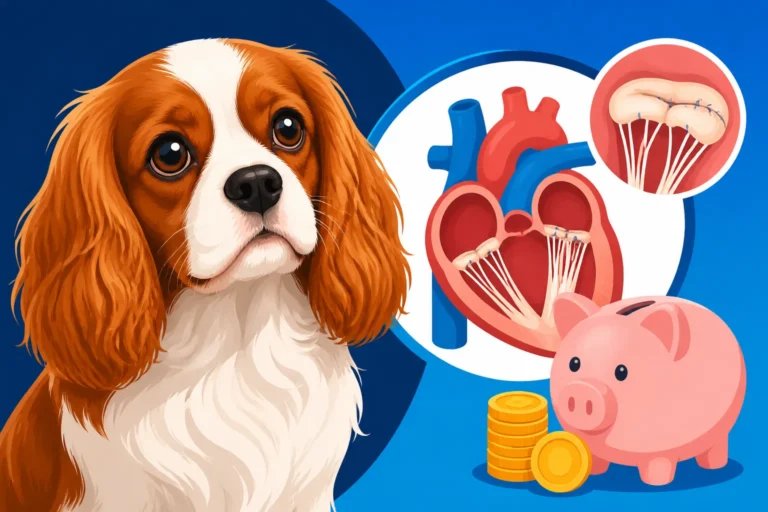
One of the most devastating conditions in Cavaliers is Mitral Valve Disease (MVD). This progressive heart condition affects nearly all Cavaliers at some point in their lives, but responsible breeding aims to significantly delay its onset. A breeder following the Cavalier MVD Breeding Protocol will not breed a Cavalier until it is past five years old and has current heart clearances from a board-certified cardiologist. A cheap Cavalier often comes from parents with no heart testing, or parents bred too young, practically guaranteeing early-onset MVD. You might find your "bargain" puppy developing a heart murmur by age three or four, a time when a well-bred Cavalier should still have a healthy heart.
When that murmur inevitably appears, the bills start rolling in. First, a referral to a veterinary cardiologist for an echocardiogram to diagnose the severity and stage of the disease, which is a significant upfront cost. Then comes the medication. Your dog might need drugs like pimobendan and diuretics, which can quickly add up over months and years. These aren't cheap, and they’re for life. Imagine paying for these every month, year after year, sometimes for multiple medications, just to keep your dog comfortable as their heart slowly fails. The emotional toll of watching your beloved companion struggle, coughing at night, or tiring on short walks, is immense, let alone the financial burden of What Cavalier Heart Disease Costs to Treat.
The Pain of Syringomyelia
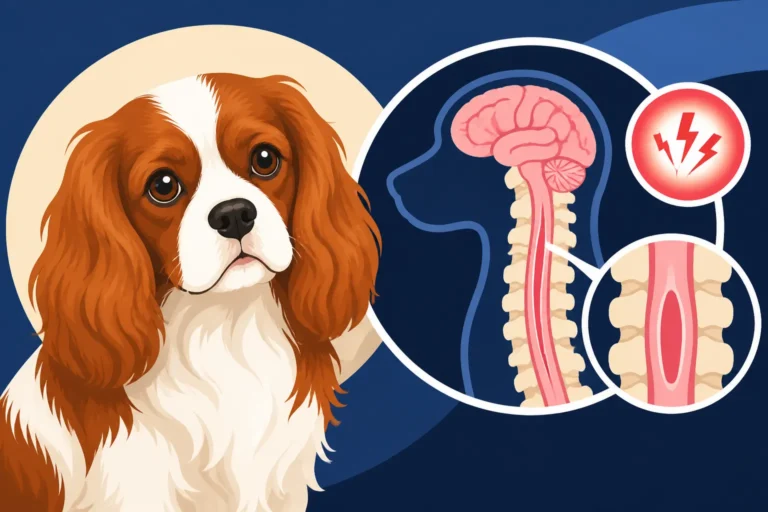
Another prevalent and painful condition in Cavaliers is Syringomyelia (SM), a neurological disorder caused by a malformation in the skull (Chiari-like malformation) that crowds the brainstem and obstructs the flow of cerebrospinal fluid, leading to fluid-filled cavities (syrinxes) in the spinal cord. It can cause chronic pain, phantom scratching, sensitivity to touch, and severe neurological symptoms. Syringomyelia and Chiari Malformation in Cavaliers is a truly debilitating condition.
To diagnose SM, your dog will need an MRI scan, which is an incredibly expensive procedure, often requiring a referral to a veterinary neurologist. What a Cavalier MRI Scan Costs and Shows can be thousands of dollars. After diagnosis, treatment primarily involves pain management with medications like gabapentin or pregabalin, which also carry ongoing monthly costs. In severe cases, surgery is an option, but it's exceptionally costly, complex, and not always curative. A cheap Cavalier is almost certainly from parents who haven't had their skulls scanned, increasing the likelihood you'll face this agonizing journey with your pet, and incur astronomical vet bills.
Other Genetic Predispositions
Beyond MVD and SM, Cavaliers are also prone to other issues like patellar luxation (loose kneecaps), hip dysplasia, various eye diseases (like dry eye syndrome), and episodic falling syndrome. Responsible breeders test for these conditions too, aiming to produce healthy offspring. A breeder selling cheap puppies cuts corners on all of this vital health testing. For instance, The DNA Tests Every Cavalier Should Have for conditions like episodic falling or curly coat dry eye syndrome might be completely ignored.
This means your "bargain" Cavalier might need knee surgery for Loose Kneecaps in a Thirteen-Pound Cavalier down the line, or require daily, expensive eye drops for dry eye. Each one of these conditions translates directly into vet visits, diagnostic tests, medications, and potentially surgeries. When you tally up the cost of specialist consultations, X-rays, medications from your local pharmacy or online retailers like Chewy, and potential emergency visits, that initial "saving" quickly becomes a minuscule drop in an ocean of expenses. What a Cavalier Costs a Year Before Any Heart Bills is already significant, and these conditions escalate it dramatically.
Behavioral and Training Challenges
It's not just physical health that suffers when you get a Cavalier from an irresponsible source. The early environment and genetics also profoundly impact a puppy's temperament and behavior, leading to potential challenges that require costly intervention.
Lack of Early Socialization and Care
A cheap Cavalier often comes from a puppy mill or backyard breeder where puppies are raised in sub-standard conditions, with little to no early socialization. They might be kept in crowded, unsanitary kennels, without exposure to normal household sights, sounds, or positive human interaction. This critical early period (the first 8-12 weeks) is crucial for a puppy's development. Without proper socialization, these puppies can grow up to be fearful, anxious, or reactive.
You might find yourself with a Cavalier that exhibits severe Living With a Cavalier That Panics When Alone or Signs a Cavalier Is Distressed When Alone. This can lead to destructive chewing, excessive barking, or inappropriate urination when left alone, necessitating expensive behavioral training, potentially medication, or even doggy daycare. Compare this to a well-socialized puppy from a reputable breeder who starts life in a loving home, handled daily, and exposed to various stimuli, setting them up for a much smoother transition and a more stable temperament.
The Cost of Correcting Undesirable Behaviors
Beyond anxiety, cheap Cavaliers might develop other behavioral issues simply because they weren't given a proper start. Potty training can be a nightmare if they've been forced to live in their own waste. They might lack bite inhibition or struggle with basic manners because they weren't taught appropriate boundaries or had sufficient enrichment as puppies.
You could spend hundreds, if not thousands, on professional dog trainers or behaviorists to address issues that could have been largely avoided with responsible breeding and early care. Classes for Trainer Rates for Cavalier Separation Anxiety or private sessions for reactivity are not cheap. Moreover, the emotional toll of dealing with a dog that struggles with fear or anxiety can be profound, impacting your quality of life as well as your dog's. The time and energy invested in trying to rehabilitate a poorly-started puppy are often far greater than the initial price difference.
The True Lifetime Cost: A Sobering Reality
When you factor in all the potential expenses, the idea that a cheap Cavalier saves you money completely unravels. What looks like a bargain initially almost always turns into a significant financial drain over the dog's lifespan, which can realistically be The Nine to Fourteen Year Cavalier Lifespan.
Vet Bills and Pet Insurance Considerations
Let's assume your "cheap" Cavalier starts developing heart issues by age three. You'll have cardiologist visits, follow-up echocardiograms, and daily medication costs. Over ten years, these costs can easily run into five figures. If Syringomyelia is diagnosed, you're looking at potentially thousands for an MRI, ongoing medication, and possibly surgery. Add in dental cleanings for Cavalier Dental Disease in a Crowded Jaw (which are more complicated and costly with heart disease), ear infection treatments, and other general veterinary care, and the numbers skyrocket.
Many owners hope pet insurance will cover these costs. However, one of the biggest pitfalls of a "bargain" puppy is that by the time you realize they have an underlying condition, it's often considered pre-existing. This means your pet insurance, even excellent providers like Healthy Paws, will likely not cover the treatment for that condition. Why a Cavalier Murmur Becomes Pre-Existing means you often have to pay out-of-pocket for everything related to their heart, which could have been prevented or delayed with responsible breeding. You need to insure a Cavalier puppy very early, ideally at eight weeks, before any symptoms might become apparent.
Food, Grooming, and Other Essentials
Even beyond the major health crises, there are everyday costs that might be higher for a cheap Cavalier. If your dog develops food sensitivities due to poor genetics or a compromised immune system, you might need to invest in specialized diets, which can be pricier. While a good quality food from a brand like Ollie can be an investment, it pales in comparison to the costs of managing chronic health conditions.
Grooming might also become more complicated if your dog is anxious or sensitive due to poor early socialization. You might need a more patient, specialized groomer, or more frequent visits if their coat condition is poor. Cavalier Grooming Costs Every Six to Eight Weeks are a regular expense, and behavioral issues can make them more difficult. In the long run, budgeting a Cavalier from puppy to senior means being prepared for all these eventualities, and a cheap start rarely means an easy financial journey.
Here's a simplified comparison to illustrate the point:
| Category | Reputable Breeder Cavalier (Proactive Investment) | Cheap Cavalier (Reactive Expenses) |
|---|---|---|
| Initial Purchase Cost | Higher (e.g., $2,500-$4,000+) | Lower (e.g., $500-$1,500) |
| Health Testing of Parents | Extensive (Cardiologist, MRI, DNA, Orthopedic) | Often None |
| Lifetime Heart Care | Potentially none or delayed (late onset MVD) | High likelihood of early-onset MVD; ongoing medication, cardiologist visits. |
| Lifetime SM Care | Low likelihood of severe SM | High likelihood of SM; MRI, neurologist, chronic pain medication, possible surgery. |
| Other Genetic Issues | Reduced risk | Higher risk of patellar luxation, eye issues, etc.; related vet bills. |
| Behavioral Training | Often minimal; well-socialized puppy | Potentially extensive for anxiety, reactivity, aggression; professional trainers. |
| Pet Insurance | Can enroll early, conditions covered | Many conditions pre-existing; high out-of-pocket costs. |
| Overall Lifetime Cost | Moderate to High (predictable) | Potentially Very High to Astronomical (unpredictable, crisis-driven) |
The honest truth is that a cheap Cavalier rarely saves you money in the long run. What you save on the initial purchase price, you'll almost certainly pay back tenfold in veterinary bills, behavioral training, and emotional stress. The real investment isn't just in the dog itself, but in the peace of mind that comes from knowing you've brought home a puppy given the very best start in life, with parents who have been carefully screened to give them the best chance at a long, healthy life. Choosing a responsible breeder who can show you The Cavalier Heart and MRI Papers to Ask For is not an extravagance; it's a critical step toward minimizing future heartache and expense.
Disclaimer
This article is for general informational purposes only and does not constitute professional advice. Laws, prices and regulations vary by location and change over time. Consult a qualified professional for guidance on your specific situation.