Warning Signs at a Cavalier Breeding Kennel
A litter of Cavalier puppies can make it hard to notice what is missing: vague health paperwork, a rushed handover, or a breeder who won’t let you see where the dogs live. This guide explains the warning signs to look for, the questions worth asking, and how to pause or walk away without feeling pressured.
Warning signs in the breeder’s answers and paperwork
Health claims without clear records
Cavaliers can inherit or develop serious health problems, including mitral valve disease and syringomyelia. A responsible breeder should be willing to discuss the health of the parents and the steps taken to assess them. Be cautious if you hear sweeping claims such as “our line has no heart problems,” but are not shown relevant records or given a clear explanation of what was checked.
Ask which health assessments the sire and dam have had, when they took place, and who performed them. For example, ask to see heart examination records and inquire whether the breeder has information about neurological screening, eye exams, and relevant DNA tests. Screening can help inform breeding decisions, but it cannot guarantee that a puppy will never become ill. A breeder who explains both the value and the limits of testing is generally more credible than one promising a perfectly healthy dog.
Look for records that identify the actual parent dogs, rather than a generic certificate or a document with details that don’t match the litter. If the breeder says the records are “with the vet” or promises to send them only after you pay, don’t treat that as proof. You can read more about the details to check in The Cavalier Heart and MRI Papers to Ask For, The DNA Tests Every Cavalier Should Have, and Reading a Cavalier Puppy's Health Certificates.
Evasive answers and pressure to pay
A breeder may not have an instant answer to every question, but they should be willing to find out, explain their practices, or tell you honestly what they don’t know. Deflection is different. Be wary if a breeder changes the subject when you ask about the parents’ health, becomes hostile about reasonable questions, or insists that paperwork is unnecessary because the puppies “look fine.”
Pay attention to pressure tactics. You may be told that several people are waiting, that you must send a deposit immediately, or that the breeder will not hold a puppy unless you decide on the spot. A genuine time limit can sometimes be part of a breeder’s process, but you should still have enough time to review the agreement and the puppy’s records. Don’t send money simply to keep a conversation going or because a breeder says someone else is about to claim the puppy.
Be especially careful if the breeder avoids a written contract, won’t explain what happens if a puppy becomes ill soon after going home, or refuses to discuss taking the dog back if you can no longer care for it. Ask for the terms in writing before making a commitment. Guidance in Whether a Cavalier Breeder's Heart Clearance Is Current and Cavalier Puppy Scams and Fake Heart Certificates can help you think through records and suspicious sales claims.
A puppy price or package used as a distraction
A polished website, a folder of papers, or a bag of supplies does not, on its own, show that a breeder is responsible. Neither does a high price. Focus on the breeder’s transparency, the dogs’ welfare, and the quality of the answers you receive rather than treating presentation or cost as a shortcut to trust.
A breeder may send a puppy home with food, a blanket, or familiar toys. Those can be useful for making the transition less stressful, but they do not replace health records, a clear contract, or an appropriate plan for the puppy’s care. Once you have chosen a puppy responsibly, you can make a separate list of everyday needs—such as a secure harness, bowls, bedding, and grooming tools. Some owners use retailers such as Chewy to organize routine supplies, but a convenient starter order should never make you feel obliged to buy from a breeder or overlook missing paperwork.
| What you hear or see | Why it deserves a closer look | What to do |
|---|---|---|
| “Our dogs never have heart problems” with no records | A broad promise is not a health assessment | Ask to see records for the individual parents and clarify what they cover |
| Pressure to pay immediately | It can leave you little time to review the puppy and agreement | Pause, request documents, and decline if the pressure continues |
| The breeder won’t let you meet the mother or see where puppies are raised | You may not be able to assess the dogs’ welfare or environment | Ask for a reasonable visit or a live video tour; walk away if access is refused |
| Papers are promised only after payment | You cannot check important details before committing | Ask to review relevant records and contract terms first |
| Puppies are offered in several unrelated breeds or always available | The breeder may be prioritizing volume over careful matching | Ask how they plan litters and choose homes |
| The breeder won’t take a dog back if circumstances change | The dog’s long-term welfare may not be part of the breeder’s plan | Ask for a written return or rehoming policy |
What to look for when you meet the dogs
The mother and the puppies’ living conditions
If the puppies are old enough for a visit, ask to meet their mother and see where they are being raised. Her behavior during a visit may be affected by the setting, but you should still be able to observe whether she appears cared for and whether the breeder can speak openly about her. Be cautious if the mother is consistently unavailable without a convincing explanation, or if the breeder offers a different dog as the mother.
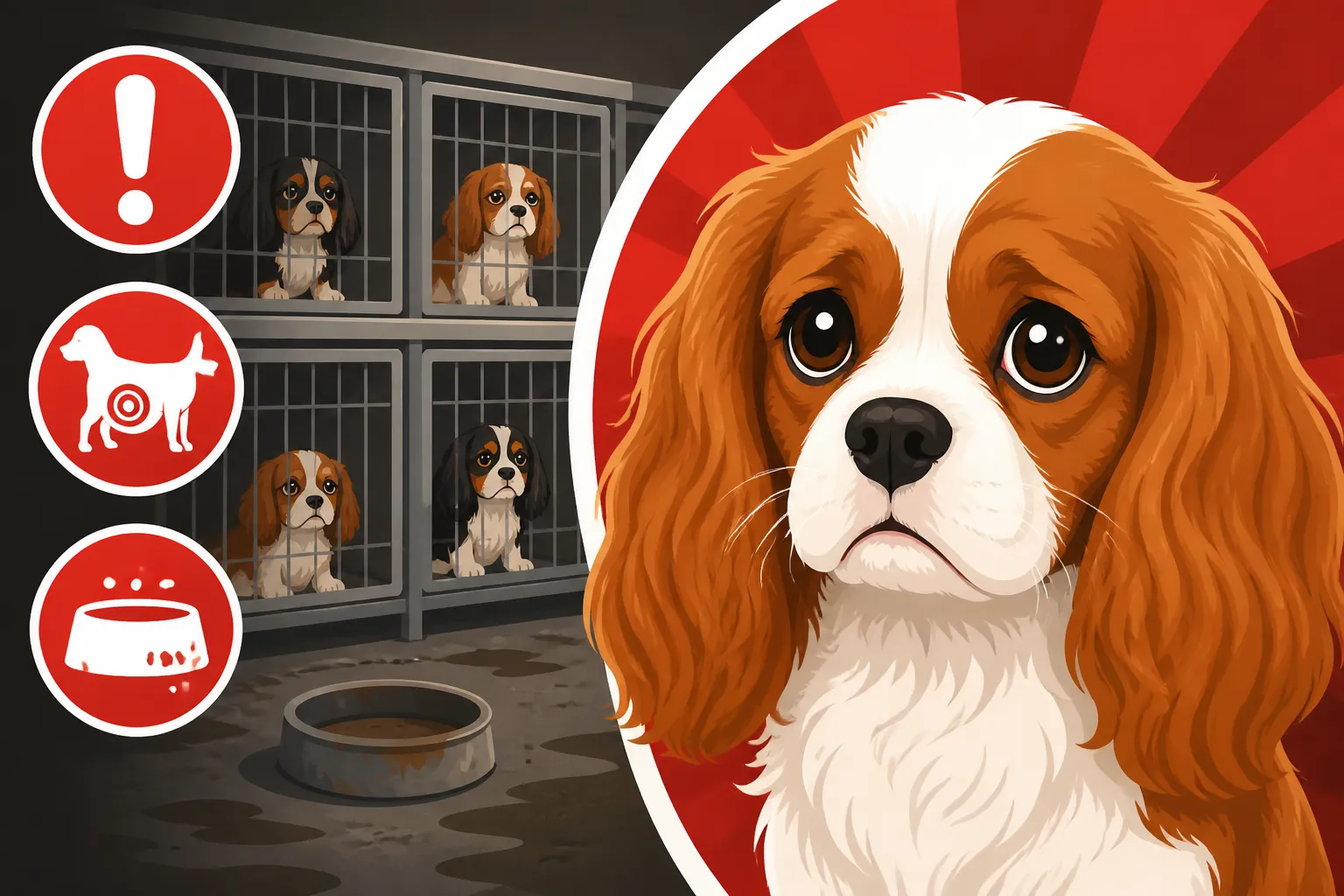
The puppies’ area should look reasonably clean, safe, and suited to their age. It does not need to resemble a showroom. Look for signs that the puppies have enough space to rest and move around, clean water where appropriate, and a calm place away from obvious hazards. Notice whether the puppies seem alert and comfortable for their age, while remembering that a brief visit cannot tell you everything about their health or temperament.
A visit can be arranged in different ways, and not every responsible breeder will allow visitors into every part of a home or kennel. Biosecurity and the puppies’ welfare may affect access. The important distinction is whether the breeder explains their precautions and offers a reasonable way for you to learn about the dogs and their environment. Refusal to provide any meaningful view of the litter, paired with pressure to pay, is a serious reason to stop.
How the breeder treats the dogs and answers questions
Watch how the breeder handles the dogs. The puppies should not be forced into your arms or passed around if they appear frightened. The breeder should be attentive to their comfort and able to explain how they are getting them used to ordinary experiences, such as gentle handling, household sounds, and grooming. A few minutes of friendly interaction is not a complete temperament assessment, but it can reveal whether the breeder treats the puppies as individuals.
Ask how the breeder decides which puppy is suited to which home. A good match involves more than choosing a coat color or the puppy that runs to you first. The breeder should be interested in your household, schedule, experience with dogs, and expectations. They may ask about children, other pets, time alone, and how you plan to manage training and veterinary care. Those questions are not automatically intrusive; they can show that the breeder is thinking about the puppy’s life after the sale.
Notice whether the breeder is comfortable discussing less glamorous realities, too. Cavaliers need regular grooming, veterinary care, and companionship, and their health risks deserve serious consideration. If the conversation focuses only on how adorable and easy the puppies are, with no discussion of long-term care, ask more questions. How to Judge Whether a Cavalier Breeder Is Serious and The Health Debate Around Breeding Cavaliers offer useful context for weighing those conversations.
The puppy’s records and transition plan
Before bringing a puppy home, ask what veterinary care it has received and what records will travel with it. The breeder should be able to explain any vaccinations, parasite treatments, examination findings, and follow-up care, with dates and paperwork where available. A puppy check by a veterinarian is useful, but it is not the same thing as assessing the health of the parents or eliminating future risk.
Ask what the puppy currently eats, how often it is fed, what it is used to sleeping on, and whether there are particular routines that help it settle. The breeder should also explain what to do if the puppy seems unwell after arrival and how to contact them with questions. A written contract should make the responsibilities of both parties understandable rather than relying on vague verbal promises.
You may want to have basic supplies ready at home, including the food the puppy already eats, a safe resting area, grooming tools, and a suitable harness. If you use Chewy or another retailer to prepare, keep the first order practical and avoid buying a large quantity of unfamiliar food before you know how the puppy tolerates it. Supplies can make the first days easier; they cannot replace a veterinary appointment, health documentation, or a thoughtful transition plan.
Questions to ask before choosing a Cavalier puppy
Ask about the parents and the wider family
Start with straightforward questions: What health assessments have the sire and dam had? Can you see the records? Are there known health concerns in close relatives? How old are the parents, and what can the breeder tell you about their health as they age? The answers may vary depending on the dogs and breeding program, but they should be specific enough for you to understand what was done and what remains uncertain.
Ask how the breeder decides whether to use a dog for breeding. A single favorable exam should not be treated as a lifetime guarantee, and a breeder should be able to discuss how age, family history, and the relevant screening recommendations affect their decisions. If the breeder says a test is unnecessary, ask why and listen for an explanation grounded in the dog’s health rather than convenience.
It is also fair to ask whether puppies from earlier litters have developed health problems and how the breeder responded. No breeder can control every outcome, but transparency matters. A breeder who keeps in touch with puppy families and shares relevant health information may have a more realistic picture of their lines than one who claims there have never been any problems. For more on choosing a source, see Where People Actually Get Their Cavaliers.
Ask about the contract, support, and return plan
Read the full agreement before sending a deposit or collecting a puppy. Check what it says about the puppy’s identity, the sale, veterinary checks, and any expectations for the dog’s future care. If you do not understand a term, ask for it to be explained in plain language. You should not feel that asking to read a contract is rude or that you must sign immediately.
Ask what support the breeder provides after the puppy goes home. Some breeders will answer questions about feeding, grooming, training, and settling in; others may have a different process. What matters is that you understand who to contact and what support you can reasonably expect. Also ask what the breeder wants you to do if the puppy develops a serious problem or if you can no longer keep the dog.
A return policy is especially important because a puppy’s needs can change, and families sometimes face unexpected circumstances. A breeder may require that the dog be returned to them or that they be involved in finding a new home. Get the policy in writing. If the breeder says the dog is entirely your problem the moment you leave, consider whether that matches the level of long-term responsibility you want to see.
Check the details without letting urgency take over
Compare the names, dates, and identifying details across records and contracts. Make sure the paperwork relates to the dogs being discussed, and ask for clarification if a document appears incomplete or inconsistent. A breeder should not object to you taking time to read what you are given. If you are uncertain, you can pause and ask your veterinarian or a knowledgeable breed club contact to help you understand what a document does and does not show.
Don’t mistake a smooth online presence for proof. Photos and posts can help you learn about a breeder’s dogs, but they cannot substitute for a conversation, records, and a credible account of how puppies are raised. Be cautious if pictures appear generic, the breeder refuses a live conversation, or the person communicating cannot answer basic questions about the litter.
You are allowed to leave without choosing a puppy. If the breeder’s answers are evasive, the conditions are troubling, or the pressure feels wrong, take a break and consider another route. A puppy’s availability is not a reason to ignore your instincts. It is better to miss one litter than to make a rushed commitment you cannot confidently support.
When to pause, walk away, or seek help
Reasons to pause before paying
Pause if you have not seen the relevant health paperwork, have not received a contract, or are unsure who owns the puppy’s parents. Ask for missing information in writing and give yourself time to review it. If the breeder reacts by increasing pressure, changing the story, or withdrawing basic information, treat that response as useful information about the relationship you would have after taking the puppy home.
Also pause if the breeder wants to arrange a handover in a way that prevents you from asking questions or seeing the puppy’s living situation. Some practical arrangements may be necessary, but the breeder should be able to explain them. Don’t let a long drive, a nonrefundable deposit, or a family’s excitement turn into a reason to accept something that concerns you.
If you are comparing multiple breeders, keep a simple record of what each person says, what documents you have seen, and what questions remain. This helps when details blur together after several conversations. It can also make it easier to notice when a claim changes from one discussion to the next.
When to walk away
Walk away if you are shown falsified or mismatched paperwork, prevented from asking reasonable questions, or pressured to pay before you can review essential information. The same applies if the dogs appear to be in unsafe or persistently poor conditions and the breeder dismisses your concerns. You do not need to prove wrongdoing to decide that a situation is not right for you.
If you are worried that animals are in immediate danger, consider contacting an appropriate local animal welfare organization or authority for guidance. Keep any communication factual and avoid confronting someone if doing so could put you or the dogs at risk. If your concern is about a questionable sale rather than immediate welfare, save relevant messages and documents and seek advice from a reputable breed organization or a veterinarian.
For families who decide to continue their search, comparing breeders carefully is worthwhile. A responsible breeder should welcome informed questions, provide a realistic account of Cavalier health, and care about where each puppy goes. Helpful background includes The Cavalier Heart and MRI Papers to Ask For and How to Judge Whether a Cavalier Breeder Is Serious. Once you have chosen a puppy and the homecoming date is set, retailers such as Chewy can be one option for replacing routine supplies or arranging familiar food, but the breeder’s trustworthiness should be settled well before shopping begins.
Disclaimer
This article is for general informational purposes only and does not constitute professional advice. Laws, prices and regulations vary by location and change over time. Consult a qualified professional for guidance on your specific situation.