The Emergency Fund a Cavalier Owner Needs
It's a heartbreaking reality that many Cavalier King Charles Spaniel owners face: the unexpected, sudden rush of a veterinary emergency or the slow, creeping dread of a chronic health diagnosis. These situations don't just test your emotional resilience; they can absolutely decimate your bank account if you're not prepared. This guide is here to walk you through why a dedicated emergency fund isn't just a good idea for a Cavalier, but an absolute necessity, and how you can build that vital financial safety net.
Why Cavaliers Require a Specific Emergency Fund Mindset
Owning a Cavalier King Charles Spaniel is a unique joy, but it also comes with a unique set of financial responsibilities, especially when it comes to their health. These sweet, loving dogs are, unfortunately, predisposed to several significant health issues that can strike at any age and often require extensive, costly care.
The Unique Health Challenges of the Cavalier
You might think you're ready for routine vet visits and annual vaccines, but Cavaliers often throw curveballs that can quickly escalate into serious financial burdens. Their breed is known for certain predispositions that aren't just minor inconveniences; they are life-altering, and often life-limiting, conditions. For example, Mitral Valve Disease in the Cavalier King Charles Spaniel is alarmingly common, with many Cavaliers developing a heart murmur as early as middle age, which can progress to heart failure. This isn't a simple fix; it's a chronic condition requiring ongoing medication and specialist monitoring.
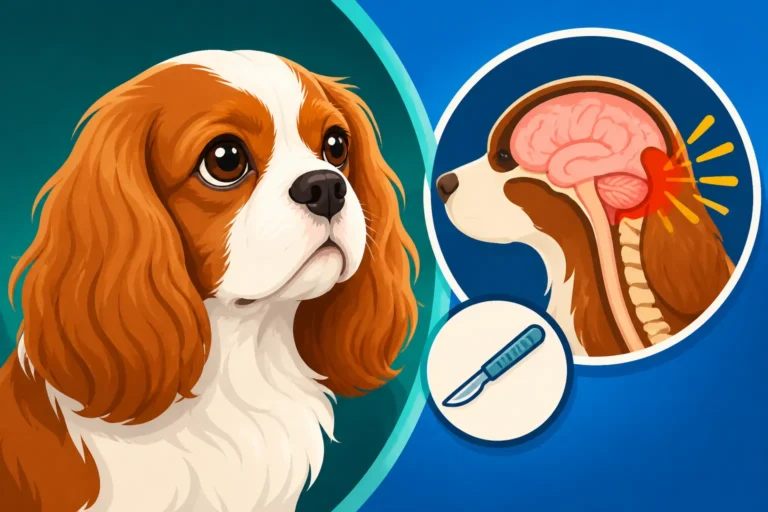
Then there's Syringomyelia (SM), a neurological condition where the Cavalier's skull is too small for its brain, causing fluid-filled cavities (syrinxes) in the spinal cord. The pain can be excruciating, leading to symptoms like phantom scratching or yelping when picked up. Diagnosing SM often requires an MRI, which is a significant upfront expense. Beyond these, Cavaliers can also face issues like eye diseases, joint problems such as luxating patellas or hip dysplasia, and recurring ear infections due to their beautiful, floppy ears. It's not a matter of if your Cavalier might face one of these challenges, but often when. Preparing for these eventualities is crucial for their quality of life and your peace of mind.
The Cost Shape of a Cavalier Emergency
When a Cavalier faces a health crisis, the costs aren't usually a simple "one-and-done" vet bill. They typically involve a multi-stage process that can quickly add up. For instance, if your Cavalier starts coughing or tiring easily, the first step is often a general vet visit, but that's just the tip of the iceberg. They'll likely need a referral to a veterinary cardiologist for an echocardiogram and possibly chest X-rays to truly diagnose heart disease. Cardiologist Fees for a Cavalier and the diagnostic imaging alone can be substantial. If SM is suspected, a neurological consultation and an MRI scan are almost certainly required. What an MRI Costs to Rule Out Cavalier Syringomyelia can be staggering.
Once diagnosed, many Cavalier conditions demand ongoing treatment. Heart disease management, for example, involves regular re-checks with a cardiologist, repeat echo scans to monitor progression, and daily medications that can continue for years. How Cavalier Heart Disease Progresses Stage by Stage means the medication regimen often becomes more complex and expensive over time. Syringomyelia often requires continuous pain management medication. These aren't just one-time expenses; they are chronic, escalating costs that can stretch over the lifetime of your beloved dog. Without a robust emergency fund, you might find yourself in the agonizing position of choosing between your pet's well-being and your financial stability.
Building Your Cavalier's Safety Net
Knowing that these potential health hurdles exist is the first step. The next is proactively building a financial safety net that can soften the blow when they inevitably arise. This isn't about being pessimistic; it's about being a responsible, prepared Cavalier parent.
How Much Should You Aim For?
This is the million-dollar question, or perhaps, the several-thousand-dollar question. There's no single magic number, as veterinary costs vary widely by region and the specific condition, but it’s essential to have a significant sum readily available. A good starting point would be to aim for enough to cover at least a major diagnostic workup, such as a full cardiac evaluation (consultation, echo, X-rays) or a neurological MRI. These procedures alone can range from a substantial sum into the many thousands. Think about what would happen if your Cavalier needed emergency care for a sudden illness or injury—an overnight stay, IV fluids, diagnostics—these scenarios add up incredibly fast.
Beyond the initial diagnostic shock, you should ideally have enough to cover a few months of specialized medication or a portion of a potential surgery, if that were ever an option. Some owners aim for a fund that could cover one to two years of high-cost daily medications for chronic conditions, or at least your deductible and co-pays if you have pet insurance (which we'll discuss next). It’s about building a fund that allows you to say "yes" to necessary treatments without panicking about how you'll pay for groceries.
Practical Strategies for Saving
Building an emergency fund takes discipline, but it's absolutely achievable. The first step is to treat it like a non-negotiable expense, just like their food or routine vet visits. Set up a dedicated savings account specifically for your Cavalier's emergencies. This mental separation helps you resist the urge to dip into it for other things.
Next, automate your savings. Even if it's a small amount each week or month, regular, automatic transfers from your checking account to your Cavalier's emergency fund account can make a huge difference over time. Think about where you can trim non-essential expenses: that extra takeout meal, a few fewer lattes, or pausing a streaming service for a few months. Every little bit truly adds up. You could also allocate any unexpected windfalls, like a work bonus or tax refund, directly to this fund. Some pet owners find success by budgeting meticulously for their regular pet expenses, using resources like Chewy for regular food and supply purchases, which can help free up a little extra for savings. Knowing exactly What a Cavalier Eats in a Month or Cavalier Grooming Costs Every Six to Eight Weeks helps you find room in the budget.
Creating a visual tracker or celebrating milestones in your savings journey can also keep you motivated. Remember, this fund isn't just money; it's peace of mind and the promise of comprehensive care for your beloved Cavalier.
Pet Insurance as Part of Your Financial Plan
While an emergency fund is crucial, pet insurance can be an incredibly valuable partner in managing the unpredictable costs of Cavalier health. It's not a replacement for an emergency fund, but rather a powerful complement.
When Pet Insurance Shines for Cavaliers
The golden rule of pet insurance for a Cavalier is to enroll them when they are young and healthy. This is because pet insurance, almost universally, does not cover pre-existing conditions. For a breed like the Cavalier, where heart murmurs can appear early, getting coverage before any signs of Mitral Valve Disease in the Cavalier King Charles Spaniel develop is paramount. The Age to Insure a Cavalier is often considered the younger, the better, ideally at eight weeks old. If a heart murmur or Syringomyelia is already present, it will be classified as a pre-existing condition, and any treatment related to it will not be covered. Why a Cavalier Murmur Becomes Pre-Existing is a critical piece of information for all Cavalier owners.
Once enrolled, a comprehensive pet insurance policy can cover a significant portion of unexpected veterinary bills arising from accidents, illnesses, surgeries, and even specialist care. This can include those expensive echocardiograms, MRI scans, emergency visits, and prescribed medications for new conditions. Companies like Healthy Paws are examples of insurers that offer plans designed to help cover these significant, unforeseen costs, providing a crucial financial buffer against the most devastating bills. By covering a large percentage of eligible costs, pet insurance reduces the amount you'd need to pull from your emergency fund, saving it for deductibles, co-pays, or uncovered pre-existing issues.
The Limitations and How an Emergency Fund Fills the Gaps
Even with pet insurance, you're still going to have out-of-pocket expenses. Most policies come with a deductible, which is the amount you pay before your coverage kicks in. You'll also typically have a co-pay, meaning the insurance company reimburses you for a percentage of the bill, leaving you responsible for the remainder. For instance, if you have an 80% reimbursement plan, you're still on the hook for 20% of eligible costs. There might also be annual limits to coverage, after which you're fully responsible for costs.
This is precisely where your dedicated Cavalier emergency fund steps in. It's your financial cushion for those deductibles, the co-pays, and any expenses that exceed your policy's annual limit. Crucially, it's also your safety net for any conditions that are deemed pre-existing and therefore not covered by your insurance. If your Cavalier developed a heart murmur before you got insurance, or if you acquired an older Cavalier with an existing health issue, your emergency fund becomes even more vital, as it's the primary way you'll fund those ongoing treatments. What a Cavalier Policy Costs Monthly is an important factor to consider when budgeting, as it's a regular expense that needs to be factored in alongside your emergency savings goal.
Navigating an Emergency Without a Full Fund
Despite our best intentions, sometimes life happens, and an emergency strikes before our fund is fully built. It's a terrifying place to be, but it's important to know that you still have options beyond simply giving up.
Options When Funds Are Tight
When your Cavalier needs urgent care and your emergency fund isn't quite where you want it to be, panic can set in. However, there are resources available. Many veterinary clinics, especially emergency hospitals, understand the financial strain of unexpected pet care. Some may offer internal payment plans, allowing you to pay off a large bill over several weeks or months. It’s always worth asking about this.
Another common option is veterinary-specific credit lines. These are essentially credit cards designed for healthcare expenses, often with promotional interest-free periods if the balance is paid within a certain timeframe. Before signing up, carefully read the terms and conditions, especially regarding interest rates after the promotional period.
Beyond these, there are numerous charitable organizations and breed-specific rescues that sometimes offer financial assistance to owners facing significant vet bills, particularly for conditions common to their breed. A quick online search for "Cavalier King Charles Spaniel rescue financial aid" or "pet assistance programs" in your area might yield results. These organizations often rely on donations and have specific eligibility criteria, but they can be a lifeline in desperate situations. While these are all excellent resources, they are often a last resort and can come with their own complexities, highlighting why a proactive emergency fund is always the ideal.
The Emotional and Financial Toll of Unpreparedness
It's difficult to discuss, but facing a pet emergency without adequate funds is an incredibly painful experience. The emotional toll can be immense. Imagine your beloved Cavalier, who follows you Why a Cavalier Follows You Room to Room and is truly a part of your family, is in pain or critically ill. The veterinarian explains the necessary diagnostics, treatments, or even surgery, and then gives you the price tag. Without a fund, the relief of a potential solution is immediately overshadowed by overwhelming financial stress.
This often leads to heartbreaking decisions being made not based on what's best for your Cavalier's health, but on what you can afford. This is a burden no pet owner should have to carry. The stress can impact your own health, your family, and even your ability to work. Building an emergency fund isn't just about money; it's about protecting yourself from that profound moral and emotional anguish, ensuring you can make choices from a place of love and care, rather than desperation. It’s about giving your Cavalier the best chance at a long, healthy life, despite the breed’s genetic predispositions.
| Financial Tool | Purpose | Cavalier Relevance | Key Consideration |
|---|---|---|---|
| Emergency Fund | Covers unexpected, immediate costs; fills insurance gaps. | Essential for pre-existing conditions like MVD or SM. | Self-funded, requires discipline to build. |
| Pet Insurance | Reimburses a percentage of eligible vet bills. | Best started young to cover MVD, SM, eye issues before diagnosis. | Doesn't cover pre-existing conditions; deductibles/co-pays apply. |
| Vet Credit/Loans | Provides financing for large, unexpected bills. | Useful when fund is depleted or insurance doesn't cover. | High interest if not paid off quickly; credit check required. |
| Charitable Aid | Offers financial assistance for critical care. | Specific programs may exist for Cavalier-related conditions. | Eligibility varies; often last resort. |
Disclaimer
This article is for general informational purposes only and does not constitute professional advice. Laws, prices and regulations vary by location and change over time. Consult a qualified professional for guidance on your specific situation.