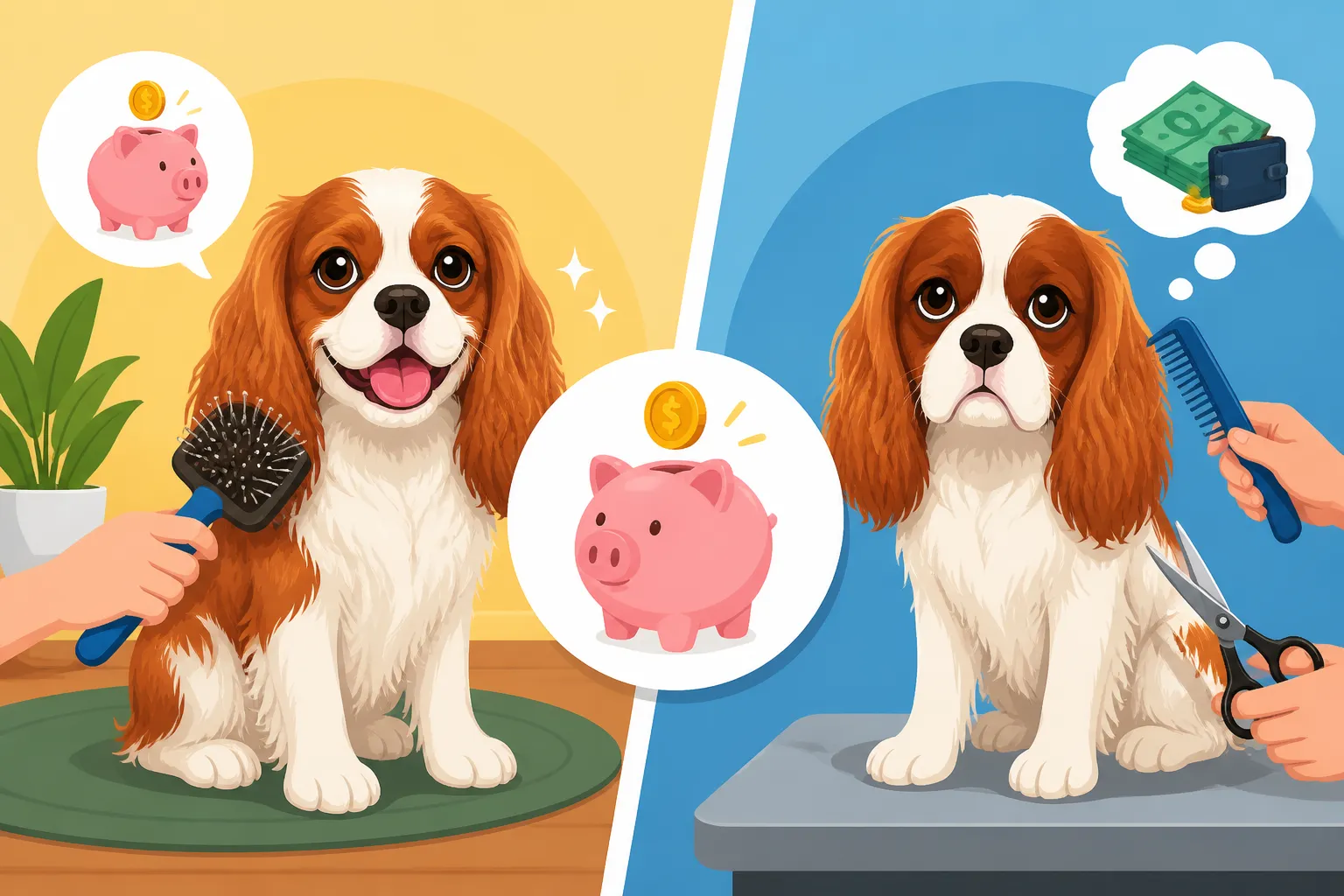
What You Save Brushing a Cavalier Yourself
The cost of keeping a Cavalier King Charles Spaniel looking their best can add up quickly, especially with their beautiful, flowing coats that seem to attract every burr and tangle. Many owners find themselves weighing the expense of professional grooming against the daunting task of doing it themselves. This guide will walk you through exactly what you can save, both in money and in building a deeper bond with your beloved Cavalier, by taking on the brushing routine at home.
Why Regular Brushing is Absolutely Essential for Cavaliers
Cavaliers are renowned for their stunning, silky coats and magnificent feathering on their ears, chest, legs, and tail. It's a hallmark of the breed, a big part of their charm, and also, frankly, a bit of a commitment! Neglecting this beautiful coat isn't just about appearances; it has serious implications for your dog's health and your wallet.
Understanding the Cavalier Coat Type
Unlike some breeds with thick undercoats, Cavaliers typically have a single coat that is medium in length and incredibly silky to the touch. This means they don't shed in huge clumps like some double-coated breeds, but they do shed consistently year-round, and their fine hair is prone to tangling and matting. Those lovely long ear fringes, the silky "pants" on their hind legs, and the plume on their tail are particularly vulnerable to collecting debris and forming knots. If you've ever felt a small knot behind your Cavalier's ear, you know how quickly it can escalate into a larger, tighter mat if not addressed promptly. It's a constant battle, but a rewarding one to keep their coat in prime condition.
The texture of a Cavalier's coat is designed to be soft and flowing, not coarse or wiry. This softness, while beautiful, is also what makes it prone to matting. When these fine hairs rub together, especially in areas of friction like the armpits, behind the ears, or where a harness sits, they can quickly knot up. Add in a bit of moisture, some outdoor adventures, or just the natural oils and shedding hair, and you have a recipe for mats. Proper brushing isn't just about removing loose hair; it's about gently separating these strands before they have a chance to bond into painful clumps. Brushing a Cavalier's Feathering Three Times a Week is a great resource if you're looking for frequency tips.
The Cost of Neglected Grooming: Matting and Skin Issues
Here's where the savings really start to become clear. If a Cavalier's coat is neglected, mats will form. These aren't just cosmetic issues; mats pull on the skin, causing discomfort and even pain. They can restrict movement, hide skin infections, parasites, or hot spots, and make your dog utterly miserable. When a groomer receives a severely matted dog, their primary concern is the dog's welfare. This often means a complete shave-down, which is not only stressful for the dog but also significantly more expensive for you. Professional groomers will charge extra for dematting, or they may simply refuse to do it and recommend veterinary intervention.
Veterinary visits for skin problems hidden beneath mats can be incredibly costly. Imagine paying for a shave-down at the vet, then antibiotics for a skin infection, plus pain medication for irritated skin. These bills can run into hundreds of dollars, far exceeding the cost of regular professional grooming, let alone the minimal investment in home grooming tools. By keeping up with brushing, you prevent these painful and expensive scenarios, ensuring your Cavalier's skin can breathe and any issues are spotted early. You might even find that regular brushing helps you keep an eye on other potential issues, such as lumps, bumps, or even signs of Cavalier Ear Infections and Why They Recur, which can also lead to costly vet bills.
The Tools You'll Need for At-Home Cavalier Brushing
You don't need a professional grooming salon's worth of equipment to effectively brush your Cavalier at home, but a few key items will make the process much smoother and more successful. Investing in quality tools upfront will save you frustration and ultimately, more money down the line.
Essential Brushes and Combs
The absolute must-haves for a Cavalier coat are a good slicker brush and a metal comb. The slicker brush, with its fine, wire bristles, is fantastic for getting through the main body of the coat, removing loose hair, and gently working through minor tangles. Always use it with a light touch, "brushing the air" before touching the dog, as those wires can scratch delicate skin. For the feathering, a pin brush can also be very useful, as it's a bit gentler and helps maintain the fluffiness without pulling.
A metal comb, often called a Greyhound comb, is your secret weapon for finding and separating knots. It should have both wide and narrow-set teeth. The wide teeth are great for initial detangling, while the narrower teeth are essential for checking for any missed tangles, especially in sensitive areas like behind the ears or in the armpits. I find it invaluable for checking that I've gotten all the way down to the skin, which is crucial for preventing mats from forming deep in the coat. You can find excellent quality combs and brushes from retailers like Chewy, which often have a wide selection and competitive pricing. The Brush and Comb a Cavalier Coat Needs offers a deeper dive into specific types.
Detangling Sprays and Conditioners
Never try to brush out a dry, tangled coat without some lubrication. It's like trying to comb dry, knotted hair on yourself – it hurts and causes breakage. A good quality detangling spray or leave-in conditioner is a game-changer. These products help to loosen knots, reduce static, and provide a protective barrier to the hair, making brushing easier and less painful for your Cavalier. They also help to prevent future tangles. Look for sprays specifically designed for dogs, ideally with moisturizing ingredients.
Using a detangling spray isn't just about ease; it's about protecting your Cavalier's delicate coat. Vigorously pulling at dry knots can break the hair, damage the follicle, and even cause skin irritation. A quick spritz, a moment for it to absorb, and then gentle brushing makes a world of difference. It also adds a lovely sheen and helps keep that signature silky feel. You'll find many suitable options at your local pet supply store or online, and a single bottle lasts a long time, offering great value compared to repeated professional dematting fees.
Grooming Table or Non-Slip Surface
While not strictly a "tool," having a designated, comfortable spot for grooming is incredibly important. A non-slip surface, like a rubber mat on a table or even a sturdy bath mat on the floor, helps your Cavalier feel secure and prevents them from slipping, which can make them anxious. A raised grooming table, if you have one, is fantastic for saving your back and keeping your dog at a comfortable height for detailed work. However, a table isn't essential; consistency in location is key.
The idea is to create a positive, predictable experience. If your Cavalier knows that the "grooming spot" means gentle handling, treats, and positive reinforcement, they'll be far more cooperative. Trying to groom them while they squirm on your lap or slide around on a slick floor will turn it into a wrestling match, which benefits no one. Even a simple bath towel laid out on a sturdy surface can make a huge difference in establishing a comfortable grooming routine. This small investment in comfort pays off in a happier, more compliant Cavalier during brush time.
Step-by-Step Guide to Brushing Your Cavalier
Now that you have your tools ready, let's get into the actual process. It might seem like a lot at first, but with practice, you'll find a rhythm that works for you and your Cavalier. Remember, patience and positive reinforcement are your best friends here.
Preparing Your Cavalier for a Brushing Session
Before you even pick up a brush, take a moment to set the stage. Gather all your tools within reach – slicker brush, metal comb, detangling spray, and plenty of high-value treats. Find your designated grooming spot. Start by gently talking to your Cavalier, perhaps giving them a few pets and a treat, to signal that something pleasant is about to happen. A calm, relaxed dog is much easier to groom than one who is stressed or anxious. If your Cavalier is wiggly, consider starting with very short sessions and gradually increasing the time as they get more comfortable.
For many Cavaliers, especially those prone to separation anxiety, the idea of being held still can be a challenge. Making grooming a positive, bonding experience is crucial. Offer treats frequently throughout the process, even if it's just for standing still for a few seconds. If your Cavalier is particularly anxious, you might introduce the tools slowly, letting them sniff the brush and rewarding them. Think of it as a massage more than a chore, and your Cavalier will quickly learn to associate brushing with affection and delicious rewards. This is also a great time to check for any Mats in a Cavalier's Armpits and Groin.
The Sectioning Method for Thorough Brushing
The key to preventing missed tangles and mats is to brush your Cavalier in sections. Imagine dividing their body into manageable areas: one side of the body, then the other; each leg; the chest; the belly; and most importantly, each ear. Start at the bottom of a section, gently holding the hair above it with one hand, and brush outwards and downwards with your slicker brush. Work your way up the section, layer by layer, until you've brushed from the skin outwards. After using the slicker, follow up with your metal comb to check for any remaining tangles, ensuring you can comb smoothly through the hair right down to the skin.
This "line brushing" technique, as groomers call it, ensures that you don't just skim over the top layer of the coat, leaving mats to fester underneath. It's especially vital for the feathering. Those long ear fringes can easily mat if you don't meticulously brush through them in small sections. Remember to be extra gentle around sensitive areas like the inner thighs and armpits where the skin is thin and knots can be tight. Consistency here will save you so much grief and prevent any painful dematting sessions down the line.
Tackling Mats Gently and Safely
When you encounter a mat, resist the urge to pull or yank! This is where your detangling spray and metal comb become indispensable. Spray the mat liberally with detangling spray, allowing it to penetrate for a minute or two. Then, using the wide teeth of your metal comb, start gently picking at the outer edges of the mat, working small strands away from the main knot. Think of it like unpicking a tangled shoelace, not ripping it apart. Work slowly, patiently, and always in the direction of hair growth. If the mat is very tight and close to the skin, you may need to hold the skin taut at the base of the mat to prevent pulling.
For really stubborn, tight mats, you might consider carefully using a mat splitter tool, but only if you're confident in doing so. If you're unsure, or if the mat is causing your Cavalier pain, it's always best to consult a professional groomer or your vet. Seriously matted fur might need to be carefully clipped out with blunt-nosed scissors, pointing the tips away from the skin. The ultimate goal is to remove the mat without causing any discomfort or injury to your dog. Learning Cutting a Mat Out of a Cavalier Safely is a skill every Cavalier owner should cultivate, but always err on the side of caution.
Finishing Touches and Rewards
Once you've brushed through every section, and your metal comb glides smoothly from root to tip, give your Cavalier a final all-over brush to fluff up their coat. Pay special attention to their tail plume, ear feathering, and the hair on their legs. Finally, and this is perhaps the most important step, lavish your Cavalier with praise, cuddles, and their favorite treats. End every session on a positive note so they associate grooming with good things. This reinforces good behavior and makes future sessions much easier.
A successful grooming session isn't just about the finished coat; it's about the positive experience for both of you. Many owners also take this opportunity to perform other routine care, such as checking their Cavalier's ears for cleanliness, giving their eyes a gentle wipe, or even doing a quick dental check. This comprehensive approach to home care not only saves you money but also strengthens the bond you share with your Cavalier, turning a necessary chore into quality time together. Consider it part of their overall wellness, much like a healthy diet from a brand like Ollie can contribute to a shiny coat.
Calculating Your Savings: DIY vs. Professional Grooming Costs
Let's get down to the numbers. While I can't give you exact figures, we can look at the typical shape of grooming costs and how doing it yourself truly impacts your budget. The savings aren't just immediate; they accumulate significantly over your Cavalier's lifespan.
Estimating Professional Grooming Costs
Professional grooming for a Cavalier King Charles Spaniel can vary widely based on location, the groomer's experience, and the condition of your dog's coat. Generally, a full groom for a Cavalier, including bathing, drying, brushing, nail trimming, and sometimes a sanitary trim, can be a recurring expense. Depending on how fast their feathering grows and how quickly it mats, your Cavalier might need professional grooming every 6 to 8 weeks. Some owners opt for "tidy-ups" in between full grooms, which are also an added cost.
If your Cavalier arrives at the groomer with significant matting, you will almost certainly incur an additional "dematting" fee. These fees can sometimes add a substantial percentage to the base grooming cost, or in severe cases, the groomer may insist on a full shave-down, which, while necessary for the dog's comfort, isn't always the look owners desire. Over a year, these regular appointments and potential extra charges can easily add up to a considerable sum. Imagine twelve years with a Cavalier; the lifetime cost of professional grooming becomes a very large number indeed. Cavalier Grooming Costs Every Six to Eight Weeks provides more detail on this expense.
Breaking Down Your DIY Investment
When you groom your Cavalier at home, your primary "investment" is in the tools and products, which are largely one-time or infrequent purchases.
| Item Type | Initial Cost Shape | Frequency of Purchase | Notes |
|---|---|---|---|
| Slicker Brush | Moderate | Every few years | High quality lasts longer, prevents hair breakage. |
| Metal Comb | Low to Moderate | Every few years | Essential for detangling and checking for mats. |
| Detangling Spray | Low | Every 3-6 months | Varies with usage; crucial for painless brushing. |
| Dog Shampoo/Conditioner | Low | Every 3-6 months | Needed for baths, which often accompany brushing. |
| Nail Trimmers/Grinder | Low to Moderate | Every few years | If you do nails yourself; saves vet/groomer fees. |
| Total | Moderate initial | Low ongoing | Your time is the biggest 'cost' in DIY, but it's priceless bonding time. |
As you can see, the upfront cost for decent quality tools is relatively modest. After these initial purchases, your ongoing expenses are minimal, primarily for detangling spray and shampoo. If you're consistent, these items last quite a while. The biggest "cost" is your time and effort, but that's time spent bonding with your furry friend, which many Cavalier owners consider invaluable.
Long-Term Financial Benefits
The financial savings of brushing your Cavalier yourself become truly impactful over their lifespan. Let's say, hypothetically, a professional groom costs a certain amount, and your Cavalier needs grooming 8 times a year. Multiply that by 10-14 years of their life, and you're looking at a significant sum. By contrast, your DIY costs remain consistently low after the initial tool purchase. The difference can amount to thousands of dollars over the years.
Beyond direct grooming costs, there are indirect savings. Regular home brushing allows you to catch skin issues, parasites, or lumps early, potentially saving on more expensive veterinary treatments down the road. It also keeps your dog more comfortable and healthier overall, reducing the likelihood of medical problems stemming from neglected coat care. While pet insurance from providers like Healthy Paws can cover unexpected veterinary bills, preventative care like diligent brushing can help minimize the need for such claims related to skin and coat issues in the first place, or at least ensure a healthy base for your dog. This isn't just about saving money; it's about investing in your Cavalier's long-term health and well-being. Caring for a Cavalier Past Nine definitely includes maintaining their coat.
Disclaimer
This article is for general informational purposes only and does not constitute professional advice. Laws, prices and regulations vary by location and change over time. Consult a qualified professional for guidance on your specific situation.