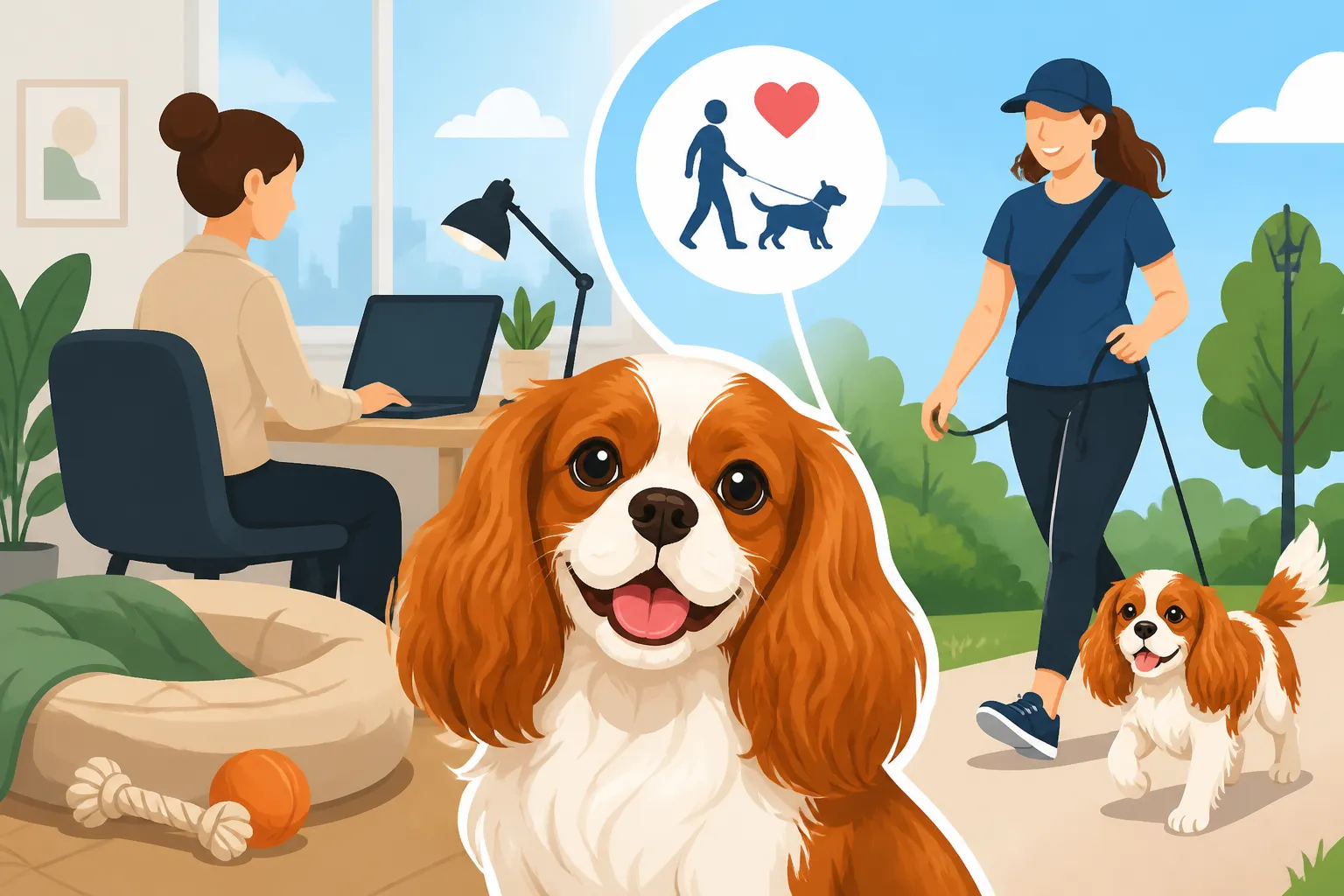
Dog Walkers for a Cavalier in a Working Household
It's a common dilemma for so many of us who adore our Cavalier King Charles Spaniels but also have demanding work schedules: how do you give your sweet, clingy companion the attention and potty breaks they need when you're stuck at the office for eight or more hours? The guilt can be overwhelming, the worry about accidents or loneliness constant. This guide is here to walk you through the real benefits of hiring a dog walker for your Cavalier in a working household, exploring the different services available, and helping you navigate the practicalities to ensure your furry family member stays happy and healthy.
Why Cavaliers Struggle When Left Alone and Why Dog Walkers Help
Let's be honest, Cavaliers weren't bred to be independent, solitary creatures. They were bred to be constant companions, nestled in laps, and following their humans everywhere. This inherent nature, while incredibly endearing, presents unique challenges when life requires you to be away for significant periods. Understanding these challenges is the first step to finding the right solution.
The "Velcro Dog" Nature of Cavaliers
If you own a Cavalier, you know exactly what I mean by "Velcro dog." They are famous for it! These little shadows will follow you from room to room, perch themselves near your feet while you cook, and insist on being physically touching you whenever possible. This isn't just a cute quirk; it's a deep-seated need for companionship. Their entire breed history points to them being lap warmers and emotional support animals for royalty, often literally accompanying their owners everywhere, even into Parliament. It’s no wonder then that when you leave for work, their little world can feel like it's falling apart.
This intense desire for closeness means they often struggle immensely with isolation. A Cavalier isn't typically content to simply "nap it off" until you get home. They crave interaction, comfort, and the security of your presence. If you've ever filmed your Cavalier while you're out, you might have seen them pacing, whining, or gazing longingly at the door. It’s heartbreaking to witness, and it’s why just "dealing with it" isn't a long-term solution for either of you. You might find yourself thinking, "Why a Cavalier Follows You Room to Room," but it's truly just part of their charm and their challenge.
The Risks of Extended Alone Time
Leaving a Cavalier alone for eight, nine, or even ten hours a day, five days a week, isn't just emotionally taxing for them; it can lead to a host of behavioral and physical issues. One of the most common problems is house training regression. Even a perfectly house-trained Cavalier can start having accidents indoors if they simply cannot hold it any longer. This isn't spite; it's physiological need, and then it can become habit. You don't want your sweet pup to associate their crate or home with being forced to soil their living space.
Beyond accidents, boredom and anxiety can manifest in destructive chewing – those doorframes and sofa legs stand no chance! Some Cavaliers will howl and bark excessively, leading to complaints from neighbors. The worst-case scenario, of course, is the development of full-blown Living With a Cavalier That Panics When Alone. This is a serious condition that can be incredibly distressing for both dog and owner, often requiring extensive training and sometimes even medication. Preventing it is far easier than treating it. Moreover, prolonged inactivity can contribute to Cavalier Weight Gain and What It Costs the Heart, exacerbating existing health concerns common in the breed.
How a Dog Walker Mitigates These Issues
A dog walker swoops in like a superhero for your lonely Cavalier. Even a 30-minute visit can break up the monotony of the day, offering a much-needed potty break, some mental stimulation, and most importantly, human companionship. Imagine your Cavalier's excitement when their walker arrives, offering them a chance to stretch their legs, sniff new smells, and engage with another person. This mid-day interaction can significantly reduce anxiety, prevent accidents, and keep destructive behaviors at bay.
For Cavaliers prone to Cavalier Weight Gain and What It Costs the Heart, regular walks are crucial. A dedicated walker ensures they get that consistent exercise, helping maintain a healthy weight and supporting their overall well-being. It also helps with Building a Cavalier's Tolerance for Being Left by providing a predictable, positive break in their solo time, rather than just endlessly waiting for your return. For owners, it means peace of mind, knowing your beloved pup isn't just enduring the day, but actively enjoying a part of it, staying active and engaged.
Types of Dog Walking Services for Your Cavalier
When you decide a dog walker is the right choice for your Cavalier, you'll discover a variety of services on offer. It's not a one-size-fits-all situation, and understanding the nuances will help you select the best fit for your specific Cavalier's personality and needs.
Group Walks vs. Solo Walks
This is often one of the first decisions you'll face. Group walks typically involve a walker taking multiple dogs from different households together. They can be more cost-effective and provide a fantastic socialization opportunity for many dogs. However, for a Cavalier, especially a smaller or more timid one, a group walk needs careful consideration. Some Cavaliers thrive on the energy of other dogs, enjoying the romp and camaraderie. Others, particularly if they are sensitive to noise or easily overwhelmed, might find a bustling group walk stressful.
A solo walk, on the other hand, means your Cavalier gets the walker's undivided attention. This is often ideal for shy Cavaliers, those with specific health concerns that require a slower pace (like a developing heart murmur), or those who simply prefer human company to canine rowdiness. Solo walks allow the walker to focus entirely on your Cavalier's comfort, pace, and potty needs. They also ensure your pup isn't exposed to other dogs who might be ill or have behavioral issues. While potentially more expensive, the individualized care can be invaluable for a Cavalier who benefits from a calmer, more focused outing. You'll want to think about whether your particular Cavalier is a social butterfly or prefers a quiet stroll.
Drop-in Visits vs. Full Walks
Sometimes, a full 30-60 minute walk isn't what your Cavalier needs, or perhaps your budget doesn't stretch to daily long walks. Drop-in visits offer a shorter, more flexible alternative. During a drop-in, the walker comes to your home, lets your Cavalier out for a quick potty break in the yard, provides some playtime, a fresh bowl of water, and maybe a quick cuddle session before leaving. This can be a perfect solution for an older Cavalier who doesn't need extensive exercise or a puppy who needs frequent potty breaks but can't handle long walks yet.
A full walk, typically 30-60 minutes, involves taking your Cavalier out of the home for a proper stroll around the neighborhood or a local park. This offers more physical exercise and mental stimulation from exploring new scents and sights. It's generally preferred for adult Cavaliers who have energy to burn and benefit from a more substantial outing. Some walkers might even offer a "potty break plus," where it's a slightly longer visit with a quick walk around the block. You should consider your Cavalier's age, energy level, and specific bathroom schedule when deciding between these options.
Finding a Walker Who Understands Cavaliers
This is paramount. Not all dog walkers are created equal, and finding someone who truly understands the unique temperament and common health concerns of a Cavalier King Charles Spaniel is vital. Cavaliers are typically eager to please but can be sensitive, so a walker who uses positive reinforcement and gentle handling is a must. They should be familiar with the breed's prominent eyes and drop ears, and understand the importance of keeping their long feathering free from burrs and mats on walks. They also need to be aware of the breed's predisposition to conditions like Mitral Valve Disease and Syringomyelia, and know how to recognize subtle signs of discomfort or fatigue.
A good walker will ask about your Cavalier's health history, any medications they're on (for example, if they are already on Pimobendan for a Cavalier With an Enlarged Heart), and their general demeanor. They should also be comfortable with smaller dogs and be vigilant about potential hazards on walks, like larger, boisterous dogs who might accidentally injure a tiny Cavalier. When interviewing potential walkers, don't hesitate to ask specific questions about their experience with toy breeds or even Cavaliers directly. Ask about their emergency protocols and what they would do if your Cavalier suddenly seemed unwell or tired on a walk. This is where researching local services and perhaps checking reviews on platforms like Wag! or Rover, or even asking for recommendations in local Cavalier owner groups, can be incredibly helpful.
The Cost and Logistics of Hiring a Cavalier Dog Walker
Once you've decided on the type of service, the next step involves understanding the financial commitment and how to seamlessly integrate a walker into your daily life. It's about finding a balance between convenience, reliability, and what your budget allows.
Understanding Pricing Structures
Dog walking services typically vary widely in price based on location, service type (solo vs. group, length of walk), and the walker's experience. You'll often see rates quoted per walk, but some walkers or companies might offer packages for weekly or monthly services, which can sometimes come with a slight discount. For example, a 30-minute solo walk will generally cost more than a 30-minute group walk. Shorter drop-in visits are usually less expensive than full-length walks.
It's important to get clear pricing upfront and understand what's included. Does the price include travel time? Are there extra fees for holidays or last-minute bookings? How do they handle inclement weather? While I can't give you exact figures, you can expect to pay a regular recurring fee for consistent service. Remember, this isn't just paying someone to walk your dog; you're paying for peace of mind, professional care, and the invaluable service of preventing potential issues with your beloved Cavalier. When considering costs, it's also worth remembering that preventative measures, like regular exercise, can save you money on potential vet bills down the line, such as those covered by Routine Vet Bills for a Cavalier or if you have Whether Pet Insurance Is Worth It for a Cavalier.
Vetting and Trust
Entrusting your Cavalier and your home to someone is a huge deal. You need to feel 100% confident in your chosen dog walker. Start by asking for references and actually calling them. Look for walkers who are bonded and insured, as this offers protection in case of accidents or property damage. A professional walker should be eager to provide proof of their credentials. Many will also offer a free meet-and-greet, which is an absolute must. This allows you, your Cavalier, and the potential walker to meet in person and see if there's a good connection. Watch how your Cavalier reacts to them. Do they seem comfortable? Do they approach them willingly? Trust your gut feeling.
During this meeting, discuss your Cavalier's routine, feeding schedule (if applicable – some longer visits might include a meal, particularly if you use a service like Ollie, which delivers pre-portioned meals), health needs, and any quirks. Show them where supplies like leashes, treats (like those you might get from Chewy), and cleaning products are kept. Make sure they know how to properly put on a harness, especially if your Cavalier wears a special one like Harnesses Suited to a Cavalier's Neck to protect their throat. Clearly communicate your expectations regarding communication, such as whether you want text updates or photos during the walk. A reliable walker will be happy to provide these.
Integrating a Walker into Your Cavalier's Routine
Once you've hired a walker, make the transition as smooth as possible for your Cavalier. Start with a few shorter, supervised visits if possible, where you are home, so your Cavalier can get accustomed to the new person in a secure environment. Provide clear, written instructions for everything: feeding, medication (if any), preferred walk routes, and emergency contacts. Ensure your walker has a spare key or access code, and knows how to use it reliably.
Consistency is key. Try to schedule walks for the same time each day so your Cavalier learns the routine and anticipates their special visitor. If your Cavalier tends to get anxious when you leave, try to keep your departure routine calm and low-key. The dog walker's arrival will become a positive event, helping to alleviate some of that separation anxiety. Consider setting up a camera, like a Wyze cam, so you can check in and see how things are going while you're away – not just for security, but also for peace of mind that your Cavalier is happy and well-cared for during their walk.
Here's a quick comparison of typical dog walking services:
| Service Type | Description | Pros for Cavaliers | Cons for Cavaliers | Ideal For |
|---|---|---|---|---|
| Solo Walk | One-on-one walk with the walker. | Undivided attention, custom pace, ideal for shy/older/health-compromised Cavaliers. | Higher cost. | Sensitive, older, or health-challenged Cavaliers; those needing focused exercise. |
| Group Walk | Walker takes multiple dogs together (e.g., 2-4 dogs). | Socialization opportunity, often more affordable. | Can be overwhelming for timid Cavaliers; less individual attention. | Social, energetic Cavaliers who enjoy canine company. |
| Drop-in Visit | Short visit (15-20 min) for potty break, quick play, and water. | Quick relief, companionship, good for puppies or low-energy seniors. | Limited exercise, less mental stimulation than a full walk. | Puppies, senior Cavaliers, those with very low exercise needs, or short workdays. |
| Adventure Walk | Longer, more vigorous walk in a trail or dog park (often group-based). | High energy outlet, extensive mental stimulation. | Not suitable for all Cavaliers (health limits, temperament); higher risk. | Very fit, confident, and social Cavaliers without underlying health issues. |
No matter which service you choose, the goal is to enhance your Cavalier's quality of life and give you the peace of mind to focus on your work without constant worry. They deserve it, and so do you!
Disclaimer
This article is for general informational purposes only and does not constitute professional advice. Laws, prices and regulations vary by location and change over time. Consult a qualified professional for guidance on your specific situation.