What a Six-Week Cavalier Puppy Course Costs
Bringing home a Cavalier King Charles Spaniel puppy is an incredibly exciting time, full of wagging tails and tiny kisses. But amidst all the joy, the practicalities of puppy ownership quickly surface, and one of the biggest questions is often about training. You want to give your little Cavalier the best start, and a puppy class is a fantastic way to do that, but the uncertainty around what a six-week course actually costs can be daunting, especially when you're already juggling so many other new puppy expenses. This guide will walk you through the typical financial investment for a foundational puppy course, explaining what factors influence the price and what you can expect to gain from those early weeks of structured learning.
The Indispensable Value of Puppy Classes for Your Cavalier
When you first welcome a Cavalier puppy into your home, it feels like a whirlwind of cuddles and cuteness. However, beneath that adorable exterior is a developing dog with a huge capacity for learning – and sometimes, a little bit of mischief! Puppy classes aren't just about teaching 'sit' and 'stay'; they're a crucial foundation for socialization, preventing future behavioral issues, and building a strong bond with your new family member. Many owners underestimate the long-term savings and peace of mind these early lessons can provide.
Beyond Basic Manners: Early Socialization is Key
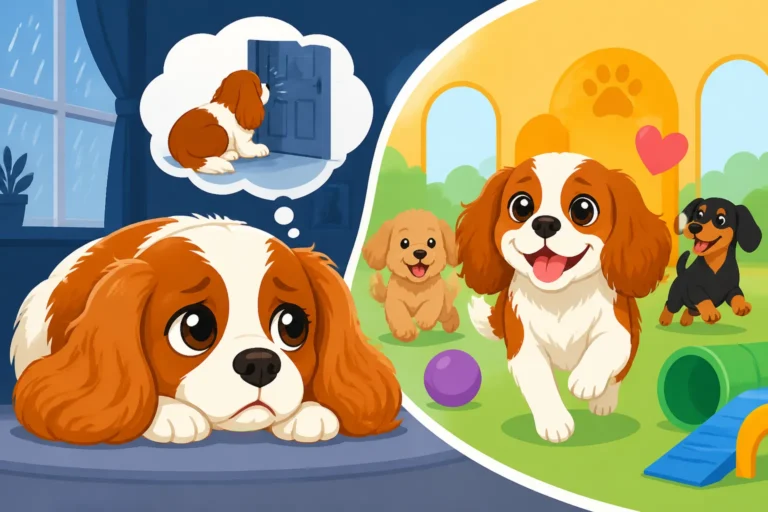
Cavaliers, by nature, are friendly and eager to please, but like all dogs, they need proper socialization to grow into well-adjusted adults. A puppy class offers a safe, controlled environment for your Cavalier to interact with other puppies of various breeds, sizes, and temperaments. This exposure is absolutely invaluable. Your little one learns appropriate play etiquette, how to read other dogs' signals, and how to handle novel experiences without becoming fearful or overly reactive. Think of it as puppy preschool, where they learn crucial social skills that will serve them for their entire lives.
Without this early, positive socialization, a Cavalier, even with its sweet disposition, could develop anxieties or shyness around other dogs or new people. This isn't just about being a good host at the dog park; it impacts vet visits, grooming appointments, and even casual strolls around the neighborhood. Preventing these issues early on is far easier and less stressful than trying to fix them later, which often requires expensive one-on-one behavioral consultations. This proactive approach saves you both money and heartache in the long run. Socializing a Cavalier Puppy Gently is a topic many Cavalier owners find themselves exploring.
Setting the Stage for Lifelong Learning and Bonding
A good puppy class teaches you, the owner, just as much as it teaches your Cavalier. You'll learn effective, reward-based training techniques that foster a positive relationship without resorting to harsh corrections, which can actually break a Cavalier's sensitive spirit. Reward-Based Training With a Cavalier is particularly effective with this breed. Instructors guide you through clear communication methods, helping you understand your Cavalier's body language and how to motivate them. These skills are transferable to every aspect of your life together, from polite greetings to comfortable car rides.
Moreover, these classes create an incredible bonding opportunity. You're working as a team, solving puzzles and achieving small victories together. This shared experience builds trust and strengthens your connection, laying the groundwork for a lifetime of companionship. Imagine the confidence you'll gain when you can reliably call your Cavalier back to you at the park, or when they comfortably settle down during a family gathering. This foundational training prevents common frustrations, like excessive barking or jumping, making your daily life with your Cavalier much smoother.
Factors Influencing the Cost of a Puppy Course
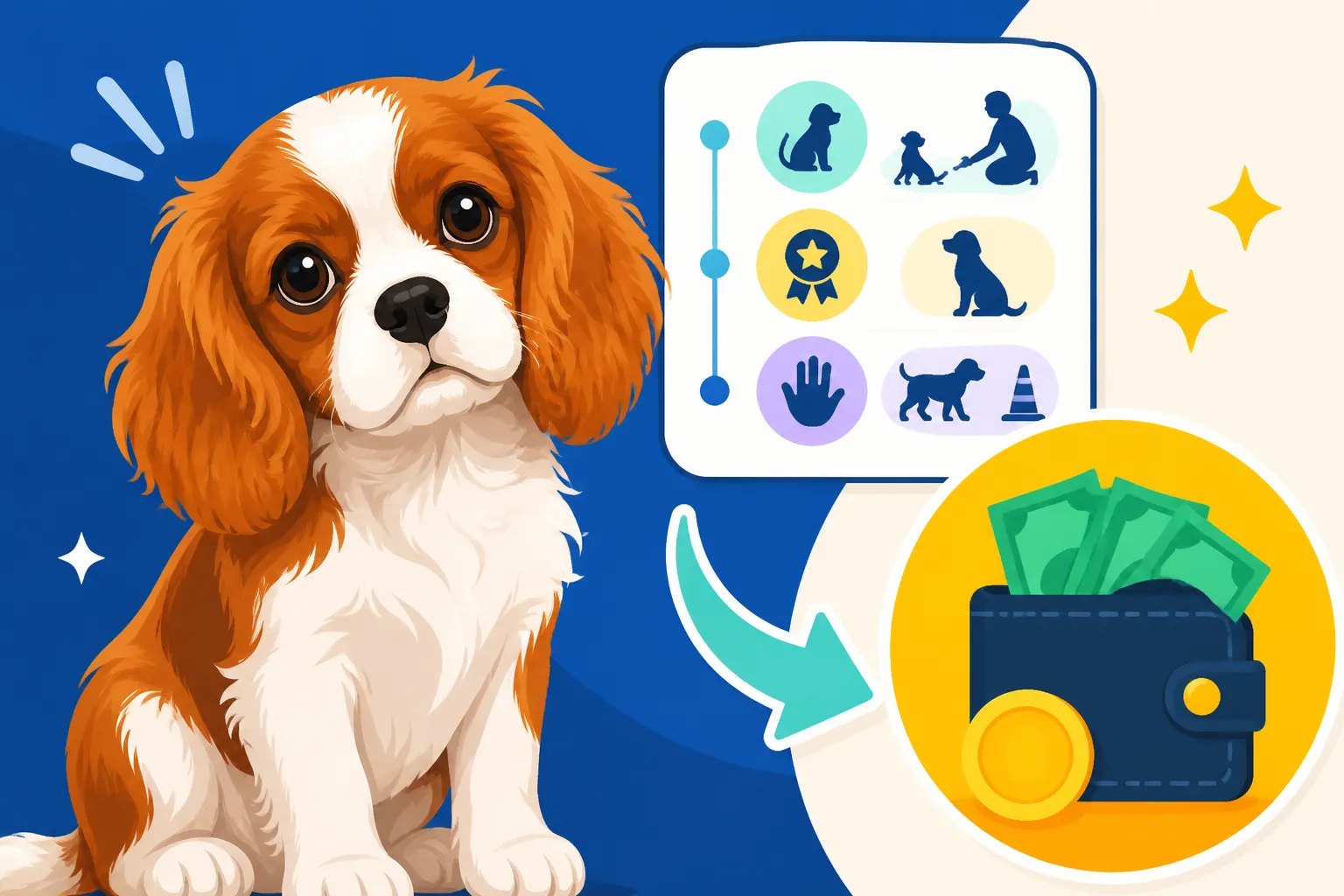
The price of a six-week puppy course isn't a fixed number; it can fluctuate quite a bit depending on several key elements. Understanding these variables will help you make an informed decision that suits both your budget and your Cavalier's needs. From urban centers to rural areas, and from novice instructors to seasoned veterans, the landscape of puppy training costs is diverse.
Geographic Location and Facility Type
Just like real estate, the cost of puppy classes often correlates with the cost of living in a particular area. A six-week course in a bustling metropolitan area, like New York City or Los Angeles, will almost certainly command a higher price than a similar course offered in a smaller town in the Midwest. This reflects the higher overhead for facility rentals, insurance, and instructor salaries in more expensive regions. Some training facilities might operate out of community centers, which can keep costs lower, while others might have dedicated, climate-controlled training halls with specialized flooring and equipment, naturally leading to a higher price point.
Consider if the facility offers a variety of class times, ample parking, and a clean, safe environment for your puppy. These seemingly small details contribute to the overall experience and can sometimes justify a slightly higher cost. For example, a well-lit, easily accessible facility might be worth a bit more if it makes attending classes less stressful for you and your puppy.
Instructor Experience and Class Size
The caliber of the instructor plays a significant role in the value and cost of a puppy course. Highly experienced trainers, especially those with certifications from reputable organizations or a specialization in puppy development, tend to charge more. Their expertise means they can better adapt to individual puppy personalities, troubleshoot common issues on the spot, and offer personalized advice for your Cavalier. They might also be more adept at spotting subtle cues of stress or discomfort in puppies, ensuring a positive experience for everyone.
Class size is another major factor. A course with a smaller student-to-instructor ratio (say, 4-6 puppies per instructor) allows for more individualized attention and hands-on guidance. This can be particularly beneficial for Cavaliers, who thrive on gentle interaction and can sometimes be sensitive in large group settings. Larger classes, while often more affordable, might offer less one-on-one time, which could mean you need to be more proactive in seeking out advice or practicing independently. When you're trying to house-train a Cavalier in an apartment, getting individual feedback on subtle issues can make all the difference. Toilet Training a Cavalier in an Apartment is a journey where expert guidance is gold.
Course Inclusions and Additional Perks
Beyond the six weeks of instruction, some puppy courses offer extra features that factor into the price. These might include:
- Training materials: Handouts, online resources, access to video tutorials, or even a basic starter kit of treats and a clicker.
- Follow-up support: Email or phone support from the instructor between classes, or even a complimentary consultation after the course ends.
- Access to facilities: Allowing you to use the training center for supervised practice sessions outside of class hours.
- Specialized workshops: Some programs might bundle in a short workshop on specific topics like Crate Training a Cavalier That Panics or managing puppy nipping.
A more comprehensive package, while costing more upfront, might provide better overall value by giving you additional tools and support. Always ask for a detailed breakdown of what's included to compare courses accurately. Sometimes, what seems like a pricier option might actually be a better deal if it saves you from having to purchase additional resources or seek further help later.
What a Typical Six-Week Course Covers for Your Cavalier
A well-structured six-week puppy course is designed to cover the fundamental skills and experiences that every young Cavalier needs for a happy, well-adjusted life. It's not just about commands; it's about building confidence, good habits, and clear communication between you and your puppy.
Foundational Behaviors and Basic Cues
The core of any puppy class revolves around teaching essential obedience commands. You can expect to cover:
- Name Recognition: Getting your Cavalier to reliably respond when their name is called.
- Sit, Down, Stay: The building blocks of canine manners, teaching your puppy to hold position.
- Come (Recall): Arguably the most important command for safety, especially if your Cavalier gets distracted by a passing squirrel or another dog. The Recall Word a Cavalier Learns Fastest is a useful related topic.
- Loose-Leash Walking: Introducing the concept of walking politely on a leash without pulling, a crucial skill for enjoying walks together.
- Leave It/Drop It: Teaching your Cavalier to ignore or release inappropriate items, which can be a lifesaver with puppies prone to mouthing or scavenging.
These aren't just tricks; they're vital communication tools that create structure and predictability for your puppy, reducing anxiety and making your shared life much more pleasant. You'll learn how to use treats – perhaps some high-value options from Ollie or a steady supply from Chewy – and praise to motivate your Cavalier effectively, focusing on positive reinforcement to build their confidence.
Addressing Common Puppy Challenges
Beyond commands, puppy classes are an excellent forum for discussing and learning strategies for common puppy behaviors that can challenge new owners. Expect guidance on:
- House Training: Tips and schedules for successful potty training, addressing accidents, and understanding your puppy's cues. How Fast a Cavalier Puppy Learns to Ask Outside is often a point of discussion.
- Nipping and Biting: Understanding why puppies nip and how to redirect this natural behavior into appropriate chew toys.
- Crate Training: Making the crate a positive, safe den for your Cavalier, rather than a place of punishment.
- Management of Chewing: Providing appropriate outlets for chewing and protecting your home from puppy destruction.
- Separation Anxiety Prevention: Building your Cavalier's independence and comfort with being alone for short periods, addressing concerns like Why a Cavalier Cannot Be Left All Day.
The instructor will usually dedicate time each week to Q&A, allowing you to bring up specific issues you're facing with your Cavalier. This group troubleshooting can be incredibly supportive, as you often realize other puppy owners are experiencing similar struggles.
Socialization Opportunities and Handling Practice
A significant component of puppy class is supervised playtime with other puppies. This isn't just for fun; it's critical for developing good social skills. Puppies learn bite inhibition from each other, understand appropriate boundaries, and burn off energy in a constructive way. For Cavaliers, whose friendly nature shines in social settings, this is particularly beneficial.
The classes also often incorporate handling exercises. Instructors will guide you on how to accustom your Cavalier to being touched all over – paws, ears, mouth – in preparation for vet visits, grooming, and everyday care. This gentle handling can prevent future struggles during nail trims or ear cleanings, making these necessary tasks less stressful for everyone involved. Getting a Cavalier Used to Ear Cleaning is an example of a specific skill that benefits greatly from early, positive handling practice.
Beyond the Classroom: Hidden Costs and Long-Term Value
While the cost of the six-week puppy course itself is the primary expense, it's wise to consider other potential costs that might arise during this crucial training period. Thinking about the broader picture helps you budget more accurately and appreciate the long-term benefits of your investment.
Necessary Supplies and Potential Follow-Up
Participating in a puppy class often requires a few essential supplies. You'll definitely need a good supply of high-value training treats – and remember, Cavaliers can be quite food motivated! Brands like Ollie can be great for this, or you can find a wide variety of options on Chewy. You'll also need a comfortable, well-fitting harness (avoiding collars that put pressure on the neck) and a standard leash. Some classes might recommend a clicker if that's part of their methodology. While these aren't directly part of the course fee, they are necessary investments to make the most of your training.
| Item Type | Typical Use in Puppy Class | Example Benefit for Cavalier |
|---|---|---|
| High-Value Training Treats | Rewards for desired behaviors, focus in distractions | Keeps sensitive Cavaliers motivated, builds positive associations |
| Well-Fitting Harness | Leash training, preventing neck strain | Protects delicate necks, especially given breed predispositions |
| Standard Leash (6-foot) | Practicing loose-leash walking and recall | Essential for safety and control, even in secure environments |
| Clicker (Optional) | Marker for precise timing in reward-based training | Helps clear communication for quick learners like Cavaliers |
| Chew Toys | Redirecting nipping, crate enrichment | Prevents destructive chewing, soothes teething discomfort |
| Snoods (Optional) | Keeping long ears clean during feeding/training | Prevents ears from getting in treats or wet from water bowls |
After the initial six-week course, you might discover a passion for dog sports or find that your Cavalier could benefit from more advanced obedience. This could lead to further financial commitments for intermediate classes, specialized workshops (like Scent Work as a Low-Impact Cavalier Sport), or even one-on-one sessions if specific behavioral challenges emerge. However, the foundational skills learned in puppy class often make these subsequent training endeavors more successful and sometimes less costly, as you're not starting from scratch.
Investing in Prevention vs. Future Problem Solving
It's tempting to view puppy classes as an optional expense, especially when initial puppy costs like What to Buy Before a Cavalier Puppy Arrives and Setting Up for a Cavalier Puppy's First Weeks can add up. However, think of it as preventative care for your Cavalier's behavior and your relationship. An investment now can potentially save you significant money and stress down the line. Behavioral issues that aren't addressed in puppyhood can escalate into more serious problems that require expensive consultations with certified professional dog trainers or veterinary behaviorists. These specialized services often carry a much higher price tag than a group puppy class.
For example, an unsocialized Cavalier might develop severe separation anxiety, leading to destructive chewing or constant barking. Medication for Cavalier Separation Anxiety and dedicated behavior modification programs can be very costly. Or, a Cavalier with no recall training might bolt into a dangerous situation, incurring vet bills or worse. While pet insurance providers like Healthy Paws are fantastic for unexpected medical costs, they typically do not cover training or behavioral modification for non-medical issues. Therefore, investing in solid puppy training is truly an investment in your Cavalier's long-term health, happiness, and your peace of mind, potentially avoiding far greater financial and emotional burdens later on.
Disclaimer
This article is for general informational purposes only and does not constitute professional advice. Laws, prices and regulations vary by location and change over time. Consult a qualified professional for guidance on your specific situation.